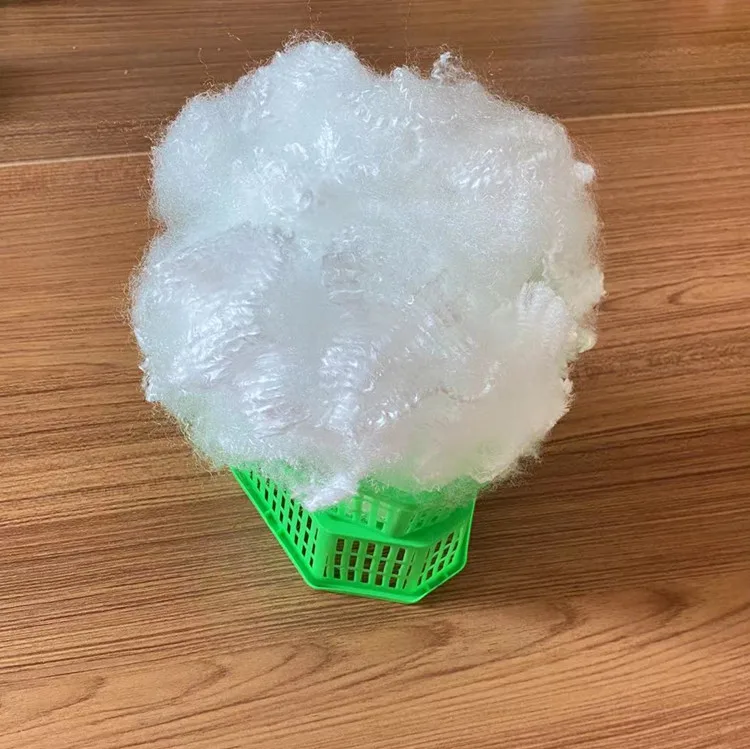
PP staple fiber for nonwoven
- Category: >>>
- Supplier: Dezhou Xibei New Material Co. Ltd.
Share on (1600439000602):
Product Overview
Description
Product Description
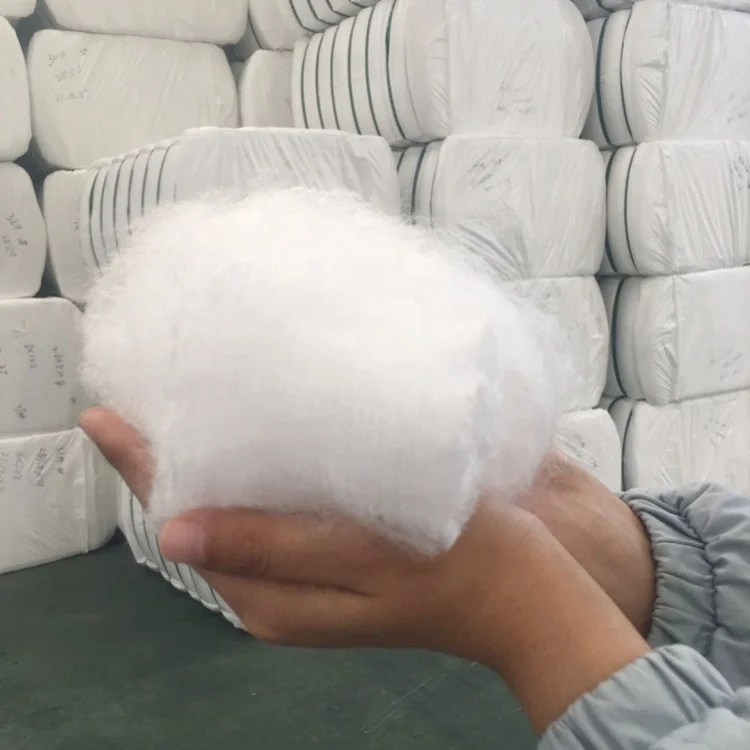
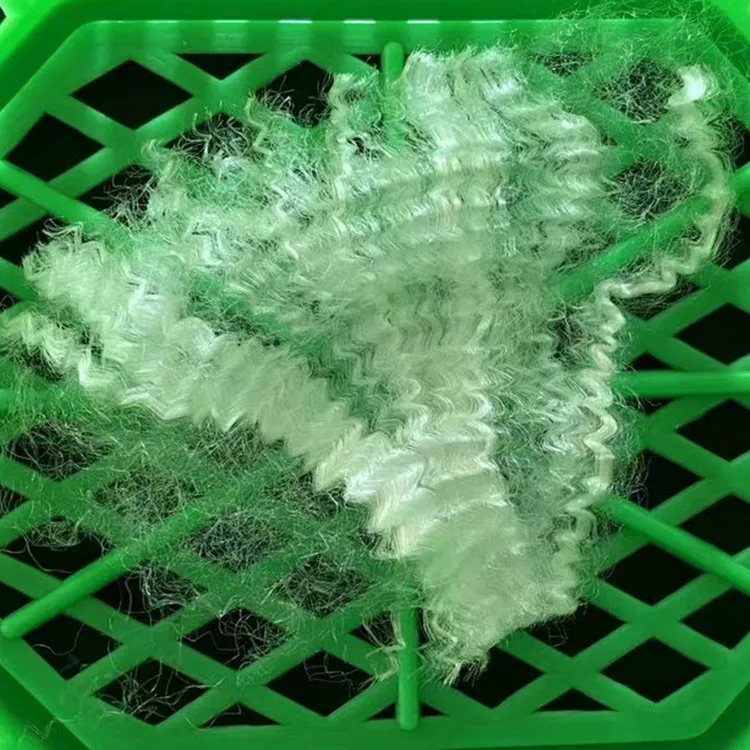
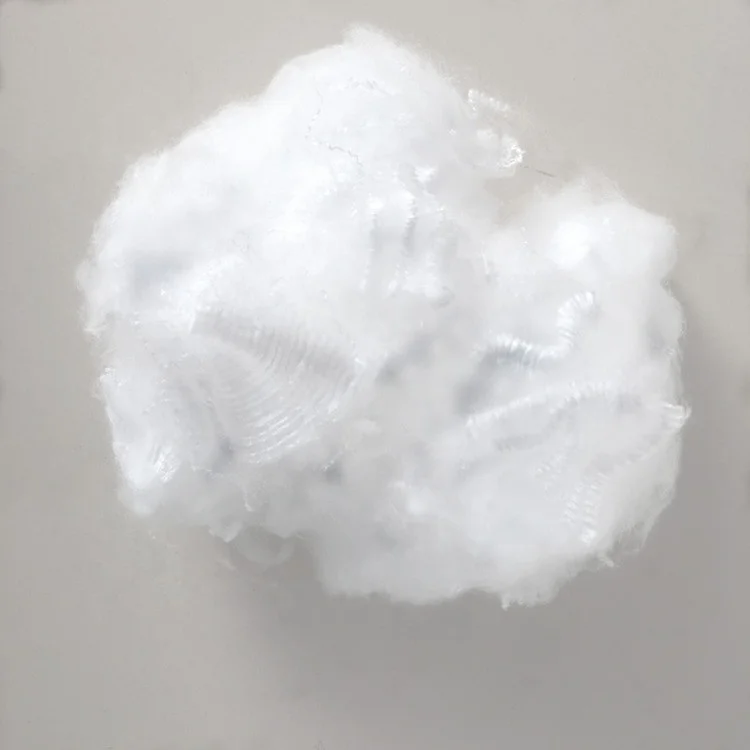
Polypropylene staple fiber uses polypropylene as raw material and is made by one-step short-distance spinning process.
Polypropylene started industrial production in 1957. As the raw material only needs propylene, it has abundant sources, high quality and low price, and the production process is simple. It is a synthetic fiber with relatively high cost performance.
Polypropylene has good performance and rapid development, and its output is second only to polyester, nylon, and acrylic in the world.
*Relative density: Polypropylene has the smallest relative density among synthetic fibers, about 0.91g/cm3, so it is extremely light, and the fiber per unit weight can cover a larger area.
*Strength: The strength of polypropylene is similar to that of high-strength polyester and nylon in synthetic fibers, but the strength hardly changes in the wet state, which is better than nylon.
*Abrasion resistance and corrosion resistance: The flat wear resistance of polypropylene is second only to nylon, corrosion resistance, and has significant stability to inorganic acids and alkalis
*Electrical insulation and warmth retention: Polypropylene has high electrical resistivity (7*10Ω.cm) and low thermal conductivity. Compared with other chemical fibers, polypropylene has good electrical insulation and warmth retention, but it is prone to static electricity during processing.
*Heat resistance and aging resistance: Polypropylene has a low melting point (165~173 degrees Celsius) and poor stability to light and heat, so polypropylene has poor heat resistance and aging resistance, and is not resistant to ironing. But the anti-aging performance can be improved by adding anti-aging agent during spinning.
*In addition, polypropylene, like other synthetic fibers, is not easy to mold. Rot and moth-eaten.
Specification
item | value |
Material | 100% Polypropylene |
Use | Spinning, Non-Woven Fabric |
Density | 0.91g/cm3 |
Melting Point | 165~173℃ |
Fiber Length | 38mm, 51mm, 65mm, 76mm, 90mm, 102mm |
Fineness | 2.5D~8D |
Elastic Modulus | Good |
Elongation At Break | ≥40% |
Acid, Alkali & Salt Resistance | Strong |
Place of Origin | China |
Province | Shandong |
Brand Name | Schiebel |
Model Number | 6D*76mm or at your request |
Polypropylene staple fibers are currently widely used in geotextiles, sanitary materials, filter cloth, cool cloth and other non-woven fabrics, automotive interiors, spinning, carpets, engineering materials, composite materials, filling materials, sound insulation materials, felt products and other industries.
Packing & Delivery


Packaging is PP woven geotextile
1*40hc loading quantity: 21ton
1*20gp loading quantity: 9t
FAQ
1. who are we?
We are based in Shandong, China, start from 2014,sell to Domestic Market(44.00%),Southeast Asia(40.00%),Africa(5.00%),Oceania(5.00%),Eastern Asia(2.00%),South America(2.00%),South Asia(1.00%),North America(1.00%). There are total about 11-50 people in our office.
2. how can we guarantee quality?
Always a pre-production sample before mass production;
Always final Inspection before shipment;
3.what can you buy from us?
Geotextile,geotube,geotextile bag,geocell,geomembrane
4. why should you buy from us not from other suppliers?
(1) 7 years export experence
(2)Moderate price
(3)professional support
(4)Great team support
(5)Fast delivery time
(6)Lifetime guarantee
(7)Product quality is strictly controlled
(8)pay attention to resource integration and cooperate with factory
5. what services can we provide?
Accepted Delivery Terms: FOB,CFR,CIF,EXW,FCA,Express Delivery,DAF;
Accepted Payment Currency:USD,HKD,CNY;
Accepted Payment Type: T/T;
Language Spoken:English,Chinese
We are based in Shandong, China, start from 2014,sell to Domestic Market(44.00%),Southeast Asia(40.00%),Africa(5.00%),Oceania(5.00%),Eastern Asia(2.00%),South America(2.00%),South Asia(1.00%),North America(1.00%). There are total about 11-50 people in our office.
2. how can we guarantee quality?
Always a pre-production sample before mass production;
Always final Inspection before shipment;
3.what can you buy from us?
Geotextile,geotube,geotextile bag,geocell,geomembrane
4. why should you buy from us not from other suppliers?
(1) 7 years export experence
(2)Moderate price
(3)professional support
(4)Great team support
(5)Fast delivery time
(6)Lifetime guarantee
(7)Product quality is strictly controlled
(8)pay attention to resource integration and cooperate with factory
5. what services can we provide?
Accepted Delivery Terms: FOB,CFR,CIF,EXW,FCA,Express Delivery,DAF;
Accepted Payment Currency:USD,HKD,CNY;
Accepted Payment Type: T/T;
Language Spoken:English,Chinese
We Recommend
New Arrivals
New products from manufacturers at wholesale prices