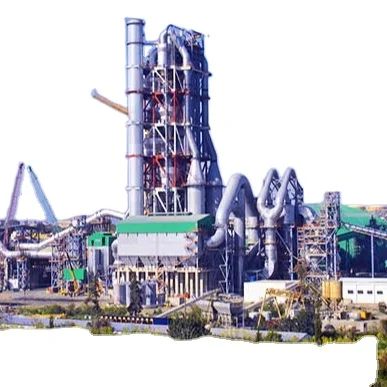
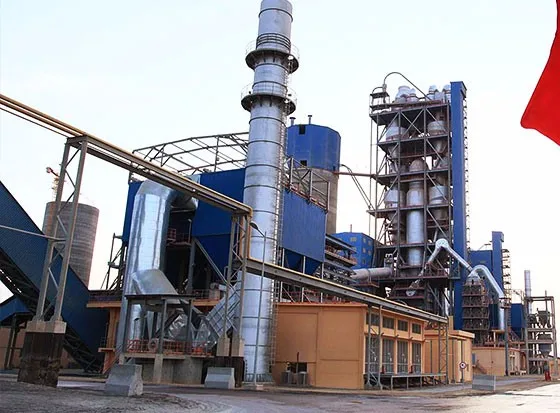
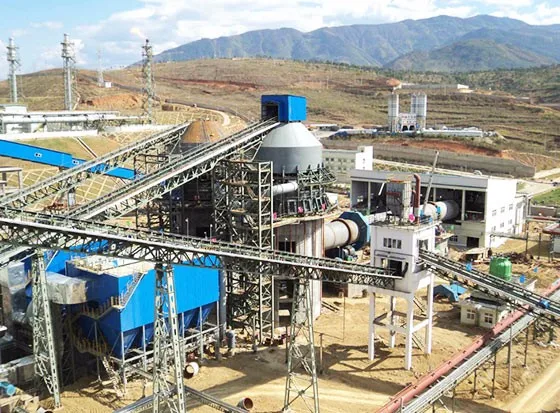
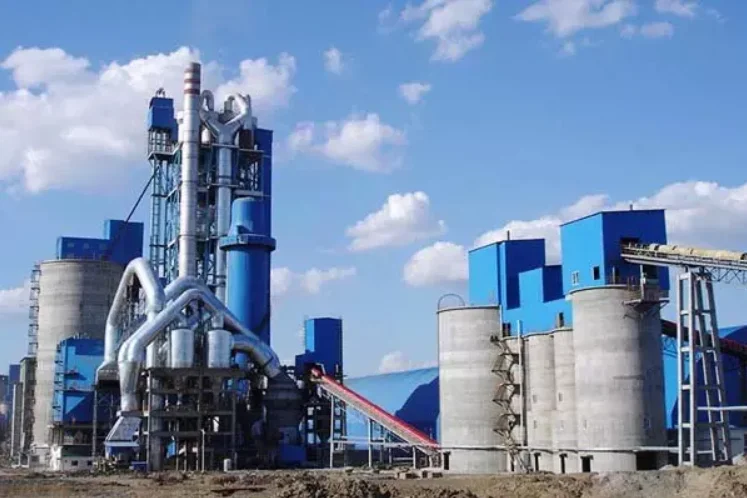
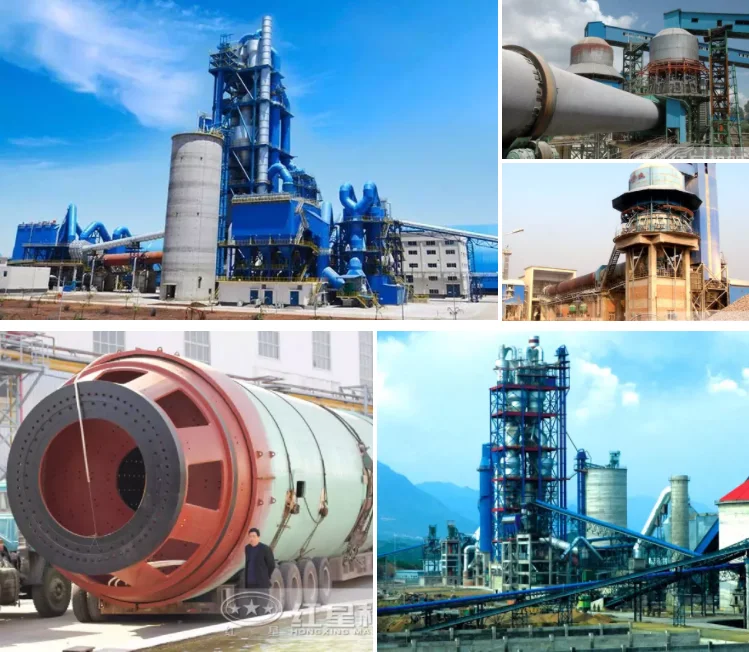
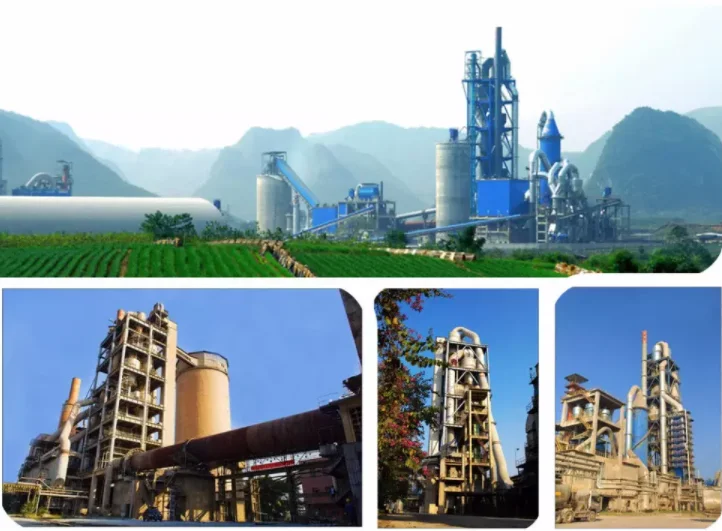
Mini Small cement making machine Cement Production Line Complete Cement Plant Machines
- Category: Cement Making Machinery >>>
- Supplier: Titeco Industry Technology Inc.
Share on (1600445128222):
Product Overview
Description
Products Description

1.Crushing and pre homogenization
(1) Crushing: in the process of cement production, most raw materials need to be crushed, such as limestone, clay, iron ore and coal. Limestone is a raw material with large amount of cement production. After mining, the particle size is large and the hardness is high. Therefore, limestone is a raw material with large amount of cement production. After mining, the particle size is large and the hardness is high. The crushing process is more economical and convenient than the grinding process. Break large materials to small and uniform particle size as much as possible, so as to reduce the load of grinding equipment and improve the output of grinding machine. After the materials are broken, the separation of materials with different particle sizes in the process of transportation and storage can be reduced, the raw meal with uniform composition can be prepared, and the accuracy of batching can be improved.
(2)Raw material pre homogenization: raw material pre homogenization is that when materials are stacked, the incoming raw materials are continuously stacked by the stacker into as many material layers parallel to each other, overlapping up and down and of the same thickness as possible. When taking materials, cut all material layers at the same time as far as possible in the direction perpendicular to the material layer, and cut them in turn until they are taken, i.e. "tile and straight take". Make the raw material storage yard have the functions of storage and homogenization at the same time.
2. Raw meal preparation
(1) Raw material proportioning: there are four proportioning silos (or other special auxiliary material silos) for raw material proportioning: limestone, sandstone, iron ore and fly ash. Weighing feeders are set at the bottom of the silo to give various materials quantitatively according to the proportion required by the production process. It is sent to the vertical grinding system by belt conveyor for grinding.
⑵Raw material grinding: the materials fall to the center of the grinding plate through the blanking chute through the air lock feeding device, are thrown to the edge of the grinding plate under the action of centrifugal force, and are rolled and ground by the grinding roller. The crushed materials overflow from the edge of the grinding plate and are dried by the hot air flow from the nozzle at a high speed upward. According to the different air flow speed, some materials are brought into the high-efficiency powder concentrator by the air flow, After separation, the coarse powder is returned to the grinding plate for re grinding; The qualified fine powder flows out of the mill with the gas and is mixed with the dust collected by the humidification tower and electrostatic precipitator, and sent to the raw material homogenization warehouse for homogenization and storage through chute and bucket elevator
3. Raw meal homogenization
When the raw meal powder is unloaded downward, it is stirred by air and acted by gravity to produce "funnel effect". Try to cut multi-layer material surface and mix fully. Different fluidizing air is used to make the parallel material surface in the warehouse have fluidizing expansion of different sizes. Some areas are unloaded and some areas are fluidized, so that the material surface in the warehouse is inclined for radial mixing and homogenization. In the process of cement production, stabilizing the composition of raw materials entering the pit is the premise of stabilizing the thermal system of clinker burning, and the raw material homogenization system plays the latter role of stabilizing the composition of raw materials entering the pit.
4. Preheating and pre decomposition
The preheating and partial decomposition of the raw material are completed by the preheater instead of some functions of the rotary kiln, so as to shorten the length of returning to the kiln, and make the gas material heat exchange process in the accumulated state in the kiln move to the suspended state in the preheater, so that the raw material can be fully mixed with the hot gas discharged from the kiln, increase the gas material contact area, fast heat transfer speed and high heat exchange efficiency, The purpose of improving the production efficiency of the kiln system and reducing the heat consumption of clinker burning is achieved.
(1) Preheater: the main function is to make full use of the waste heat of the waste gas discharged from the rotary kiln and calciner to heat the raw meal, so as to preheat the raw meal and decompose some carbonate. In order to greatly improve the heat exchange efficiency between gas and solid and realize the high quality, high yield and low consumption of the whole calcination system, it is necessary to have three functions: uniform gas-solid dispersion, rapid heat exchange and efficient separation.
(2) Pre decomposition: the emergence of pre decomposition technology is a technological leap in cement calcination process. It is to add a decomposition furnace between the preheater and the rotary kiln, use the rising flue at the kiln tail, and set up a fuel injection device, so that the exothermic process of fuel combustion and the endothermic process of carbonate decomposition of raw meal can be carried out rapidly in the decomposition furnace in suspended or fluidized state, so as to increase the decomposition rate of raw meal into the kiln to more than 90%. Move the original carbonate decomposition task in the rotary kiln to the decomposition furnace; Most of the fuel is added from the calciner and a few from the kiln head, which reduces the heat load of the calcination zone in the kiln, prolongs the service life of the lining and is conducive to large-scale production; Due to the uniform mixing of fuel and raw meal, the combustion heat of fuel is transferred to materials in time, so that the combustion, heat exchange and carbonate decomposition process are optimized. Therefore, it has a series of excellent properties and characteristics such as high quality, high efficiency and low consumption.
5. Firing of cement clinker
After the raw meal is preheated and pre decomposed in the cyclone preheater, it enters the rotary kiln for clinker burning. In the rotary kiln, carbonate further decomposes rapidly and a series of solid-state reactions occur to produce AC3, afc4, SC2 and other minerals in cement clinker. With the increase of material temperature near c01300, minerals such as AC3, afc4 and SC2 will become liquid phase, and SC2 dissolved in liquid phase will react with Cao to produce a large amount of SC3 (clinker). After the clinker is fired, the temperature begins to decrease. After that, the high-temperature clinker discharged from the rotary kiln is cooled by the cement clinker cooler to the set temperature of the storage warehouse for storage. At the same time, the sensible heat of the high-temperature clinker is recovered to improve the thermal efficiency and clinker quality of the system.
6. Cement batching station
The cement batching station is equipped with clinker, gypsum and auxiliary material warehouses. Weighing feeders are set at the bottom of each warehouse to give various materials quantitatively according to the set ratio. Clinker bulk facilities are also set at the side of clinker batching warehouse for external use of clinker. After the materials are discharged in proportion by the feeding metering equipment, they are sent to the ball mill by the belt conveyor for grinding.
7. Cement grinding
Cement grinding is not only a post process of cement manufacturing, but also a process with high power consumption. It is mainly used to grind the cement clinker (and gelling agent, performance regulating materials, etc.) to the appropriate particle size (expressed in fineness, specific surface area, etc.), the grinding materials are sent to the high-efficiency powder concentrator by the bucket elevator for sorting, the coarse powder is reground and continues to be ground, and the finished cement is collected by the air box pulse bag dust collector and then transported by the air chute The bucket elevator is sent to the finished cement warehouse for storage.
8. Cement packaging
After the outbound cement is unloaded by the unloading device at the bottom of the warehouse, it is sent to the cement packaging workshop and cement bulk warehouse by belt conveyor, bucket elevator and air conveying chute. The cement is packaged by an eight nozzle rotary packaging machine. The packaged bagged cement is sent to the finished bagged cement warehouse for storage through the bag unloading and conveying system, and can also be loaded and shipped directly. The cement bulk warehouse is equipped with cement truck bulk facilities for truck bulk.
(1) Crushing: in the process of cement production, most raw materials need to be crushed, such as limestone, clay, iron ore and coal. Limestone is a raw material with large amount of cement production. After mining, the particle size is large and the hardness is high. Therefore, limestone is a raw material with large amount of cement production. After mining, the particle size is large and the hardness is high. The crushing process is more economical and convenient than the grinding process. Break large materials to small and uniform particle size as much as possible, so as to reduce the load of grinding equipment and improve the output of grinding machine. After the materials are broken, the separation of materials with different particle sizes in the process of transportation and storage can be reduced, the raw meal with uniform composition can be prepared, and the accuracy of batching can be improved.
(2)Raw material pre homogenization: raw material pre homogenization is that when materials are stacked, the incoming raw materials are continuously stacked by the stacker into as many material layers parallel to each other, overlapping up and down and of the same thickness as possible. When taking materials, cut all material layers at the same time as far as possible in the direction perpendicular to the material layer, and cut them in turn until they are taken, i.e. "tile and straight take". Make the raw material storage yard have the functions of storage and homogenization at the same time.
2. Raw meal preparation
(1) Raw material proportioning: there are four proportioning silos (or other special auxiliary material silos) for raw material proportioning: limestone, sandstone, iron ore and fly ash. Weighing feeders are set at the bottom of the silo to give various materials quantitatively according to the proportion required by the production process. It is sent to the vertical grinding system by belt conveyor for grinding.
⑵Raw material grinding: the materials fall to the center of the grinding plate through the blanking chute through the air lock feeding device, are thrown to the edge of the grinding plate under the action of centrifugal force, and are rolled and ground by the grinding roller. The crushed materials overflow from the edge of the grinding plate and are dried by the hot air flow from the nozzle at a high speed upward. According to the different air flow speed, some materials are brought into the high-efficiency powder concentrator by the air flow, After separation, the coarse powder is returned to the grinding plate for re grinding; The qualified fine powder flows out of the mill with the gas and is mixed with the dust collected by the humidification tower and electrostatic precipitator, and sent to the raw material homogenization warehouse for homogenization and storage through chute and bucket elevator
3. Raw meal homogenization
When the raw meal powder is unloaded downward, it is stirred by air and acted by gravity to produce "funnel effect". Try to cut multi-layer material surface and mix fully. Different fluidizing air is used to make the parallel material surface in the warehouse have fluidizing expansion of different sizes. Some areas are unloaded and some areas are fluidized, so that the material surface in the warehouse is inclined for radial mixing and homogenization. In the process of cement production, stabilizing the composition of raw materials entering the pit is the premise of stabilizing the thermal system of clinker burning, and the raw material homogenization system plays the latter role of stabilizing the composition of raw materials entering the pit.
4. Preheating and pre decomposition
The preheating and partial decomposition of the raw material are completed by the preheater instead of some functions of the rotary kiln, so as to shorten the length of returning to the kiln, and make the gas material heat exchange process in the accumulated state in the kiln move to the suspended state in the preheater, so that the raw material can be fully mixed with the hot gas discharged from the kiln, increase the gas material contact area, fast heat transfer speed and high heat exchange efficiency, The purpose of improving the production efficiency of the kiln system and reducing the heat consumption of clinker burning is achieved.
(1) Preheater: the main function is to make full use of the waste heat of the waste gas discharged from the rotary kiln and calciner to heat the raw meal, so as to preheat the raw meal and decompose some carbonate. In order to greatly improve the heat exchange efficiency between gas and solid and realize the high quality, high yield and low consumption of the whole calcination system, it is necessary to have three functions: uniform gas-solid dispersion, rapid heat exchange and efficient separation.
(2) Pre decomposition: the emergence of pre decomposition technology is a technological leap in cement calcination process. It is to add a decomposition furnace between the preheater and the rotary kiln, use the rising flue at the kiln tail, and set up a fuel injection device, so that the exothermic process of fuel combustion and the endothermic process of carbonate decomposition of raw meal can be carried out rapidly in the decomposition furnace in suspended or fluidized state, so as to increase the decomposition rate of raw meal into the kiln to more than 90%. Move the original carbonate decomposition task in the rotary kiln to the decomposition furnace; Most of the fuel is added from the calciner and a few from the kiln head, which reduces the heat load of the calcination zone in the kiln, prolongs the service life of the lining and is conducive to large-scale production; Due to the uniform mixing of fuel and raw meal, the combustion heat of fuel is transferred to materials in time, so that the combustion, heat exchange and carbonate decomposition process are optimized. Therefore, it has a series of excellent properties and characteristics such as high quality, high efficiency and low consumption.
5. Firing of cement clinker
After the raw meal is preheated and pre decomposed in the cyclone preheater, it enters the rotary kiln for clinker burning. In the rotary kiln, carbonate further decomposes rapidly and a series of solid-state reactions occur to produce AC3, afc4, SC2 and other minerals in cement clinker. With the increase of material temperature near c01300, minerals such as AC3, afc4 and SC2 will become liquid phase, and SC2 dissolved in liquid phase will react with Cao to produce a large amount of SC3 (clinker). After the clinker is fired, the temperature begins to decrease. After that, the high-temperature clinker discharged from the rotary kiln is cooled by the cement clinker cooler to the set temperature of the storage warehouse for storage. At the same time, the sensible heat of the high-temperature clinker is recovered to improve the thermal efficiency and clinker quality of the system.
6. Cement batching station
The cement batching station is equipped with clinker, gypsum and auxiliary material warehouses. Weighing feeders are set at the bottom of each warehouse to give various materials quantitatively according to the set ratio. Clinker bulk facilities are also set at the side of clinker batching warehouse for external use of clinker. After the materials are discharged in proportion by the feeding metering equipment, they are sent to the ball mill by the belt conveyor for grinding.
7. Cement grinding
Cement grinding is not only a post process of cement manufacturing, but also a process with high power consumption. It is mainly used to grind the cement clinker (and gelling agent, performance regulating materials, etc.) to the appropriate particle size (expressed in fineness, specific surface area, etc.), the grinding materials are sent to the high-efficiency powder concentrator by the bucket elevator for sorting, the coarse powder is reground and continues to be ground, and the finished cement is collected by the air box pulse bag dust collector and then transported by the air chute The bucket elevator is sent to the finished cement warehouse for storage.
8. Cement packaging
After the outbound cement is unloaded by the unloading device at the bottom of the warehouse, it is sent to the cement packaging workshop and cement bulk warehouse by belt conveyor, bucket elevator and air conveying chute. The cement is packaged by an eight nozzle rotary packaging machine. The packaged bagged cement is sent to the finished bagged cement warehouse for storage through the bag unloading and conveying system, and can also be loaded and shipped directly. The cement bulk warehouse is equipped with cement truck bulk facilities for truck bulk.


Company Profile
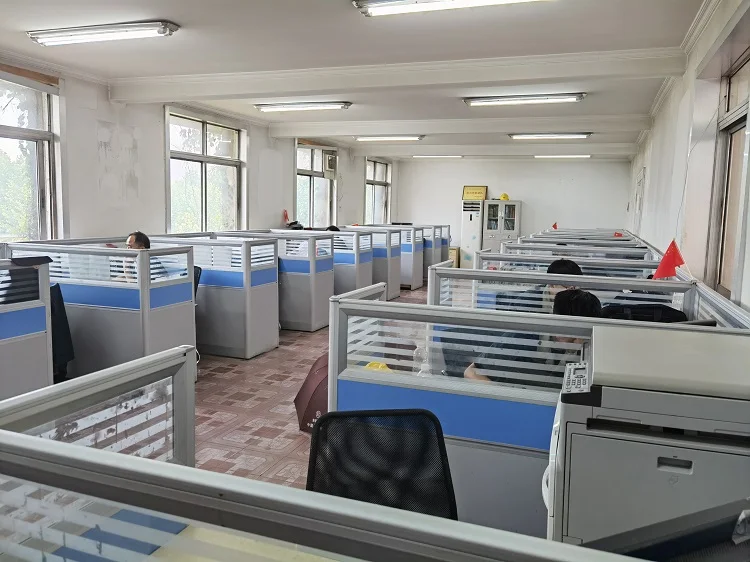

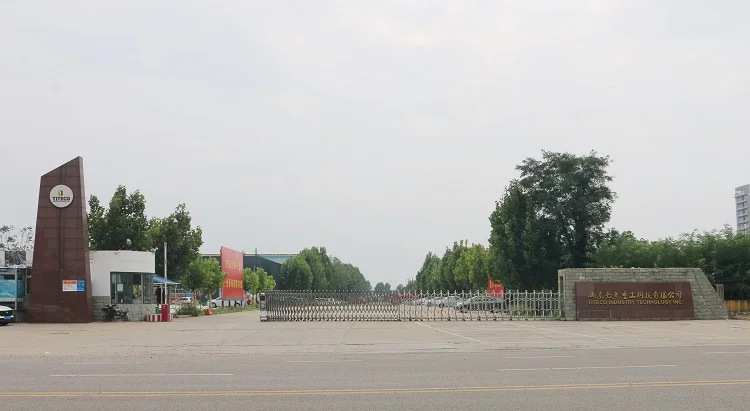
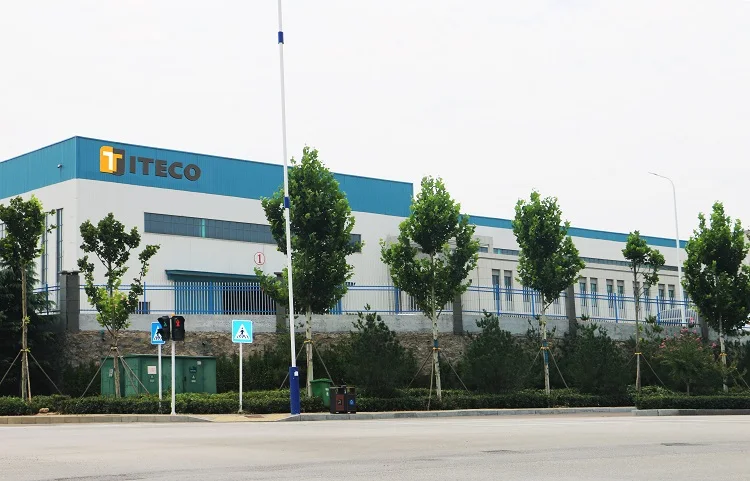
TITECO is a global producer of construction equipment and vehicles, which is specialist in road building, repair and maintenance machinery equipment and vehicles. We offer our customers technologically first-class quality products, creative design services and sound service for optimum, economic production processes. With over 20 years experience in concrete & asphalt road building and maintenance, TITECO's applied technology service will help you to improve your performance. All our products are synonymous of power and stability, always provide the innovative solutions for complex issues.
Our Advantages
1. More than 20 years of cutting edge innovation and expertise help us to provide you all the best solutions of your projects.
2. With all kinds of our products commissioned for the concrete and asphalt industry projects,we believed that we know the cares and concerns of our customers well.
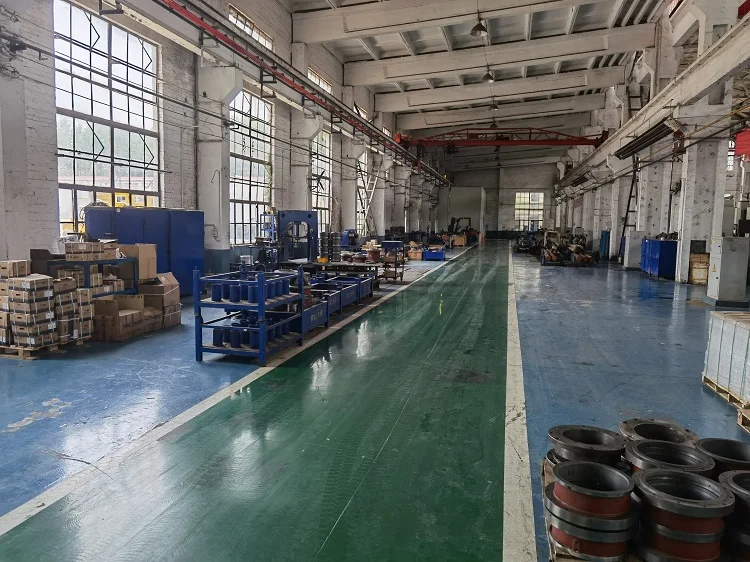
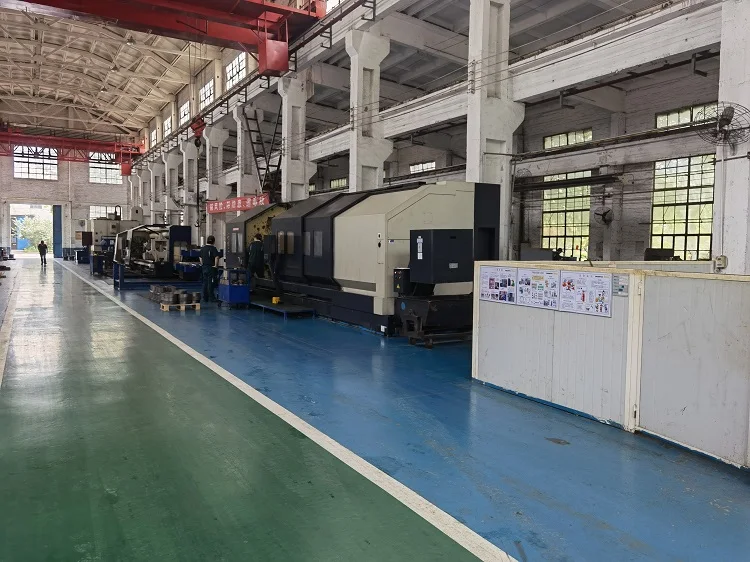
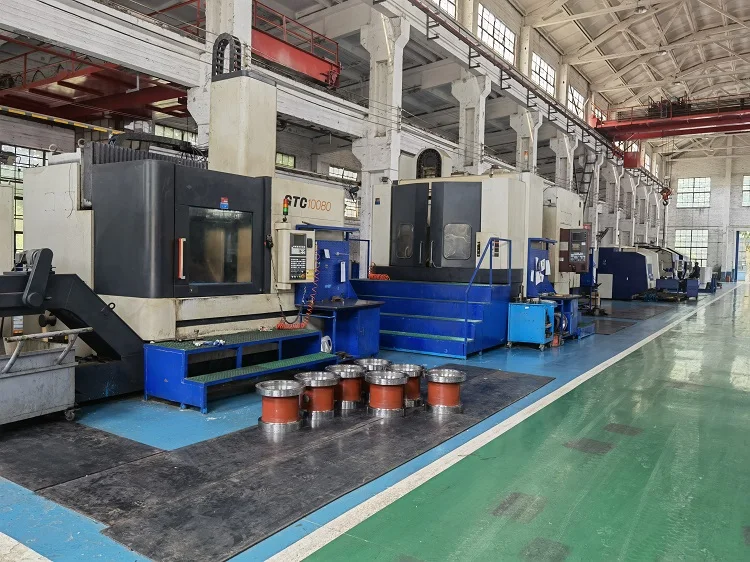
3. TITECO manufactures all equipment in our own factory under the strick quaility control system, makes the equipment much more reliable.
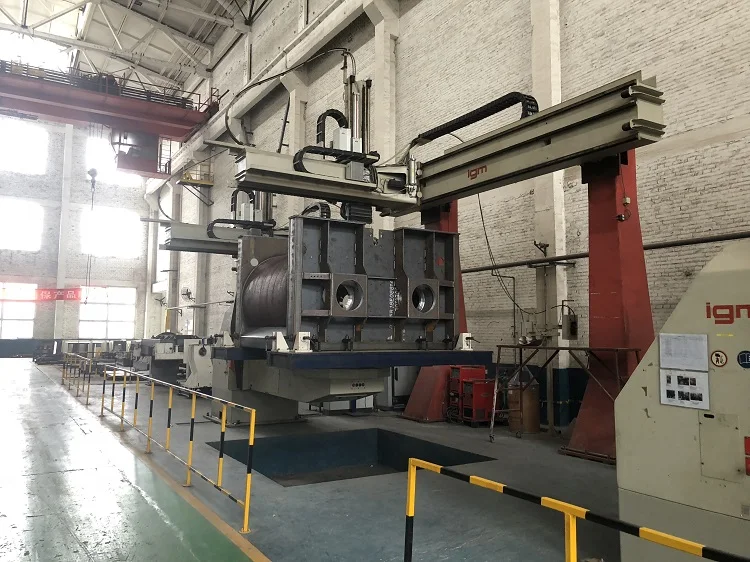
Production Process
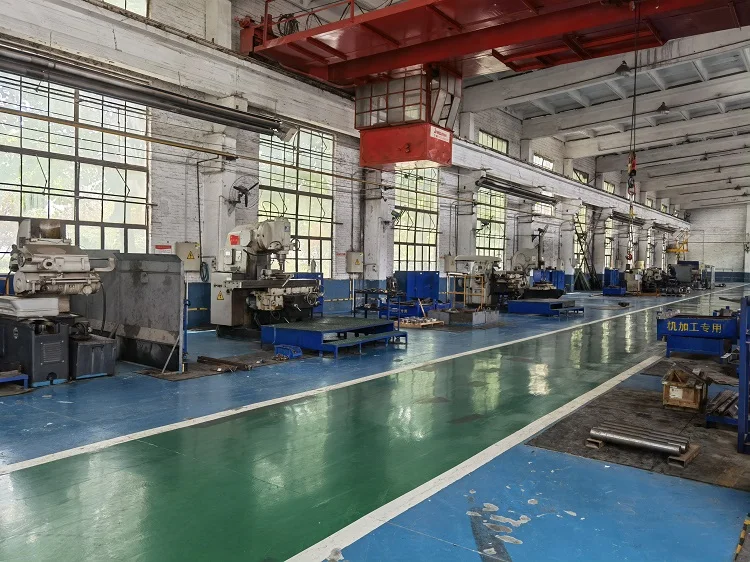
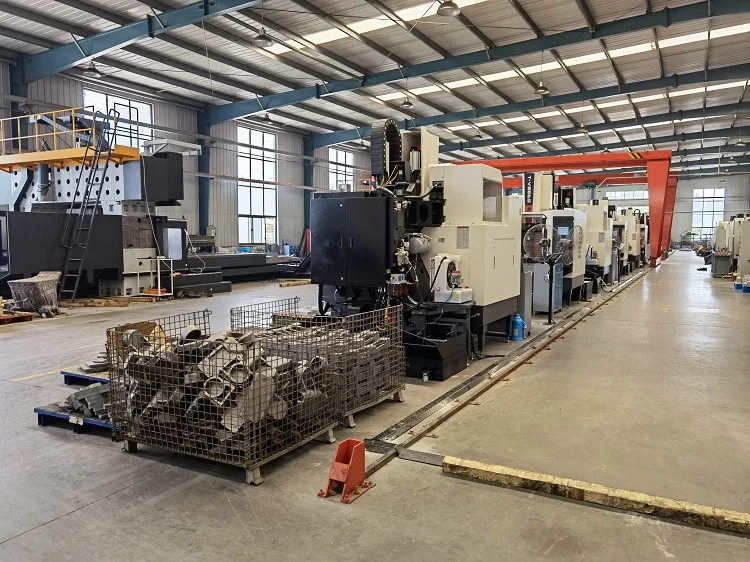
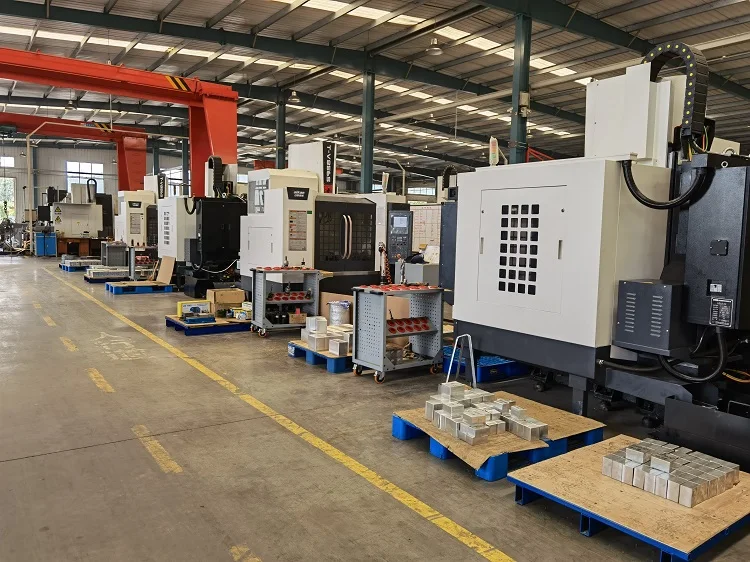
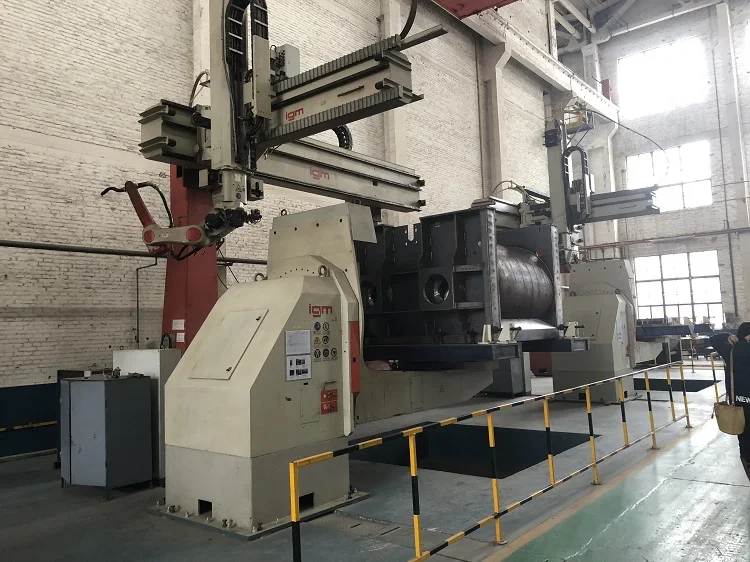
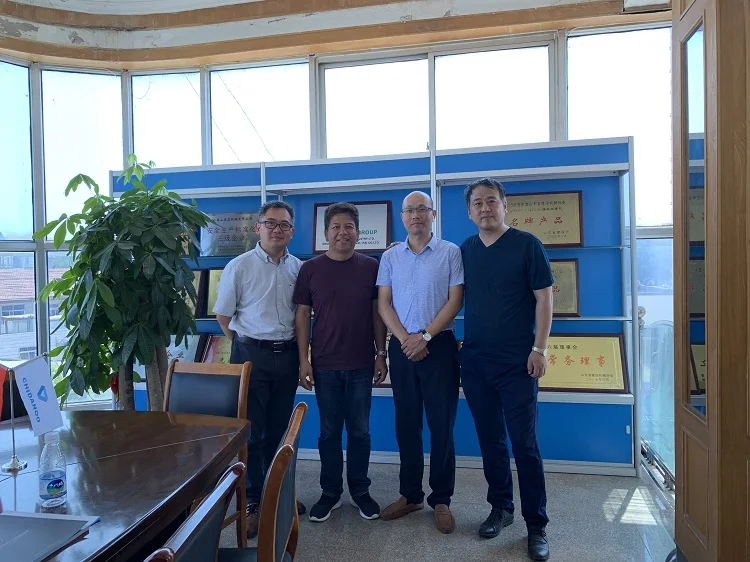
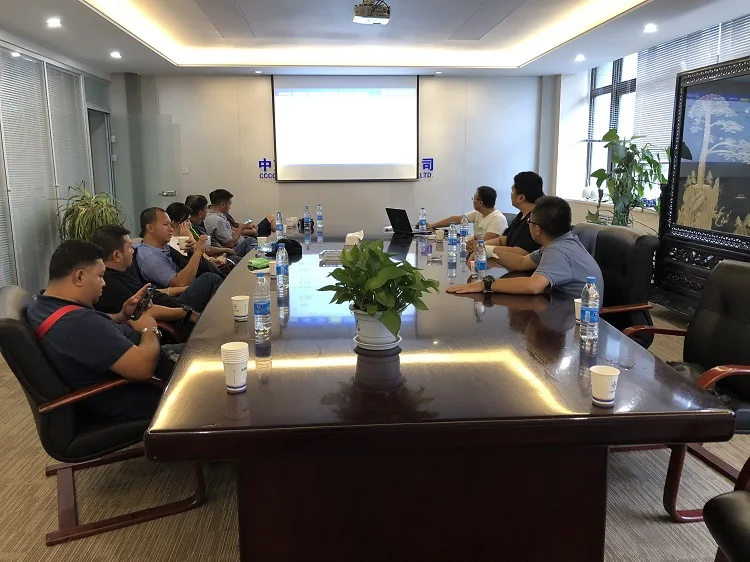
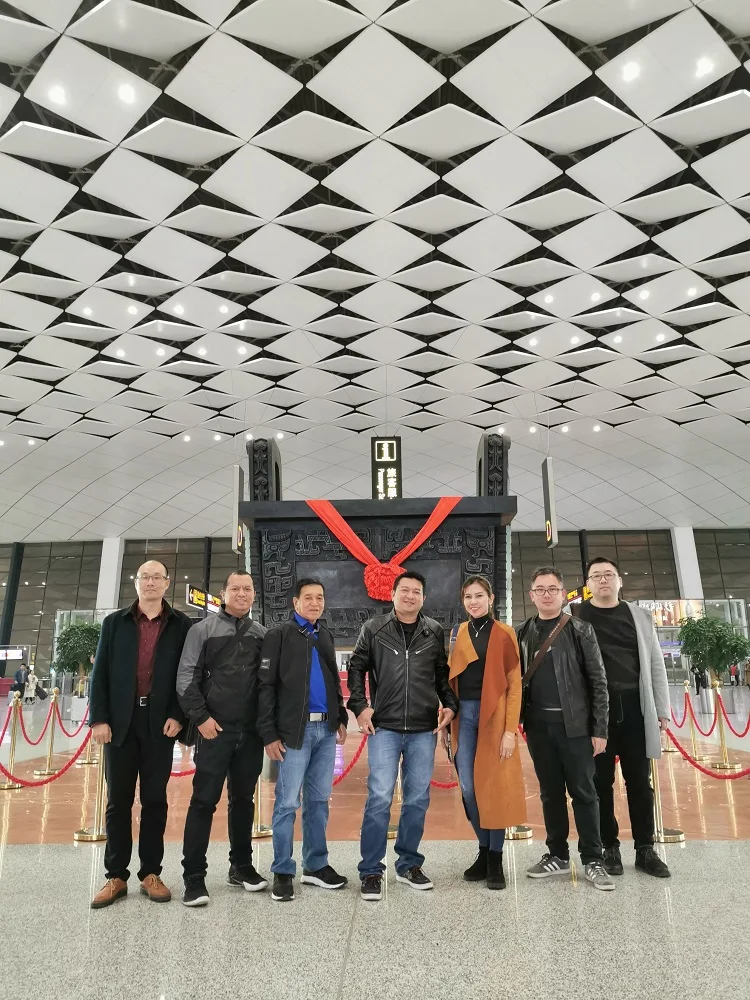
Partner

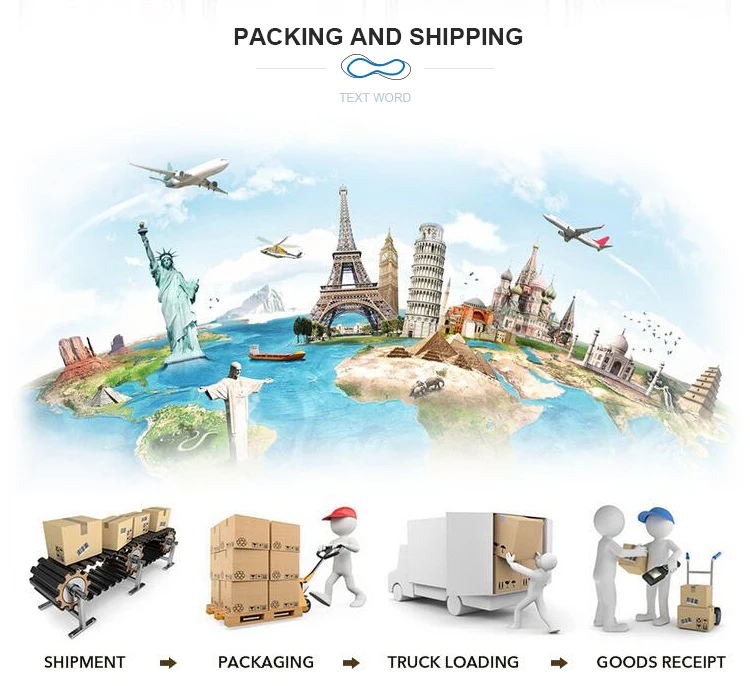
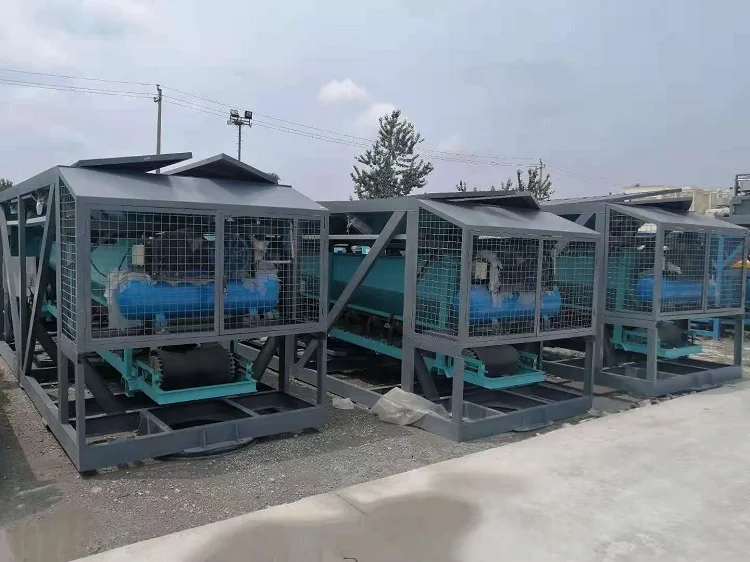
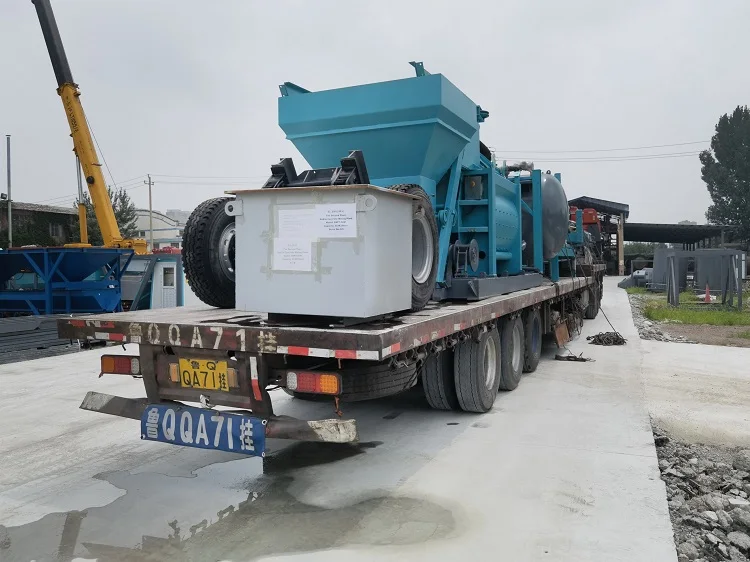
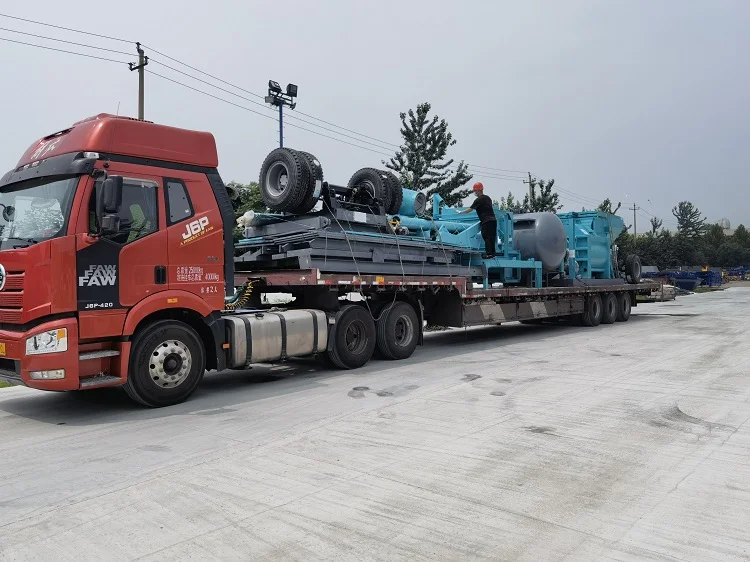
Product Packaging
FAQ
Could you guarantee the quality of your products?
Quality control system certified with ISO 9001, All equipments under the strick quaility control system.
Quality control system certified with ISO 9001, All equipments under the strick quaility control system.
What is the MOQ?
In order to help our clients have a good understanding of the product, we can start order from 1 Unit.
In order to help our clients have a good understanding of the product, we can start order from 1 Unit.
I cannot find the suitable model, can I ask for a special model I need?
Sure. Kindly please advising the detail specification you need, we will make it according to your request.
Do you offer guarantee for the products?
Yes, we offer 1-years warranty for all equipment dated from the delivery.
Yes, we offer 1-years warranty for all equipment dated from the delivery.
What are your payment terms?
30% TT as deposit,70% TT before Shipment.
30% TT as deposit,70% TT before Shipment.
What about the lead-time?
Normally 15-30 working days after receiving the down payment.
Normally 15-30 working days after receiving the down payment.
Is it all right to make customer's own brand name?
We can be your OEM manufacture with your authorization of brand.
We can be your OEM manufacture with your authorization of brand.
We Recommend

China new 100T Cement Silo for hot sale
US $7533-$8133


Lime Cement Dolomite Rotary Oven Furnace
US $5000-$1000000

Multi-stage Lime Slaker for Calcium Hydroxide Production Plant
US $70000-$200000
New Arrivals
New products from manufacturers at wholesale prices