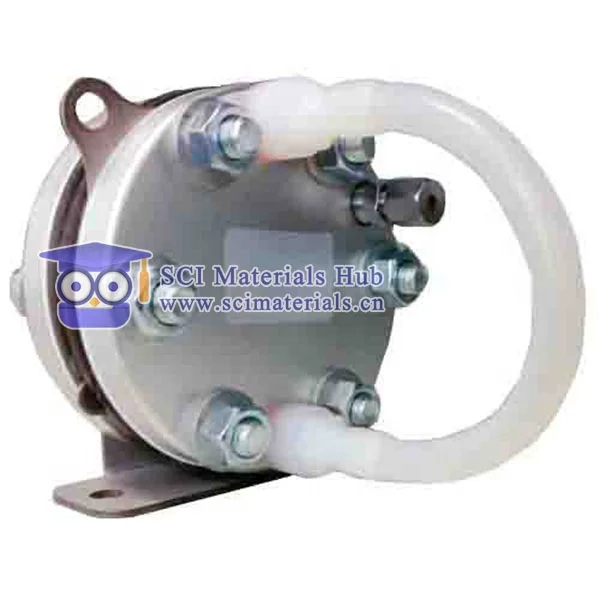
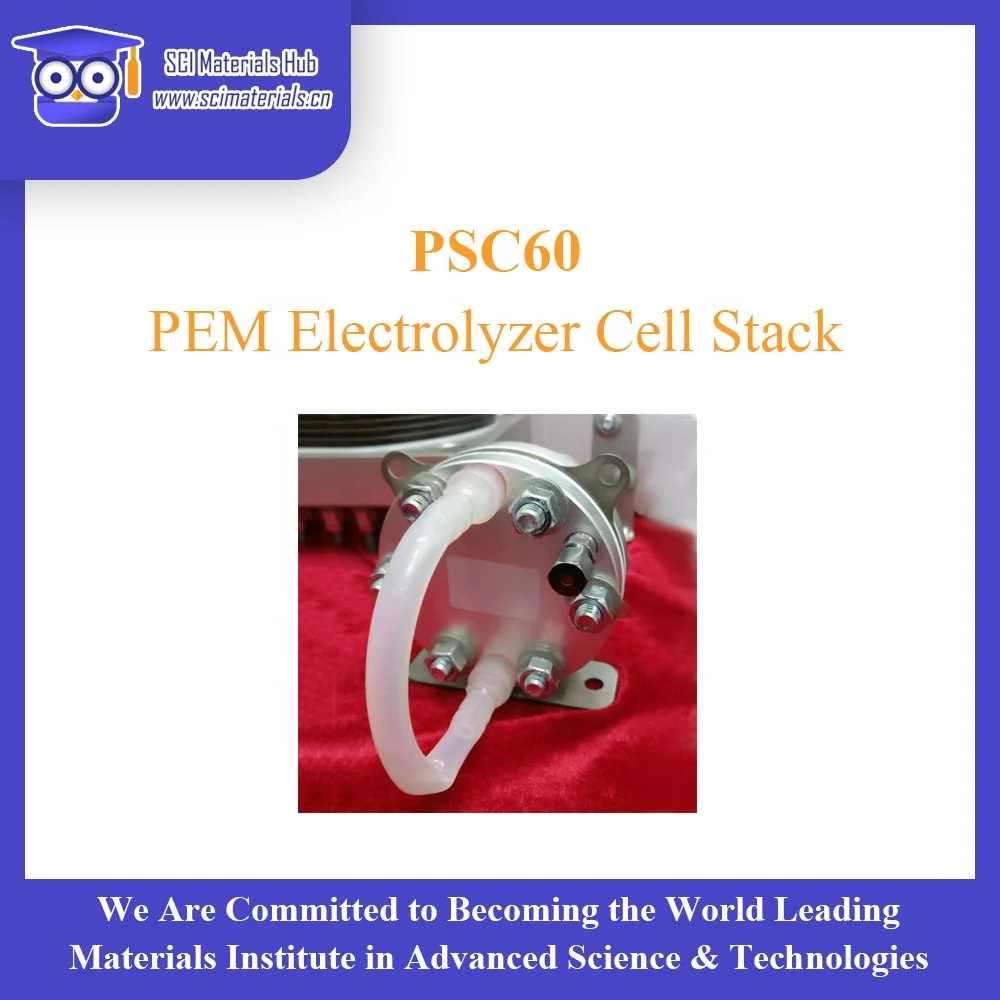
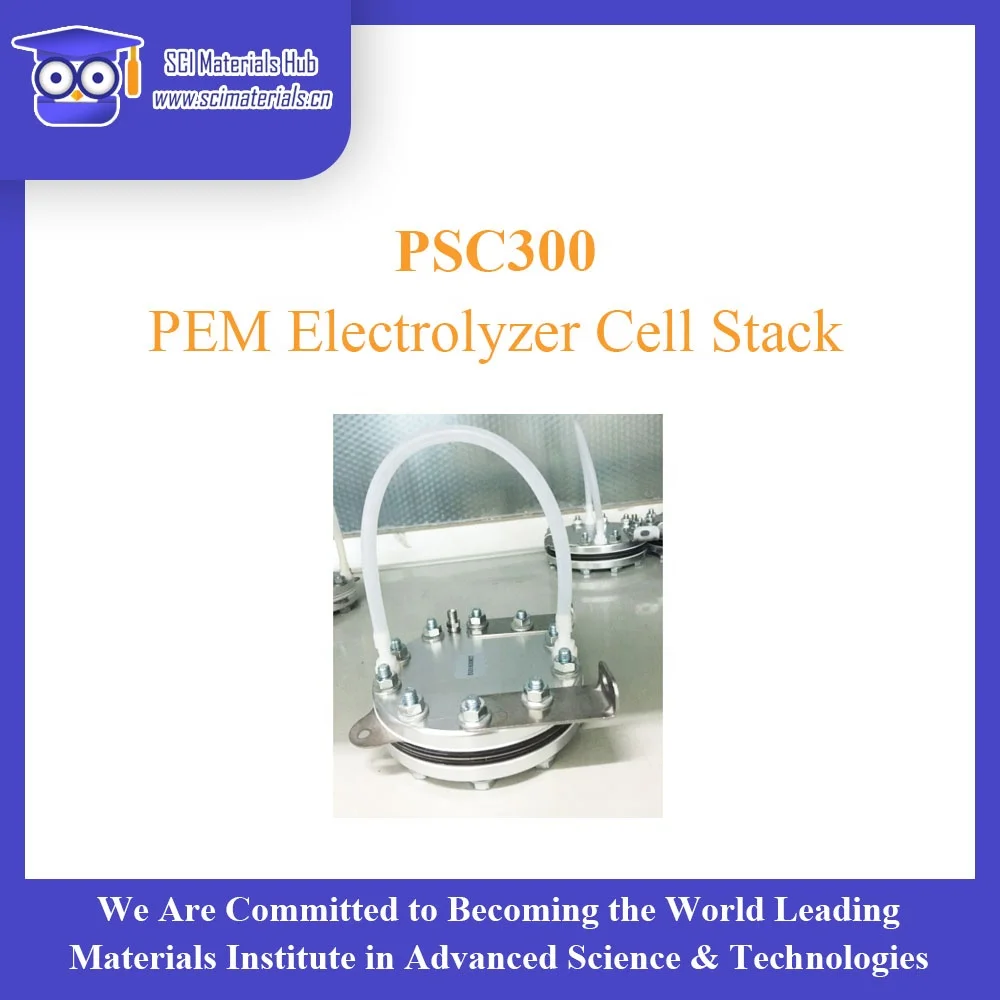
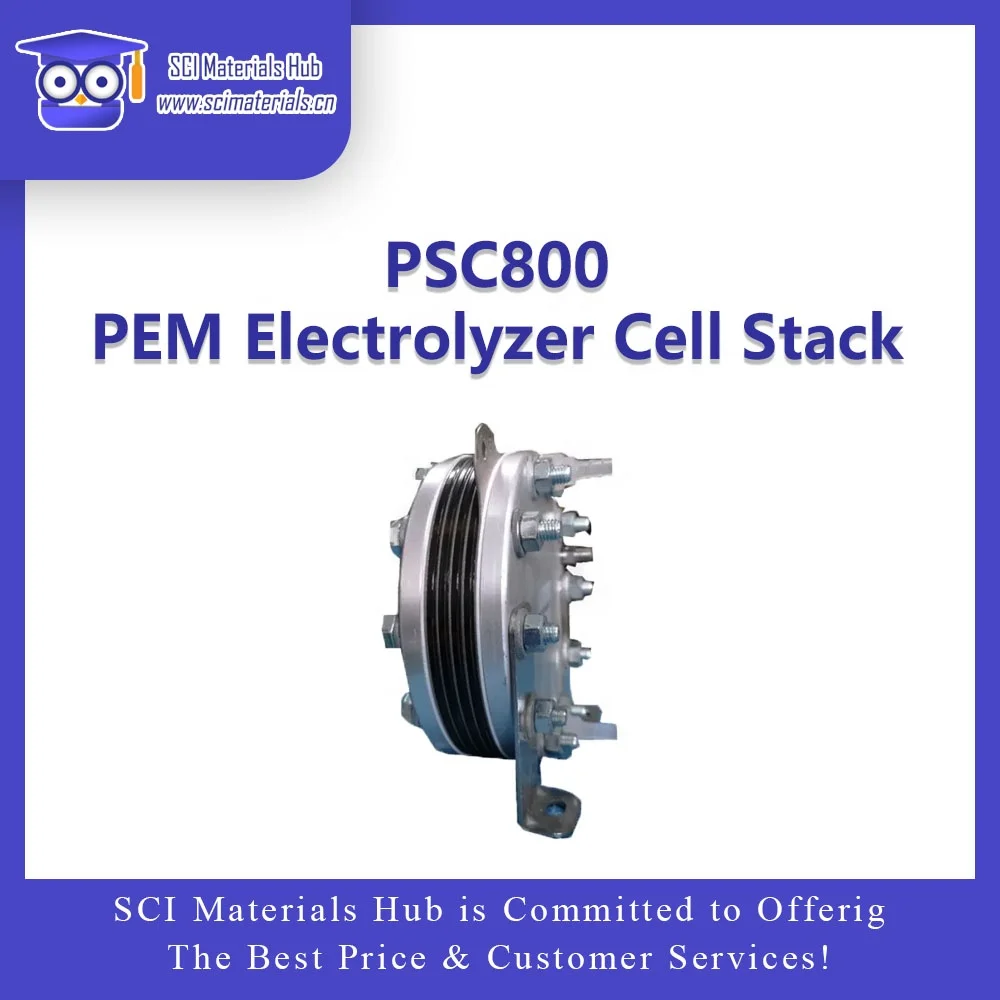
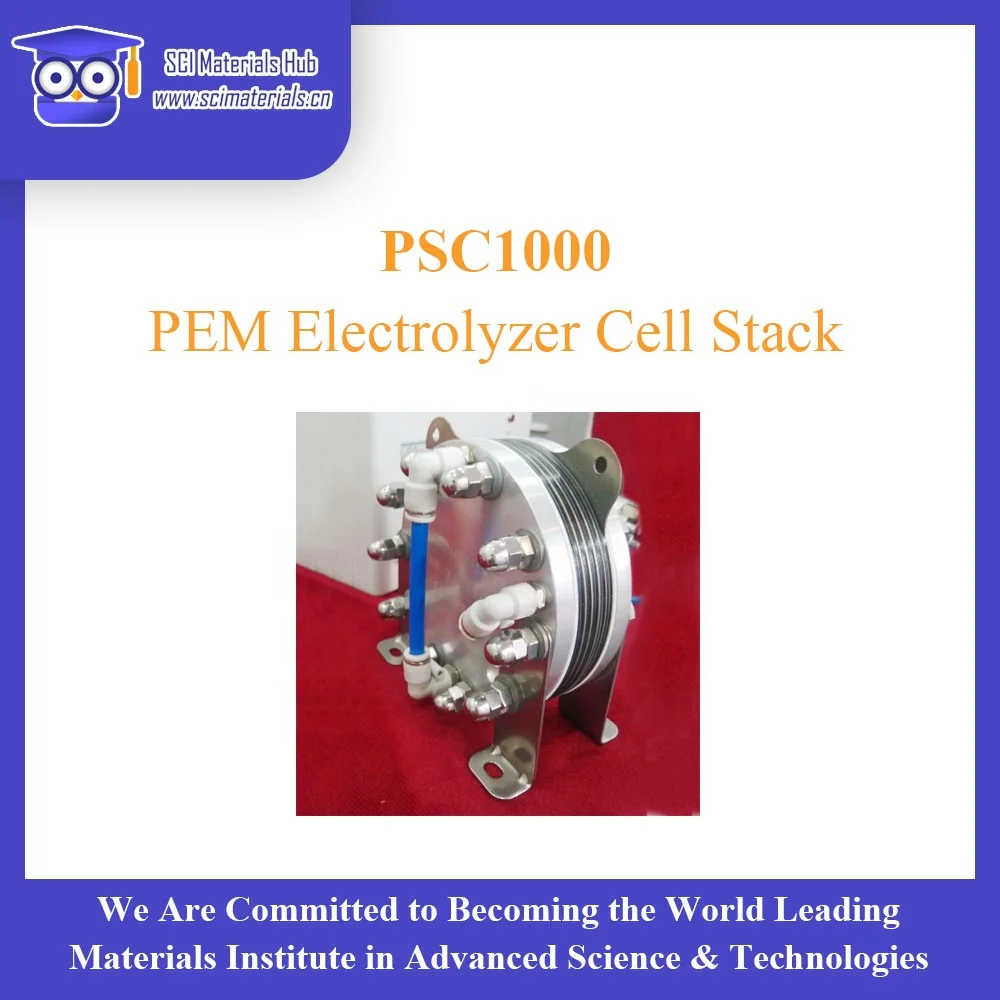
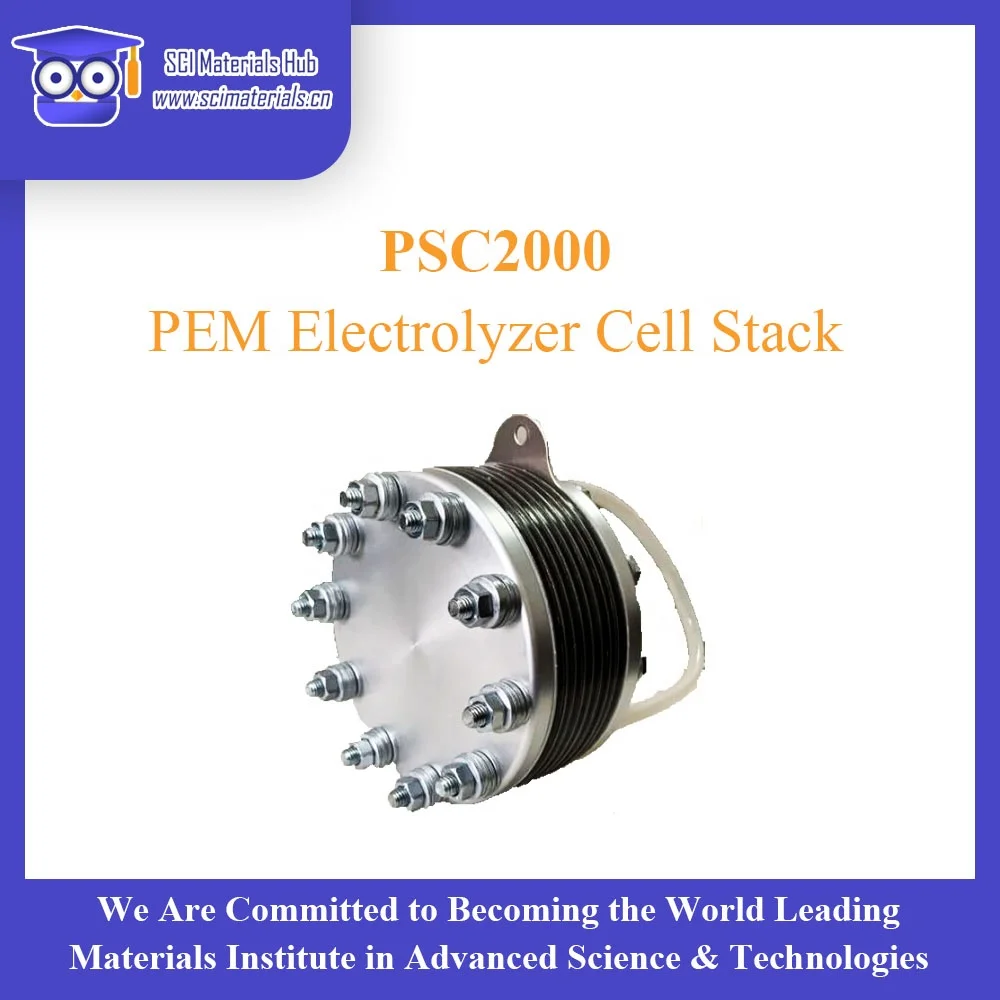
PEM Electrolyzer Cell Stack / H2 Production 60ml/min 2L/min / H2 Purity 99.999% /Lab usage
- Category: >>>
- Supplier: Owl Materials Technology Co. Ltd.
Share on (1600456744648):
Product Overview
Description
Products Description
Introduction
1. Introduction
PSC series PEM Electrolyzer Stacks is an advanced patented product, which is lower voltage and higher efficiency, energy-saving and of environmental protection, producing hydrogen and oxygen through the electrolysis of pure water (without adding alkali).
The PSC series PEM electrolzyer employs solid polymer electrolyte (SPE) and titanium components, which are the most advantageous and latest technologies in PEM electrolyzers!!!
The SPE electrodes, as the core of cell , are highly active catalytic electrode with nearly zero distance between the electrodes, which is formed by integrating composite catalyst with and ion membrane with high electrolytic efficiency. The electrolyzers with titanium components have higher performance than traditional electrolyzers.
2. Application
- Redundant renewable energy transformation and storage
- Lab experiment and teaching
- Laboratory analytic instrument
- Hydrogen healthy care industrial
- Hydrogen beauty industrial
- Fuel for special field
- Hydrogen supply for fuel cell
- Other pure H2 application field
3. Product Advantages
- Produce hydrogen by electrolysis pure water (forbid adding alkaline)
- No corrosion or pollution
- High hydrogen purity
- Low electrolyzer cell resistance
- No heat and long desiccant replacement cycle
- Lower power consumption and high electrolysis efficiency
The electroyzer is tested with the manufacturer and ready for use.
We can make all kinds of custom-order product upon request.
PSC series PEM Electrolyzer Stacks is an advanced patented product, which is lower voltage and higher efficiency, energy-saving and of environmental protection, producing hydrogen and oxygen through the electrolysis of pure water (without adding alkali).
The PSC series PEM electrolzyer employs solid polymer electrolyte (SPE) and titanium components, which are the most advantageous and latest technologies in PEM electrolyzers!!!
The SPE electrodes, as the core of cell , are highly active catalytic electrode with nearly zero distance between the electrodes, which is formed by integrating composite catalyst with and ion membrane with high electrolytic efficiency. The electrolyzers with titanium components have higher performance than traditional electrolyzers.
2. Application
- Redundant renewable energy transformation and storage
- Lab experiment and teaching
- Laboratory analytic instrument
- Hydrogen healthy care industrial
- Hydrogen beauty industrial
- Fuel for special field
- Hydrogen supply for fuel cell
- Other pure H2 application field
3. Product Advantages
- Produce hydrogen by electrolysis pure water (forbid adding alkaline)
- No corrosion or pollution
- High hydrogen purity
- Low electrolyzer cell resistance
- No heat and long desiccant replacement cycle
- Lower power consumption and high electrolysis efficiency
The electroyzer is tested with the manufacturer and ready for use.
We can make all kinds of custom-order product upon request.
4. Working principle
The proton exchange membrane (PEM), which only allows water and positive ions to cross between compartments. The membrane also serves as the electrolyte in the cell, eliminating the need for hazardous liquid electrolytes such as concentrated potassium
hydroxide.
PEM water electrolysis simply splits pure deionized water (H2O) into its constituent parts, hydrogen (H2) and oxygen (O2), on either side of this membrane. When a DC voltage is applied to the electrolyzer, water fed to the anode, or oxygen electrode, are oxidized to oxygen and protons, while electrons are released.
The protons (H+ ions) pass through the PEM to the cathode, or hydrogen electrode, where they meet electrons from the other side of the circuit, and are reduced to hydrogen gas.
The two reactions that occur in the cell are as follows:
a. 2H2O -> 4H+ + 4e- + O2
b. 4H+ + 4e- -> 2H2
The proton exchange membrane (PEM), which only allows water and positive ions to cross between compartments. The membrane also serves as the electrolyte in the cell, eliminating the need for hazardous liquid electrolytes such as concentrated potassium
hydroxide.
PEM water electrolysis simply splits pure deionized water (H2O) into its constituent parts, hydrogen (H2) and oxygen (O2), on either side of this membrane. When a DC voltage is applied to the electrolyzer, water fed to the anode, or oxygen electrode, are oxidized to oxygen and protons, while electrons are released.
The protons (H+ ions) pass through the PEM to the cathode, or hydrogen electrode, where they meet electrons from the other side of the circuit, and are reduced to hydrogen gas.
The two reactions that occur in the cell are as follows:
a. 2H2O -> 4H+ + 4e- + O2
b. 4H+ + 4e- -> 2H2
Learn more at our website www.scimaterials.cn | ||||||||

Product packaging


We Recommend


New Arrivals
New products from manufacturers at wholesale prices