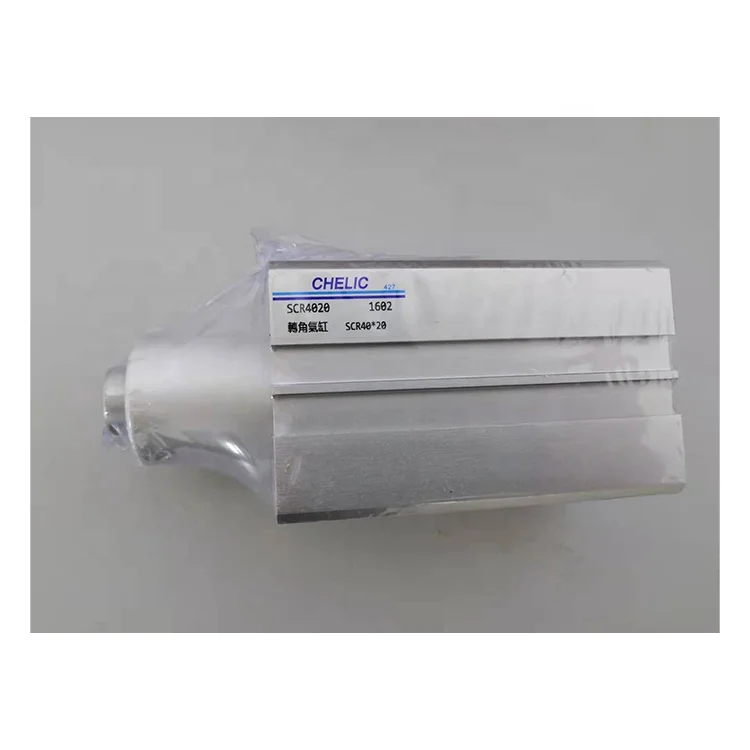
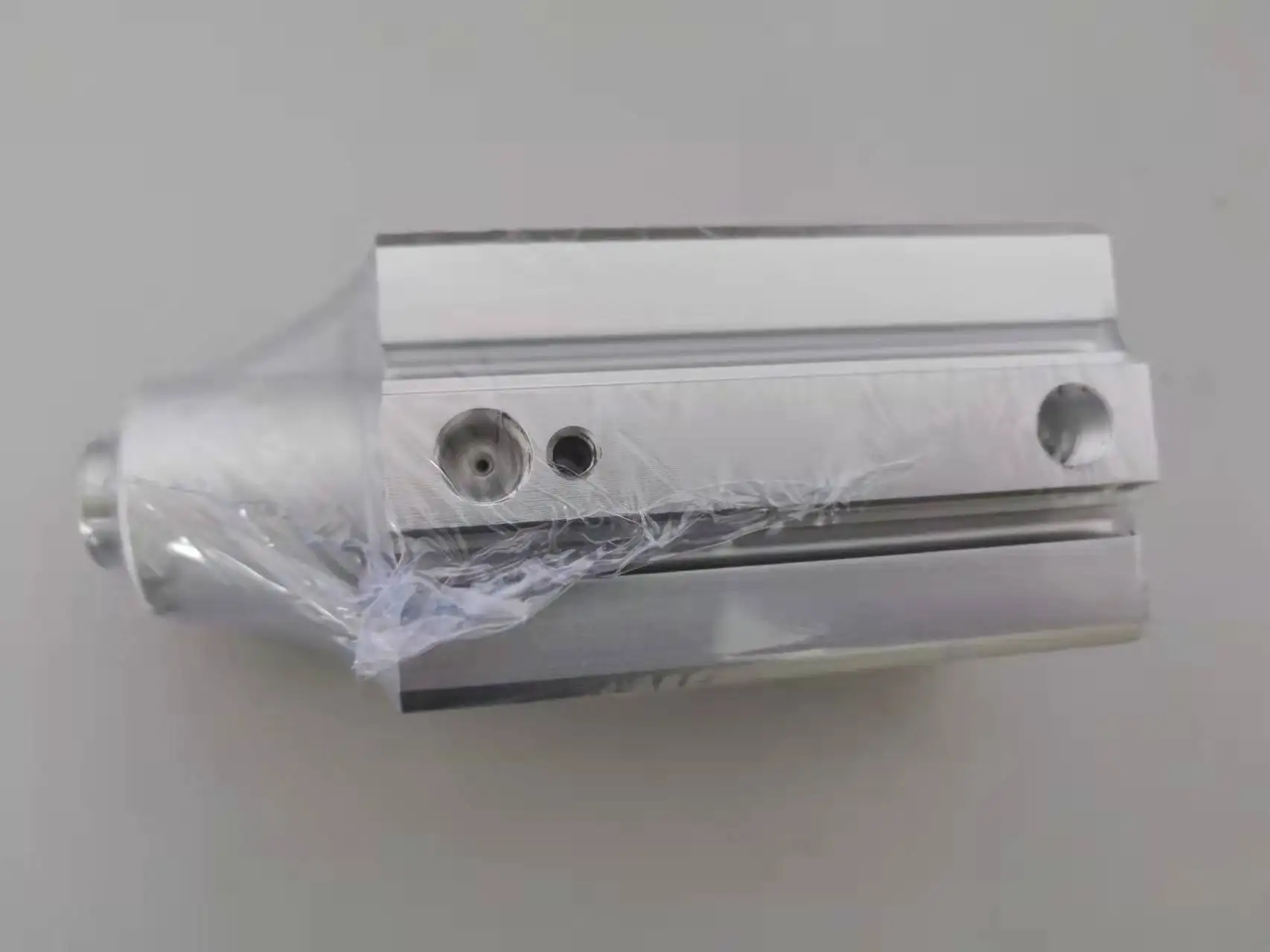
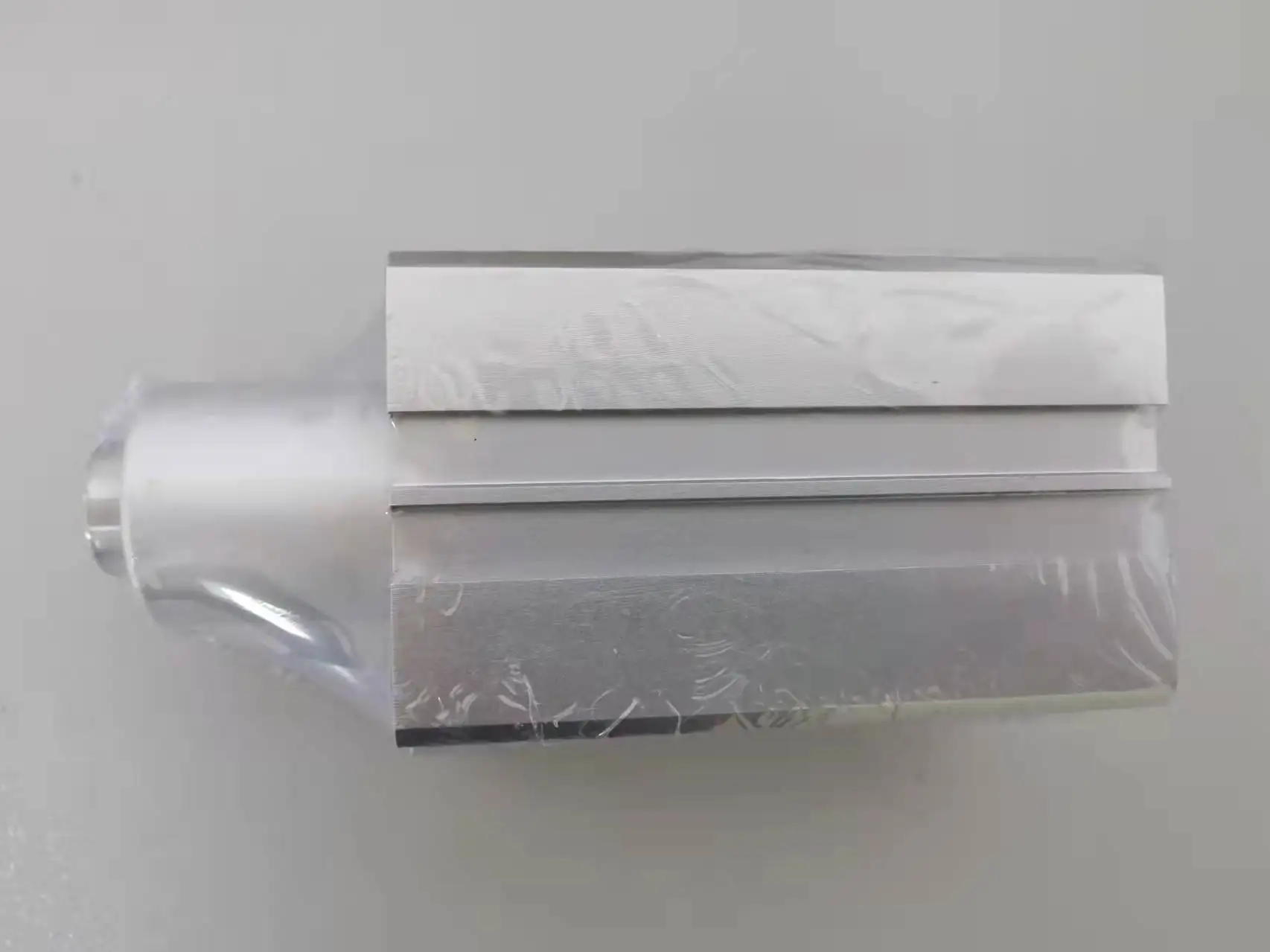
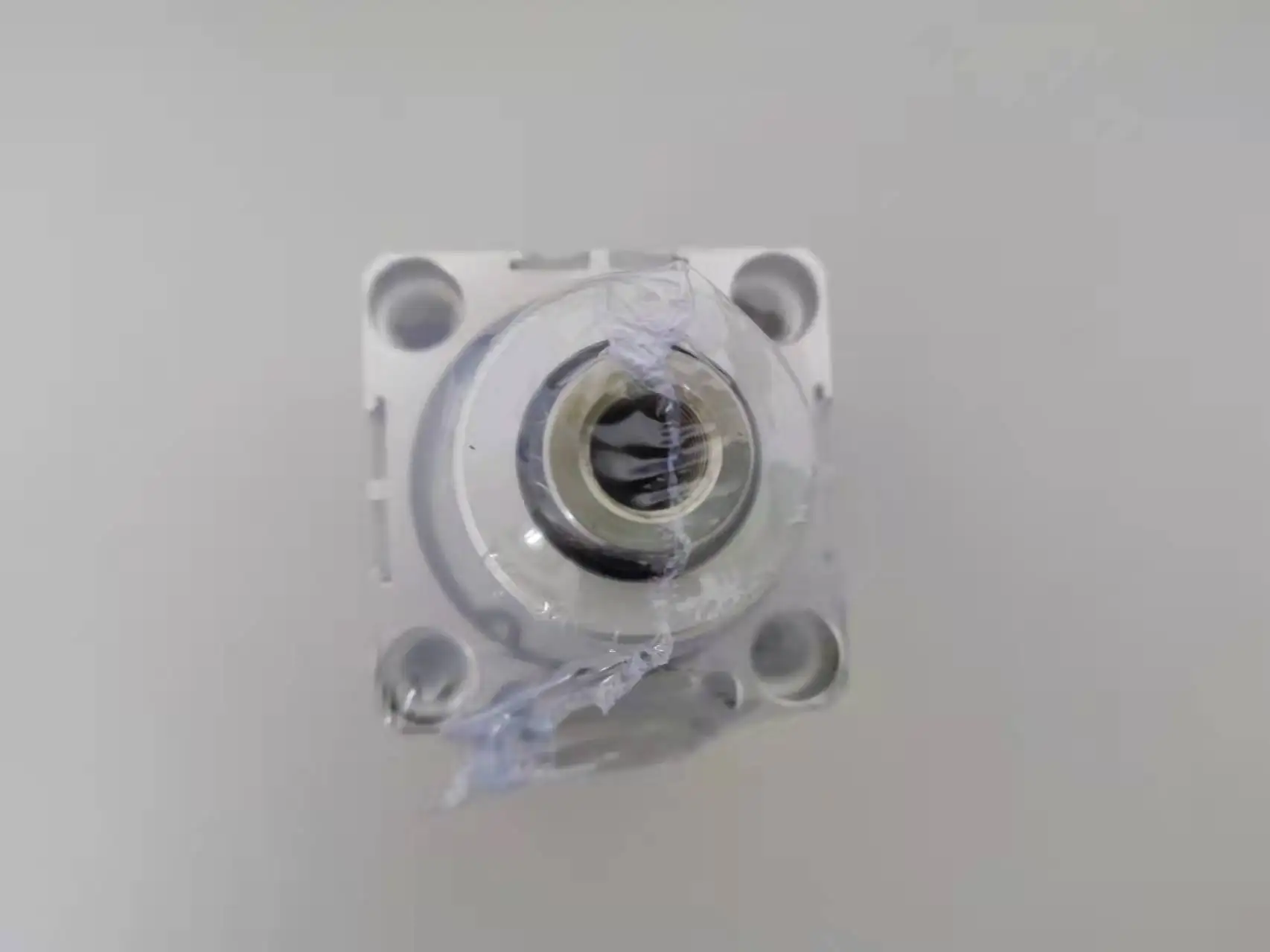
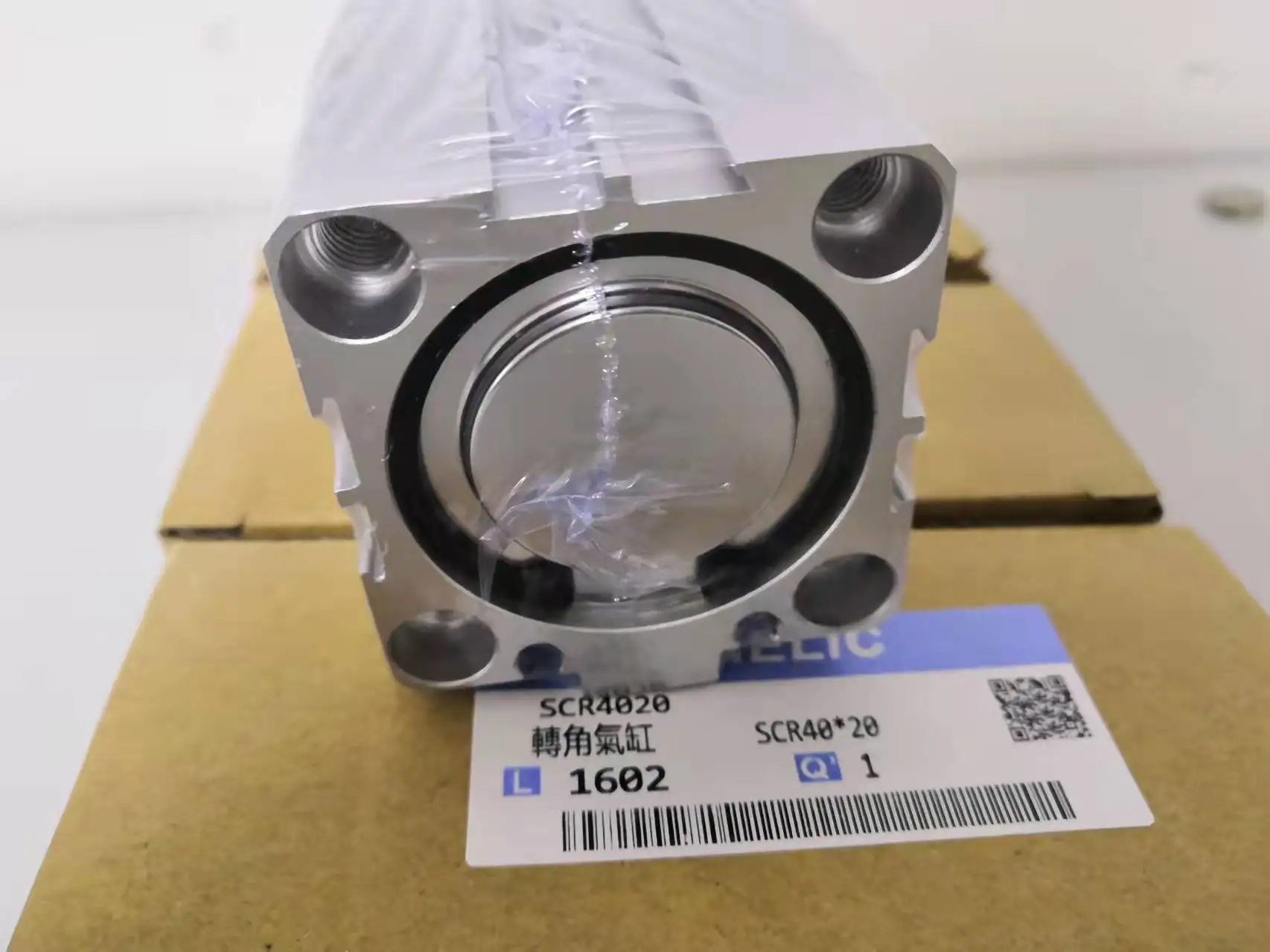
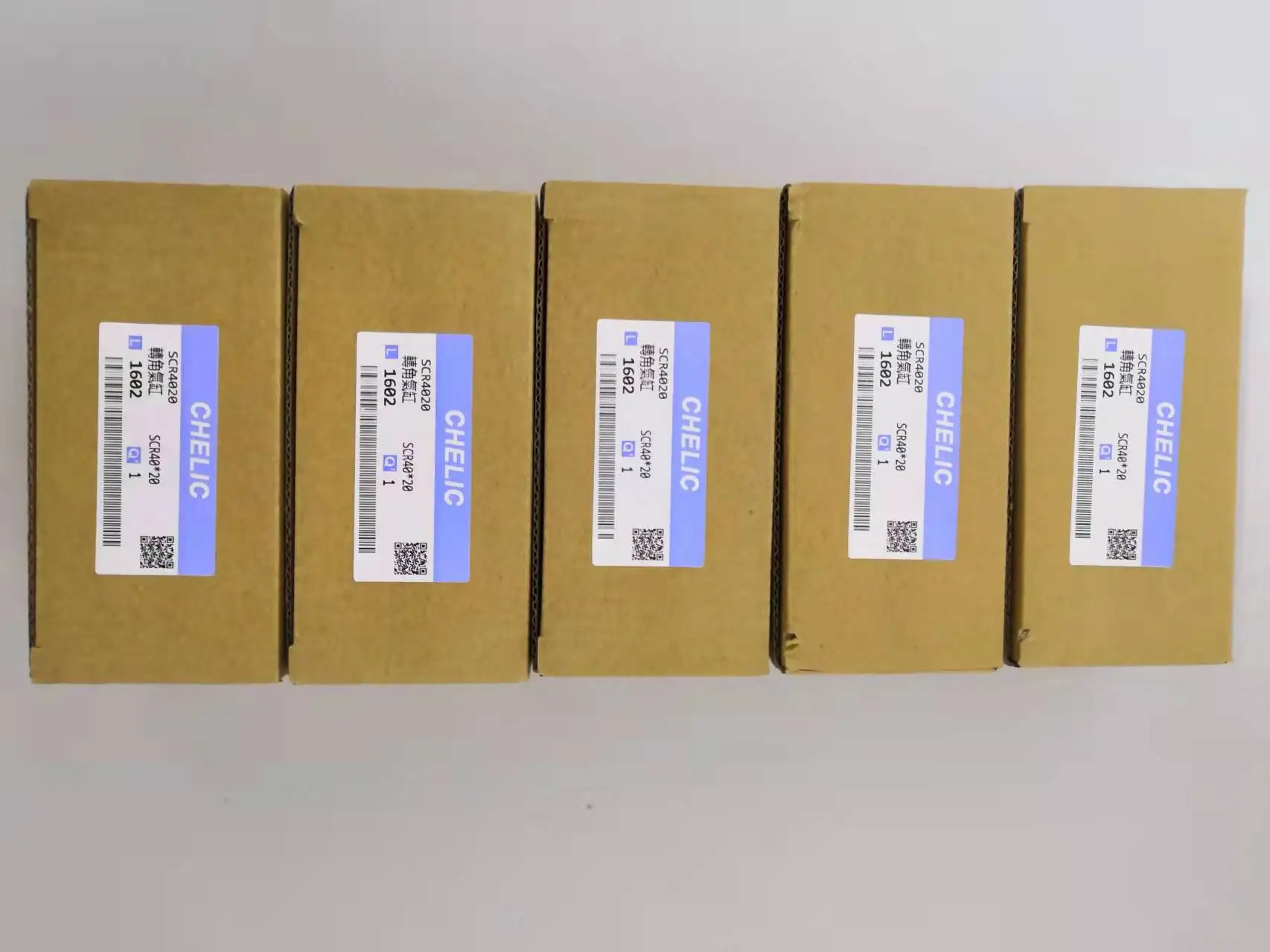
Double Acting Pneumatic Actuator Cylinder With Buffer Adjustable Stroke For CHELIC
- Category: >>>
- Supplier: Shanghai Fradwell Industrial Automation Co. Ltd.
Share on (1600469060421):
Product Overview
Description
Products Description
Description | 1. Pneumatic cylinders (sometimes known as air cylinders) are mechanical devices which use the power of compressed gas to produce a force in a reciprocating linear motion. |
2. Like hydraulic cylinders, something forces a piston to move in the desired direction. The piston is a disc or cylinder, and the piston rod transfers the force it develops to the object to be moved. | |
3. Because the operating fluid is a gas, leakage from a pneumatic cylinder will not drip out and contaminate the surroundings, making pneumatics more desirable where cleanliness is a requirement. | |
Operation | 1. Once actuated, compressed air enters into the tube at one end of the piston and imparts force on the piston. Consequently, the piston becomes displaced. |
2. Compressibility of gases | |
3. Fail safe mechanisms:Pneumatic systems are often found in settings where even rare and brief system failure is unacceptable. | |
4. Rod stresses: Due to the forces acting on the cylinder, the piston rod is the most stressed component and has to be designed to withstand high amounts of bending, tensile and compressive forces. | |
5. Instroke and outstroke: Although the diameter of the piston and the force exerted by a cylinder are related, they are not directly proportional to one another. Additionally, the typical mathematical relationship between the two assumes that the air supply does not become saturated. Due to the effective cross sectional area reduced by the area of the piston rod, the instroke force is less than the outstroke force when both are powered pneumatically and by same supply of compressed gas. |
Company Profile


Shanghai Fradwell Industrial Automation Co., Ltd. is a customer-oriented independent stocking distributor for electronic components, industrial control and automation parts, also is a international trading company who specializes in import and export.
Our corporate headquarters is located in Shanghai of China, have been engaged in the industrial automation industry more than 10 years, we have exported more than 100 countries like USA, Mexico, Canada, Spain, Russia, Singapore, Thailand, India etc. We have a long history of high quality, high performance, efficiency and reliability.
We will quickly and accurately provide you with high-quality industrial automation parts at competitive prices without minimum order quantities and will deliver them overnight from our extensive inventory. Professional performance testing is conducted to insure highest quality before delivery.
Our corporate headquarters is located in Shanghai of China, have been engaged in the industrial automation industry more than 10 years, we have exported more than 100 countries like USA, Mexico, Canada, Spain, Russia, Singapore, Thailand, India etc. We have a long history of high quality, high performance, efficiency and reliability.
We will quickly and accurately provide you with high-quality industrial automation parts at competitive prices without minimum order quantities and will deliver them overnight from our extensive inventory. Professional performance testing is conducted to insure highest quality before delivery.

Storehouse


Test


Packing & transport


Exhibition


Certifications

FAQ
1. How is your company?
Our company located in Shanghai of China, also have more than 10 years' experiences in Industrial automation field.
2. What's your main products?
Industrial Automation, Machine Accessories and Electronic Components, like PLC, Frequence Inverter, Servo Drive + Motor, IGBT Module, PCB Board and etc.
3. How about your lead time?
Most of goods can deliver within 1-2 days.
4. Do you provide the warranty for your goods?
Yes, we provide the warranty for all parts from our company.
5. Can you provide technology support for using?
Yes, we have professional engineers to provide technology survices for our goods.
Our company located in Shanghai of China, also have more than 10 years' experiences in Industrial automation field.
2. What's your main products?
Industrial Automation, Machine Accessories and Electronic Components, like PLC, Frequence Inverter, Servo Drive + Motor, IGBT Module, PCB Board and etc.
3. How about your lead time?
Most of goods can deliver within 1-2 days.
4. Do you provide the warranty for your goods?
Yes, we provide the warranty for all parts from our company.
5. Can you provide technology support for using?
Yes, we have professional engineers to provide technology survices for our goods.
We Recommend
New Arrivals
New products from manufacturers at wholesale prices