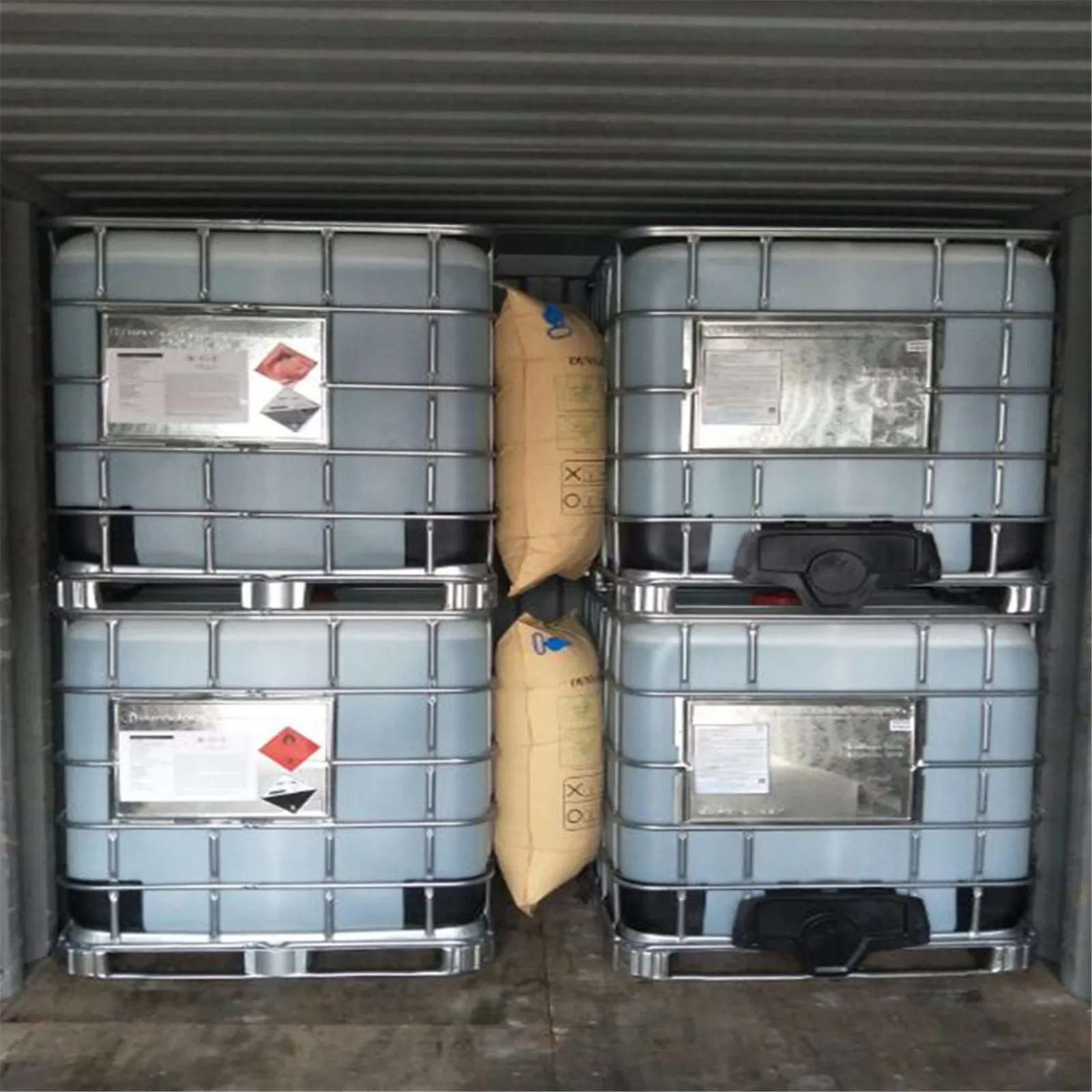
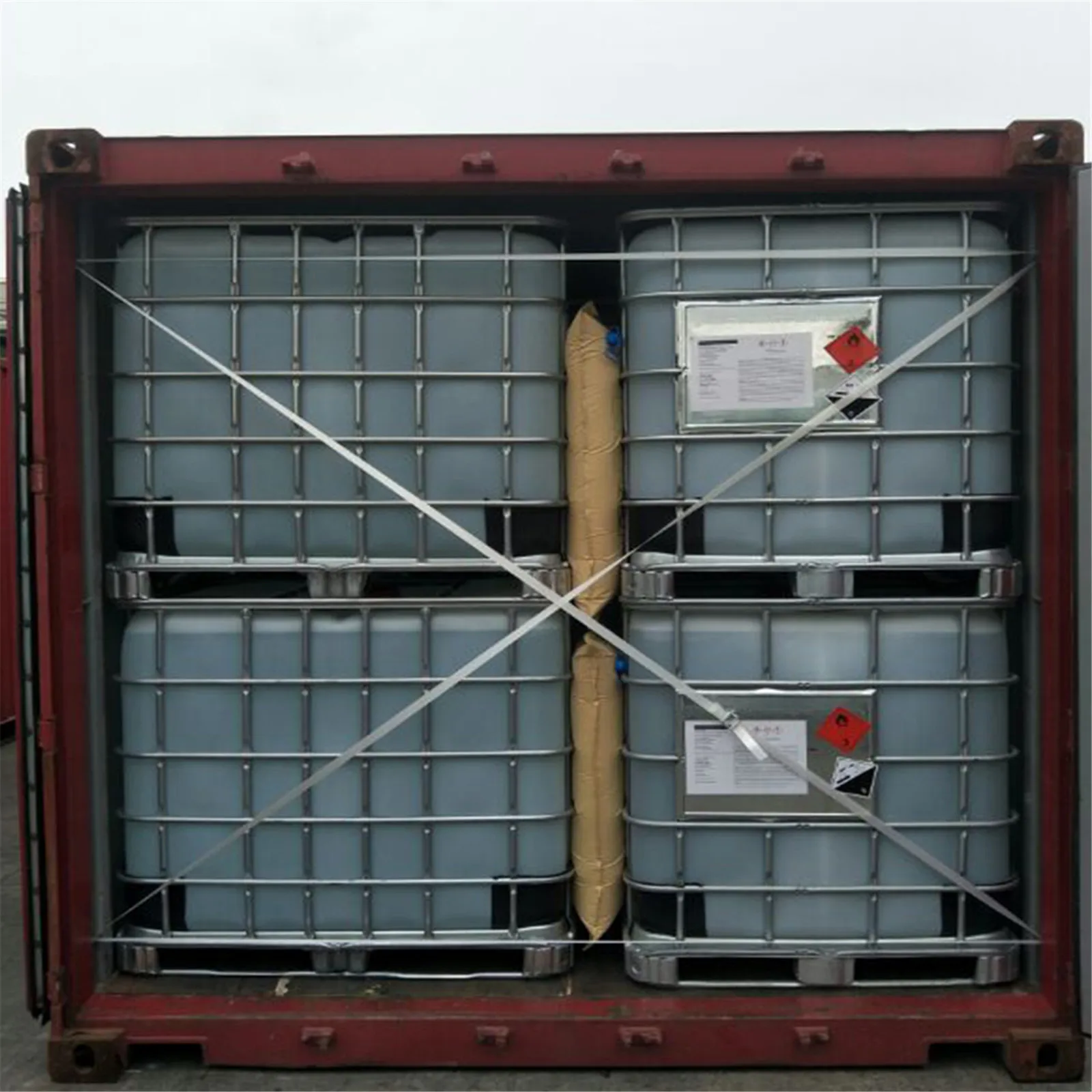
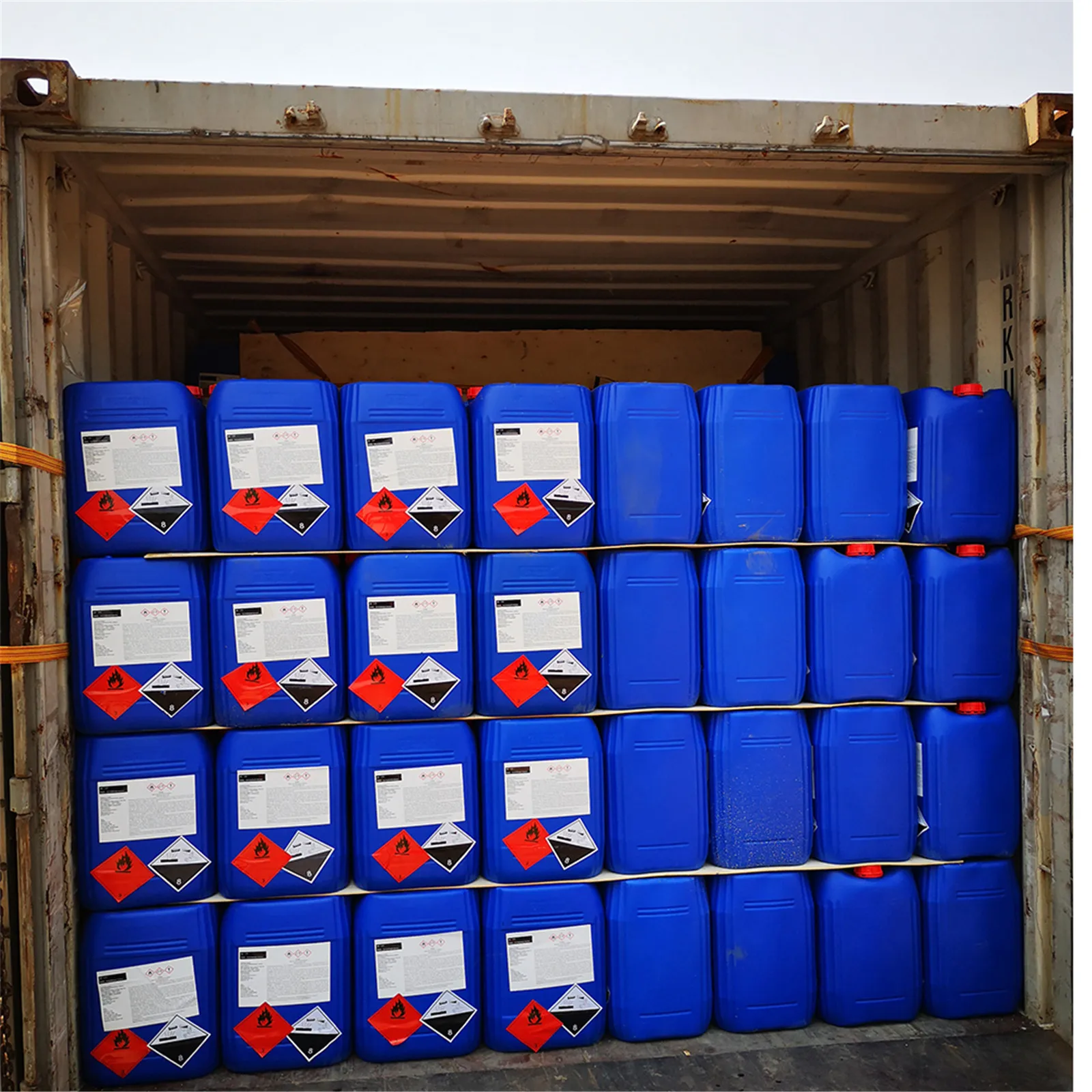
Molecular Formula CH2O Purity 37% 40% Formaldehyde 37 Formol Price
- Category: >>>
- Supplier: Shandong Ruierqing Environmental Tech Co. Ltd.
Share on (1600510287114):
Product Overview
Description


Formaldehyde
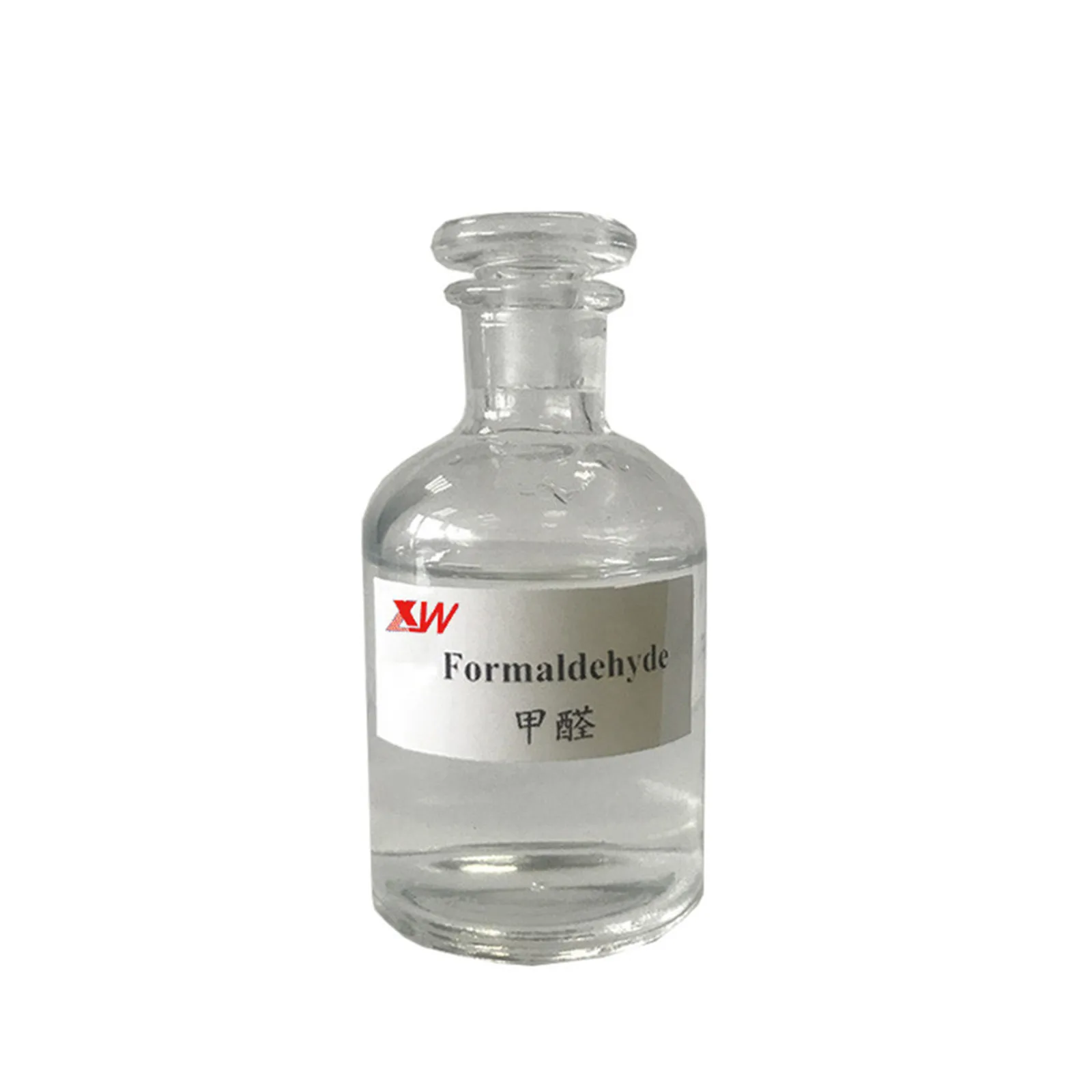
1. Product Name:Formaldehyde
2. Other Names:
BFV; fannoform; superlysoform; Veracur; Formalin; formalith; Formic aldehyde; Formol; FYDE; HCHO; HOCH; karsan; lysoform; Melamine-Formaldehyde Resin; Methan 21; Methanal; Methyl aldehyde; Methylene oxide; Morbicid; Oxomethane; Oxomethylene; Oxymethylene
3. Molecular Formula:CH2O
4. UN No.:1198
5. HS No.:2912110000
6. CAS No.: 50-00-0;8013-13-6
7. EINECS No.: 200-001-8
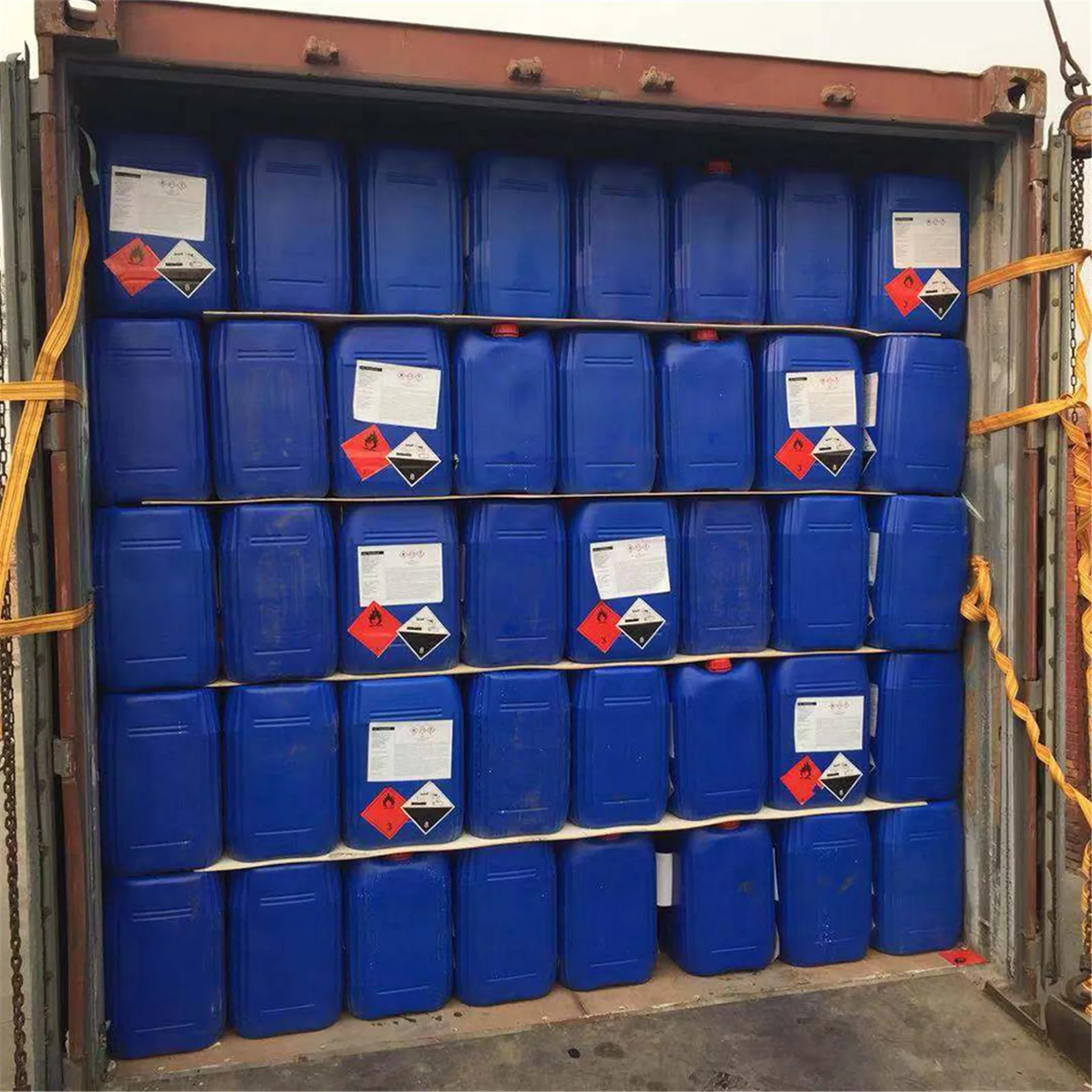
8. Hazard Class: 3+8
9. Purity: 37%,40%
10. Appearance: Transparent Colorless Liquid
2. Other Names:
BFV; fannoform; superlysoform; Veracur; Formalin; formalith; Formic aldehyde; Formol; FYDE; HCHO; HOCH; karsan; lysoform; Melamine-Formaldehyde Resin; Methan 21; Methanal; Methyl aldehyde; Methylene oxide; Morbicid; Oxomethane; Oxomethylene; Oxymethylene
3. Molecular Formula:CH2O
4. UN No.:1198
5. HS No.:2912110000
6. CAS No.: 50-00-0;8013-13-6
7. EINECS No.: 200-001-8
8. Hazard Class: 3+8
9. Purity: 37%,40%
10. Appearance: Transparent Colorless Liquid
Physical and Chemical Properties:
Formaldehyde (systematic name methanal) is a naturally occurring organic compound with theformula CH2O (H−CHO). It is the simplest of the aldehydes (R−CHO).
Formaldehyde is more complicated than many simple carbon compounds in that it adopts several different forms. As a gas,formaldehyde is colorless and has a characteristic pungent, irritating odor. Upon condensation, the gas converts to various otherforms of formaldehyde (with different chemical formulas) that are of more practical value. One derivative is the cyclic trimer metaformaldehyde (1,3,5-trioxane) with the formula (CH2O)3. There is also a linear polymer called paraformaldehyde. These compounds have similar chemical properties and are often used interchangeably.
Formaldehyde is more complicated than many simple carbon compounds in that it adopts several different forms. As a gas,formaldehyde is colorless and has a characteristic pungent, irritating odor. Upon condensation, the gas converts to various otherforms of formaldehyde (with different chemical formulas) that are of more practical value. One derivative is the cyclic trimer metaformaldehyde (1,3,5-trioxane) with the formula (CH2O)3. There is also a linear polymer called paraformaldehyde. These compounds have similar chemical properties and are often used interchangeably.
When dissolved in water, formaldehyde also forms a hydrate, methanediol, with the formula H2C(OH)2. This compound also exists in equilibrium with various oligomers (short polymers), depending on the concentration and temperature. A saturated water solution, of about 40% formaldehyde by volume or 37% by mass, is called "100% formalin". A small amount of stabilizer, such as methanol, is usually added to suppress oxidation and polymerization. A typical commercial grade formalin may contain 10–12% methanol in addition to various metallic impurities. "Formaldehyde" was first used as a generic trademark in 1893 following a previous trade name, "formalin".
Grade Standard:
Item | Formalin | ||
Appearance | Colorless Transparent Liquid | Colorless Transparent Liquid | |
Assay | 37%Min | 40%Min | |
Acidity(As Formic Acid) | 0.04%Max | 0.04%Max | |
Hazen | 10Max | 10Max | |
Methanol | As per customer requirement | As per customer requirement | |
Application:
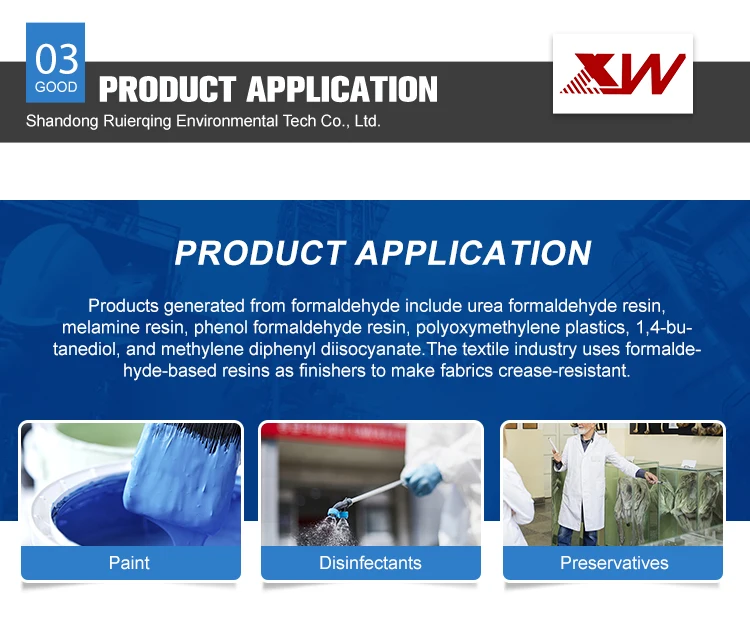
Products generated from formaldehyde include urea formaldehyde resin, melamine resin, phenol formaldehyde resin, polyoxymethylene plastics, 1,4-butanediol, and methylene diphenyl diisocyanate.The textile industry uses formaldehyde-based resins as finishers to make fabrics crease-resistant.
When treated with phenol, urea, or melamine, formaldehyde produces, respectively, hard thermoset phenol formaldehyde resin, urea formaldehyde resin, and melamine resin. These polymers are common permanent adhesives used in plywood and carpeting. It is used as the wet-strength resin added to sanitary paper products such as facial tissue, table napkins, and roll towels. They are also foamed to make insulation, or cast into moulded products.
Formaldehyde is also a precursor to polyfunctional alcohols such as pentaerythritol, which is used to make paints.
Formaldehyde is used in the manufacture of animal feeds.
Formaldehyde preserves or fixes tissue or cells.It is used as Tissue fixative and embalming agent.
Formaldehyde is used in the manufacture of animal feeds.
Formaldehyde preserves or fixes tissue or cells.It is used as Tissue fixative and embalming agent.



1.What's your company's main product?
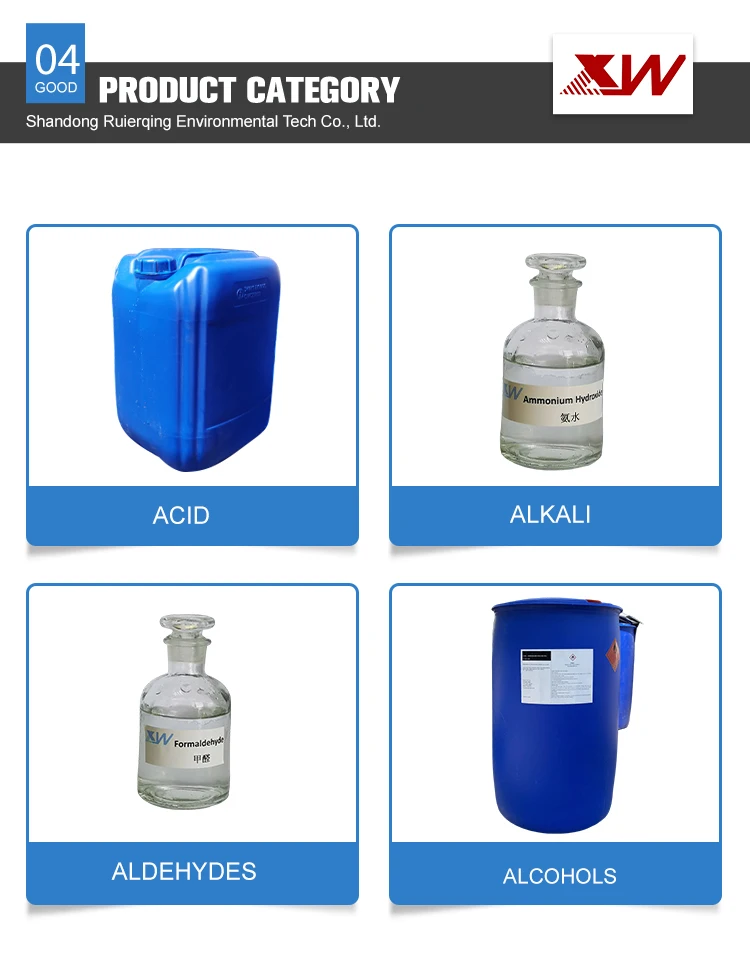
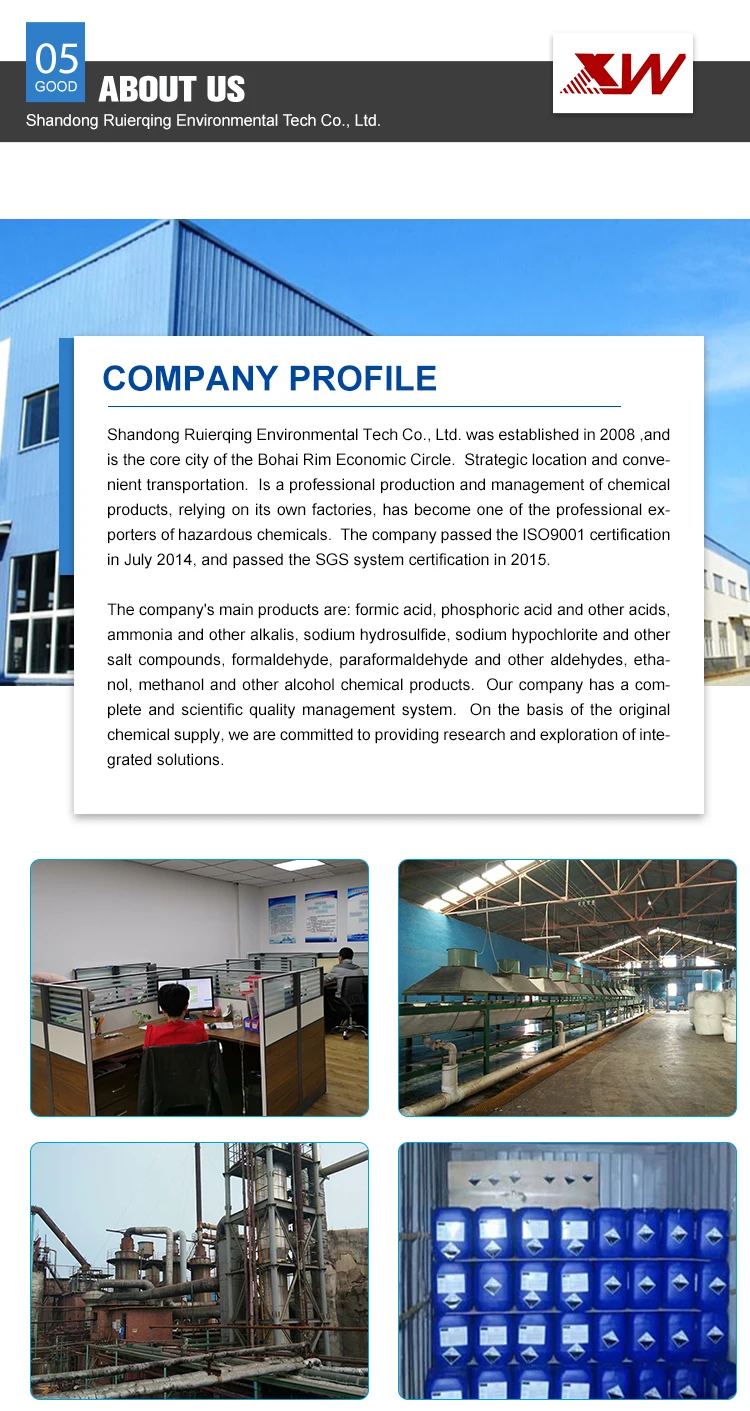
Formic acid, phosphoric acid, ammonia water, sodium hydrosulfide, sodium hypochlorite, formaldehyde, ethanol.
2.When was the company established?
Xinlongwei Chemical Company was established in 2008.
3.Do you provide samples?
Provide samples and arrange international express delivery.
4.In which countries does your company have customers?
There are customers in Russia, South Africa, Vietnam, Malaysia, Chile, the United States, Brazil, Mexico, Canada, etc.
5.payment method?
50% prepaid, 50% paid before shipment.
Formic acid, phosphoric acid, ammonia water, sodium hydrosulfide, sodium hypochlorite, formaldehyde, ethanol.
2.When was the company established?
Xinlongwei Chemical Company was established in 2008.
3.Do you provide samples?
Provide samples and arrange international express delivery.
4.In which countries does your company have customers?
There are customers in Russia, South Africa, Vietnam, Malaysia, Chile, the United States, Brazil, Mexico, Canada, etc.
5.payment method?
50% prepaid, 50% paid before shipment.
. | ||||||||
We Recommend



New Arrivals
New products from manufacturers at wholesale prices