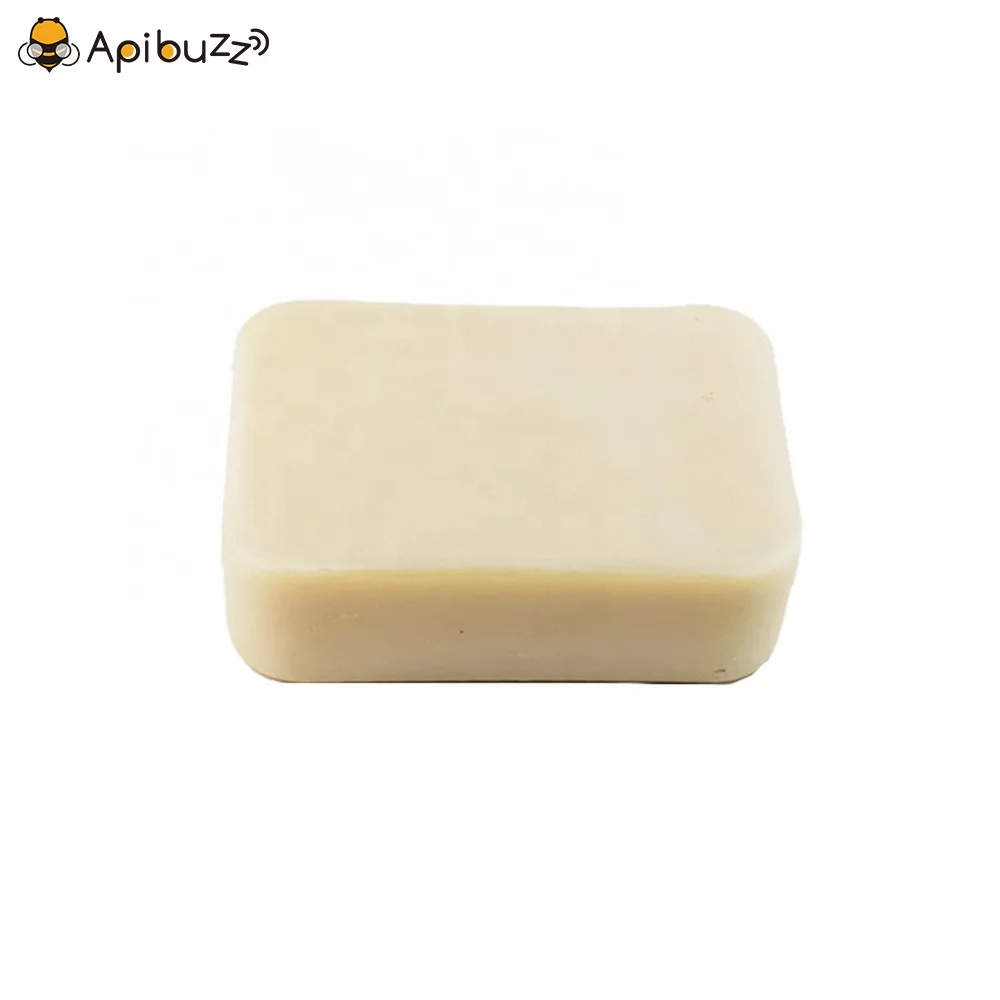
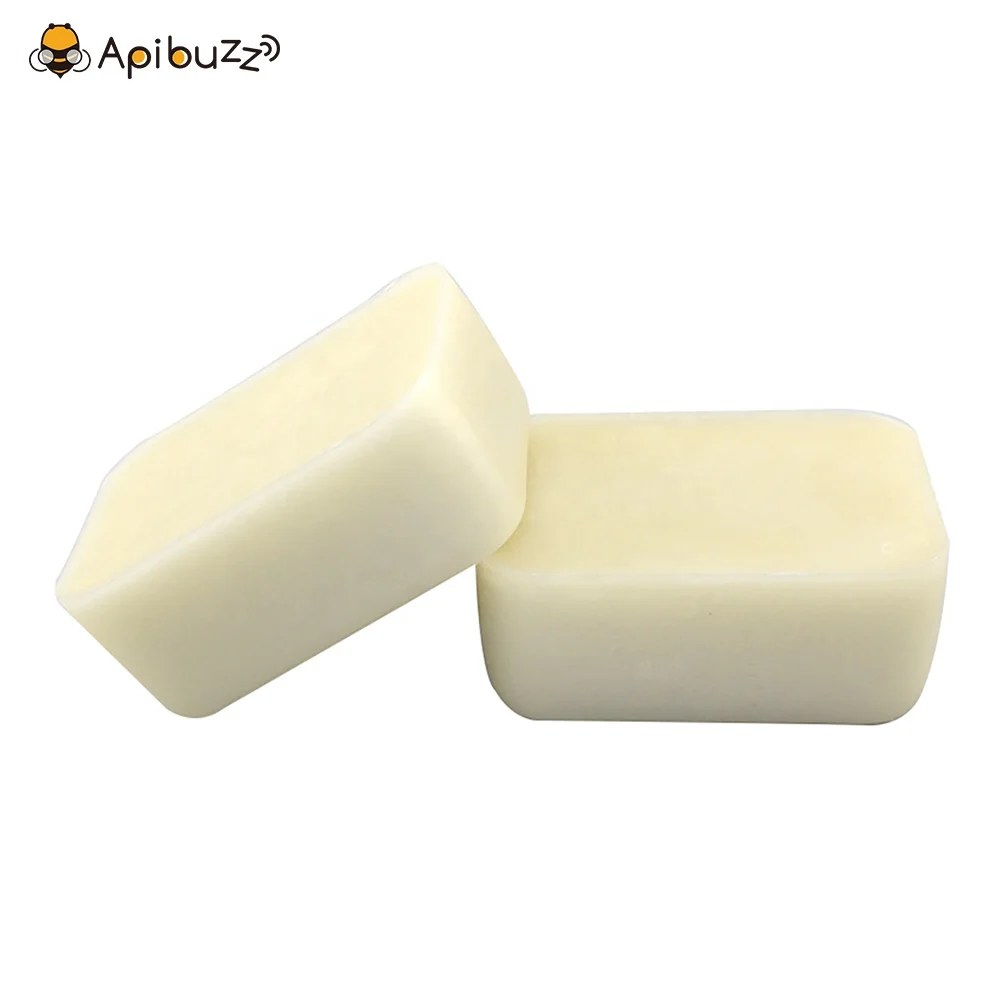
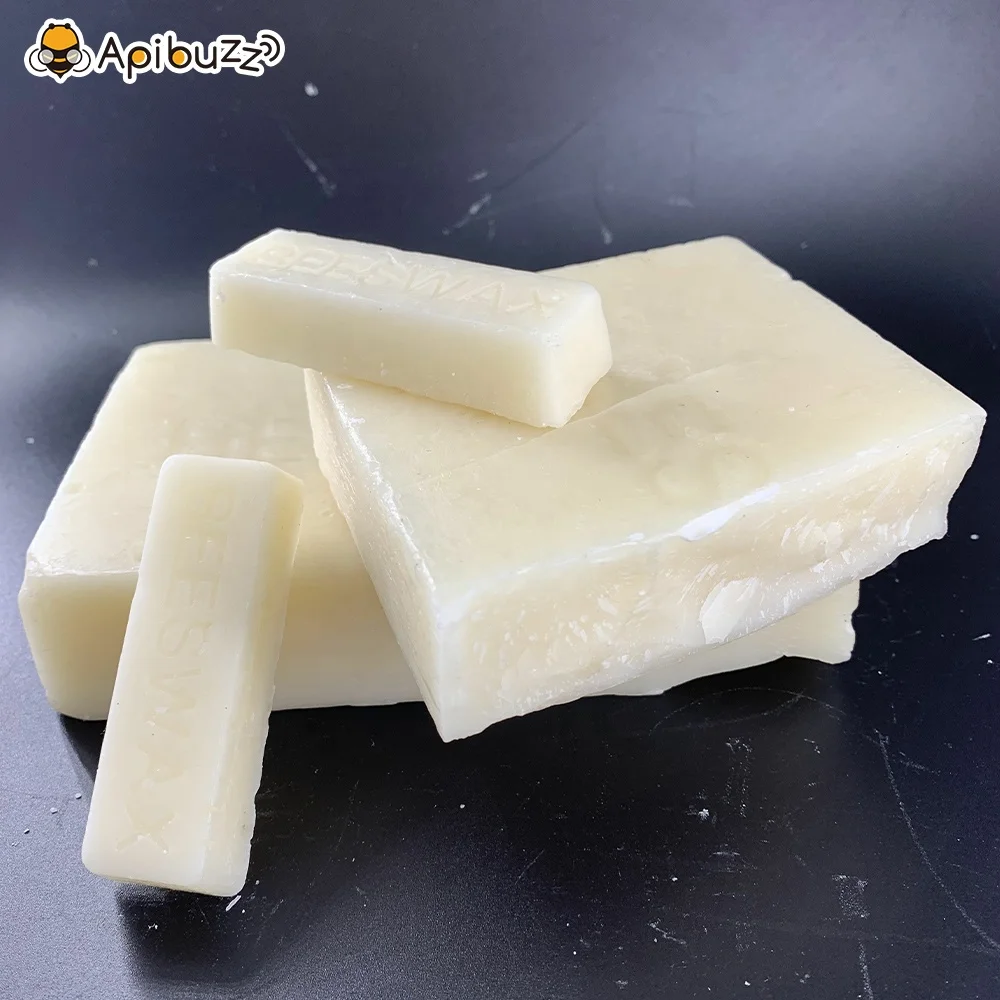
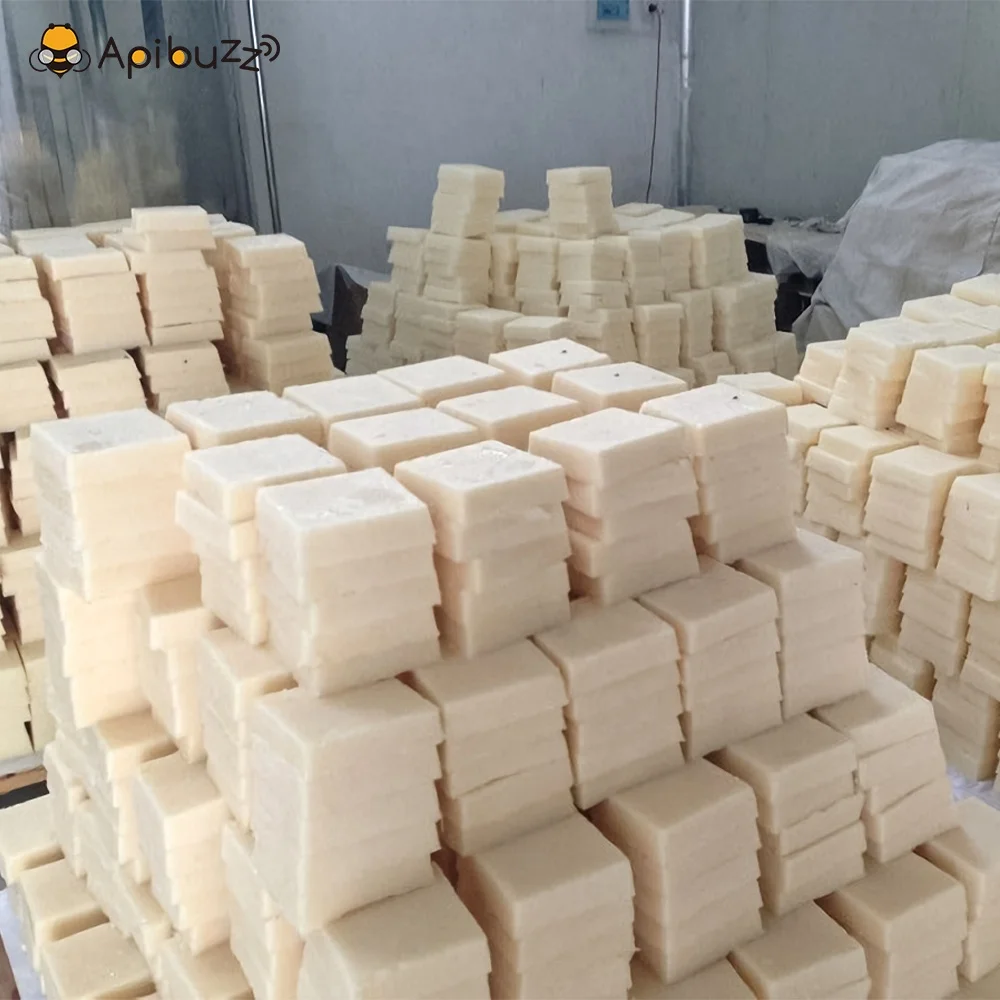
White Pure Beeswax Block Edible Bee Wax Bars for Making Wax Food Wrap,Cosmetics,Healing Salve,Candles Beekeeping Apiculture
- Category: >>>
- Supplier: Chengdu Flybee Trading Co. Ltd.
Share on (1600513973051):
Product Overview
Description


White vs. Yellow Beeswax
Going by what we said earlier, you could say white beeswax is decolorized yellow beeswax. These two types of beeswaxes differ in the following ways:
Filtration Process
Yellow beeswax is melted, then filtered to remove the debris it contains. On the other hand, white beeswax is filtered through pressure filtration.
Bleaching
White beeswax is bleached by exposing it to sunlight, thin layers of air, and moisture. Yellow beeswax, on the other hand, is not bleached.
Uses
Besides the refining process, the preferred uses of yellow beeswax and white beeswax may also differ.
This is not to say that they cannot be used for the same types of products. It’s just one is preferred for some products than the other.
Generally, white beeswax is preferred for products in which you want a light tone. They are also great for products you intend to add colorants to. Yellow beeswax, on the other hand, is preferred for candle making.
Nonetheless, both can be used for candle making, lotions, soaps, balms, food wraps, and many other similar products.
Which Is Better for:
Cosmetics
It appears that white beeswax is better for light-toned cosmetics or cosmetics you intend to add a colorant to. With white beeswax, the tone of the color you desire will not be altered.
But if color does not matter, you can use yellow beeswax in preparing your cosmetics.
Food Wraps
For food wraps, you can use either white beeswax or yellow beeswax. But there might be an issue with the scent of yellow beeswax.
The scent of yellow beeswax sometimes overwhelms the flavor of the food. If you experience this, you should opt for white beeswax or a combination of white and yellow beeswax.
Candles
Yellow beeswax is preferred for candle making since it retains the natural color and more scent than white beeswax.
But then, you may opt for white beeswax candles if you want to make a colored beeswax candle.
Wood
As said earlier, yellow beeswax and white beeswax are basically the same. When polishing your wood, you could use either, depending on your preference.
When you polish wood with yellow beeswax, you can expect a yellow tint finishing, albeit slight. However, with white beeswax, there should be no tint.
Summary
While yellow beeswax and white beeswax differ in color and refining methods, they find similar applications.
White beeswax is generally better for products you intend to modify with a colorant.
We Recommend


New Arrivals
New products from manufacturers at wholesale prices