Quality Used Cooking Oil For Bio diesel
US $20000-$1000000

Share on (1600514680329):


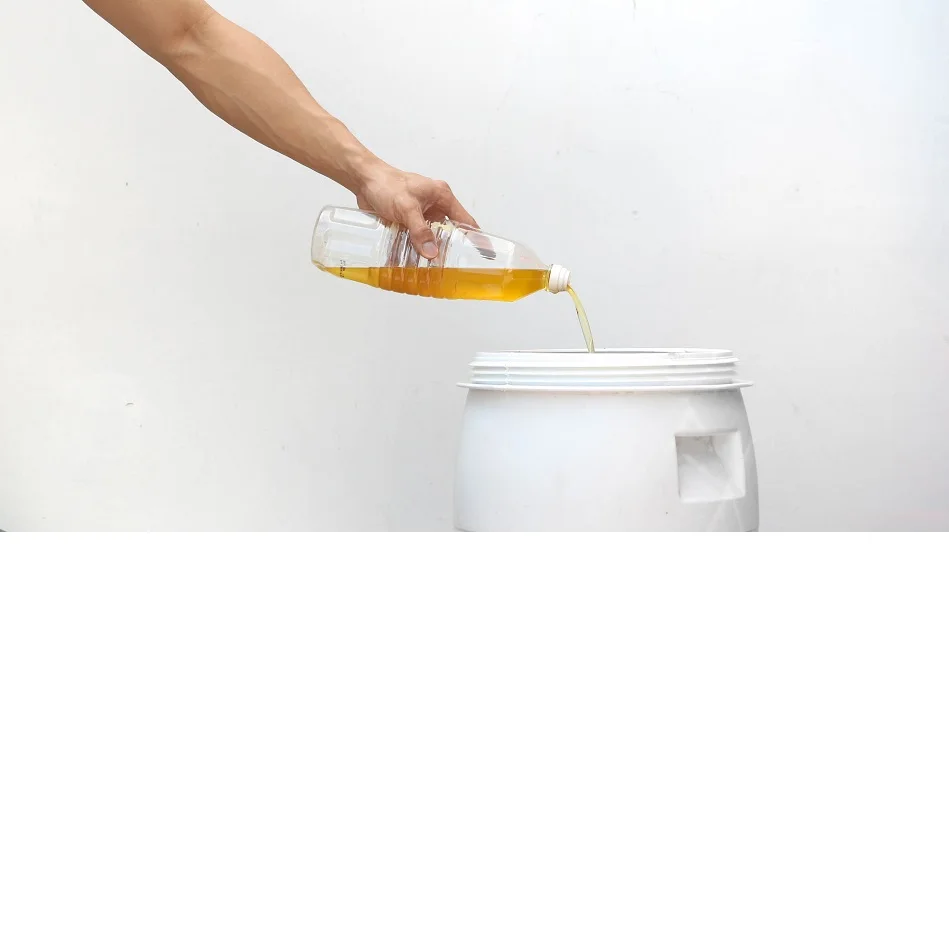
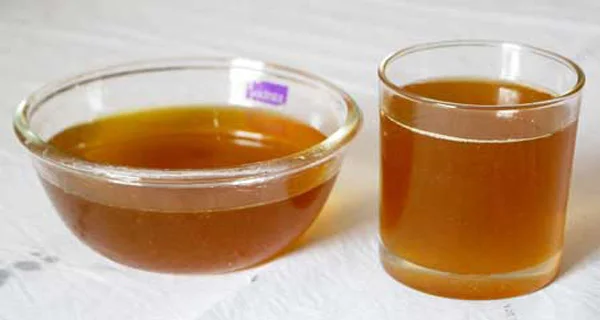
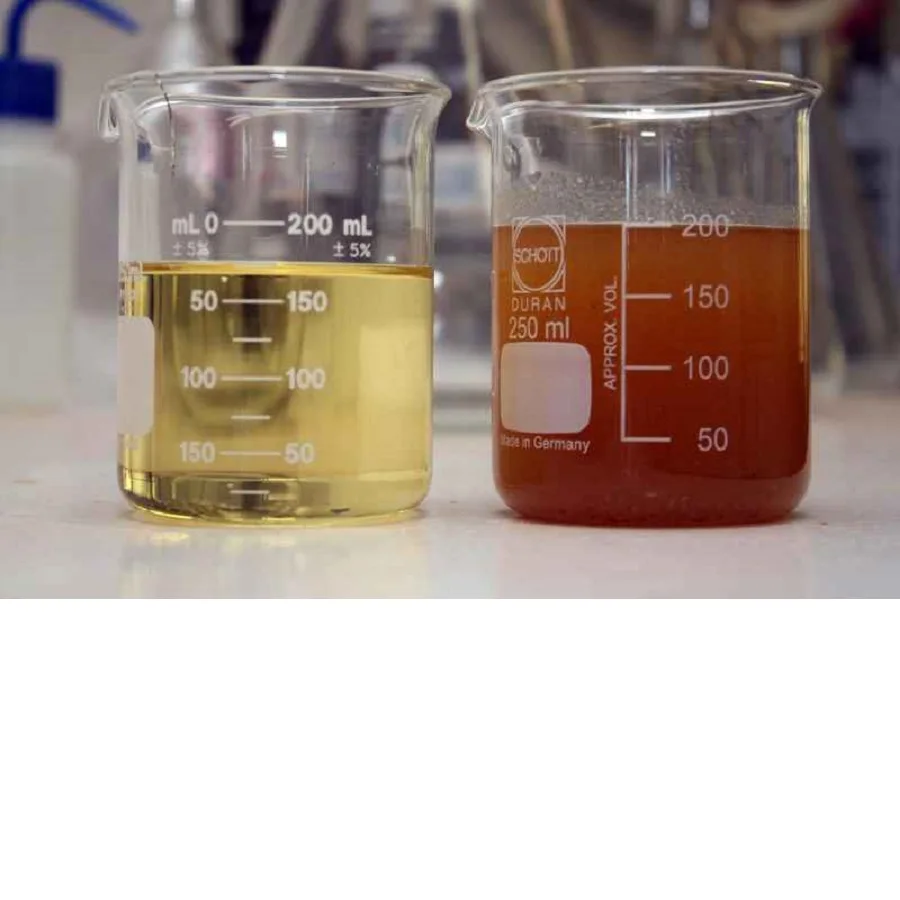
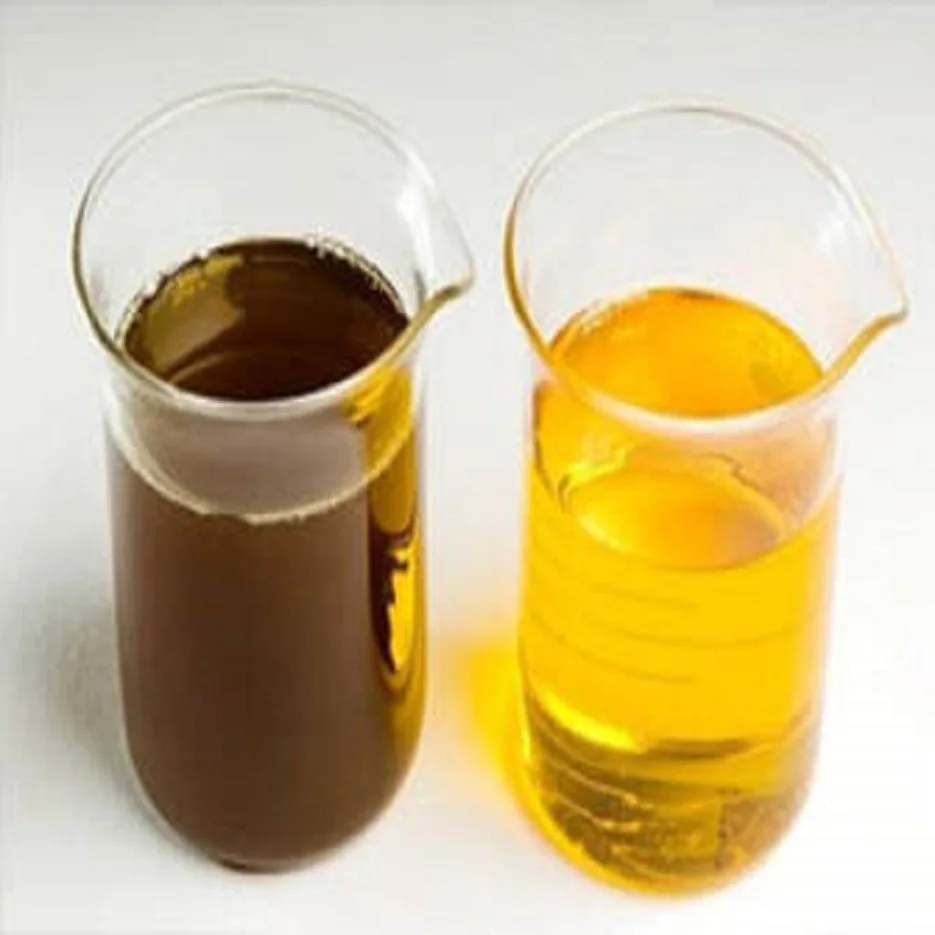
UCOs are oils and fats that have been used for cooking or frying in the food processing industry, restaurants, fast foods and at consumer level, in households. The European Waste Catalogue (EWC) classifies them as Municipal Wastes (household waste and similar commercial, industrial and institutional wastes) including separately collected fractions, under the code 20 01 25 (edible oils and fats). UCO obtained from waste water treatment plants is also considered non hazardous materials with a different code: 19 08 09 (grease and oil mixture from oil/water separation containing edible oil and fats).
It is estimated that currently around 90% of cooking oils and fat used in the EU are produced from vegetable oils, whereas in countries such as Belgium relatively large quantities of animal fats are used (Peters et al, 2013). According to EU estimations, the potential UCO to be collected is around 8L UCO/capita/year. Extrapolated to the total EU population of around 500 million, this means that 4 Mton of UCO is the annually capacity – seven times more than the current collected amount. This potential increases around 2% per year, following the annual increase of cooking oil usage in the EU 15. In order to achieve this level of collection, the collection infrastructure should be improved (Anderssen et al, 2007).
The BIOSIRE project has identified three main UCO collection strategies :
The UCO supply chain consists of the following steps:
Transport and storage have to comply with CEN/TR 15367 3 “Prevention of Cross Contamination”.
The following Regulations, Directives and Decisions of the European Legislation must be followed in the collection of UCO:
Regulations
Directives
Decisions
Physical and chemical properties of UCO (Wen et al, 2010)
Property | Units | Value |
Palmitic Acid | wt% | 8.5 |
Stearic Acid | wt% | 3.1 |
Oleic Acid | wt% | 21.2 |
Linoleic Acid | wt% | 55.2 |
Linolenic Acid | wt% | 5.9 |
Others | wt% | 4.2 |
Water Content | wt% | 1.9 |
Density | g/cm3 | 0.91 |
Kinematic Viscosity (40°C) | mm2/s | 4.2 |
Saponification Value | mgKOH/g | 207 |
Acid Value | mgKOH/g | 3.6 |
Iodine Number | g I2/100 g | 83 |
Sodium Content | mg/kg | 6.9 |
Peroxide Content | mg/kg | 23.1 |
UCO contains impurities, such as Free Fatty Acid (FFA) and water, which have to be removed before the transesterification process. In fact FFAs react with the alkaline catalyst to produce soap, which inhibits the reaction resulting in a poor biodiesel yield (Leung & Guo, 2006; Banerjee & Chakraborty, 2009). An FFA content above 3.0% compromises the transesterification process. The acid and saponification values determin both the quality and the price of UCO. The FFA content of the UCO can be removed via several techniques:
The water content is usually removed by heating the UCO above 100°C (Demirbas, 2009). Alternatively, vacuum distillation at a 0.05 bar pressure is used (Felizardo et al, 2006). Furthermore, suspended solids, phospholipids, and other impurities can be washed away with hot water or removed by centrifugation and paper filtration (Chen et al, 2009).
Biodiesel consists of long chain fatty acid methyl esters (FAMEs) derived from triglycerides trough:
Transesterification with methanol is the most common method. UCO requires more severe transesterification conditions than new oils due to its high FFA content. Homogeneous basic catalysts are the most widely used in industry as they accelerate the process and achieve milder reaction conditions. The reaction can be carried out either discontinuously (batch) or continuously. After the reaction, the glycerol is separated by settling or centrifuging. The biodiesel phase is then purified before being used as diesel fuel in compliance with the EN14214 Standard and other national quality standards and technical norms.


All the collectors have to perform a pre-treatment after the collection consisting of filtering, heating above 50ºC and subsequent decantation to eliminate solid residues, impurities and water…
FFA max 3%
MIU max 2
Sulfur max 30 ppm
Lodine Value min 90
FFA max 5%
MIU max 2%
Sulfur max 50 ppm
Lodine Value min 80
UCO (Used Cooking Oil)
|
|
. FFA (free fatty acids): 5% Max
| M&I (moisture and impurities): 2% Max
|
Iodine Value (IV): Min 80 G IOD/100G
| Sulphur Content: Max 30 MG/KG
|
| . FFA 5% max
|
M.I. 2% max
| IV 85 min
|
Sulphur 50ppm max
|
|
. Free Fatty Acids - max 5%,
| Impurities - max 1%
|
Water - max 1%
| Sulphur - max 50 ppm
|
Idoine Value min 85+
| Polyethylene max 50ppm
|
| .FFA (free fatty acids): 3% Max
|
M&I (moisture and impurities): 2% Max
| Iodine Value (IV): Min 80 G IOD/100G
|
Sulphur Content: Max 30 ppm
| Water content: 1% Max
|
Insoluble substances: 1% Max
| Unsaponifiable: 1% Max
|
Polyethylene (PE): 50 ppm Max
|
|
. FFA (free fatty acids): 2% Max
| M&I (moisture and impurities): 1% Max
|
Iodine Value (IV): Min 75 G IOD/100G
| Sulphur Content: Max 40 MG/KG
|
| . FFA (free fatty acids): 2% Max
|
M&I (moisture and impurities): 1% Max
| Iodine Value (IV): Min 80 G IOD/100G
|
Sulphur Content: Max 35 MG/KG
|
|
. FFA (free fatty acids): 5% Max
| M&I (moisture and impurities): 2% Max
|
Iodine Value (IV): Min 80 G IOD/100G
| Sulphur Content: Max 50 MG/KG
|
| . FFA (free fatty acids): 5% Max
|
M&I (moisture and impurities): 2% Max
| Iodine Value (IV): Min 80 G IOD/100G
|
Sulphur Content: Max 60 MG/KG
|
|
Other types of used cooking oil can also be available upon request but we shall have to check the I.V. And sulphur content index first.
|
|
Package: Flexitank or ISO tank or oiler (tanker)
| Application: biodiesel production
|


New products from manufacturers at wholesale prices