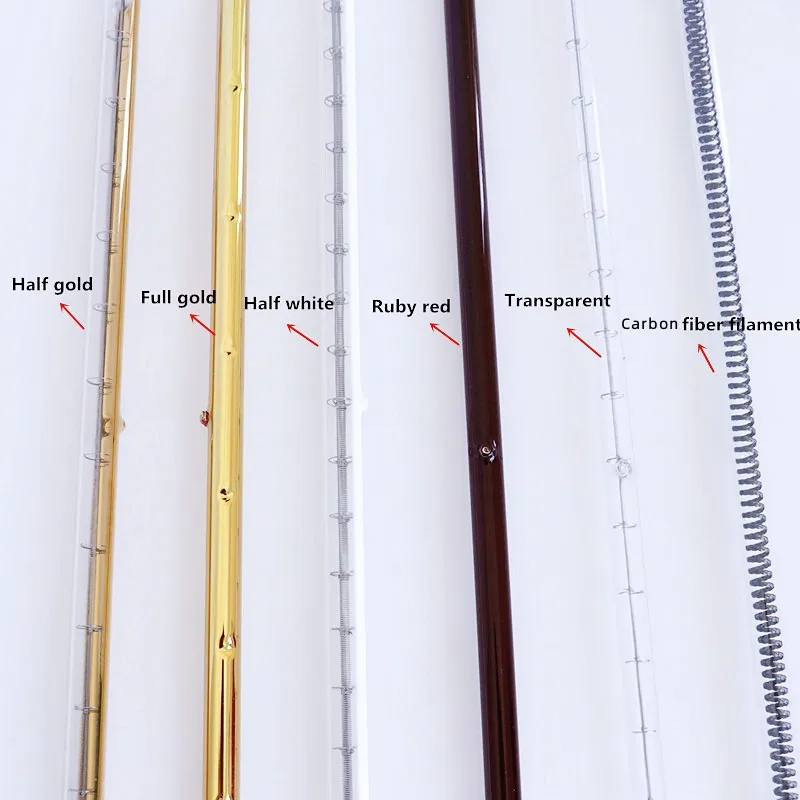
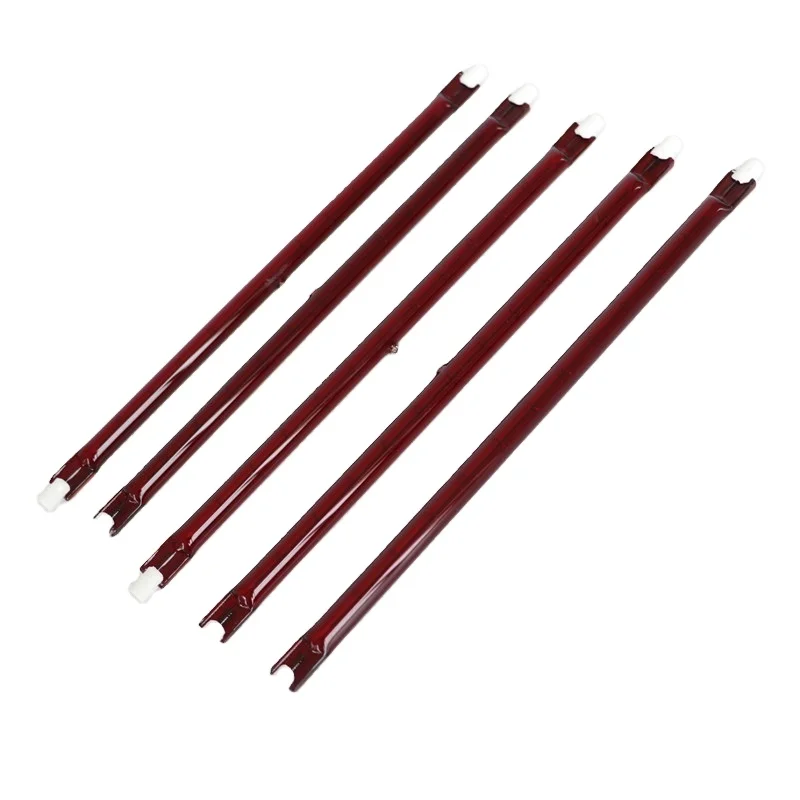
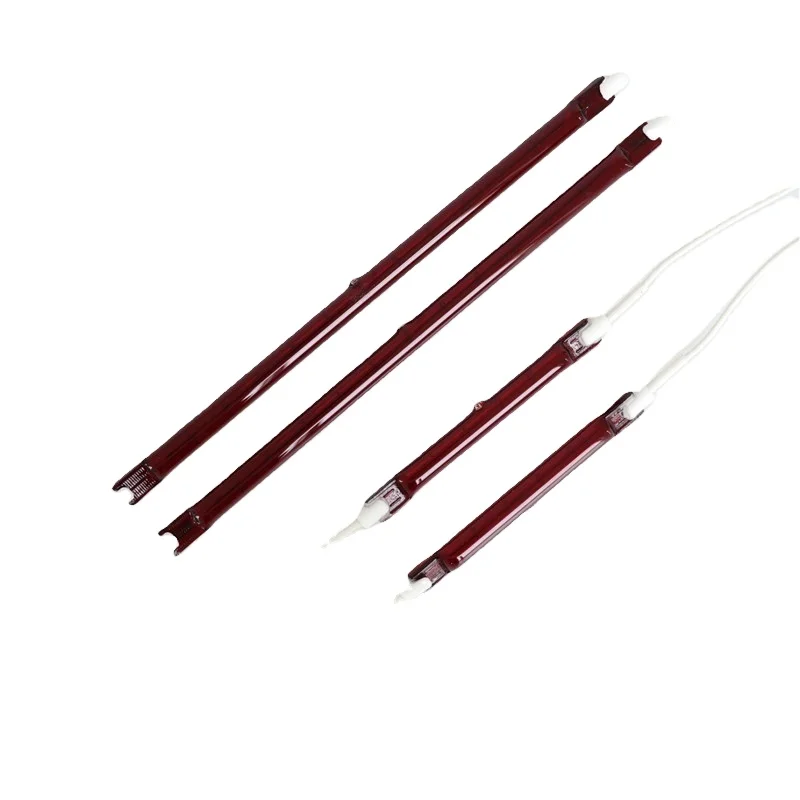
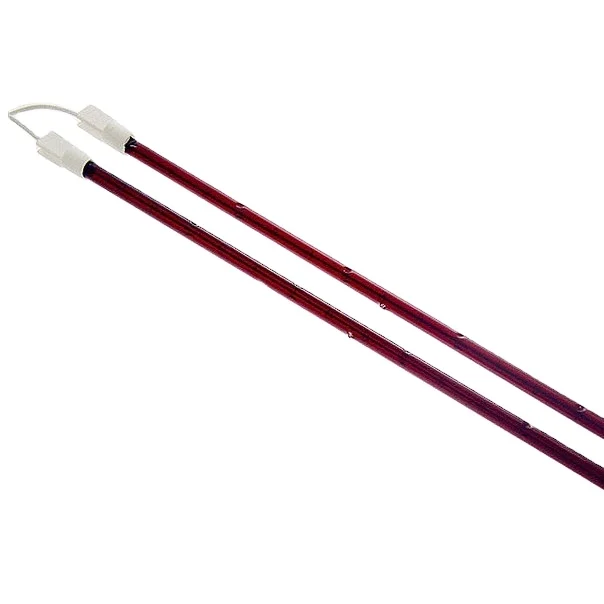
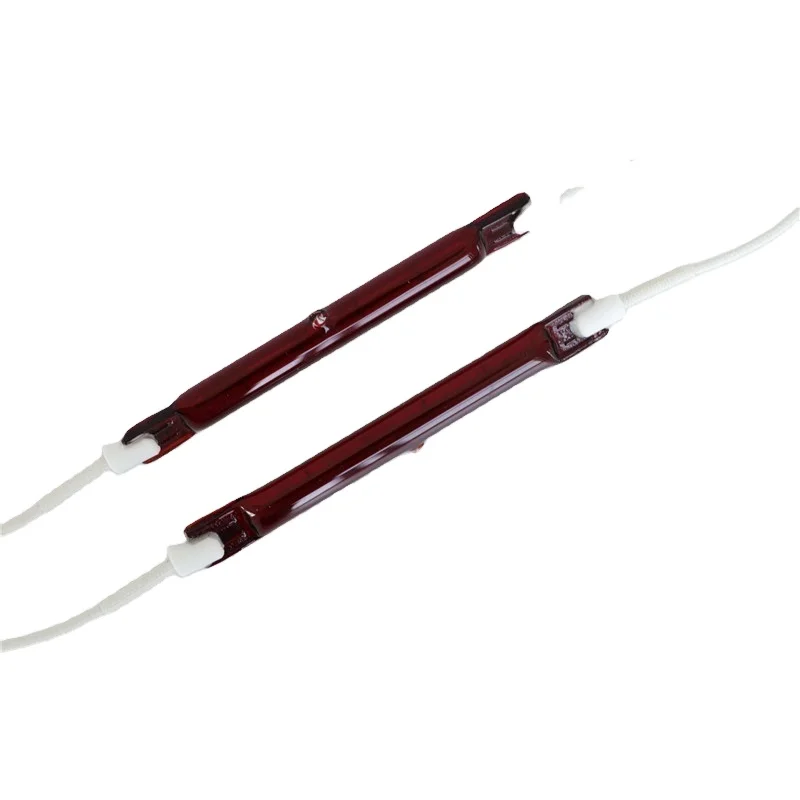
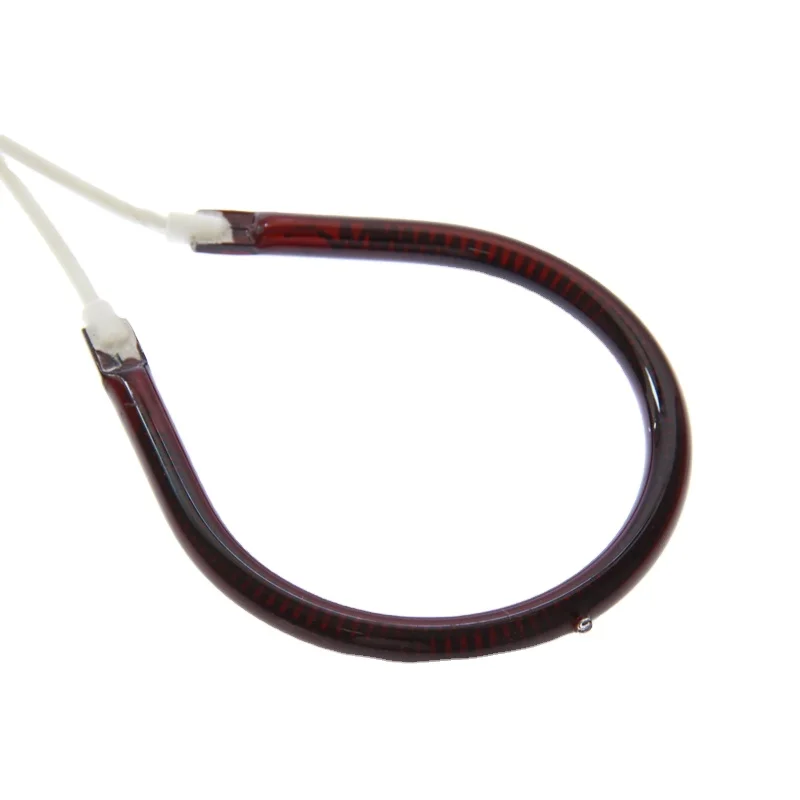
Black ceramic electric heating tube silicon carbide electric heating tube
- Category: >>>
- Supplier: Lianyungang Yuanda Quartz Product Co. Ltd.Lianyungang Ltd.
Share on (1600543377488):
Product Overview
Description
Products Description
Voltage | 220V |
Power | 1000W |
Total Length | 350mm,500mm,640mm 650mm,700mm,730mm 750mm,780mm,800mm 830mm,850mm,900mm or customized |


Advantages of blackbody tube:
*The heat treatment is 1 ~ 10 times faster than the general method, and the large radiation shortens the heating time.
*Save about 30% ~ 50% of electricity.
*The volume of the equipment can be reduced by more than half.
*No open fire, high safety and durability.
*The heated material is uniform.
*Easy maintenance and replacement
*No dust or harmful gas.
*Simple operation and automatic control
*Low cost and high efficiency
The difference between infrared and far infrared;
Infrared ray is a kind of energy wave, which belongs to a family of electromagnetic waves because some of them are electric waves and some are magnetic waves. In the electromagnetic spectrum of polarization analysis, infrared ray is a radiation wave between beyond the visible light band and the outside of microwave, which is an area invisible to the naked eye. Please refer to the following figure.
The frequency of infrared ray is about 1012 to 5 × Between 1014c/s, the name of infrared ray and its effect depend on its wavelength. It is known from the infrared spectrum that its wavelength ranges from 0.75 to 1000 μ And is divided into far and near; the wavelength is usually 0.75 to 2.5 μ It is called near infrared, and 2.5 to 1000 μ It is called far infrared; in use, it is divided into three areas, namely, near infrared and intermediate infrared (2.5 μ~ five point six μ)、 And far infrared (2.5 μ~ 1,000 μ) However, in fact, in the field of various electromagnetic waves and rays, there is no precise boundary, but the two ends overlap each other
*Save about 30% ~ 50% of electricity.
*The volume of the equipment can be reduced by more than half.
*No open fire, high safety and durability.
*The heated material is uniform.
*Easy maintenance and replacement
*No dust or harmful gas.
*Simple operation and automatic control
*Low cost and high efficiency
The difference between infrared and far infrared;
Infrared ray is a kind of energy wave, which belongs to a family of electromagnetic waves because some of them are electric waves and some are magnetic waves. In the electromagnetic spectrum of polarization analysis, infrared ray is a radiation wave between beyond the visible light band and the outside of microwave, which is an area invisible to the naked eye. Please refer to the following figure.
The frequency of infrared ray is about 1012 to 5 × Between 1014c/s, the name of infrared ray and its effect depend on its wavelength. It is known from the infrared spectrum that its wavelength ranges from 0.75 to 1000 μ And is divided into far and near; the wavelength is usually 0.75 to 2.5 μ It is called near infrared, and 2.5 to 1000 μ It is called far infrared; in use, it is divided into three areas, namely, near infrared and intermediate infrared (2.5 μ~ five point six μ)、 And far infrared (2.5 μ~ 1,000 μ) However, in fact, in the field of various electromagnetic waves and rays, there is no precise boundary, but the two ends overlap each other
Packing & Delivery

Company Profile

Basic Information:
Business Type: Manufacturer, Trading Company
Country / Region: Donghai,Jiangsu, China
Main Products: infrared heat lamp, quartz glass, quartz glass, quartz laboratory instrument, quartz crucible
Year Established: 2014
To better ensure the safety of your goods, professional, environmentally friendly, convenient and efficient packaging services will be provided.
Certifications
FAQ

We Recommend



New Arrivals
New products from manufacturers at wholesale prices