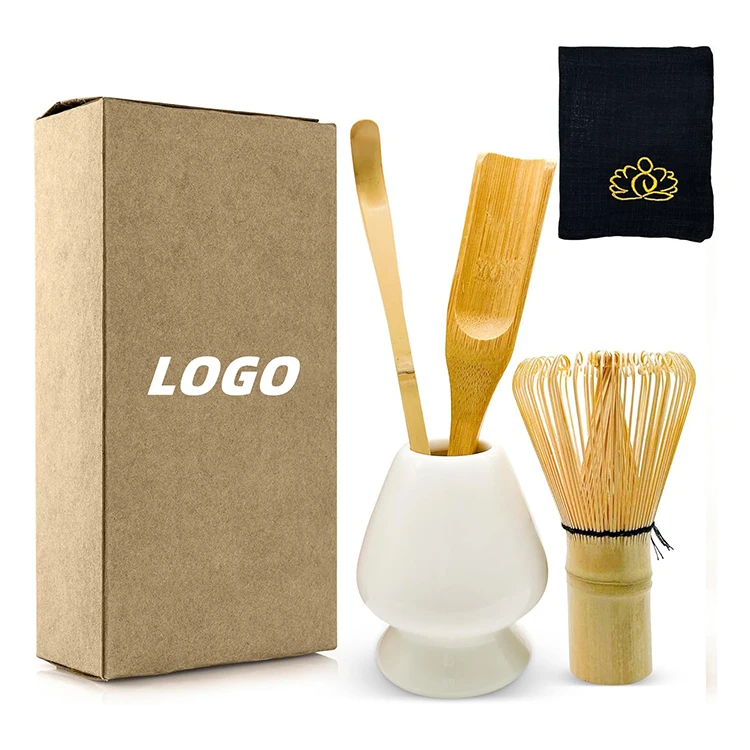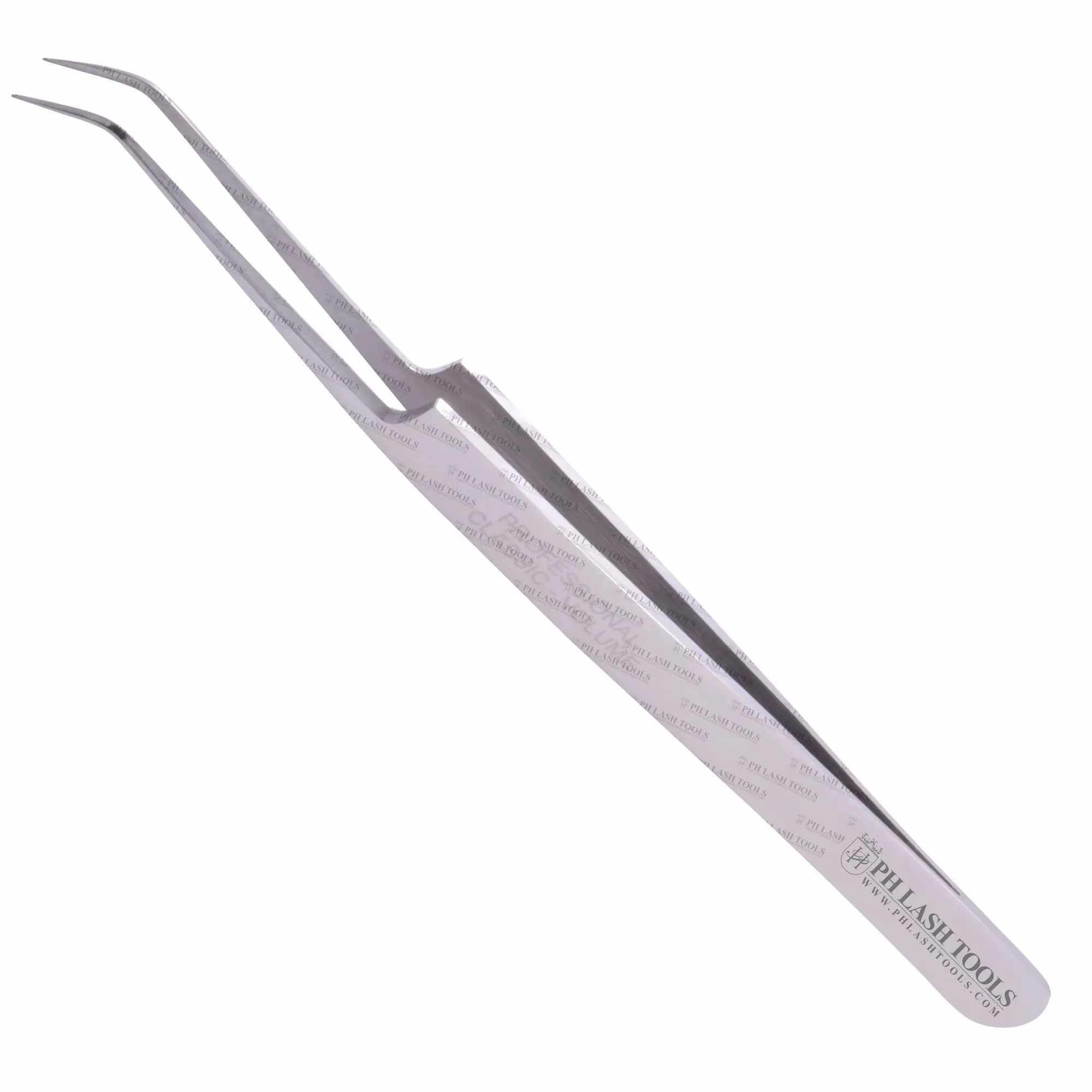
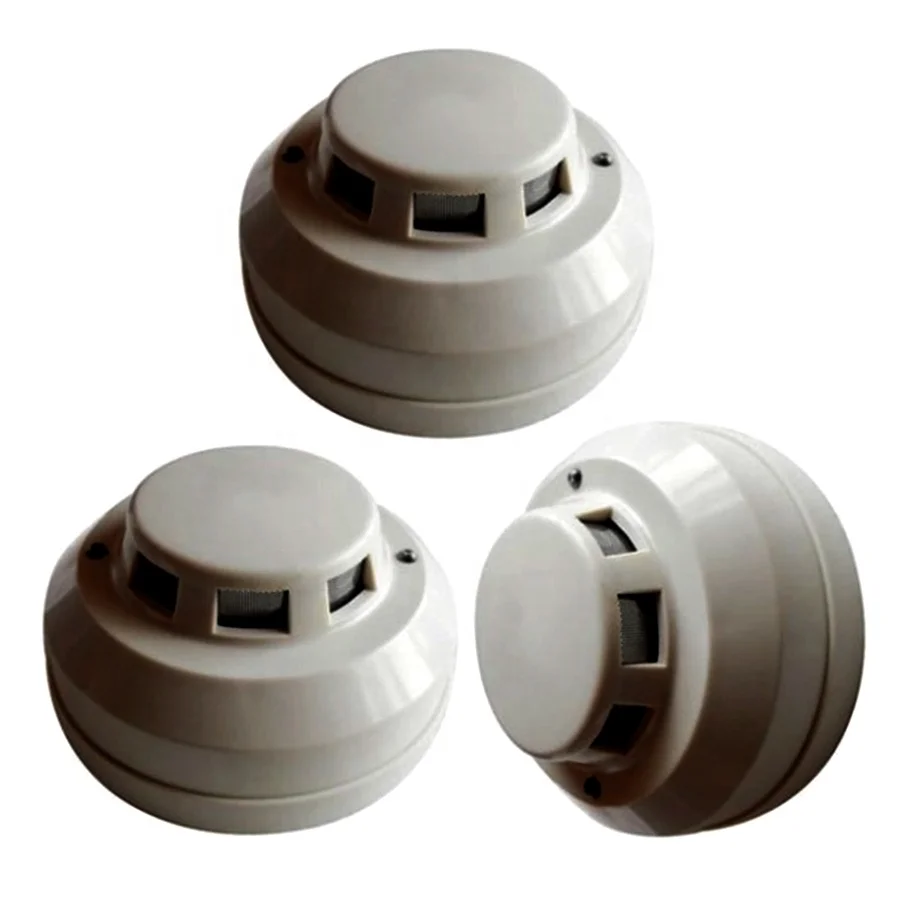
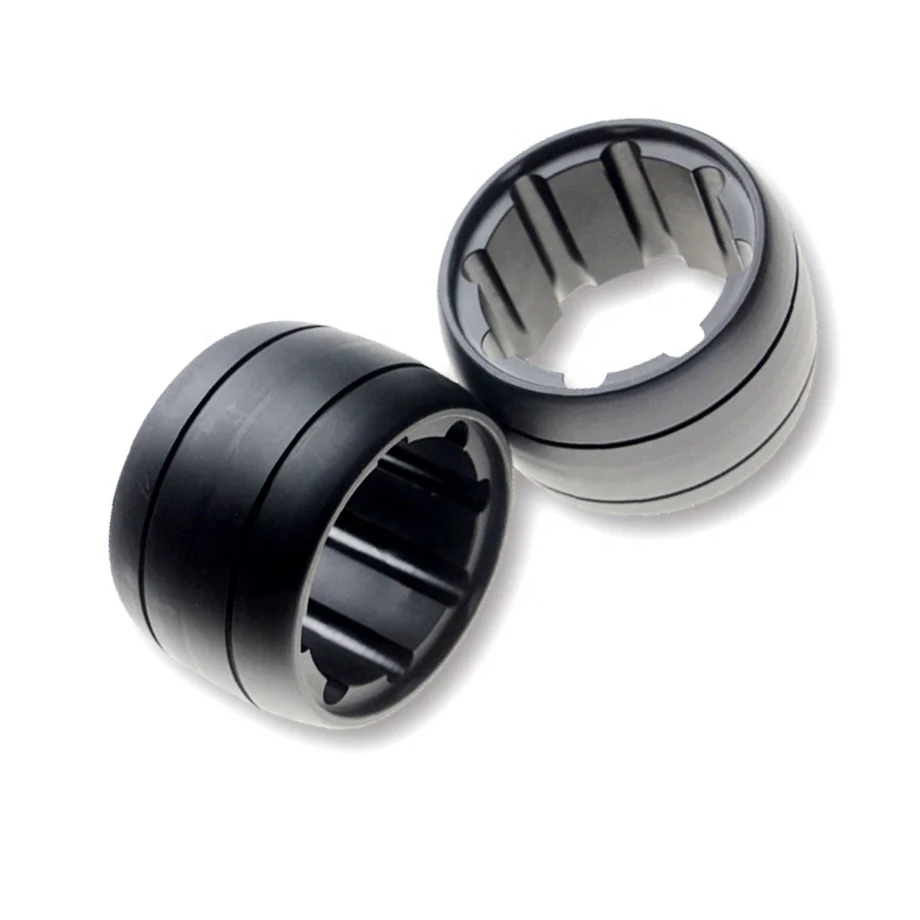
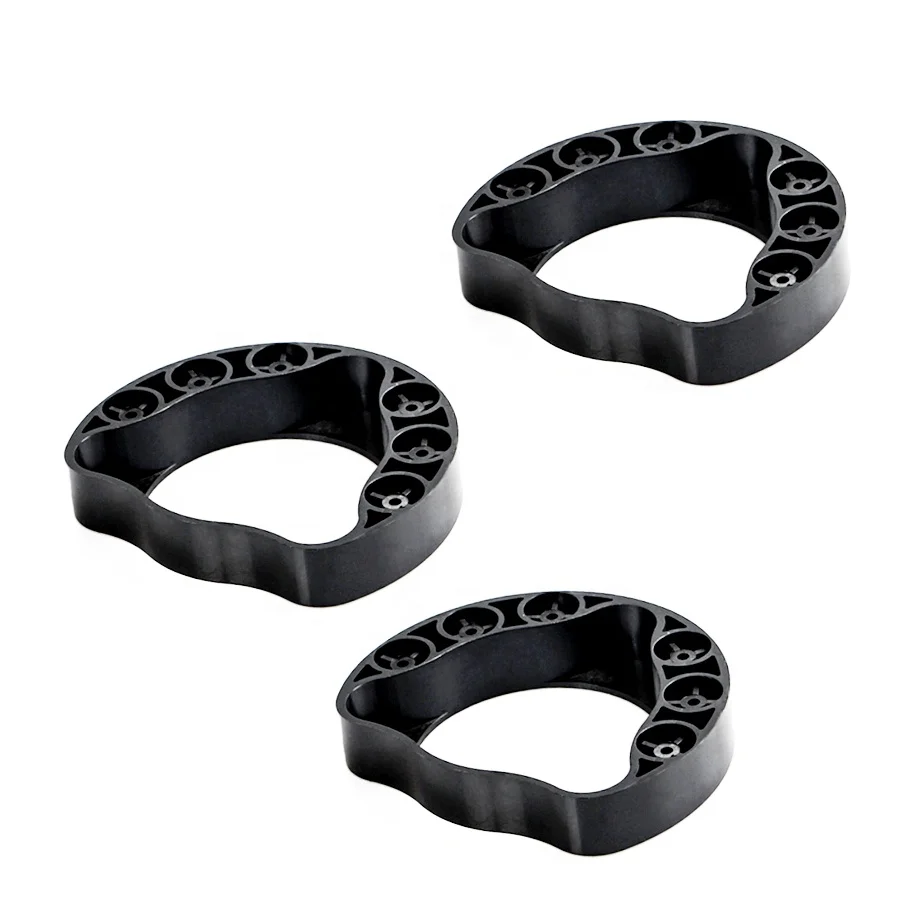
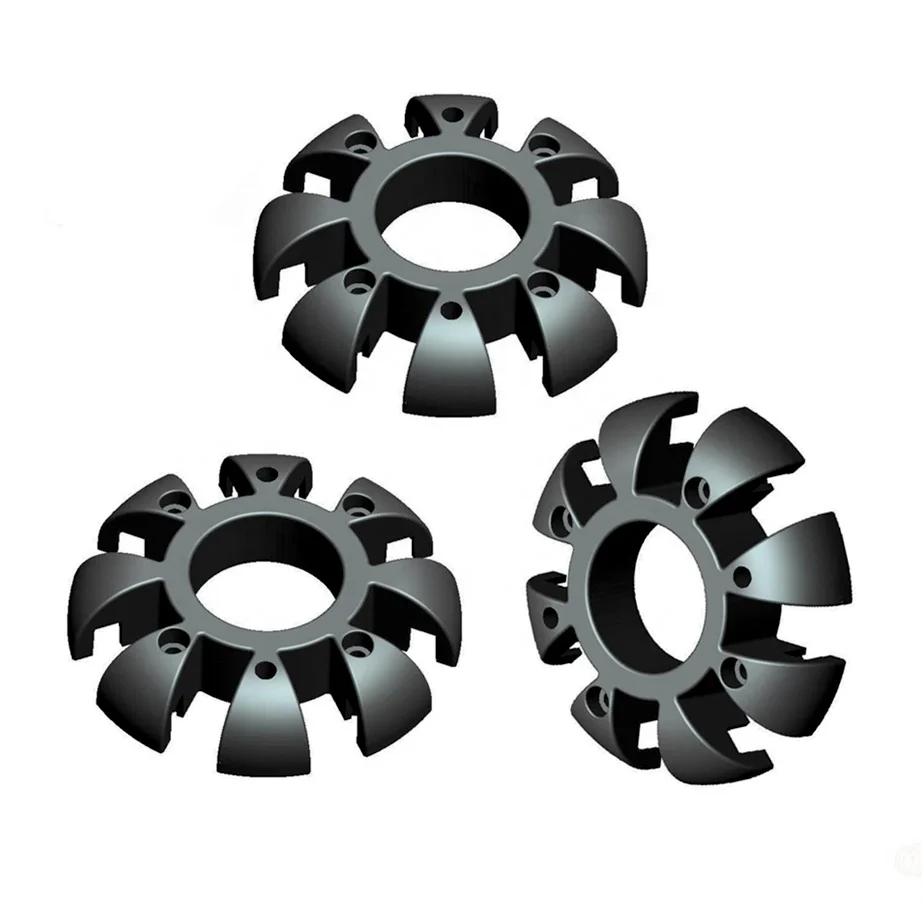
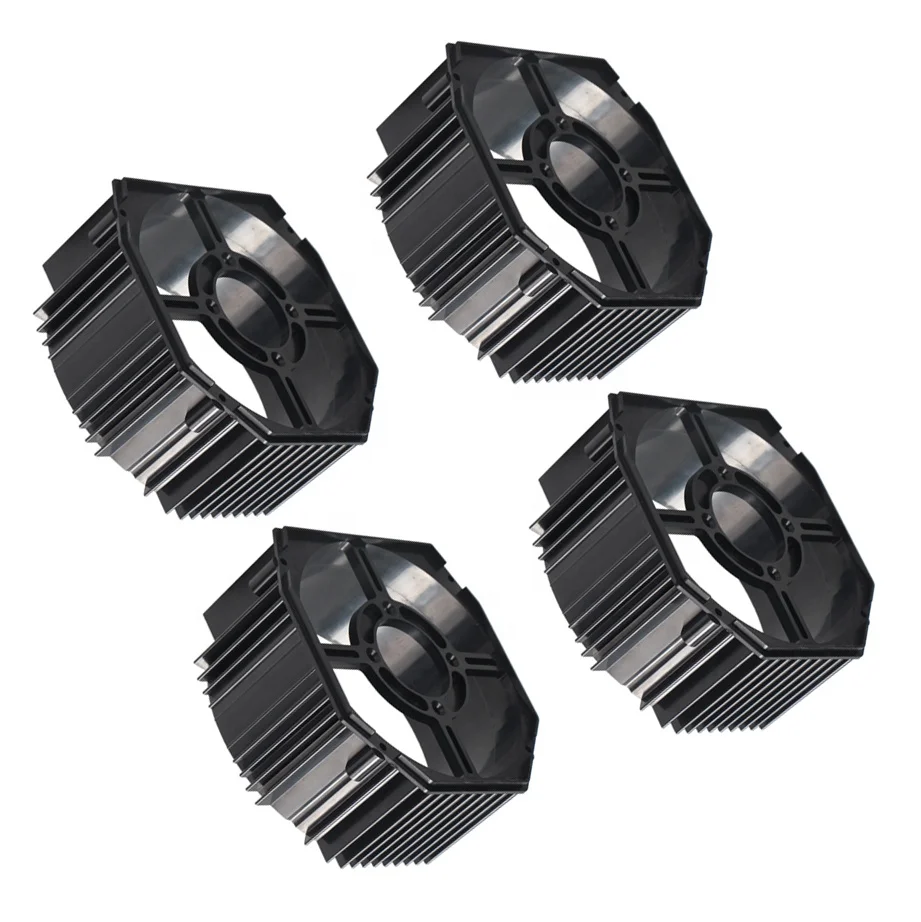
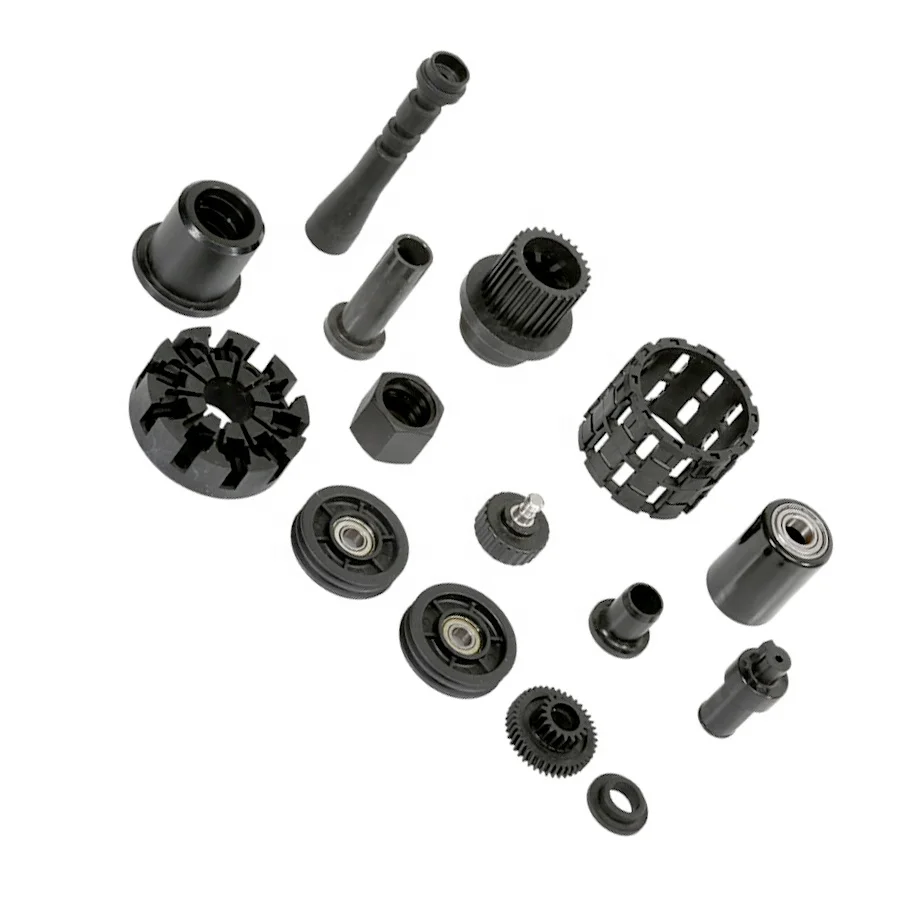
Mass customization injection molding/ABS/PP/PC/POM plastic products/plastic mold design and processing rapid prototyping
- Category: >>>
- Supplier: Huizhou Kamikawa Precision Technology Co. Ltd.
Share on (1600567226297):
Product Overview
Description
our service
DRAWING FORMAT: | PDF,DXF,DWG,IGS,STP,STEP,JPG |
DELIVERABILITY: | 10000-1000000PCS a month |
MATERIALS: | PC/ABS, ABS, PC, PVC, PA66, POM or other you want |
TOLERANCE: | ±0.02mm (±0.001in.)or According to drawing requirements |
SURFACE TREATMENT: | Electroplating, painting, screen printing, laser marking or customized according to drawings |
MOQ: | 10PCS |
PACKAGING: | Internal packaging: paper tray, blister box, pearl cotton, PE bag or customized according to customer requirements; External packaging: carton, cardboard, wooden box or customized according to customer requirements; |
QUALITY POLICY: | ISO9001,ISO13485,ISO16949 |
PAYMENT: | T/T, Western Union,Alibaba Trade Assurance |
DELIVERY: | Express, sea, land, air, according to customer requirements; |
PRIVACY POLICY: | NDA(non disclosure agreement) |
Contact us: | E-meail: wx.gu@hzkamikawa.com / hao@hzkamikawa.com |
What are the commonly used injection molding materials?
Commonly used plastic materials for injection molding: ABS, PP, PVC, PC.
Common commonly used materials for molds: yellow-label materials, P20, 718, 738, S136.
Generally, the basic requirements for injection mold materials have the following aspects.
1. Easy to process Injection mold parts are mostly made of metal materials, and some structural shapes are still very complex. In order to shorten the production cycle and improve efficiency, the mold materials are required to be easy to process into the shape and accuracy required by the drawings.
2. Good wear resistance. The gloss and accuracy of the surface of the plastic part are directly related to the wear resistance of the mold cavity surface, especially when glass fiber, inorganic fillers and certain pigments are added to some plastics. The melt flows at high speed in the runner and mold cavity together, and it has great friction on the surface of the cavity. If the material is not wear-resistant, it will wear out quickly, which will damage the quality of the plastic part.
3. High corrosion resistance Many resins and additives have a corrosive effect on the surface of the cavity. This corrosion causes the metal on the surface of the cavity to corrode and peel off, the surface condition becomes worse, and the quality of the plastic parts deteriorates. Therefore, it is best to use corrosion-resistant steel, or chromium plating, cymbal nickel treatment on the surface of the cavity.
4. Good dimensional stability. During injection molding, the temperature of the injection mold cavity must reach 300°C or more. For this reason, it is best to select tool steel (heat-treated steel) that has been properly tempered. Otherwise it will cause changes in the microstructure of the material, resulting in changes in the size of the mold.
5. Less affected by heat treatment In order to improve the hardness and wear resistance, the mold is generally heat treated, but this treatment should make the size change small. Therefore, it is best to use pre-hardened steel that can be machined.
6. Good polishing performance. Plastic parts usually require good gloss and surface condition. Therefore, the roughness of the cavity surface is required to be very small. In this way, the surface of the cavity must be surface processed, such as polishing, grinding, etc. Therefore, the selected steel should not contain rough impurities and pores.
Common commonly used materials for molds: yellow-label materials, P20, 718, 738, S136.
Generally, the basic requirements for injection mold materials have the following aspects.
1. Easy to process Injection mold parts are mostly made of metal materials, and some structural shapes are still very complex. In order to shorten the production cycle and improve efficiency, the mold materials are required to be easy to process into the shape and accuracy required by the drawings.
2. Good wear resistance. The gloss and accuracy of the surface of the plastic part are directly related to the wear resistance of the mold cavity surface, especially when glass fiber, inorganic fillers and certain pigments are added to some plastics. The melt flows at high speed in the runner and mold cavity together, and it has great friction on the surface of the cavity. If the material is not wear-resistant, it will wear out quickly, which will damage the quality of the plastic part.
3. High corrosion resistance Many resins and additives have a corrosive effect on the surface of the cavity. This corrosion causes the metal on the surface of the cavity to corrode and peel off, the surface condition becomes worse, and the quality of the plastic parts deteriorates. Therefore, it is best to use corrosion-resistant steel, or chromium plating, cymbal nickel treatment on the surface of the cavity.
4. Good dimensional stability. During injection molding, the temperature of the injection mold cavity must reach 300°C or more. For this reason, it is best to select tool steel (heat-treated steel) that has been properly tempered. Otherwise it will cause changes in the microstructure of the material, resulting in changes in the size of the mold.
5. Less affected by heat treatment In order to improve the hardness and wear resistance, the mold is generally heat treated, but this treatment should make the size change small. Therefore, it is best to use pre-hardened steel that can be machined.
6. Good polishing performance. Plastic parts usually require good gloss and surface condition. Therefore, the roughness of the cavity surface is required to be very small. In this way, the surface of the cavity must be surface processed, such as polishing, grinding, etc. Therefore, the selected steel should not contain rough impurities and pores.
WORK TESM

Production process

EQUIPMENT EXHIBITION

OUR PRODUCTION CAPACITY

Quality control flow chart

Testing Equipment


We Recommend
New Arrivals
New products from manufacturers at wholesale prices