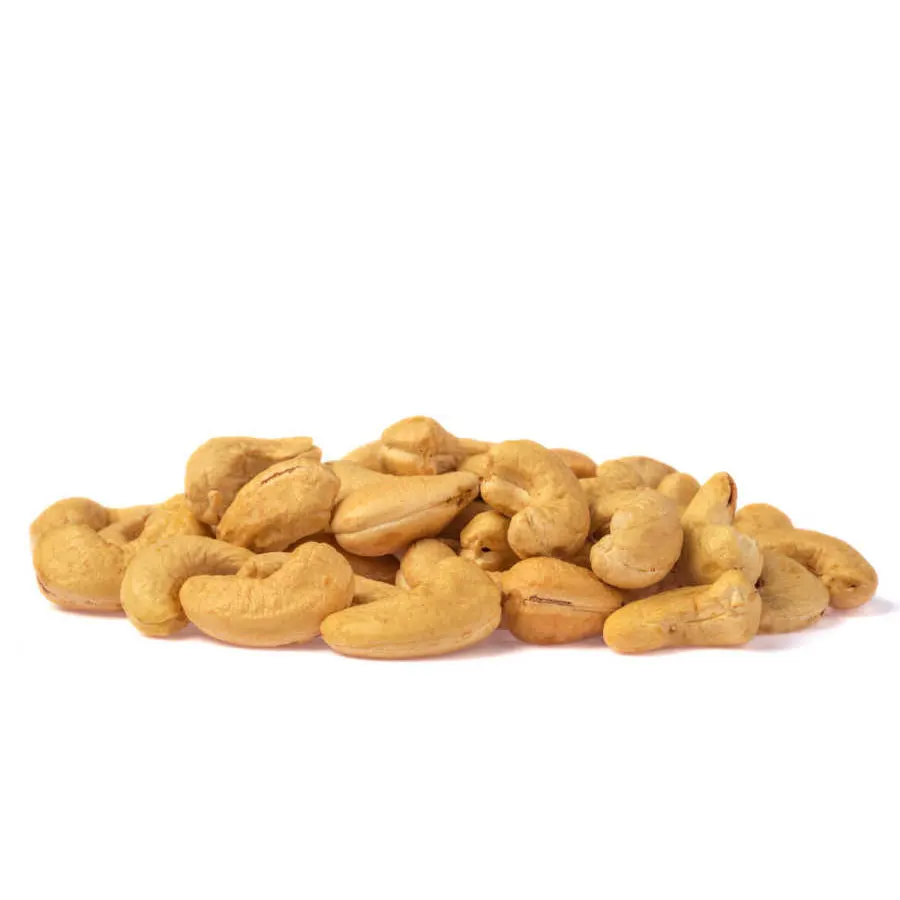
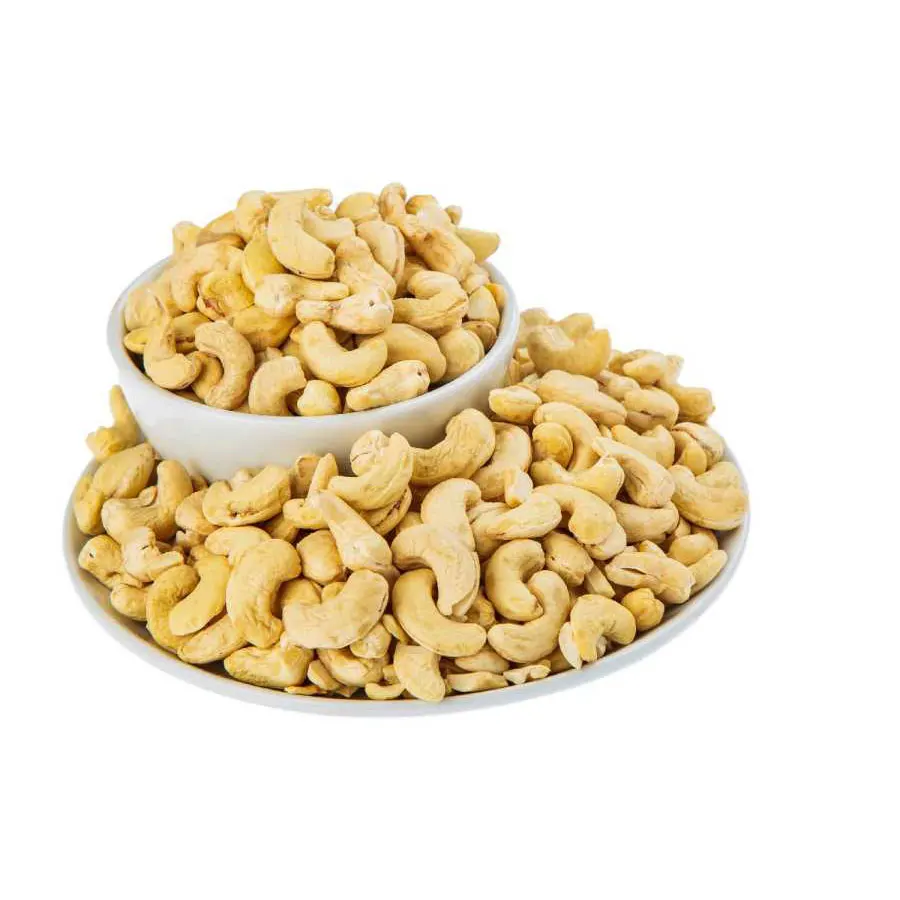
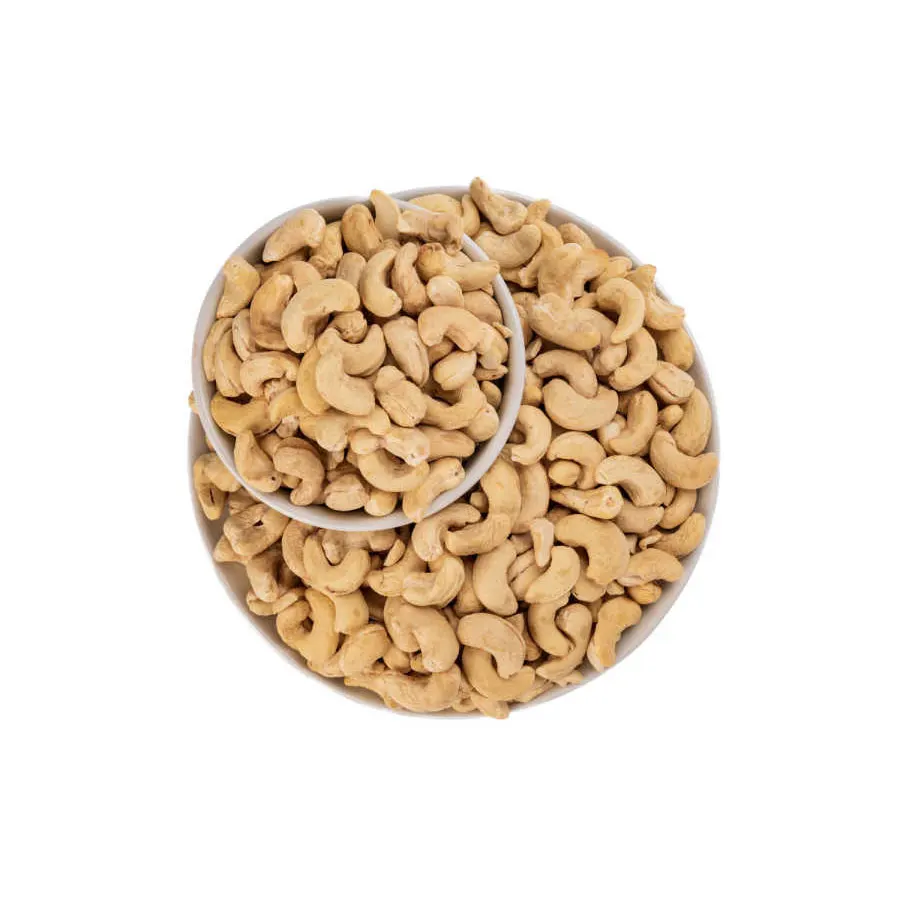
Турецкий орех кешью лучшего качества, упаковка кешью, сырой кешью
- Category: Cashew Nuts >>>
- Supplier: 3H Grup Elektronik Hizmetleri Iletisim Satis Ve Dis Ticaret Limited Sirketi
Share on (1600601002948):
Product Overview
Description
Product Description
Specification
item | value |
Type | Cashew Nut |
Cultivation Type | Organic |
Processing Type | Blanched |
Style | Fresh |
Packaging | package |
Grade | AAAA |
Place of Origin | Turkey |
Istanbul | |
Brand Name | 3H GRUP |
Packing & Delivery


To better ensure the safety of your goods, professional, environmentally friendly, convenient and efficient packaging services will be provided.
Company Profile



The history of cashews dates back to the 16th century. With the cashew trees discovered in Brazil in those years, it has become a
plant that is grown in many places today. It is a plant that generally likes the equatorial climate zone. Today, India ranks first
in cashew production in the world. Since it does not grow in every climate and only 1 cashew is obtained from each cashew fruit,
it can be more expensive than other peanut varieties. Each cashew is separated from its own fruit one by one and the skin is
peeled and roasted. It is unshelled when it reaches the consumer. Although it is widely consumed as nuts in our country, it is
frequently used in desserts and meals in world cuisine. Well, how much should we eat cashew, which has numerous benefits for our
health? Under what conditions is there a case of 'cashew poisoning'? Here are the details… CALORIES AND NUTRITIONAL VALUE OF CAJO
100 grams of cashew is about 550 calories. It is one of the nuts that is very rich in protein. The fiber rate is high. It contains
minerals such as calcium, iron, magnesium, phosphorus. It contains zinc, potassium and sodium. It is high in vitamins and contains
vitamins C, A, E, D and K. It contains vitamins B12 and B6 from group B vitamins. It has thiamine, riboflavin and niacin
components. WHAT ARE THE BENEFITS OF CAJUN? One of the benefits of cashew is the effects it provides on your skin. Cashew, which
is a source of copper and antioxidants, prevents skin aging and provides flexibility. Cashew is a food high in zinc, which helps
strengthen your immune system. It protects your eye health. If you look at the phone or computer screen too much during the day,
some damage may occur to your eye health. Cashew, on the other hand, increases the amount of vitamins in the eye and reduces the
risk of eye-related ailments. hanks to the unsaturated fatty acids in it, it protects the brain health. It increases concentration
time and strengthens long-term memory. Supports oral and dental health. It helps to reduce the bacteria in the mouth and prevents
tooth and gum diseases. Cashew, which contains lipoprotein that increases good cholesterol, helps to reduce bad cholesterol
levels. With its protective effect on cardiovascular health, it reduces the risk of developing diseases such as heart attack or
vascular occlusion. The benefits of cashew during pregnancy do not end with counting. Experts recommend that pregnant women
consume cashews regularly due to its rich nutritional value and contribution to the development of the baby. Thanks to its high
magnesium content, it supports your muscle and bone health. Cashew, which contributes to the protection of blood pressure and
nerve functions, also helps regulate metabolism. Cashew, which is one of the nuts containing iron, reduces the risks of anemia. It
fights anemia due to iron deficiency, reduces anemia and symptoms such as fatigue and weakness caused by anemia. As with many
things, the benefits of cashew on sexuality are also important. It has been observed that when consumed regularly, cashew
increases sperm motility and increases sexual energy. It reduces the risk of diseases such as gallstones caused by cholesterol.
One of its most important features is that it is protective against cancer. Thanks to its rich nutritional values, it increases
the body's resistance especially against colon cancer and is a complete anticarcinogen.
plant that is grown in many places today. It is a plant that generally likes the equatorial climate zone. Today, India ranks first
in cashew production in the world. Since it does not grow in every climate and only 1 cashew is obtained from each cashew fruit,
it can be more expensive than other peanut varieties. Each cashew is separated from its own fruit one by one and the skin is
peeled and roasted. It is unshelled when it reaches the consumer. Although it is widely consumed as nuts in our country, it is
frequently used in desserts and meals in world cuisine. Well, how much should we eat cashew, which has numerous benefits for our
health? Under what conditions is there a case of 'cashew poisoning'? Here are the details… CALORIES AND NUTRITIONAL VALUE OF CAJO
100 grams of cashew is about 550 calories. It is one of the nuts that is very rich in protein. The fiber rate is high. It contains
minerals such as calcium, iron, magnesium, phosphorus. It contains zinc, potassium and sodium. It is high in vitamins and contains
vitamins C, A, E, D and K. It contains vitamins B12 and B6 from group B vitamins. It has thiamine, riboflavin and niacin
components. WHAT ARE THE BENEFITS OF CAJUN? One of the benefits of cashew is the effects it provides on your skin. Cashew, which
is a source of copper and antioxidants, prevents skin aging and provides flexibility. Cashew is a food high in zinc, which helps
strengthen your immune system. It protects your eye health. If you look at the phone or computer screen too much during the day,
some damage may occur to your eye health. Cashew, on the other hand, increases the amount of vitamins in the eye and reduces the
risk of eye-related ailments. hanks to the unsaturated fatty acids in it, it protects the brain health. It increases concentration
time and strengthens long-term memory. Supports oral and dental health. It helps to reduce the bacteria in the mouth and prevents
tooth and gum diseases. Cashew, which contains lipoprotein that increases good cholesterol, helps to reduce bad cholesterol
levels. With its protective effect on cardiovascular health, it reduces the risk of developing diseases such as heart attack or
vascular occlusion. The benefits of cashew during pregnancy do not end with counting. Experts recommend that pregnant women
consume cashews regularly due to its rich nutritional value and contribution to the development of the baby. Thanks to its high
magnesium content, it supports your muscle and bone health. Cashew, which contributes to the protection of blood pressure and
nerve functions, also helps regulate metabolism. Cashew, which is one of the nuts containing iron, reduces the risks of anemia. It
fights anemia due to iron deficiency, reduces anemia and symptoms such as fatigue and weakness caused by anemia. As with many
things, the benefits of cashew on sexuality are also important. It has been observed that when consumed regularly, cashew
increases sperm motility and increases sexual energy. It reduces the risk of diseases such as gallstones caused by cholesterol.
One of its most important features is that it is protective against cancer. Thanks to its rich nutritional values, it increases
the body's resistance especially against colon cancer and is a complete anticarcinogen.
FAQ
1. who are we?
We are based in -, Turkey, start from 2000,sell to North America(33.00%),South Asia(16.50%),Eastern Asia(16.50%),Southern Europe(8.50%),Northern Europe(8.50%),Western Europe(8.50%),Eastern Europe(8.50%). There are total about 101-200 people in our office.
2. how can we guarantee quality?
Always a pre-production sample before mass production;
Always final Inspection before shipment;
3.what can you buy from us?
Hazelnut,Mixed Nuts,Dried Apricots,Dried Fig,Oregano
4. why should you buy from us not from other suppliers?
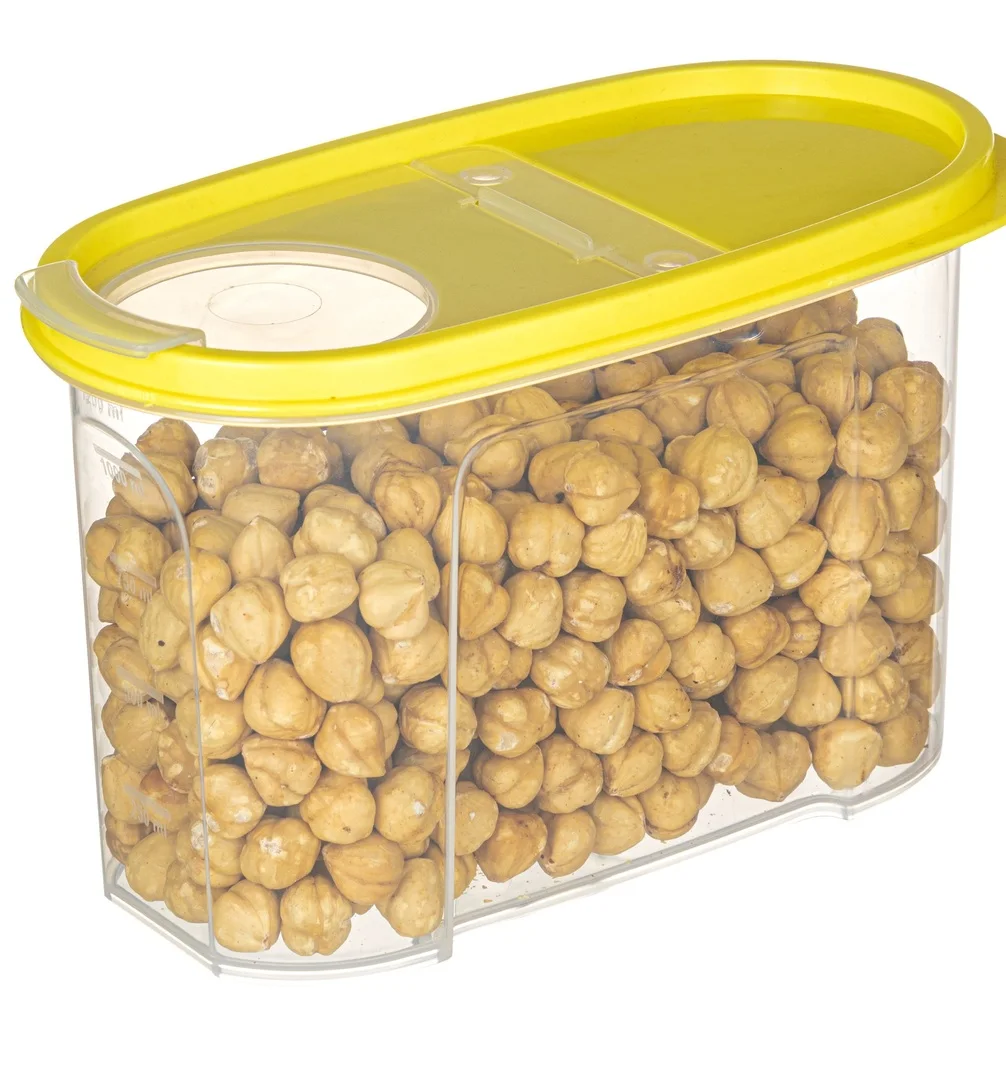
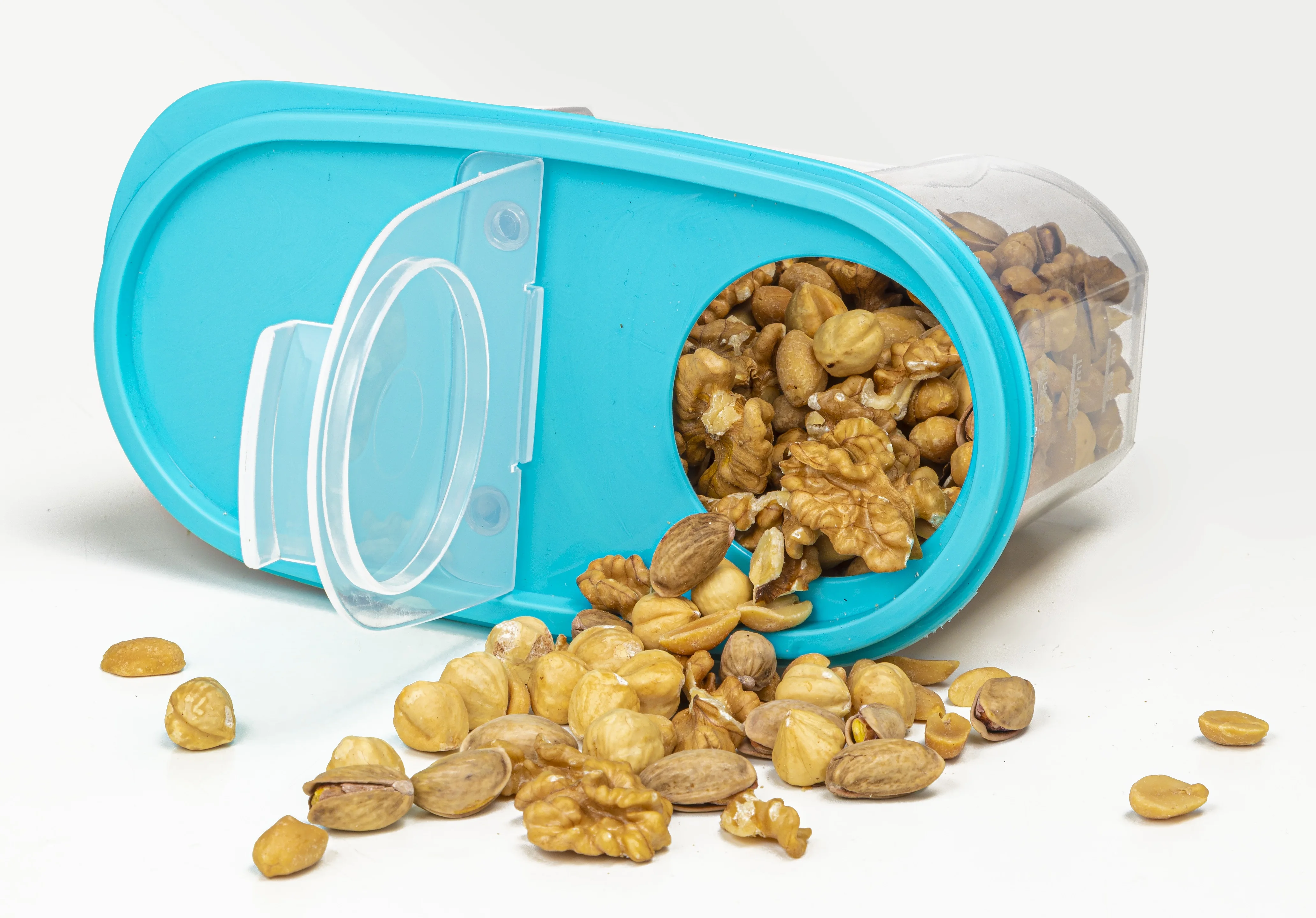
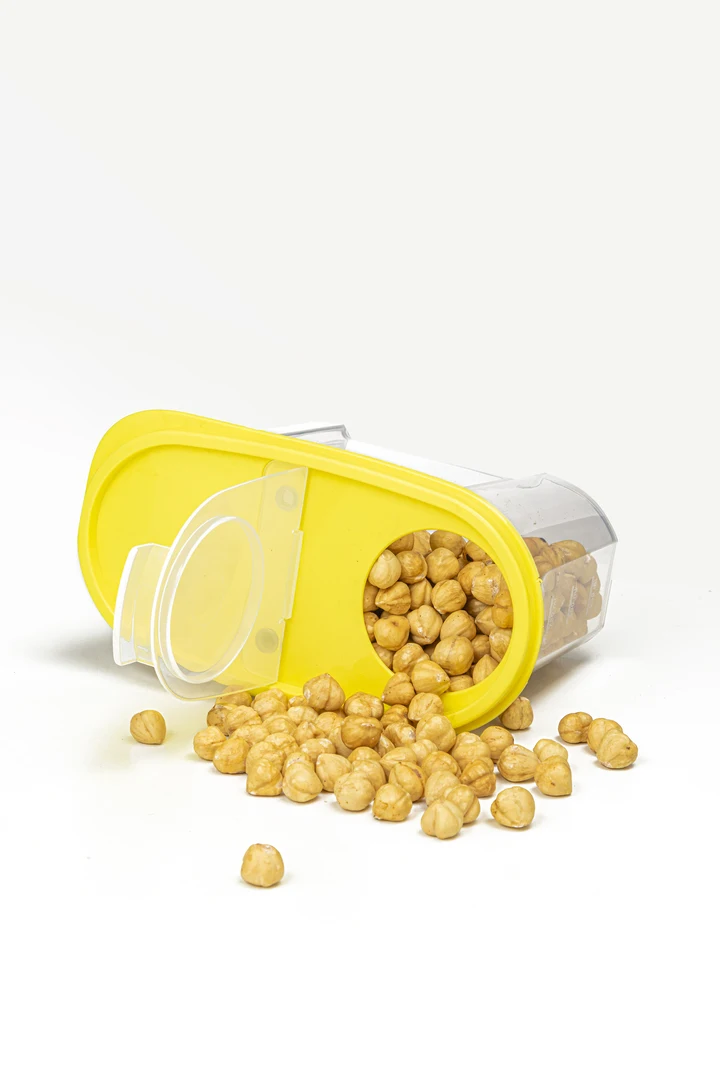
Our nuts, dried fruits and spices are sold in a gift storage container which after the consumption of our product the storage container is suitable for all kinds of food consumption. We are selling in desired weights and in desired quantities.
5. what services can we provide?
Accepted Delivery Terms: FOB,CIF,EXW,Express Delivery;
Accepted Payment Currency:USD,EUR;
Accepted Payment Type: T/T;
Language Spoken:English
We are based in -, Turkey, start from 2000,sell to North America(33.00%),South Asia(16.50%),Eastern Asia(16.50%),Southern Europe(8.50%),Northern Europe(8.50%),Western Europe(8.50%),Eastern Europe(8.50%). There are total about 101-200 people in our office.
2. how can we guarantee quality?
Always a pre-production sample before mass production;
Always final Inspection before shipment;
3.what can you buy from us?
Hazelnut,Mixed Nuts,Dried Apricots,Dried Fig,Oregano
4. why should you buy from us not from other suppliers?
Our nuts, dried fruits and spices are sold in a gift storage container which after the consumption of our product the storage container is suitable for all kinds of food consumption. We are selling in desired weights and in desired quantities.
5. what services can we provide?
Accepted Delivery Terms: FOB,CIF,EXW,Express Delivery;
Accepted Payment Currency:USD,EUR;
Accepted Payment Type: T/T;
Language Spoken:English
We Recommend

VIETNAM Cashew Nuts/cashew W320 Kaju W240 FROM THAILAND
US $1.60-$3.45


CASHEW NUT SHELL OIL
US $1.00

Very Big Sized Cashew Nuts [W-210] Suppliers in India
US $4000-$7000
New Arrivals
New products from manufacturers at wholesale prices