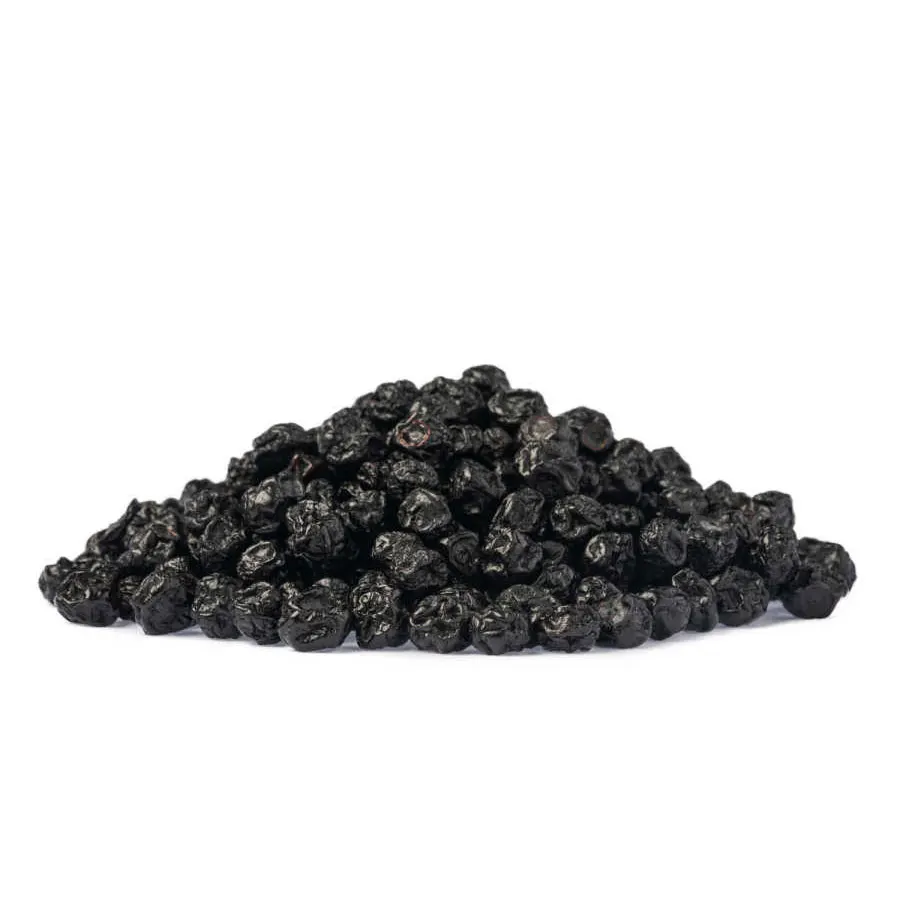
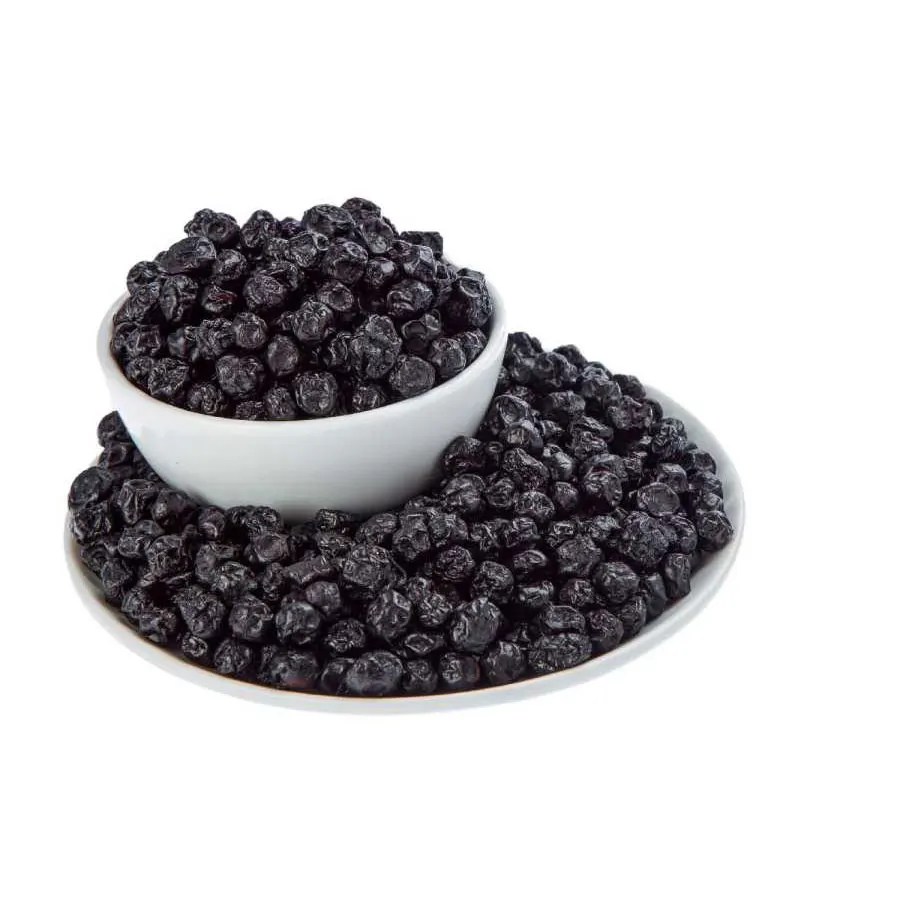
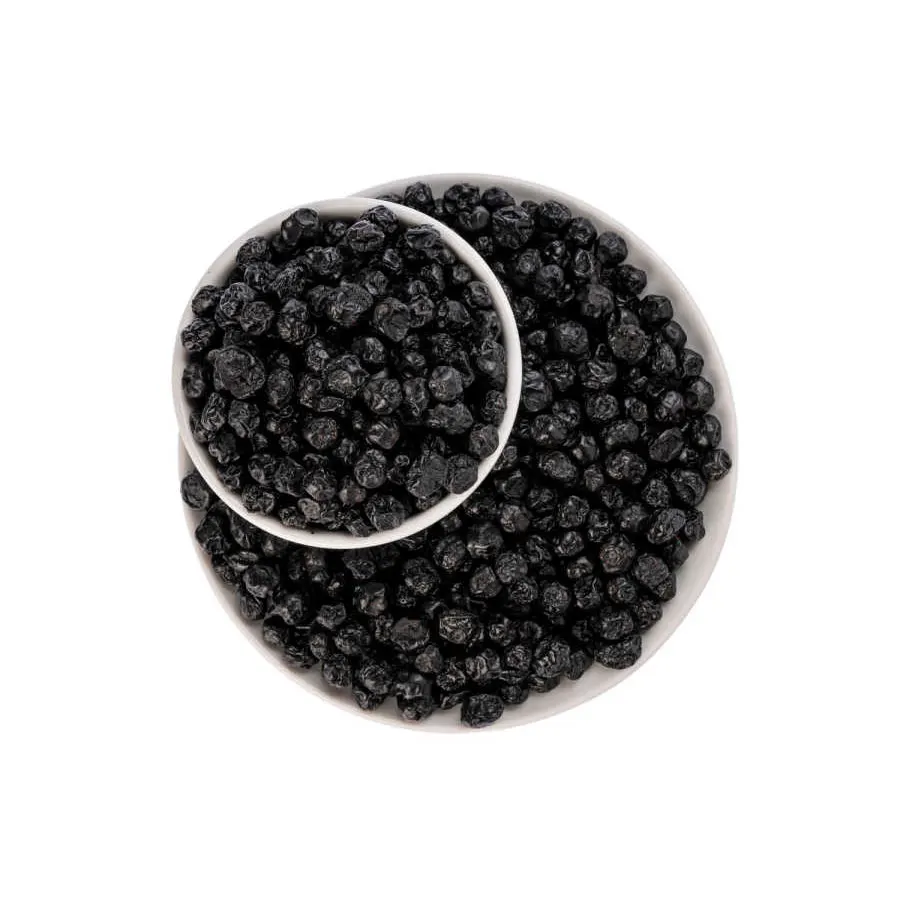
Best Quality Turkish BLUEBERRIES Organic Blueberry
- Category: Fruit Products >>>
- Supplier: 3H Grup Elektronik Hizmetleri Iletisim Satis Ve Dis Ticaret Limited Sirketi
Share on (1600601402470):
Product Overview
Description
Product Description
Product Description
Blueberry, also known as tea currant, shepherd's grape, bearberry, is a woody plant from the heather family. Blueberries, which
love a temperate climate, have plump and fleshy fruits from red to purple. It has a sweet-sour taste. The fruits are collected
between July and September. The fruit of plants grown with seeds of reclaimed cranberries will taste better than untreated
cranberry fruit. Where Does Blueberry Grow? This plant, which likes temperate, humid and high places, grows mainly in the Black
Sea Region in our country. Blueberry grows spontaneously in the high parts of Artvin, Rize, Trabzon, Giresun, Samsun and Sinop.
One of the reasons why blueberries grow naturally in the high parts of the Black Sea Region, which grows easily in acidic soils,
is the high acidity of the soils of the region. How to Consume Blueberries? You can eat blueberries while they are fresh, just
like regular berries in season. You can make jam and marmalade from blueberries and consume them for your breakfast with taste and
health. You can extend the consumption period to the whole year by drying or freezing. You can consume dried blueberries similar
to other dried fruits. For example, you can eat dried blueberries by mixing them with oil seeds such as hazelnuts and peanuts.
Another way to consume dried blueberries is to brew tea. In hot summer months, you can both contribute to your health and cool
down by making compote and drinking it cold. Blueberries Improve Memory Fruits such as blueberries and other dark-colored
strawberries are foods with strong antiinflammatory and antioxidant effects, just like green leafy vegetables. Antioxidants fight
against oxidative stress, which paves the way for aging of the brain and neurodegenerative diseases. In particular, it has been
shown that the antioxidants in blueberries can improve signal transmission between brain cells. Studies have shown that cognitive
decline is slower in older women who consume blueberries. Blueberries also help improve memory and delay short-term memory loss.
In order to spread the effect of fruits such as blueberries and dark strawberries, which are recommended to be eaten fresh in
season, on your memory throughout the year, you can consume this delicious fruit frozen or dried. Helps Prevent Cancer Vitamin C,
vitamin A, and other phytonutrients in blueberries help protect cells from damage by free radicals linked to cancer. Studies show
that the antioxidants in blueberries can reduce inflammation in the body. Folate in blueberries is effective in DNA synthesis and
repair. Thanks to the folate in its content, blueberries can prevent the formation of cancer cells by showing an antioxidant
effect. Balances Blood Sugar Approximately 3.6 g in a cup of blueberries. fiber is present. Studies reveal that people with type 1
diabetes who consume high-fiber foods have low blood sugar. In type 2 diabetes patients who consume fiber foods, blood sugar and
insulin levels can improve. Blueberries Protect Heart Health The fiber, potassium, folate, vitamin C and vitamin B6 found in
blueberries support heart health. The fact that blueberries do not contain cholesterol is also important for heart health. In
particular, the fiber-rich structure of blueberries helps to reduce the amount of bad cholesterol in the blood and therefore
lowers the risk of heart disease. Vitamin B6 and folate reduce high homocysteine levels, which can lead to heart problems.
According to a study, regular consumption of anthocyanin found in blueberries can reduce the risk of heart attack in young and
middle-aged women by 32 percent. Let's also underline that women who consumed at least three servings of blueberries per week
achieved the best results in this study. Helps Balance Blood Pressure Regular consumption of blueberries also helps to balance
blood pressure. Studies show that high blood pressure is one of the common causes of death worldwide. Regulates the Digestive
System On the other hand, the dense fiber structure in the content of blueberries relaxes the digestive system. Thanks to fiber,
it prevents the problem of constipation. For all these reasons, blueberries are defined as a digestive-friendly food. Blueberry
Strengthens Immune System Blueberries are also an effective food in terms of achieving a strong immune system. Antioxidants such
as anthocyanin, C, B complex, E and A vitamins, copper, selenium, zinc and iron in blueberries significantly support the immune
system and contribute to the prevention of infections. If your immune system is strong, your risk of catching diseases caused by
bacteria and viruses will decrease and you will be healthier. Consume Blueberries for Eye Health If consumed regularly,
blueberries have positive effects on eye health. The basis of this is the intense amount of antioxidants in the structure of
blueberries. This nut, which reduces the risk of near and far vision disorders and cataracts, is also good for eye dryness and
infection. Blueberries; It is a plant rich in content such as carotenoids, flavonoids and vitamins C, E, A, antioxidants,
selenium, zinc and phosphorus, and these ingredients have positive effects on eye health. Blueberry also makes positive
contributions to glaucoma, which stands out among eye diseases due to the power of the damage it creates. Due to the high
intraocular pressure in the eye pressure, the retinal cells cannot be fed in sufficient quantities and may die by being damaged.
Blueberries also contribute to eye health in this regard. Consuming blueberries regularly to prevent night blindness, also known
as chicken black, provides a positive effect. Good for Skin Health Vitamin C contributes to our skin health by supporting the
production of collagen in our skin. You can support your skin health thanks to the vitamin C you get by consuming a coffee cup of
blueberries a day. Vitamin C also strengthens collagen's ability to regenerate skin tissue. Antioxidants in the structure of
blueberries also contribute positively to skin health. While free radicals damage your skin and cause wrinkles to increase,
antioxidants reduce the amount of damage they cause by regulating the electron structures of these free radicals. Anthocyanins,
which give blueberries their blue color, help to stop collagen damage in the skin if blueberries are consumed regularly. In this
way, your skin becomes smoother and healthier. Contributes to Your Bone Health Vitamin K, magnesium, phosphorus, manganese, iron
and zinc found in blueberries are very important building blocks for bone health. Taking advantage of these building blocks, which
are also found in the natural structure of the bone, by consuming blueberries, contributes to the strengthening of our bones and
their healthy functioning for many years.
love a temperate climate, have plump and fleshy fruits from red to purple. It has a sweet-sour taste. The fruits are collected
between July and September. The fruit of plants grown with seeds of reclaimed cranberries will taste better than untreated
cranberry fruit. Where Does Blueberry Grow? This plant, which likes temperate, humid and high places, grows mainly in the Black
Sea Region in our country. Blueberry grows spontaneously in the high parts of Artvin, Rize, Trabzon, Giresun, Samsun and Sinop.
One of the reasons why blueberries grow naturally in the high parts of the Black Sea Region, which grows easily in acidic soils,
is the high acidity of the soils of the region. How to Consume Blueberries? You can eat blueberries while they are fresh, just
like regular berries in season. You can make jam and marmalade from blueberries and consume them for your breakfast with taste and
health. You can extend the consumption period to the whole year by drying or freezing. You can consume dried blueberries similar
to other dried fruits. For example, you can eat dried blueberries by mixing them with oil seeds such as hazelnuts and peanuts.
Another way to consume dried blueberries is to brew tea. In hot summer months, you can both contribute to your health and cool
down by making compote and drinking it cold. Blueberries Improve Memory Fruits such as blueberries and other dark-colored
strawberries are foods with strong antiinflammatory and antioxidant effects, just like green leafy vegetables. Antioxidants fight
against oxidative stress, which paves the way for aging of the brain and neurodegenerative diseases. In particular, it has been
shown that the antioxidants in blueberries can improve signal transmission between brain cells. Studies have shown that cognitive
decline is slower in older women who consume blueberries. Blueberries also help improve memory and delay short-term memory loss.
In order to spread the effect of fruits such as blueberries and dark strawberries, which are recommended to be eaten fresh in
season, on your memory throughout the year, you can consume this delicious fruit frozen or dried. Helps Prevent Cancer Vitamin C,
vitamin A, and other phytonutrients in blueberries help protect cells from damage by free radicals linked to cancer. Studies show
that the antioxidants in blueberries can reduce inflammation in the body. Folate in blueberries is effective in DNA synthesis and
repair. Thanks to the folate in its content, blueberries can prevent the formation of cancer cells by showing an antioxidant
effect. Balances Blood Sugar Approximately 3.6 g in a cup of blueberries. fiber is present. Studies reveal that people with type 1
diabetes who consume high-fiber foods have low blood sugar. In type 2 diabetes patients who consume fiber foods, blood sugar and
insulin levels can improve. Blueberries Protect Heart Health The fiber, potassium, folate, vitamin C and vitamin B6 found in
blueberries support heart health. The fact that blueberries do not contain cholesterol is also important for heart health. In
particular, the fiber-rich structure of blueberries helps to reduce the amount of bad cholesterol in the blood and therefore
lowers the risk of heart disease. Vitamin B6 and folate reduce high homocysteine levels, which can lead to heart problems.
According to a study, regular consumption of anthocyanin found in blueberries can reduce the risk of heart attack in young and
middle-aged women by 32 percent. Let's also underline that women who consumed at least three servings of blueberries per week
achieved the best results in this study. Helps Balance Blood Pressure Regular consumption of blueberries also helps to balance
blood pressure. Studies show that high blood pressure is one of the common causes of death worldwide. Regulates the Digestive
System On the other hand, the dense fiber structure in the content of blueberries relaxes the digestive system. Thanks to fiber,
it prevents the problem of constipation. For all these reasons, blueberries are defined as a digestive-friendly food. Blueberry
Strengthens Immune System Blueberries are also an effective food in terms of achieving a strong immune system. Antioxidants such
as anthocyanin, C, B complex, E and A vitamins, copper, selenium, zinc and iron in blueberries significantly support the immune
system and contribute to the prevention of infections. If your immune system is strong, your risk of catching diseases caused by
bacteria and viruses will decrease and you will be healthier. Consume Blueberries for Eye Health If consumed regularly,
blueberries have positive effects on eye health. The basis of this is the intense amount of antioxidants in the structure of
blueberries. This nut, which reduces the risk of near and far vision disorders and cataracts, is also good for eye dryness and
infection. Blueberries; It is a plant rich in content such as carotenoids, flavonoids and vitamins C, E, A, antioxidants,
selenium, zinc and phosphorus, and these ingredients have positive effects on eye health. Blueberry also makes positive
contributions to glaucoma, which stands out among eye diseases due to the power of the damage it creates. Due to the high
intraocular pressure in the eye pressure, the retinal cells cannot be fed in sufficient quantities and may die by being damaged.
Blueberries also contribute to eye health in this regard. Consuming blueberries regularly to prevent night blindness, also known
as chicken black, provides a positive effect. Good for Skin Health Vitamin C contributes to our skin health by supporting the
production of collagen in our skin. You can support your skin health thanks to the vitamin C you get by consuming a coffee cup of
blueberries a day. Vitamin C also strengthens collagen's ability to regenerate skin tissue. Antioxidants in the structure of
blueberries also contribute positively to skin health. While free radicals damage your skin and cause wrinkles to increase,
antioxidants reduce the amount of damage they cause by regulating the electron structures of these free radicals. Anthocyanins,
which give blueberries their blue color, help to stop collagen damage in the skin if blueberries are consumed regularly. In this
way, your skin becomes smoother and healthier. Contributes to Your Bone Health Vitamin K, magnesium, phosphorus, manganese, iron
and zinc found in blueberries are very important building blocks for bone health. Taking advantage of these building blocks, which
are also found in the natural structure of the bone, by consuming blueberries, contributes to the strengthening of our bones and
their healthy functioning for many years.
Specification
item | value |
Style | Dried |
Type | BLUEBERRY |
Shape | Round |
Drying Process | FD |
Preservation Process | Water |
Cultivation Type | Open Air, Organic |
Packaging | Bulk, Vacuum Pack |
Max. Moisture (%) | 5% Max |
Shelf Life | 18 Months |
Place of Origin | Turkey |
Istanbul | |
Brand Name | 3H GRUP |
Packing & Delivery


With Gift Storage Box Container, Vacuum Packaging, Labeled Packaging, Printed Packaging can be requested. Weight 500 gr-1 kg-5kg and bulk can be requested.
Company Profile



Our Nuts, Dried Fruits and Confectionery are supplied by two main warehouses in the factory on an area of 8.000 m2 in Sincan, on an area of 10.000 m2 in Kazan, and also in the logistics and distribution base with an area of 8.000 m2 .The sieving, grinding, sizing and packaging processes of our Spices are carried out in-house, powder product sieving capacity is 1 ton/hour, granular product grinding capacity is 2 tons/hour, sizing/sieving unit 1 ton/hour, bag filling unit 4500 pieces/hour and package filling your needs are met with a machine park of 500 packages/hour.
FAQ
1. who are we?
We are based in -, Turkey, start from 2000,sell to North America(33.00%),South Asia(16.50%),Eastern Asia(16.50%),Southern Europe(8.50%),Northern Europe(8.50%),Western Europe(8.50%),Eastern Europe(8.50%). There are total about 101-200 people in our office.
2. how can we guarantee quality?
Always a pre-production sample before mass production;
Always final Inspection before shipment;
3.what can you buy from us?
Hazelnut,Mixed Nuts,Dried Apricots,Dried Fig,Oregano
4. why should you buy from us not from other suppliers?
Our nuts, dried fruits and spices are sold in a gift storage container which after the consumption of our product the storage container is suitable for all kinds of food consumption. We are selling in desired weights and in desired quantities.
5. what services can we provide?
Accepted Delivery Terms: FOB,CIF,EXW,Express Delivery;
Accepted Payment Currency:USD,EUR;
Accepted Payment Type: T/T;
Language Spoken:English
We are based in -, Turkey, start from 2000,sell to North America(33.00%),South Asia(16.50%),Eastern Asia(16.50%),Southern Europe(8.50%),Northern Europe(8.50%),Western Europe(8.50%),Eastern Europe(8.50%). There are total about 101-200 people in our office.
2. how can we guarantee quality?
Always a pre-production sample before mass production;
Always final Inspection before shipment;
3.what can you buy from us?
Hazelnut,Mixed Nuts,Dried Apricots,Dried Fig,Oregano
4. why should you buy from us not from other suppliers?
Our nuts, dried fruits and spices are sold in a gift storage container which after the consumption of our product the storage container is suitable for all kinds of food consumption. We are selling in desired weights and in desired quantities.
5. what services can we provide?
Accepted Delivery Terms: FOB,CIF,EXW,Express Delivery;
Accepted Payment Currency:USD,EUR;
Accepted Payment Type: T/T;
Language Spoken:English
We Recommend


Sweet Rose Flower Sauce/Rose Petal Jam 300g
US $0.01-$0.02

Wholesale Preserved Dried prunes fruits snacks food
US $14.00-$19.00
New Arrivals
New products from manufacturers at wholesale prices