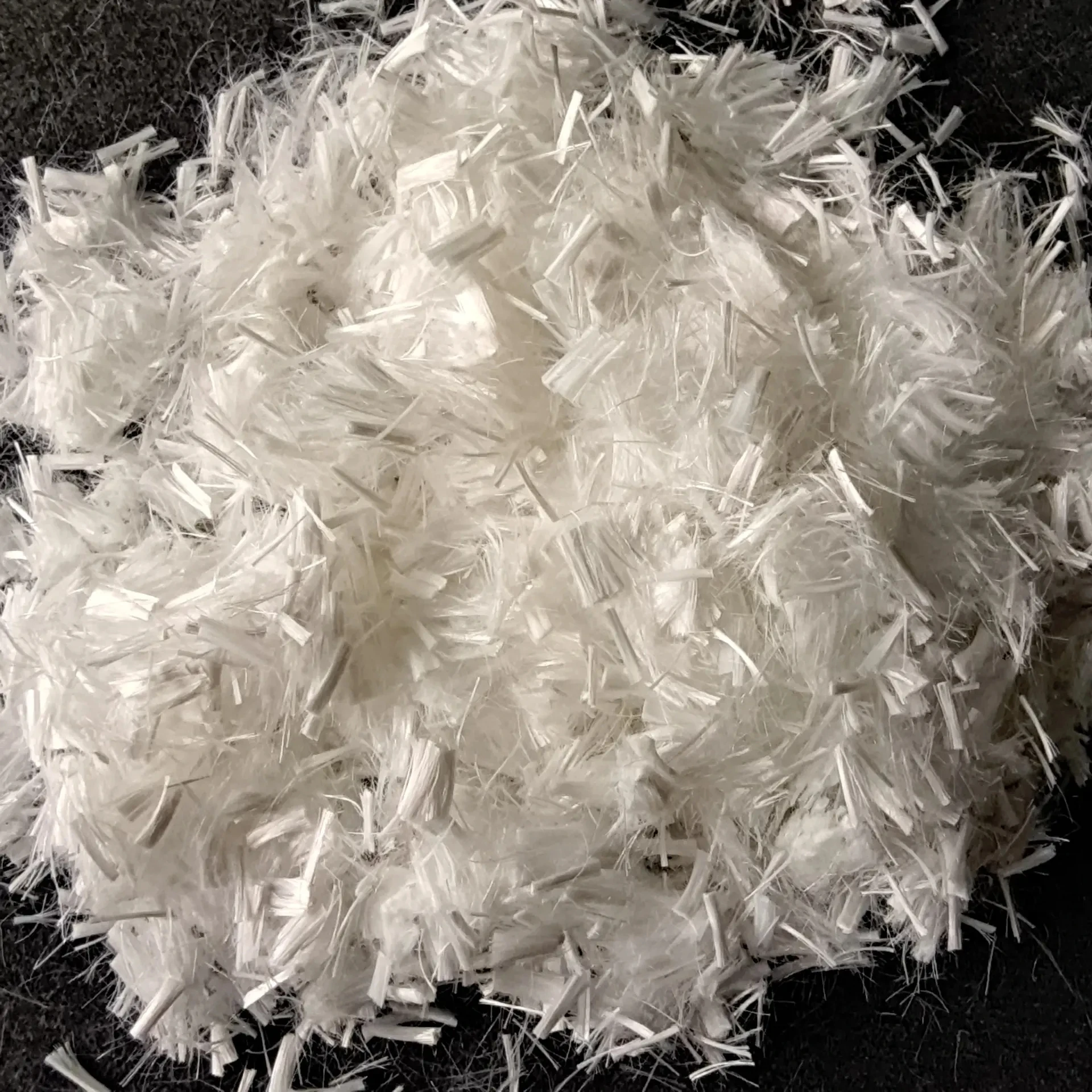
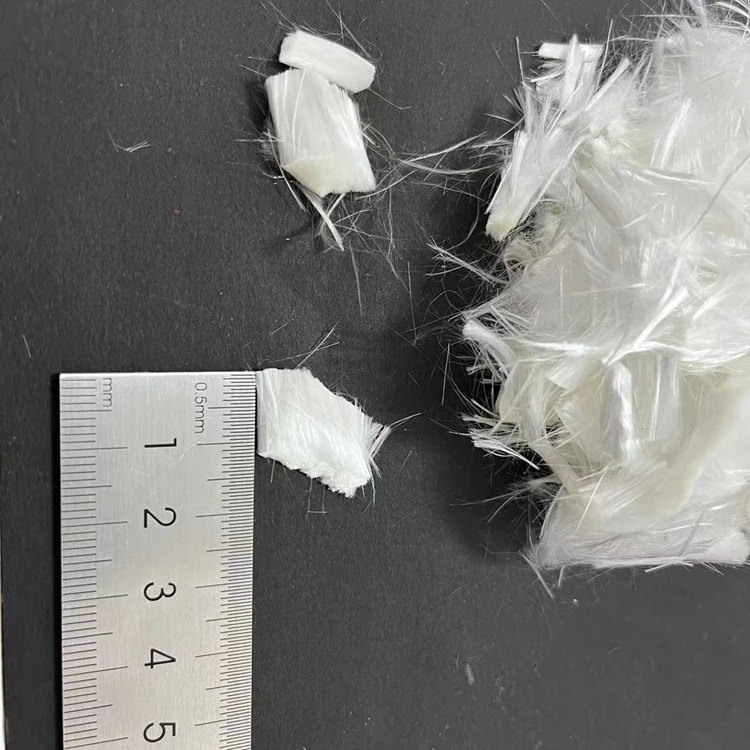
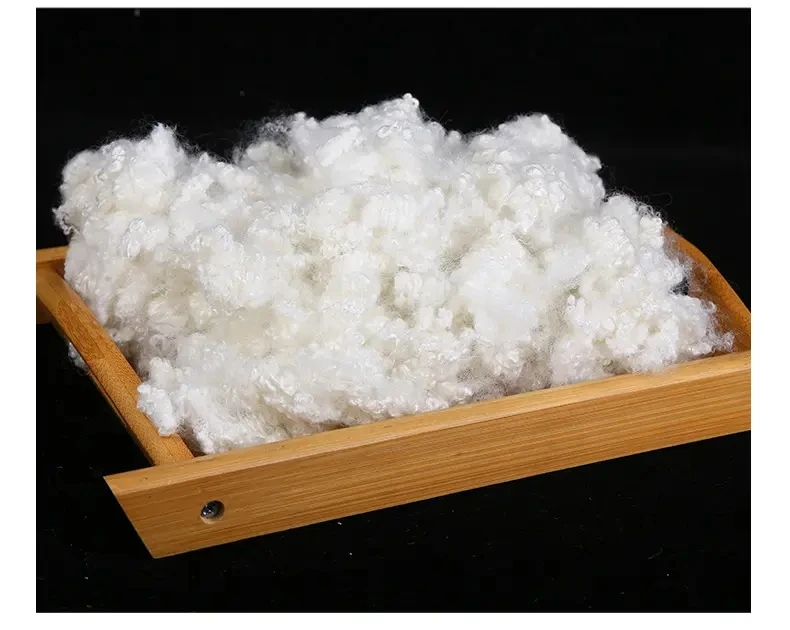
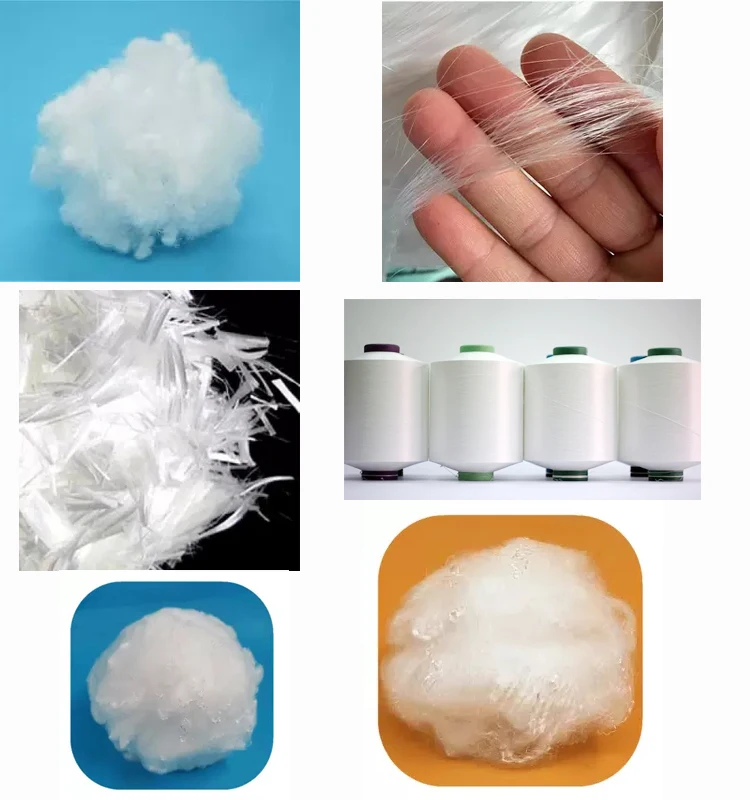
Wholesale 3D virgin hcs hollow polyfill stuffing polyester staple fiber price
- Category: >>>
- Supplier: Shandong Dachuan New Materials Co. Ltd.
Share on (1600610215124):
Product Overview
Description
Product Description
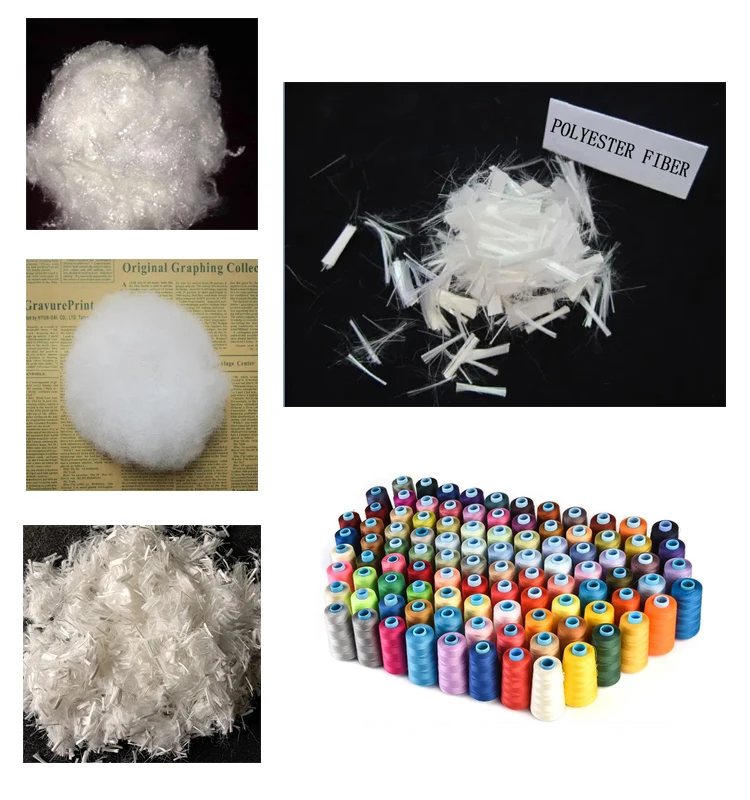
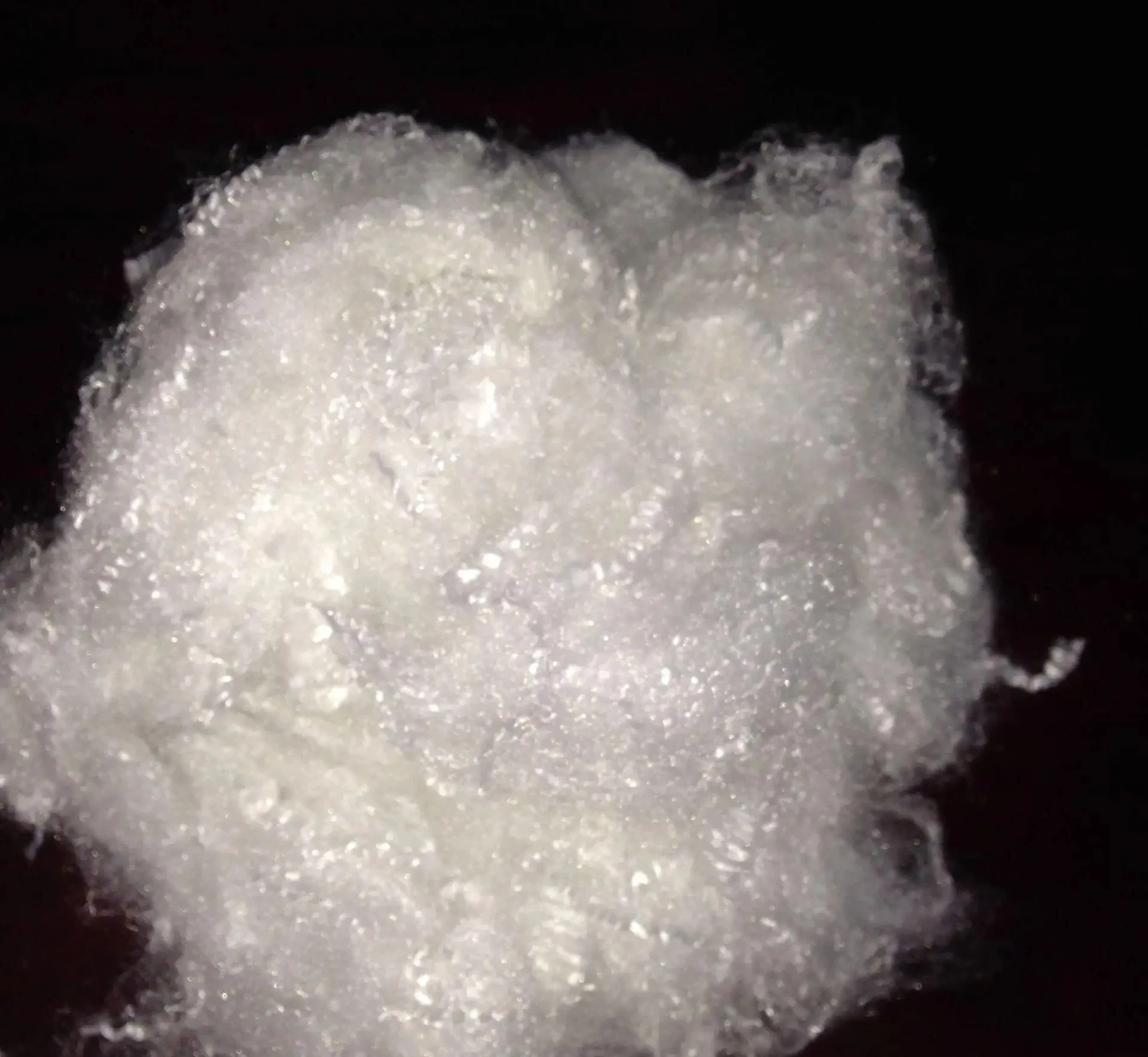
Wholesale 3D virgin hcs hollow polyfill stuffing polyester staple fiber price
Polyester fiber has a series of excellent properties, such as high breaking strength and elastic modulus, moderate resilience, excellent heat setting effect, good heat resistance and light resistance. The melting point of polyester fiber is about 255 ° C, and the glass transition temperature is about 70 ° C. It is stable in shape under a wide range of end use conditions, and the fabric is washable and wearable. In addition, it has excellent resistance (such as resistance to organic solvents, soaps, detergents, bleaches and oxidants) and good corrosion resistance. It is stable to weak acids and alkalis, so it has a wide range of uses and industrial applications. The rapid development of the petroleum industry also provides more abundant and cheap raw materials for the production of polyester fiber. In addition, the development of chemical, mechanical and electronic automatic control technologies in recent years has gradually realized the short-range, continuous, automatic and high-speed processes of raw material production, fiber forming and processing. Polyester fiber has become the synthetic fiber variety with the fastest development speed and the highest output. In 2010, the global output of polyester fiber reached 37.3 million tons, accounting for 74% of the world's total synthetic fiber.

Wholesale 3D virgin hcs hollow polyfill stuffing polyester staple fiber price
1. Physical properties
1.1 Color. Polyester is generally milky white with mercerization. The production of matte products requires the addition of matting agent TiO2 before spinning, the production of pure white products requires the addition of whitening agent, and the production of colored silk requires the addition of pigment or dye in the spinning melt.
1.2 Surface and cross-sectional shape. The surface of conventional polyester is smooth and the cross section is nearly circular. If the special-shaped spinneret is used, it can be made into fibers with special cross-sectional shapes, such as triangular, Y-shaped, hollow and other special-shaped cross-sectional wires.
1.3 Density. When polyester is completely amorphous, the density is 1.333g/cm3. When fully crystallized, it is 1.455g/cm3. Generally, polyester has a high crystallinity, with a density of 1.38 ~ 1.40g/cm3, which is similar to wool (1.32g/cm3).
1.4 Moisture regain. Under standard condition, the moisture regain of polyester fiber is 0.4%, lower than that of acrylic fiber (1% ~ 2%) and nylon fiber (4%). The hygroscopicity of polyester is low, so its wet strength decreases little, and the washability of the fabric is good; However, the electrostatic phenomenon is serious during processing and wearing, and the permeability and moisture absorption of the fabric are poor.
1.5 Thermal performance. The softening point t of polyester is 230-240 °C, the melting point TM is 255-265 °C, and the decomposition point t is about 300 °Colyester can burn in the fire, curl and melt into beads, with black smoke and fragrant fragrance.
1.6 Light resistance. Its light resistance is second only to acrylic fiber. The light resistance of polyester is related to its molecular structure. Polyester only has a strong absorption band in the 315nm light wave region, so the strength loss is only 60% after 600H sunlight irradiation, which is similar to cotton.
1.7 Electrical performance. Because of its low moisture absorption, polyester has poor conductivity, and its dielectric constant is 3.0 ~ 3.8 in the range of - 100 ~ + 160 °C, so it is an excellent insulator.
2. Mechanical properties
2.1 High strength. The dry strength is 4 ~ 7cn / DEX, while the wet strength decreases.
2.2 The elongation is moderate, 20% ~ 50%.
2.3 High modulus. Among the large varieties of synthetic fibers, the initial modulus of polyester is the highest, and its value can be as high as 14 ~ 17gpa, which makes the polyester fabric stable in size, without deformation and deformation, and durable in pleating.
2.4 Good resilience. Its elasticity is close to that of wool. When the elongation is 5%, it can almost completely recover after the load is removed. Therefore, the wrinkle resistance of polyester fabric is better than that of other fiber fabrics.
2.5 Wear resistance. Its wear resistance is second only to nylon, but more than other synthetic fibers, and the wear resistance is almost the same.
3. Chemical stability.
the chemical stability of polyester mainly depends on the molecular chain structure. Except for the poor alkali resistance, polyester has excellent resistance to other reagents.
3.1 Acid resistance. Polyester is very stable to acids (especially organic acids). After soaking in 5% hydrochloric acid solution at 100 °C for 24h, or in 70% sulfuric acid solution at 40 °C for 72h, its strength has no loss. However, it can not resist the long-term action of concentrated nitric acid or concentrated sulfuric acid at room temperature.
3.2 Alkali resistance. The ester group on polyester macromolecule is easily hydrolyzed by alkali. The fiber can be destroyed by interaction with concentrated alkali at normal temperature and with dilute alkali at high temperature. It is relatively stable to dilute alkali or weak alkali only at low temperature.
3.3 Solvent resistance. Polyester has strong resistance to general non-polar organic solvents, and even to polar organic solvents at room temperature. For example, the fiber strength does not decrease when soaked in acetone, chloroform, toluene, trichloroethylene and carbon tetrachloride for 24h at room temperature. In the heating state, polyester is soluble in phenol, xylenol, o-dichlorophenol, benzyl alcohol and nitrate
Phenyl benzene and phenol carbon tetrachloride, phenol chloroform, phenol toluene and other mixed solvents.
4. Microbial resistance.
Polyester is resistant to microorganisms and is not affected by moths and molds. Collecting polyester clothes does not need to prevent moths, and the fabric is easy to preserve
Wholesale 3D virgin hcs hollow polyfill stuffing polyester staple fiber price


Packaging & Shipping

FAQ
Contact Person : Jason Wang
Phone :0086 156 6676 7661(whatapp)
Email :jason(at)dcmaterial.com
We Recommend
New Arrivals
New products from manufacturers at wholesale prices