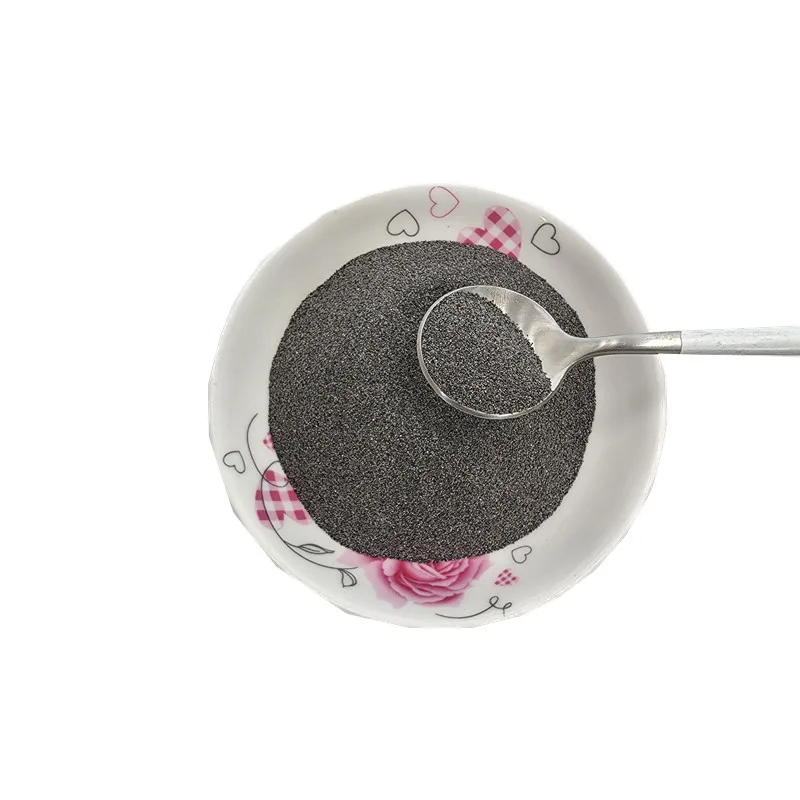
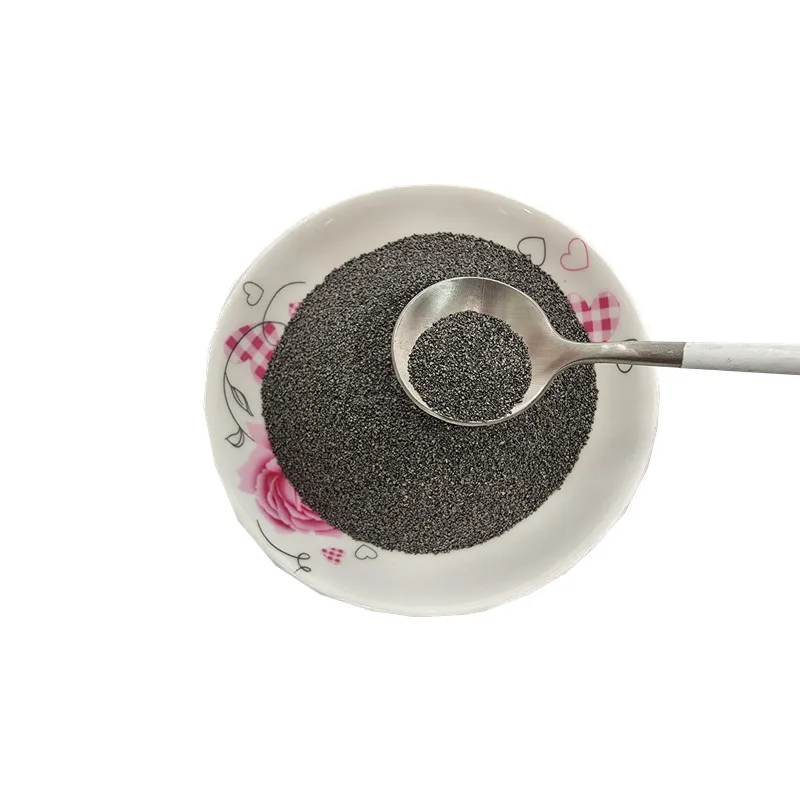
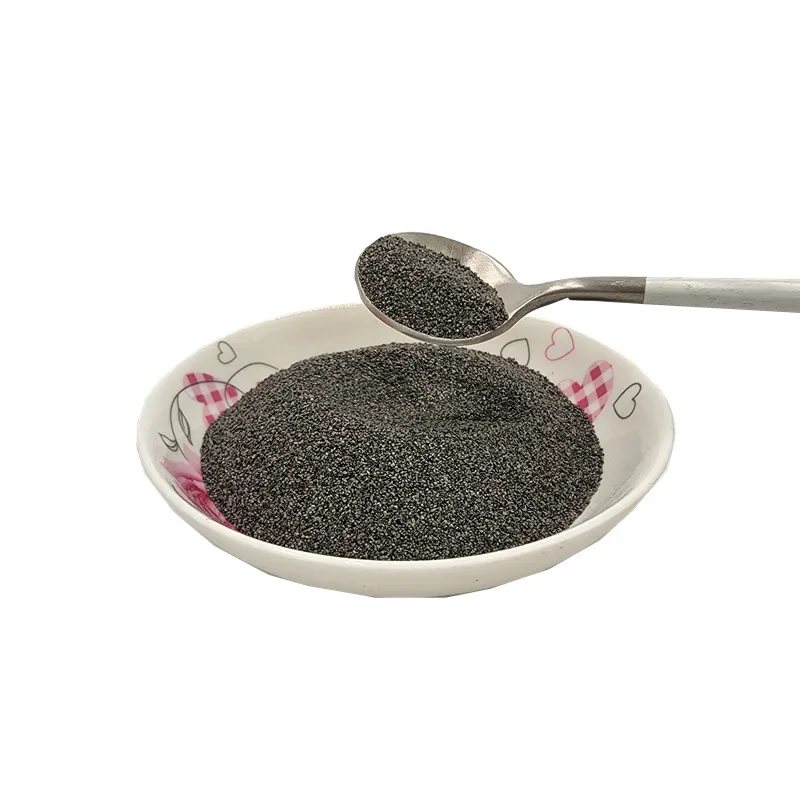
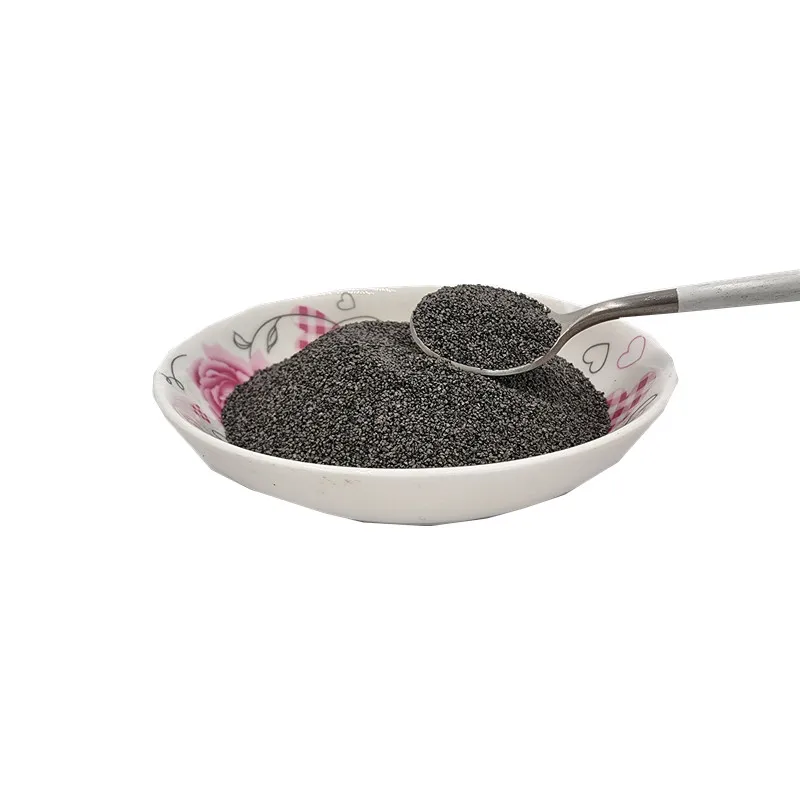
Spherical Tungsten Carbide Cobalt Powder Price Cemented Alloy 3D Printing Metal Powder Tungsten Carbide Cobalt
- Category: >>>
- Supplier: Hebei Ruilong Alloy Wear Resistant Material Co. Ltd.
Share on (1600630925814):
Product Overview
Description
Products Description
Tungsten Carbide
Tungsten carbide powder molecular formula: WC
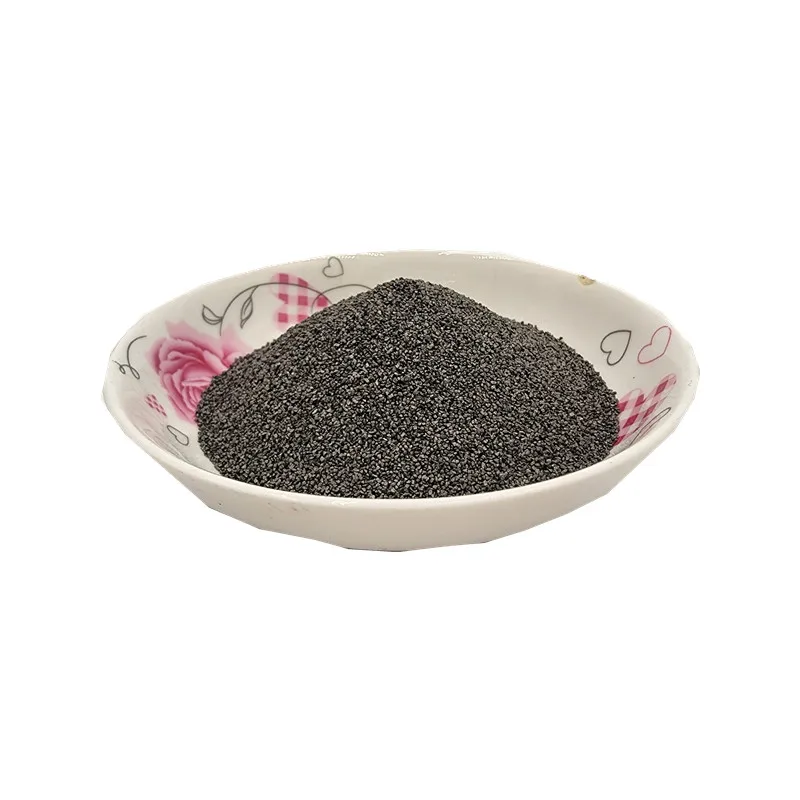
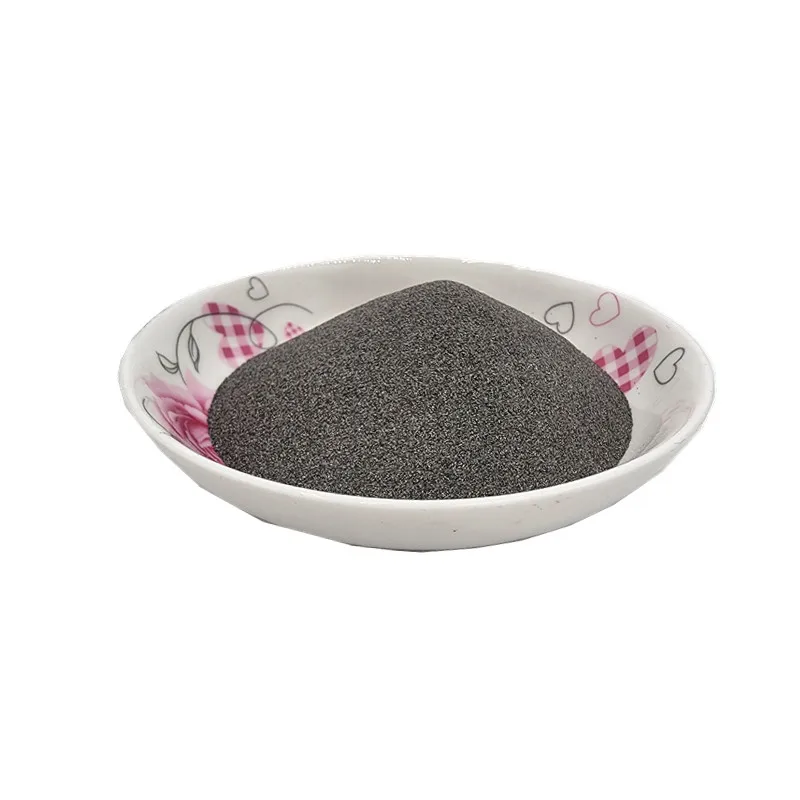
Tungsten carbide powder appearance: dark gray powder
Tungsten carbide powder application: hard alloy production materials
The impurity content of tungsten carbide powder: WC10, WC14, WC18, WC24, WC30, WC40, WC50, WC70, WC100, WC140, WC200
Tungsten carbide powder appearance: dark gray powder
Tungsten carbide powder application: hard alloy production materials
The impurity content of tungsten carbide powder: WC10, WC14, WC18, WC24, WC30, WC40, WC50, WC70, WC100, WC140, WC200
Tungsten carbide particle size:
level | Fsss (μm) | O (%) does not exceed |
WC10 | 1.01~1.40 | 0.15 |
WC14 | 1.41~1.80 | 0.10 |
WC18 | 1.81~2.40 | 0.10 |
WC24 | 2.41~3.00 | 0.08 |
WC30 | 3.01~4.00 | 0.08 |
WC40 | 4.01~5.00 | 0.08 |
WC50 | 5.01~7.00 | 0.05 |
WC70 | 7.01~10.00 | 0.05 |
WC100 | 10.01~14.00 | 0.05 |
WC140 | 14.01~20.00 | 0.05 |
WC200 | 20.01~26.00 | 0.05 |
Purpose
1.A large number of high-speed cutting tools, kiln structure materials, jet engine parts, metal ceramic materials, resistance heating elements, etc.
2.Used for manufacturing cutting tools, wear-resisting parts, smelting crucible of copper, cobalt, bismuth and other metals, wear-resisting semiconductor film.
2.Used for manufacturing cutting tools, wear-resisting parts, smelting crucible of copper, cobalt, bismuth and other metals, wear-resisting semiconductor film.
3.Used as super hard cutting tool material, wear resistant material. It can form solid solutions with many carbides. Wc-tic-co carbide tool has been widely used. It can also be used as a modified additive of NBC-C and TAC-C ternary system carbide, which can not only reduce sintering temperature, but also maintain good properties, and can be used as space materials.
Particle size
WC (tungsten carbide) of different particle size is used in different uses of cemented carbide. Carbide cutting tools: such as foot cutting machine blade, V-cut tool and other finishing alloys using ultra-fine, sub-fine and fine particle WC, coarse alloy using medium particle WC, gravity cutting and heavy cutting alloy using medium and coarse particle WC as raw materials; Mining tools: rock hardness is high, impact load is large, coarse particle WC is used, small impact load of rock is small, medium particle WC is used as raw material; Wear-resistant parts: When emphasizing their wear resistance, compression resistance and surface finish, ultra-fine, sub-fine, fine and medium particle WC are used as raw materials, and medium and coarse particle WC are mainly used as raw materials for impact resistant tools.
The theoretical carbon content of WC is 6.128% (atomic 50%). When the carbon content of WC is greater than the theoretical carbon content, free carbon (WC+C) appears in WC. The presence of free carbon makes WC grains around it grow up during sintering, resulting in uneven grains of cemented carbide. Tungsten carbide generally requires high combined carbon (≥6.07%), free carbon (≤0.05%), the total carbon is determined by the production process and use range of cemented carbide.
Under normal circumstances, the total WC carbon used in paraffin vacuum sintering is mainly determined by the chemical and oxygen content in the pressure block before sintering. Containing one oxygen will add 0.75 carbon, that is, WC total carbon =6.13%+ oxygen %×0.75 (assuming that there is a neutral atmosphere in the sintering furnace, in fact, most vacuum furnaces are carburizing atmosphere, the WC total carbon used is less than the calculated value).
At present, the total carbon content of WC in China can be roughly divided into three types: the total carbon content of WC used in paraffin vacuum sintering process is about 6.18±0.03% (the free carbon will increase). The total carbon content of WC for hydrogen sintering in paraffin process is 6.13±0.03%. Total WC carbon for hydrogen sintering in rubber process =5.90±0.03%. The above processes are sometimes crossed, so the determination of WC total carbon depends on the specific situation.
The WC total carbon used in the alloy with different application range, different Co (cobalt) content and different grain size can be adjusted slightly. Tungsten carbide with high total carbon can be used in low cobalt alloy, while tungsten carbide with low total carbon can be used in high cobalt alloy. In short, the specific use of cemented carbide needs different requirements for tungsten carbide particle size is also different.
Particle size
WC (tungsten carbide) of different particle size is used in different uses of cemented carbide. Carbide cutting tools: such as foot cutting machine blade, V-cut tool and other finishing alloys using ultra-fine, sub-fine and fine particle WC, coarse alloy using medium particle WC, gravity cutting and heavy cutting alloy using medium and coarse particle WC as raw materials; Mining tools: rock hardness is high, impact load is large, coarse particle WC is used, small impact load of rock is small, medium particle WC is used as raw material; Wear-resistant parts: When emphasizing their wear resistance, compression resistance and surface finish, ultra-fine, sub-fine, fine and medium particle WC are used as raw materials, and medium and coarse particle WC are mainly used as raw materials for impact resistant tools.
The theoretical carbon content of WC is 6.128% (atomic 50%). When the carbon content of WC is greater than the theoretical carbon content, free carbon (WC+C) appears in WC. The presence of free carbon makes WC grains around it grow up during sintering, resulting in uneven grains of cemented carbide. Tungsten carbide generally requires high combined carbon (≥6.07%), free carbon (≤0.05%), the total carbon is determined by the production process and use range of cemented carbide.
Under normal circumstances, the total WC carbon used in paraffin vacuum sintering is mainly determined by the chemical and oxygen content in the pressure block before sintering. Containing one oxygen will add 0.75 carbon, that is, WC total carbon =6.13%+ oxygen %×0.75 (assuming that there is a neutral atmosphere in the sintering furnace, in fact, most vacuum furnaces are carburizing atmosphere, the WC total carbon used is less than the calculated value).
At present, the total carbon content of WC in China can be roughly divided into three types: the total carbon content of WC used in paraffin vacuum sintering process is about 6.18±0.03% (the free carbon will increase). The total carbon content of WC for hydrogen sintering in paraffin process is 6.13±0.03%. Total WC carbon for hydrogen sintering in rubber process =5.90±0.03%. The above processes are sometimes crossed, so the determination of WC total carbon depends on the specific situation.
The WC total carbon used in the alloy with different application range, different Co (cobalt) content and different grain size can be adjusted slightly. Tungsten carbide with high total carbon can be used in low cobalt alloy, while tungsten carbide with low total carbon can be used in high cobalt alloy. In short, the specific use of cemented carbide needs different requirements for tungsten carbide particle size is also different.
Cast tungsten carbide powder
Of the goods | W | T.C | F.C | Ti | O | V | Cr | Ni+Mo+Co |
Cast tungsten carbide | 95-96 | 3.8-4.1 | ≤0.08 | ≤0.10 | ≤0.05 | ≤0.10 | ≤0.10 | ≤0.20 |
Application: CASTING tungsten CARBIDE IS widely USED IN WELDING MATERIALS, petroleum drill bits, wear-resistant raw materials, laser thermal spraying industry and other easily worn parts surface reinforcement materials with its high specific gravity and high mobility. Carbide materials are generally best sprayed by supersonic flame spraying (HVOF). In some necessary cases, the use of atmospheric plasma spraying or flame powder thermal spraying can also be applied to carbide coating.
Particle size is generally -80-150-325 mesh.
Materials suitable for your processing environment
Nickel, cobalt-chromium and cobalt-chromium-nickel carbides as matrix materials can provide better corrosion resistance services. Chromium carbide material is suitable for higher temperature environment.
Purpose: Petroleum drill bits, PCD drill bits and other smelting products. Can also be used for steel tooth drill, petroleum machinery, construction machinery, metallurgical machinery, grain and oil machinery, electric machinery and other surfaces
Supersonic spraying tungsten carbide powder, generally tungsten cobalt alloy powder, adopts the method of agglomeration sintering, the appearance shape is spherical, its coating has low porosity, good wear resistance, high hardness, widely used for high wear workpiece surface coating.
Particle size is generally -80-150-325 mesh.
Materials suitable for your processing environment
Nickel, cobalt-chromium and cobalt-chromium-nickel carbides as matrix materials can provide better corrosion resistance services. Chromium carbide material is suitable for higher temperature environment.
Purpose: Petroleum drill bits, PCD drill bits and other smelting products. Can also be used for steel tooth drill, petroleum machinery, construction machinery, metallurgical machinery, grain and oil machinery, electric machinery and other surfaces
Supersonic spraying tungsten carbide powder, generally tungsten cobalt alloy powder, adopts the method of agglomeration sintering, the appearance shape is spherical, its coating has low porosity, good wear resistance, high hardness, widely used for high wear workpiece surface coating.
Our Company

Four reasons to choose Ryron
1. The company is an enterprise integrating research and development, production, sales and after-sales service
The company has a complete and scientific quality management system. Hebei Province is a professional production of wear-resistant electrode enterprises. We have professional production technology and experience, excellent product quality, reputation to satisfy every customer.
2. Advanced production equipment
Our company invested 30 million yuan in the production of welding material raw materials, two medium frequency furnace water atomization metal powder equipment and two electric furnace fired more than ten kinds of wear-resistant alloy raw materials to a certain extent, reducing the cost of products.
3. Large production workshop
The company has a physical plant, imported equipment from Germany to produce wear-resistant cored wire products, the production of more than a dozen products can meet the steel, mine. Geological (brick) and other large sand, stone, soil, coal and other wear equipment workpiece repair.
4. Perfect after-sales service
Service company tenet: efficiency achievements brand, integrity casts the future.
1. The company is an enterprise integrating research and development, production, sales and after-sales service
The company has a complete and scientific quality management system. Hebei Province is a professional production of wear-resistant electrode enterprises. We have professional production technology and experience, excellent product quality, reputation to satisfy every customer.
2. Advanced production equipment
Our company invested 30 million yuan in the production of welding material raw materials, two medium frequency furnace water atomization metal powder equipment and two electric furnace fired more than ten kinds of wear-resistant alloy raw materials to a certain extent, reducing the cost of products.
3. Large production workshop
The company has a physical plant, imported equipment from Germany to produce wear-resistant cored wire products, the production of more than a dozen products can meet the steel, mine. Geological (brick) and other large sand, stone, soil, coal and other wear equipment workpiece repair.
4. Perfect after-sales service
Service company tenet: efficiency achievements brand, integrity casts the future.


SAMPLE ROOM

PACKING & PAYMENT

We Recommend
New Arrivals
New products from manufacturers at wholesale prices