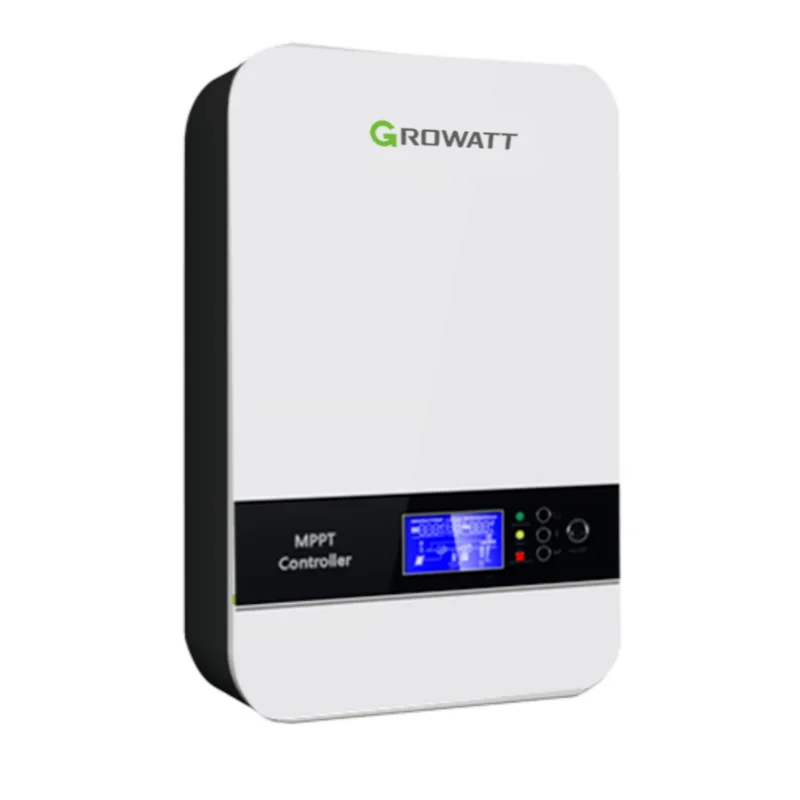
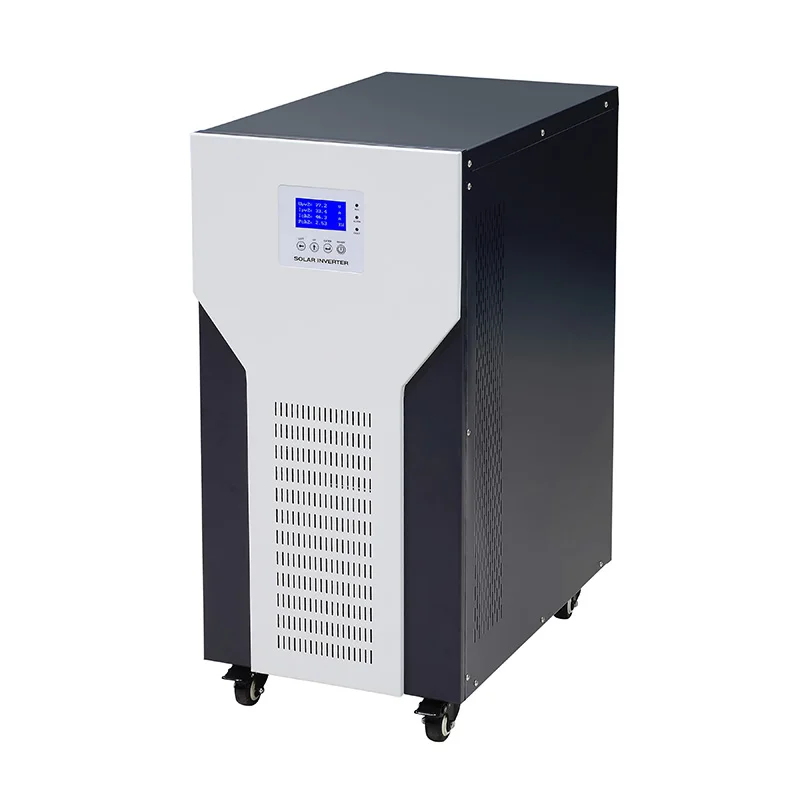
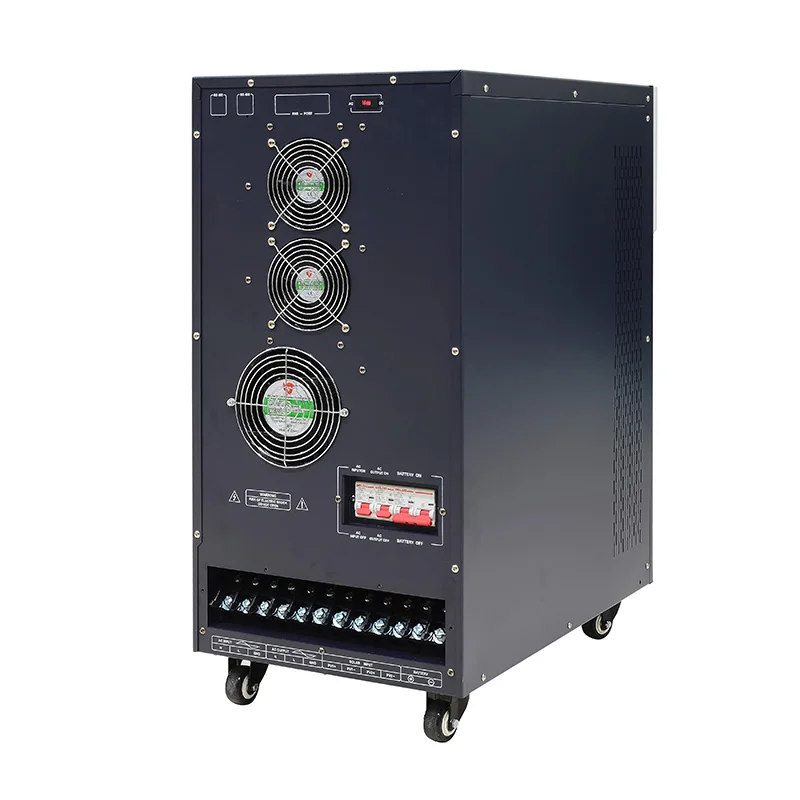
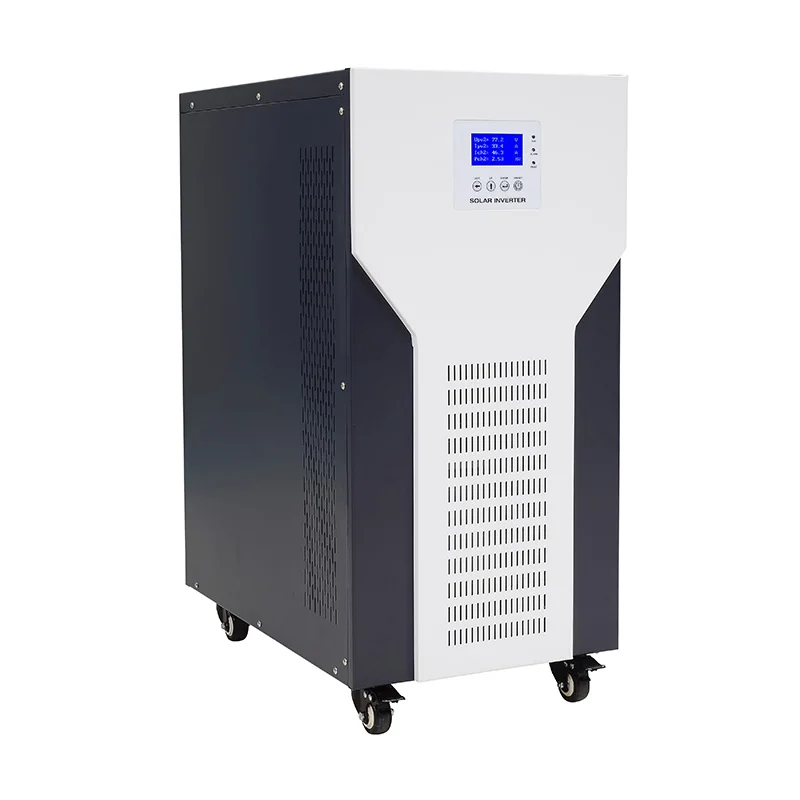
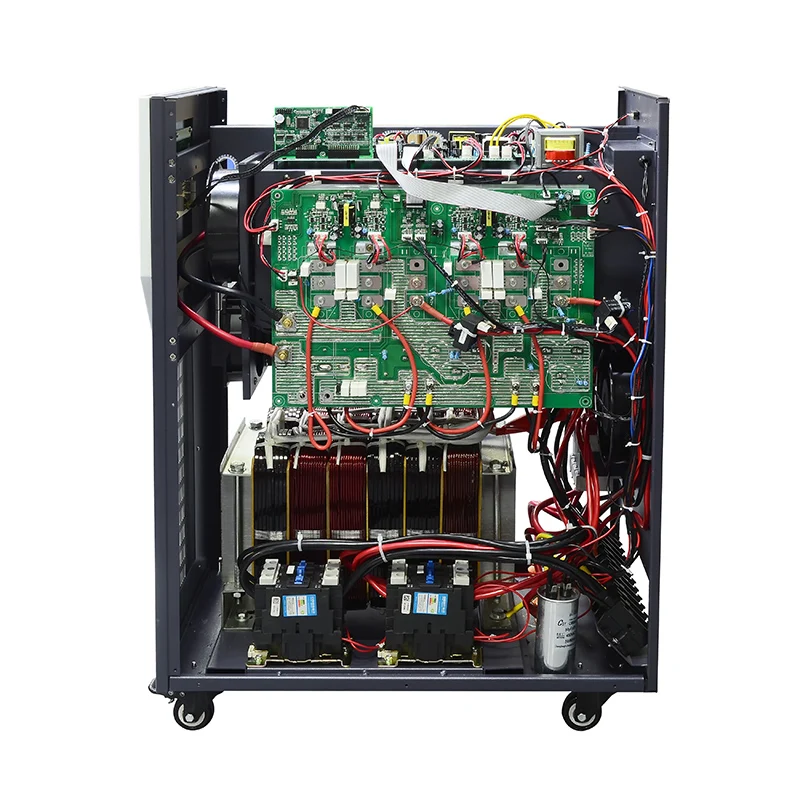
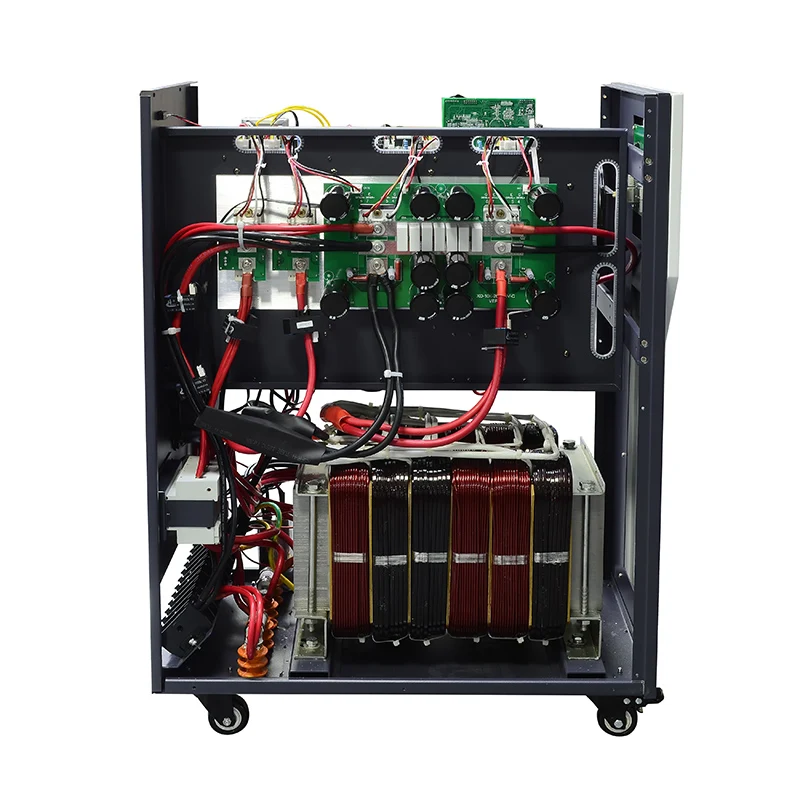
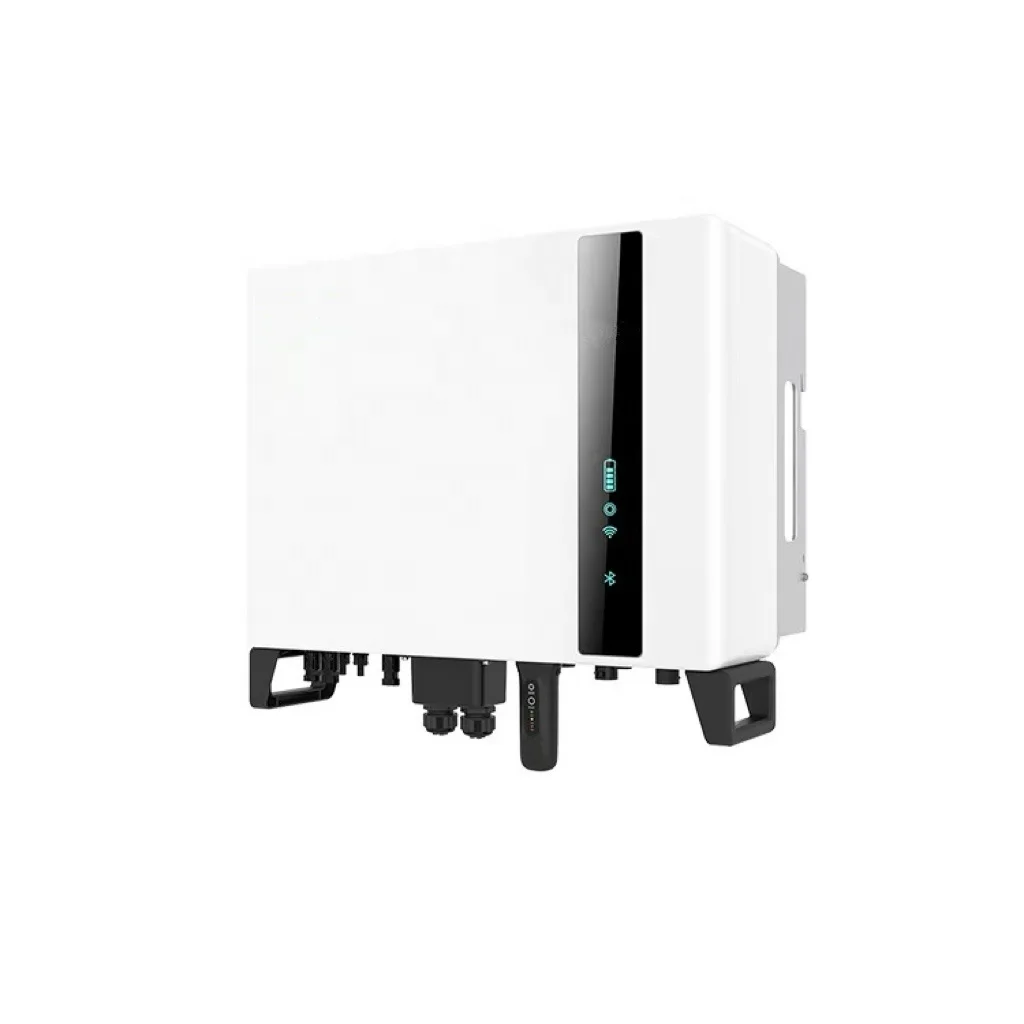
Dual MPPT built in 3kw 5kw 8kw 10kw 15kw 20kw 25kw batteryless solar dc ac hybrid inverter for air conditioner
- Category: >>>
- Supplier: COREPLUS INDUSTRIAL COMPANY LIMITED
Share on (1600635459015):
Product Overview
Description
Product Description

Product Feature
1. Integrated intelligent energy management system, a variety of modes could be set;
2. High transfer efficiency;
3. Ease city grid pressure, reduce electricity bills;
4. Dual MPPT input, precise algorithm, efficient use of PV energy;
5. Solar system could be either with or without storage battery configuration, to reduce the cost of system;
6. Either diesel generator input or gasoline generator input is compatible with the system;
7. Isolated output of low frequency transformer, with strong impact resistance;
8. Large LCD screen, operating parameter could be displayed in real time;
9. Support multiple remote monitoring of communication software


Product Parameters
| Parameters | ||||||||
| Model: ZRS | 30248 | 50248 | 80296 | 10396 | 153192 | 203192 | 253240 | |
| PV Input | Max input voltage(Voc) (At the lowest temperature) | 150V | 300V | 450V | 500V | |||
| MPPT tracking range | 60V-120V | 120V-240V | 240V-360V | 300V-400V | ||||
| Recommended operating voltage range | 60V-80V | 120V-160V | 240V-320V | 300V-380V | ||||
| MPPT route number | 2 | |||||||
| Max input power | 1960W/ 1960W | 3360W/ 3360W | 5000W/ 5000W | 6150W/ 6150W | 8.8KW/ 8.8KW | 11.2KW/ 11.2KW | 14KW/ 14KW | |
| Battery (Flexible configuration) | Type of battery | Lead-acid battery / Lithium-ion battery(Need to customize) | ||||||
| Rated voltage | 48V | 96V | 192V | 192V | 240V | |||
| Max charging current (Can be set,Recommended 0.1C) | 70A(PV)/ 35A(Mains) | 120A(PV)/ 60A(Mains) | 100A(PV)/ 40A(Mains) | 110A(PV)/ 60A(Mains) | 80A(PV)/ 40A(Mains) | 110A(PV)/ 60A(Mains) | 110A(PV)/ 60A(Mains) | |
| Float voltage(Can be set) | 55.2V | 110.4V | 220.8V | 276V | ||||
| Charge voltage(Can be set) | 56.8V | 113.6V | 227.2V | 284V | ||||
| AC Input | Rated voltage | 220V/230V | ||||||
| Input voltage range | 187V~264V | |||||||
| Rated input frequency | 45Hz~55Hz(50Hz)/55Hz~65Hz(60Hz) | |||||||
| Loss protection time | ≤2S | |||||||
| Reconnection time | 30S | |||||||
| AC Output (PV/Battery mode) | Rated output power | 3KW | 5KW | 8KW | 10KW | 15KW | 20KW | 25KW |
| Rated output voltage | 220V/230V | |||||||
| Output voltage accuracy | ±2% | |||||||
| Rated output frequency | 50Hz/60Hz | |||||||
| Output frequency accuracy | ±1% | |||||||
| AC Output (Mains mode) | Rated output power | 3KW | 5KW | 8KW | 10KW | 15KW | 20KW | 25KW |
| Output voltage | 187V~264V | |||||||
| Output frequency | 47~52Hz/57~62Hz | |||||||
| Regular Parameter | Topology | Transformer isolation | ||||||
| Display | LCD+LED | |||||||
| Communication(Optional) | RS485/Mobile APP(WIFI monitor or GPRS monitor) | |||||||
| Operating temperature | -20℃~60℃(Derating above 45°C) | |||||||
| Storage temperature | -20℃~60℃ | |||||||
| Noise | ≤60dB | |||||||
| Relative humidity | 20%~95%(No condensation) | |||||||
| Highest altitude | 2000m(More than derating) | |||||||
| Machine dimension(L*W*Hmm) | 467*280*508 | 550*380*675 | 620*380*825 | |||||
| Package dimension(L*W*Hmm) | 530*340*635 | 610*440*800 | 680*440*950 | |||||
| N.W(kg) | 40 | 49 | 70 | 75 | 128 | 134 | 140 | |
| G.W(kg) | 47 | 56 | 80 | 85 | 140 | 146 | 152 | |
| Installation Method | Tower | |||||||
Product Uses
AC mode:
1 When the mains power is normal and the current solar power generation is bigger than the load power, solar power will feed the load completely and the surplus solar power will feed the battery and transmit to the grid.
2 When mains supply is normal and the solar power is smaller than the load power, the insufficient part is supplemented by the mains supply; The solar and the mains supply feed the load together.
3 When mains supply is abnormal, the inverter changes to independent invert mode. When the solar power is bigger than the load power, the solar power will feed the load completely, and the surplus part will charge the battery. When the solar
power is smaller than the load power, the insufficient part is supplemented by the battery; the batteries and the solar feed the load together.
4 When solar has no generating power, the mains supply will charge and store energy to the battery through the inverter.
5 When mains supply is abnormal and there is no solar, batteries will feed the load.
Battery mode:
1 When the mains power is normal and the current solar power generation is bigger than the load power, solar power will feed the load completely and the surplus solar power will feed the battery and transmit to the grid.
2 When the solar power is smaller than the load power, the insufficient part is supplemented by the battery. The solar and the battery will feed the load together.
3 When solar power runs out or very little and the battery is placed to below 48/96 voltage, the discharge power of the battery will be linearly reduced. The insufficient part will be supplemented by mains supply. And when it reaches the low-voltage protection of the battery, the load will be completely fed by the mains supply .
4 When mains supply is abnormal, the inverter will work in the independent invert mode. The solar power will feed the load. And if the solar power is insufficient, it is supplemented by the battery.
Note: under the BATT mode, if there is no solar, mains supply won’t charge the battery.
For example

With power grid, solar, and batteries, inverter always uses solar energy first:
1, If the solar power generation is 1000W and the AC load is 600W. The solar power supply 600W to the AC load, and 400W is left to charge the battery. At this time, the power grid does not provide energy.
2, If the solar power generation is 1000W, the AC load is 1600W. The solar power supply 1000W for the AC load, the power grid supply 600W for the load (AC priority mode) or the battery supplies 600W for the load (Battery priority mode)

No power grid and batteries, but solar is available, the inverter automatically turns on and operates in the solar state, and the AC load is completely powered by the solar energy.
If the solar power generation is 1000W, the total power of the AC load can only be ≤1000W, and over 1000W will trigger the overload protection.

No solar and batteries, but power grid is available, the inverter automatically turns on and operates in the power grid state, and the AC load is completely powered by the power grid.
If the power gird is powered off, the AC load cannot continue to operate.

No battery, but power grid and solar is available,inverter always uses solar energy first:
1,If the solar power generation is 1000W, the AC load is 600W. The solar powers the AC load to 600W. At this time, the power grid does not provide energy.
2,If the solar power generation is 1000W, the AC load is 1600W. The solar power supply 1000W and the power grid supply 600W for the AC load.
Solar hybrid inverter wiring method


Packing & Shipping

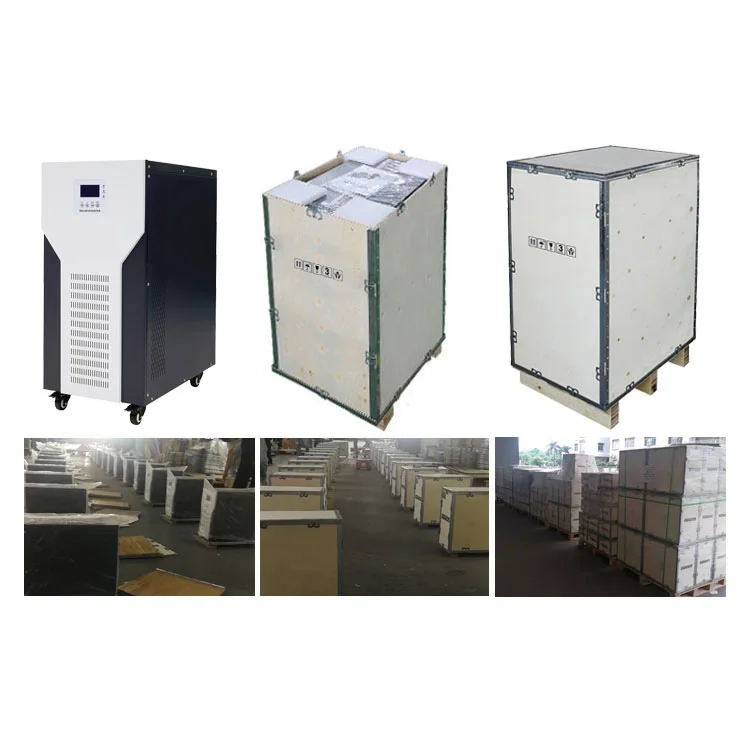
Packing:
1. Attach the color sticker and label of the controller.
2. Put the controller and instruction manual into the color box.
3. Put into export carton.
4. Enter the warehouse and wait for shipment.
Kraft box packaging, Chinese and English manual, screwdriver, transparent bag, PE bags, OPP bags, Foam Cotton, Custom bags+carton case+carton box or as your requirement.
Main port:
Guangzhou/Shenzhen/Hongkong or as required.
Express Company:
DHL, TNT, UPS, FedEx, etc.

FAQ
Q1: Do you support Ready To Ship OEM&ODM?
A1: Yes, we are a powerful factory, one piece can also be shipped, and we can also customize products for you,the MOQ is much lower than many factories.\\
Q2. What is our advantage ?
A2.We have professional R&D team, can customized the products you want. We have 10,000 square meters and more than 100 staffs. Pass ISO9001.
Q3. How can we guarantee quality?
A3. Always a pre-production sample before mass production; and 38 quality inspections before packing. All of our products have passed certification of CE,CCC,UL PSE and RoHS. Supply MSDS shipping documents.
Q4. What can you buy from us?
A4. Solar tied inverter, Solar off grid hybrid inverter, Pure sine wave inverter, Modified sine wave inverter, MPPT/PWM solar controller, Battery charger, Solar lighting system, Power converter and so on.
Q5. How to select a suitable products?
A5. Visit our website and do not hesitate to contact with our sales, we will supply free technology info and competitive price.
We Recommend
New Arrivals
New products from manufacturers at wholesale prices