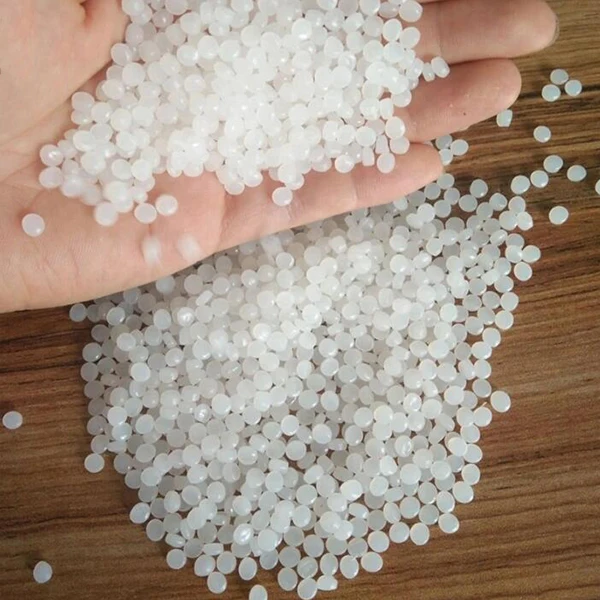
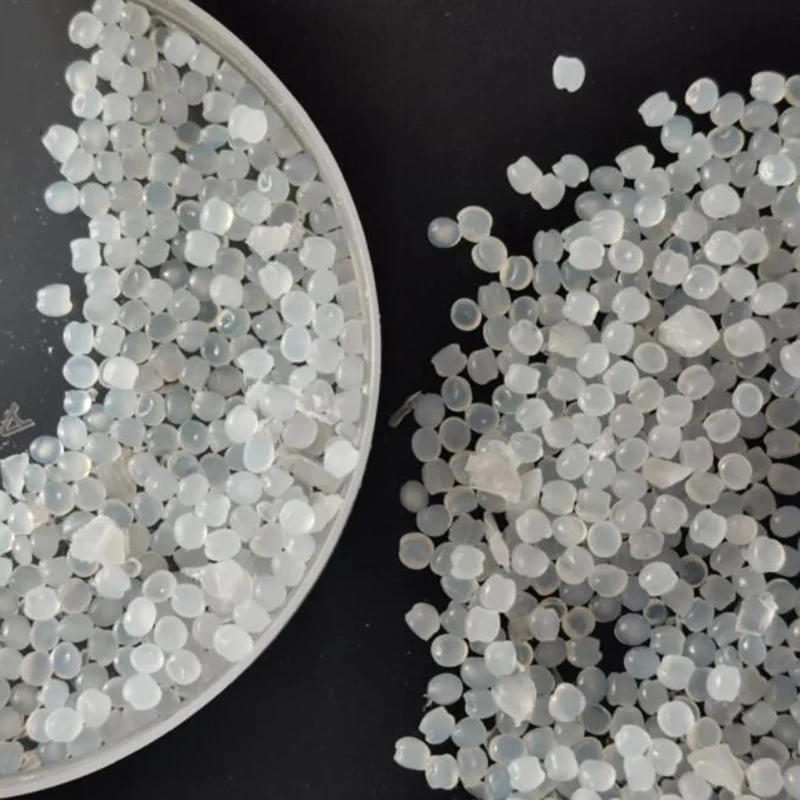
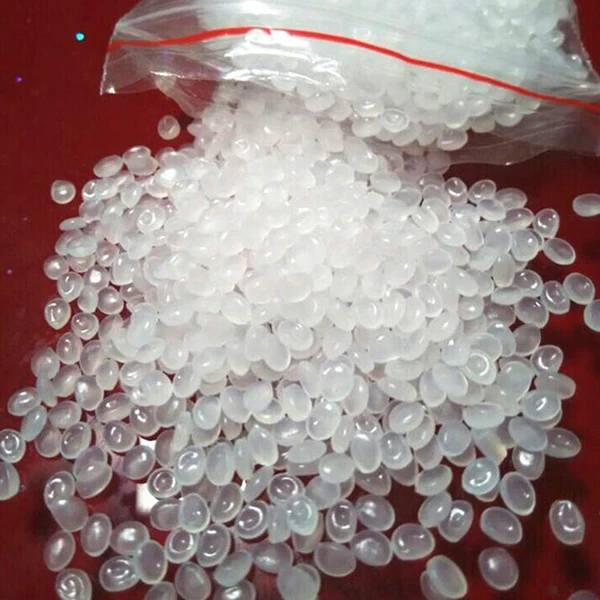
Low Price Wholesale Recycled HDPE Granules Virgin&Recycled HDPE/LDPE/LLDPE/PP/ABS/PS Granules Plastic Raw Materia
- Category: >>>
- Supplier: Qingdao Maifeng Trading Co. Ltd.
Share on (1600648223702):
Product Overview
Description
Product Description
Low-density polyethylene (LDPE) is a synthetic resin using a high pressure process via free radical polymerization of ethylene and is therefore also called “high-pressure polyethylene”. Since its molecular chain has many long and short branches, LDPE is less
crystalline than high-density polyethylene (HDPE) and its density is lower. It features light, flexible, good freezing resistance and impact resistance. LDPE is chemically stable. It has good resistance to acids (except strongly oxidizing acids), alkali, salt, excellent electrical insulation properties. Its vapor penetration rate is low. LDPE has high fluidity and good processability. It is suitable for being used in all types of thermoplastic processing processes, such as injection molding, extrusion molding, blow molding, rotomolding, coating, foaming, thermoforming, hot-jet welding and thermal welding.
crystalline than high-density polyethylene (HDPE) and its density is lower. It features light, flexible, good freezing resistance and impact resistance. LDPE is chemically stable. It has good resistance to acids (except strongly oxidizing acids), alkali, salt, excellent electrical insulation properties. Its vapor penetration rate is low. LDPE has high fluidity and good processability. It is suitable for being used in all types of thermoplastic processing processes, such as injection molding, extrusion molding, blow molding, rotomolding, coating, foaming, thermoforming, hot-jet welding and thermal welding.
Linear Low Density Polyethylene (LLDPE) is a copolymer of ethylene and a small amount of advanced olefin in the presence of catalyst.LLDPE is similar to LDPE in appearance, with poor transparency and good surface gloss. LLDPE has the advantages of low temperature toughness, high modulus, bending resistance and stress cracking resistance, and good impact strength at low temperature.
High density polyethylene (HDPE) for non-toxic, tasteless, no smelly white particles, melting point is about 130 ° C, relative density of 0.941 ~ 0.960. It has good heat resistance and cold resistance, chemical stability, but also has high rigidity and toughness, good mechanical strength. Dielectric properties, environmental stress cracking resistance sex also is good.
Details Images
Specification
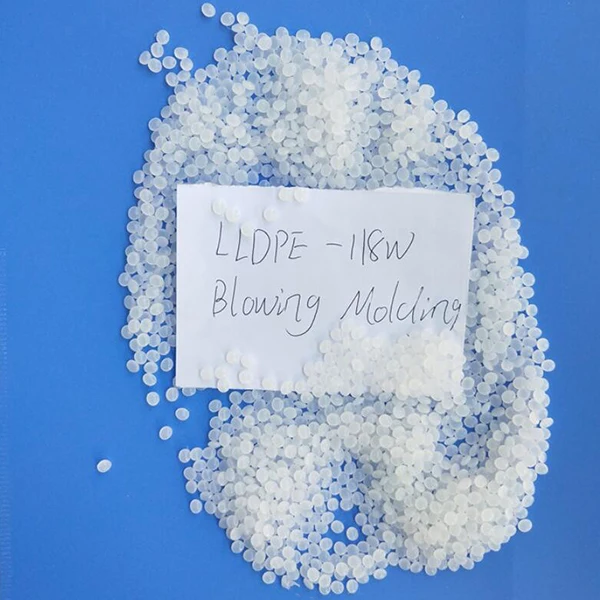
Name | Virgin PE Granules |
Shape | Granules |
Color | transparent,White and so on |
Brand Name | Custom |
Grade | Blow molding,Injection molding,Film and Extrusion grade |
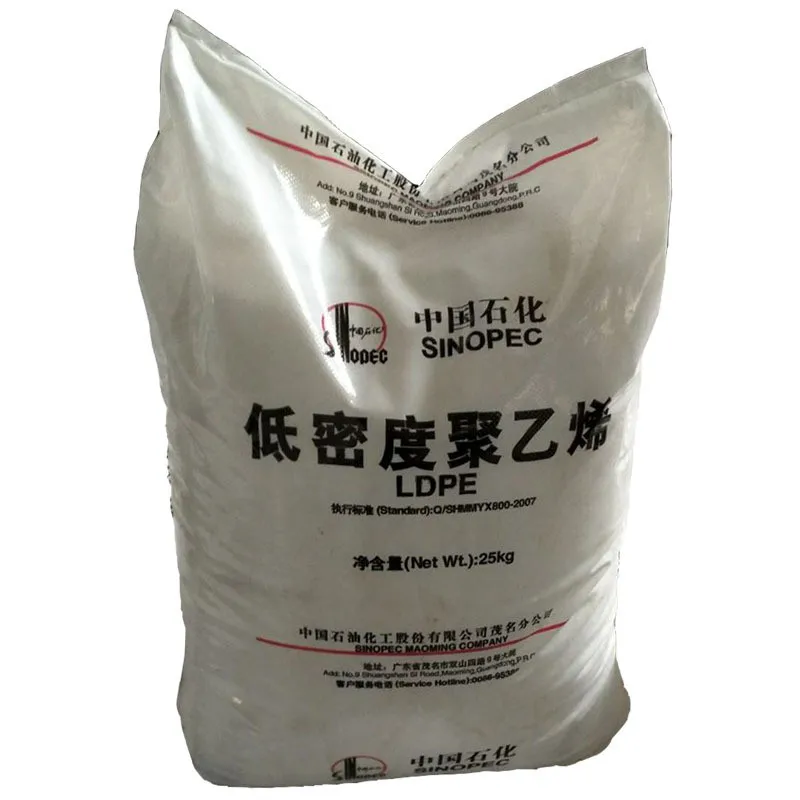
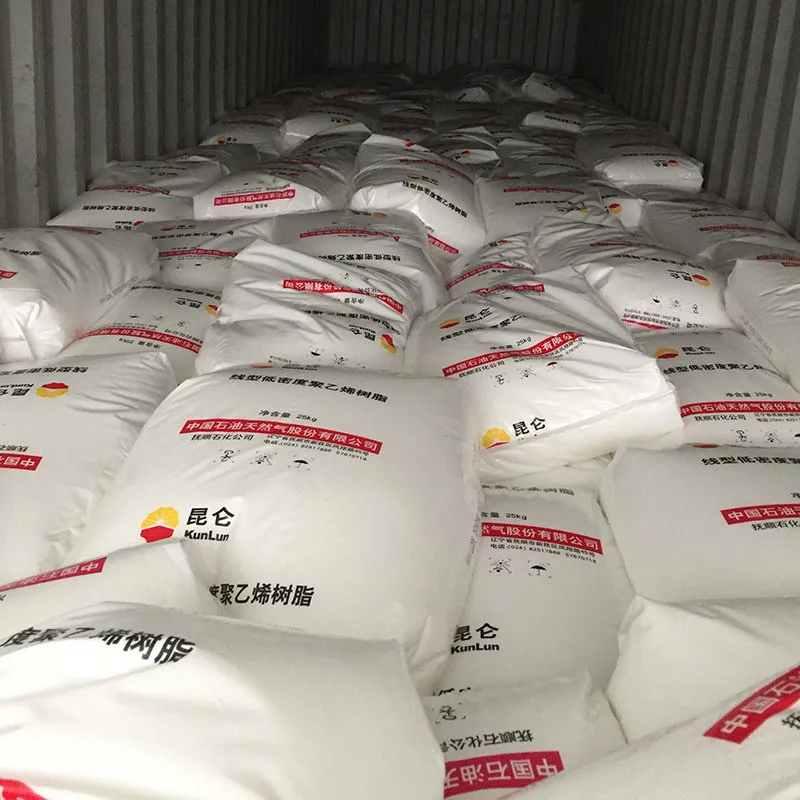
Package | 25kg/bag or Customized |
Certificate | ISO9001:2008.SGS.ROHS |
Sample | Acceptable |
Delivery Time | According to your quantity |
Packing & Delivery


25Kg/bag or according to the customer's requirements
FAQ
1. How can we guarantee quality?
Always a pre-production sample before mass production;
Always final Inspection before shipment;
Always a pre-production sample before mass production;
Always final Inspection before shipment;
2. How about the price? Can you make it cheaper?
The price depends on the item your demands(Shape, Size, Quantity and so on).
Final quotation according to receiving full descriptions of the items you want.
3.What can you buy from us?
All kinds of plastic granuels.
4. What services can we provide?
1).Prompt reply & instant communication available.
2).Samples provided for free.
3).Customized packaging bag.
4).Large stocking & lightning consignment.
5).Photoes all-the-way for cargo tracing after order confirmation
6).Quality guaranteed that every item comes from the first class factory.
7).One-stop traking service until the goods trucked to your warehouse.
8).A professional foreign team serve for you.
3.What can you buy from us?
All kinds of plastic granuels.
4. What services can we provide?
1).Prompt reply & instant communication available.
2).Samples provided for free.
3).Customized packaging bag.
4).Large stocking & lightning consignment.
5).Photoes all-the-way for cargo tracing after order confirmation
6).Quality guaranteed that every item comes from the first class factory.
7).One-stop traking service until the goods trucked to your warehouse.
8).A professional foreign team serve for you.
We Recommend
New Arrivals
New products from manufacturers at wholesale prices