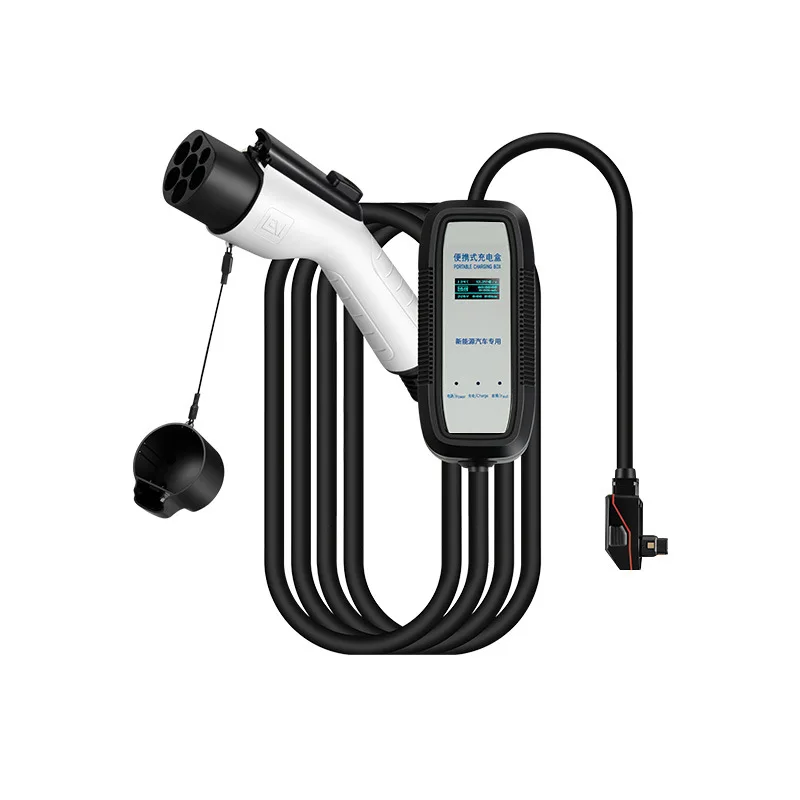
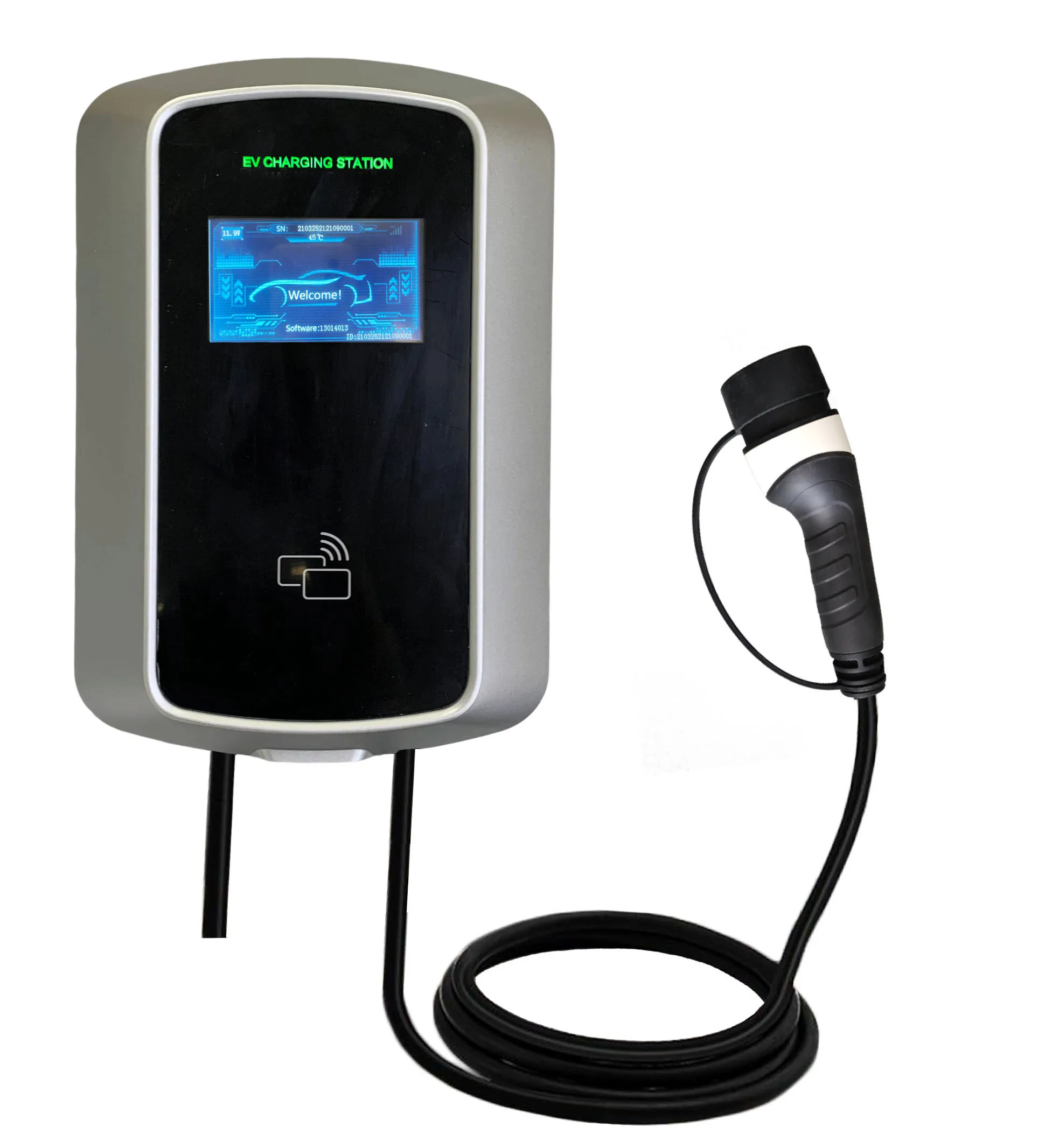
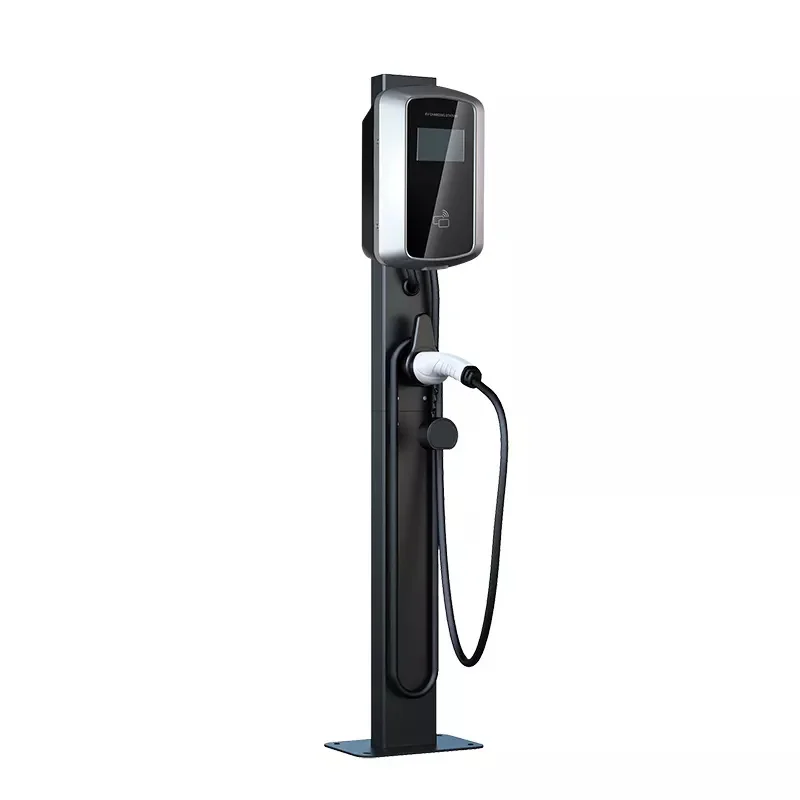
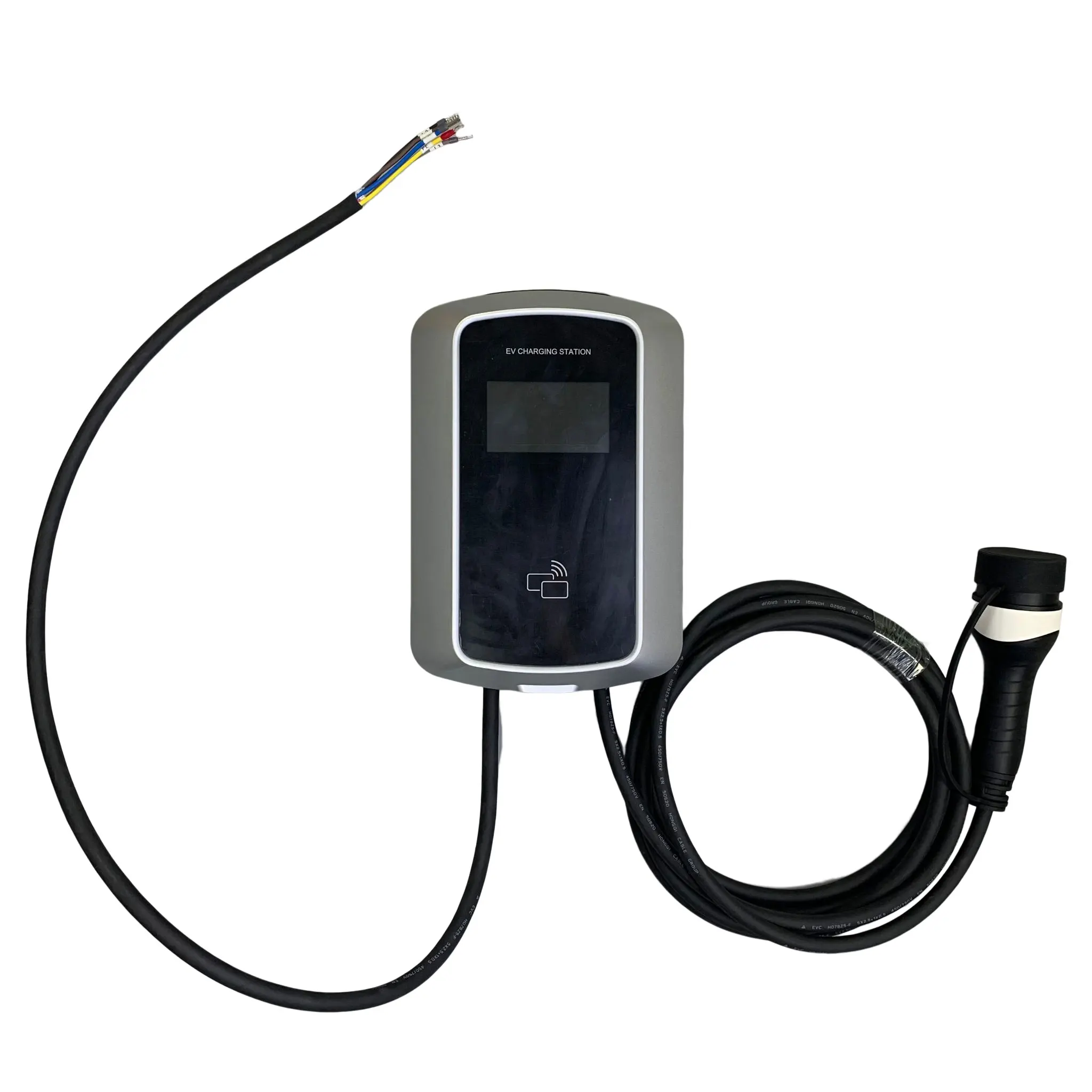
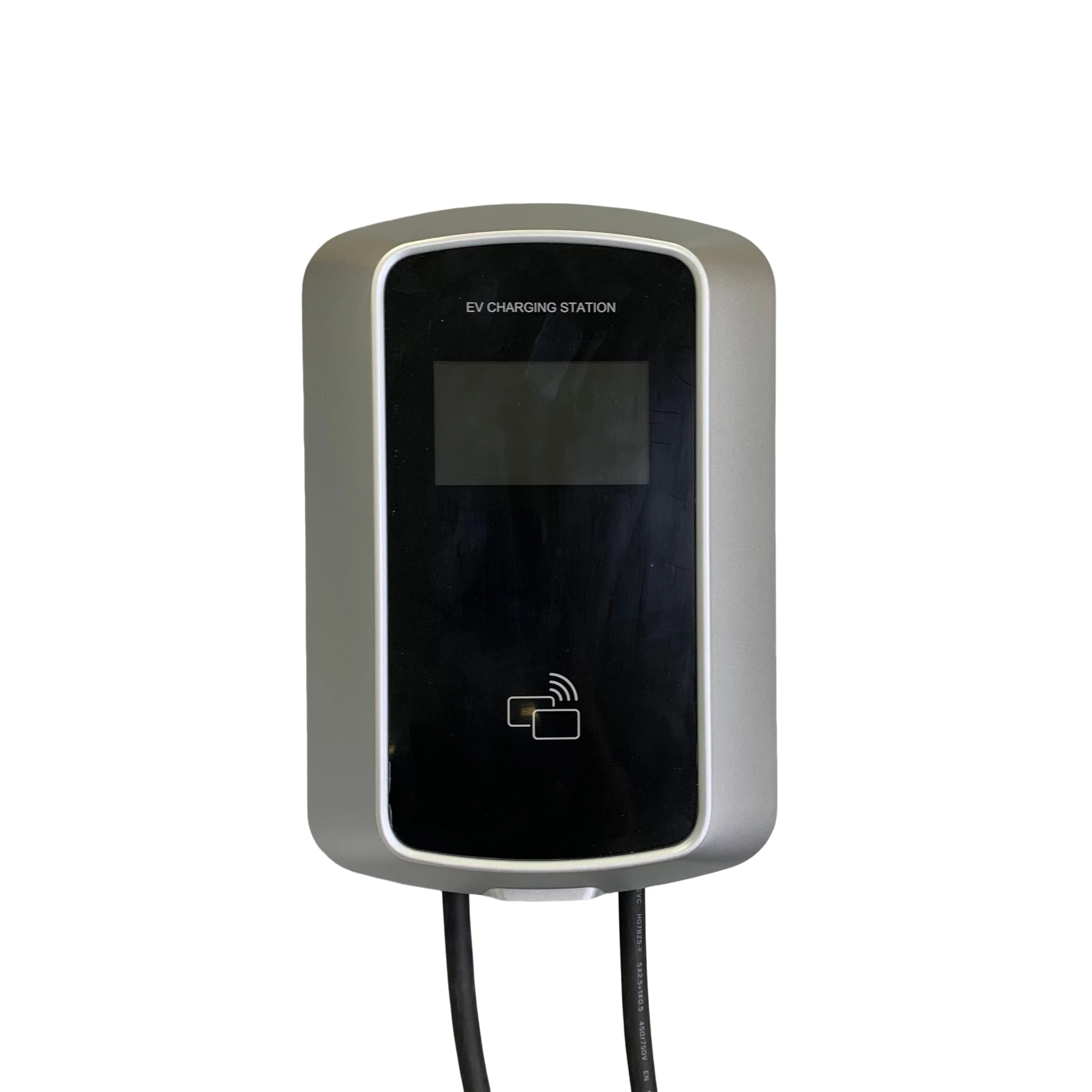
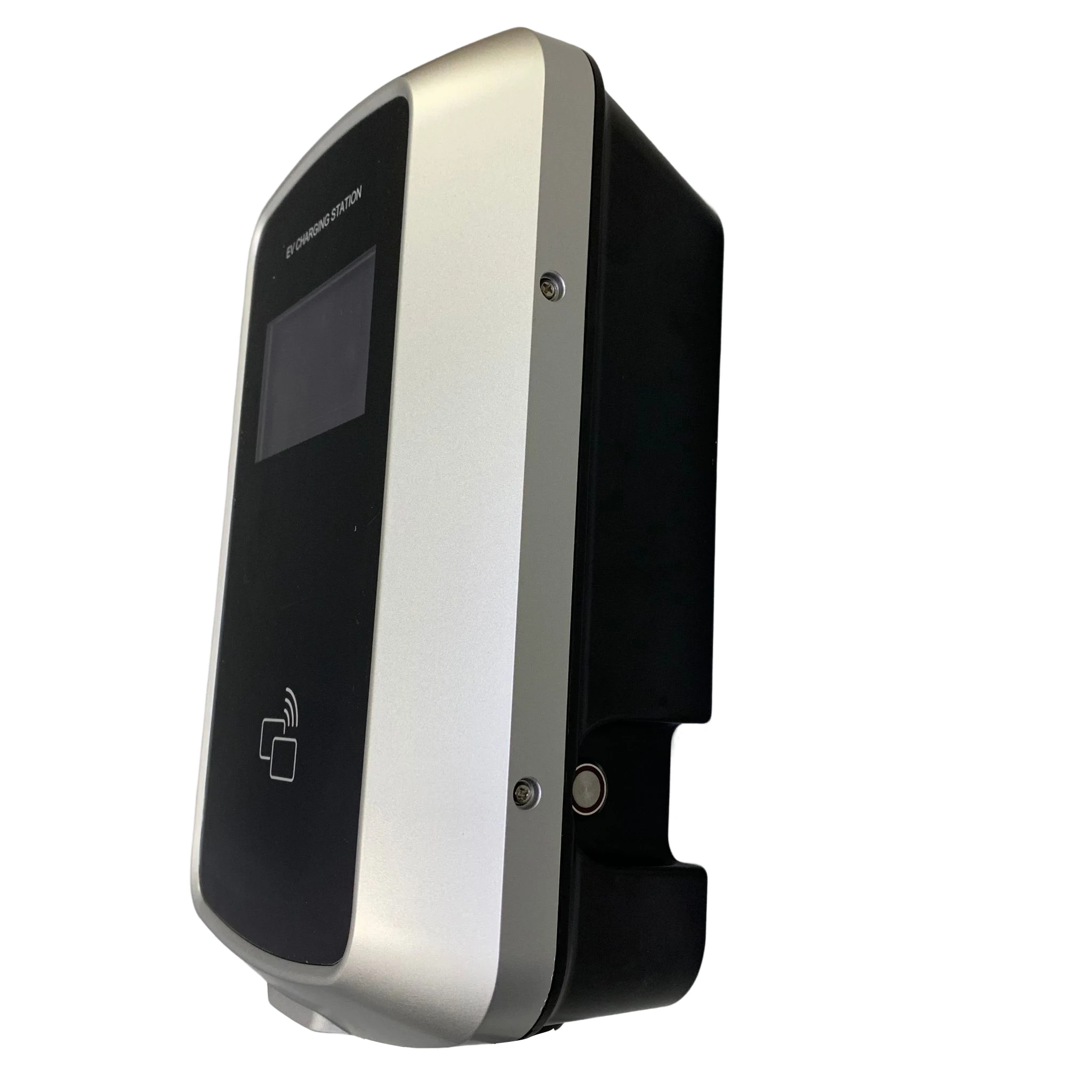
32a Wall Mount New Energy Fast Electric Vehicle Ac Ev Car Charger Charging Pile WallBox 22kw 11kw Type 2 Smart Charging Station
- Category: >>>
- Supplier: Shenzhen ThinkMax Technology Co. Ltd.
Share on (1600658370645):
Product Overview
Description
Apply For

Products Description

Standards | GB/T20234.1.GB/T20234.2 |
Voltage | 250V AC |
Current | 16A AC(Max) |
InsulationResistance | >10MΩ |
OperatingTemperature | -25℃to +55℃ |
Storage Temperature | -40℃to+80℃ |
OperatingHumidity | 5%~95%RH( non-condensing) |
Enclosure | In-Cablebox:IP66;Chargingconnector:IP54 |
Mechanical life: | >10000times |
Connector Type: | Type1 Type2 |
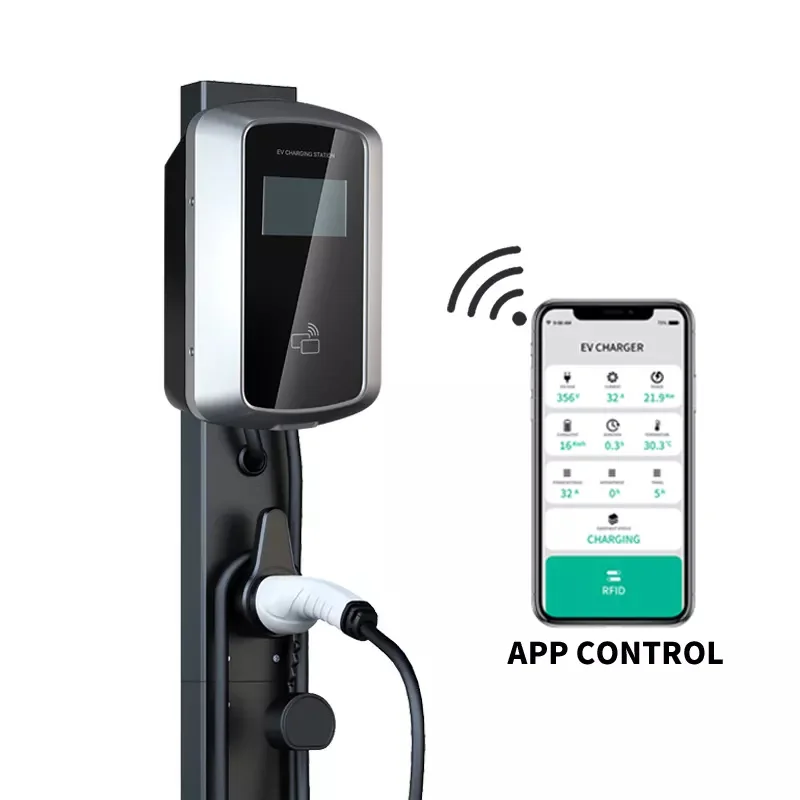
WIFI+App: Optional WIFI + APP feature allows to control charging remotely via smart life app with WIFI, 4G or 5G network, e.g. monitoring charging, setting start or stop of the charging process, determining charging power or charging current, read charging data records and so on. The mobile application is free and can be accessed via the Apple App Store and Google Play, valid for Android and iOS.
Economic: If you need to reduce electric bills, this awesome portable EV charger has a special feature called "Off-peak Charging", which allows you to benefit from lower energy prices by scheduling charging electric vehicles during off-peak hours.
Robustness: This portable EV charger is made of high strength ABS material, which is better in terms of quality and durability. Multiple protection measures are also implemented to ensure absolute safety, such as over-current protection, over-voltage protection, under-voltage protection, leakage protection, overheating protection, IP65 waterproof, etc.
Compatibility: Our EV chargers are compatible with most electric vehicles and plug-in hybrid vehicles, which meets GBT, IEC-62196 Type 2 or SAE J1772 standard. Furthermore, the electric current can also be adjusted within 5 Levels (32A-16A-13A-10A-8A), when there is no sufficient power supply.
Why Choose Us
1. OEM / ODM services are accepted.
2. Customization of packaging, logo or capacity.
3. Trade Terms, EXW, FOB or per clients' requirement.
4. Shipment can be arranged by sea, by air, freight company, etc.
5. Most products are certified with CE / ROHS / FCC / MSDS, etc.

About Us
Company Profile
Shenzhen ThinkMax Tecnology Co, Ltd . Located in Shenzhen, is of professional and famous company of car accessories. We are determined to make your car cooler and cooler. We can supply ev charger,car inflator, tpms,truck radar,silicone key covers, leather key covers, TPU key covers, carbon fiber key covers, metal car keychains, steering wheel covers, brake covers, car stickers, car wheel caps, and so on. OEM & ODM are welcome. We promise our honorable clients enough supply of goods and high quality finally, we adhere to the principle of " Quality is the first, Honesty is the basis. Good after-sale service creates future market " Your satisfaction is our relentless pursuit. We are sincerely looking forward to establishing long-term cooperation with you.
We accept customized packaging design, customized logo printing, private label and OEM/ODM product development. We will assist you with small MOQ private label and direct consignment services worldwide. We have high-quality products, excellent sales team, perfect service system, innovation marketing concepts, honest entrepreneurial spirit. All friends are welcome to contact us and establish business relations with us. It is our honor to bring you beauty,health and wealth!
In the future, we will make every effort to meet customers' requirements, while pursuing to provide customers with higher value.Come to ThinkMax to find what you love!
We accept customized packaging design, customized logo printing, private label and OEM/ODM product development. We will assist you with small MOQ private label and direct consignment services worldwide. We have high-quality products, excellent sales team, perfect service system, innovation marketing concepts, honest entrepreneurial spirit. All friends are welcome to contact us and establish business relations with us. It is our honor to bring you beauty,health and wealth!
In the future, we will make every effort to meet customers' requirements, while pursuing to provide customers with higher value.Come to ThinkMax to find what you love!


Certifications

FAQ
Q1: How can we guarantee quality?
Always a pre-production sample before mass production;
Always final Inspection before shipment;
Q2:How long is your delivery time?
A: For small order,it usually takes 7 working days. For OEM order, please check the shipping time with us.
Q3: Are they global version?
A: Yes, our products are universal in all countries worldwide.
Q4: What's your payment terms?
A: Our payment terms is paypal, bank transfer and credit card.
Q5: What's the product warranty policy?
A: All the goods purchased from our company can enjoy one year free warranty.
Q6: How about aftersale support?
A: We provide lifetime Technical Support, our engineer is 24 hours online for technical support.
Always a pre-production sample before mass production;
Always final Inspection before shipment;
Q2:How long is your delivery time?
A: For small order,it usually takes 7 working days. For OEM order, please check the shipping time with us.
Q3: Are they global version?
A: Yes, our products are universal in all countries worldwide.
Q4: What's your payment terms?
A: Our payment terms is paypal, bank transfer and credit card.
Q5: What's the product warranty policy?
A: All the goods purchased from our company can enjoy one year free warranty.
Q6: How about aftersale support?
A: We provide lifetime Technical Support, our engineer is 24 hours online for technical support.
How to choose EV chargers
Speed: There are 4 typical AC charging powers to choose from, 3.5KW, 7KW, 11KW or 22KW. Higher charging power enables faster charging speed, for example, if an electric car has a battery of 55kWh, it takes 8 hours to be charged from empty to full with a 7KW EV charger, while it takes only 2.5 hours with a 22KW EV charger. However, it is very important to make sure that your electric vehicle also supports the same charging power provided by the EV charger.
Supply: 3.5KW and 7KW AC electric car chargers require single phase power, while 11KW and 22KW ones require 3 phase power. As to an electrical circuit, it should to be rated for 25% greater amperage than your electric vehicle charger’s output. For example, if you have a 40-amp Level 2 charger, your circuit breaker should be rated for at least 50 amps. It is also sensible to choose an EV charger that allows to adjust electric current.
Location: It is a good idea to install EV chargers near your electrical panel, which helps to reduce expenses on unnecessary conduits. To get more flexibility and convenience, choosing a waterproof electric vehicle charger is also a wise decision, because such an EV charger can be installed indoor or outdoor depending on where you normally park your car.
Smartness: Some electric car chargers come with an app to manage charging, set a schedule, track charging costs and miles driven, etc. If you want to monitor charging status, while at office or taking a walk, such smart features would come in handy. Or if you want to reduce electric bills, charging scheduling can help to accomplish just that, all you need to do is schedule charging at off-peak hours.
Length: EV chargers come with cables of various lengths, 5 meters by default most of the time, be sure to choose an EV charging cable that is long enough to reach the charge port of your car.
Supply: 3.5KW and 7KW AC electric car chargers require single phase power, while 11KW and 22KW ones require 3 phase power. As to an electrical circuit, it should to be rated for 25% greater amperage than your electric vehicle charger’s output. For example, if you have a 40-amp Level 2 charger, your circuit breaker should be rated for at least 50 amps. It is also sensible to choose an EV charger that allows to adjust electric current.
Location: It is a good idea to install EV chargers near your electrical panel, which helps to reduce expenses on unnecessary conduits. To get more flexibility and convenience, choosing a waterproof electric vehicle charger is also a wise decision, because such an EV charger can be installed indoor or outdoor depending on where you normally park your car.
Smartness: Some electric car chargers come with an app to manage charging, set a schedule, track charging costs and miles driven, etc. If you want to monitor charging status, while at office or taking a walk, such smart features would come in handy. Or if you want to reduce electric bills, charging scheduling can help to accomplish just that, all you need to do is schedule charging at off-peak hours.
Length: EV chargers come with cables of various lengths, 5 meters by default most of the time, be sure to choose an EV charging cable that is long enough to reach the charge port of your car.

Related Products
We Recommend

New Arrivals
New products from manufacturers at wholesale prices