Best Quality hydrazine hydrate monohydrate used for organic solvent
- Category: >>>
- Supplier: Shenyang East Chemical Science-Tech Co. Ltd.
Share on (1600659130502):
Product Overview
Description

Products Description
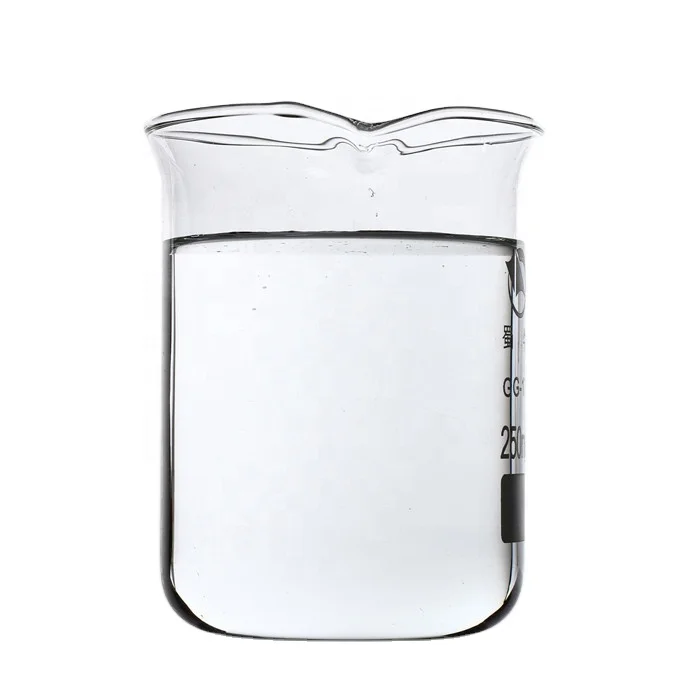
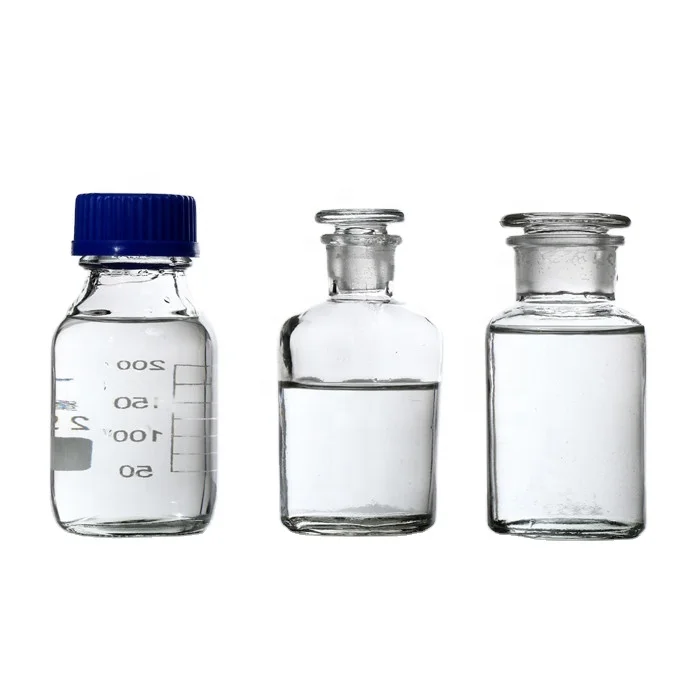
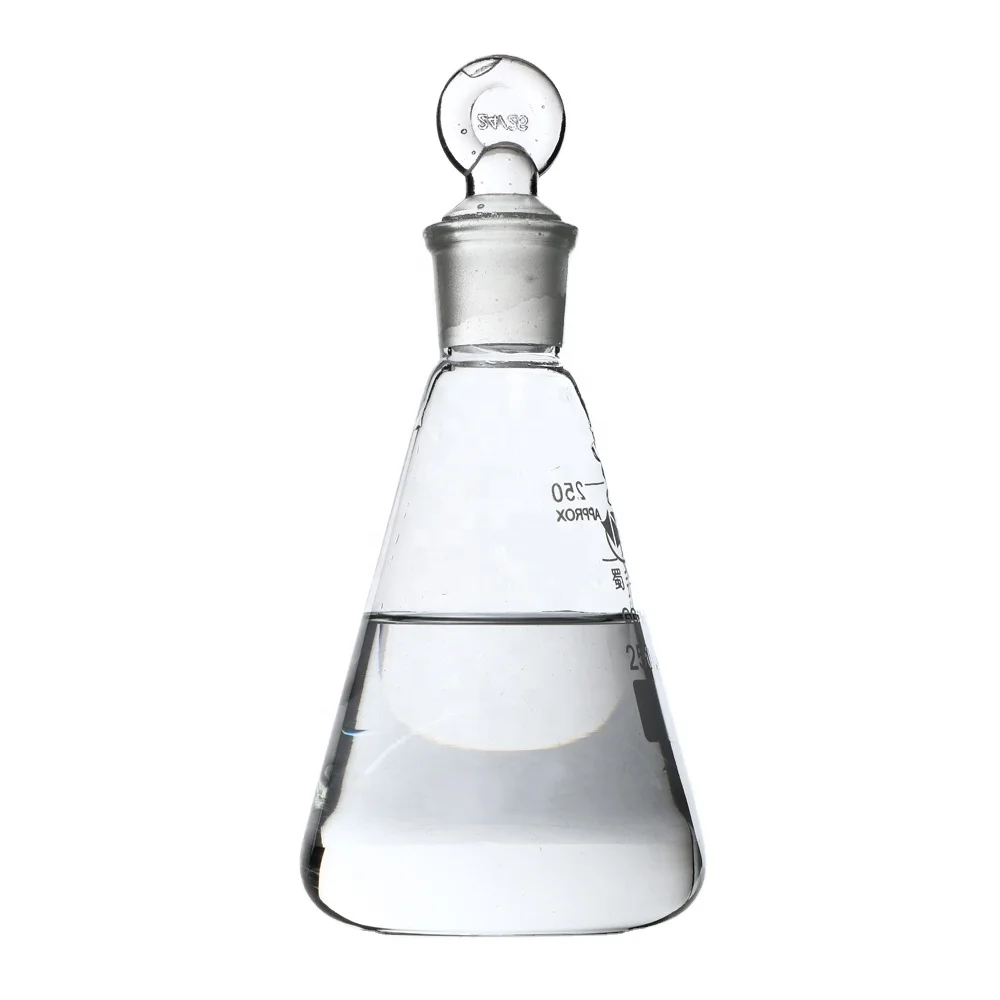
Hydrazine hydrate is a colorless transparent oily liquid with a faint ammonia odor. In industry, hydrazine hydrate aqueous solution or hydrazine salt with a content of 40% to 80% is generally used. Relative density 1.03 (21 ℃); melting point - 40 ℃; boiling point 118.5 ℃. Surface tension (25°C) 74.0mN/m, refractive index 1.4284, heat of formation - 242.7lkj/mol, flash point (open cup) 72.8°C. Hydrazine hydrate is strongly alkaline and hygroscopic. Hydrazine hydrate liquid exists in the form of dimer, miscible with water and ethanol, insoluble in ether and chloroform; it can corrode glass, rubber, leather, cork, etc., and decompose into Nz, NH3 and Hz at high temperature; hydrazine hydrate has reducibility Extremely strong, reacts violently with halogen, HN03, KMn04, etc., can absorb C02 in the air, and produce smoke.
Product advantages
Equipment maintenance costs are reduced
High productivity
high purity
Aggregation increases
Oxygen scavengers reduce corrosion in industrial processes
Energy saving practice
High productivity
high purity
Aggregation increases
Oxygen scavengers reduce corrosion in industrial processes
Energy saving practice
Applications

Why Choose Us

Our Company

Our Service
FAQ


We Recommend
New Arrivals
New products from manufacturers at wholesale prices