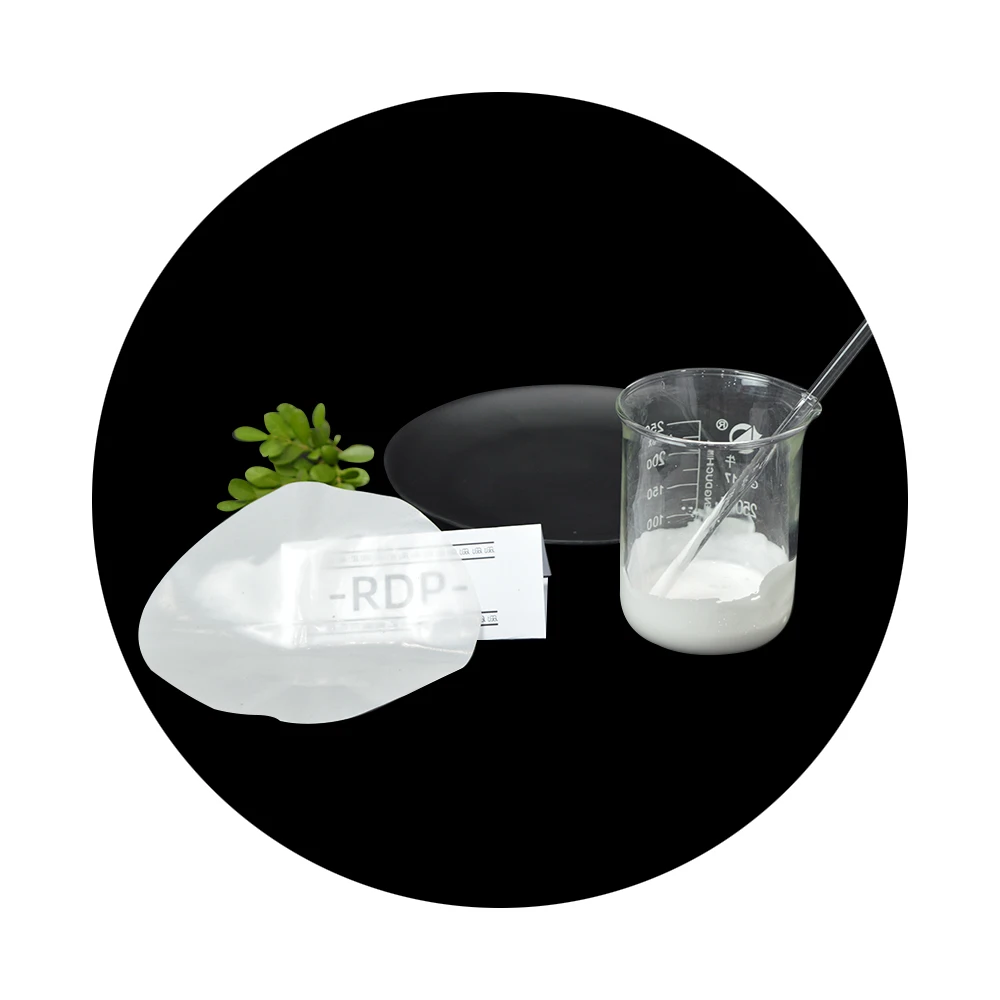
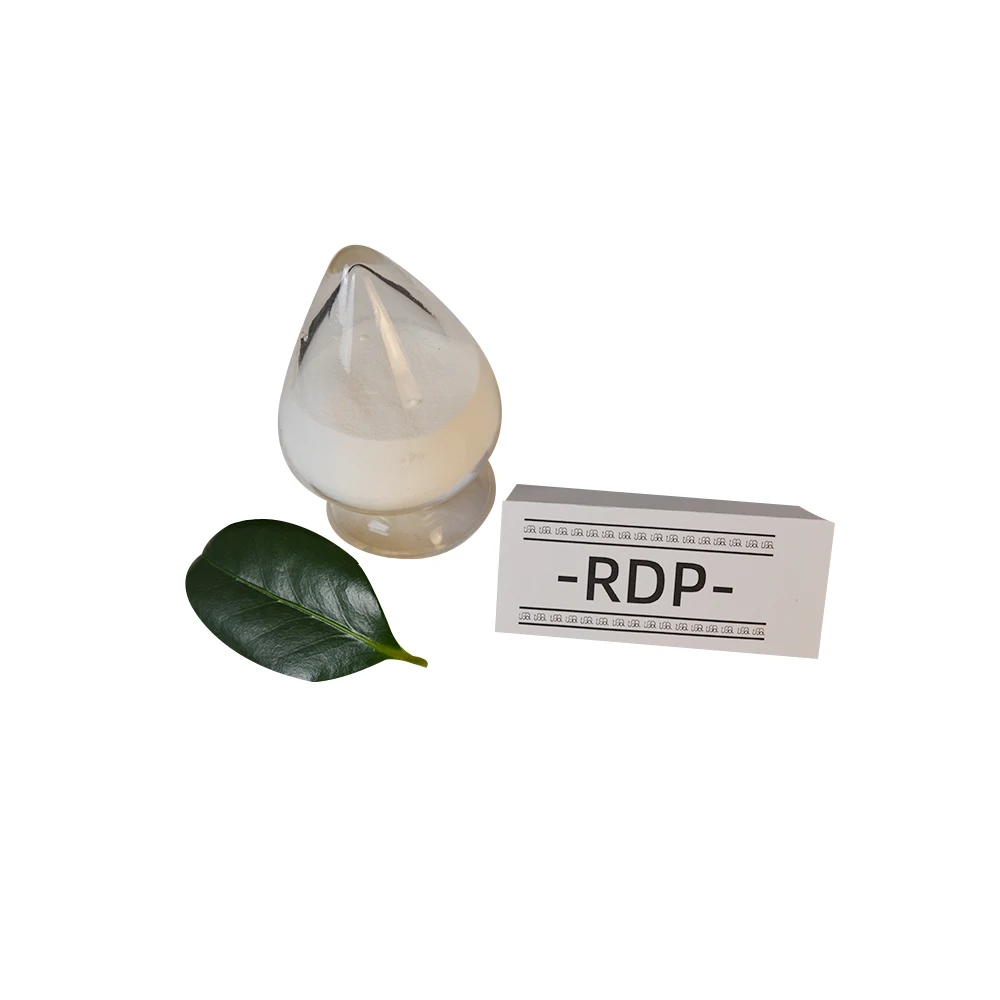
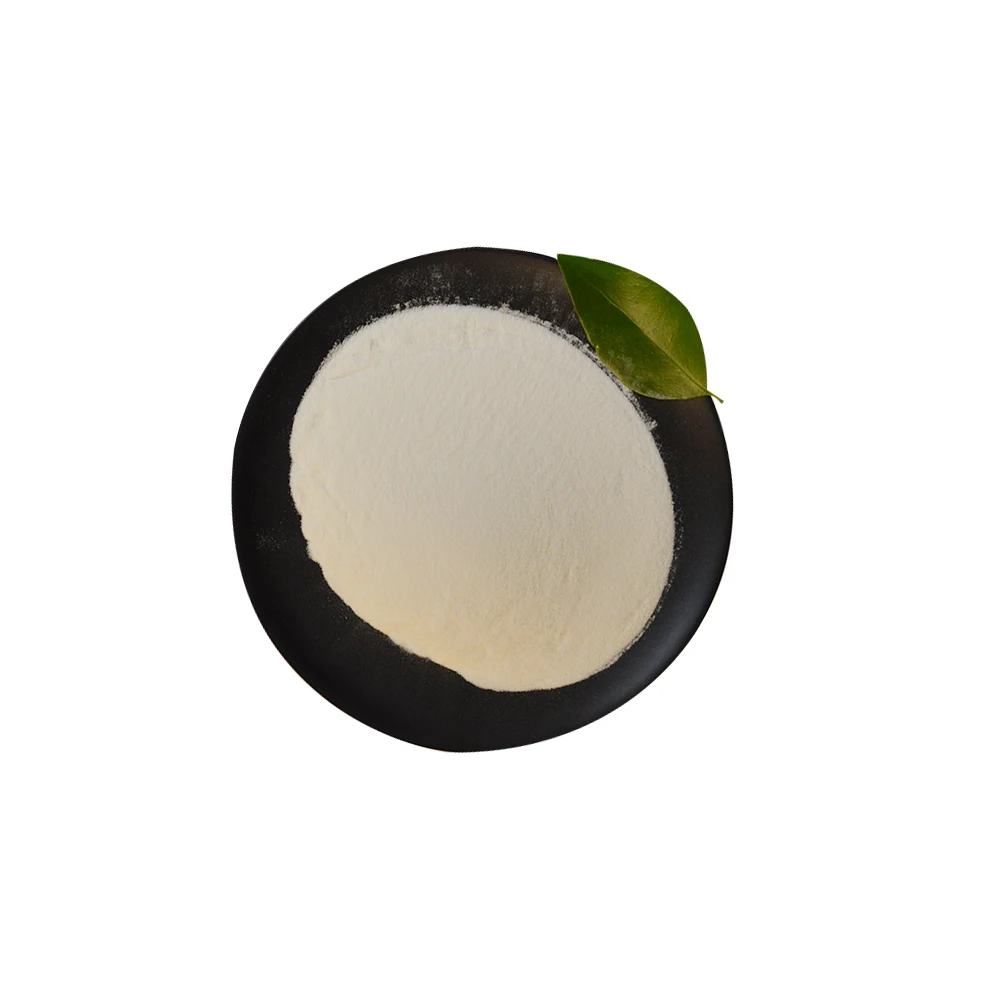
WHRQ Factory RDP VAE 1000w Redispersible Powder Chemical Auxiliary Agent Building Materials Low Price
- Category: >>>
- Supplier: Ningbo Wanhong Ruiquan Technology Co. Ltd.
Share on (1600674472908):
Product Overview
Description
Product Description
Specification
item | value |
Classification | Chemical Auxiliary Agent |
CAS No. | 24937-78-8 |
Other Names | RDP |
MF | (C2H4)x.(C4H6O2)y |
EINECS No. | 429-840-1 |
Place of Origin | Hebei, China |
Type | Adsorbent |
Activated Carbon | |
Usage | building material |
Brand Name | wanhongruiquan |
Model Number | 2019 |
Color | White Color |

Characteristics of the product.
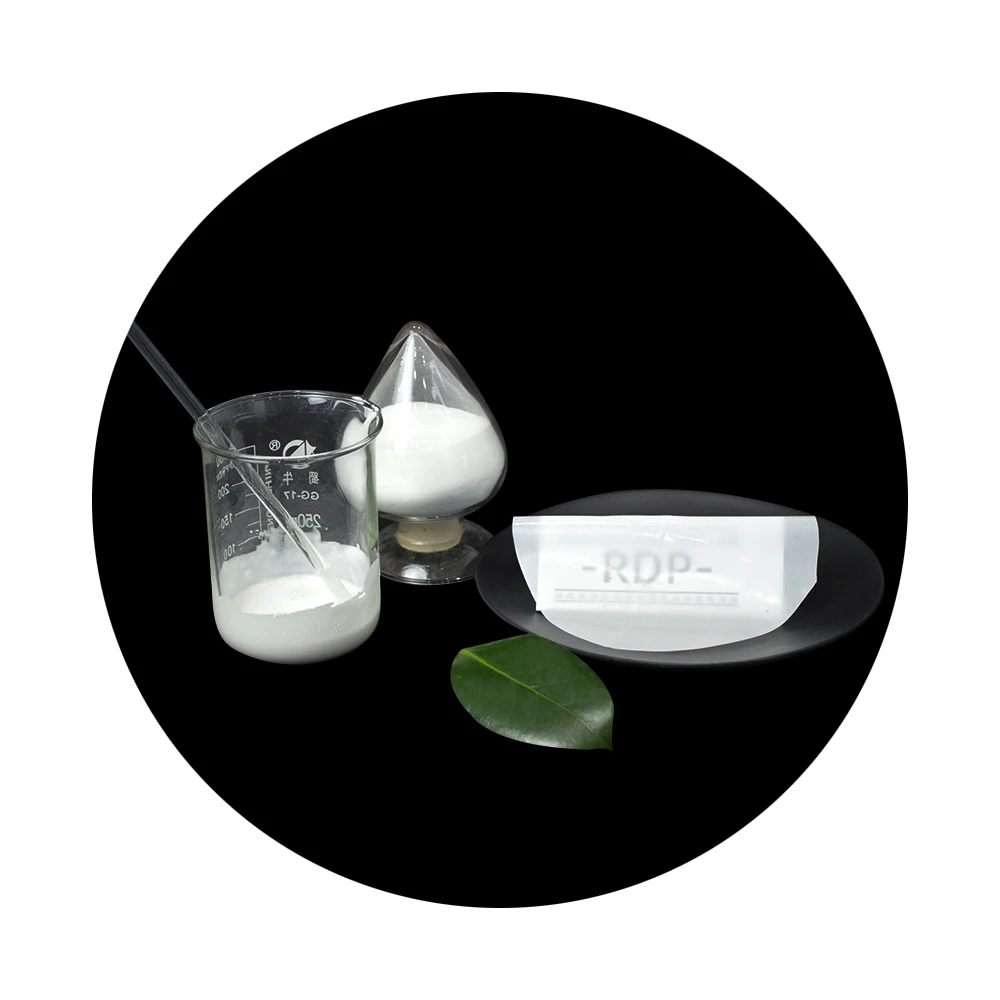
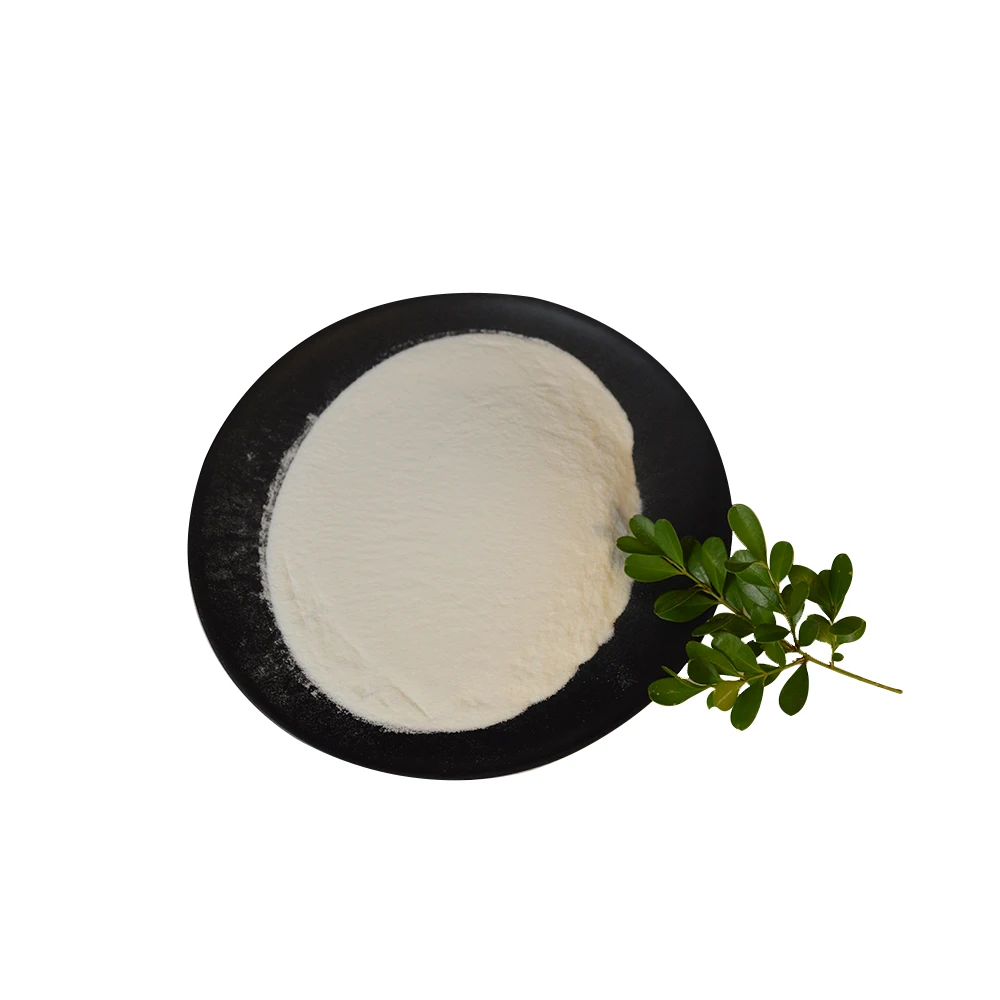
The appearance of HPMC is generally white or almost white powder. Surface tension: The 2% aqueous solution is 42-56dyn/cm. It is soluble in water and some solvents, and the aqueous solution has surface activity. High transparency,
The performance is stable. HPMC can produce products of different specifications and the gel temperature is different. The solubility changes with the viscosity. The lower the viscosity, the greater the solubility. The performance of HPMC with different specifications is different.
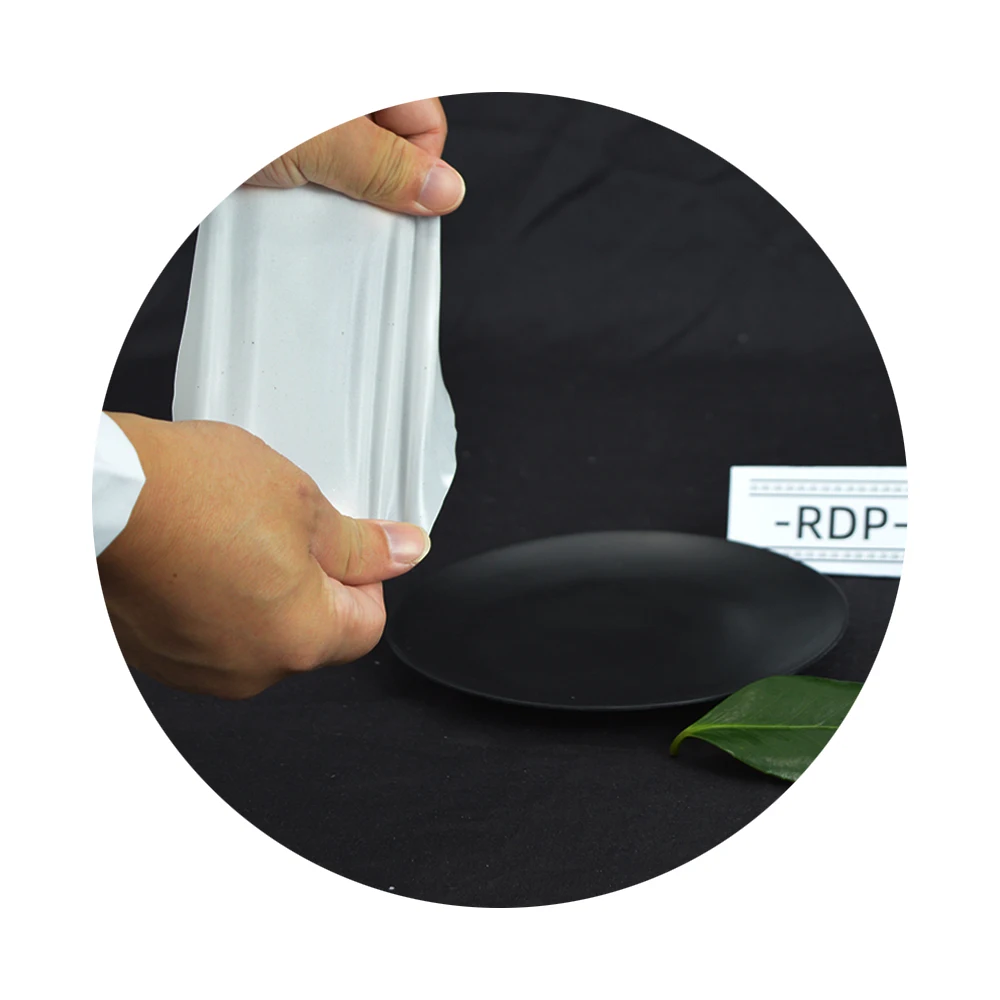
HPMC has the characteristics of thickening ability, salt resistance, low ash powder, PH stability, water retention, dimensional stability, excellent film-forming property, and extensive enzyme resistance, dispersibility and cohesiveness
The performance is stable. HPMC can produce products of different specifications and the gel temperature is different. The solubility changes with the viscosity. The lower the viscosity, the greater the solubility. The performance of HPMC with different specifications is different.
HPMC has the characteristics of thickening ability, salt resistance, low ash powder, PH stability, water retention, dimensional stability, excellent film-forming property, and extensive enzyme resistance, dispersibility and cohesiveness

The role of the product.
The role of cellulose ether in mortar includes: water retention, increasing cohesiveness, thickening, affecting setting time and air entrainment. Because of these characteristics, cellulose ether has a wide application space in building materials mortar.
1. Effect of particle size and mixing time of cellulose ether on water retention
With the increase of viscosity, the water retention of mortar increases with the same amount of cellulose ether; With the increase of cellulose ether content and viscosity, the water retention rate of mortar increases. When the content of cellulose ether exceeds 0.3%, the change of water retention rate of mortar tends to balance. The water retention capacity of mortar is largely controlled by the dissolution time. The finer cellulose ether dissolves faster, so the water retention performance develops faster.
2. Effect of etherification degree and temperature of cellulose on water retention
The higher the temperature is, the lower the water holding capacity is. The higher the etherification degree of cellulose ether is, the better the water holding capacity of cellulose ether at high temperature is. During use, the temperature of fresh mortar is usually lower than 35 ℃, and under special climatic conditions, the temperature may reach or even exceed 40 ℃ In this case, the formula must be adjusted to select products with high etherification degree, that is, appropriate cellulose ether should be considered.
3. Effect of cellulose ether on air content of mortar
In dry mixed mortar products, due to the addition of cellulose ether, a certain amount of tiny, evenly distributed and stable bubbles are introduced into the fresh mortar. Due to the ball effect of bubbles, the mortar has good workability, reduces mortar cracking and shrinkage, and improves mortar yield.
4. Effect of cellulose ether on mortar hydration
Cellulose ether can delay the hydration of cement-based mortar, and the delay effect increases with the increase of cellulose ether content. The influence factors of cellulose ether on cement hydration are: dosage, etherification degree, and type of cement/mortar.
1. Effect of particle size and mixing time of cellulose ether on water retention
With the increase of viscosity, the water retention of mortar increases with the same amount of cellulose ether; With the increase of cellulose ether content and viscosity, the water retention rate of mortar increases. When the content of cellulose ether exceeds 0.3%, the change of water retention rate of mortar tends to balance. The water retention capacity of mortar is largely controlled by the dissolution time. The finer cellulose ether dissolves faster, so the water retention performance develops faster.
2. Effect of etherification degree and temperature of cellulose on water retention
The higher the temperature is, the lower the water holding capacity is. The higher the etherification degree of cellulose ether is, the better the water holding capacity of cellulose ether at high temperature is. During use, the temperature of fresh mortar is usually lower than 35 ℃, and under special climatic conditions, the temperature may reach or even exceed 40 ℃ In this case, the formula must be adjusted to select products with high etherification degree, that is, appropriate cellulose ether should be considered.
3. Effect of cellulose ether on air content of mortar
In dry mixed mortar products, due to the addition of cellulose ether, a certain amount of tiny, evenly distributed and stable bubbles are introduced into the fresh mortar. Due to the ball effect of bubbles, the mortar has good workability, reduces mortar cracking and shrinkage, and improves mortar yield.
4. Effect of cellulose ether on mortar hydration
Cellulose ether can delay the hydration of cement-based mortar, and the delay effect increases with the increase of cellulose ether content. The influence factors of cellulose ether on cement hydration are: dosage, etherification degree, and type of cement/mortar.

Characteristics of the product.
Hydroxypropyl methyl cellulose is soluble in water, and its gel temperature in hot water is significantly higher than that of methyl cellulose. The viscosity of HPMC is related to its molecular weight, and higher molecular weight leads to higher viscosity. The temperature will also affect its viscosity, and the viscosity will decrease when the temperature rises. The water retention of HPMC depends on its addition amount and viscosity. HPMC has certain stability to acid and alkali. HPMC can be mixed with water-soluble macromolecular compounds to form a uniform solution with higher viscosity. Such as polyvinyl alcohol, starch ether, vegetable gum, etc. Hydroxypropyl methyl cellulose has better enzyme resistance than methyl cellulose.

The role of the product.
HPMC plays three roles in putty powder: thickening, water retention and construction.
1. Thickening: Cellulose can be thickened to suspend, keep the solution uniform up and down, and resist sagging.
2. Water retention: make putty powder dry more slowly, and assist lime calcium to react under the action of water.
3. Construction: Cellulose can lubricate and make putty powder have good workability.
1. Thickening: Cellulose can be thickened to suspend, keep the solution uniform up and down, and resist sagging.
2. Water retention: make putty powder dry more slowly, and assist lime calcium to react under the action of water.
3. Construction: Cellulose can lubricate and make putty powder have good workability.

Characteristics of the product.
Hydroxypropyl methyl cellulose is soluble in water, and its gel temperature in hot water is significantly higher than that of methyl cellulose. The viscosity of HPMC is related to its molecular weight, and higher molecular weight leads to higher viscosity. The temperature will also affect its viscosity, and the viscosity will decrease when the temperature rises. The water retention of HPMC depends on its addition amount and viscosity. HPMC has certain stability to acid and alkali. HPMC can be mixed with water-soluble macromolecular compounds to form a uniform solution with higher viscosity. Such as polyvinyl alcohol, starch ether, vegetable gum, etc. Hydroxypropyl methyl cellulose has better enzyme resistance than methyl cellulose.

The role of the product.
HPMC has the following characteristics in plastering gypsum:
In gypsum series products, HPMC cellulose ether mainly plays the role of water retention, increasing lubrication, etc., and has a certain retarding effect. It solves the problem that the initial strength cannot be reached during the construction process, and can extend the working time. It has the characteristics of good shrinkage, is not easy to crack, is convenient for construction, can shorten the construction period to a certain extent, and is convenient for later maintenance.
In gypsum series products, HPMC cellulose ether mainly plays the role of water retention, increasing lubrication, etc., and has a certain retarding effect. It solves the problem that the initial strength cannot be reached during the construction process, and can extend the working time. It has the characteristics of good shrinkage, is not easy to crack, is convenient for construction, can shorten the construction period to a certain extent, and is convenient for later maintenance.

Characteristics of the product.
The appearance of HPMC is generally white or almost white powder. Surface tension: The 2% aqueous solution is 42-56dyn/cm. It is soluble in water and some solvents, and the aqueous solution has surface activity. High transparency,
The performance is stable. HPMC can produce products of different specifications and the gel temperature is different. The solubility changes with the viscosity. The lower the viscosity, the greater the solubility. The performance of HPMC with different specifications is different.
HPMC has the characteristics of thickening ability, salt resistance, low ash powder, PH stability, water retention, dimensional stability, excellent film-forming property, and extensive enzyme resistance, dispersibility and cohesiveness
The performance is stable. HPMC can produce products of different specifications and the gel temperature is different. The solubility changes with the viscosity. The lower the viscosity, the greater the solubility. The performance of HPMC with different specifications is different.
HPMC has the characteristics of thickening ability, salt resistance, low ash powder, PH stability, water retention, dimensional stability, excellent film-forming property, and extensive enzyme resistance, dispersibility and cohesiveness

The role of the product.
HPMC has the following characteristics in ceramic tile adhesive:
1. Hydroxypropylmethylcellulose hpmc: cellulose HPMC improves the plasticity and water retention of pressed ceramic tile mortar, improves the adhesive strength of ceramic tiles, and prevents pulverization.
2. It has a high water retention property, which significantly improves its bonding strength. The slurry can be constructed in a long, smooth, uniform and convenient way, and has a good resistance to moisture transfer.
1. Hydroxypropylmethylcellulose hpmc: cellulose HPMC improves the plasticity and water retention of pressed ceramic tile mortar, improves the adhesive strength of ceramic tiles, and prevents pulverization.
2. It has a high water retention property, which significantly improves its bonding strength. The slurry can be constructed in a long, smooth, uniform and convenient way, and has a good resistance to moisture transfer.

Characteristics of the product.
The appearance of HPMC is generally white or almost white powder. Surface tension: The 2% aqueous solution is 42-56dyn/cm. It is soluble in water and some solvents, and the aqueous solution has surface activity. High transparency,
The performance is stable. HPMC can produce products of different specifications and the gel temperature is different. The solubility changes with the viscosity. The lower the viscosity, the greater the solubility. The performance of HPMC with different specifications is different.
HPMC has the characteristics of thickening ability, salt resistance, low ash powder, PH stability, water retention, dimensional stability, excellent film-forming property, and extensive enzyme resistance, dispersibility and cohesiveness
The performance is stable. HPMC can produce products of different specifications and the gel temperature is different. The solubility changes with the viscosity. The lower the viscosity, the greater the solubility. The performance of HPMC with different specifications is different.
HPMC has the characteristics of thickening ability, salt resistance, low ash powder, PH stability, water retention, dimensional stability, excellent film-forming property, and extensive enzyme resistance, dispersibility and cohesiveness

The role of the product.
HPMC has the following characteristics in the application of honeycomb ceramic industry:
HPMC is mainly used in honeycomb ceramics. Honeycomb ceramics were first used to purify exhaust gas of small cars, and now they have been widely used in chemical industry, electric power metallurgy, petroleum, electronic appliances, machinery and other industries. With the progress of technology, more and more thin-walled honeycomb ceramic technology is used. Cellulose ether plays an important role in the production of thin-walled honeycomb ceramics, and has an obvious shape preservation effect on the green body.
1. After HPMC is added, the operability of honeycomb ceramic mold can be improved.
2. After HPMC is added, honeycomb ceramic products have better billet strength.
3. HPMC has good lubricity, which is conducive to the extrusion molding of honeycomb ceramics and improves the product qualification rate.
4. HPMC can make honeycomb ceramic products round and delicate.
5. HPMC can make honeycomb ceramic products have a very dense internal structure after combustion.
6. HPMC plays an obvious role in keeping the shape of the blank in honeycomb ceramics, ensuring the dimensional accuracy of the product, ensuring the uniformity of the wall thickness, and reducing the scrap rate.
HPMC is mainly used in honeycomb ceramics. Honeycomb ceramics were first used to purify exhaust gas of small cars, and now they have been widely used in chemical industry, electric power metallurgy, petroleum, electronic appliances, machinery and other industries. With the progress of technology, more and more thin-walled honeycomb ceramic technology is used. Cellulose ether plays an important role in the production of thin-walled honeycomb ceramics, and has an obvious shape preservation effect on the green body.
1. After HPMC is added, the operability of honeycomb ceramic mold can be improved.
2. After HPMC is added, honeycomb ceramic products have better billet strength.
3. HPMC has good lubricity, which is conducive to the extrusion molding of honeycomb ceramics and improves the product qualification rate.
4. HPMC can make honeycomb ceramic products round and delicate.
5. HPMC can make honeycomb ceramic products have a very dense internal structure after combustion.
6. HPMC plays an obvious role in keeping the shape of the blank in honeycomb ceramics, ensuring the dimensional accuracy of the product, ensuring the uniformity of the wall thickness, and reducing the scrap rate.

Characteristics of the product.
Self leveling mortar includes cement-based self leveling mortar, self leveling mortar, leveling mortar, etc. It is a dry mixed powder material composed of a variety of active ingredients, which can be used by mixing water on site. The high and even base surface can be obtained by slightly spreading the scraper. Rapid hardening speed, fast and simple construction are incomparable to traditional manual leveling, which can be used as a decorative surface course or wear-resistant base course.
HPMC has an important influence on the water retention, consistency and workability of self leveling mortar. The reasonable amount of HPMC can keep the moisture in mortar for a long time. Hydroxypropyl methyl cellulose has a certain retarding effect on mortar. The setting time of mortar increases with the increase of cellulose ether content.
Hydroxypropyl methyl cellulose has a great influence on the bonding performance of self leveling mortar. Hydroxypropyl methyl cellulose can enhance the plasticity and flexibility of mortar, reduce the rigidity of the interface transition zone between mortar and substrate, reduce the slip ability between interfaces, and enhance the bonding effect between mortar and substrate to a certain extent.
HPMC has an important influence on the water retention, consistency and workability of self leveling mortar. The reasonable amount of HPMC can keep the moisture in mortar for a long time. Hydroxypropyl methyl cellulose has a certain retarding effect on mortar. The setting time of mortar increases with the increase of cellulose ether content.
Hydroxypropyl methyl cellulose has a great influence on the bonding performance of self leveling mortar. Hydroxypropyl methyl cellulose can enhance the plasticity and flexibility of mortar, reduce the rigidity of the interface transition zone between mortar and substrate, reduce the slip ability between interfaces, and enhance the bonding effect between mortar and substrate to a certain extent.

The role of the product.
HPMC has the following characteristics in the application of self leveling mortar:
1. Ensure the fluidity of self leveling mortar.
2. Improve the self healing ability of self leveling mortar.
3. It helps to form a smooth and clean surface.
4. Reduce shrinkage and improve bearing capacity.
5. Improve the cohesive force and cohesion of self leveling mortar to the base surface.
1. Ensure the fluidity of self leveling mortar.
2. Improve the self healing ability of self leveling mortar.
3. It helps to form a smooth and clean surface.
4. Reduce shrinkage and improve bearing capacity.
5. Improve the cohesive force and cohesion of self leveling mortar to the base surface.

Characteristics of the product.
HPMC is one of the main dispersants in PVC industry. During suspension polymerization of vinyl chloride, it can reduce the interfacial tension between vinyl chloride monomer (VCM) and water, and help VCM disperse evenly and stably in the water medium; Prevent VCM droplets from merging at the beginning of polymerization process; Prevent coalescence between polymer particles in the middle and later stages of polymerization. In suspension polymerization system, it plays a dual role of dispersion and protection stability. The amount of HPMC accounted for 0.025%~0.03% of the PVC output.
WANHONG RUIQUAN-HPMC, as the main dispersant commonly used in PVC production, with the increase of viscosity and the decrease of hydroxypropyl content, the dispersion ability is weakened and the glue retention ability is enhanced, resulting in an increase in the average particle size and apparent density of PVC resin; Increasing the concentration of HPMC can improve its gel retention ability and reduce the average particle size of resin.
WANHONG RUIQUAN-HPMC, as the main dispersant commonly used in PVC production, with the increase of viscosity and the decrease of hydroxypropyl content, the dispersion ability is weakened and the glue retention ability is enhanced, resulting in an increase in the average particle size and apparent density of PVC resin; Increasing the concentration of HPMC can improve its gel retention ability and reduce the average particle size of resin.

The role of the product.
HPMC has the following characteristics in PVC application:
1. In the process of suspension polymerization, reduce the interfacial tension between vinyl chloride monomer (VCM) and water, and help VCM disperse evenly and stably in the water medium.
2. Prevent VCM droplets from merging at the beginning of polymerization process.
3. Prevent polymer particles from coalescence in the middle and later stages of polymerization.
4. In the suspension polymerization system, it plays a dual role of dispersion and protection stability.
5. With the increase of HPMC viscosity and the decrease of hydroxypropyl content, the interfacial tension increases, the dispersion ability decreases, the glue retention ability increases, the average particle size of PVC resin increases, the resin porosity decreases, and the apparent density increases. Increasing the concentration of HPMC can improve its gel retention ability and reduce the average particle size of resin
1. In the process of suspension polymerization, reduce the interfacial tension between vinyl chloride monomer (VCM) and water, and help VCM disperse evenly and stably in the water medium.
2. Prevent VCM droplets from merging at the beginning of polymerization process.
3. Prevent polymer particles from coalescence in the middle and later stages of polymerization.
4. In the suspension polymerization system, it plays a dual role of dispersion and protection stability.
5. With the increase of HPMC viscosity and the decrease of hydroxypropyl content, the interfacial tension increases, the dispersion ability decreases, the glue retention ability increases, the average particle size of PVC resin increases, the resin porosity decreases, and the apparent density increases. Increasing the concentration of HPMC can improve its gel retention ability and reduce the average particle size of resin
Packing & Delivery
25 kg / PE inner membrane.
20 ` FCL: 12t with pallet or 14T without pallet.
40 ` FCL: 24 tons with pallet or 28 tons without pallet.
20 ` FCL: 12t with pallet or 14T without pallet.
40 ` FCL: 24 tons with pallet or 28 tons without pallet.

Company Profile
Our company is a high-tech enterprise integrating scientific research, production, sales and technical services. It has advanced complete set of production equipment, strong technical force, perfect and strict manufacturing and testing processes, and product quality meets relevant standards. The company's products not only have a large share in the domestic market, but also are exported to Europe, America, Japan, North Korea, Southeast Asia and other regions, and have established long-term friendly cooperative relations with customers. Our factory covers an area of 120 mu and has more than 220 employees, including 50 scientific and technological personnel. The company has complete analysis and testing equipment to ensure that the incoming and outgoing materials can meet the process needs, and can produce and provide cellulose products of different models and specifications according to the special requirements of customers. The company dominates cellulose products, which are widely used in chemical industry, building materials, architectural coatings, daily chemical industry, food and pharmaceutical industries, and sell well in more than 20 provinces and cities in China.


FAQ

We Recommend
New Arrivals
New products from manufacturers at wholesale prices