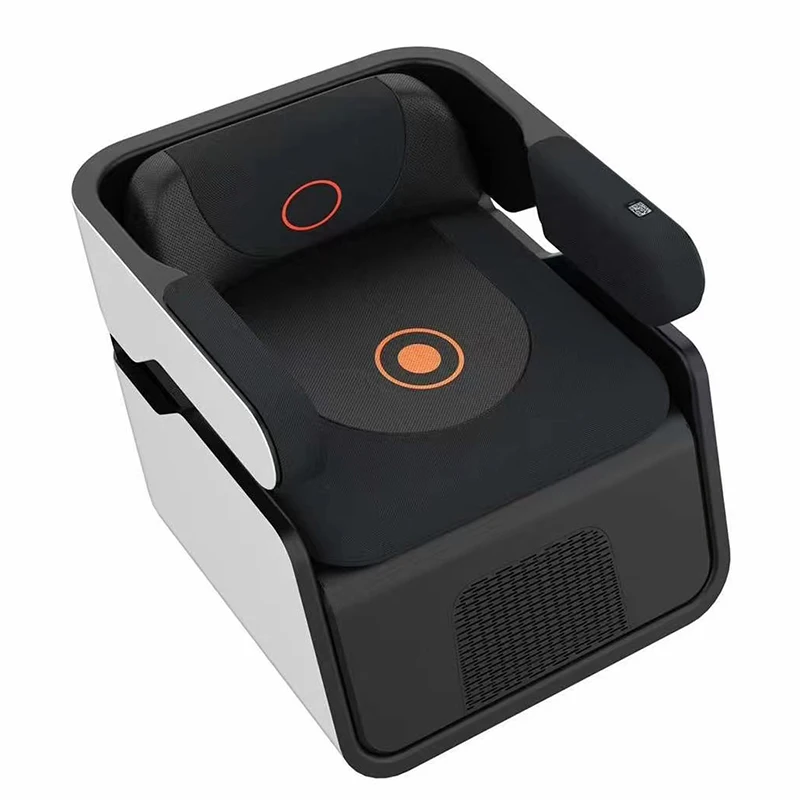
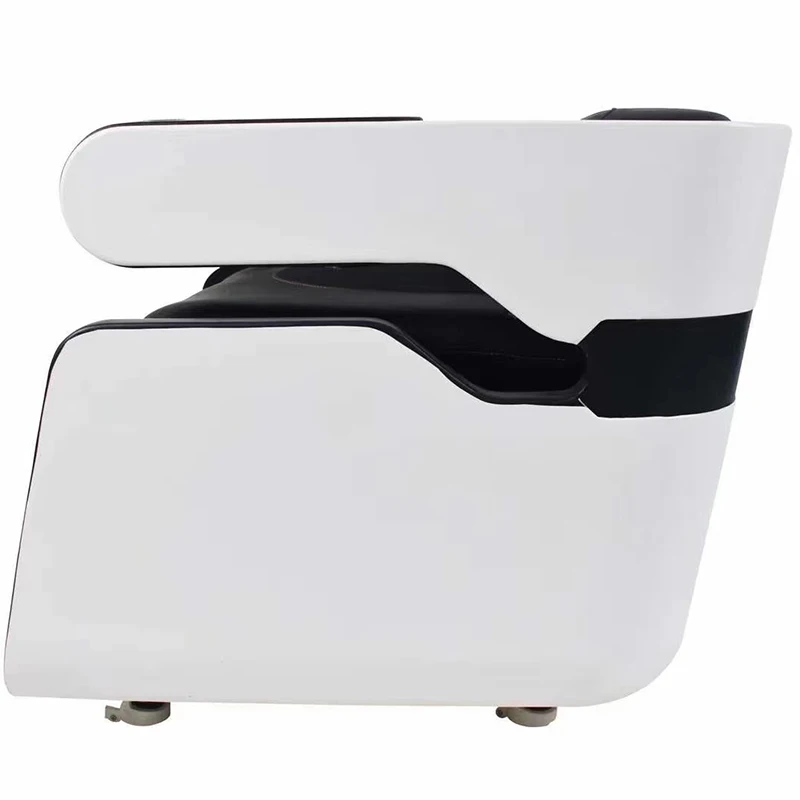
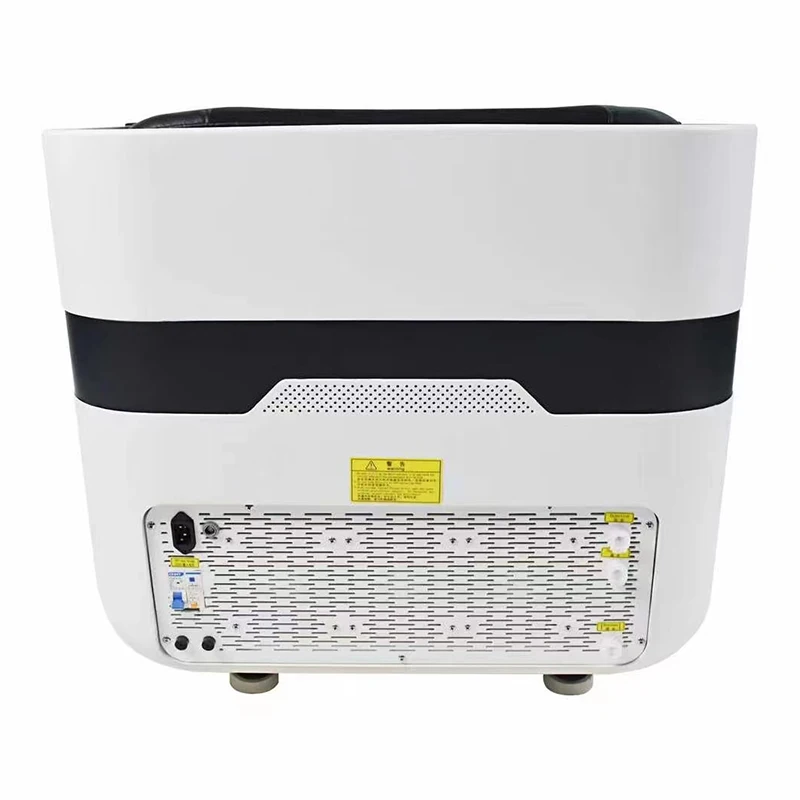
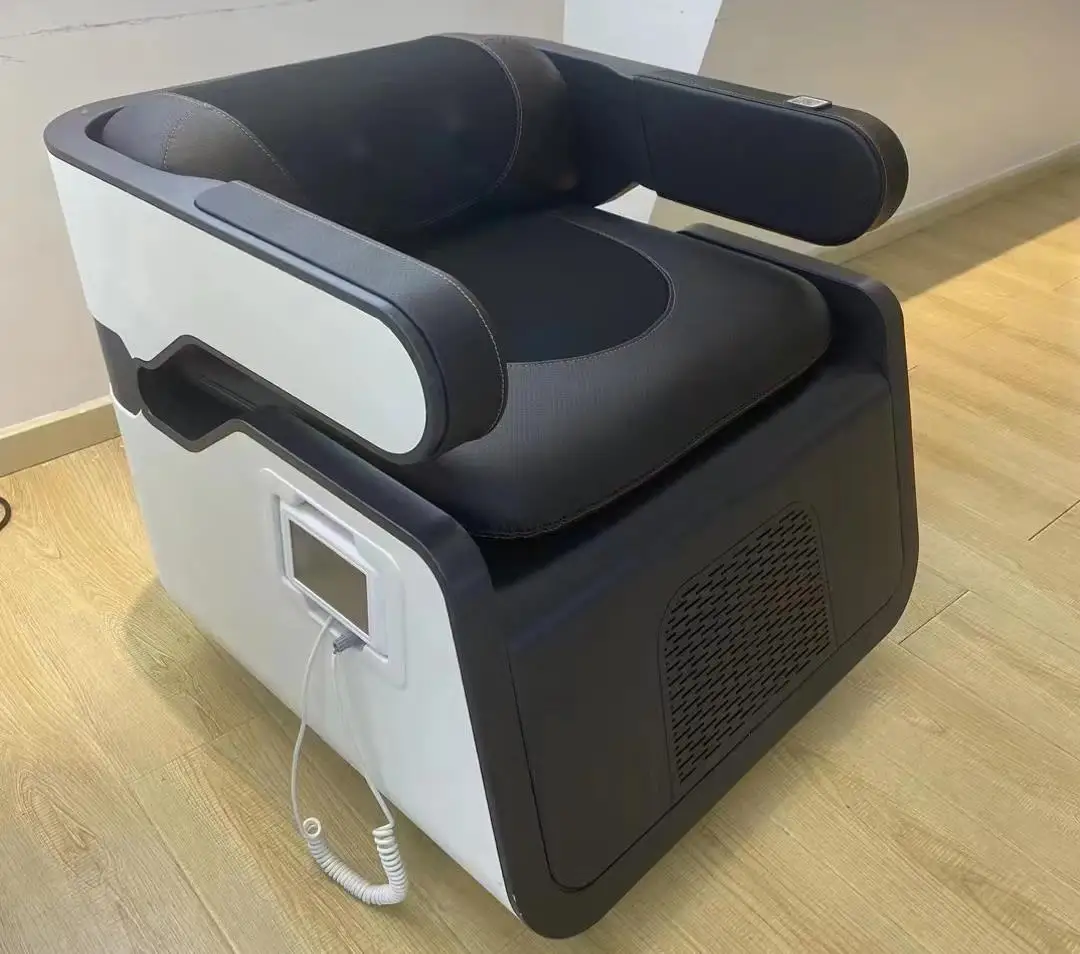
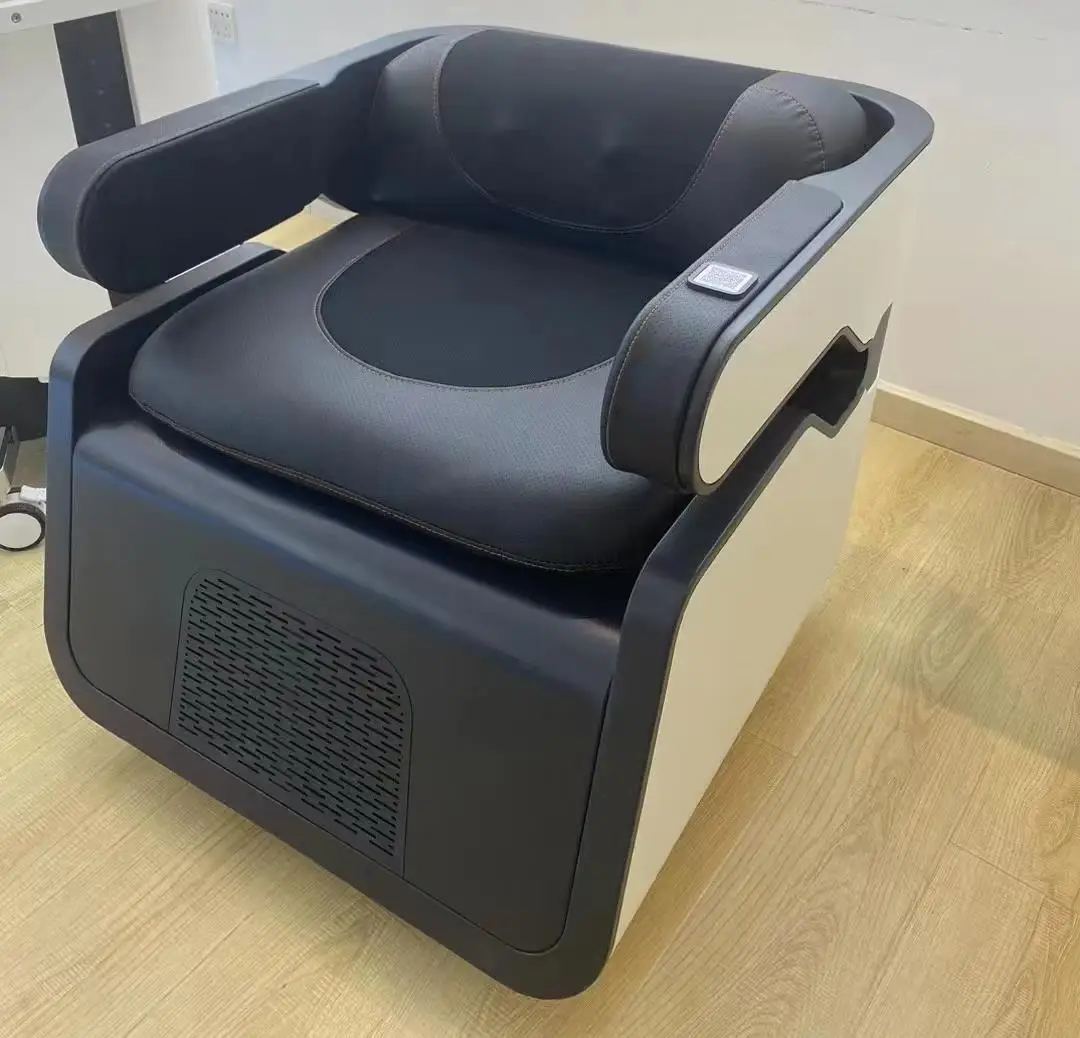
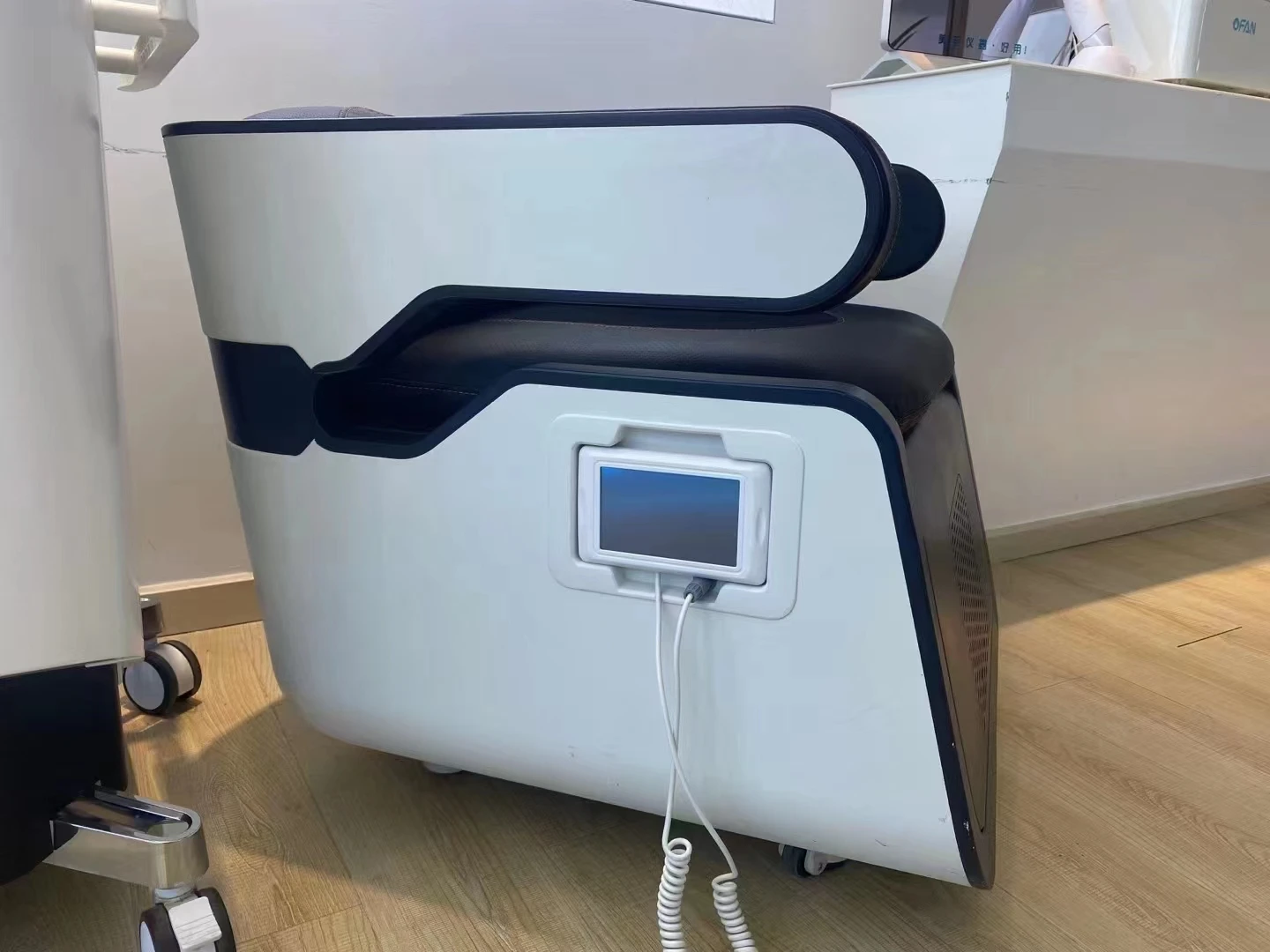
it can activate the pelvic floor muscle tissue, restore firmness, uterine prolapse, urinary incontinence, lower abdomen protrusion, front and rear wall bulge, wall looseness, lower abdomen drop, lower pelvic looseness, leakage of urine during coughing, sneezing or physical activity, strengthening Problems with pelvic floor muscles.
Features and Benefits
Pelvic floor muscle change degree
1. degree: no obvious physical discomfort, lower abdomen bloating, frequent urination,
2.degree: incomplete involution of the uterus, laxity, recurrent urinary tract infection,
3. degree: the pelvic organs are slightly sagging, decreased libido, urinary incontinence,occasional leakage of urine, pelvic
fluid,
4. degree: moderate to severe visceral sagging, frequent leakage of urine, recurrent gynecological diseases.
EMG is a collection of weak neuromuscular electrical signals. Surface EMG can be used as an early screening tool, reflecting the basic pelvic floor. Biomechanical ability Low EMG activity reflects hypotonic disease; high EMG activity reflects hypertonic disease. EMG signal IEMG is directly proportional to muscle strength. The greater the tension produced by the muscle, the greater the IEMG. Within a certain range, the EMG amplitude increases with the deepening of muscle fatigue.