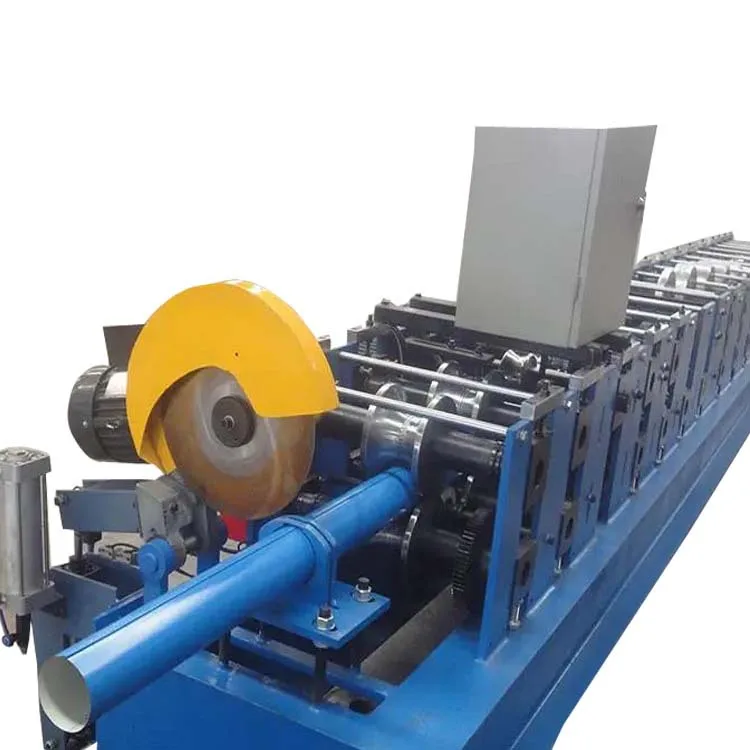
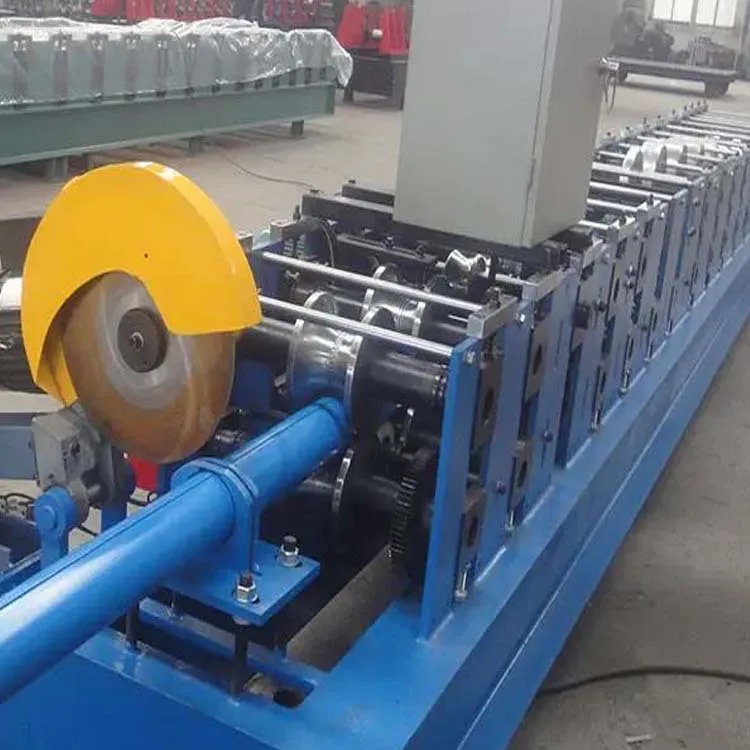
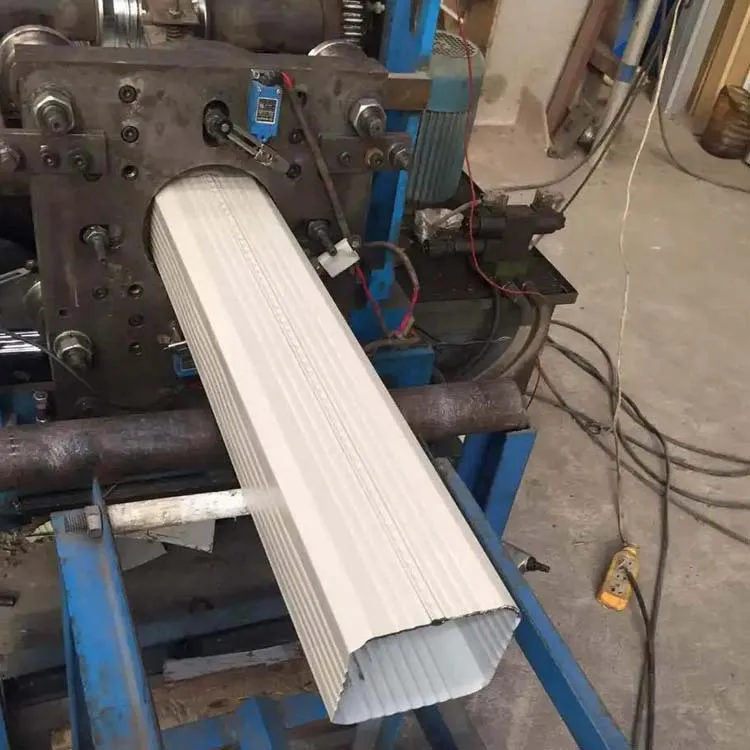
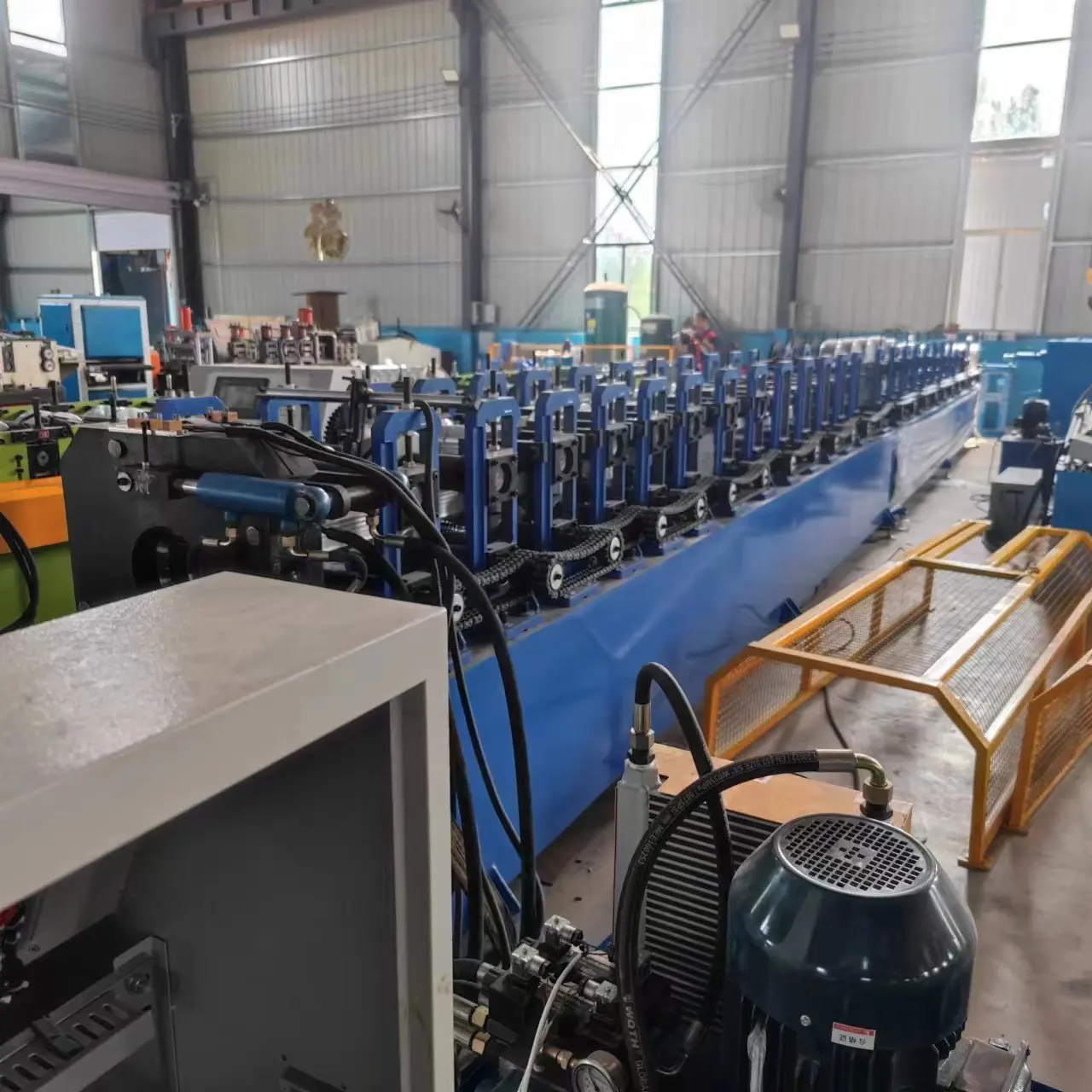
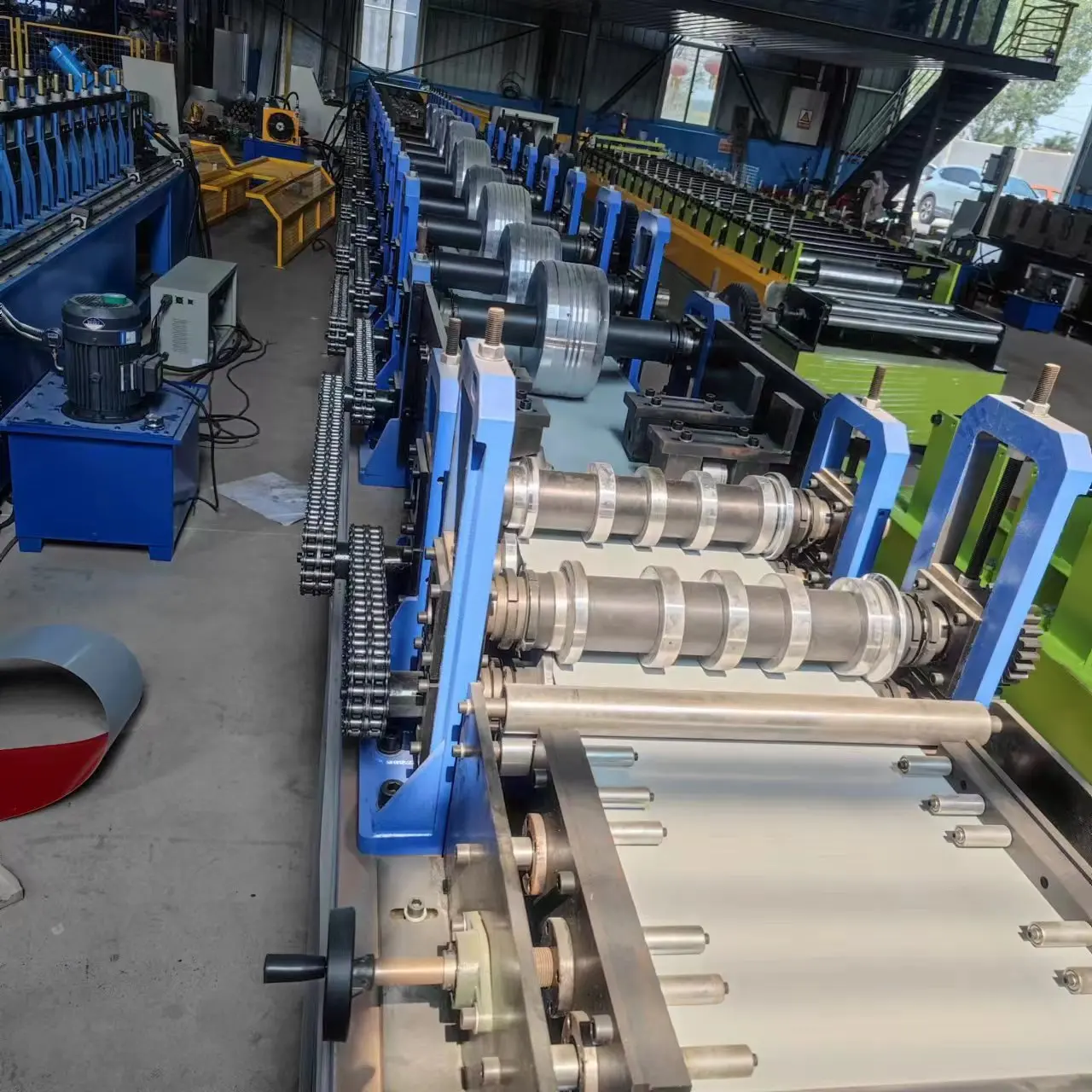
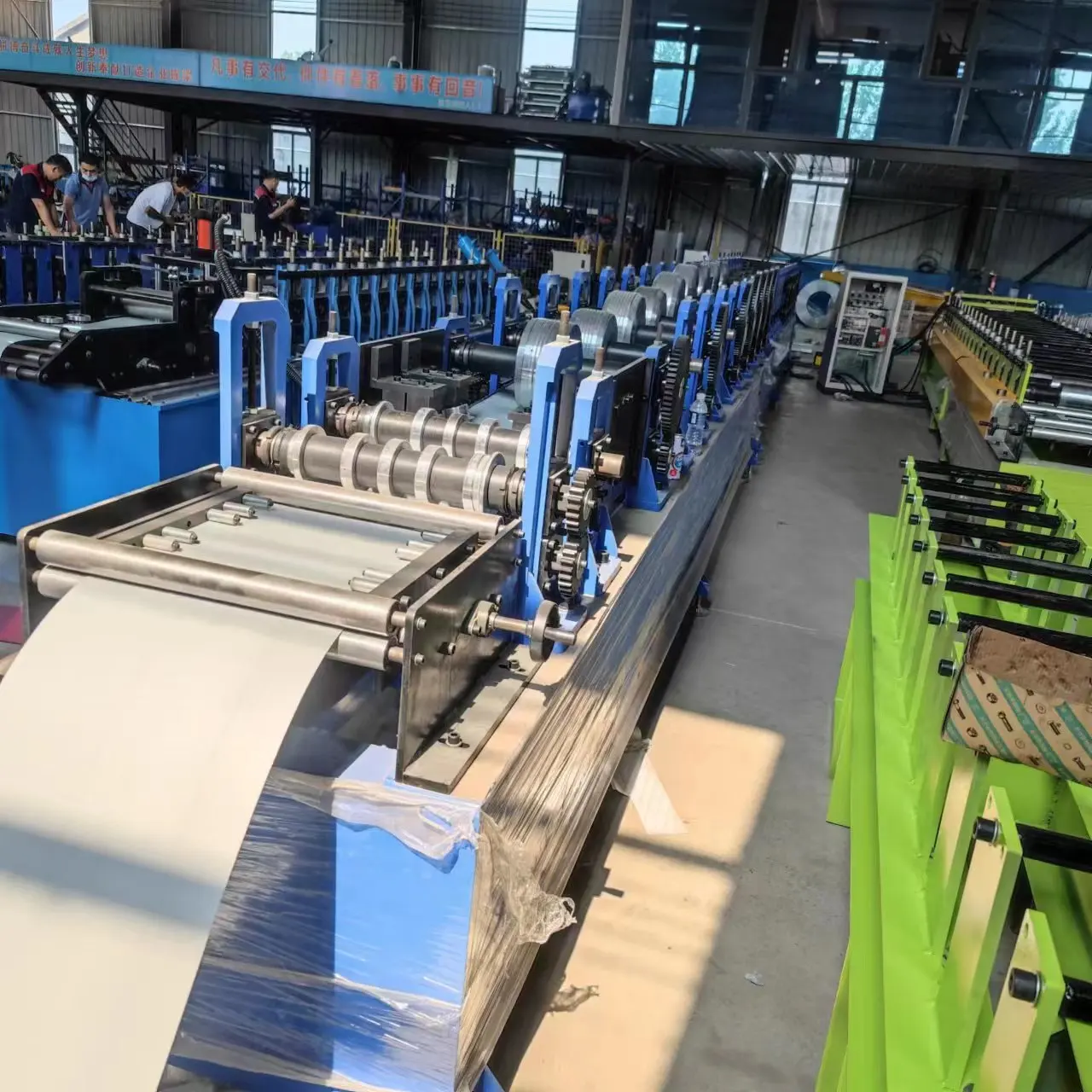
Full Automatic Rain Water Steel Downpipe Roll Forming Machine/water Falling Down Gutter Making Machines
- Category: >>>
- Supplier: Henan Austing Machinery Co. Ltd.
Share on (1600737824785):
Product Overview
Description
Products Description

Rainwater downpipe downspout tile making machinery
Downpipe is uesd for collect rainwater and guiding it to the pipe that set to the floor , it belongs to downcoming system.
Full automaticMetal Rain Gutter Machine
1. Sink material: Features: anti-corrosion, anti-oxidation, long service life, often new, and the service life can reach 30 years. Some manufacturers make sinks. In order to have an advantage in price competition, they use 202, 402, and stainless iron with less nickel. Although such materials will not cause quality problems in a short period of time, the surface of the sink will change color after long-term use, and it is easy to be damaged. corrosion. The high rate of contamination is not easy to clean and hygienic, and the air is easy to breed bacteria.
2. Welding process: The sink is divided into three types of welding, bottom welding, butt welding, and integral molding.
3. Sink depth: The basin depth of high-end sinks is about 18 to 24CM, and the depth of general sinks is below 18CM.
4. Surface treatment: generally divided into three types: sandblasting, wire drawing, and pearl silver surface.
5. Bottom surface spraying: generally divided into three methods: dry spraying, oil spraying and water spraying.
6. Automatic console control: generally divided into three types: pull type, push down type, and rotary type.
7. Double-layer flanging: generally divided into three types: large rounded single edge, right-angle flat edge, and small R-angle flanging.
8. Sewer fittings: Silver ion PP large-diameter drainage pipe, and the national standard sewer pipe must reach 50mm.
9. Patent trash can: generally divided into four types: above-the-counter, under-the-counter, underground, and sink.
2. Welding process: The sink is divided into three types of welding, bottom welding, butt welding, and integral molding.
3. Sink depth: The basin depth of high-end sinks is about 18 to 24CM, and the depth of general sinks is below 18CM.
4. Surface treatment: generally divided into three types: sandblasting, wire drawing, and pearl silver surface.
5. Bottom surface spraying: generally divided into three methods: dry spraying, oil spraying and water spraying.
6. Automatic console control: generally divided into three types: pull type, push down type, and rotary type.
7. Double-layer flanging: generally divided into three types: large rounded single edge, right-angle flat edge, and small R-angle flanging.
8. Sewer fittings: Silver ion PP large-diameter drainage pipe, and the national standard sewer pipe must reach 50mm.
9. Patent trash can: generally divided into four types: above-the-counter, under-the-counter, underground, and sink.
Application


Specification
Series | Detail | Parameter |
Decoiler | loading capacity | 3 Tons |
Inner diameter | 450-550 mm | |
Coil width | 400 mm | |
Main roll former | roller material | 45# steel with chromed treatment |
roller shaft material | 45# steel with quenched treatment | |
work speed | 8-15 m/min | |
machine structure | middel plate welded structure frame | |
work power | 4 kw | |
PLC control system | PLC brand | DElTA brand(also can change by your request) |
function | control the length and cutting quantity | |
Cutting system | cutting type | fly saw methord |
motor power | 3 kw | |
Run out table | strcuture | square pipe weled structure |


Related Product

Packaging & Shipping


Why Choose Us


Company Profile

FAQ
1:How can I choose the most suitable machines ?
A: Please tell me your specifications ,we can choose the best model for you , or you can choose the exact model .You can also send us the products drawing ,we will choose the most suitable machines for you .
6: What's the MOQ?
A: 1 set .(Only some low cost machines will be more than 1 set )
A: Please tell me your specifications ,we can choose the best model for you , or you can choose the exact model .You can also send us the products drawing ,we will choose the most suitable machines for you .
2: What's your main products of your company?
A: We specialized in all kinds of machines ,such as Roll Forming Machine, CNC Lathe Machine ,CNC Milling Machine ,Vertical Machining Center ,Lathe Machines ,Drilling Machine ,Radial Drilling Machine ,Sawing Machine ,Shaper machine and so on .
3: Where is our factory located? How can I visit there?
A : Our factory is located in Zhengzhou City , Henan Province, China. You are warmly welcomed to visit us.
4. What is your trade terms?
A : EXW, FOB, CFR and CIF all acceptable.
5: What's the Payment Terms ?
A : T/T ,30% initial payment when order ,70% balance payment before shipment ; Irrevocable LC at sight
A: We specialized in all kinds of machines ,such as Roll Forming Machine, CNC Lathe Machine ,CNC Milling Machine ,Vertical Machining Center ,Lathe Machines ,Drilling Machine ,Radial Drilling Machine ,Sawing Machine ,Shaper machine and so on .
3: Where is our factory located? How can I visit there?
A : Our factory is located in Zhengzhou City , Henan Province, China. You are warmly welcomed to visit us.
4. What is your trade terms?
A : EXW, FOB, CFR and CIF all acceptable.
5: What's the Payment Terms ?
A : T/T ,30% initial payment when order ,70% balance payment before shipment ; Irrevocable LC at sight
6: What's the MOQ?
A: 1 set .(Only some low cost machines will be more than 1 set )
We Recommend
New Arrivals
New products from manufacturers at wholesale prices