
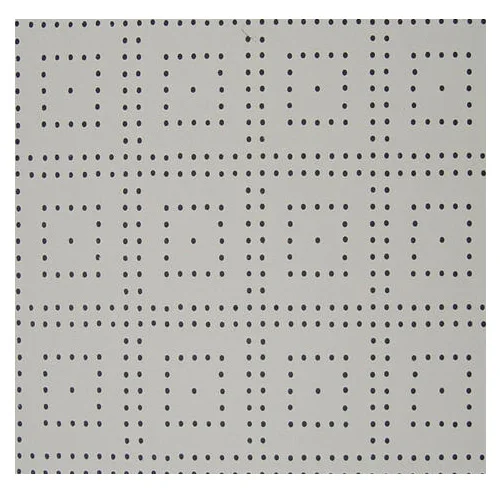
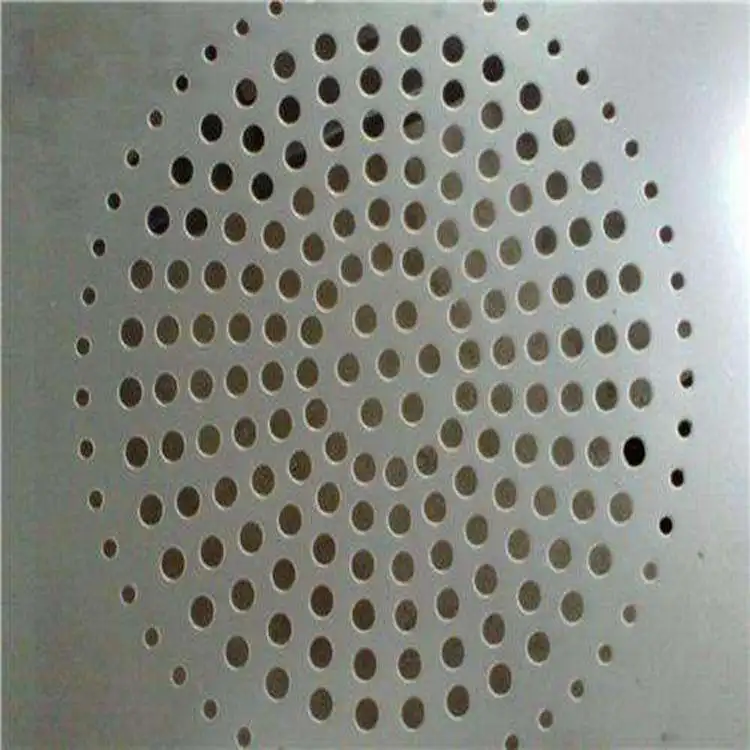
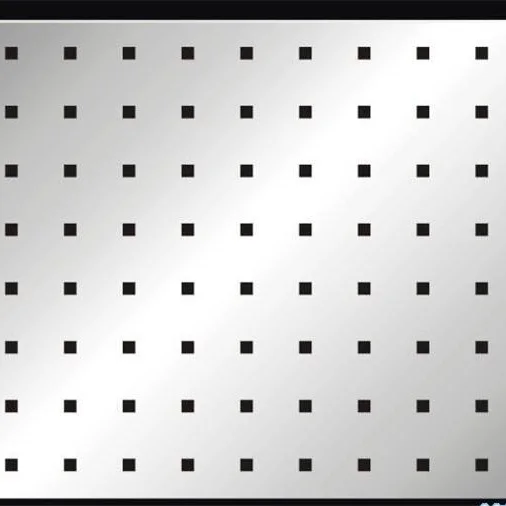
Aluminum /Stainless Steel 304 316 Micron Punched Hole Metal Mesh/ 1.2 3mm
- Category: >>>
- Supplier: Hebei Baidi Wire Mesh Products Co. Ltd.
Share on (1600748331089):
Product Overview
Description
Perforated Metal can take many shapes with numerous choices of perforations. The perforating process is perfectly adaptable to
provide surprisingly satisfying design solutions, enhancing the look as well as the performance. Perforated components make
products work better with holes that function several ways. Perforated metal parts work more efficiently because the perforating
process is so adaptable to the designer’s requirements for perforations and their placement, material specifications and the shape
of the finished part.
provide surprisingly satisfying design solutions, enhancing the look as well as the performance. Perforated components make
products work better with holes that function several ways. Perforated metal parts work more efficiently because the perforating
process is so adaptable to the designer’s requirements for perforations and their placement, material specifications and the shape
of the finished part.


Applications:
* Filters
* Guards
* Lighting Fixtures
* Acoustic Panels
* Shelving
* Food Processing
* Vents

PRODUCT DEFINITIONS, TERMS AND SPEC INFORMATION:
Perforated Metal
* Very versatile and functional depending on its shape opening and gauge and sixe
* Can be strong depending on gauge
* Can vent, screen and filter a variety of solids
* Is lightweight but durable
* Its openings can be chosen for optical requirements appealing to to variour architectural requirements
* Perforated Metal also helps to diffuse light and air. If manufacturing a product that needs to be lighter, for the right
product application, use perforated metal — metal sheet retains a high percentage of it’s strength after it’s perforated but
loses a lot of costly weight.
Perforated Metal
* Very versatile and functional depending on its shape opening and gauge and sixe
* Can be strong depending on gauge
* Can vent, screen and filter a variety of solids
* Is lightweight but durable
* Its openings can be chosen for optical requirements appealing to to variour architectural requirements
* Perforated Metal also helps to diffuse light and air. If manufacturing a product that needs to be lighter, for the right
product application, use perforated metal — metal sheet retains a high percentage of it’s strength after it’s perforated but
loses a lot of costly weight.

Important Terms for Perforated Metal:
* Perforations
* Round Perforations: Staggered (60 degree pattern) is standard.
* Variations include 45 degree staggered, and straight line pattern.
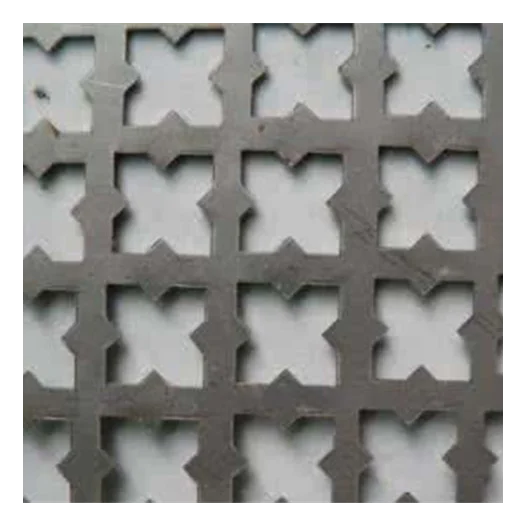
* Square Perforations: Staggered or straight line pattern.
* Slotted Perforations: Side staggered, end staggered, or straight lines.
* Slotted perforations will be round end slots; specify if square end slots are required.
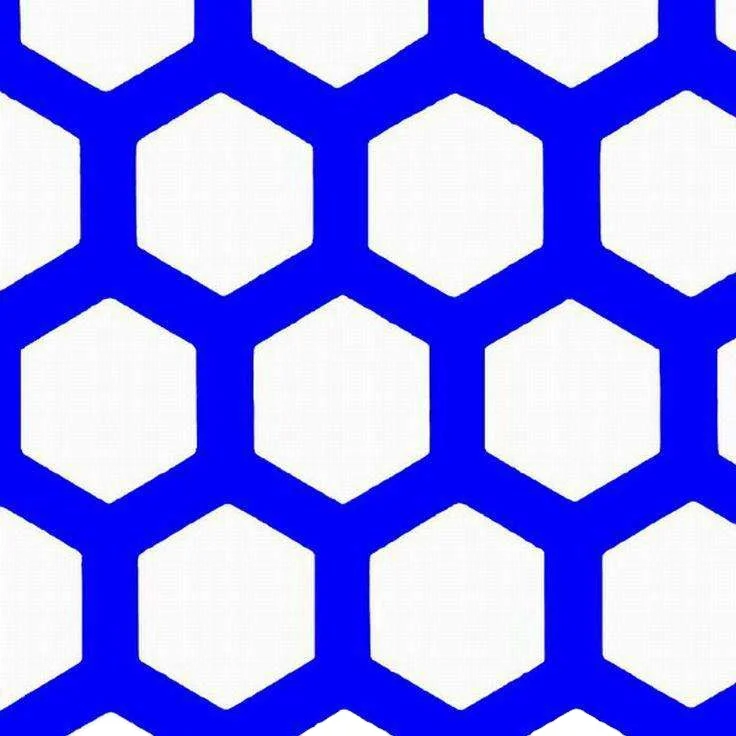
* Other Perforations: Available upon request.

Spacing Perforations
small perforations will be designated by either Centers, or Open Area, or if more practical, by the Number of Perforations to the
Square Inch.

Pattern of Perforations
* Staggered Perforations, both Round & Square: Direction of the stagger will normally be the short dimension of the sheet.
Straight row of hole is normally parallel to long dimension of sheet.
* Slotted Perforations: The long dimension of the slots can be furnished with either the width or length of the sheet in most cases.

Margins
* Perforated Stock Size Sheets & Plates: The long sides of the sheet will be supplied with minimum margins. The short sides of
the sheet will have either minimum margins or no margins.
* Sheets & Plates Re-sheared after Perforating: Special margins are available to specifications but they must carry a tolerance
within the limits of the perforating tool.
Unfinished end pattern is standard in the industry.

Flatness of Sheets & Plates
In the majority of requirements, perforated sheets or plates can be furnished to AISI flatness tolerances. Before ordering any of
the following special requirements, discuss then with our sales department:
* Perforated sheets with extra wide margins.
* Blank areas required within the perforated area.
* Perforated sheets with very large percentage of open area.
* Heavy gage metal in relation to the size of the perforation.
* Special alloys.
* Stretcher leveled sheets.

Guidelines for Minimum Hole Size/Minimum Bar Width
1-to-1 ratio, the higher the probability of tool failure and the greater the precautions necessary to avoid it. Modifications can
be made in certain instances at additional costs. For stainless steels and similar higher strength materials, it is preferable to
specify at least three thickness gauges thinner than hole diameter.
The same general rule applies to bar width. The bar width should be greater than material thickness because of the increased
number of punches and therefore, increased perforation tonnage. The bar width can be adjusted at increased costs.


FAQ
Q: How can I know about the producing progress of my products? A: We can provide the pictures of producing and loading to let you
know which step is your product in of the progress. Q: Can we be in touch smoothly? A: ALL of the inquiries will be replied less
than 6 hours, if you have any questions, please feel free to contact me. Q: What is your company's advantage? A: We can provide
high quality, reasonable and competitive price of the goods and on time delivery to you. Q:How do you define your customers?
A:They are not only our customers, but also our partners, we will work together to develop, win-win cooperation. Q:Do you sell
products only? A:Yes, we sell products, but we not only sell products, we also provide services, we have a comprehensive
after-sales service system. Q: Do you provide sample? A: The samples are provided free, but the customer need to pay the postage.
Once the customer placed order, we will deduct the postage from the payment. Q: How long would it take to produce a sample? A: 1-3
days after receiving the postage or get the postage collect account. Q: What information should I provide, if I want the lowest
quotation? A: The specifications of the products, such as weight, size, color, package and quantity. Q: What is the MOQ? A: If our
stock meet your inquiry, the MOQ has no limited. If the products is customized,then we can discuss the MOQ.
We Recommend
New Arrivals
New products from manufacturers at wholesale prices