

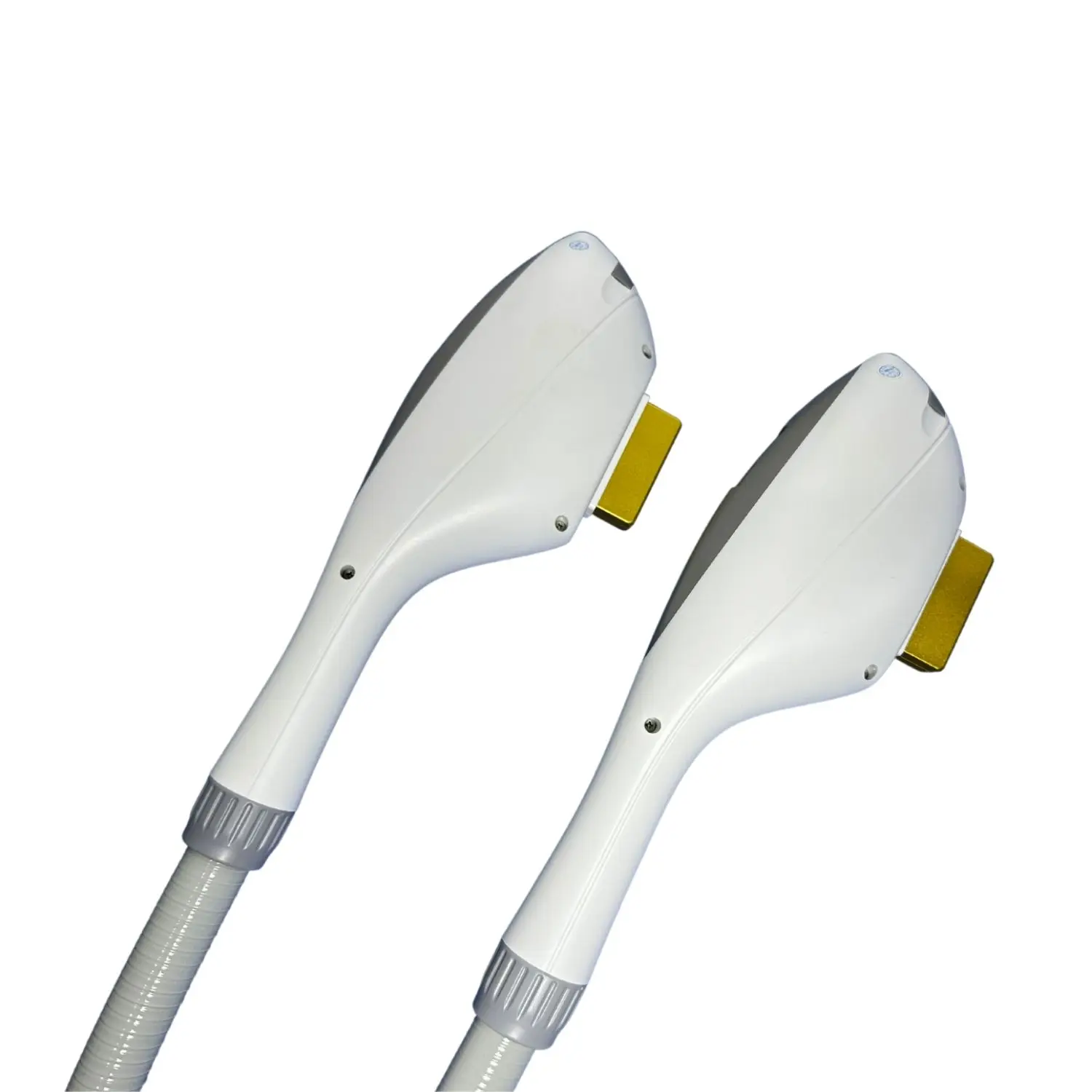

2023 ipl hair removal machine permanent painless for beauty salon ipl hair removal machine
- Category: >>>
- Supplier: Beijing Navilaser Technology Co. ltd.
Share on (1600791734839):
Product Overview
Description

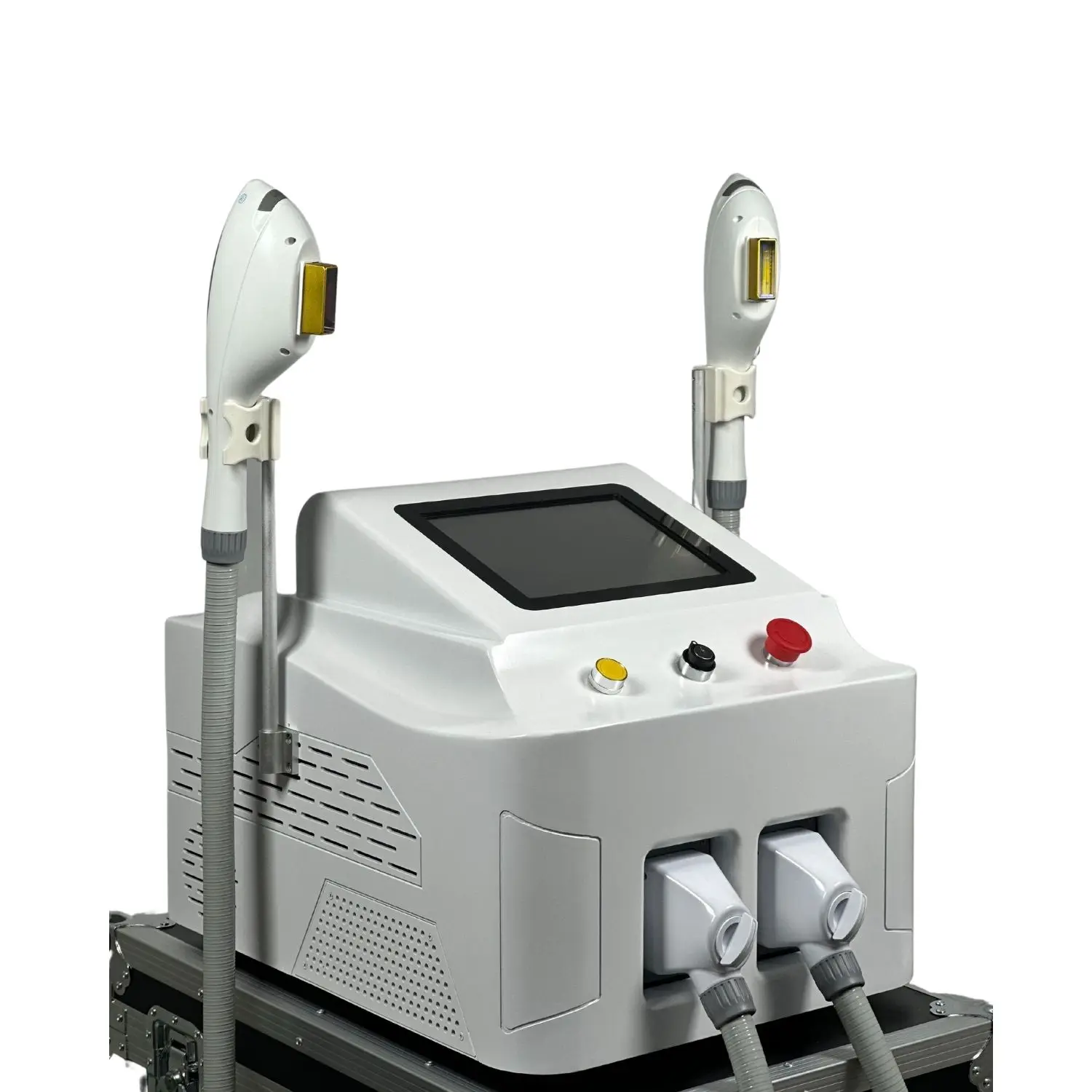
IPL Dual handle skin rejuvenation and fast hair removal


IPL (Intense Pulsed Light) aesthetic machines have several advantages when it comes to treating a variety of skin conditions. Some of the key advantages include:
Versatility: IPL machines can treat a wide range of skin conditions, including hair removal, acne, rosacea, hyperpigmentation, and spider veins, among others. This versatility makes them an attractive option for both patients and clinicians.
Non-invasive: Unlike many other aesthetic treatments, IPL is a non-invasive procedure, meaning that it does not require any incisions or injections. This makes it a more comfortable and convenient option for patients, with little to no downtime required.
Quick treatment times: IPL treatments are typically quite fast, with most sessions taking only 20-30 minutes. This means that patients can fit treatments into their busy schedules without too much disruption.
Long-lasting results: Many patients experience long-lasting results after IPL treatment, with some conditions being permanently resolved after a few sessions.
Customizable settings: IPL machines can be adjusted to deliver specific wavelengths of light, making them highly customizable to the individual needs of each patient.
Minimal side effects: While some patients may experience mild side effects such as redness or swelling, these usually subside quickly and are much less severe than those associated with more invasive procedures.
Overall, IPL machines offer a safe, effective, and versatile option for treating a wide range of skin conditions, with minimal discomfort and downtime.
Versatility: IPL machines can treat a wide range of skin conditions, including hair removal, acne, rosacea, hyperpigmentation, and spider veins, among others. This versatility makes them an attractive option for both patients and clinicians.
Non-invasive: Unlike many other aesthetic treatments, IPL is a non-invasive procedure, meaning that it does not require any incisions or injections. This makes it a more comfortable and convenient option for patients, with little to no downtime required.
Quick treatment times: IPL treatments are typically quite fast, with most sessions taking only 20-30 minutes. This means that patients can fit treatments into their busy schedules without too much disruption.
Long-lasting results: Many patients experience long-lasting results after IPL treatment, with some conditions being permanently resolved after a few sessions.
Customizable settings: IPL machines can be adjusted to deliver specific wavelengths of light, making them highly customizable to the individual needs of each patient.
Minimal side effects: While some patients may experience mild side effects such as redness or swelling, these usually subside quickly and are much less severe than those associated with more invasive procedures.
Overall, IPL machines offer a safe, effective, and versatile option for treating a wide range of skin conditions, with minimal discomfort and downtime.
Product Description

Standard filters | 430 Acne Removal / 480 Whitening & Wrinkle Removal / 530 Freckle removal and skin Rejuvenation /640 Hair Removal / 590 Red Blood Removal / 560 Freckle removal and skin Rejuvenation |
Light Source | UK lamp Intense pulsed Light |
IPL energy | 10-50j/cm2 |
Spot size | 15*50mm/15*50mm |
Frequency | 1-10Hz |
Pulse width | 1-10ms |
Screen size | 12.1 inches |
Voltage | AC220V±10%,10A;50HZ AC110V±10%10A,60HZ |
Light conduction | Saphire coupling |
Frequency | 1-10Hz |
Big spot size 15mm*50mm Dual handles
UK lamp 1 million shots
Advanced contact cooling system
Certifications

Company Profile

FAQ

Q: What is IPL technology?
A: IPL stands for Intense Pulsed Light, and it is a type of light-based therapy used in cosmetic treatments. It uses a broad spectrum of light to target specific structures in the skin, such as pigmented spots or blood vessels.
Q: What can IPL be used for?
A: IPL can be used for a variety of cosmetic treatments, including hair removal, skin rejuvenation, treating acne, reducing the appearance of pigmented spots or sun damage, and treating vascular lesions like spider veins.
Q: How does IPL hair removal work?
A: IPL hair removal works by using light energy to target the pigment in hair follicles. The heat from the light energy damages the hair follicle, inhibiting hair growth. Over time, the hair falls out and does not grow back.
Q: Is IPL safe?
A: IPL is generally considered safe when performed by a trained professional using appropriate settings for the patient's skin type and condition. However, as with any medical procedure, there is always a risk of complications, such as burns, blisters, or scarring.
Q: How many IPL treatments are needed to see results?
A: The number of treatments needed will depend on the individual and the specific treatment being performed. Generally, multiple treatments are needed, spaced several weeks apart, to achieve the desired results.
Q: Does IPL hurt?
A: IPL treatments can be uncomfortable, with some patients describing a sensation similar to a rubber band snapping against the skin. However, the discomfort is generally tolerable and can be minimized with topical numbing cream.
Q: What should I do to prepare for an IPL treatment?
A: Before an IPL treatment, it is important to avoid sun exposure and tanning, as well as any topical products that may irritate the skin. It is also recommended to shave the treatment area beforehand and avoid any other hair removal methods that may disturb the hair follicle, such as waxing or plucking.
Q: What is the recovery time after an IPL treatment?
A: The recovery time will depend on the specific treatment and the individual's skin type and condition. Some patients may experience redness, swelling, or mild discomfort for a few days after treatment. It is important to avoid sun exposure and protect the treated area with sunscreen during the healing process.
A: IPL stands for Intense Pulsed Light, and it is a type of light-based therapy used in cosmetic treatments. It uses a broad spectrum of light to target specific structures in the skin, such as pigmented spots or blood vessels.
Q: What can IPL be used for?
A: IPL can be used for a variety of cosmetic treatments, including hair removal, skin rejuvenation, treating acne, reducing the appearance of pigmented spots or sun damage, and treating vascular lesions like spider veins.
Q: How does IPL hair removal work?
A: IPL hair removal works by using light energy to target the pigment in hair follicles. The heat from the light energy damages the hair follicle, inhibiting hair growth. Over time, the hair falls out and does not grow back.
Q: Is IPL safe?
A: IPL is generally considered safe when performed by a trained professional using appropriate settings for the patient's skin type and condition. However, as with any medical procedure, there is always a risk of complications, such as burns, blisters, or scarring.
Q: How many IPL treatments are needed to see results?
A: The number of treatments needed will depend on the individual and the specific treatment being performed. Generally, multiple treatments are needed, spaced several weeks apart, to achieve the desired results.
Q: Does IPL hurt?
A: IPL treatments can be uncomfortable, with some patients describing a sensation similar to a rubber band snapping against the skin. However, the discomfort is generally tolerable and can be minimized with topical numbing cream.
Q: What should I do to prepare for an IPL treatment?
A: Before an IPL treatment, it is important to avoid sun exposure and tanning, as well as any topical products that may irritate the skin. It is also recommended to shave the treatment area beforehand and avoid any other hair removal methods that may disturb the hair follicle, such as waxing or plucking.
Q: What is the recovery time after an IPL treatment?
A: The recovery time will depend on the specific treatment and the individual's skin type and condition. Some patients may experience redness, swelling, or mild discomfort for a few days after treatment. It is important to avoid sun exposure and protect the treated area with sunscreen during the healing process.

We Recommend
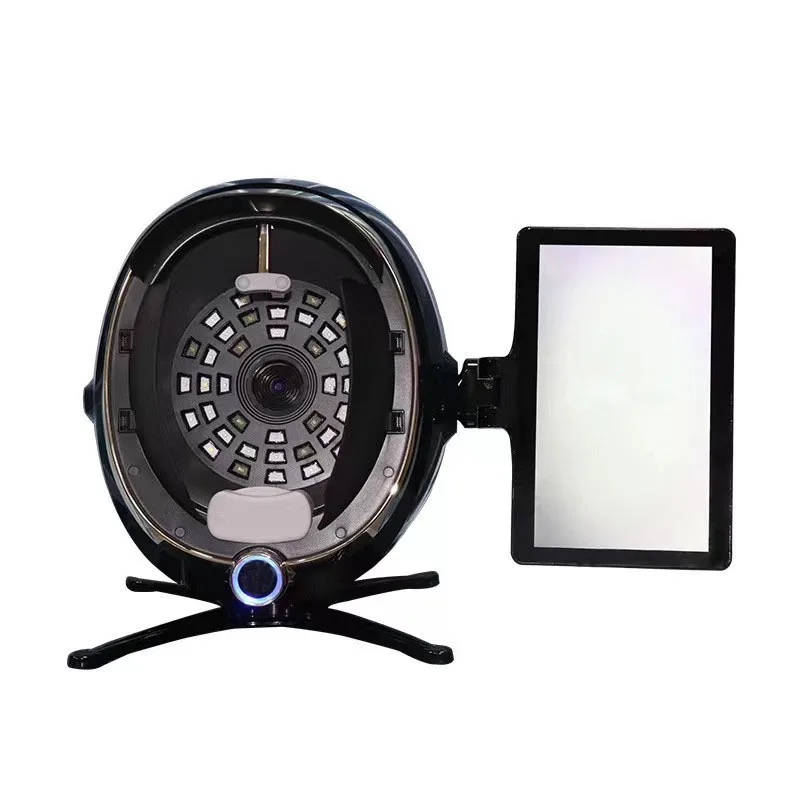
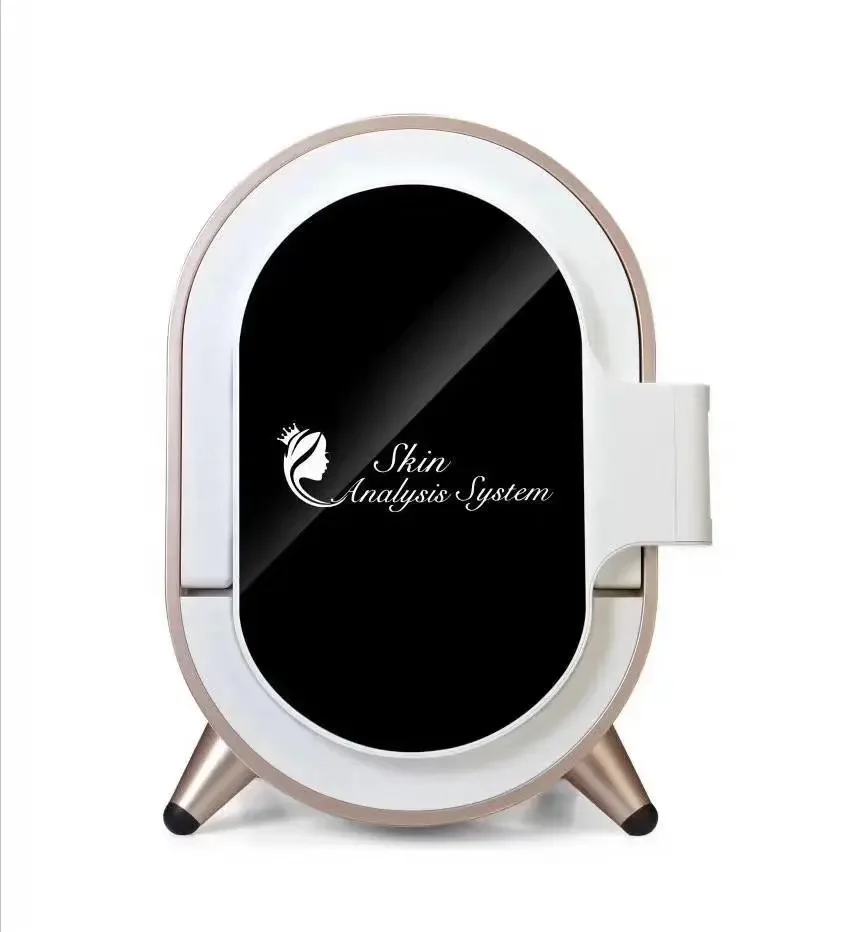
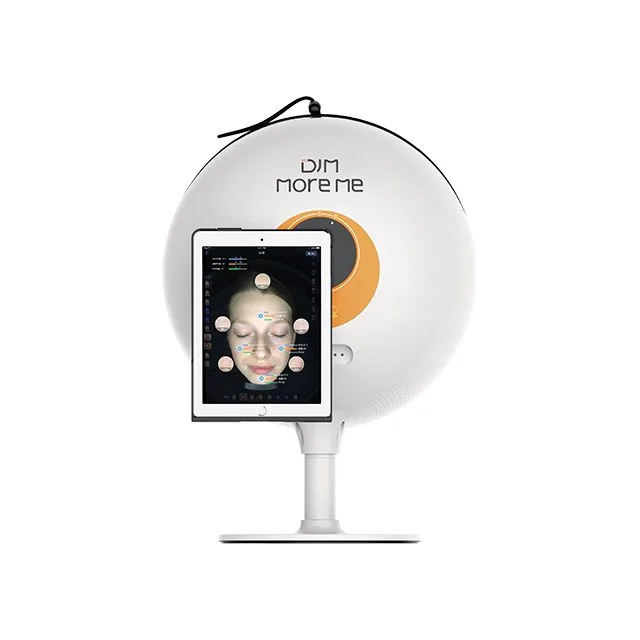
Digital Camera Best Portable Skin Analyzer / Visia Skin Analysis Machine
$1,399.00-1,499.00
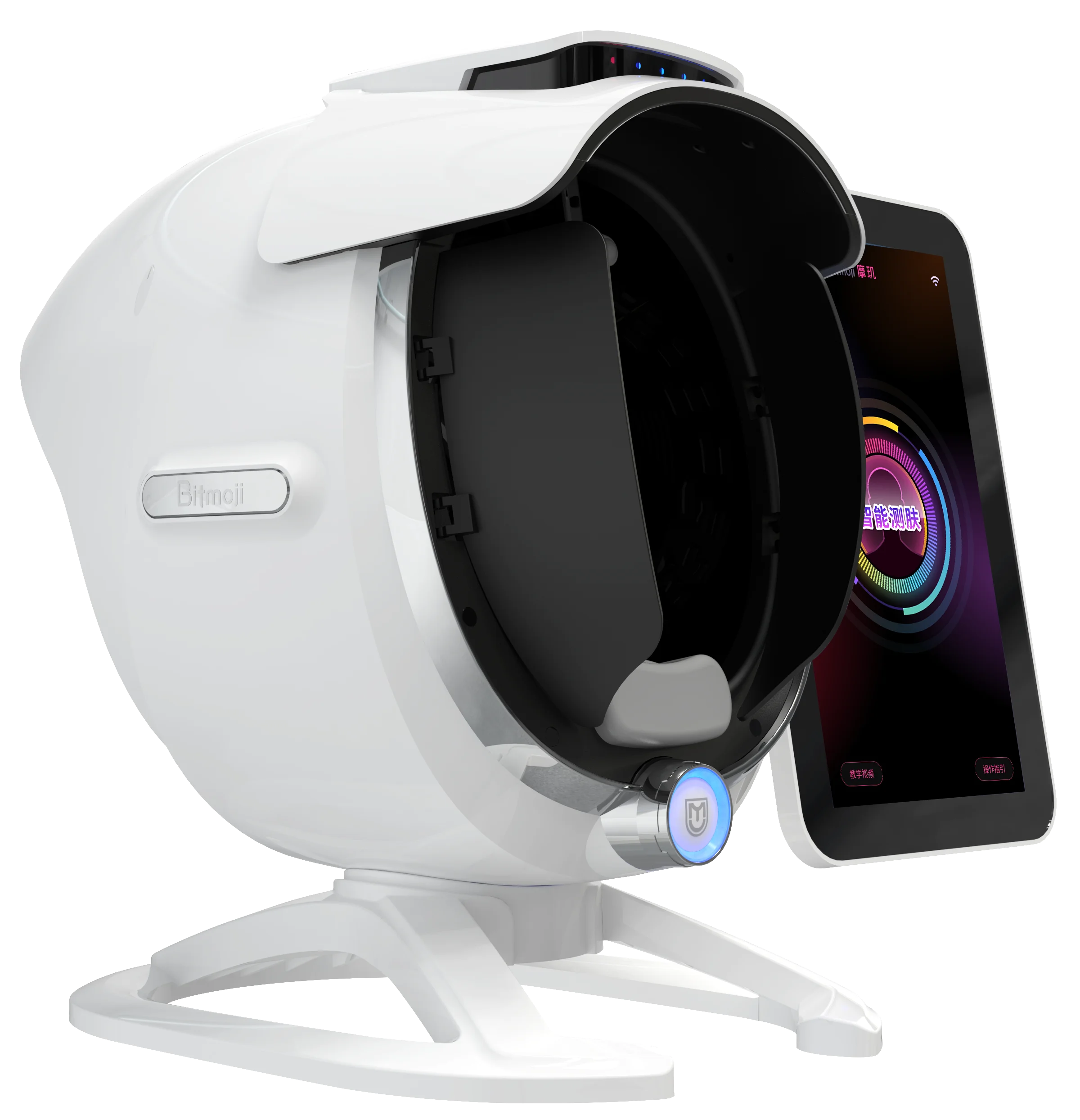
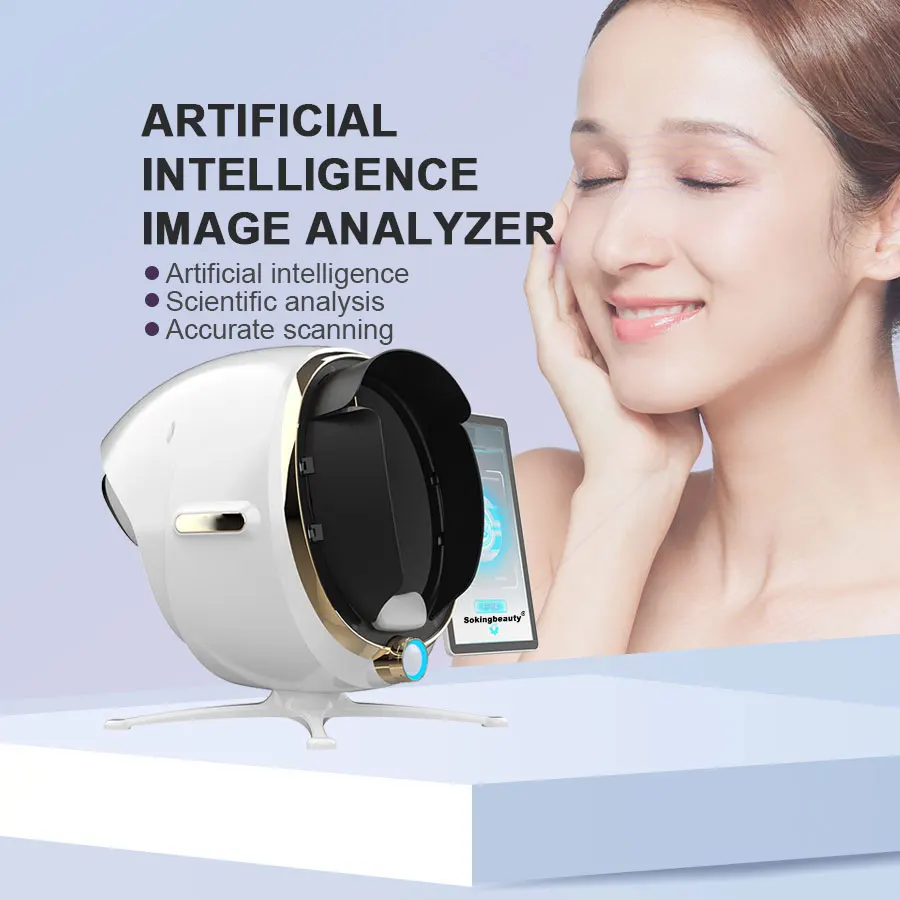
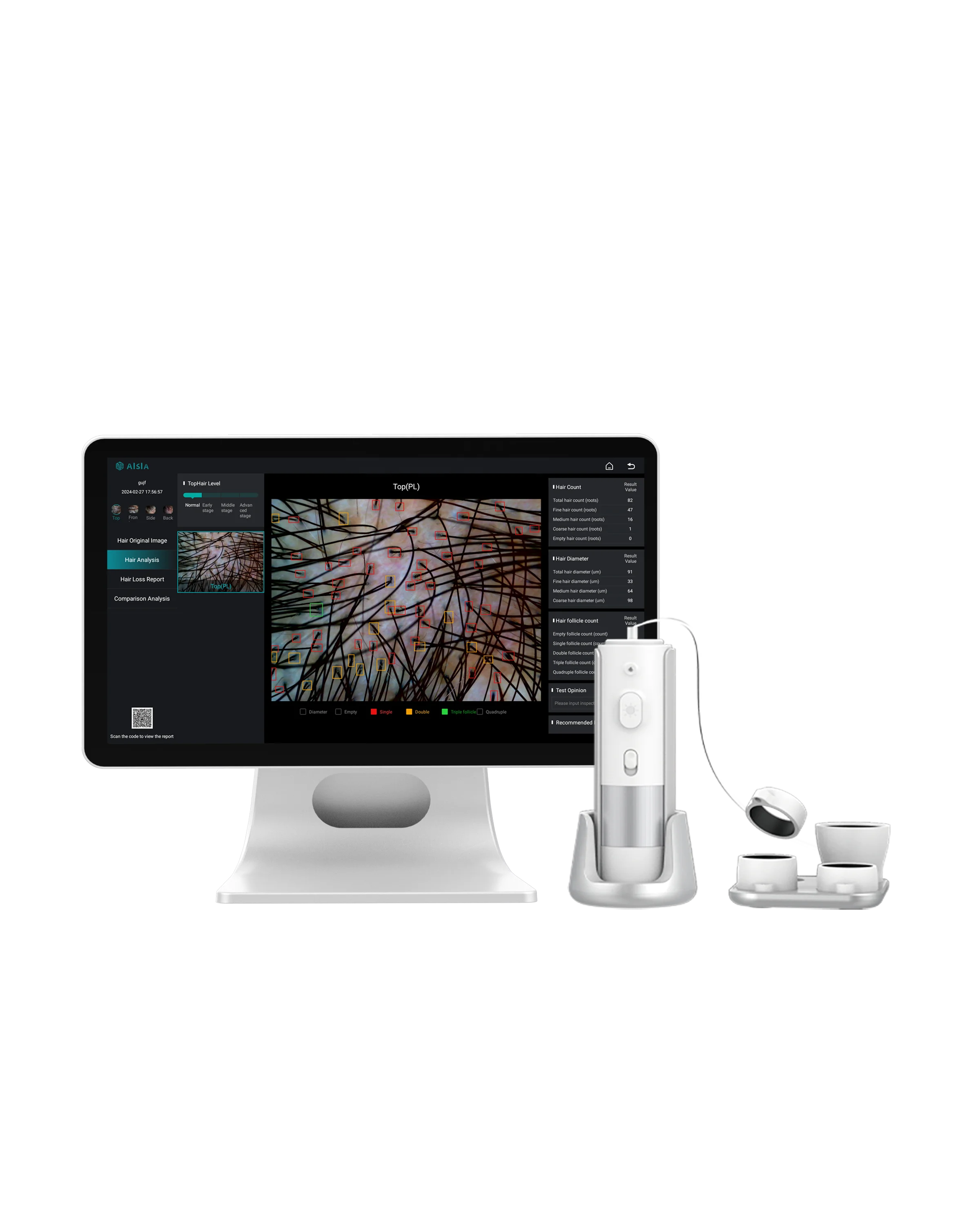
3D Topography Technology Facial Machine with Skin Analyzer
$780.00-1,500.00
New Arrivals
New products from manufacturers at wholesale prices