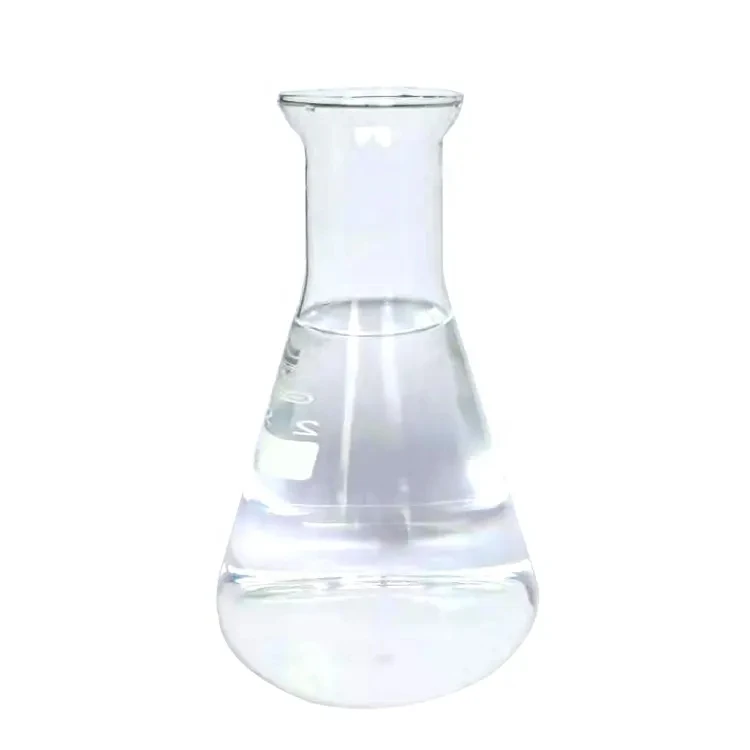
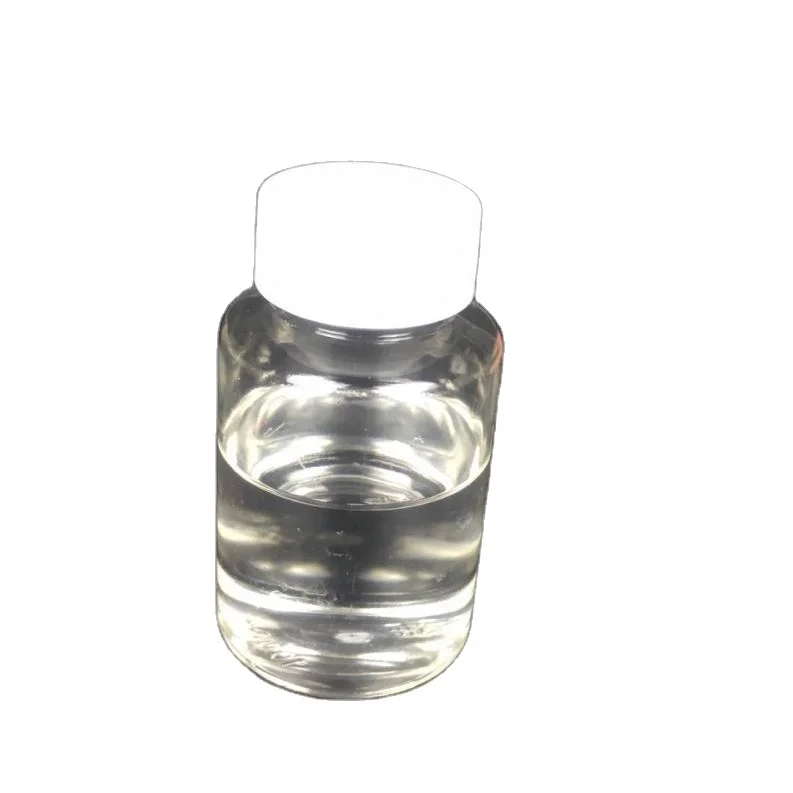
MPG monopropylene glycol price mono propylene glycol food grade mono propylene glycol USP
- Category: >>>
- Supplier: Shanghai Jiujie Chemical Co. Ltd.
Share on (1600799514536):
Product Overview
Description
Specification
item | value |
Classification | Alcohol |
CAS No. | 57-55-6 |
Other Names | MPG |
MF | C3H8O2 |
EINECS No. | 200-338-0 |
Place of Origin | China |
Shanghai | |
Grade Standard | Electron Grade, Food Grade |
Purity | 99.5%min |
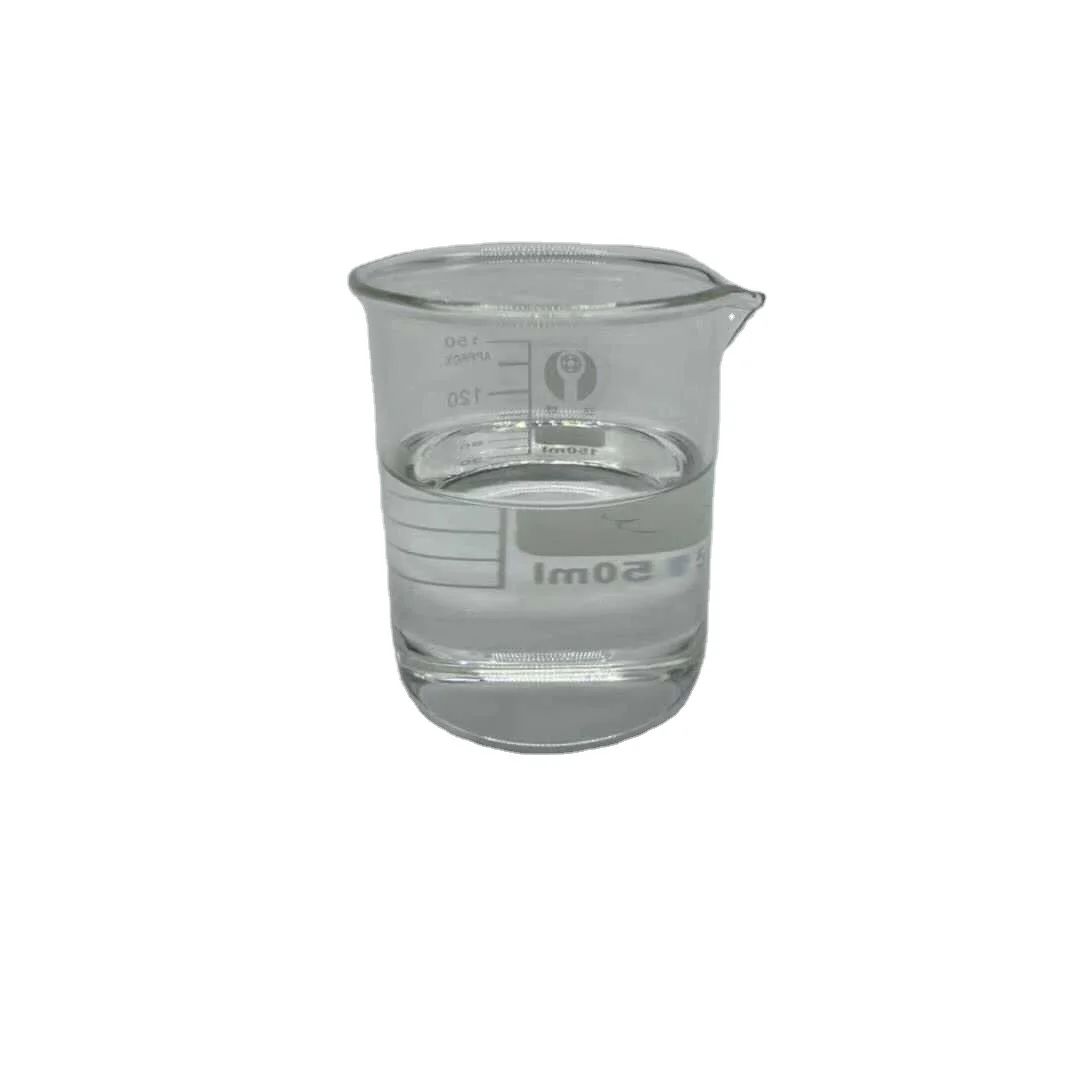
Appearance | Colorless Transparent Liquid |
Application | Hygroscopic agent, antifreeze |
Brand Name | JIU JIE |
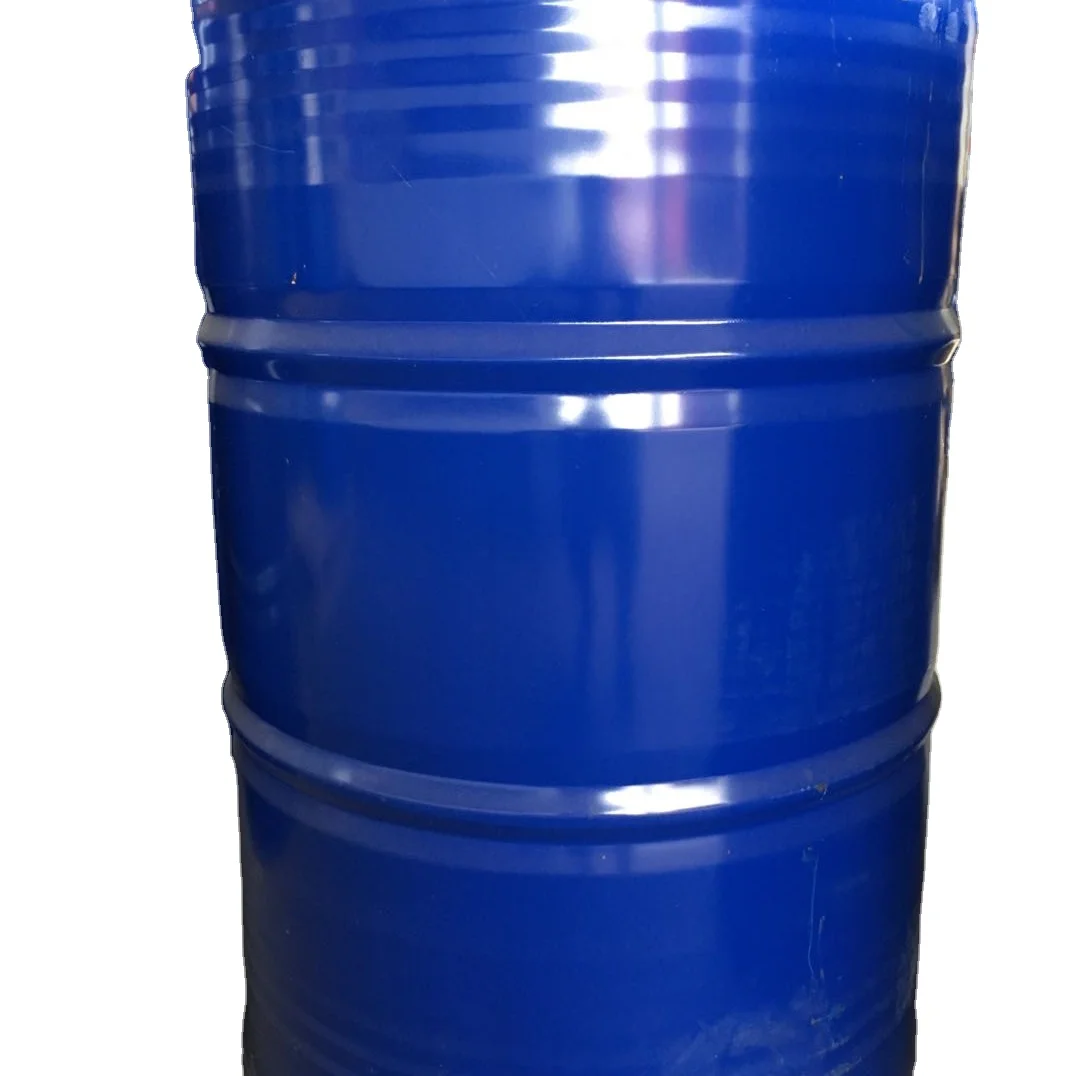
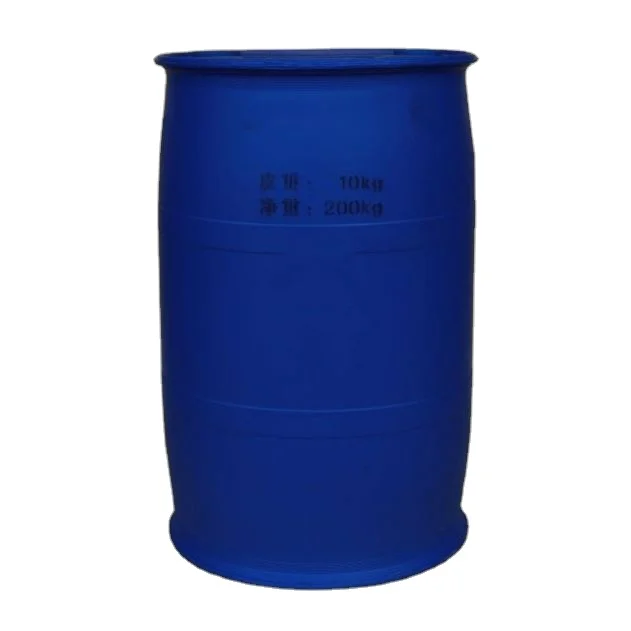
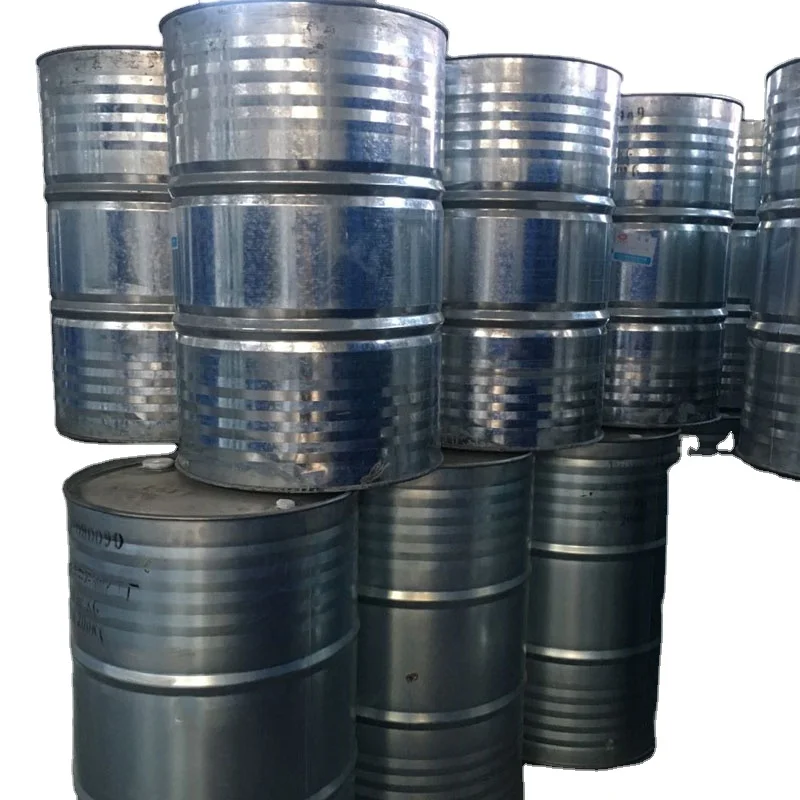
Package | 200kg/drum |
Density | 1.0362 |
Refractive index | 1.4329 |
Viscosity | 56.0 |
Flash point | 98.9 |
Ignition point | 421.1 ℃ |
MOQ | 500kg |
Certificate | COA |
Shelf life | 24 Months |
DELIVERY | Within 7-15 Days |

Product function:
1. Two glycols are important raw materials for unsaturated polyesters, epoxy resins, polyurethane resins, plasticizers, and surfactants, which account for about 45% of the total consumption of propylene glycol. This unsaturated polyester Lots of Xu surface coatings and reinforced plastics. Propylene glycol has good viscosity and hygroscopicity, and is used as a hygroscopic agent, antifreeze, lubricant and solvent in the food, pharmaceutical and cosmetic industries. In the food industry, propylene glycol reacts with fatty acids to form propylene glycol fatty acid ester, which is mainly used as a food emulsifier; propylene glycol is an excellent solvent for seasonings and pigments. Due to its low toxicity, it is used as a solvent for spices and pigments in the food industry. Propanol is often used in the pharmaceutical industry as a solvent, softener and excipient for the manufacture of various ointments and ointments, and as a solvent for blending agents, preservatives, ointments, vitamins, and penicillin in the pharmaceutical industry. Because propylene glycol has good miscibility with various spices, it is also used as a solvent and softener for cosmetics. Propylene glycol is also used as a tobacco moisturizer, repellant, lubricant for food processing equipment, and a solvent for food marking inks. Propylene glycol in water is an antifreeze. It is also used as tobacco wetting agent, anti-corrosion agent, fruit ripening preservative, antifreeze and heat carrier, etc.
2. Used in organic synthesis, as a solvent, dehydrating agent, plasticizer, antifreeze, and gas chromatography stationary liquid.
3. Commonly used organic synthetic raw materials for the manufacture of unsaturated polyester resins. It can also be used as an emulsifier, preservative, and antifreeze. It is also used in the manufacture of alkyd resins, propylene glycol, plasticizers, surfactants and lubricants. Because of its good hygroscopicity and low toxicity, it is used in the pharmaceutical industry as a solvent for blending agents, preservatives, ointments, ointments, pills and vitamins, as well as softeners and excipients. In the food industry, it is used as a solvent for spices, seasonings and pigments. It is also used as a tobacco humidifier, antifungal agent, fruit ripening preservative, paint film-forming aid, antifreeze agent and heat transfer medium, etc. It is also often used as a substitute for ethanol and glycerin, and can be used as a wetting agent in combination with glycerin or sorbitol in toothpaste and cosmetics.
1. Two glycols are important raw materials for unsaturated polyesters, epoxy resins, polyurethane resins, plasticizers, and surfactants, which account for about 45% of the total consumption of propylene glycol. This unsaturated polyester Lots of Xu surface coatings and reinforced plastics. Propylene glycol has good viscosity and hygroscopicity, and is used as a hygroscopic agent, antifreeze, lubricant and solvent in the food, pharmaceutical and cosmetic industries. In the food industry, propylene glycol reacts with fatty acids to form propylene glycol fatty acid ester, which is mainly used as a food emulsifier; propylene glycol is an excellent solvent for seasonings and pigments. Due to its low toxicity, it is used as a solvent for spices and pigments in the food industry. Propanol is often used in the pharmaceutical industry as a solvent, softener and excipient for the manufacture of various ointments and ointments, and as a solvent for blending agents, preservatives, ointments, vitamins, and penicillin in the pharmaceutical industry. Because propylene glycol has good miscibility with various spices, it is also used as a solvent and softener for cosmetics. Propylene glycol is also used as a tobacco moisturizer, repellant, lubricant for food processing equipment, and a solvent for food marking inks. Propylene glycol in water is an antifreeze. It is also used as tobacco wetting agent, anti-corrosion agent, fruit ripening preservative, antifreeze and heat carrier, etc.
2. Used in organic synthesis, as a solvent, dehydrating agent, plasticizer, antifreeze, and gas chromatography stationary liquid.
3. Commonly used organic synthetic raw materials for the manufacture of unsaturated polyester resins. It can also be used as an emulsifier, preservative, and antifreeze. It is also used in the manufacture of alkyd resins, propylene glycol, plasticizers, surfactants and lubricants. Because of its good hygroscopicity and low toxicity, it is used in the pharmaceutical industry as a solvent for blending agents, preservatives, ointments, ointments, pills and vitamins, as well as softeners and excipients. In the food industry, it is used as a solvent for spices, seasonings and pigments. It is also used as a tobacco humidifier, antifungal agent, fruit ripening preservative, paint film-forming aid, antifreeze agent and heat transfer medium, etc. It is also often used as a substitute for ethanol and glycerin, and can be used as a wetting agent in combination with glycerin or sorbitol in toothpaste and cosmetics.


Our service
1.Factory prices+good quality.
2.We will reply you for your inquiry in 24 hours.
3.Sample can be offered.
4.Integration of production and trade,to offer your comprehasive products.
5.Prompt delivery with 10-15DAYS.
1.Factory prices+good quality.
2.We will reply you for your inquiry in 24 hours.
3.Sample can be offered.
4.Integration of production and trade,to offer your comprehasive products.
5.Prompt delivery with 10-15DAYS.
We Recommend
New Arrivals
New products from manufacturers at wholesale prices