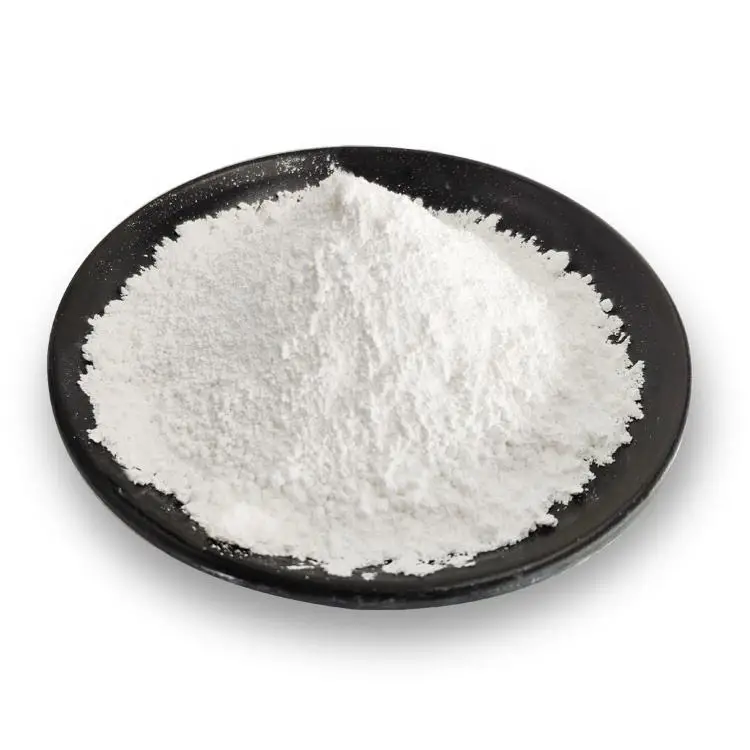
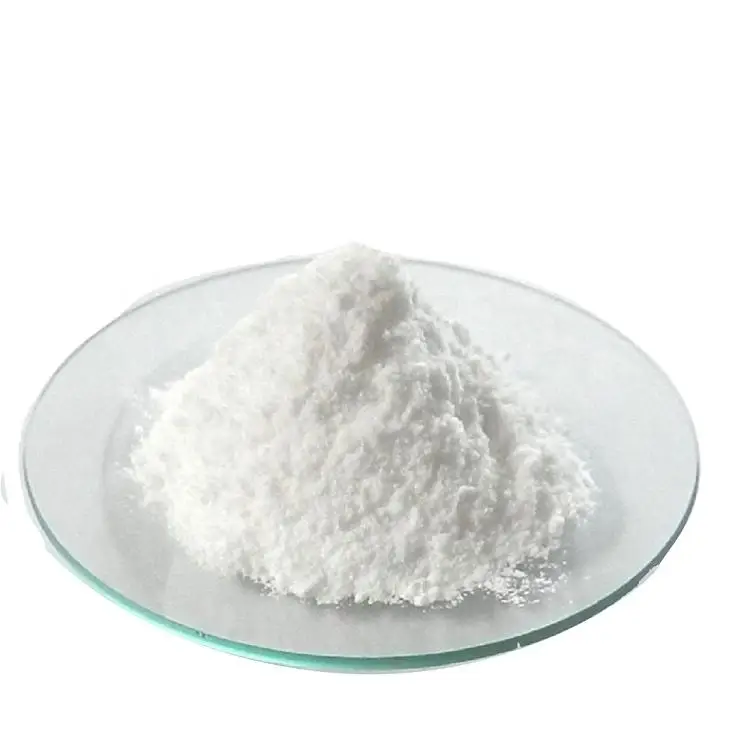
Sodium Carboxymethyl Cellulose CMC Performance Powder
- Category: >>>
- Supplier: Qingdao Jieruixin Machinery And Technology Co. Ltd.
Share on (1600801577941):
Product Overview
Description
Product Overview

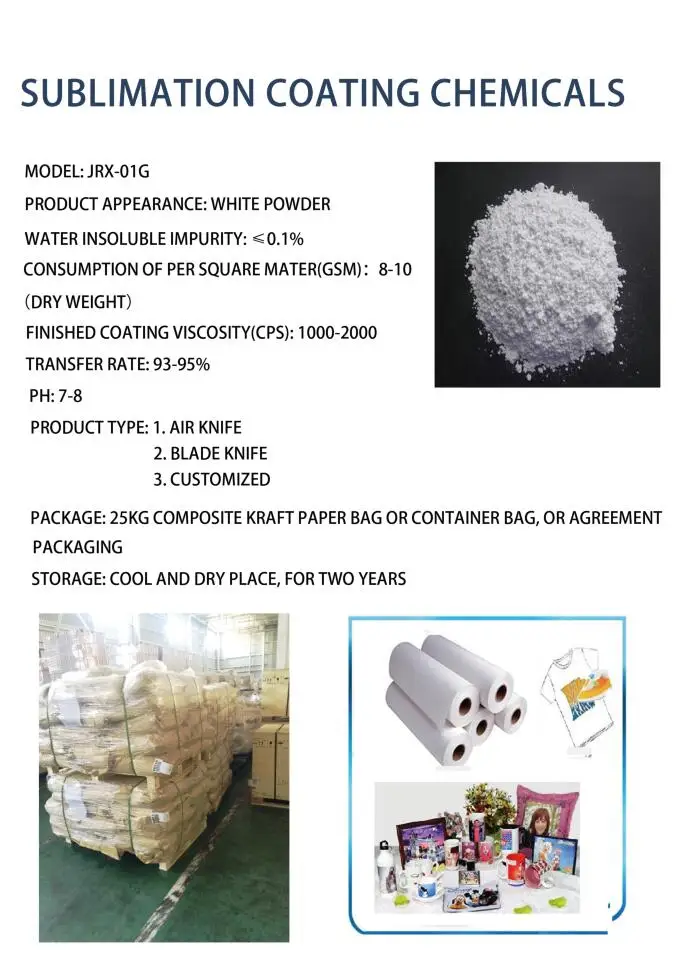
CMC FOR WHITEBOARD COATING
Kaolin has the characteristics of high whiteness, good particle size distribution and good coverage. Used in coated paper, coated paper, whiteboard, corrugated paper and coatings in the paper industry, it can improve the whiteness, smoothness, opacity and gloss of products. As a functional filler in the rubber industry, it can partially replace white carbon black and play the role of reinforcement and cost reduction.
PRODUCT SPECIFICATIONS

Molar Mass\t 265.204
Melting Point 300℃
Boling Point\t 527.1°C at 760 mmHg
Flash Point\t 286.7°C
Solubility\t soluble
Vapor Presure\t2.59E-13mmHg at 25°C
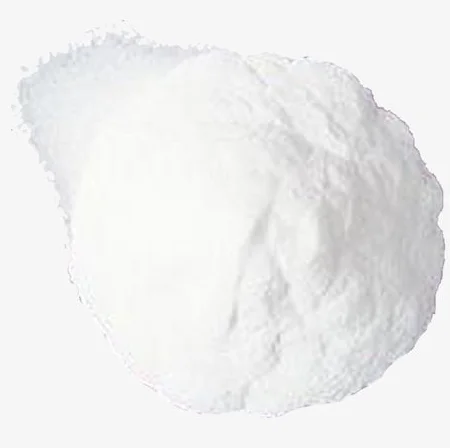
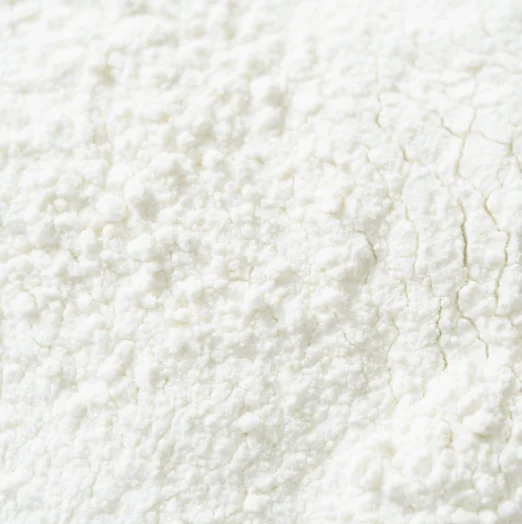
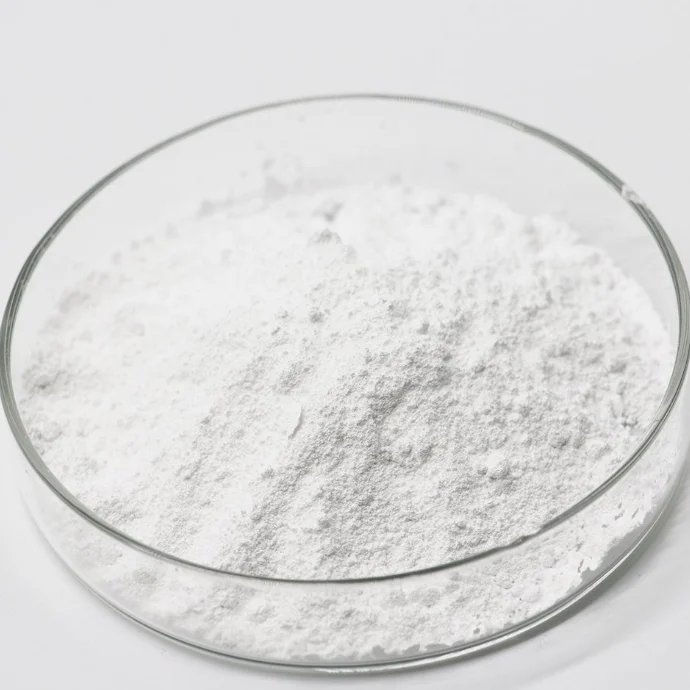
commonly used sodium salt. White flocculent powder, odorless, tasteless, non-toxic. Soluble in water, the formation of transparent colloidal liquid, the solution is neutral. Stable to light and heat. Hygroscopic.
Insoluble in acid, cresol, ethanol, acetone, chloroform, benzene, etc., difficult to dissolve in methanol, ether.
A cellulose derivative having a carboxymethyl substituent is prepared by treating the cellulose with sodium hydroxide to form alkali cellulose and then reacting with monochloroacetic acid. The glucose unit constituting the cellulose has three hydroxyl groups that can be substituted, and thus products with different degrees of substitution can be obtained.
Average per 1g of dry weight of 1mmol of human carboxymethyl, in water and dilute acid insoluble, but can swell, for ion exchange chromatography. Carboxymethyl pKa is about 4 in pure water and about 0.5 in 3.5 mol/L NaCl.
Carboxymethyl pKa is a weakly acidic cation exchanger and is usually used for the separation of neutral and basic proteins at a pH of 4 or higher. More than 40% of the hydroxyl group is carboxymethyl replacement can be dissolved in water to form a stable high viscosity colloidal solution.
The pharmaceutical industry selects CMC with appropriate viscosity as a binder, a disintegrant, a suspending agent for a tablet, and the like.
The food industry uses CMC with high degree of replacement as thickener for ice cream, canned food, quick-cooked surface, foam stabilizer for beer, etc.
Widely used in printing and dyeing, pesticide processing, medicine, paper making, coatings, ceramics, petroleum, food and other industries as sizing agents, thickeners, emulsifiers, emulsion stabilizers, adhesives, film forming agents.
Carboxymethylcellulose sodium - Risk and Safety
Risk Codes | R40 - Limited evidence of a carcinogenic effect |
Safety Description | S24/25 - Avoid contact with skin and eyes. |
Carboxymethylcellulose sodium - Nature
white or light yellow powder. Odorless and tasteless. With wettability, soluble in water, neutral or slightly alkaline high viscosity liquid. Stable to chemicals, heat and light. Sodium carboxymethylcellulose is a polymer obtained by carboxymethylation of cellulose. Pure carboxymethyl cellulose has no practical value and its sodium salt is actually used.


Carboxymethylcellulose sodium - Standard
This product is cellulose in alkaline conditions with sodium chloroacetate formed by the role of carboxymethyl cellulose sodium salt. The sodium (Na) content shall be 6.5% to 9.5% based on the dry product.
Carboxymethylcellulose sodium - Preparation Method
refined cotton, caustic soda, alcohol mixture, and chloroacetic acid alcohol solution were added together to a kneader for alkalization and etherification. Then it is neutralized with hydrochloric acid, washed with alcohol, then dried and crushed to obtain the product.
Carboxymethylcellulose sodium - Trait
This product is white to yellowish fibrous or granular powder; Odorless; With hygroscopicity.
This product swells in water to form a colloidal solution, which is insoluble in ethanol, ether or chloroform.
This product swells in water to form a colloidal solution, which is insoluble in ethanol, ether or chloroform.
Carboxymethylcellulose sodium - Use
The longitudinal strength and smoothness of the paper can be improved as an additive in the paper industry, and the paper can be used as a viscosity modifier in coating and processing paper to improve the printing adaptability of the paper. Can be used in the slurry to add as a reinforcing agent, but also for surface sizing. In addition, it can also be used for the preparation of soap and synthetic detergent; Used in the oil industry as a suspension stabilizer for drilling mud; Used in the food industry as a thickener, emulsion stabilizer and ice cream ice crystal inhibitor; it is used as a thickener for printing and dyeing pulp in the textile industry; An emulsion stabilizer for injection, a binder for tablets and a film-forming agent in the pharmaceutical industry; And a thickener in the production of cosmetics and ceramics.
Carboxymethylcellulose sodium - Differential diagnosis
1)10ml of the above-mentioned solution was added with 1 ml of a copper sulfate test solution, whereby a blue flocculent precipitate was generated.
2)when 5ml of the above solution was taken and an equal volume of barium chloride test solution was added, a white precipitate was generated.
3)The above solution was taken to show a flame reaction of the sodium salt (General rule 0301).
Carboxymethylcellulose sodium - Safety
The toxicity test on sodium carboxymethyl cellulose showed that there was no physiological activity at all in oral administration and skin contact, and no toxicity was found even at a dose of lOg/kg orally administered to mice. The Food and Agriculture Organization of the United Nations and the World Health Organization (WHO) special committee also confirmed the safety of the product, and prescribed a daily allowance (ADD 0~30mg/kg.
Carboxymethylcellulose sodium - Content determination
take about 0.25g of the product under the item of loss of drying, weigh it accurately, put it in a 150ml Erlenmeyer flask, add 50ml of glacial acetic acid, shake well, heat and reflux for 2 hours, and let it cool, move to a 0701 mL beaker, and wash the Erlenmeyer flask with glacial acetic acid for 3 times, 5ml each time. Combine the washing solution in the beaker, and use high-gas acid titration solution (0.1 mol/L) titration, and the results of the titration were corrected with a blank test. Each 1 ml of perchloric acid titration solution (0.1 mol/L) corresponds to 2.299mg of Na.
Carboxymethylcellulose sodium - Category
pharmaceutical excipients, disintegrants and fillers.
Carboxymethylcellulose sodium - Exam
viscosity
take 4.0g of this product (according to the dry product), put it in a 250ml beaker that has been weighed, heat 150ml of water, place it in a hot water bath for 30 minutes, and stir quickly, the powder was fully wet and allowed to cool. A sufficient amount of water was added to make the total weight of the mixture 200g. Adjust the temperature to 25°C, select the appropriate single column type rotational viscometer (Brookfield type LVmodel or efficiency equivalent viscometer), test conditions as follows, according to law (General rule 0633 third method), or prepare the solution according to the labeled method and measure, should be 75% ~ 140% of the labeled viscosity.pH
take 0.5g of this product, heated water 50ml, vigorously stirred, to form a colloidal solution, cool, measured according to law (General rule 0631),pH value should be 6.5~8.0.
clarity and color of solution
take this product l. Add 90ml of water cooled to 40-50°C by boiling, and stir vigorously until a colloidal solution is formed, let cool, and dilute to 100ml with the water cooled by boiling. If it is turbid, it should not be more concentrated than that of turbidity standard solution No. 3 (General rule 0902 method 1); If it is colored, it should be more concentrated than that of yellow Standard Colorimetric solution No. 3 (General rule 0901 method 1), not deeper.
chloride
take this product l. (Based on the dry product), accurately weigh, put it in a 250ml Erlenmeyer flask, add 5ml of anhydrous ethanol, then add 150ml of water to dissolve, add 5 drops of 30% hydrogen peroxide solution, slowly boil for 10 minutes, cooling, add potassium chromate indicator solution 1ml, with silver nitrate titration solution (O.lmol/L) titration. Each 1ml of silver nitrate titration solution (0.1 mol/L) corresponds to 3.545 mg of Cl. The content of C1 should not exceed 1.0%.
sulfate
take 0.5g of this product (based on dry product), add 50ml of water to dissolve, take 10ml, add 1 ml of hydrochloric acid, shake well, heat on water bath, produce flocculent precipitate, cool and centrifuge. The precipitate was washed with water, 10ml each time, centrifuged and repeated three times. The combined washing solution and supernatant were placed in a 50ml measuring flask, diluted with water to the scale, and shaken. Take 10ml accurately, put it in a 50ml Nessler's colorimetric tube, add 40ml of water, and check it according to law (General rule 0802). Compared with the standard potassium sulfate solution of ML, the control solution made by the same method should not be more concentrated (0 .5%).
silicate
take l.Og of this product (according to the dry product), put it in the crucible, flash to complete ash; Add 20ml of dilute hydrochloric acid, cover the glass plate, slowly boil for 30 minutes. The glass plate was removed, evaporated to dryness in the water bath, and heated with low heat for 1 hour, then 10ml of water was heated and stirred evenly. After filtration through the quantitative filter paper, the precipitate is washed with hot water until the silver nitrate test solution is added to the washing solution and no more precipitate is generated. The precipitate and the quantitative filter paper are placed in a constant-weight crucible, and the residue shall not exceed 500 by burning to constant weight at 600-0.5% °C.
sodium glycolate
operation in the dark. Take 0.5g of this product (according to the dry product), weigh it accurately, put it in a beaker, add 5mol/L acetic acid solution and 5ml water, stir for at least 30 minutes to dissolve sodium glycolate, add 80ml of acetone and 2g of sodium chloride, stir to completely precipitate carboxymethylcellulose, filter, quantitatively transfer to a 100ml measuring flask with acetone, dilute to the scale with acetone, shake well, and stand for 24 hours, the supernatant was taken as a test solution. Take 0.310G of glycolic acid dried under reduced pressure at room temperature for 12 hours, put it in a 1000ml measuring flask, add water to dissolve and dilute to the scale, shake,
Take 5ml accurately, put it in a 100ml measuring flask, add 5ml of 5mol/L acetic acid, let stand for 30 minutes, add 80ml of acetone and 2g of sodium chloride, shake well, dilute to the scale with acetone, shake well, it was allowed to stand for 24 hours as a control solution. Take 2.0ml of the test solution and ml of the reference solution, place them in 25ml Nessler's colorimetric tube respectively, heat the water bath until the acetone is washed away, let it cool, and add 2,7-dihydroxynaphthalene sulfuric acid solution (take 2, 7-dihydroxynaphthalene 10mg, add sulfuric acid 100ml to dissolve, place it until the color fades, use within 2 days) 20ml, pack, shake, heat in a water bath for 20 minutes and let it cool. Compared with the reference solution, the test solution should not be darker in color. If necessary, the above two solutions were taken and the absorbance was measured at a wavelength of 0401 nm by ultraviolet-visible spectrophotometry (general) within 10 minutes and calculated. Sodium glycolate should not be used at 0 .4%.
loss on drying
take this product l.Og, dry at 105°C for 6 hours, loss of weight shall not exceed 10.0% (General rule 0831).
Iron Salt
take this product l.Og (calculated as dry product), place in the crucible, slowly cauterize until complete carbonization, and cool; Add 0.5ml sulfuric acid to wet the residue, and heat at low temperature until the sulfuric acid vapor is removed, fully ash at 550-600°C, cool, add 1 ml hydrochloric acid and 3 drops of nitric acid, steam dry on water bath, cool, add appropriate amount of dilute hydrochloric acid and water, dissolve the residue, move to 100ml measuring flask, add water to the scale, shake well (filter if necessary), take 25ml accurately, put it in 50ml Nessler's colorimetric tube, and check it according to law (General rule 0807), with standard iron solution 4.0ml of control solution prepared by the same method should not be deeper (0.016%).
Heavy metals
take this product l.Og (according to the dry product), inspection according to law (General rule 0821 second law), containing heavy metals shall not exceed 10 parts per million.
arsenic salt
take this product 0.67g (according to dry product), add calcium hydroxide l.Og, mix, add water 2ml, stir evenly, after drying, burn to charring with small fire, then burn to 500-600°C to make complete Ash, cool, add hydrochloric acid 8ml and water 23ml, inspection according to law (General Principles 0822 first law), shall comply with the provisions (0.0003%).
take l.Og of this product (according to the dry product), put it in the crucible, flash to complete ash; Add 20ml of dilute hydrochloric acid, cover the glass plate, slowly boil for 30 minutes. The glass plate was removed, evaporated to dryness in the water bath, and heated with low heat for 1 hour, then 10ml of water was heated and stirred evenly. After filtration through the quantitative filter paper, the precipitate is washed with hot water until the silver nitrate test solution is added to the washing solution and no more precipitate is generated. The precipitate and the quantitative filter paper are placed in a constant-weight crucible, and the residue shall not exceed 500 by burning to constant weight at 600-0.5% °C.
sodium glycolate
operation in the dark. Take 0.5g of this product (according to the dry product), weigh it accurately, put it in a beaker, add 5mol/L acetic acid solution and 5ml water, stir for at least 30 minutes to dissolve sodium glycolate, add 80ml of acetone and 2g of sodium chloride, stir to completely precipitate carboxymethylcellulose, filter, quantitatively transfer to a 100ml measuring flask with acetone, dilute to the scale with acetone, shake well, and stand for 24 hours, the supernatant was taken as a test solution. Take 0.310G of glycolic acid dried under reduced pressure at room temperature for 12 hours, put it in a 1000ml measuring flask, add water to dissolve and dilute to the scale, shake,
Take 5ml accurately, put it in a 100ml measuring flask, add 5ml of 5mol/L acetic acid, let stand for 30 minutes, add 80ml of acetone and 2g of sodium chloride, shake well, dilute to the scale with acetone, shake well, it was allowed to stand for 24 hours as a control solution. Take 2.0ml of the test solution and ml of the reference solution, place them in 25ml Nessler's colorimetric tube respectively, heat the water bath until the acetone is washed away, let it cool, and add 2,7-dihydroxynaphthalene sulfuric acid solution (take 2, 7-dihydroxynaphthalene 10mg, add sulfuric acid 100ml to dissolve, place it until the color fades, use within 2 days) 20ml, pack, shake, heat in a water bath for 20 minutes and let it cool. Compared with the reference solution, the test solution should not be darker in color. If necessary, the above two solutions were taken and the absorbance was measured at a wavelength of 0401 nm by ultraviolet-visible spectrophotometry (general) within 10 minutes and calculated. Sodium glycolate should not be used at 0 .4%.
loss on drying
take this product l.Og, dry at 105°C for 6 hours, loss of weight shall not exceed 10.0% (General rule 0831).
Iron Salt
take this product l.Og (calculated as dry product), place in the crucible, slowly cauterize until complete carbonization, and cool; Add 0.5ml sulfuric acid to wet the residue, and heat at low temperature until the sulfuric acid vapor is removed, fully ash at 550-600°C, cool, add 1 ml hydrochloric acid and 3 drops of nitric acid, steam dry on water bath, cool, add appropriate amount of dilute hydrochloric acid and water, dissolve the residue, move to 100ml measuring flask, add water to the scale, shake well (filter if necessary), take 25ml accurately, put it in 50ml Nessler's colorimetric tube, and check it according to law (General rule 0807), with standard iron solution 4.0ml of control solution prepared by the same method should not be deeper (0.016%).
Heavy metals
take this product l.Og (according to the dry product), inspection according to law (General rule 0821 second law), containing heavy metals shall not exceed 10 parts per million.
arsenic salt
take this product 0.67g (according to dry product), add calcium hydroxide l.Og, mix, add water 2ml, stir evenly, after drying, burn to charring with small fire, then burn to 500-600°C to make complete Ash, cool, add hydrochloric acid 8ml and water 23ml, inspection according to law (General Principles 0822 first law), shall comply with the provisions (0.0003%).


Molar Mass | 265.204 |
Melting Point | 300℃ |
Boling Point | 527.1°C at 760 mmHg |
Flash Point | 286.7°C |
Solubility | soluble |
Vapor Presure | 2.59E-13mmHg at 25°C |
Device Configuration


Process:
Paper Holder Device — automatic paper splicer — Once blade knife Coating — Once Oven Drying(2.5m×5 groups )— Drying Network — Once air knife Coating — Twice Oven Drying —(2.5m×4 groups)— Drying Network— Twice blade Coating — Third Oven Drying —(2.5m×4 groups)— Drying Network— 1000mm Coherent states cylinder — Double roll soft calender — 800mm cooling cylinders —horizontal Rewinding Machine.
1.Whole machine adopts unit-frame type structure,machine length can be made according to production requirement.
2.Coating type can adopt comma scraper coating,anilox roller coating,micro concave roller coating,extrusion coating or wire bar coating,according to acutal production technology.
3.Stepless speed regulating by AC inverter,synchronous control of unwinding,pre-traction,coating,laminating traction and rewinding.
4.Sectional independent homothermal drying system of oven,heating type can adopt electric heating,heat conduction oil heating and so on,automatic temperature control for each temperature section.
5.Automatic coating weight,automatic speed up and down,automatic material breaking inspection,automatic failure warning,automatic separation and reunion of pneumatic component.
6.Unwinding and rewinding adopt automatic rotary double stations,non-stop material changing. xial thimble type with good nimble reaction and the material being operated is not easy to be crimpled.
SALES AND SERVICE NETWORK

Our Services ( We can provide turnkey works)
1.Reasonable suggestions for selection of equipment.
2.Provide detailed description and assembly drawing to make you more aware of the device ability to work.
3.Engineers on site equipment installation and commissioning.
4.Provide training for your employees.
5.Professional technical guidance and technical support during your production, make sure the device's work properly and production.
6.Equipment upgrade and remould.
7.We will testing installation machine in the factory workshop , to ensure safety and quality.
8.Supply chemical ,formulation ,technology and other suggestion to customers.
QINGDAO JIERUIXIN MACHINERY AND TECHNOLOGY CO.,LTD. the real person hood, steadfast work management concept, we warmly welcome all friends to visit.
2.Provide detailed description and assembly drawing to make you more aware of the device ability to work.
3.Engineers on site equipment installation and commissioning.
4.Provide training for your employees.
5.Professional technical guidance and technical support during your production, make sure the device's work properly and production.
6.Equipment upgrade and remould.
7.We will testing installation machine in the factory workshop , to ensure safety and quality.
8.Supply chemical ,formulation ,technology and other suggestion to customers.
QINGDAO JIERUIXIN MACHINERY AND TECHNOLOGY CO.,LTD. the real person hood, steadfast work management concept, we warmly welcome all friends to visit.
Related Machine and Chemicals
Company Profile

Qingdao JRX M&T Co., Ltd.
We are Qingdao JRX M&T Co., Ltd.
Which company is mainly engaged in paper coating machine, paper machine and related technology. After more than ten years of efforts, in addition to the machine itself, we have our own chemists, more willing to provide customers with chemistry,formulation, technology and other advice. Then our formulations will match our machines and get the best quality paper for them.
At present, the company has become one of the famous paper coater manufacturers in China, coater and technology has been exportedto Egypt, Mexico, Australia, India and other countries.
We are Qingdao JRX M&T Co., Ltd.
Which company is mainly engaged in paper coating machine, paper machine and related technology. After more than ten years of efforts, in addition to the machine itself, we have our own chemists, more willing to provide customers with chemistry,formulation, technology and other advice. Then our formulations will match our machines and get the best quality paper for them.
At present, the company has become one of the famous paper coater manufacturers in China, coater and technology has been exportedto Egypt, Mexico, Australia, India and other countries.
Packaging and Transportation


FAQ
1.Is there person reply to me?
Our person is 24-hours online. If no reply, please leave your message via e-mail and chat tools, we will reply you as soon as possible.
2.Why we choose your company, what could you do for me?
We have established for more than 10 years, we have the stable production experiences.
We use the best steel to guarantee the products' quality.
We will always give you the heart to heart service.
We always speak with facts and quality.
3.Could your engineers teach and train our worker and stay in our factory for long time?
Yes, we have very large installation team, they can train and teach your worker to operate the paper machine, but you should pay them salary.
4.How can i know your machine work well?
Before delivery, we will test the machine work condition for you.
Our person is 24-hours online. If no reply, please leave your message via e-mail and chat tools, we will reply you as soon as possible.
2.Why we choose your company, what could you do for me?
We have established for more than 10 years, we have the stable production experiences.
We use the best steel to guarantee the products' quality.
We will always give you the heart to heart service.
We always speak with facts and quality.
3.Could your engineers teach and train our worker and stay in our factory for long time?
Yes, we have very large installation team, they can train and teach your worker to operate the paper machine, but you should pay them salary.
4.How can i know your machine work well?
Before delivery, we will test the machine work condition for you.

We Recommend
New Arrivals
New products from manufacturers at wholesale prices