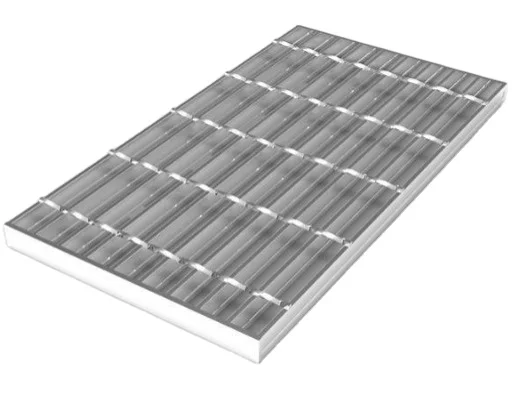
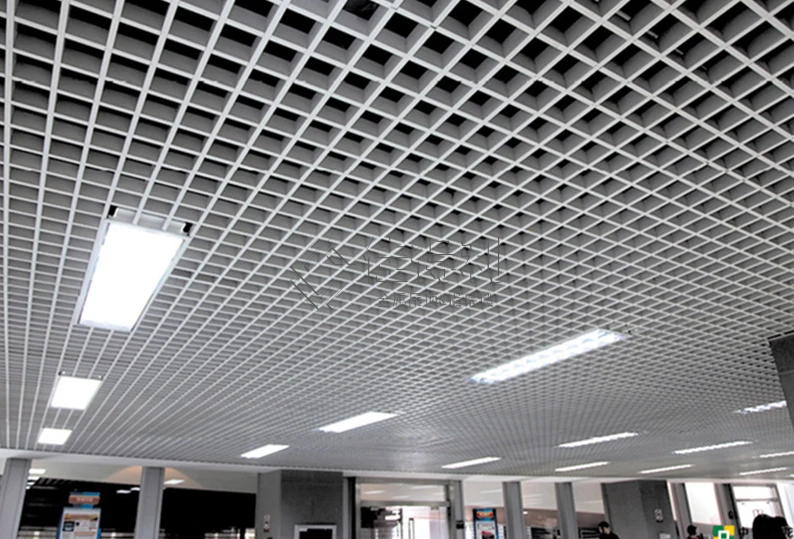
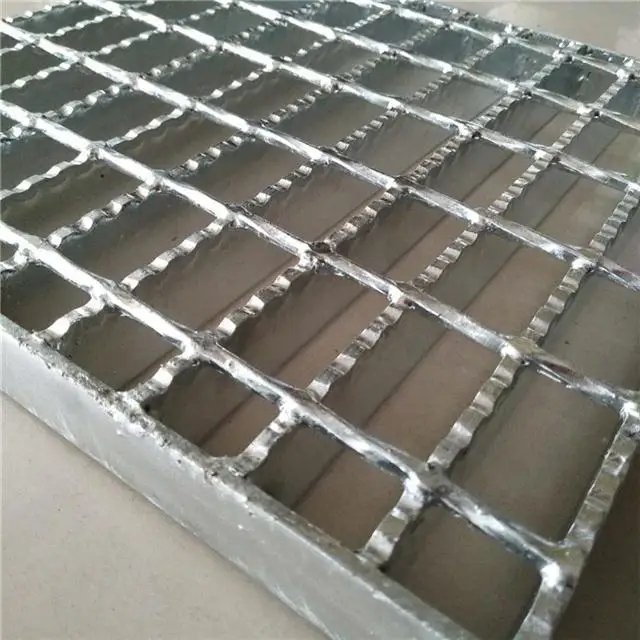
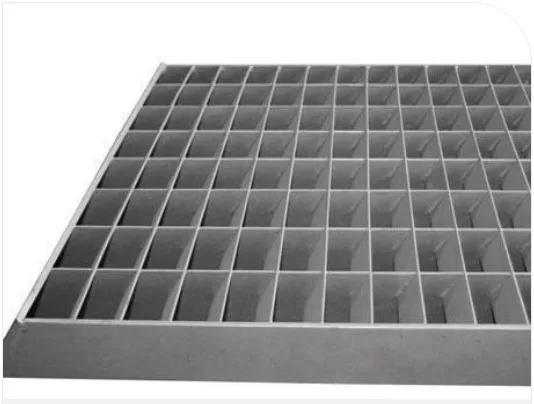
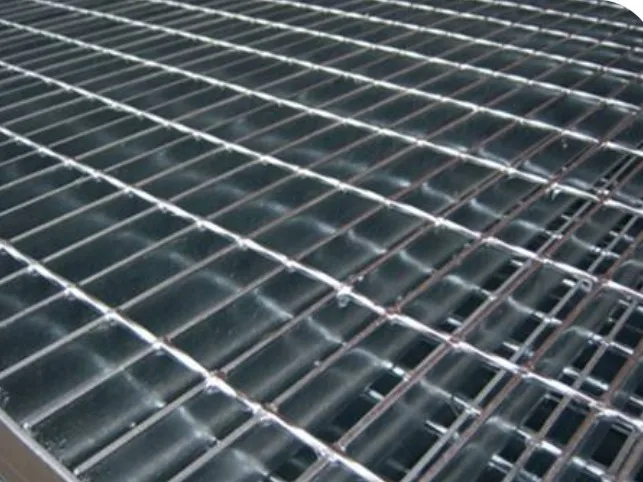
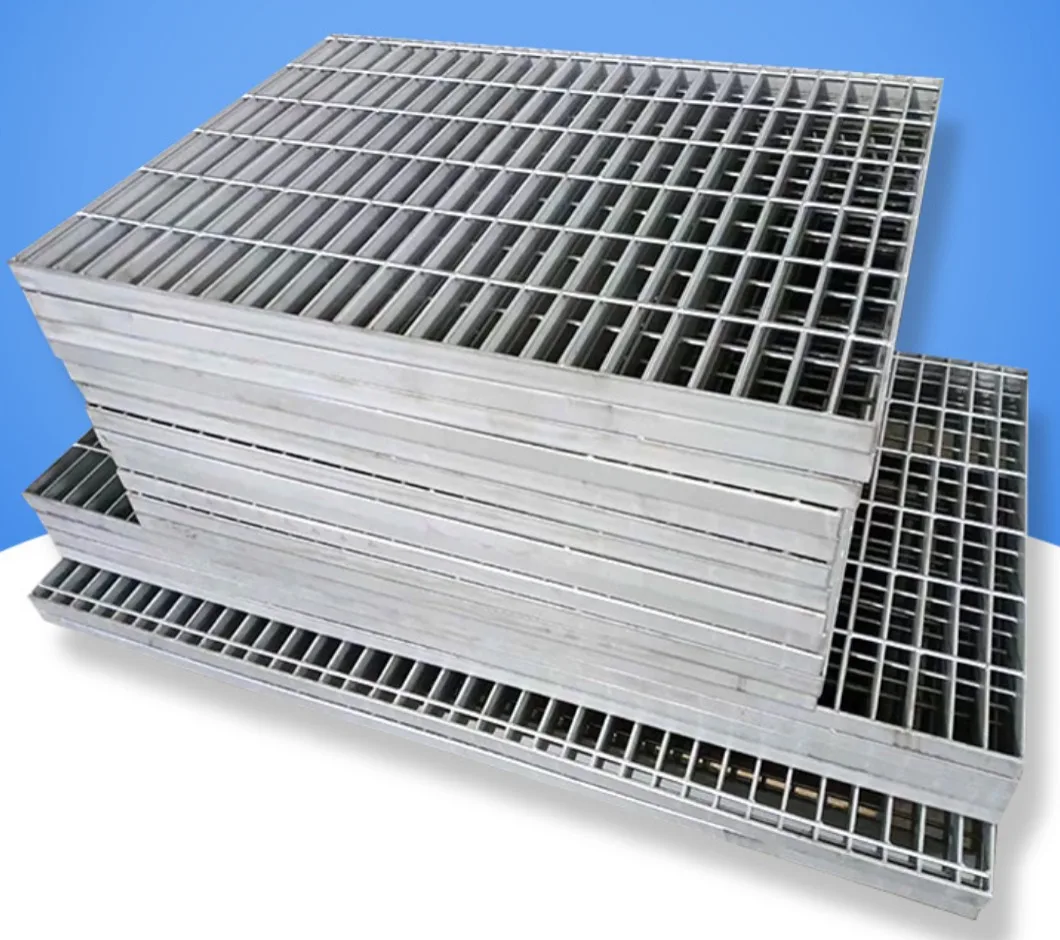
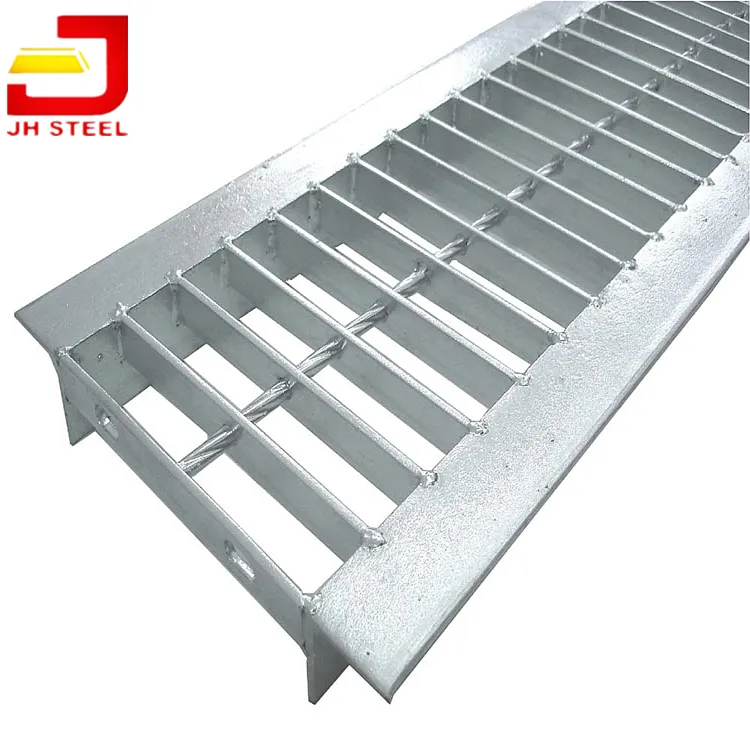
Steel gratings are commonly used in various construction and industrial applications, such as industrial floors, platforms, walkways, bridges, ramps, stair treads, mezzanine floors, drainage covers, building facades, sunscreens, and decorative screens.
2. What are the advantages of using steel gratings over other materials?
Steel gratings offer several advantages over other materials, such as high load-bearing capacity, excellent strength and stability, open-grid design for efficient drainage, versatility and customization options, durability and longevity, and cost-effectiveness.
3. How are steel gratings installed?
Steel gratings are installed by preparing the site, measuring and cutting the gratings to fit the area, anchoring and fixing the gratings to the supporting structure using methods such as welding, bolting, or using clips or clamps.
4. How do I maintain steel gratings?
Steel gratings require regular maintenance, including cleaning to remove dirt and debris, and periodic inspections to check for signs of wear, corrosion, or damage that may require repairs or replacements.