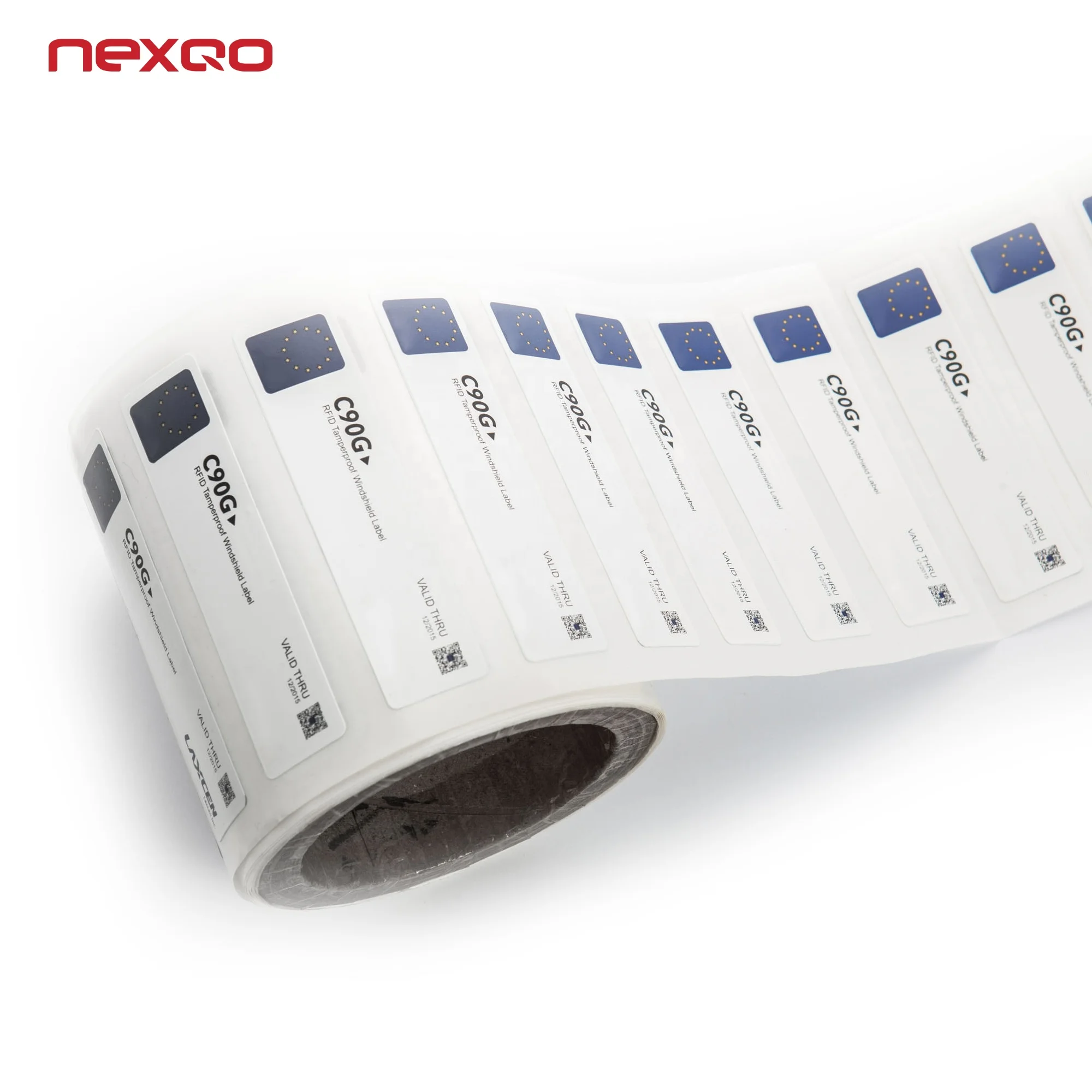
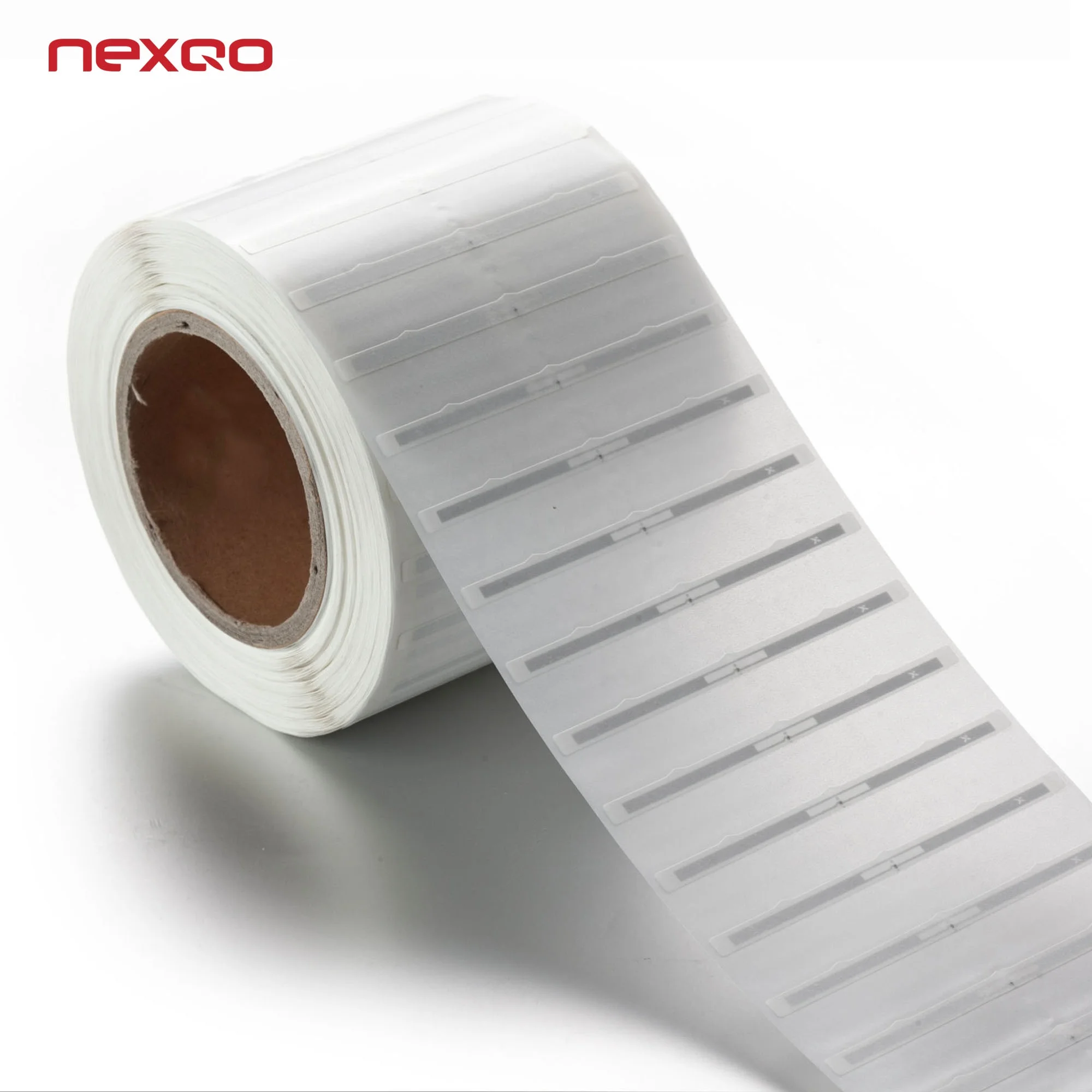
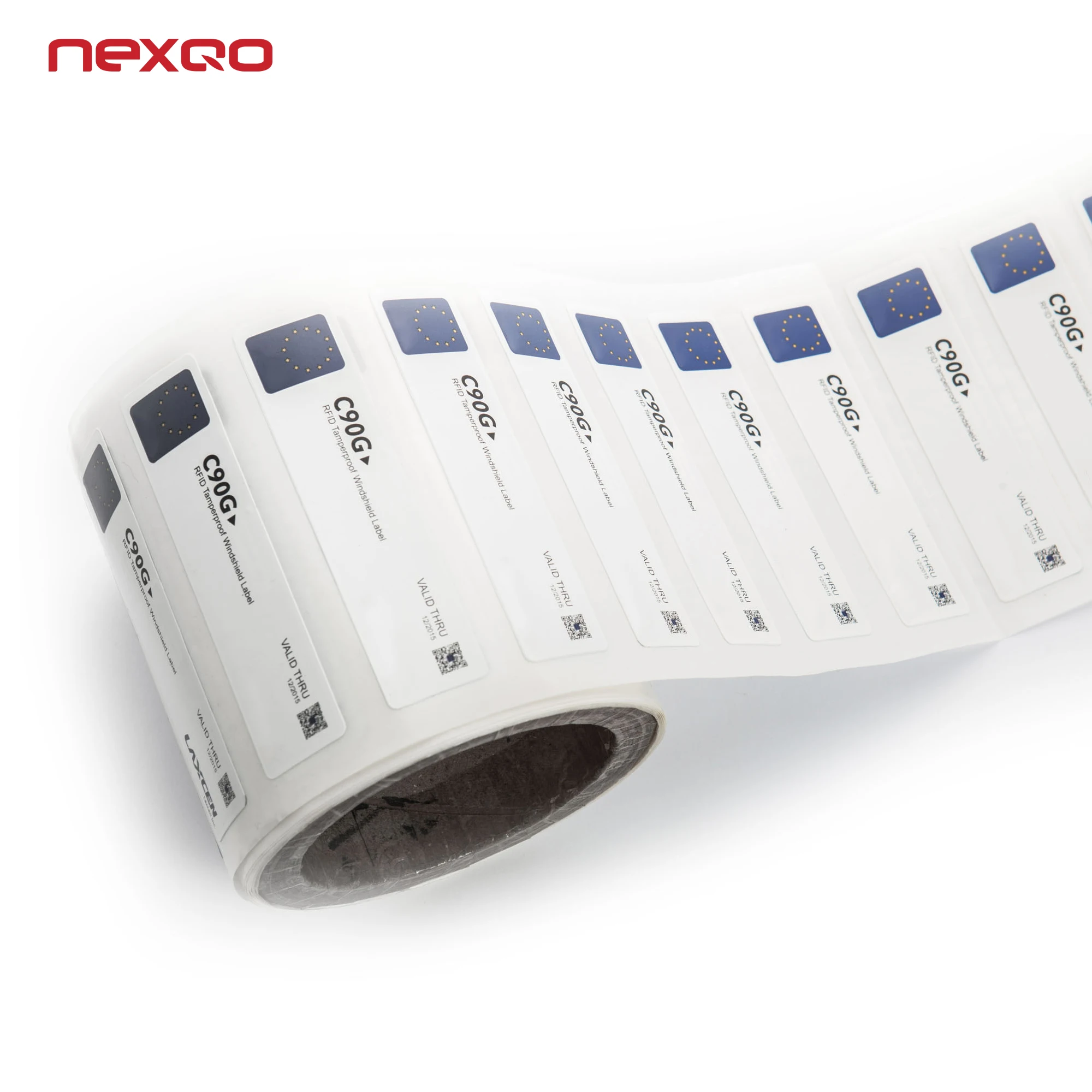
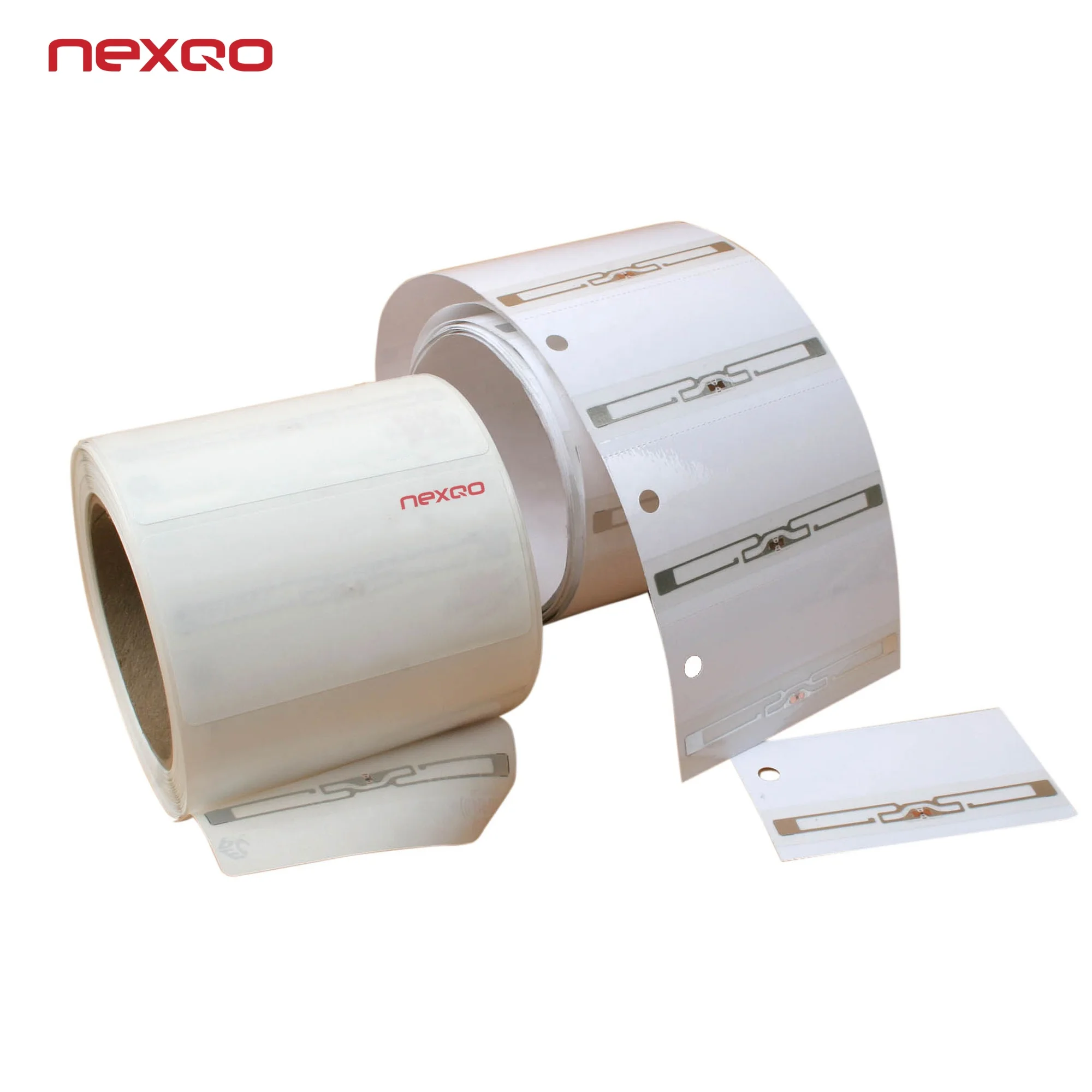
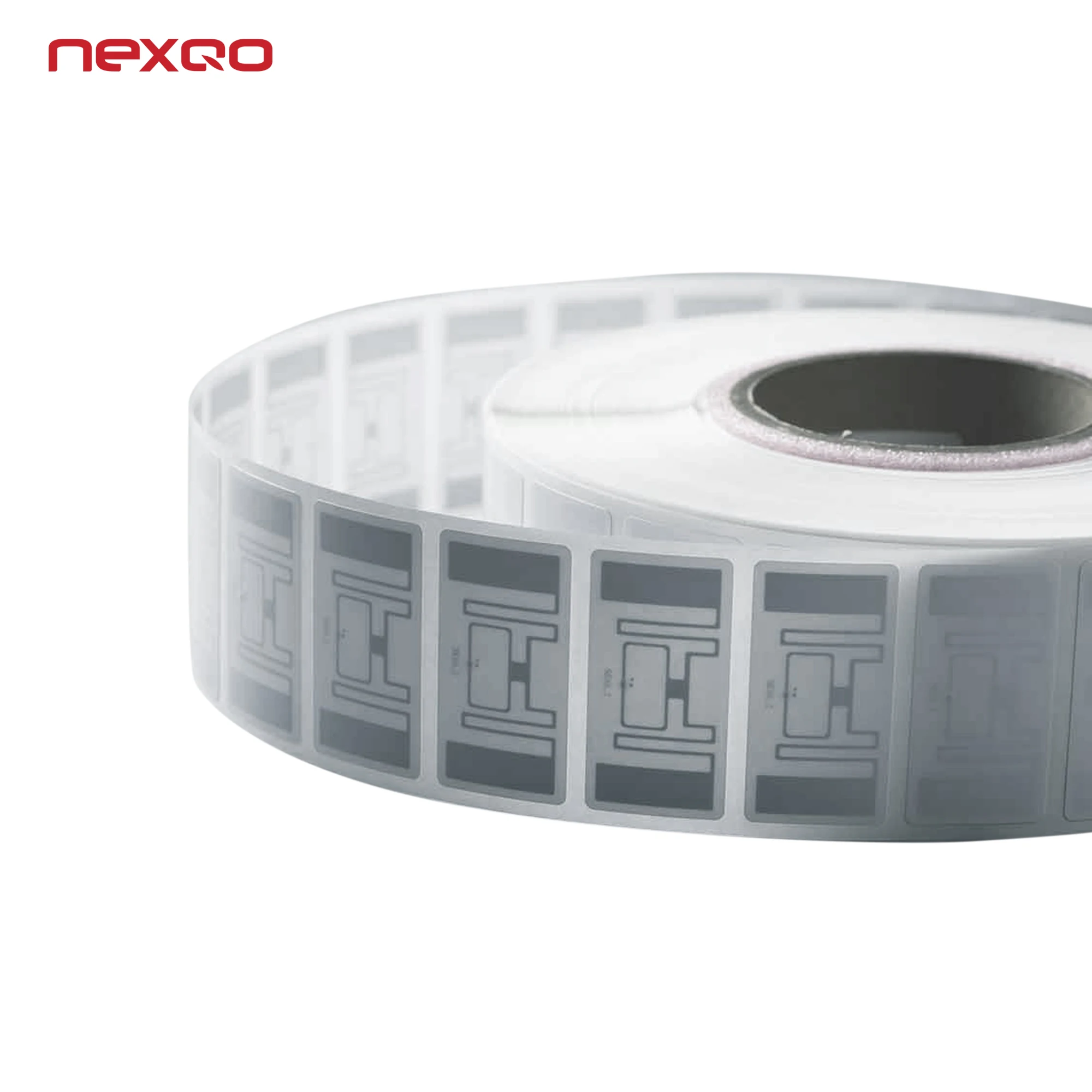
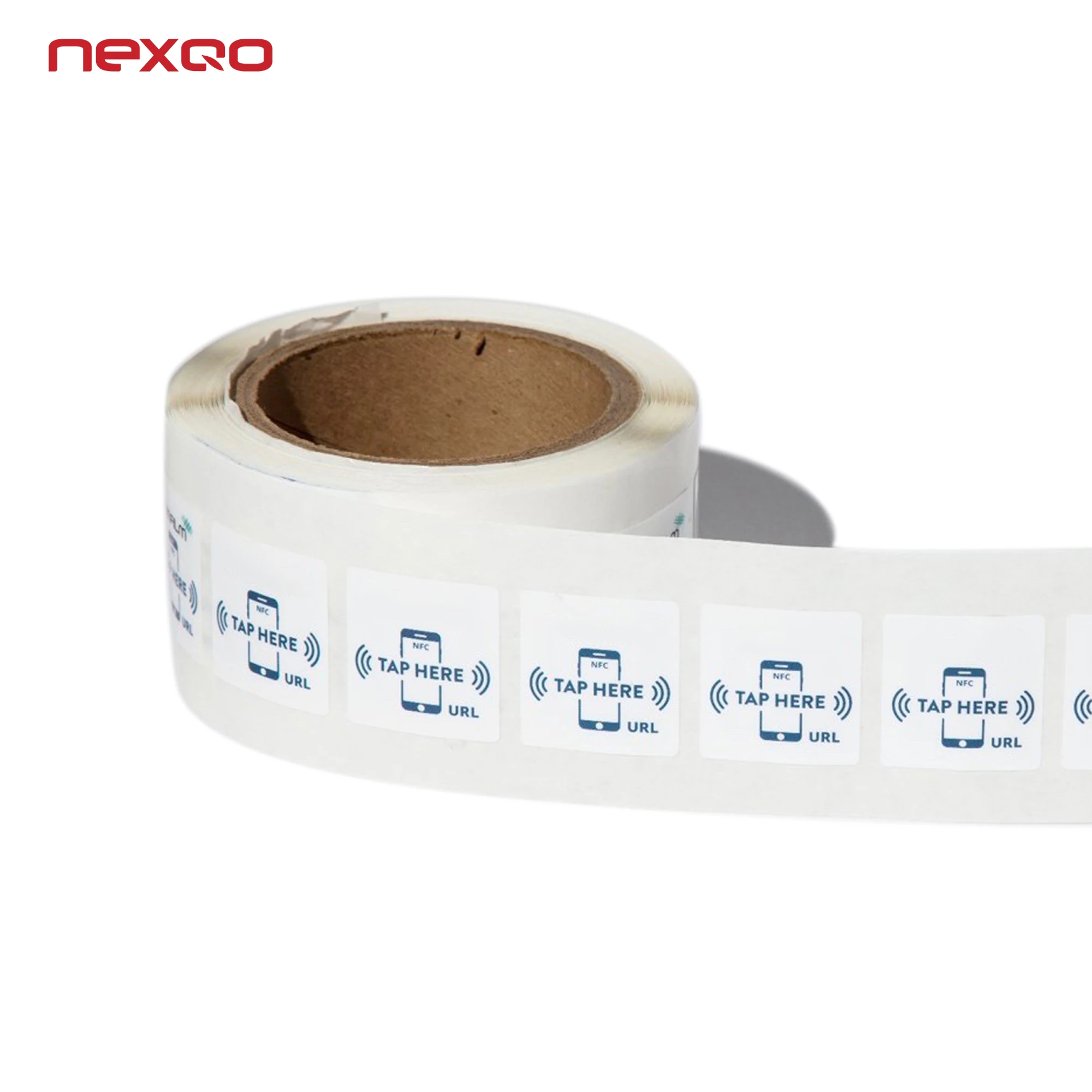
13.56mhz RFID Adhesive Label Sticker Dia 25mm/35mm RFID Tag NFC Chip
- Category: >>>
- Supplier: Shenzhen Nexqo Technology Co. Ltd.
Share on (1600830175844):
Product Overview
Description
Product Parameters
Applications at present
RFID Label Can be widely applied in logistics & transportation, retail & consumer goods, agriculture, healthcare, payment solution, access control and others.

Material | Paper, Thermal Paper, PVC ect. |
Frequency | 125Khz / 13.56Mhz / 840~940Mhz / NFC |
Printing Option | Logo printing, Serial numbers |
Available Chip | Hitag256, F08 1K, NXP UCode G2XM/G2XL Other chips are available upon your request. |
Available Crafts | Full color offset printing ,barcode, qr code, sequential number printing encoding ,3M adhesive, lamination |
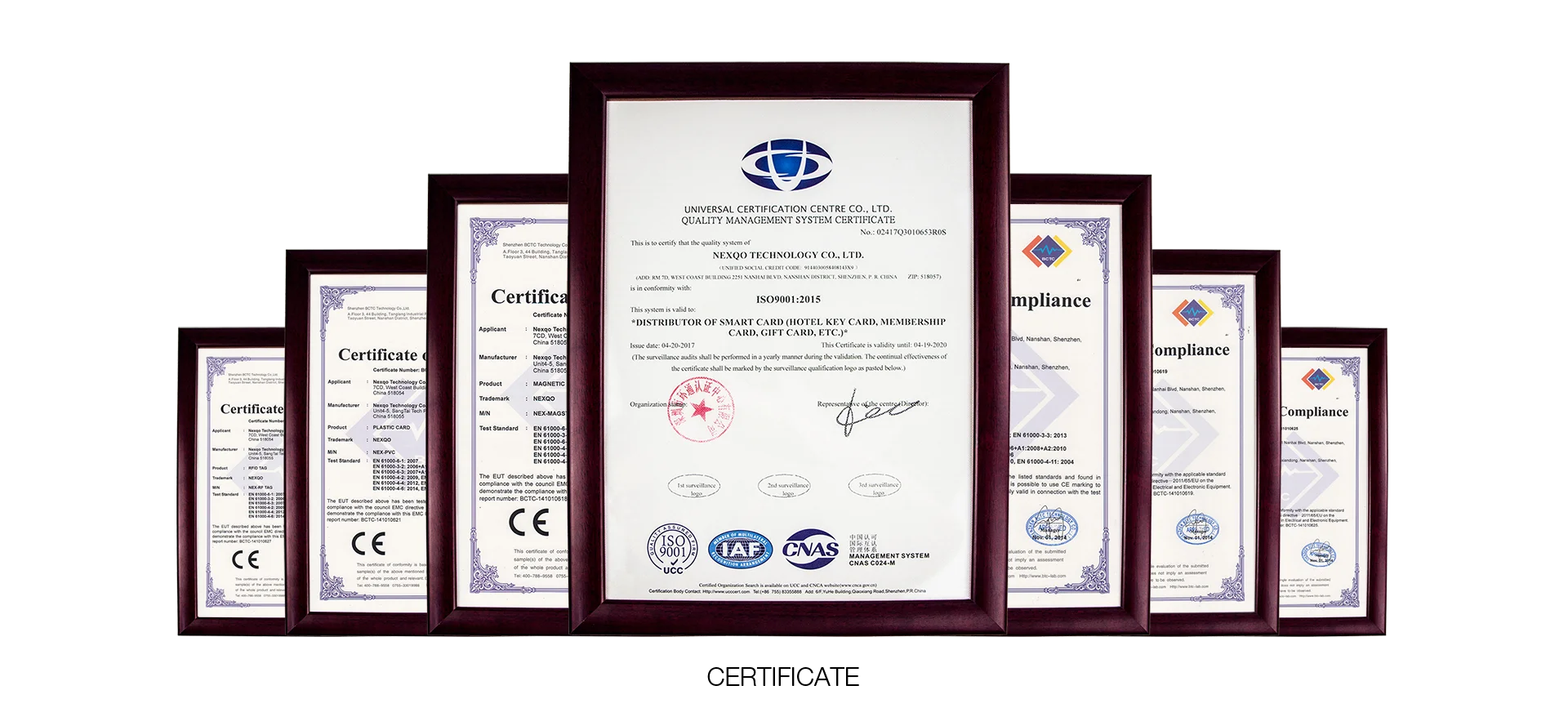
Certification | CE, FCC, RoHS |
RFID Label can be widely applied in identification, public transportion , event ticketing electronic toll collection, asset management ,libraries and rental, loyalty system and access control management etc. Besides, Nexqo provides programming and encoding services which exactly fit customer’s programming or encoding requirements.
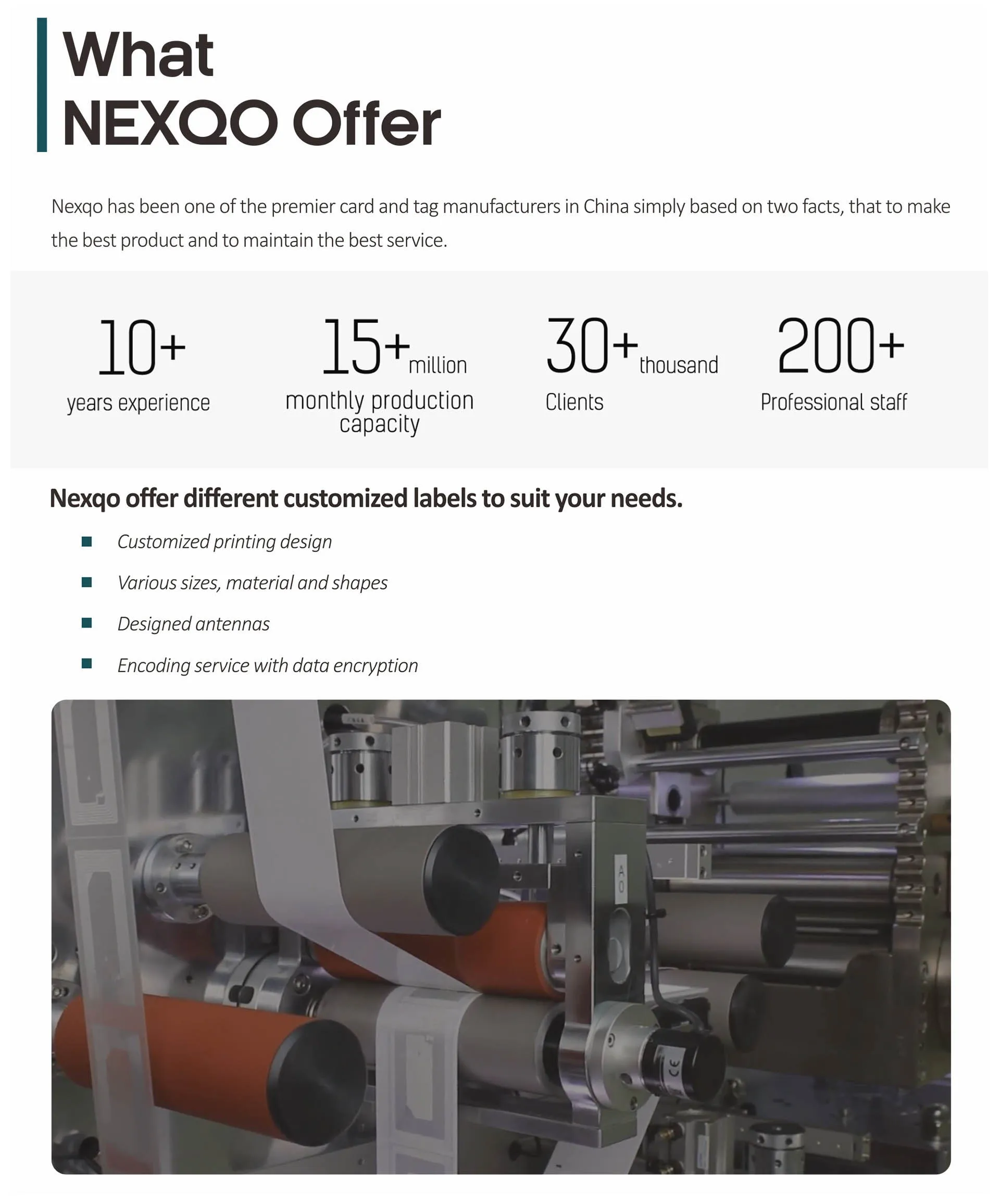
Our RFID labels are powered by the Alien® Squiggle Higgs-3 and other famous high frequency RFID chips such as F08 1K. Our selection of RFID labels feature:
* Coated white matte paper, Thermal transfer, Thermal PP, Thermal paper, PET.
* Permanent adhesive
* EPC Class 1, Gen 2 compliance ; ISO1444A, ISO15693 and NFC protocol.
* High Frequency (HF) and Ultra High Frequency (UHF) RFID chips
* HF chip: 1K bytes memory; UHF chip: 96-480 bits of EPC or up to 512 bits of user memory
* Frequently-used sizes: 4"*1", 4"*2", 4"*4", 4"*6", etc.
We are a professional RFID label manufacturer with many years experience, our label can be fully customized as your requirements, including RFID chip type, label material, size, printing, etc. Please contact us for further information.
Related Product
Company Profile
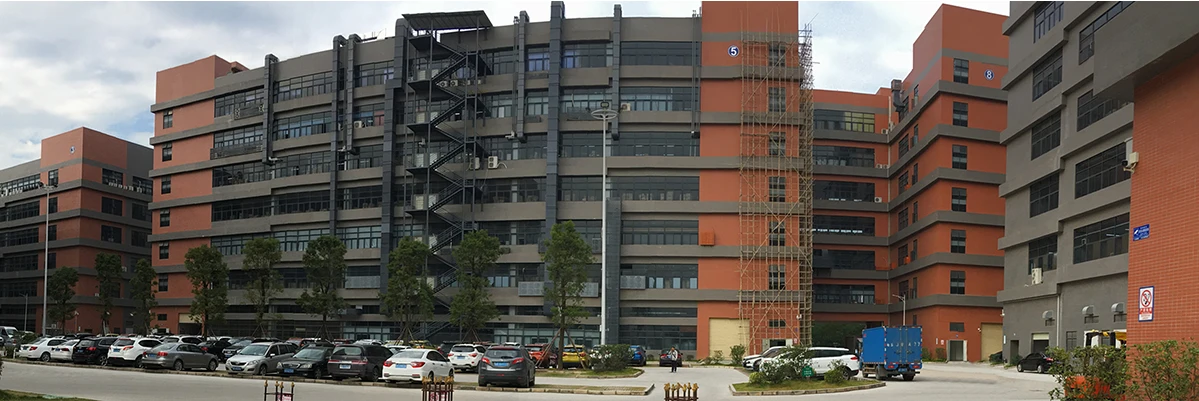
Nexqo has been one of the premier card maker in China simply based on two facts, that to make the best product and to maintain the best service. Those are also the principles Nexqo followed by, with annually over 150 million cards produced and distributed into more than 50 countries worldwide.
With experienced team of industry experts, Nexqo has stood for a wide range of high-quality products from plastic cards to RFID and NFC tags. We focus on different needs from different industries,our goal for every single project is to meet client’s satisfactions of 100%.
With experienced team of industry experts, Nexqo has stood for a wide range of high-quality products from plastic cards to RFID and NFC tags. We focus on different needs from different industries,our goal for every single project is to meet client’s satisfactions of 100%.
Certificate




FAQ
1. What printers models are compatible with your RFID labels?
Our labels are tested to work with the following printer models:
R110xi, R110xi4, R170xi, ZT410, ZT420
2. What is RFID?
RFID is an acronym for Radio Frequency Identification. It's an automatic identification method that stores and remotely retrieves data from an RFID inlay. Unlike barcodes where the information must be visible to the scanner, RFID inlays are hidden under the
facestock of the label.
3. How does RFID Work?
RFID systems combine two components: an RFID inlay and an RFID reader. The RFID inlay transmits data in the form of radio waves to the reader through its antenna. The reader converts the data and interprets it.
4. What's an RFID label?
An RFID label is a label with an RFID inlay. This means you can print on them as well as attach RFID technology to packages, products, and more.
5. What are the components of an RFID label?
RFID labels are composed of an RFID inlay, antenna, facesheet, adhesive, and liner. The inlay is the hardware of the RFID technology. It's made up of a microchip and antenna. The facesheet is the part you see, the adhesive is the tack, and the liner is what keeps your labels from sticking before you're ready to use them.
6. How are RFID labels encoded and read?
RFID labels are programmed by RFID-enabled printers, printer attachments, or RFID encoders. Special RFID readers are needed to communicate with the inlay. They send radio waves to the antenna and then pass the collected information to the computer for processing.
7. What's passive RFID?
Passive RFID doesn't have a battery. It operates by converting the RFID reader's radio waves into electricity. It's a common and economical type of RFID.
8. What does UHF mean?
UHF is an acronym for Ultra High Frequency. It refers to the frequency at which the RFID reader operates and reads the RFID labels. UHF RFID labels can be operated from farther distances and transmit data faster.
9. What does EPC mean?
EPC is an acronym for Electronic Product Code. It's specific to one individual object and therefore is commonly used to distinguish identical items.
10. What are the differences between RFID labels and barcodes?
RFID labels can be read through packaging and/or at a distance whereas barcodes need to be seen to be scanned. RFID labels can be encoded with information multiple times, barcodes can only be printed on once. Overall, RFID labels offer more flexibility and specificity for tracking individual items.
Our labels are tested to work with the following printer models:
R110xi, R110xi4, R170xi, ZT410, ZT420
2. What is RFID?
RFID is an acronym for Radio Frequency Identification. It's an automatic identification method that stores and remotely retrieves data from an RFID inlay. Unlike barcodes where the information must be visible to the scanner, RFID inlays are hidden under the
facestock of the label.
3. How does RFID Work?
RFID systems combine two components: an RFID inlay and an RFID reader. The RFID inlay transmits data in the form of radio waves to the reader through its antenna. The reader converts the data and interprets it.
4. What's an RFID label?
An RFID label is a label with an RFID inlay. This means you can print on them as well as attach RFID technology to packages, products, and more.
5. What are the components of an RFID label?
RFID labels are composed of an RFID inlay, antenna, facesheet, adhesive, and liner. The inlay is the hardware of the RFID technology. It's made up of a microchip and antenna. The facesheet is the part you see, the adhesive is the tack, and the liner is what keeps your labels from sticking before you're ready to use them.
6. How are RFID labels encoded and read?
RFID labels are programmed by RFID-enabled printers, printer attachments, or RFID encoders. Special RFID readers are needed to communicate with the inlay. They send radio waves to the antenna and then pass the collected information to the computer for processing.
7. What's passive RFID?
Passive RFID doesn't have a battery. It operates by converting the RFID reader's radio waves into electricity. It's a common and economical type of RFID.
8. What does UHF mean?
UHF is an acronym for Ultra High Frequency. It refers to the frequency at which the RFID reader operates and reads the RFID labels. UHF RFID labels can be operated from farther distances and transmit data faster.
9. What does EPC mean?
EPC is an acronym for Electronic Product Code. It's specific to one individual object and therefore is commonly used to distinguish identical items.
10. What are the differences between RFID labels and barcodes?
RFID labels can be read through packaging and/or at a distance whereas barcodes need to be seen to be scanned. RFID labels can be encoded with information multiple times, barcodes can only be printed on once. Overall, RFID labels offer more flexibility and specificity for tracking individual items.
Can't find the right kind of key fob for you and your organisation? Have questions about what technology would work best for your requirement? Contact us and we'll happily help with any questions or queries you may have.
We Recommend
New Arrivals
New products from manufacturers at wholesale prices