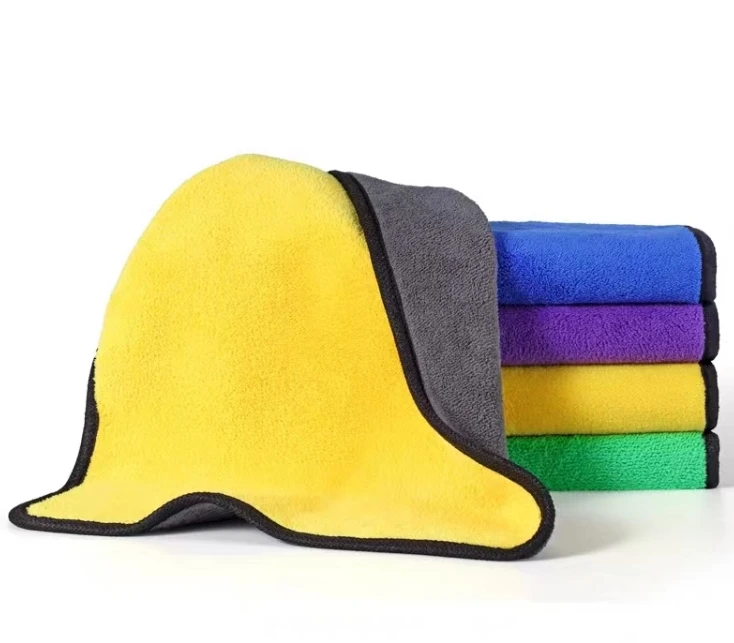
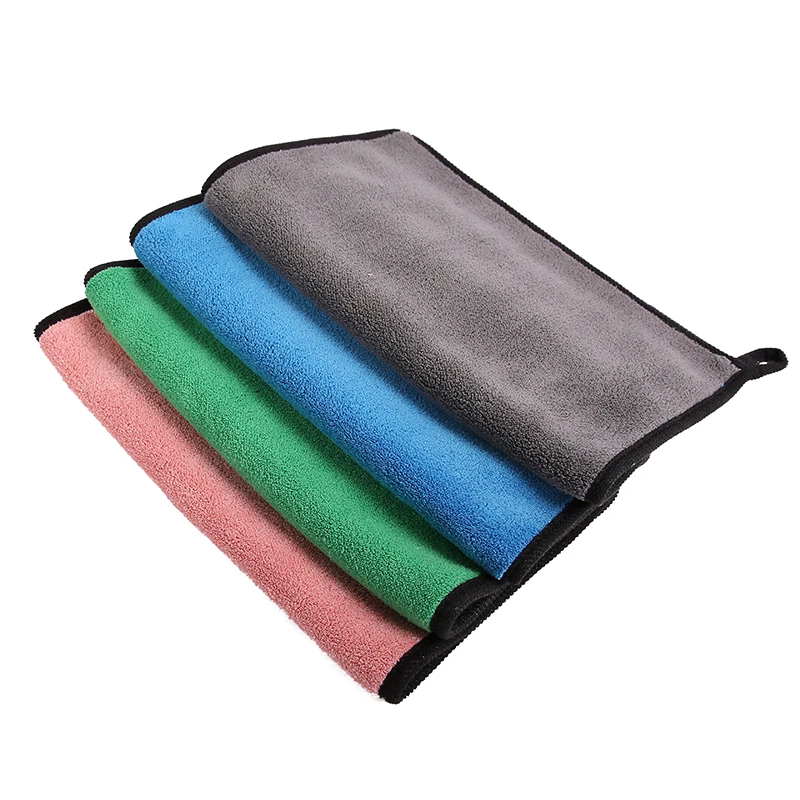
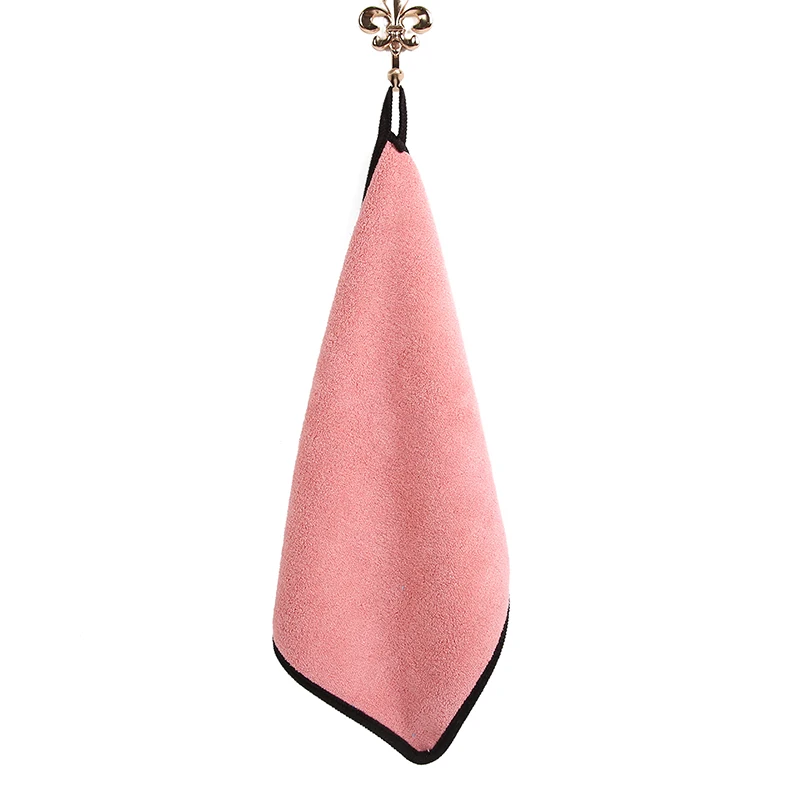
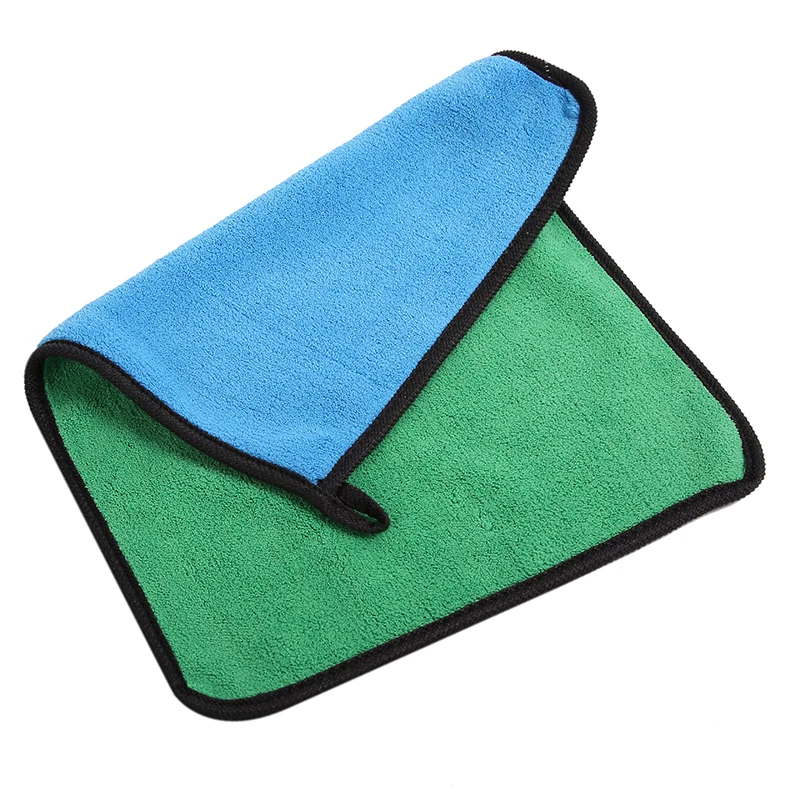
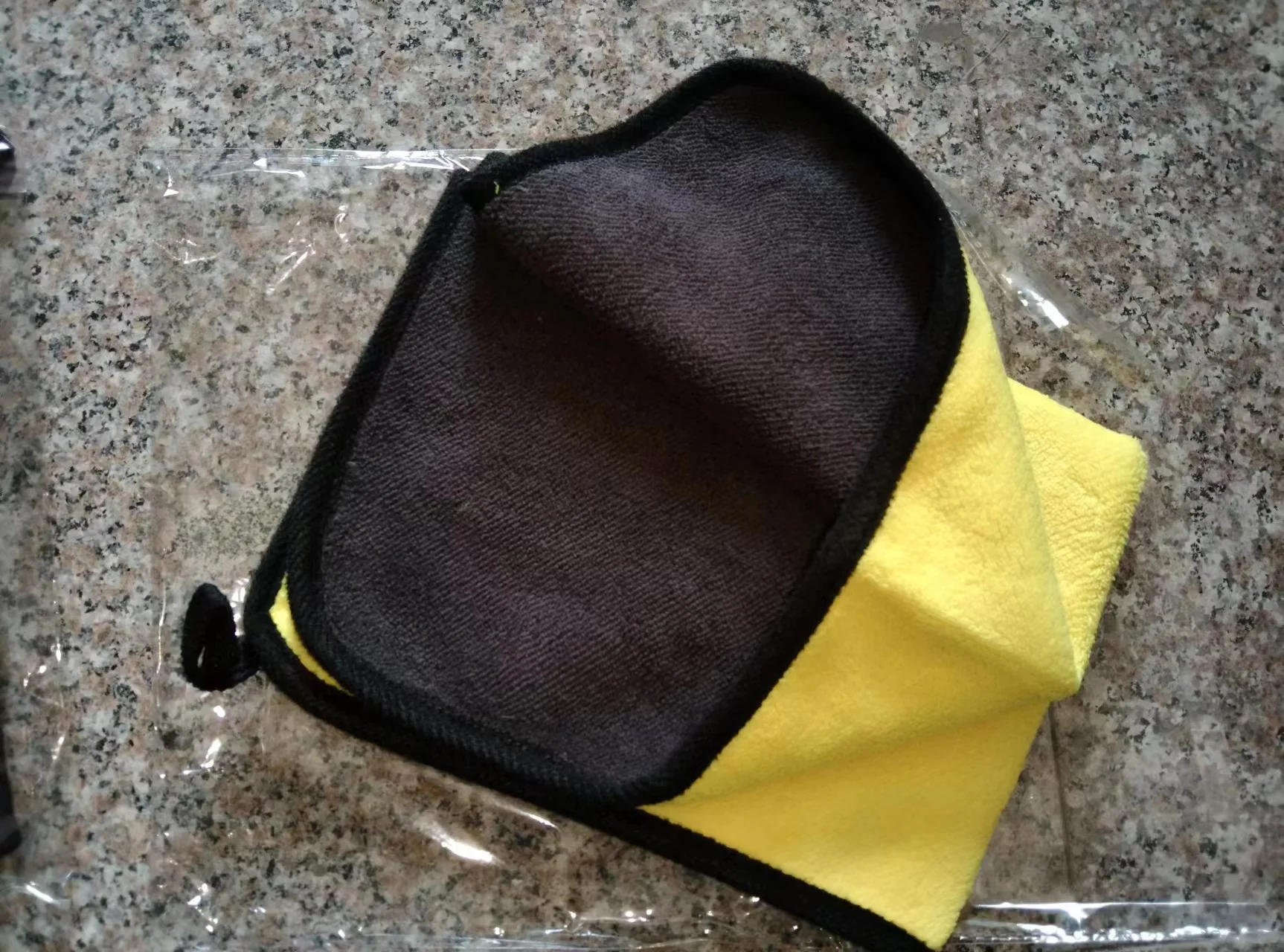
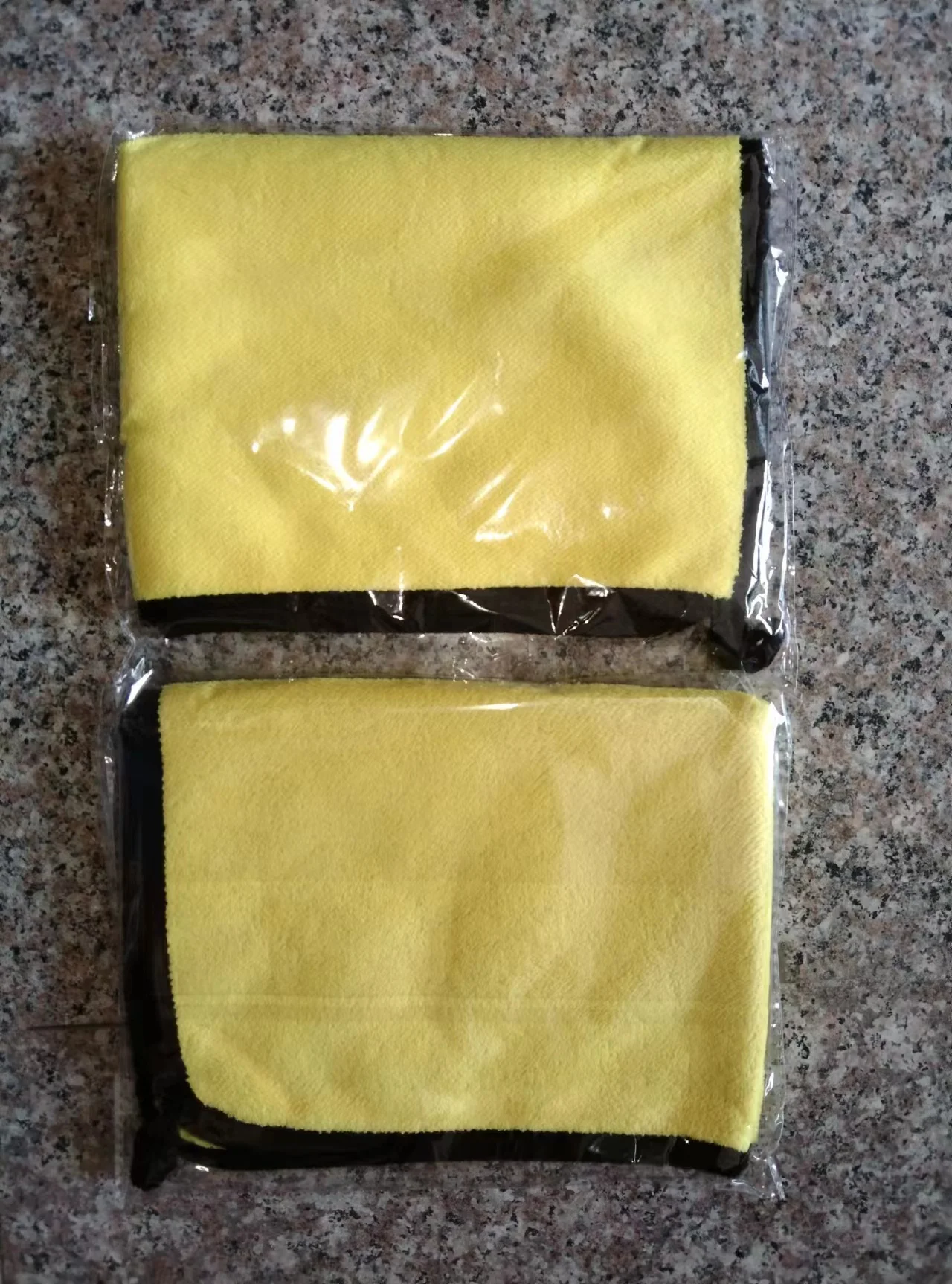
double faced pile towel cleaning car super absorbent 80 polyester 20 polyamide microfiber towel
- Category: >>>
- Supplier: Dongyang Jiaguan Commodity Co. Ltd.
Share on (1600830239297):
Product Overview
Description

Recommend Products
Product Description
Specification
item | value |
Item Weight | 16G |
Commercial Buyer | TV Shopping, Super Markets, Hotels, Convenience Stores |
Season | Everyday |
Room Space Selection | Not Support |
Occasion Selection | Not Support |
Holiday Selection | Not Support |
Usage | Home Appliance |
Application | Table |
Material | Other |
Feature | Sustainable |
Place of Origin | China |
Zhejiang | |
Brand Name | xintaiyang |
Model Number | CHG160305-Rag 20 |
Size | 30*30CM |
Color | Green, Red , Black , Gray and so on |
Logo | Xintaiyang or Custom-made |
MOQ | 1000 Sets |
Product name | Useful Dishcloth Kitchen Cleaning Rags |
Keywords | Kitchen Cleaning Rags |
Package | 5 PCS / Paper Card / Sets |
Item | Rags |
Use | Table, Kitchen |
Packing & Delivery


We offer many packing ways, customization is acceptable
Company Profile

Microfiber Cloths - Are They Really Lint-Free?
Microfiber cloths are commonly used in households today. They are highly effective in cleaning surfaces without using any harmful chemicals. Microfiber cloths are known for their ability to trap dirt and dust particles within their fibers, due to their unique structure. But, are microfiber cloths really lint-free? Well, the answer is not as simple as it may seem.
What is Lint?
Lint is the term used to describe the small fibers, threads, or fluffs that come off of fabric surfaces during washing, drying, or general use. The tiny fibers are usually produced by the breaking or shedding of the fabric fibers. Lint can cause a great deal of frustration, especially when it sticks to clothes, furniture, or surfaces after cleaning. Lint can also accumulate on surfaces that have been cleaned with a cloth, especially when the cloth is not specifically designed to be lint-free.
Microfiber Cloths and Lint
Microfiber cloths are commonly marketed as lint-free cleaning cloths. However, this is not entirely true. While microfiber cloths are effective in trapping and holding onto dirt and dust particles, they are still prone to producing lint. But, the amount of lint produced by microfiber cloths is significantly lower than that produced by other types of cloths, such as cotton.
Microfiber cloths are commonly used in households today. They are highly effective in cleaning surfaces without using any harmful chemicals. Microfiber cloths are known for their ability to trap dirt and dust particles within their fibers, due to their unique structure. But, are microfiber cloths really lint-free? Well, the answer is not as simple as it may seem.
What is Lint?
Lint is the term used to describe the small fibers, threads, or fluffs that come off of fabric surfaces during washing, drying, or general use. The tiny fibers are usually produced by the breaking or shedding of the fabric fibers. Lint can cause a great deal of frustration, especially when it sticks to clothes, furniture, or surfaces after cleaning. Lint can also accumulate on surfaces that have been cleaned with a cloth, especially when the cloth is not specifically designed to be lint-free.
Microfiber Cloths and Lint
Microfiber cloths are commonly marketed as lint-free cleaning cloths. However, this is not entirely true. While microfiber cloths are effective in trapping and holding onto dirt and dust particles, they are still prone to producing lint. But, the amount of lint produced by microfiber cloths is significantly lower than that produced by other types of cloths, such as cotton.
Benefits of Microfiber Cloths
Despite their tendency to produce some lint, microfiber cloths are still a great choice for cleaning surfaces. Some of the benefits of microfiber cloths include:
- Absorbency: Microfiber cloths are highly absorbent, and can absorb up to seven times their weight in liquid. This makes them ideal for cleaning up spills, wiping down surfaces, and drying dishes.
- Eco-friendly: Microfiber cloths are an eco-friendly option for cleaning, as they can be washed and re-used many times.
- Effective cleaning: Microfiber cloths are designed to clean without the use of cleaning chemicals. The unique structure of the fibers allows them to trap dirt and dust particles, leaving surfaces clean and streak-free.
- Versatility: Microfiber cloths can be used to clean a wide variety of surfaces, including glass, stainless steel, wood, and even sensitive surfaces like computer screens and camera lenses.
- Hypoallergenic: Microfiber cloths are hypoallergenic and do not contain any harmful chemicals, making them a safe option for cleaning around children and pets.
Tips for Using Microfiber Cloths
To get the most out of your microfiber cloths, consider the following tips:
- Wash microfiber cloths separately: To avoid lint transfer, wash microfiber cloths separately from other types of fabrics, especially those that produce a lot of lint like cotton and polyester.
- Use the proper washing temperature: Microfiber cloths should be washed in warm or hot water to kill germs and bacteria. However, washing microfiber cloths in excessively hot water can damage the fibers and cause them to produce more lint.
- Use a mild detergent: Avoid using harsh detergents, bleach, and fabric softeners when washing microfiber cloths. These can damage the fibers and cause them to produce more lint.
- Avoid over-drying: Over-drying microfiber cloths can damage the fibers and cause them to produce more lint. It is best to air-dry microfiber cloths or dry them on a low-heat setting.
FAQ
1. who are we?
We are based in Zhejiang, China, start from 2019,sell to Eastern Europe(15.00%),South America(15.00%),Mid East(15.00%),North America(15.00%),Northern Europe(10.00%),Southeast Asia(10.00%),Western Europe(10.00%),South Asia(5.00%),Southern Europe(5.00%). There are total about 101-200 people in our office.
2. how can we guarantee quality?
Always a pre-production sample before mass production;
Always final Inspection before shipment;
3.what can you buy from us?
Shower curtain,Microfiber towel,Rags,shower curtain rod,Table cloth
4. why should you buy from us not from other suppliers?
We've been engaged especially in this field about 15 years. We also have independent export right, and this can produce, customs clearance, export one-stop service.
5. what services can we provide?
Accepted Delivery Terms: FOB,CFR,CIF,EXW,Express Delivery;
Accepted Payment Currency:USD,EUR;
Accepted Payment Type: T/T,L/C,D/P D/A,Credit Card,PayPal,Western Union,Cash;
Language Spoken:English,Chinese
We are based in Zhejiang, China, start from 2019,sell to Eastern Europe(15.00%),South America(15.00%),Mid East(15.00%),North America(15.00%),Northern Europe(10.00%),Southeast Asia(10.00%),Western Europe(10.00%),South Asia(5.00%),Southern Europe(5.00%). There are total about 101-200 people in our office.
2. how can we guarantee quality?
Always a pre-production sample before mass production;
Always final Inspection before shipment;
3.what can you buy from us?
Shower curtain,Microfiber towel,Rags,shower curtain rod,Table cloth
4. why should you buy from us not from other suppliers?
We've been engaged especially in this field about 15 years. We also have independent export right, and this can produce, customs clearance, export one-stop service.
5. what services can we provide?
Accepted Delivery Terms: FOB,CFR,CIF,EXW,Express Delivery;
Accepted Payment Currency:USD,EUR;
Accepted Payment Type: T/T,L/C,D/P D/A,Credit Card,PayPal,Western Union,Cash;
Language Spoken:English,Chinese
We Recommend


New Arrivals
New products from manufacturers at wholesale prices