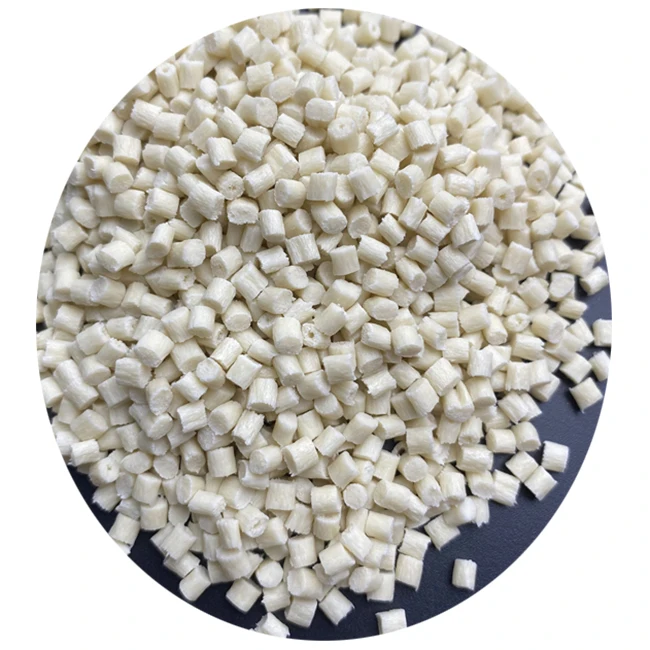
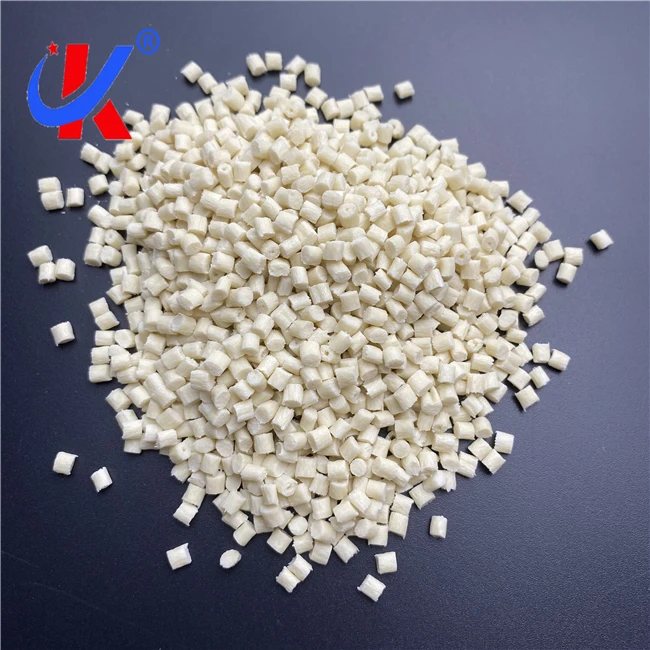
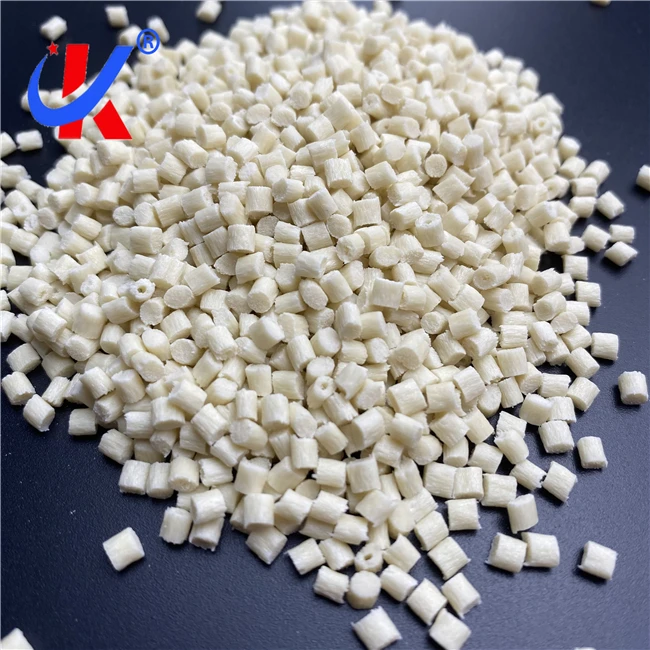
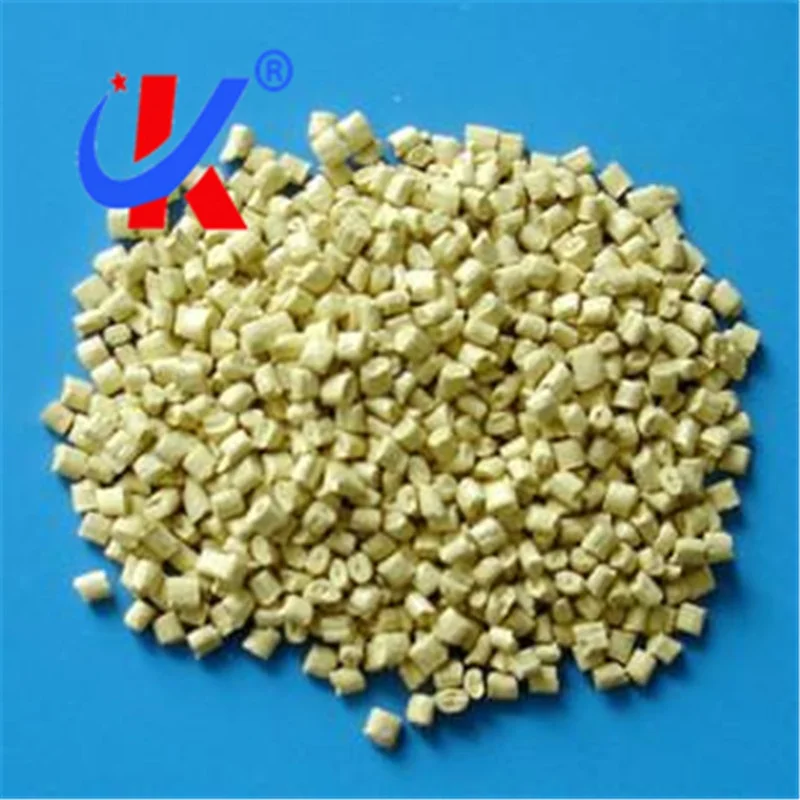
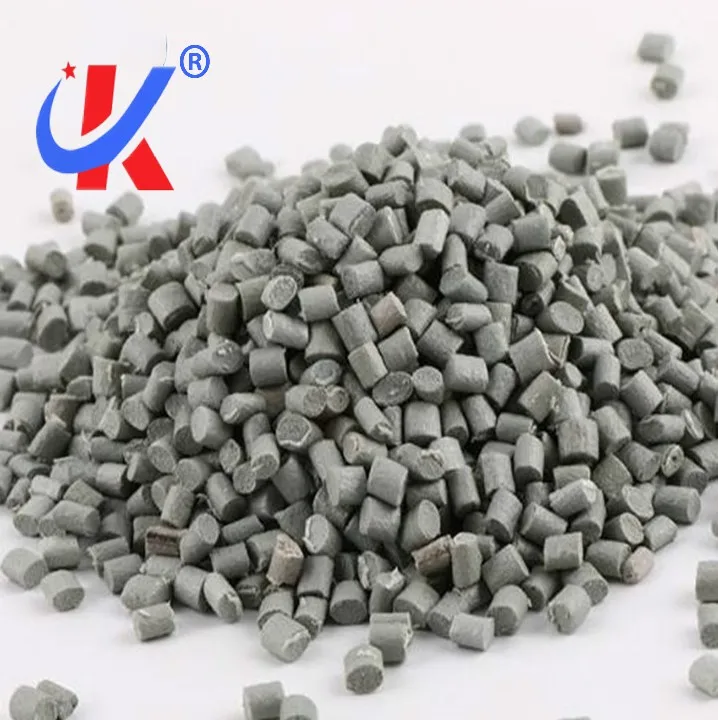
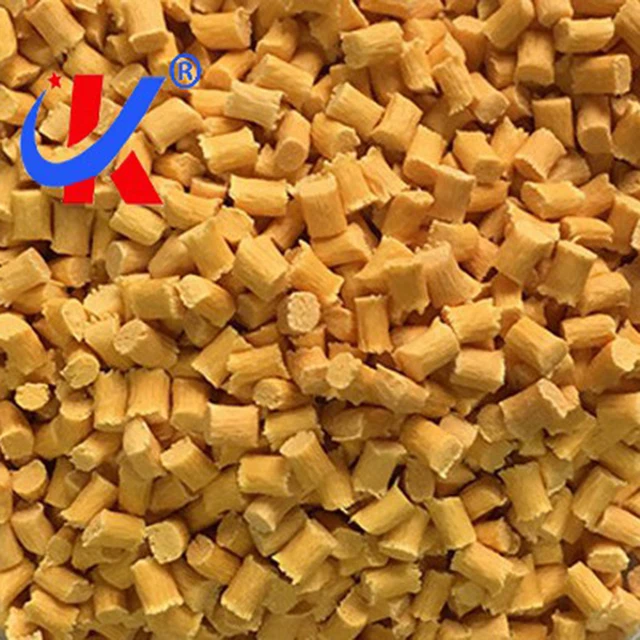
PPO GF10 gf20 gf30 composite for auto parts PPS 10% glass fiber for home appliance parts
- Category: PPO >>>
- Supplier: Xiamen Keyuan Plastic Co. Ltd.
Share on (1600864205773):
Product Overview
Description
Material Description
Brand | KeYuan |
Material | PPO |
Form | Plastic Pellets |
Manufacturer | Yes |
Place of Origin | Xiamen, China |
Molding Grade | Injection/Extrusion/Blow Molding |
Quanlity Grade | Virgin/Recycled/Off Grade |
Polyphenylene Oxide (PPO) is a thermoplastic general-purpose engineering plastic, which is a widely consumed variety of engineering plastic alloys.
Compared with other general-purpose engineering plastics, PPO has low specific gravity, low water absorption, high dielectric strength, and high glass transition temperature. However, due to its poor melt fluidity, solvent resistance, and oxidation resistance, high cost, and difficulty in thermoplastic processing, it is often necessary to expand its application range through modification. Modified polyphenylene oxide (MPPO) has excellent thermal, electrical, and mechanical properties, and is widely used in electronic and electrical appliances, office automation equipment, automotive dashboard, electrical components, interior and exterior decorative parts, and mechanical appliances.
There are three main forms of PPO: PPO modified plastics, PPO elastomers, and low molecular weight PPO. The main applications for 5G are modified PPO and low molecular weight PPO.
Compared with other general-purpose engineering plastics, PPO has low specific gravity, low water absorption, high dielectric strength, and high glass transition temperature. However, due to its poor melt fluidity, solvent resistance, and oxidation resistance, high cost, and difficulty in thermoplastic processing, it is often necessary to expand its application range through modification. Modified polyphenylene oxide (MPPO) has excellent thermal, electrical, and mechanical properties, and is widely used in electronic and electrical appliances, office automation equipment, automotive dashboard, electrical components, interior and exterior decorative parts, and mechanical appliances.
There are three main forms of PPO: PPO modified plastics, PPO elastomers, and low molecular weight PPO. The main applications for 5G are modified PPO and low molecular weight PPO.
PPO and PPE are thermoplastic engineering plastics with excellent comprehensive performance, highlighting excellent electrical insulation and water resistance, as well as good dimensional stability. The structure has a glass transition temperature of about 210 ℃, a melting temperature of 257 ℃, and a density of 0.96-1.06 g/cm3. The molecular weight of practical polyphenylene ether is between 20000 and 50000, and the crystallinity is about 50%. The most prominent advantage is high water and steam resistance. After being treated for 200 times in a high-pressure steam container at 132 ℃, the tensile and impact strengths have not significantly changed. In addition, it also has characteristics such as good dimensional stability, small creep, and high insulation. Its long-term use temperature is - 127 to 120 ℃, and its no-load intermittent operation can reach 200 ℃.
1. Its dielectric properties rank first in engineering plastics.
2. Good mechanical and thermal properties.
3. Excellent water resistance.
Material Pictures


Company Profile
FAQ
1. Are you a trading company or manufacturer?
We are a professional modified plastic factory located in Xiamen, China.
2. About Sample
5kg of free sample with freight collect.
3. About QC
Our engineer will do Lab Test during production and our QC team do test before delivery.
4. About Color
We can match color according to Color Card - Pantone or RAL .
5. About Lead Time
Generally 3 days for sample and 7 days lead time for 1 FCL.
6. About Payment Term
We can accept Paypal, bank transfer, L/C, Ali Credit Guarantee Payment, etc.
We are a professional modified plastic factory located in Xiamen, China.
2. About Sample
5kg of free sample with freight collect.
3. About QC
Our engineer will do Lab Test during production and our QC team do test before delivery.
4. About Color
We can match color according to Color Card - Pantone or RAL .
5. About Lead Time
Generally 3 days for sample and 7 days lead time for 1 FCL.
6. About Payment Term
We can accept Paypal, bank transfer, L/C, Ali Credit Guarantee Payment, etc.
We Recommend


New Arrivals
New products from manufacturers at wholesale prices