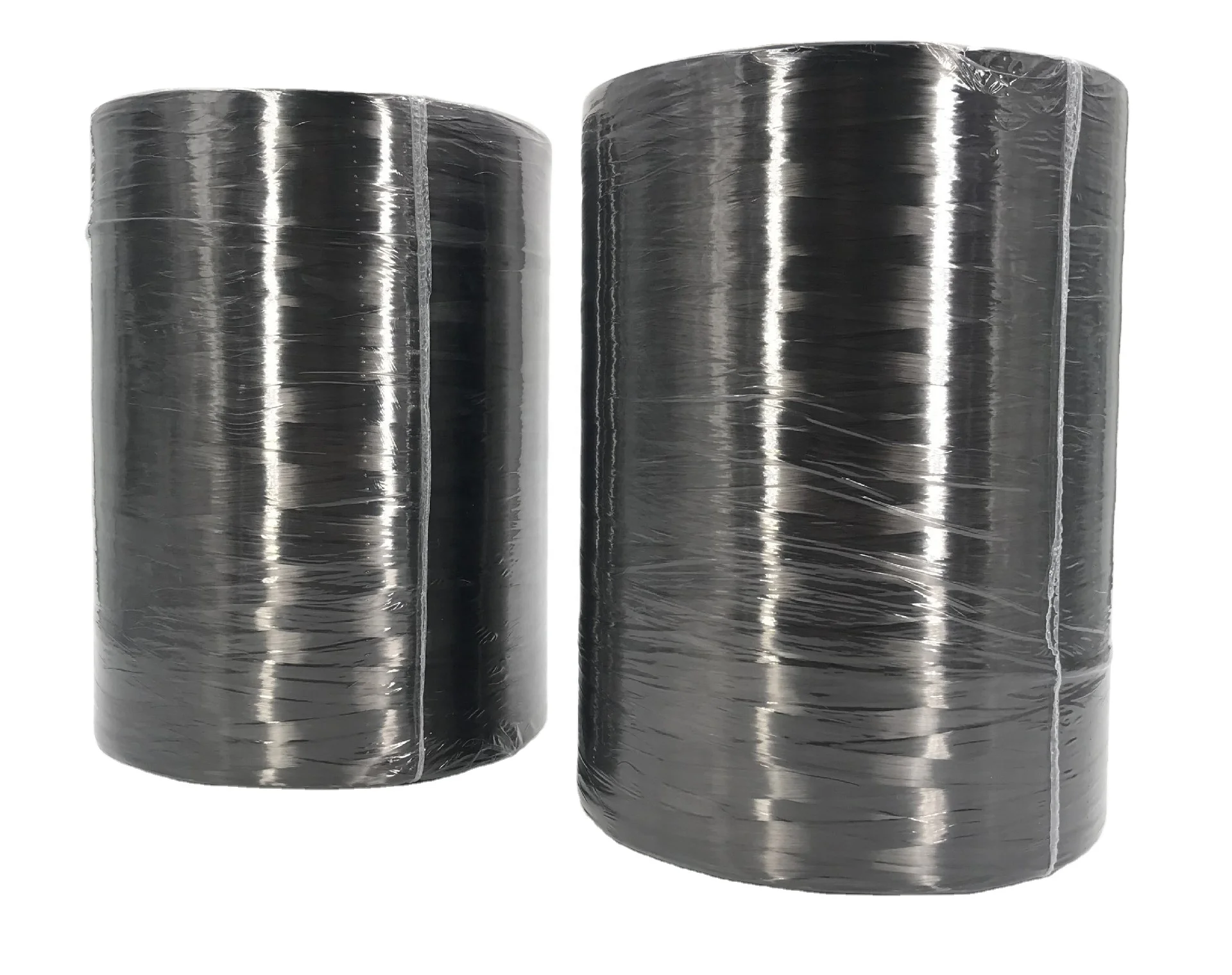
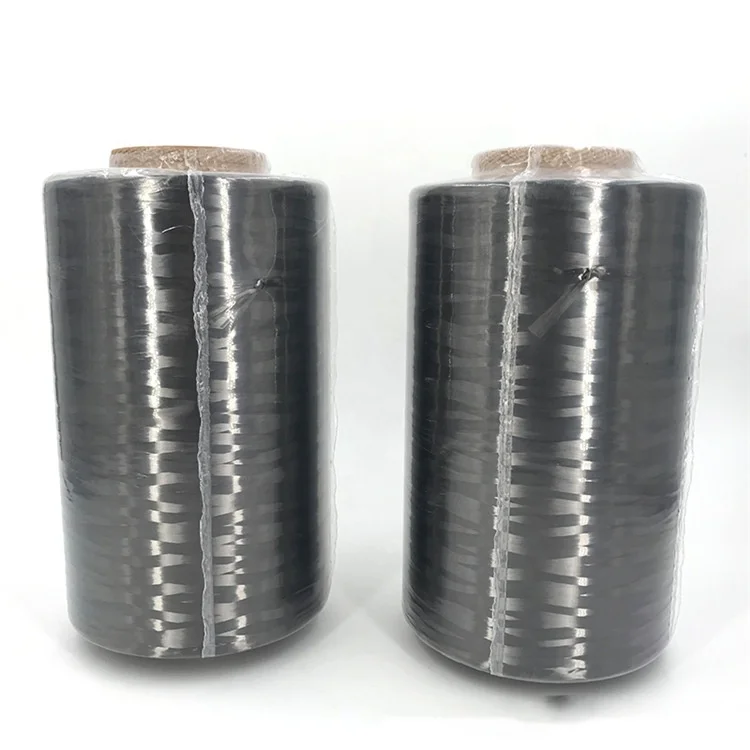
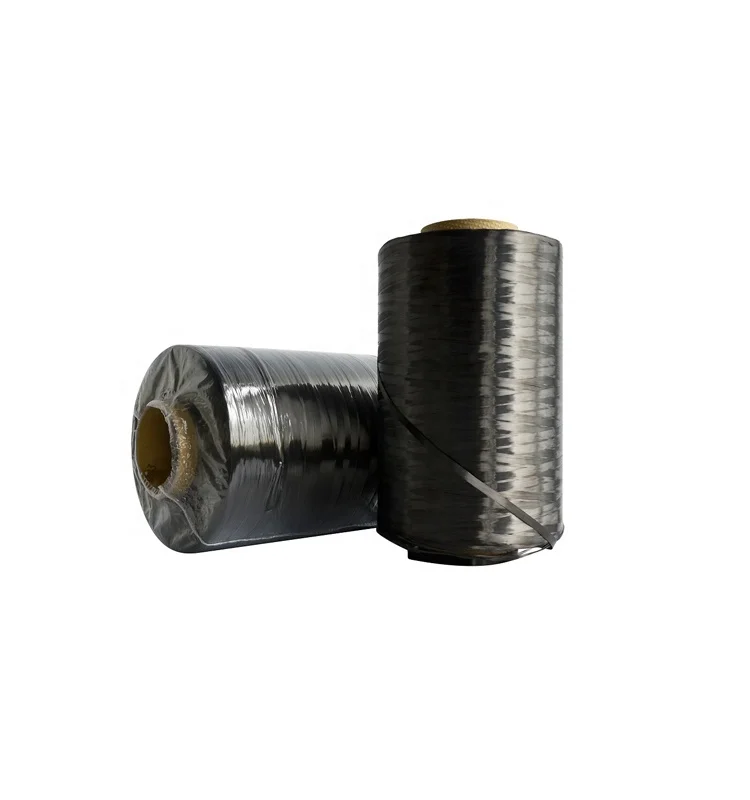
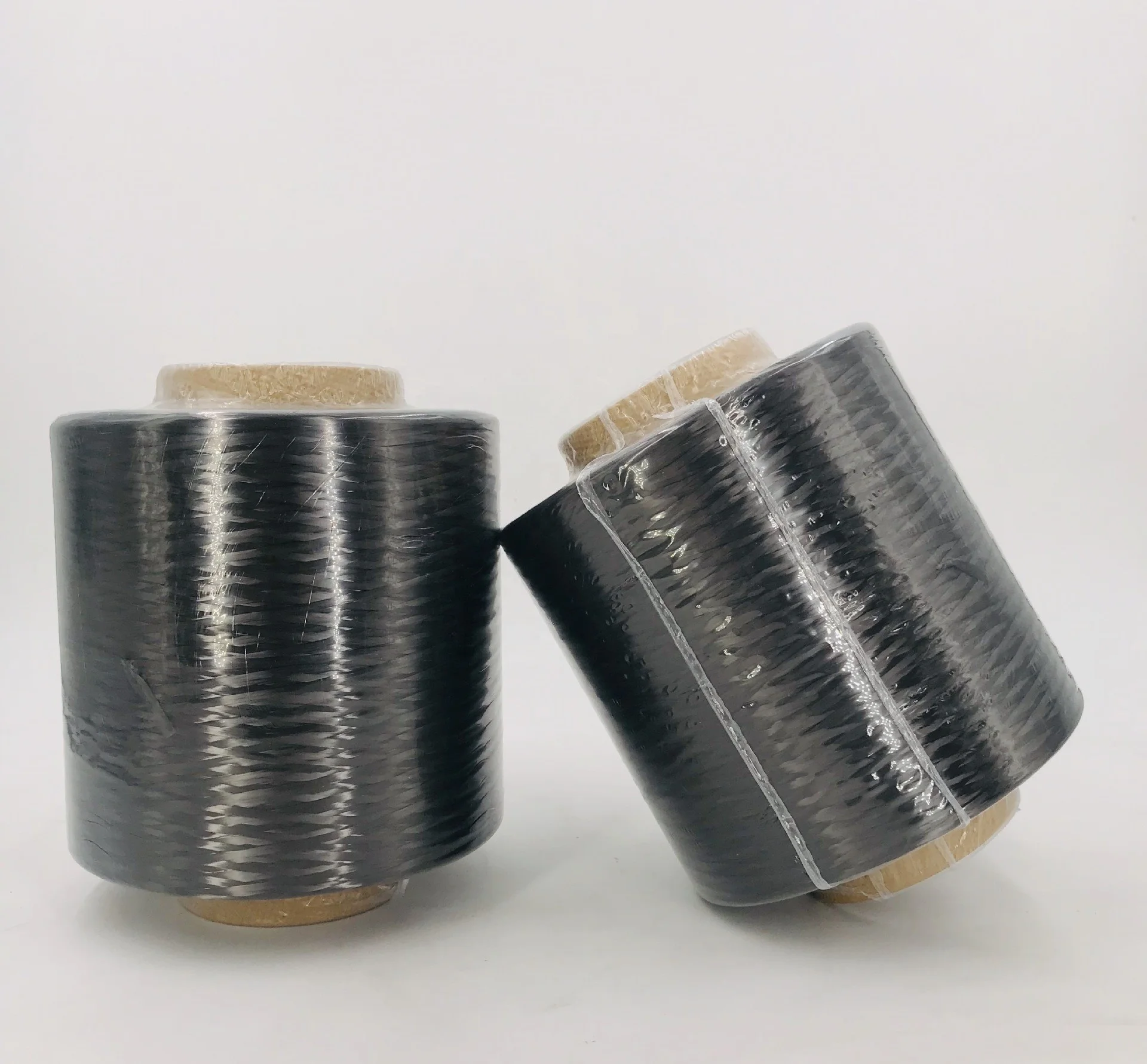
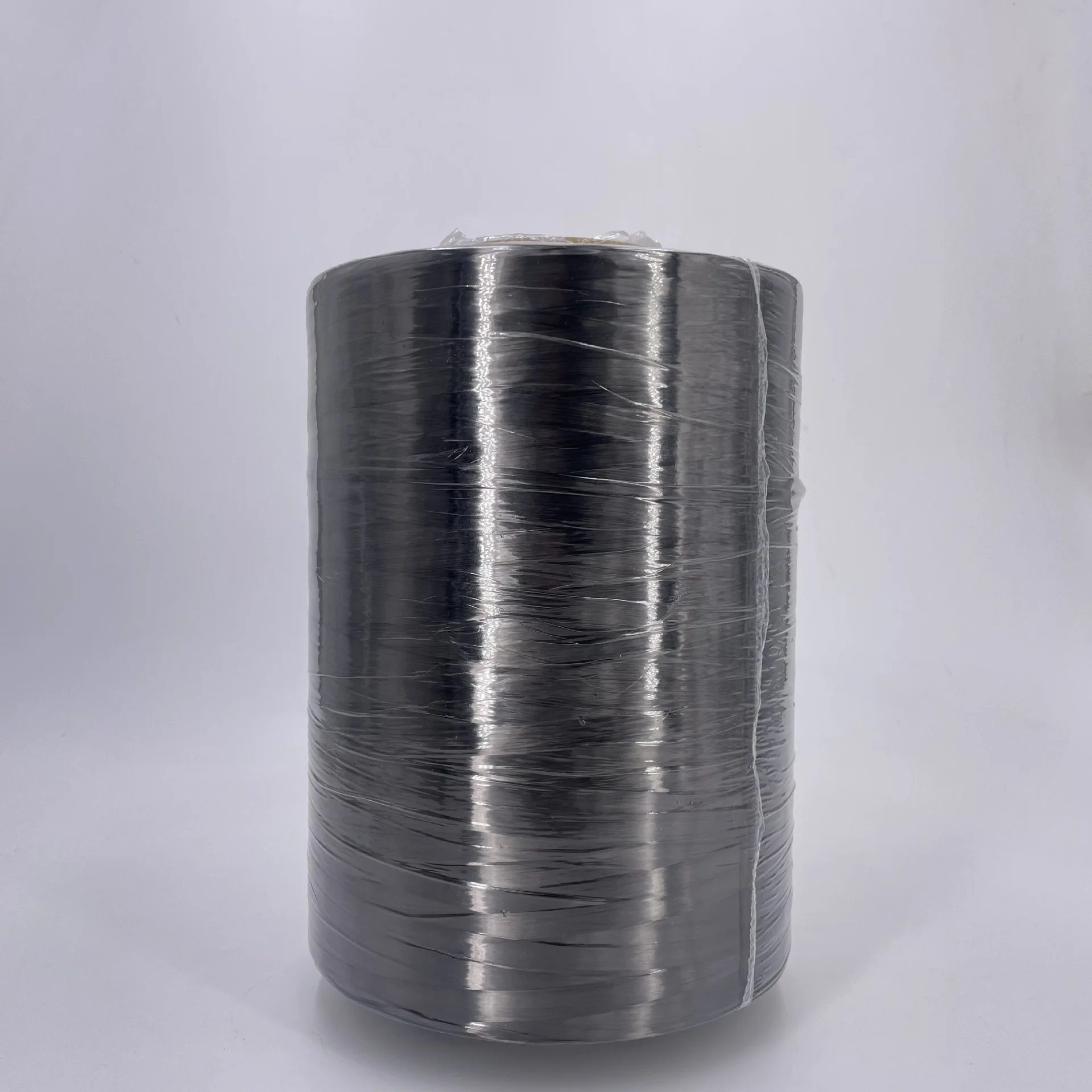
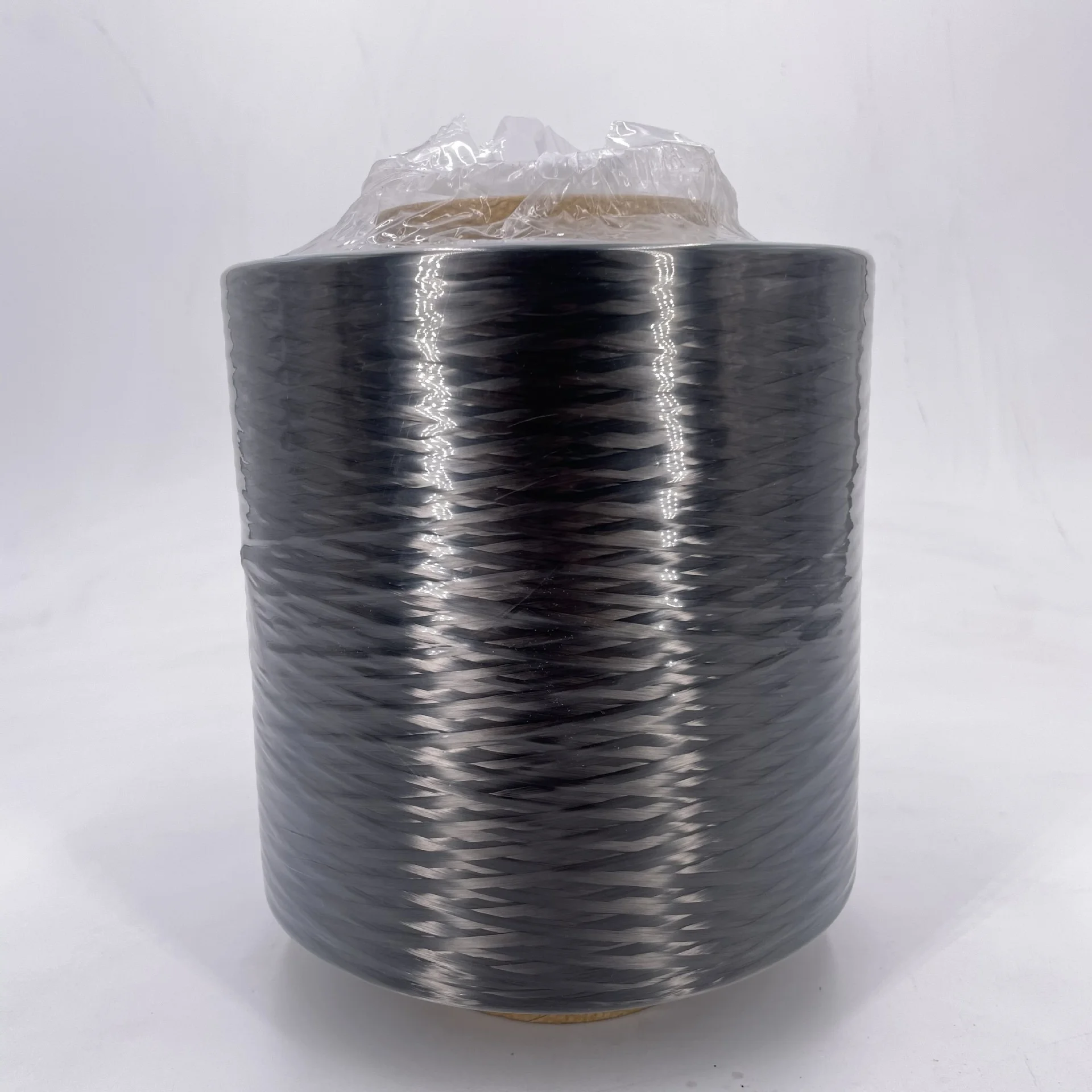
compassarmor Carbon Fiber yarn 12K 24K Reinforcements Roving Yarn high performance carbon fibers fiber 5880MPa 294GPa
- Category: >>>
- Supplier: COMPASS INDUSTRIAL SYSTEMS PTE LTD
Share on (1600865099031):
Product Overview
Description
compassarmor Carbon Fiber yarn Reinforcements Roving Yarn high performance carbon fibers 12K 24K fiber 5660MPa 290GPa
High strength, high modulus, low density, small coefficient of linear expansion
Tensile strength 5880MPa
Tensile modulus: 290GPa
Elongation at break: 2%
Linear density: 515g/km
Bulk density: 1.8g/cm3
Standard single axle weight: 4kgs


Carbon fiber (CF for short) is a new type of fiber material with high strength and high modulus fibers with a carbon content of more than 95%. It is a microcrystalline graphite material obtained by stacking organic fibers such as flake graphite microcrystals along the axial direction of the fiber, and undergoing carbonization and graphitization. Carbon fiber is "soft on the outside and rigid on the inside", lighter than metal aluminum, but stronger than steel, and has the characteristics of corrosion resistance and high modulus. It is an important material in national defense and civilian applications. It not only has the inherent intrinsic characteristics of carbon materials, but also has the softness and processability of textile fibers. It is a new generation of reinforcing fibers.
Carbon fiber has many excellent properties, such as high axial strength and modulus, low density, high specific performance, no creep, ultra-high temperature resistance in non-oxidizing environment, good fatigue resistance, specific heat and electrical conductivity between non-metal and Between metals, the thermal expansion coefficient is small and has anisotropy, good corrosion resistance, and good X-ray transparency. Good electrical and thermal conductivity, good electromagnetic shielding, etc.
Compared with traditional glass fiber, the Young's modulus of carbon fiber is more than three times; compared with Kevlar fiber, the Young's modulus is about two times, and it is insoluble and non-swellable in organic solvents, acids, and alkalis. Outstanding corrosion resistance.
On February 15, 2016, China broke through the Japanese control blockade and developed high-performance carbon fiber.
Composition
carbon fiber
Carbon fiber is an inorganic polymer fiber with a carbon content higher than 90%. Among them, those with a carbon content higher than 99% are called graphite fibers. The microstructure of carbon fiber is similar to artificial graphite, which is a turbostratic graphite structure. The spacing between layers of carbon fiber is about 3.39 to 3.42A, and the arrangement of carbon atoms between parallel layers is not as regular as that of graphite, and the layers are connected together by van der Waals force.
The structure of carbon fiber is usually regarded as composed of two-dimensional ordered crystals and pores, and the content, size and distribution of pores have a great influence on the performance of carbon fiber.
When the porosity is lower than a certain critical value, the porosity has no obvious effect on the interlaminar shear strength, flexural strength and tensile strength of carbon fiber composites. Some studies have pointed out that the critical porosity that causes the mechanical properties of materials to decline is 1%-4%. When the pore volume content is in the range of 0-4%, the interlaminar shear strength decreases by about 7% for every 1% increase in the pore volume content. Through the study of carbon fiber epoxy resin and carbon fiber bismaleimide resin laminates, it can be seen that when the porosity exceeds 0.9%, the interlaminar shear strength begins to decrease. It is known from experiments that the pores are mainly distributed between the fiber bundles and at the interface between layers. And the higher the void content, the larger the size of the voids and significantly reduces the area of the interlayer interface in the laminate. When the material is stressed, it is easy to break along the interlayer, which is why the interlayer shear strength is relatively sensitive to the pores. In addition, the pores are stress concentration areas, and the bearing capacity is weak. When the force is applied, the pores expand to form long cracks, which are destroyed.
Even two laminates with the same porosity (using different prepreg methods and manufacturing methods during the same curing cycle) exhibit completely different mechanical behavior. The specific values of the decrease of mechanical properties with the increase of porosity are different, showing that the influence of porosity on mechanical properties has large dispersion and poor repeatability. The effect of porosity on the mechanical properties of composite laminates is a complex issue due to the large number of variables involved. These factors include: shape, size, and location of pores; mechanical properties of fibers, matrix, and interfaces; static or dynamic loading.
Compared with porosity and pore aspect ratio, pore size and distribution have a greater influence on mechanical properties. It was found that large pores (area >0.03mm2) had an adverse effect on mechanical properties, which was attributed to the effect of pores on crack propagation in the interlaminar gel-rich region.
physical properties
Carbon fiber has two characteristics of strong tensile strength of carbon material and soft processability of fiber.
It is a new material with excellent mechanical properties. The tensile strength of carbon fiber is about 2 to 7 GPa, and the tensile modulus is about 200 to 700 GPa. The density is about 1.5 to 2.0 grams per cubic centimeter, which is not only related to the structure of the original silk, but also mainly determined by the temperature of carbonization treatment. Generally, it is graphitized at a high temperature of 3000°C, and its density can reach 2.0 grams per cubic centimeter. Coupled with its light weight, its specific gravity is lighter than aluminum, less than 1/4 of steel, and its specific strength is 20 times that of iron. The thermal expansion coefficient of carbon fiber is different from other fibers, and it has the characteristics of anisotropy. The specific heat capacity of carbon fiber is generally 7.12. Thermal conductivity decreases with increasing temperature. Parallel to the fiber direction is negative (0.72 to 0.90), and perpendicular to the fiber direction is positive (32 to 22). The specific resistance of carbon fiber is related to the type of fiber. At 25°C, the high modulus is 775, and the high-strength carbon fiber is 1500 per centimeter. This gives carbon fiber the highest specific strength and specific modulus of all high performance fibers. Compared with metal materials such as titanium, steel, and aluminum, carbon fiber has the characteristics of high strength, high modulus, low density, and small linear expansion coefficient in terms of physical properties, and can be called the king of new materials.
In addition to the characteristics of general carbon materials, carbon fiber
Its appearance has remarkable anisotropy and softness, and can be processed into various fabrics. Due to its small specific gravity, it shows high strength along the fiber axis direction. Carbon fiber reinforced epoxy resin composite materials have comprehensive indicators of specific strength and specific modulus. , which is the highest among existing structural materials. The tensile strength of carbon fiber resin composite materials is generally above 3500 MPa, which is 7 to 9 times that of steel, and the tensile elastic modulus is 230 to 430 G Pa, which is also higher than that of steel; therefore, the specific strength of CFRP is the ratio between the strength of the material and its density. The specific strength can reach more than 2000 MPa, while the specific strength of A3 steel is only about 59 MPa, and its specific modulus is also higher than that of steel. Compared with traditional glass fiber, Young's modulus (referring to the physical quantity that characterizes the tensile or compressive resistance of a material within the elastic limit) is more than three times that of glass fiber; compared with Kevlar fiber, not only Young's modulus It is about 2 times that. Experiments with carbon fiber epoxy laminates have shown that both strength and modulus decrease with increasing porosity. Porosity has a great influence on interlaminar shear strength, flexural strength, and flexural modulus; tensile strength decreases relatively slowly with the increase of porosity; tensile modulus is less affected by porosity.
Carbon fiber also has excellent fineness (one of the expressions of fineness is the number of grams of 9000 meters long fiber), generally only about 19 grams, and the tensile force is as high as 300kg per micron. Few other materials have such a series of excellent properties as carbon fiber, so they are used in fields with strict requirements such as strength, stiffness, weight, and fatigue properties. When not in contact with air and oxidants, carbon fiber can withstand high temperatures above 3000 degrees, and has outstanding heat resistance. Compared with other materials, the strength of carbon fiber begins to decrease when the temperature is higher than 1500 degrees Celsius, and the higher the temperature, the fiber The greater the intensity. The radial strength of carbon fiber is not as good as the axial strength, so carbon fiber avoids radial strength (that is, it cannot be knotted) and the whisker performance of other materials has already been greatly reduced. In addition, carbon fiber also has good low temperature resistance, such as not being brittle at the temperature of liquid nitrogen.
The chemical properties of carbon fiber are similar to carbon, and it is inert to general alkali except that it can be oxidized by strong oxidizing agents. When the temperature in the air is higher than 400°C, obvious oxidation occurs, producing CO and CO2. Carbon fiber has good corrosion resistance to general organic solvents, acids, and alkalis. It is insoluble and non-swelling, and its corrosion resistance is outstanding. There is no rust problem at all. Some scholars soaked PAN-based carbon fibers in a strong alkali sodium hydroxide solution in 1981. More than 30 years have passed, and it still maintains the fiber form. However, its impact resistance is poor, it is easy to damage, and it oxidizes under the action of strong acid. The electromotive force of carbon fiber is positive, while that of aluminum alloy is negative. When carbon fiber composite materials are combined with aluminum alloys, metal carbonization, carburization and electrochemical corrosion will occur. Therefore, carbon fiber must be surface treated before use. Carbon fiber also has the characteristics of oil resistance, radiation resistance, radiation resistance, toxic gas absorption and neutron deceleration.


USAGE:
Pressure vessels, lightweight automobiles,
automotive wheels and hub blades,
medical fields, hydrogen storage high-pressure cylinders,
building reinforcement, aerospace, air defense aircraft,
launch vehicles and missiles, satellite antennas,
construction engineering, helicopters,
industrial automation and robots ,
commercial drones, supersonic flight demonstrators,
carbon fiber bicycles,
bridge construction engineering, sporting goods, ships,
canes for the blind, life medical health, golf clubs,
musical instruments,
yachts, carbon fiber pencils, carbon-carbon composites,
carbon fiber Resin-based composite materials,
carbon-ceramic composite materials,
automotive interior design,
crawler cranes, robot arms, roller brushes and transmission belts,
carbon fiber reinforced paint fireproof electronic shielding,
floor coatings, industrial equipment parts,
heat insulation materials,
anti-friction materials, Carbon-carbon composite parts,
tubular products, cement reinforcement,
thermal insulation molded thermal insulation,
heat-resistant and corrosion-resistant layer substrates,
new energy vehicle battery cathode materials,
anti-static plates,
electrodes, speaker cones and heating plates,
office automation equipment, Offshore wind farms,
human skeletons, seawater desalination,
Mars exploration
ETC.
pressure vessel,
automotive field,
medical field,
building reinforcement,
Aerospace,
industrial automation and robotics,
sporting goods,
life medical health, human skeleton,
office automation equipment,
wind farm,
desalination


We Recommend
New Arrivals
New products from manufacturers at wholesale prices