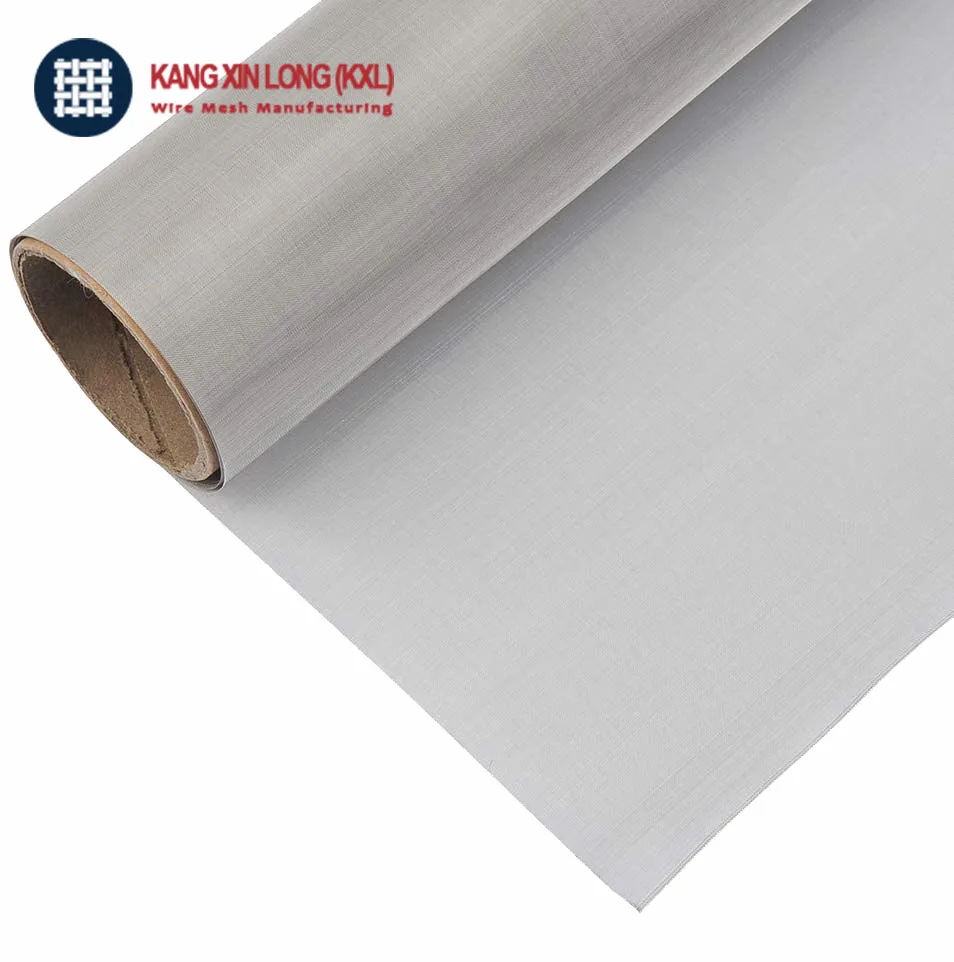
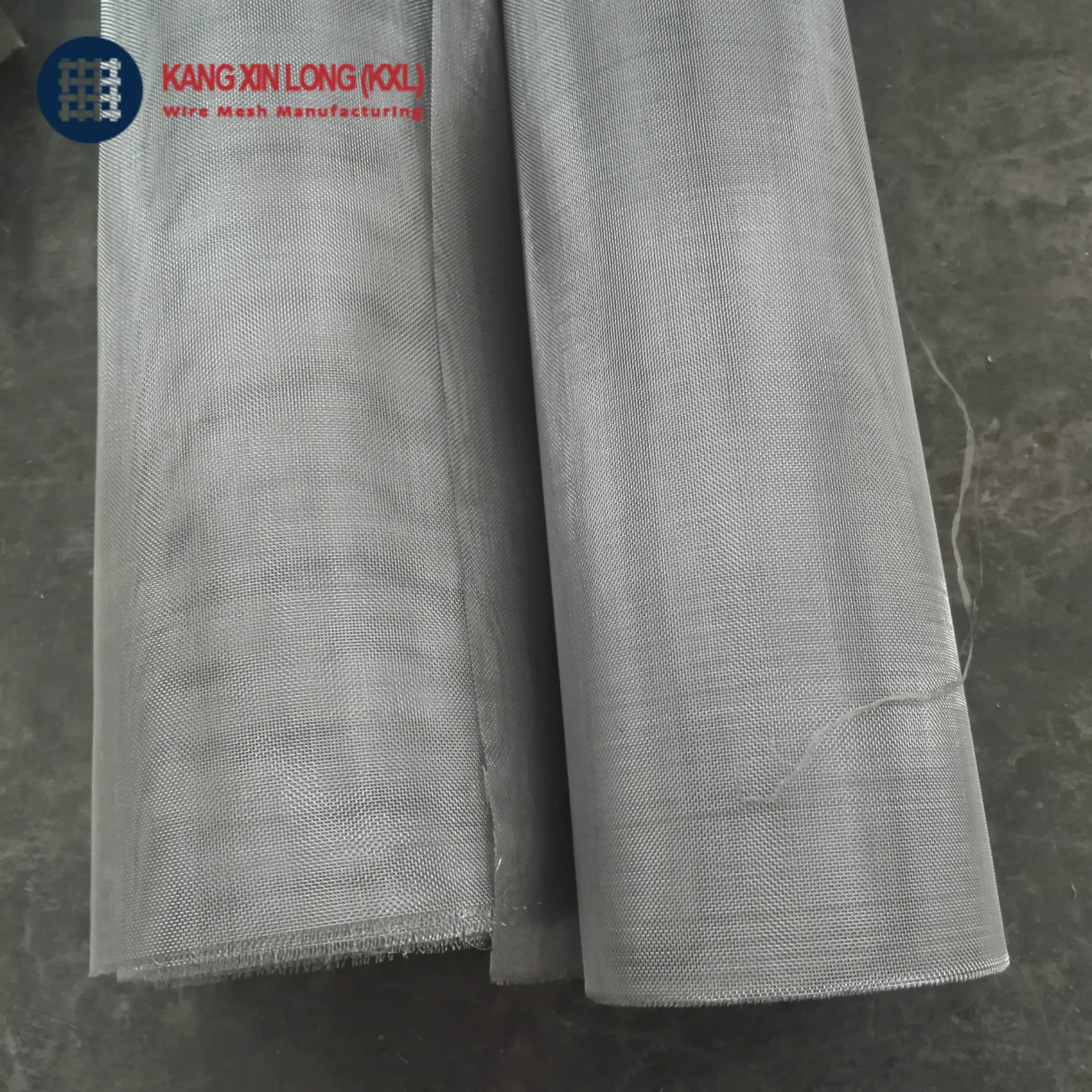
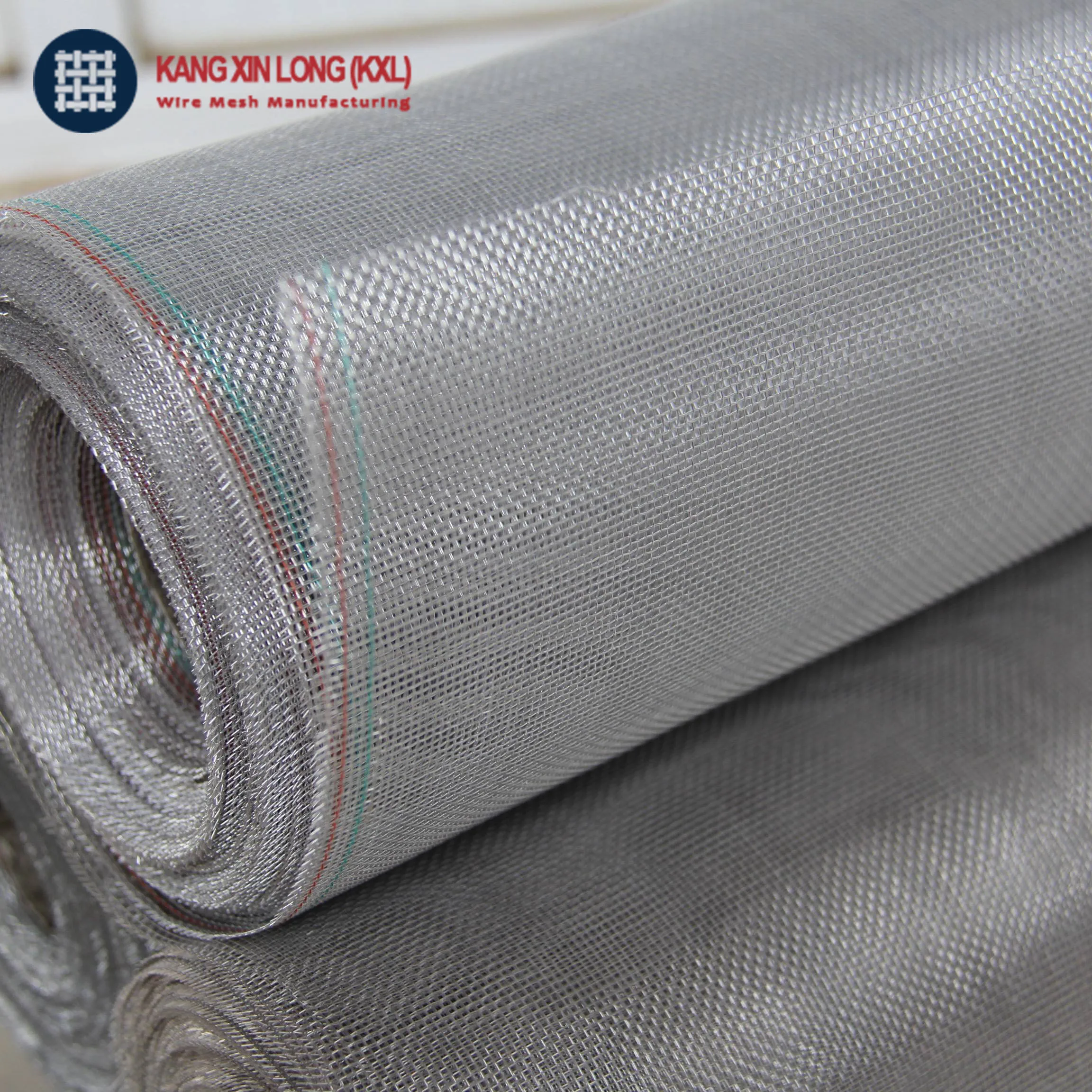
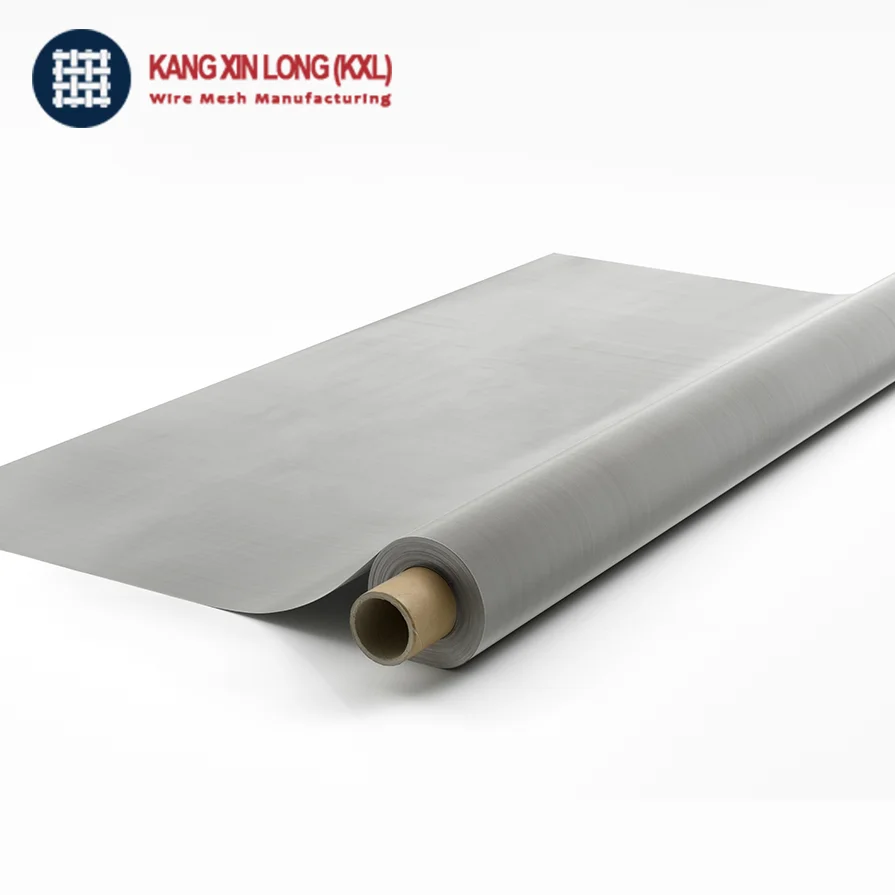
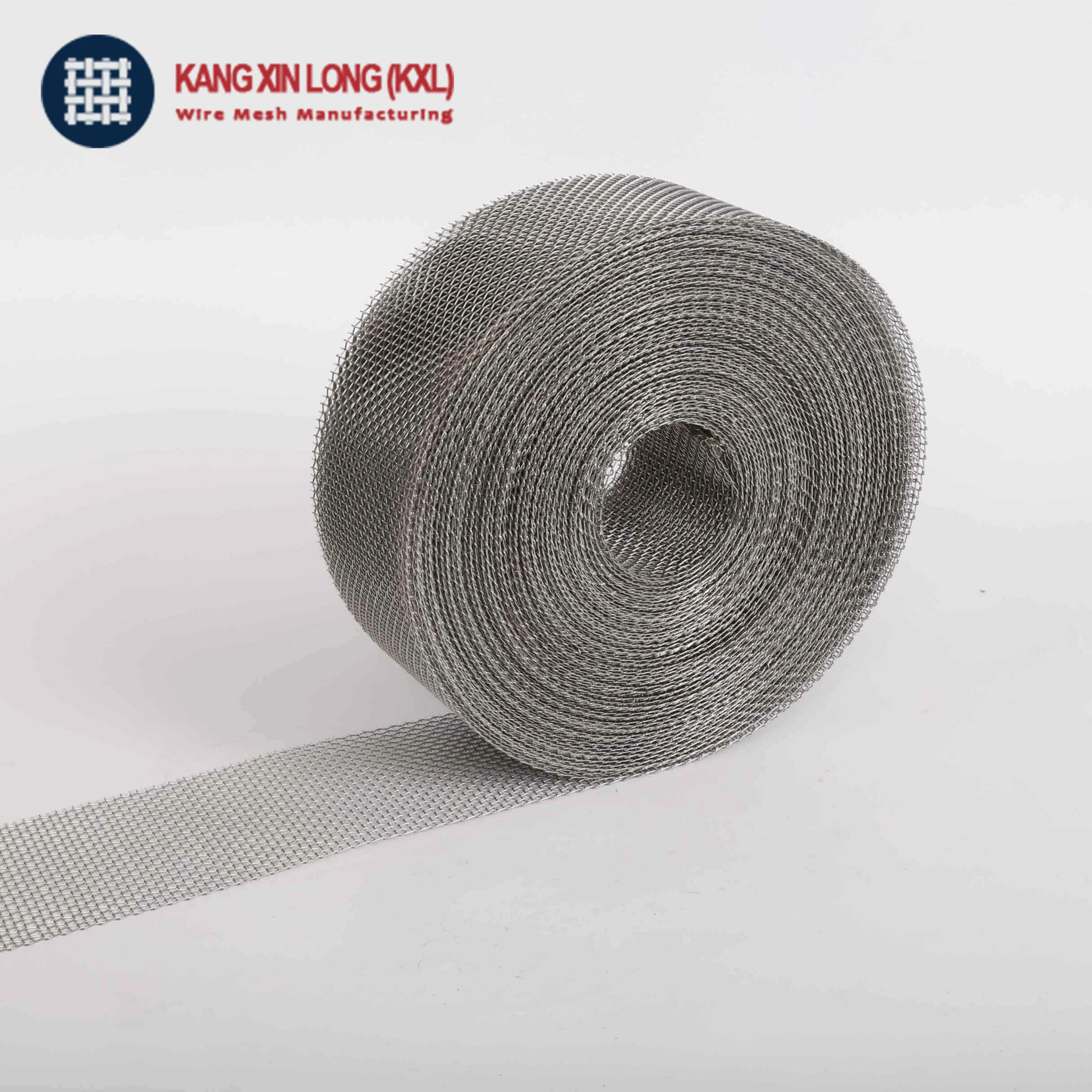
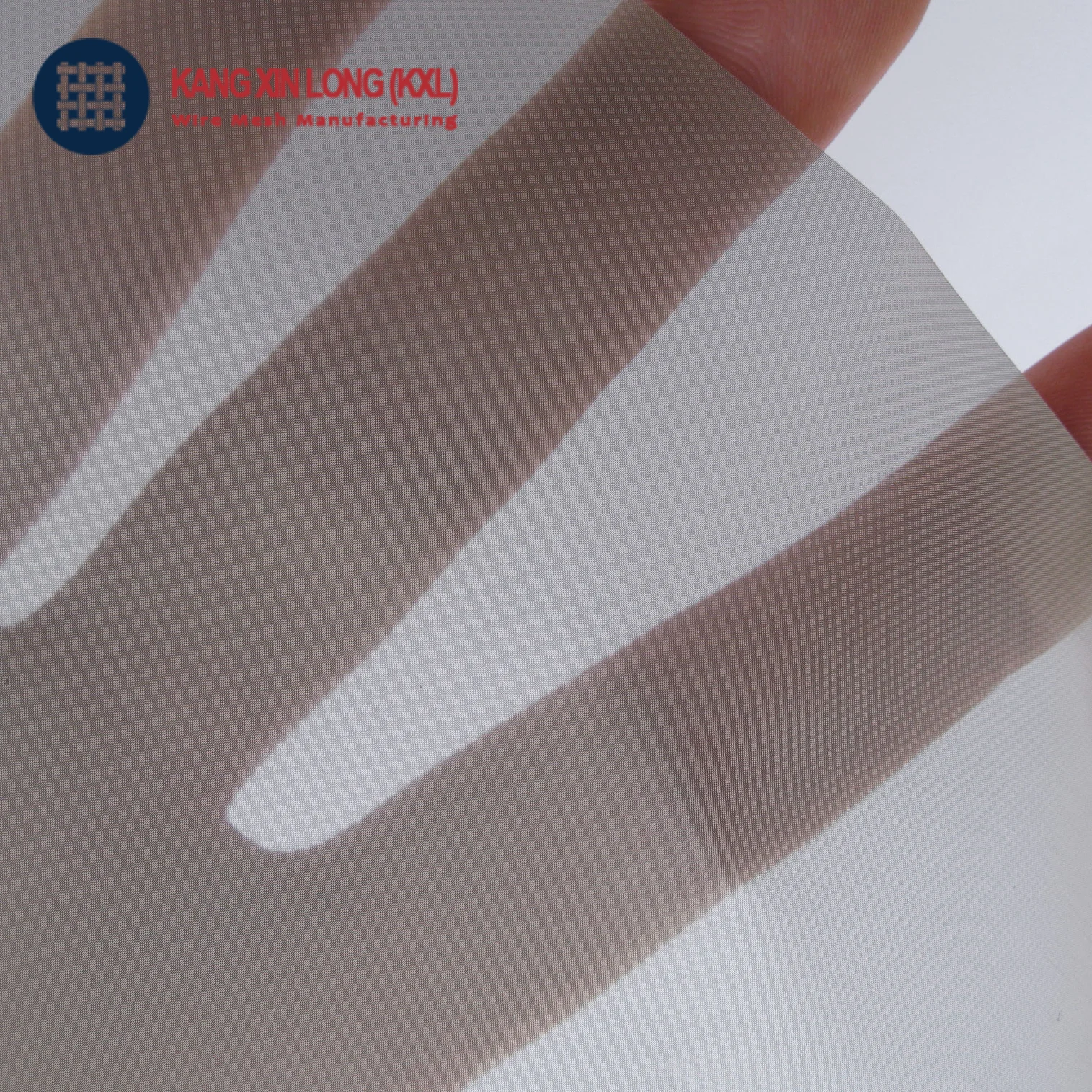
80/100/150/200/300/400 Micron Filter Cloth Stainless Steel Woven Wire Mesh
- Category: >>>
- Supplier: Anping County Kangxinlong Wire Mesh Manufacturing Stock Co. Ltd.
Share on (1600909895229):
Product Overview
Description
Product Description
Stainless steel wire mesh is made by stainless steel wire,Due to its own characteristics of stainless steel, the stainless steel mesh processed has high wear resistance, long service life, accurate mesh, uniform structure, no curl, easy to use, uniform screen thickness, anti static, anti-acid and alkali resistance Corrosion.
Product name | Stainless Steel Woven WIre Mesh |
Material | Stainless steel wire 201,202,304,304L, 316,316L, 321, 430, etc. |
Weave Style | Plain Weave,Twill Weave,Fice-heddle Weave,Plain Dutch Weave,Twill Dutch Weave Reverse Twill Dutch Weave |
Mesh counts | 1 - 2800 mesh |
Features | Corrosion resistance.,Anti-acid and alkali,Anti-high temperature. |
Sample | Free to provide |


Specification

Plain Weave Stainless Steel Woven Wire Mesh Specifications
The following table summarizes the specifications of plain woven stainless steel wire mesh.
Stainless steel woven wire mesh comes in different types, each designed to cater to specific needs and requirements.
Plain weave wire mesh, where the wires are woven in an over-and-under pattern, creating a square opening. This type provides excellent stability and a high level of filtration accuracy, making it ideal for fine particle separation, insect screens, and sieving applications.
Dutch weave wire mesh is a specialized type that features a tight weave with smaller wire openings. It is created by using thicker wires in the warp direction and finer wires in the weft direction. This design provides superior filtration capabilities and is commonly used in applications requiring precise filtration, such as oil and gas, pharmaceutical, and chemical industries.
Reverse Dutch weave wire mesh is another variant where the thicker wires are used in the weft direction and finer wires in the warp direction. This configuration results in a high flow rate and excellent mechanical stability, making it suitable for pressure filtration, vacuum filters, and liquid-solid separation.
Twill weave wire mesh, which is characterized by a diagonal pattern created by the interlacing of wires. Twill weave mesh offers enhanced strength and flexibility, making it suitable for heavy-duty applications such as conveyor belts, hydraulic filters, and architectural applications like facades and interior design.
Dutch weave wire mesh is a specialized type that features a tight weave with smaller wire openings. It is created by using thicker wires in the warp direction and finer wires in the weft direction. This design provides superior filtration capabilities and is commonly used in applications requiring precise filtration, such as oil and gas, pharmaceutical, and chemical industries.
Reverse Dutch weave wire mesh is another variant where the thicker wires are used in the weft direction and finer wires in the warp direction. This configuration results in a high flow rate and excellent mechanical stability, making it suitable for pressure filtration, vacuum filters, and liquid-solid separation.

Plain Dutch Weave Stainless Steel Woven Wire Mesh Specifications
The following table summarizes the specifications of plain Dutch weave stainless steel wire mesh.

Packing & Delivery
Water-Proof Paper+ Wooden Case


Certificate


Company Profile

Anping County KangXinLong Wire Mesh Manufacturing Stock Co., Ltd
Established in 2006, KXL Wire Mesh is a professional stainless steel mesh and sintered filter manufacturer and supplier. Our products include various sintered filters and metal braided meshes, mainly made of stainless steel, and other materials include aluminum mesh, copper mesh, brass mesh, bronze mesh, nickel mesh, titanium mesh, silver mesh, tungsten mesh And other special alloys such as Hastelloy, Monel, etc.
Our service:
produce and sell high-quality products,
Professional pre-sales and after-sales service;
OEM and ODM services;
Fast delivery.
Why choose us?
The company is ISO 9001:2015 certified,
On time delivery,
On time delivery,
On time response,
Experienced technicians,
State of the art equipments
Free sample available
State of the art equipments
Free sample available
FAQ
Q: Are you a manufacturer or a trading company?
A: We are a professional manufacturer and supplier of stainless steel mesh and sintered filters, covering an area of about 15,000 square meters, with 50 weaving machines and 3 advanced vacuum sintering equipment.
Q: What is your annual output approximately?
A: For metal woven mesh, our annual output is about one million square meters; for sintered filter mesh, our annual output is about 30,000 square meters.
Q: Can you provide free samples?
A: Yes, we can provide free samples if you are a real buyer.
Q: Do you provide OEM service?
A: Yes, we provide OEM and ODM service.
Q: Can I customize the product?
A: Yes, you can provide specifications, drawings, and we can customize according to your requirements.
Q: How about the delivery time?
A: For stock products, usually within 10 days; within 15-20 days, customized orders may take longer.
Q: How can we guarantee the quality?
A: We have advanced quality inspection equipment and professional quality inspection personnel; always pre-production samples before mass production and final inspection before shipment.
Q: What is your main market?
A: We mainly target markets in Europe, America, Asia, Southeast Asia, and the Middle East, such as the United States, Canada, Mexico, Argentina, Chile, Brazil; the United Kingdom, Germany, France, Italy; Japan, Korea, Australia, etc.
A: We are a professional manufacturer and supplier of stainless steel mesh and sintered filters, covering an area of about 15,000 square meters, with 50 weaving machines and 3 advanced vacuum sintering equipment.
Q: What is your annual output approximately?
A: For metal woven mesh, our annual output is about one million square meters; for sintered filter mesh, our annual output is about 30,000 square meters.
Q: Can you provide free samples?
A: Yes, we can provide free samples if you are a real buyer.
Q: Do you provide OEM service?
A: Yes, we provide OEM and ODM service.
Q: Can I customize the product?
A: Yes, you can provide specifications, drawings, and we can customize according to your requirements.
Q: How about the delivery time?
A: For stock products, usually within 10 days; within 15-20 days, customized orders may take longer.
Q: How can we guarantee the quality?
A: We have advanced quality inspection equipment and professional quality inspection personnel; always pre-production samples before mass production and final inspection before shipment.
Q: What is your main market?
A: We mainly target markets in Europe, America, Asia, Southeast Asia, and the Middle East, such as the United States, Canada, Mexico, Argentina, Chile, Brazil; the United Kingdom, Germany, France, Italy; Japan, Korea, Australia, etc.
We Recommend
New Arrivals
New products from manufacturers at wholesale prices