Crops Vegetable Base Fertilizer Topdressing Improving The Quality Of Agricultural Products Npk High Protein Organic Fertilizer
- Category: >>>
- Supplier: Shandong Jiade Lukang Fertilizer Co. Ltd.
Share on (1600913380647):
Product Overview
Description

Product Paramenters
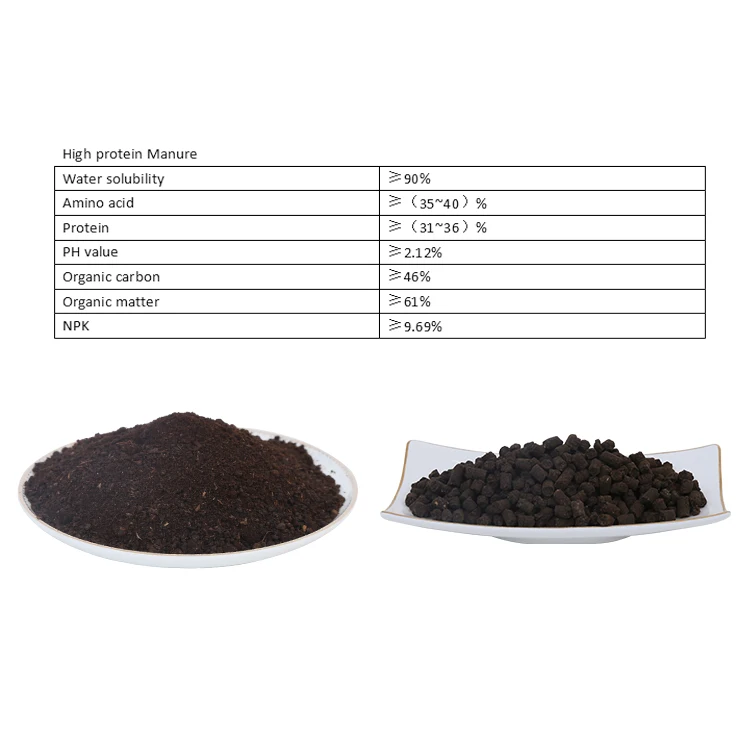
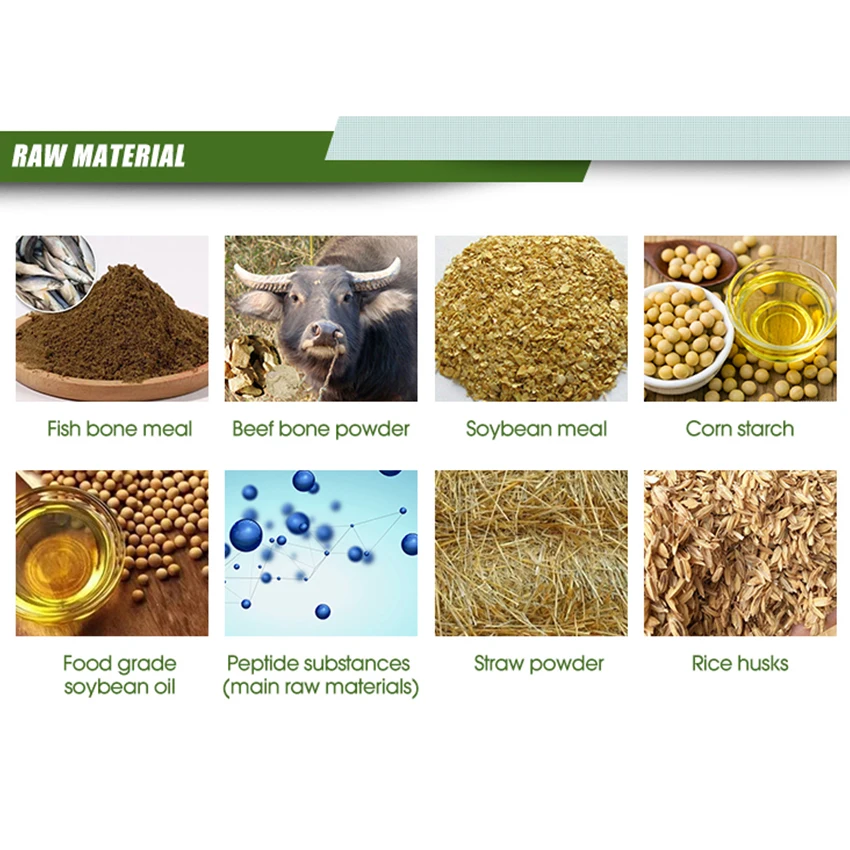
Lu Kang high-protein organic fertilizer: medical grade fish bone meal, beef bone meal, soybean meal, Corn starch, Food grade Soybean oil, with polypeptides as the main raw materials, together with straw powder and rice husk, is fed into Manure for fermentation Bacteria, solid state flip aerobic fermentation for 28 days to mature; The raw protein is degraded into amino acids as the main component Fermented materials. Fermented materials are crushed, screened, and dried to form semi-finished products. Blending inorganic nutrient raw materials into High end Manure that meets the needs of crop nutrition balance.
Water solubility | ≥90% | ||
Organic matter content | ≥61% | ||
Organic carbon | ≥46% | ||
Total nutrient content of nitrogen, phosphorus, and potassium | ≥9.69% | ||
Amino acid | ≥(35~40)% | ||
Protein | ≥(31~36)% | ||
Highly active self contained strain | ≥0.4~2billion | ||
Humic acid | ≥6.5% | ||
Ph value | ≈(6.5~7.5) | ||
Medium and trace elements | Iron | ≥0.34% | |
Magnesium | ≥0.16% | ||
Calcium | ≥2.12% | ||
Organic nitrogen content | ≥5.0% | ||
Free amino acid content | ≥10% | ||
Crop germination rate detection | Lowest value | ≥85% | |
Up to | 100% | ||
method | dosage | How to apply base fertilizer (topdressing) to achieve the best results | |
Base fertilizer | Organic fertilizer has sufficient fertility. It can be used to sprinkle 2-3 jin per square meter into the soil and get quick results. Especially when growing vegetables in flowerpots, the amount of soil is less than that in fields. It needs thin fertilizer and frequent application. Of course, in order to maintain the balance of soil fertility, the vegetables will taste better, produce more and be more environmentally friendly. | Potting: Mix the soil and fertilizer in a ratio of 5 to 1, then place them at the bottom of the container and cover them with soil for planting. Ground planting: Spread 2-3 kilograms of soil on the ground per square meter and stir evenly. After fertilization, watering can better absorb the soil. | |
Topdressing | Potting: Fertilization should be done in moderation, with a dosage of 50-80g for 20-30cm flower pots, 100-150g for 30-40cm flower pots, and around 300g for 40-50cm flower pots. In addition, the principle of "thin fertilizer and frequent application" should be mastered, which means "eat less and eat more meals" | Top dressing: Dig 3-5 centimeters, circular or radial ditches on the surface of the cultivated soil, bury the fertilizer in the 3-5 centimeters of the root, cover with soil and water | |
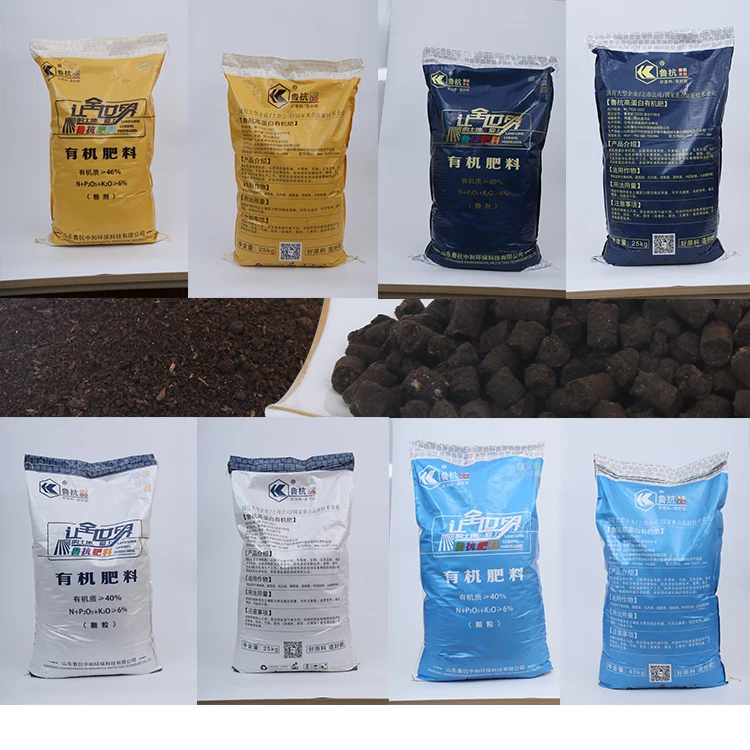
Product display
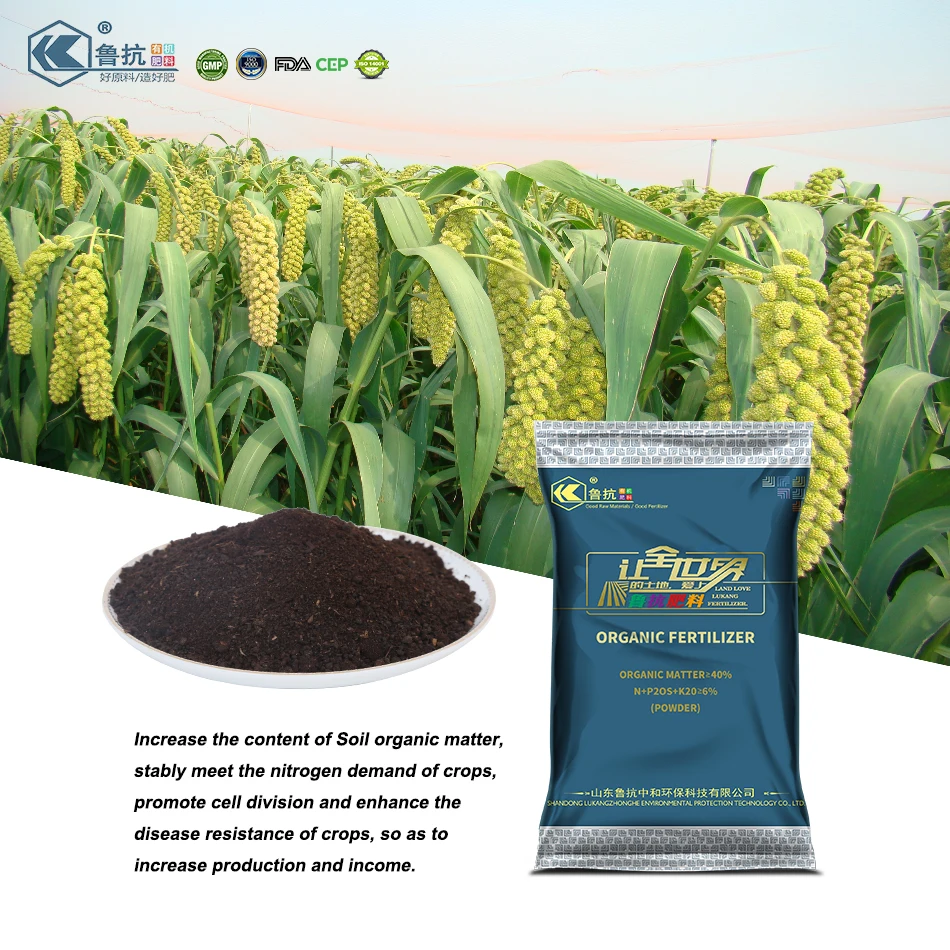
Increasing the content of Soil organic matter and organic nitrogen, nucleotide and active bacteria in fertilizer can improve soil texture, meet crop nutrient requirements, enhance plant growth, prevent premature aging, and effectively control harmful bacteria and underground pests.
Rich organic matter, more nitrogen, phosphorus, and potassium

Delicate, loose, clean, and rotten

Planting experimental base
A professional experimental base with real-time monitoring results, full of confidence in our products.


Experimental base
Real time on-site investigation to improve crop yield, optimize fertilizer use, protect soil, and promote agricultural innovation.
Variety | Suggested usage | Notes |
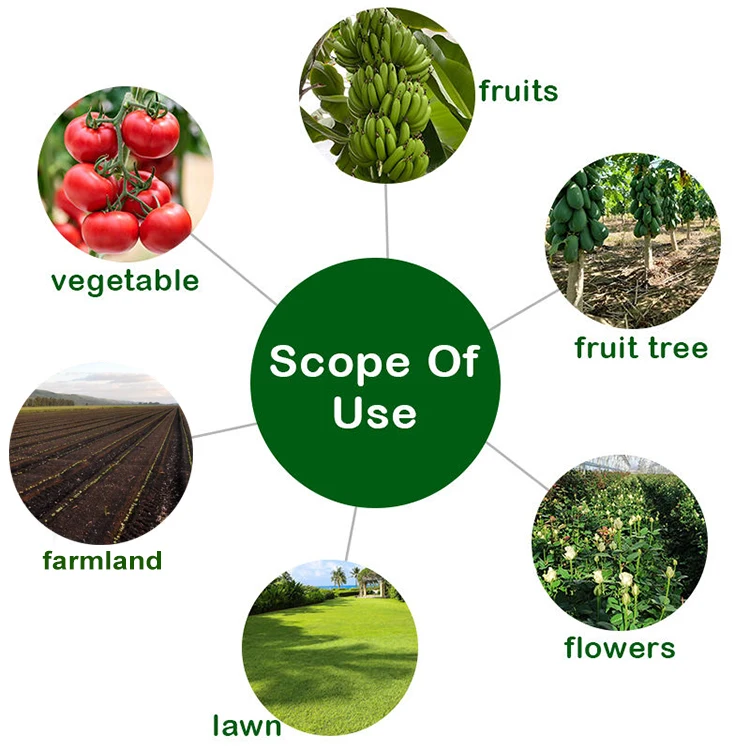
Cucumber | 200-250 kg/mu (8-10 bags) | It can only be used as base fertilizer, postpartum fertilizer, and topdressing, and cannot be used as a substrate (due to the high content of nitrogen, phosphorus, and potassium in the fertilizer, the seedlings cannot absorb so much nutrients and will burn) |
Watermelon | 150 kg/mu (6 bags) | |
Thick skin melon | 250-300 kg/mu (10-12 bags) | |
Eggplant | 250-300 kg/mu (10-12 bags) | |
Tomato | 250 kg -400 kg (10-16 bags) | |
Capsicum | 500 kg/mu (20 bags) | |
Leafy vegetables | 200 kg/mu (8 bags) | |
Leaf purple potato | 200-300 kg/mu (8-12 bags) | |
Garlic | 300 kg/mu (12 bags) | |
Potato | 400 kg/mu (16 bags) | |
Scallion | 300 kg/mu (12 bags) | |
Ginger | 500 kg/mu (20 bags) | |
Sweet potato | 300 kg/mu (12 bags) | |
Hami melon | 500 kg/mu (20 bags) | |
Winter jujube | 3-8 kg/tree | |
Strawberry | 200-300 kg/mu (8-12 bags) | |
Grape | 3-5 kg/tree | Fertilization should be carried out in three stages, including picking and pruning, and burying. (fertilization should be based on 10% of the fruit amount, 5% should be applied 15 days before flowering, and 5% should be applied during fruiting.) the average amount of compound fertilizer used for each tree throughout the year should not exceed 6 taels. Lukang high protein manure should be used interchangeably with compound fertilizer. |
Wogan | 5-8 kg/plant (during fruiting period) | |
Citrus | 5-8 kg/plant (during fruiting period) | |
Pitaya | 800 kg/mu | |
Banana | 500 kg/mu (20 bags) | |
Navel orange | 5-8 kg/plant (during fruiting period) | |
Fruit trees (apple, pear, peach) | 3-6 kg/tree (during the fruity season) | |
Cherry | 3 kg/tree (during fruiting season) |
PACKAGING & SHIPPING

Company Profile


Shandong Lukang Pharmaceutical Co., Ltd. (abbreviated as Lukang Pharmaceutical) is a state-owned comprehensive pharmaceutical enterprise. It was established in 1966 and listed on the main board of the Shanghai Stock Exchange in 1997 (stock code: 600789).
Lukang Pharmaceutical has total assets of 7.3 billion yuan and employs more than 6,000 people. It has 13 wholly-
owned and controlled subsidiary companies. Its main business covers major industry sectors such as human active pharmaceutical ingredients,human pharmaceutical preparations, animal and plant health products, and environmental protection technologies. It has over 200 product licenses and more than 500 varieties and specifications, with 67 varieties ranking among the top ten in the country and 18 varieties ranking first nationwide. The company has obtained national GMP certification, ISO9000 series, ISO14001, occupational health and safety management system certification, as well as international high-end certifications such as the US FDA and European CEP. Its products are exported to more than 40 countries and regions.

In response to the policy of the Jining municipal government to relocate from the city to industrial parks, the government allocated more than 2,300 acres of land to Lukang Pharmaceutical in Zoucheng, Jining. Lukang Pharmaceutical invested 3.6 billion yuan to build a bio-pharmaceutical circular economy industrial park. At the same time, under the guidance of the National Ministry of Agriculture and Rural Affairs' policy to reduce the use of chemical fertilizers and support the use of organic fertilizers, Lukang Pharmaceutical, based on its own resource advantages, planned more than 100 acres of land in the park and invested over 82 million yuan to introduce a complete set of globally leading equipment for the production of high-quality organic fertilizers. It has adopted the world's most advanced cold and fresh production process, strictly controlling every production process, from the selection of raw materials to fermentation, maturation, aging, low-temperature cold rolling, quality inspection, packaging, warehousing, and finished product distribution, according to pharmaceutical industry standards.
The Lukang series of organic fertilizers is a high-end, high-protein, deep plowing-free organic fertilizer developed by the group.

Laboratory

Certifications


Q: What is your delivery time?
A: If the goods are in stock, it usually takes 5-10 days. Or if the goods take 15-20 days
There is no inventory, it is based on quantity.
Q: Do you provide samples? Is it free or extra?
A: Yes, we can provide samples for free, but we do not pay for shipping.
Q: How can I obtain some samples?
A: Please send us your address, and we are honored to provide you with samples.
Q: What are your payment terms?
A: Payment<=1000 US dollars, 100% advance. Payment>=1000 USD, 30% advance wire transfer, balance before shipment. If you have any other questions, please feel free to contact us at any time
Q: Do you have any inventory?
A: We understand that most customers prefer inventory, so we will try to keep inventory of most products. However, for some rare products, we will not keep inventory and require time to synthesize.
A: If the goods are in stock, it usually takes 5-10 days. Or if the goods take 15-20 days
There is no inventory, it is based on quantity.
Q: Do you provide samples? Is it free or extra?
A: Yes, we can provide samples for free, but we do not pay for shipping.
Q: How can I obtain some samples?
A: Please send us your address, and we are honored to provide you with samples.
Q: What are your payment terms?
A: Payment<=1000 US dollars, 100% advance. Payment>=1000 USD, 30% advance wire transfer, balance before shipment. If you have any other questions, please feel free to contact us at any time
Q: Do you have any inventory?
A: We understand that most customers prefer inventory, so we will try to keep inventory of most products. However, for some rare products, we will not keep inventory and require time to synthesize.
We Recommend
New Arrivals
New products from manufacturers at wholesale prices