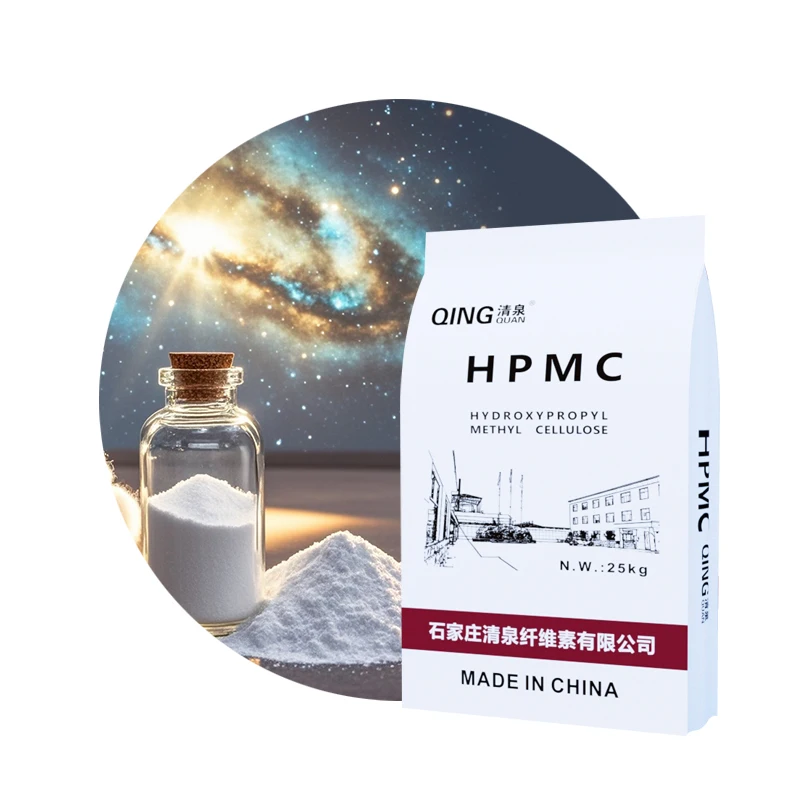
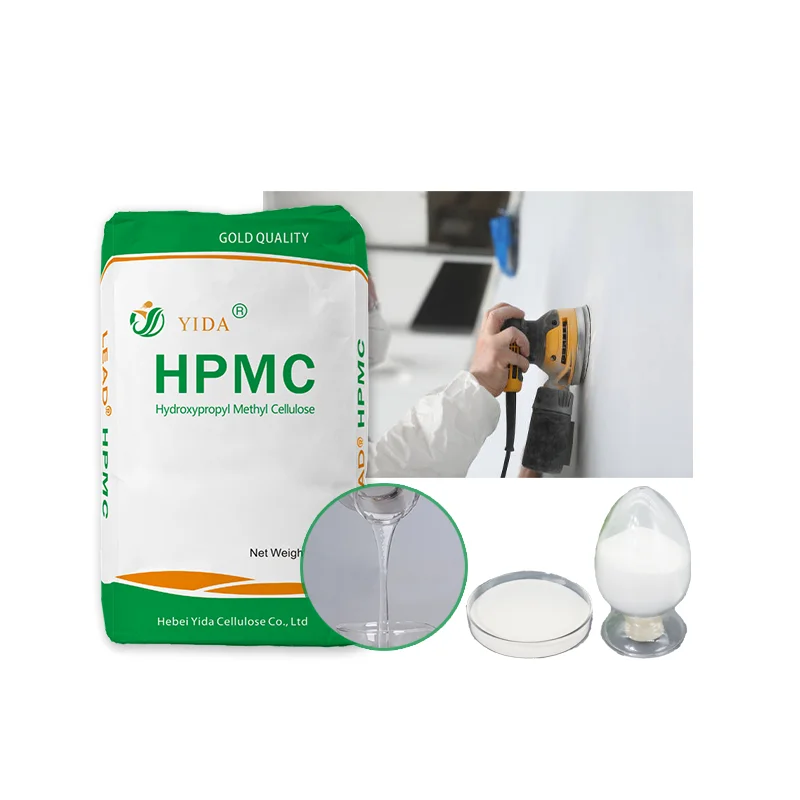
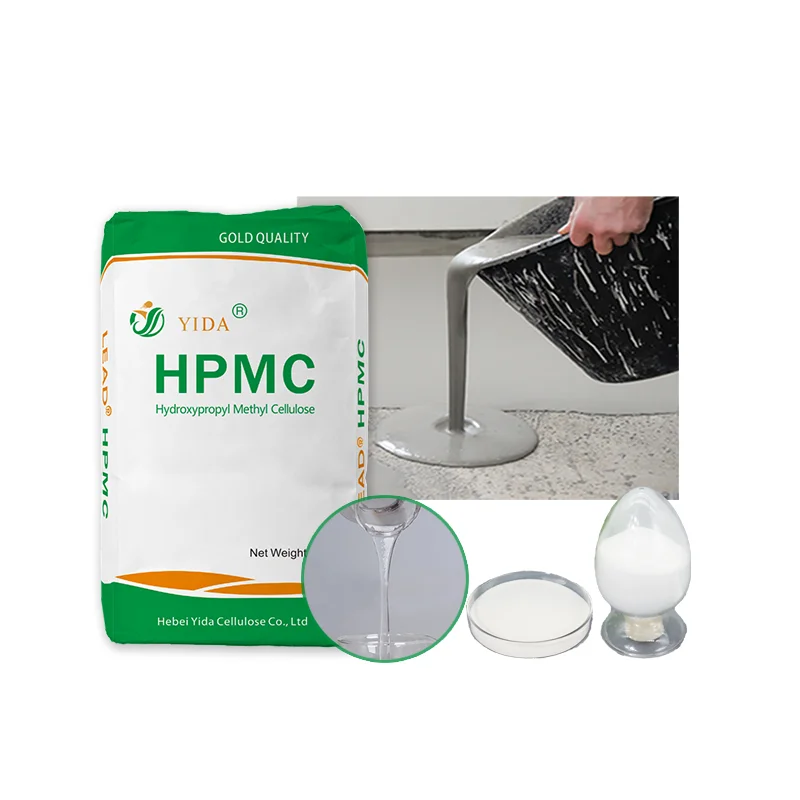
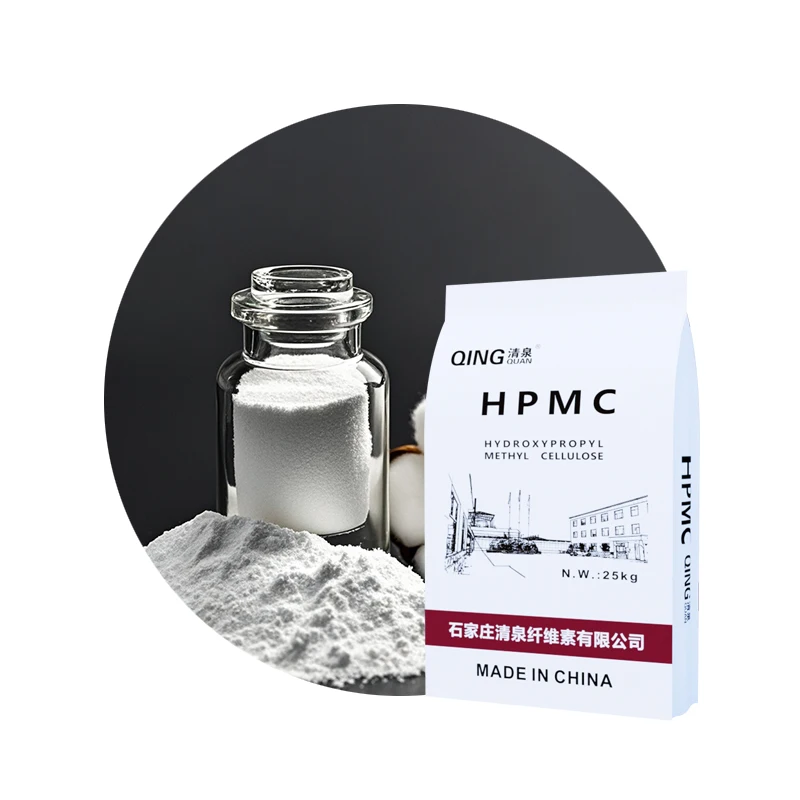
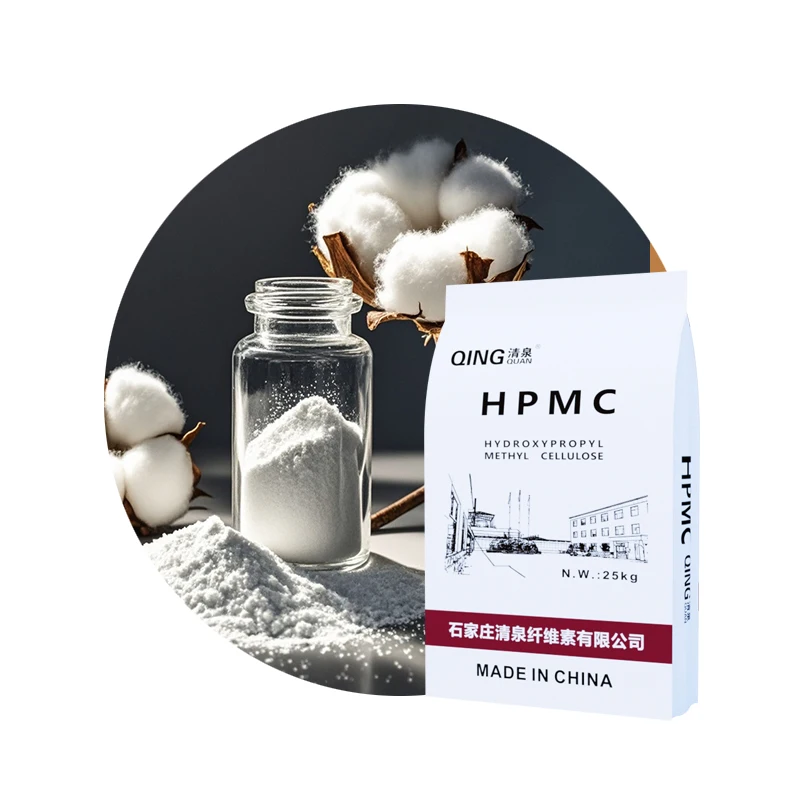
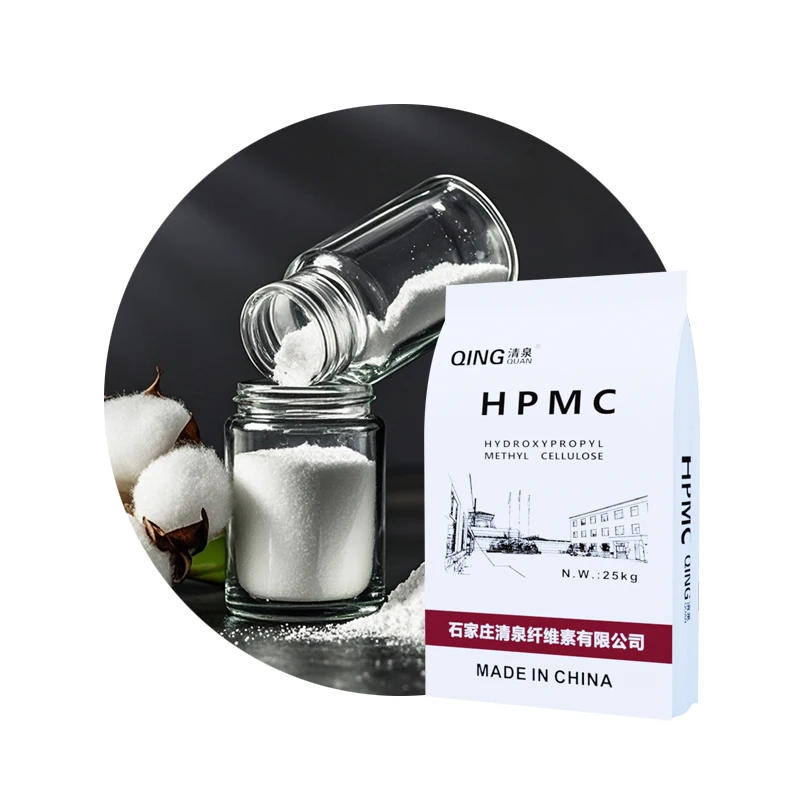
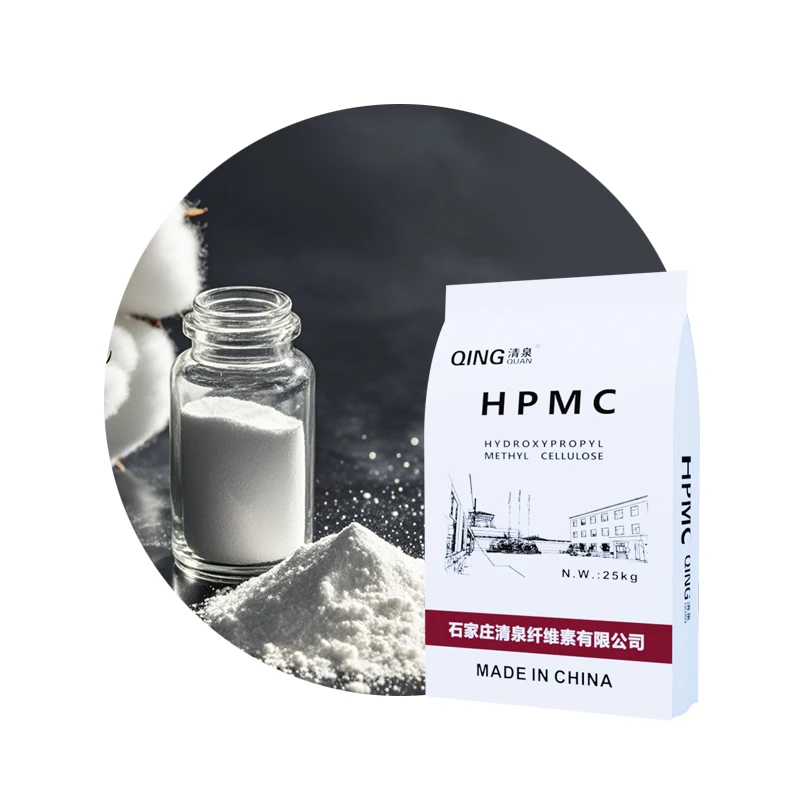
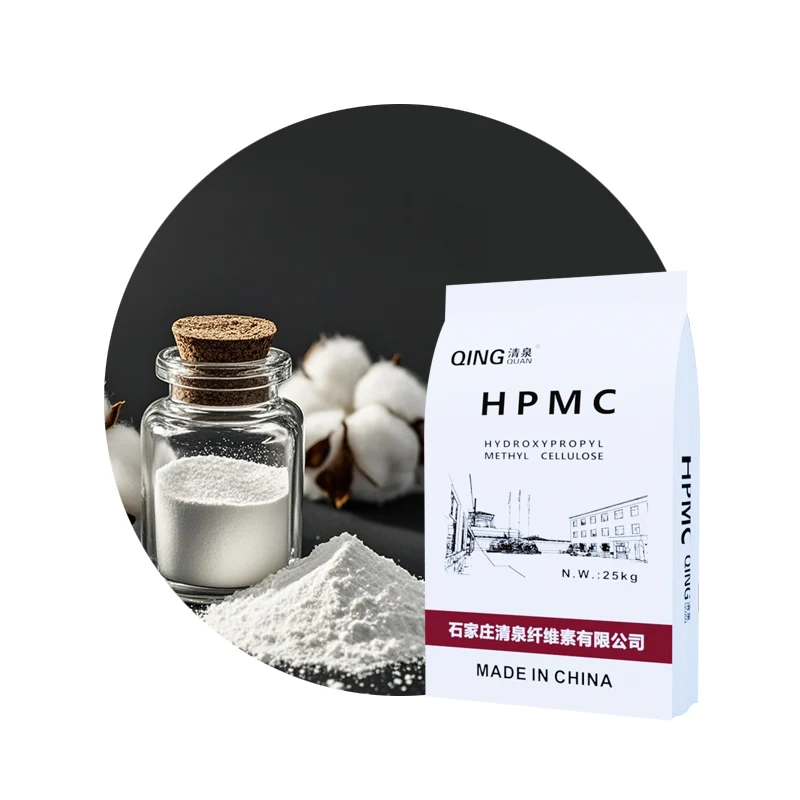
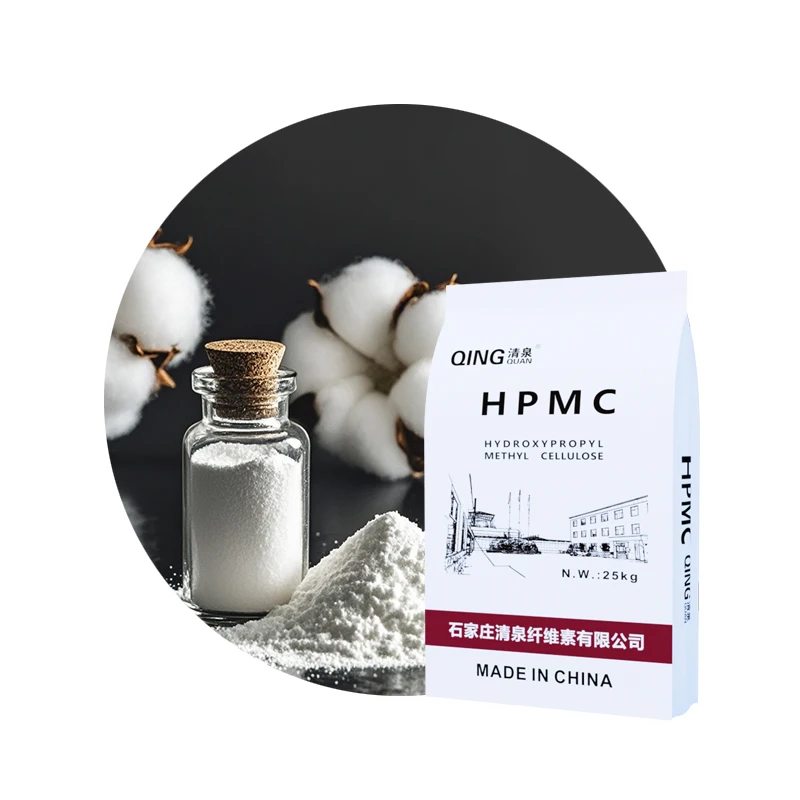
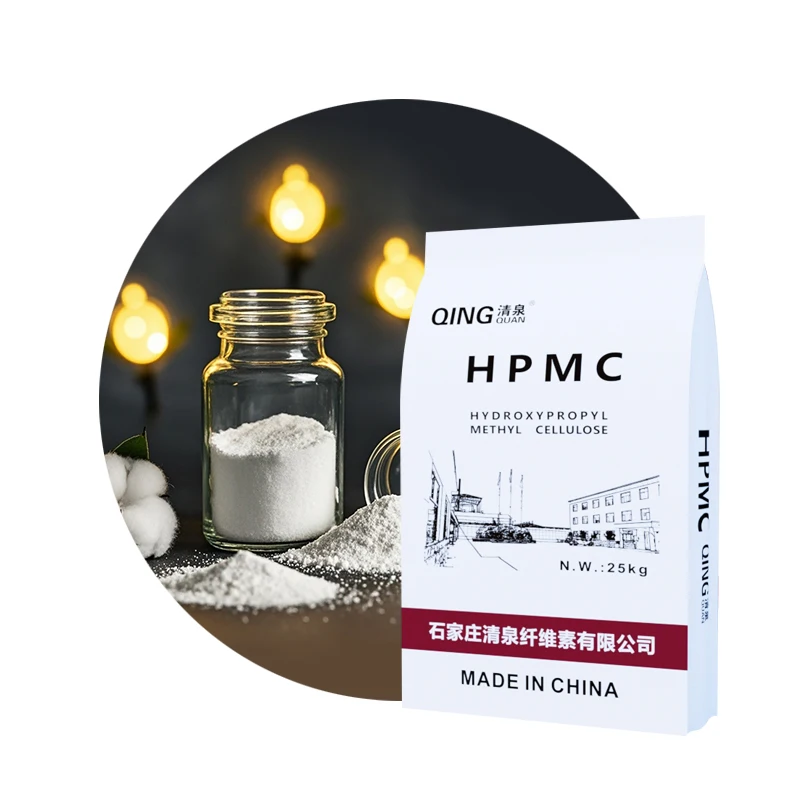
hydroxy ethyl methyl cellulose ether for Building material hpmc for tile adhesive hpmc for tile adhesive Factory direct sales
- Category: >>>
- Supplier: Hebei Yida Cellulose Co. Ltd.
Share on (1600949473261):
Product Overview
Description
hydroxy ethyl methyl cellulose ether for Building material hpmc for tile adhesive hpmc for tile adhesive Factory direct sales

HPMC Production Process
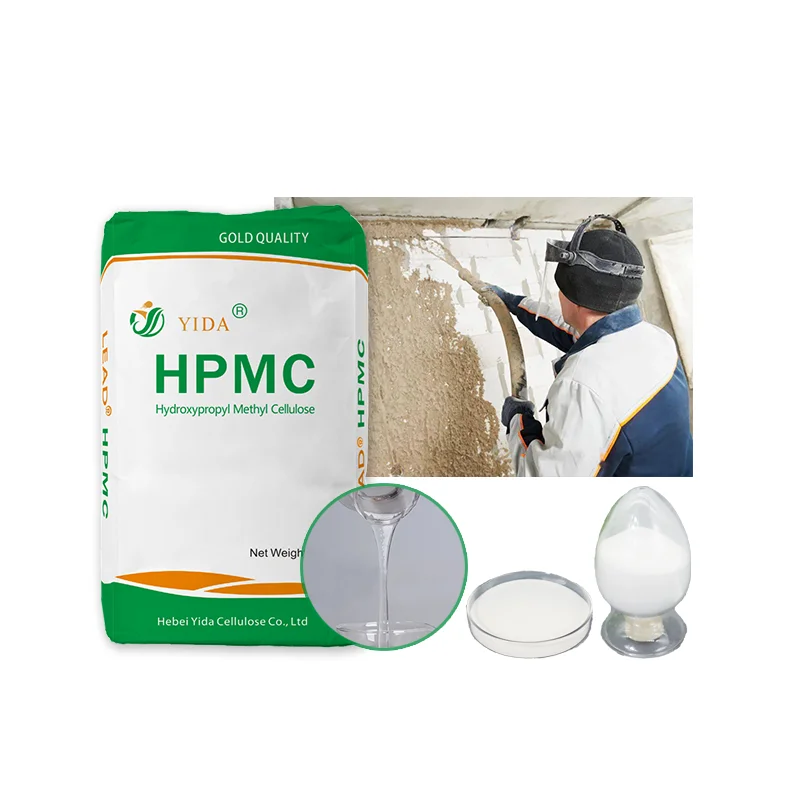
Hydroxypropyl methyl cellulose (HPMC) is made of refined cotton after being pulverized, alkalized with sodium hydroxide (liquid caustic soda) solution, and then added with chloromethane + propylene oxide for etherification reaction to form HPMC crude product , After neutralization (pH value adjustment), filter press, drying, crushing and sieving, pure HPMC with a certain fineness can be obtained. The finished product has a slight smell, the smell of methane.
HPMC Application performance
(1) Water solubility: it can be dissolved in water in any proportion, the highest concentration depends on the viscosity, and the dissolution is not affected by PH.
(2) Organic solubility: HPMC can be dissolved in some organic solvents or aqueous solutions of organic solvents such as dichloroethane, ethanol solution, etc.
(3) Thermal gel properties: their aqueous solutions will appear reversible gel when heated to a certain temperature, with controllable rapid-setting properties.
(4) No ionic charge: HPMC is a non-ionic cellulose ether and will not complex with metal ions or organic matter to form insoluble precipitates.
(5) Thickening property: its aqueous solution system has thickening property, and the thickening effect is related to its viscosity, concentration and system.
(6) Water retention: HPMC or its solution can absorb and retain water.
(7) Film-forming property: HPMC can be made into a smooth, tough and elastic film, and has excellent anti-oil and anti-oxidation properties.
(8) Enzyme resistance: HPMC solution has excellent enzyme resistance and good viscosity stability.
(9) PH stability: HPMC is relatively stable to acid and alkali, and the pH is not affected in the range of 3-11.
(10) Surface activity: HPMC provides surface activity in solution to achieve the required emulsification and protective colloid effect.
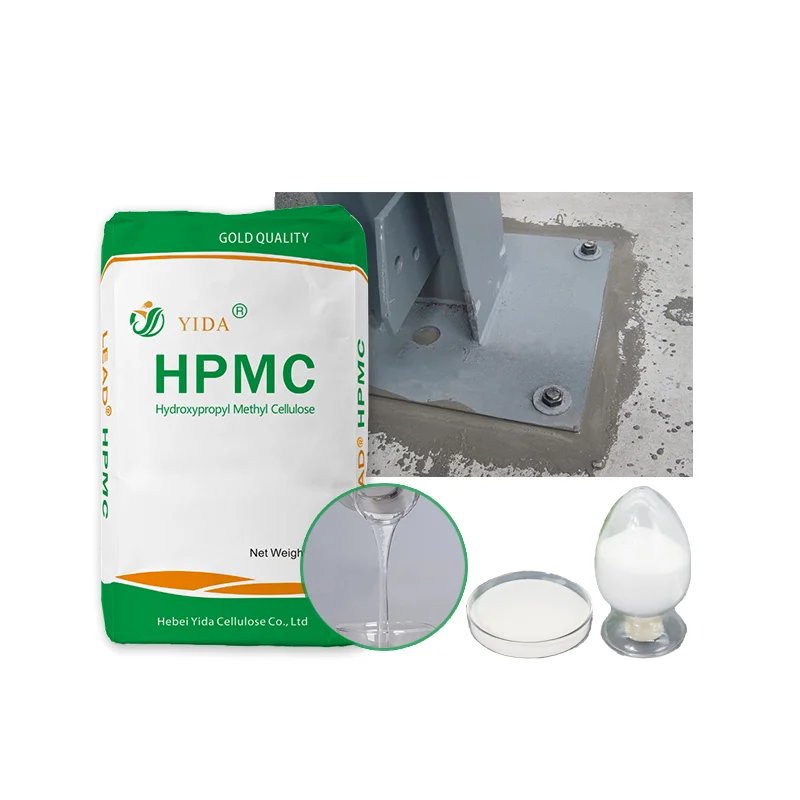
(11) Sag resistance: HPMC increases the thixotropic properties of the system in putty powder, mortar, tile adhesive and other products, and has excellent sag resistance
(12) Dispersibility: HPMC can reduce the interfacial tension between phases, so that the dispersed phase can be uniformly dispersed into droplets of appropriate size.
(13) Adhesion: It can be used as a binder for paper with a pigment density of 370-380g/l³, and can also be used in coatings and adhesives.
(14) Lubricity: It can be used in rubber, asbestos, cement and ceramic products to reduce friction and improve the pumpability of concrete slurry.
(15) Suspension: It can prevent the fixed particles from settling out and inhibit the formation of precipitates.
(16) Emulsifying: Since it can reduce surface and interfacial tension, it can stabilize the emulsion.
(17) Protective colloid: A protective layer is formed on the surface of the dispersed droplets to prevent the droplets from merging and agglomerating to achieve a stable protective effect.
hydroxy ethyl methyl cellulose ether for Building material hpmc for tile adhesive hpmc for tile adhesive Factory direct sales


 |  |  |
 |  |  |


FAQ
Q: Are you manufacturer or trader?
A:We are a professional manufacturer of HPMC , we have 13 years of production experience, you can buy assured products.
Q: what is your terms of payment?
A: TT is our prior option,LC and West Union can be accpetable also.
Q: What is your terms of delivery?
A: EXW, FOB, CFR, CIF, DDU.
Q: How about your delivery time?
A: We can deliver the goods the next day at the soonest, and the latest will not be more than 9 days.
Such a fast delivery time depends on our strong production capacity.
Q: Can you provide samples ?
A: The confirmation of samples is a necessary part of our cooperation,
welcome you to ask for samples for us. We can provide samples to customers for free.
Q: Do you test all your goods before delivery?
A: Yes, we will carefully test the products before delivery, and we will also test the products for application test.
A:We are a professional manufacturer of HPMC , we have 13 years of production experience, you can buy assured products.
Q: what is your terms of payment?
A: TT is our prior option,LC and West Union can be accpetable also.
Q: What is your terms of delivery?
A: EXW, FOB, CFR, CIF, DDU.
Q: How about your delivery time?
A: We can deliver the goods the next day at the soonest, and the latest will not be more than 9 days.
Such a fast delivery time depends on our strong production capacity.
Q: Can you provide samples ?
A: The confirmation of samples is a necessary part of our cooperation,
welcome you to ask for samples for us. We can provide samples to customers for free.
Q: Do you test all your goods before delivery?
A: Yes, we will carefully test the products before delivery, and we will also test the products for application test.
We Recommend
New Arrivals
New products from manufacturers at wholesale prices