Kelin Super Capacitor active carbon powdered 300 mesh Adsorption Decolorize Industry Grade Coal Based Activated Carbon Powder
- Category: >>>
- Supplier: Zhengzhou Kelin Water Purification Material Co. Ltd.
Share on (1600954097012):
Product Overview
Description
Product Description

Kelin Super Capacitor active carbon powdered 300 mesh Adsorption Decolorize Industry Grade Coal Based Activated Carbon Powder
The formation process of supercapacitor carbon involves several steps. First, a suitable carbon source, such as coconut shells or activated carbon powder, is chosen. The carbon source is then heated to a high temperature in an oxygen-free environment, a process known as pyrolysis. This pyrolysis process removes impurities and converts the carbon source into an amorphous carbon material.
Next, the amorphous carbon material undergoes a series of activation processes to increase its surface area and porosity. Activation can be achieved through chemical or physical methods. Chemical activation involves treating the carbon material with chemicals such as phosphoric acid or potassium hydroxide, which removes the amorphous carbon and creates a highly porous structure. Physical activation, on the other hand, involves treating the carbon material with steam or carbon dioxide at high temperatures, resulting in the formation of pores.
After activation, the carbon material is then subjected to a post-activation process called oxidation. During oxidation, the carbon material is heated in the presence of oxygen or air, allowing functional groups such as carboxyl or hydroxyl groups to be introduced onto the carbon surface. These functional groups enhance the electrochemical properties of the carbon, improving its capacitance and energy storage capabilities.
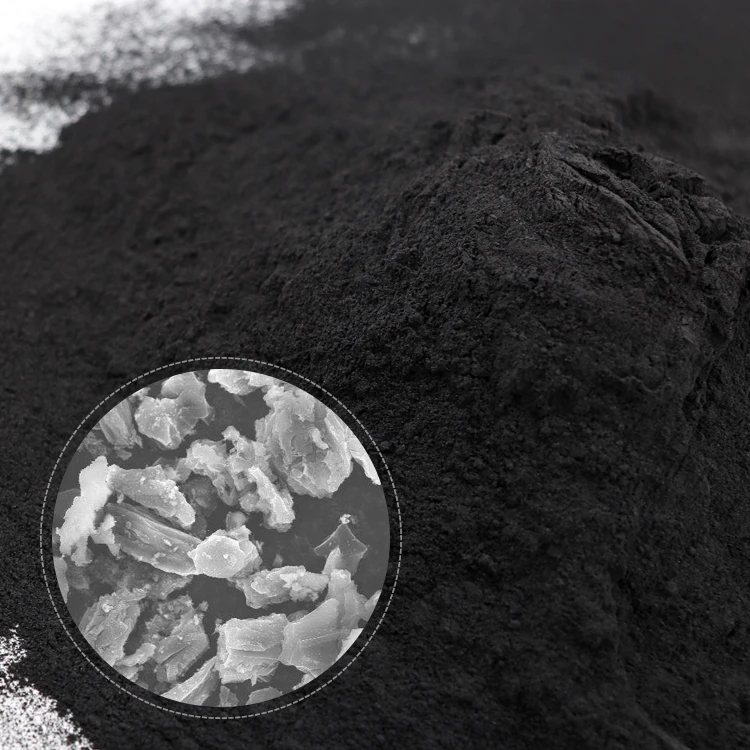
Finally, the oxidized carbon material is washed and dried to remove any remaining impurities or chemicals. The resulting supercapacitor carbon exhibits a high surface area, a porous structure, and excellent conductivity, making it ideal for use in supercapacitors.
In summary, the formation process of supercapacitor carbon involves the selection of a suitable carbon source, pyrolysis to obtain amorphous carbon, activation to increase surface area and porosity, oxidation to introduce functional groups, and final washing and drying.
Next, the amorphous carbon material undergoes a series of activation processes to increase its surface area and porosity. Activation can be achieved through chemical or physical methods. Chemical activation involves treating the carbon material with chemicals such as phosphoric acid or potassium hydroxide, which removes the amorphous carbon and creates a highly porous structure. Physical activation, on the other hand, involves treating the carbon material with steam or carbon dioxide at high temperatures, resulting in the formation of pores.
After activation, the carbon material is then subjected to a post-activation process called oxidation. During oxidation, the carbon material is heated in the presence of oxygen or air, allowing functional groups such as carboxyl or hydroxyl groups to be introduced onto the carbon surface. These functional groups enhance the electrochemical properties of the carbon, improving its capacitance and energy storage capabilities.
Finally, the oxidized carbon material is washed and dried to remove any remaining impurities or chemicals. The resulting supercapacitor carbon exhibits a high surface area, a porous structure, and excellent conductivity, making it ideal for use in supercapacitors.
In summary, the formation process of supercapacitor carbon involves the selection of a suitable carbon source, pyrolysis to obtain amorphous carbon, activation to increase surface area and porosity, oxidation to introduce functional groups, and final washing and drying.
Analysis Item | Test Data |
Size (D50) | ~10um |
Ash(%) | ≤0.21 |
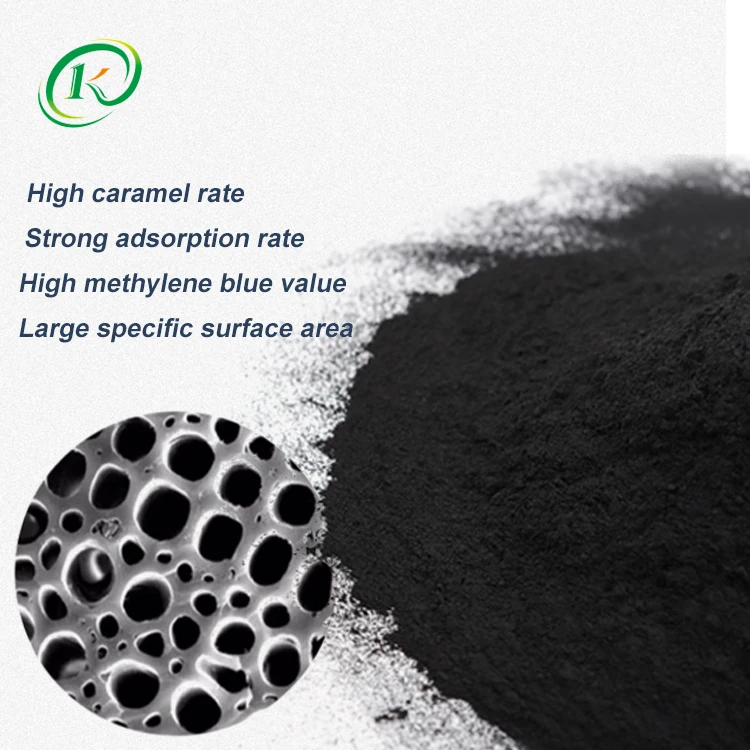
Specific Surface Area (m2/g) | 2000-2500 |
Fe Salt (%) | ≤0.003 |
Oganic reference capacitance (F/G) | 160 |
Bulk density(g/ml) | 0.4-0.5 |
Product details

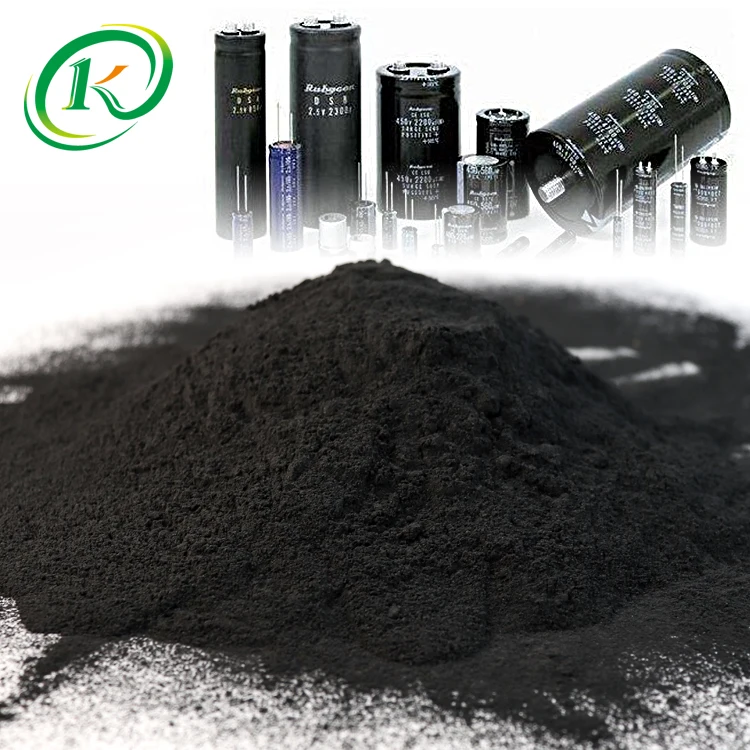
Due to the large-scale application of supercapacitor technology, it is very important to choose suitable electrode materials. Activated Carbon Electrode not only has good chemical stability, but also maintains a very high specific surface area and capacitance.


Applications

Due to the huge specific surface area and excellent adsorption performance, Activated Carbon Electrode is widely used in adsorption and storage of fuel gas, gas separation, catalyst support and electrode material for supercapacitors
Related Products
Company Information


Our Serice

Before Sale | After Sale | ||||
1 | Free samples. | 1 | Comprehensive service with separate after-sale team | ||
2 | Providing information consulting and technical guidance. | 2 | Satisfied solution while any problem identified. | ||
3 | Packaging can be customized. | 3 | Exclusive and unique solution provided by professional engineers. | ||
4 | Reply to your enquiry in 24 working hours. | 4 | New craft, new technology and other related advisory services. | ||
FAQ
1.How about your MOQ?
1Ton usually, but based on different items.
2.Can I get some samples?
Yes. We offer free samples, but shipping cost should be collected.
3.How about the package?
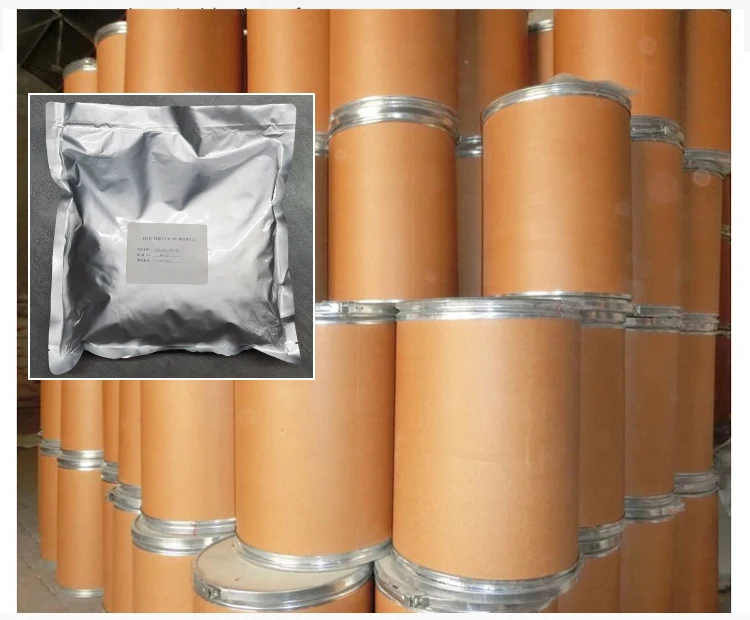
Net weight: 25kg,1Ton Or as per request.
4. How about the delivery time?
Always7~15days after order confirmation, but also based on the order quantity.
5. How to start orders or make payments?
PI will be sent first after confirmation of order, enclosed our bank information.Payment by T/T, Western Union LC,Alibaba trade assurance, Moneygram or Paypal.
1Ton usually, but based on different items.
2.Can I get some samples?
Yes. We offer free samples, but shipping cost should be collected.
3.How about the package?
Net weight: 25kg,1Ton Or as per request.
4. How about the delivery time?
Always7~15days after order confirmation, but also based on the order quantity.
5. How to start orders or make payments?
PI will be sent first after confirmation of order, enclosed our bank information.Payment by T/T, Western Union LC,Alibaba trade assurance, Moneygram or Paypal.
We Recommend
New Arrivals
New products from manufacturers at wholesale prices