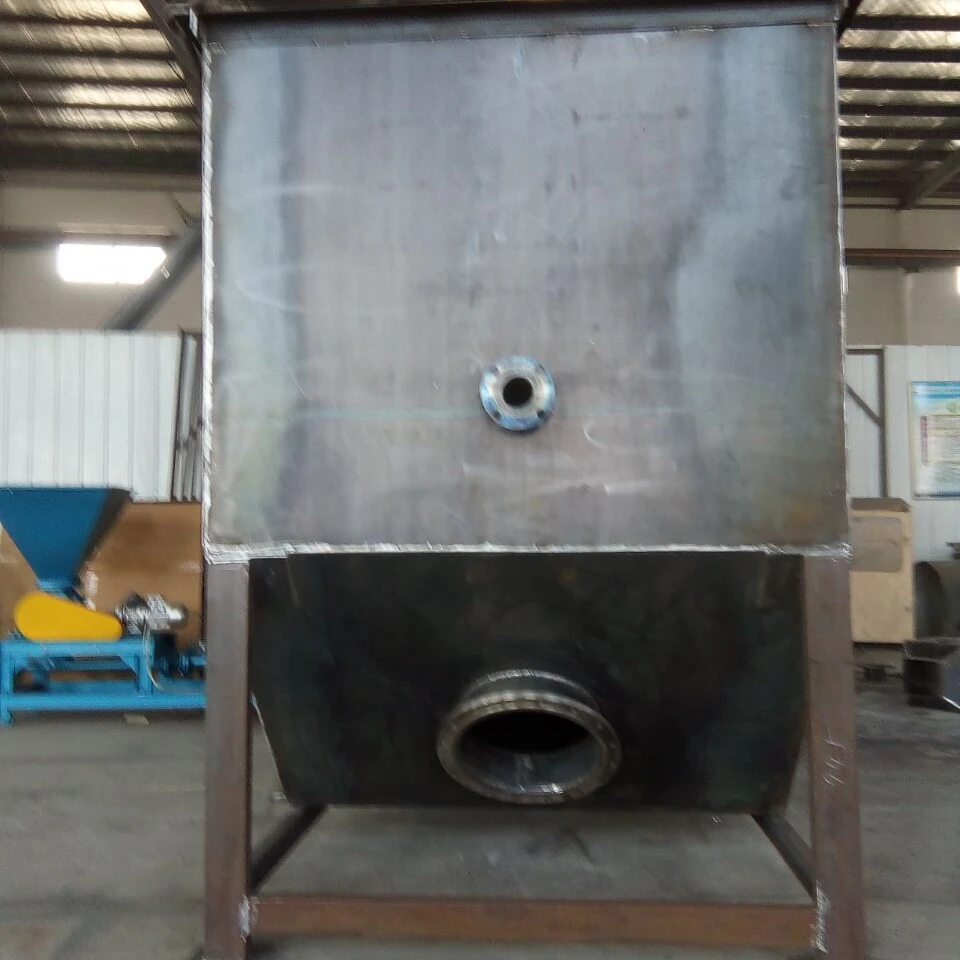
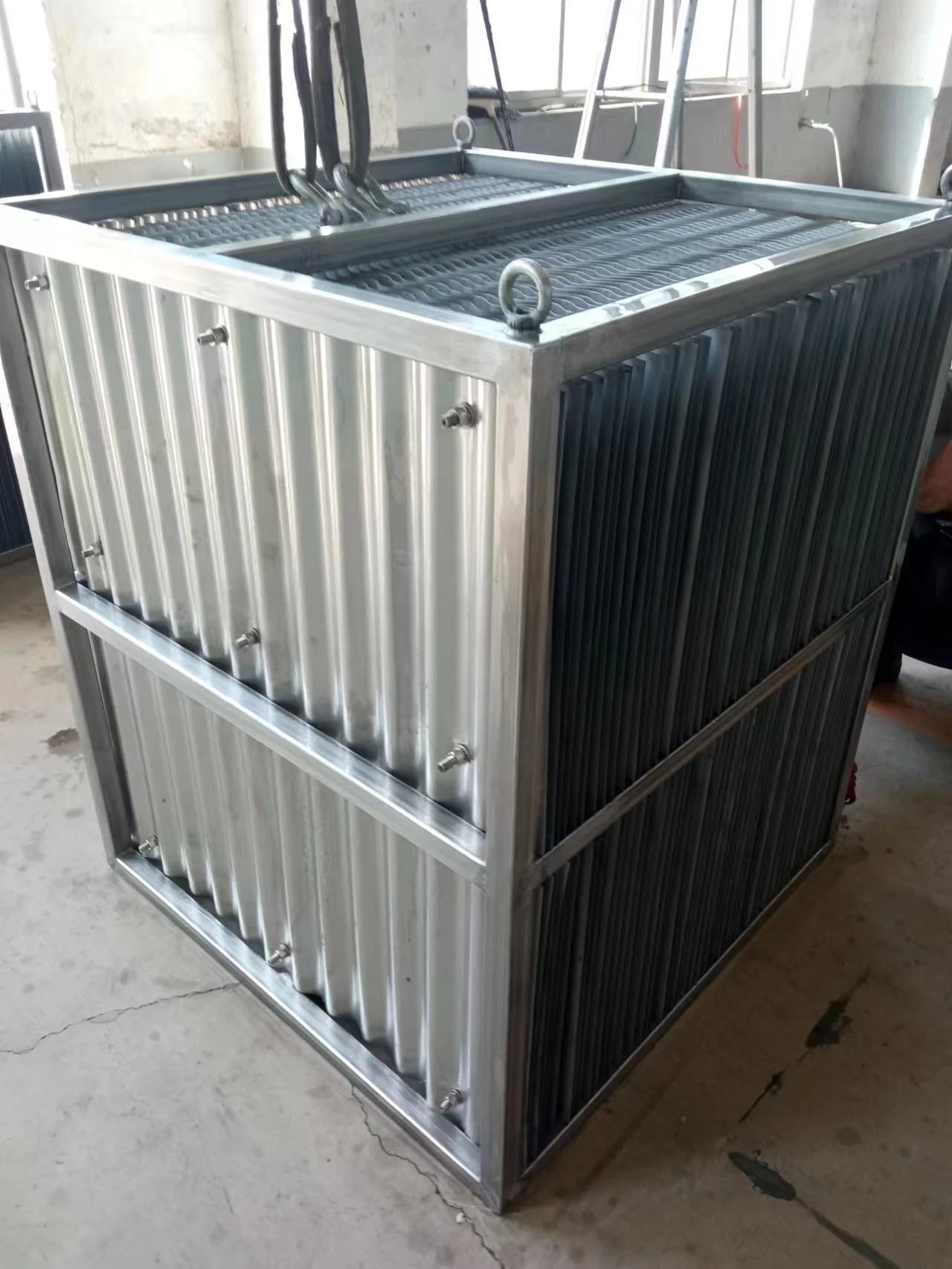
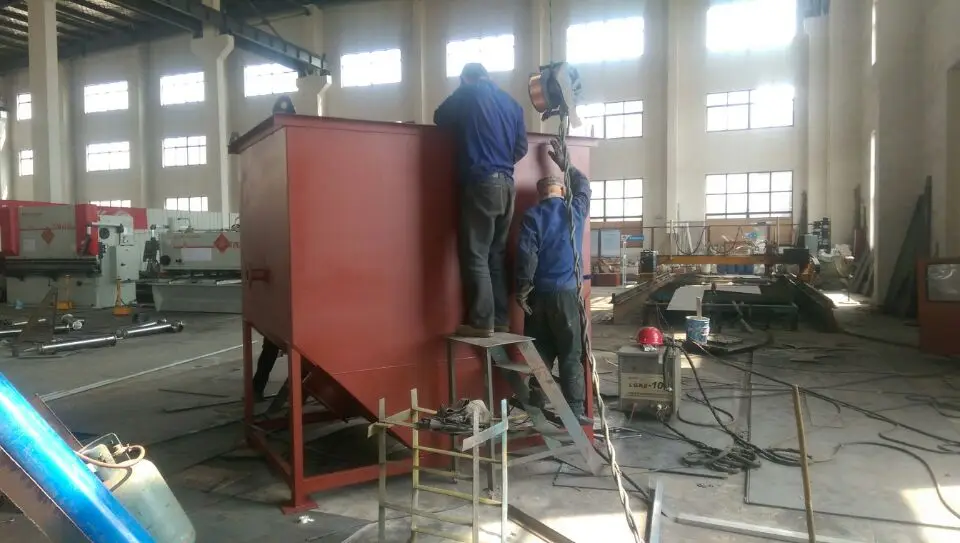
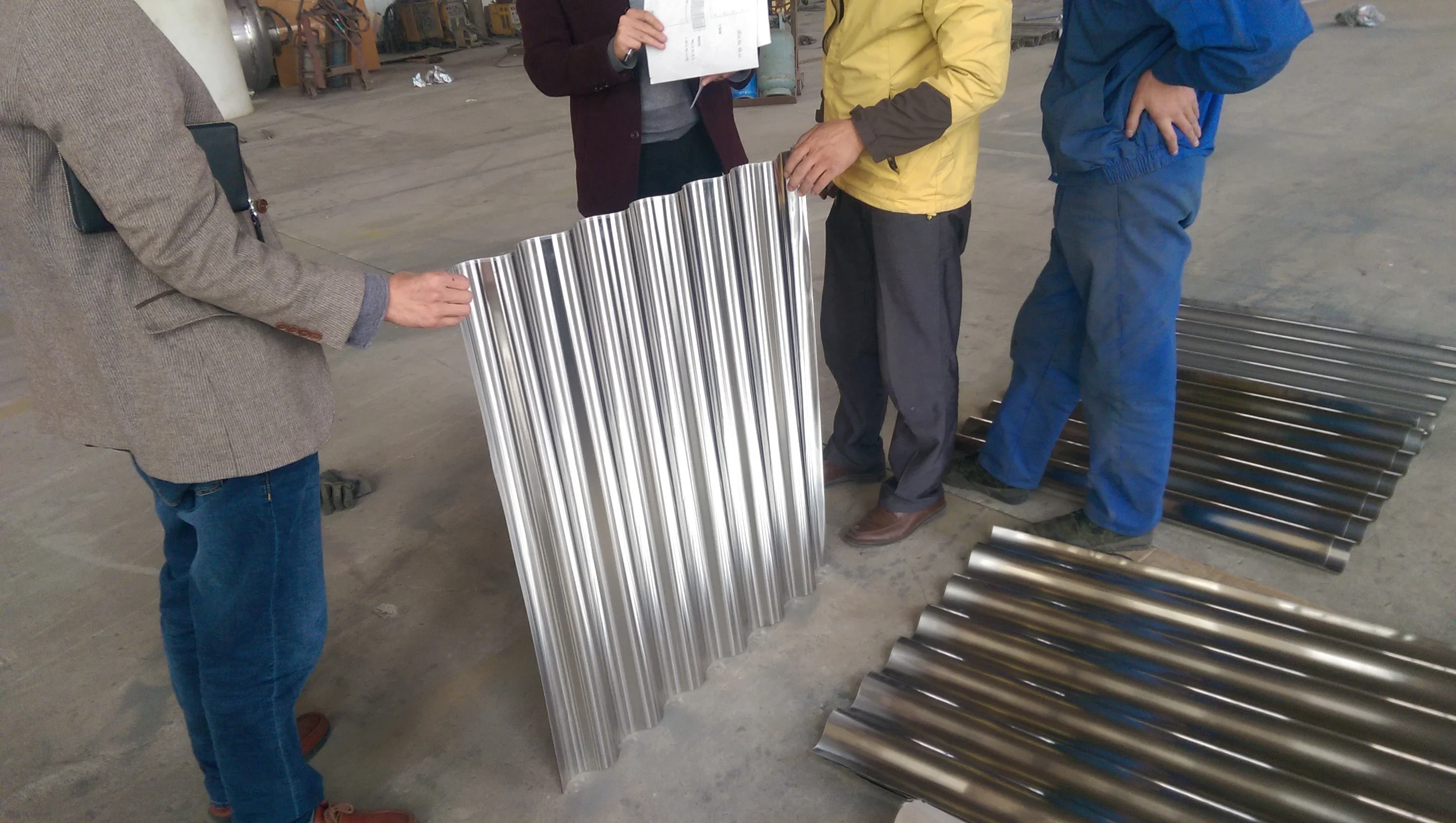
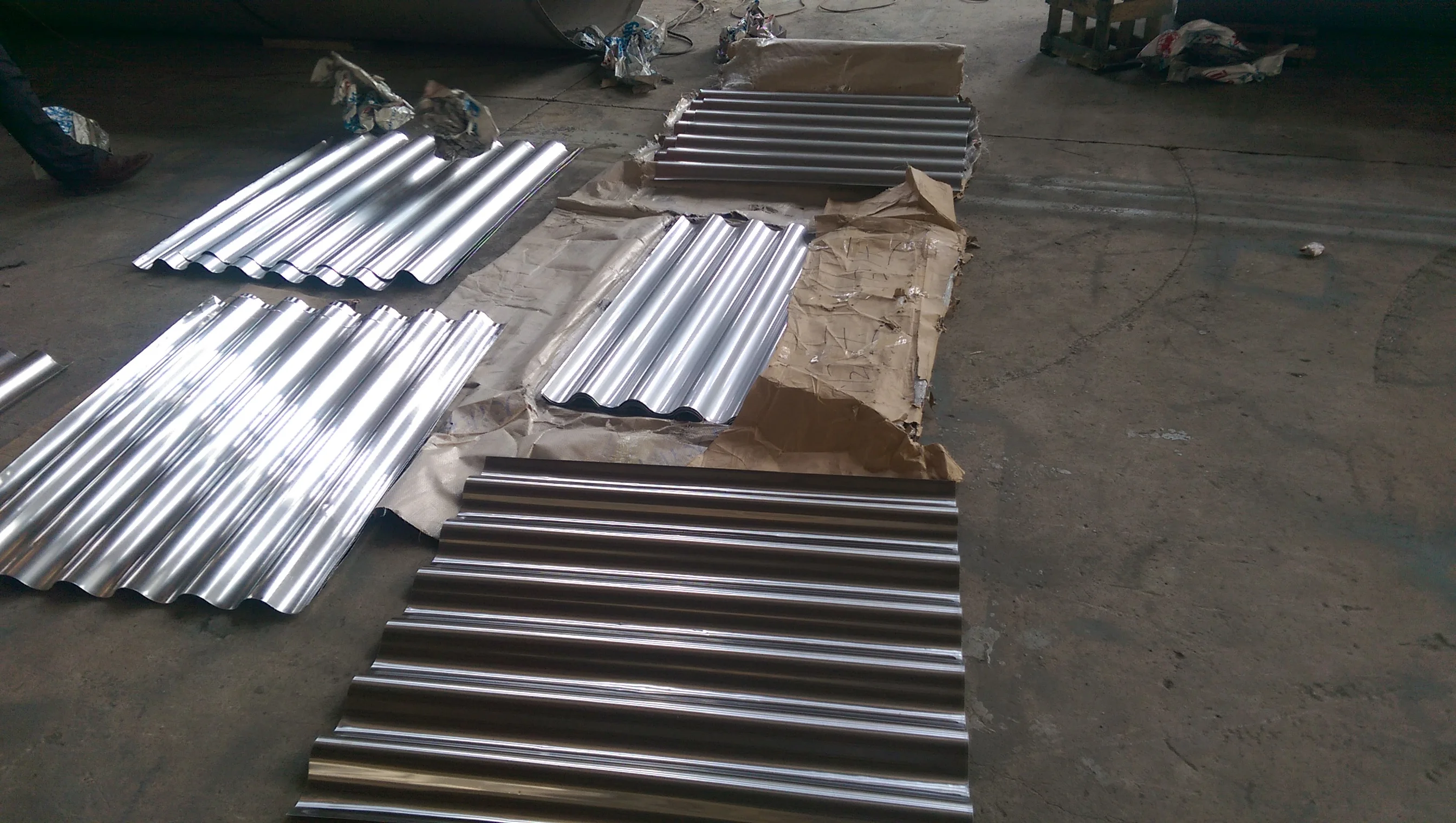
qingdao jinwantong CPI corrugated plate intercepter cpi corrugated oil water separator equipment grease trap 100m3 technology
- Category: >>>
- Supplier: Qingdao Jinwantong Environmental Science And Technology Co. Ltd.
Share on (1600960845407):
Product Overview
Description
Attention,
Alll equipment is customization
waste water treatment equipment factory, design manufacturer,civil work design, project debugging,soluiton supplier. Open to any kind of cooperation discussion. Looking for long term cooperaion partner.
ALICE(AT)TSINGTAOJWT.COM
Oil water seprator could choose fro oil trap and CPI, depends on the water condition and the oil situation.
The basic principle of using oil separator and sedimentation tank to treat wastewater is the same. Both of them use different specific gravity of suspended solids and water in wastewater to achieve the purpose of separation. The structure of the oil separator is mostly horizontal flow type. The oily wastewater enters the rectangular oil separator through the distribution tank and flows slowly along the horizontal direction. During the flow, the oil products float on the water surface and are pushed to the oil header by the oil collecting pipe or the oil scraper set on the pool surface to flow into the dehydration tank. The heavy oil and other impurities settled in the oil separator accumulate in the sludge bucket at the bottom of the tank and enter the sludge pipe through the sludge discharge pipe.
The oil separator is usually made of reinforced concrete, or masonry. It is divided into 2~4 cells along the water flow direction on a rectangular plane. The width of each cell is generally not more than 6 meters, so as to distribute water evenly. The effective water depth is not more than 2m, and the length of the oil separator is generally more than 4 times greater than the width of each grid. The chain belt type oil scraper and mud scraper are commonly used in the oil separator to scrape the floating oil and sludge at the bottom of the tank. Generally, a group of oil scrapers and mud scrapers are installed in each grid, and a sludge hopper is set. If baffles are added in the middle of each grid, oil scrapers and mud scrapers are installed on both sides of baffles, and sludge buckets are set, it is called a two-stage oil separator, which can improve oil removal efficiency, but with more equipment and higher energy consumption. If several inclined plates are added in the oil separator, the oil removal efficiency can also be improved, but the construction investment is high. In cold areas, steam pipes can be set at the bottom of oil collecting pipes to prevent oil from solidifying in winter. Generally, the oil separator shall be covered, and steam pipe shall be set under the cover plate for thermal insulation, to prevent fire in the oil separator and oil volatilization, and to prevent ash and sand from entering
CPI2022nov
waste water treatment equipment factory, design manufacturer,civil work design, project debugging,soluiton supplier. Open to any kind of cooperation discussion. Looking for long term cooperaion partner.
DK7719(AT)GMAIL.COM, ALICE(AT)TSINGTAOJWT.COM
Corrugated Plate Interceptor
--- gravity separation of oil from oily effluents
CPI is one kind of high efficient oil-water gravity separator, now is widely used in oily wastewater treatment to remove bulk oil from water.
Gravity separation is the most straightforward method of wastewater treatment and is, therefore, utilized widely in industry for separation of settling and/or floatable impurities from a carrier liquid.
An enlarged separating surface can be achieved by placing various smaller planes on top of each other in the tank. If these planes are subsequently inclined in a tilted position, material separated between the plates is removed by the gravitational force. This is the principle on which the CPI corrugated plate pack is based.
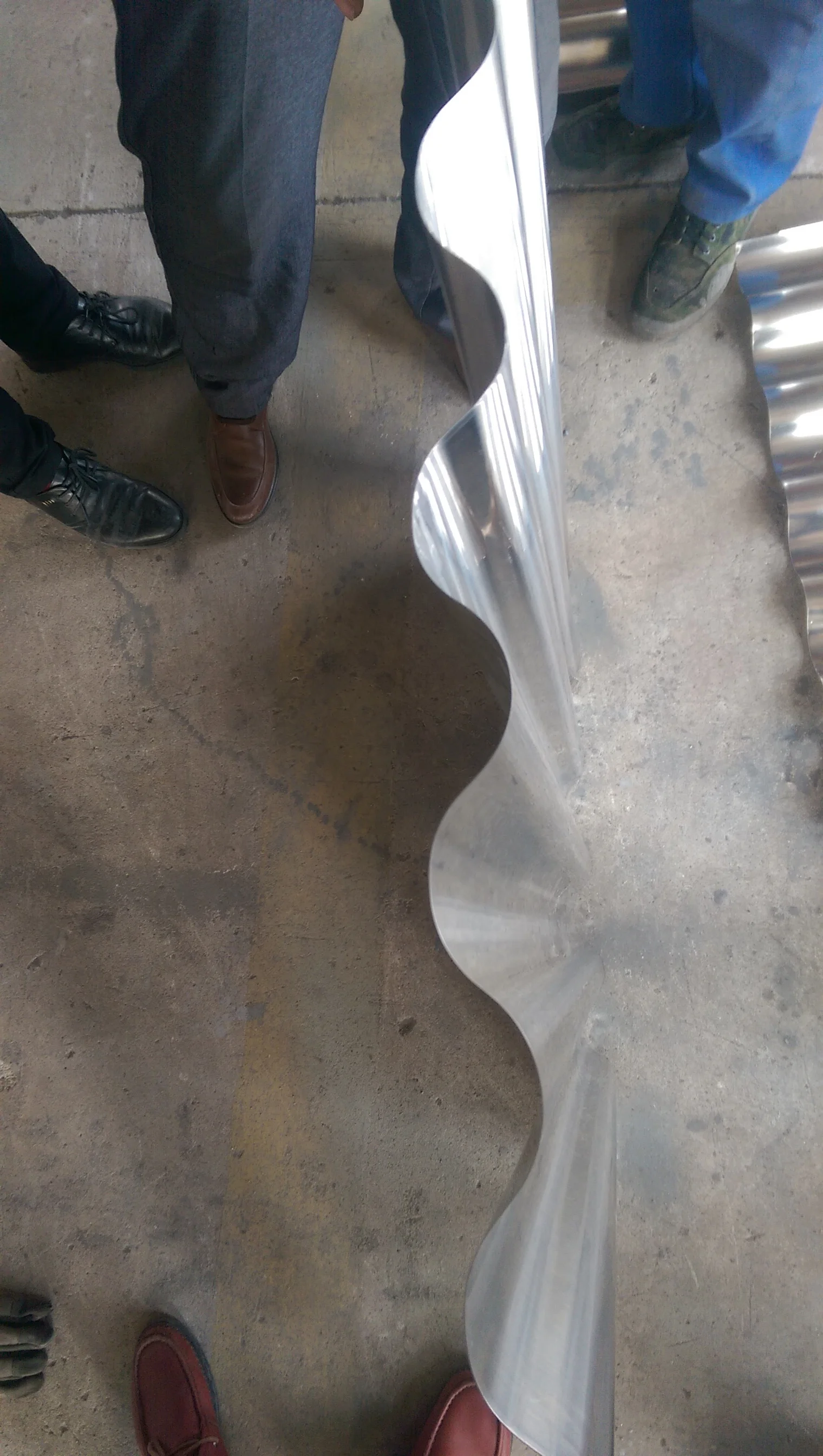
In this plate pack the planes as referred to have been constructed in the shape of corrugated plates. They promote both the coalescence of the intercepted oil particles and, at the same time, their transfer through the plate pack.
If settleable material is present in the liquid, such material is collected and concentrated in the troughs of the corrugations so that it will slide down in the plate pack smoothly and easily.
Very small separating diameters can be obtained in the CPI system, because the
disturbing factors, such as eddies and turbulences, which adversely affect large
conventional separating tanks (e.g. API’s), are eliminated in the CPI.
In formulating a design, the following minimum data are essential:
* the type of pollutants to be intercepted
* the separating diameter of the oil droplet
* the difference in density between the carrier liquid (waste water) and the pollutants to be intercepted
* the maximum amount of water to be treated
* the water temperature
* the sedimentation velocity
* origin of the oily liquid
* physical data, chemical analysis of carrier phase.
With the objective of not breaking up the oil droplets unnecessarily, the CPI system is
preferably fed by gravity. The oily water flows into the interceptor through the inlet compartment which has a dual function as a sand trap (1). A double slotted baffle (2) induces incoming water to flow evenly and uniformly to the entrance of the corrugated plate pack (3). In the plate pack the oil droplets are intercepted and coalesce into large droplets. They leave the pack rapidly in counter current mode and move upwards against the liquid flow, to the surface.
The separated oil builds up a floating layer (4) which is removed through a skim pipe (5).


We produce: DAF dissolved air flotation waste water treatment plant, lamella settler ,industrial water filter, and car wash water recycle system, MBR system, corrugater plate interceptor oil separator. etc.
New solution is magnetic coagulation processing to do pre-treatment.
We make solution for clients, according to raw water quality, and water standard requirements.
For oil water separate, domestic sewage treatment , MBR black water treatment, RO system.
Polluted air treament euqipment and solution.
Membrane, MBR,MBBR , RO, UF membrane. Pumps.
For energy clean, we also could supply client with solar panel power to support the system.
For sustainable future.
Best regards
Qingdao Jinwantong Environmental Science And Technology Co., Ltd.
North End of Langyatai Road, Huangdao District, Qingdao, Shandong, China (Mainland)
Whatsapp, cell phone: 0086-13685429901
We Recommend
New Arrivals
New products from manufacturers at wholesale prices