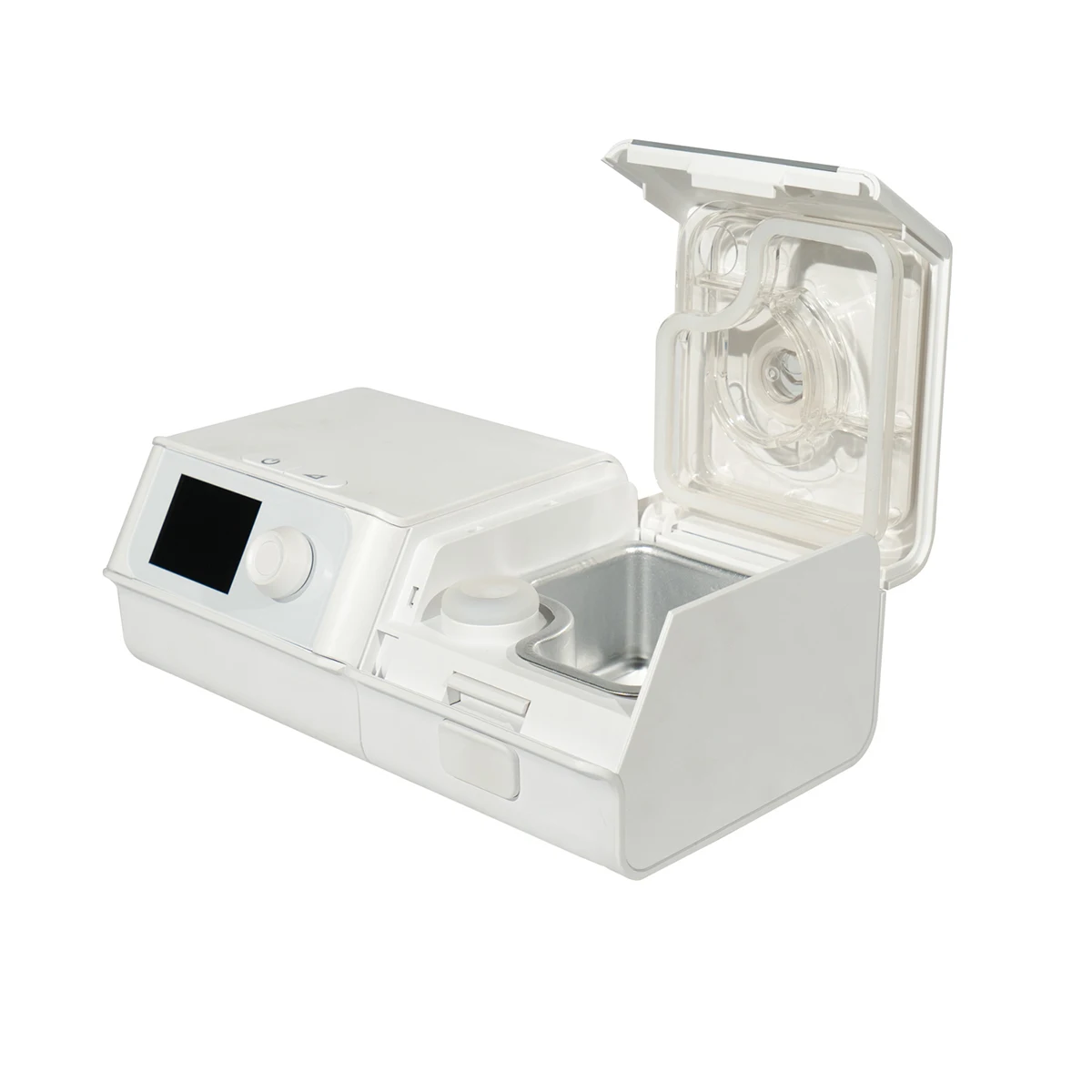
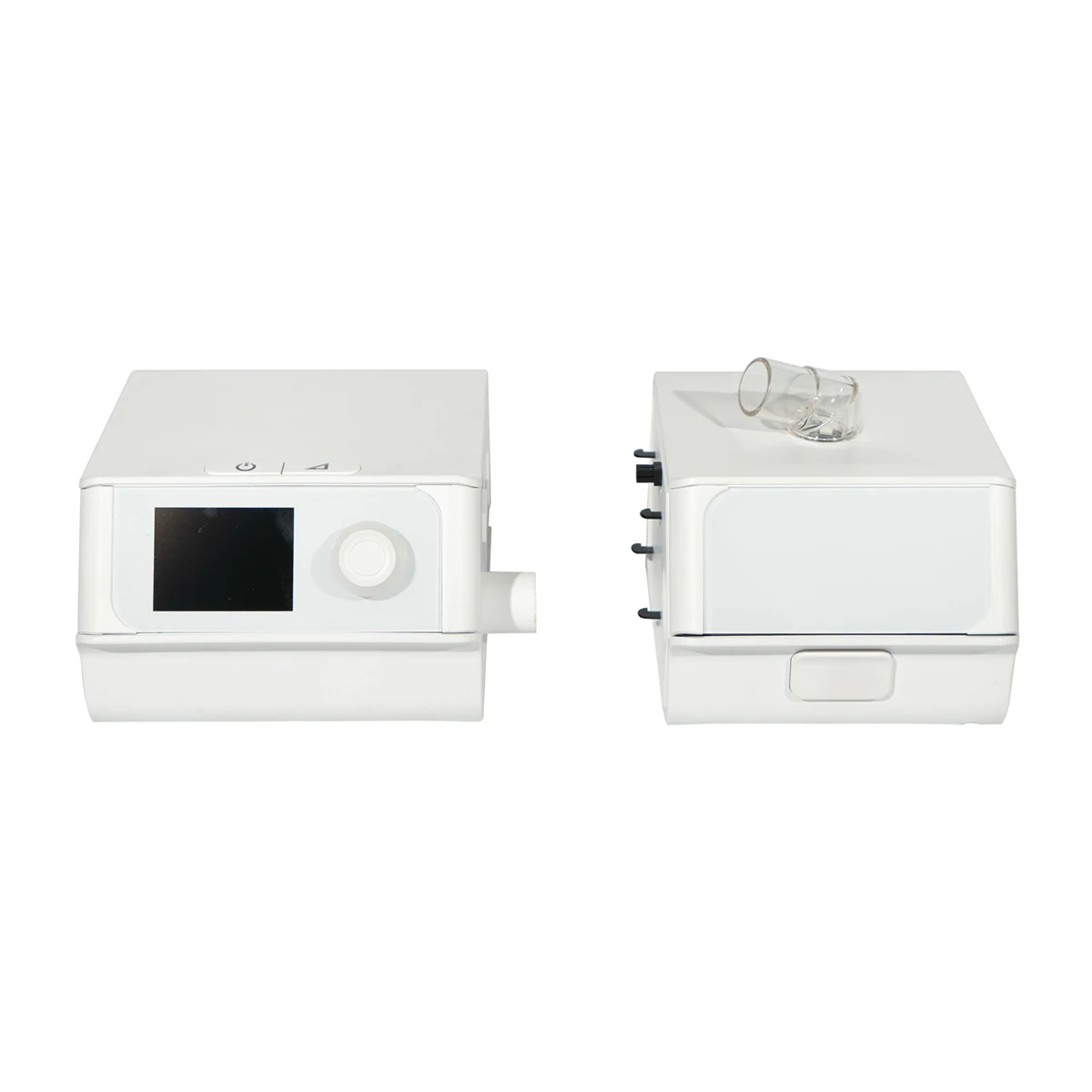
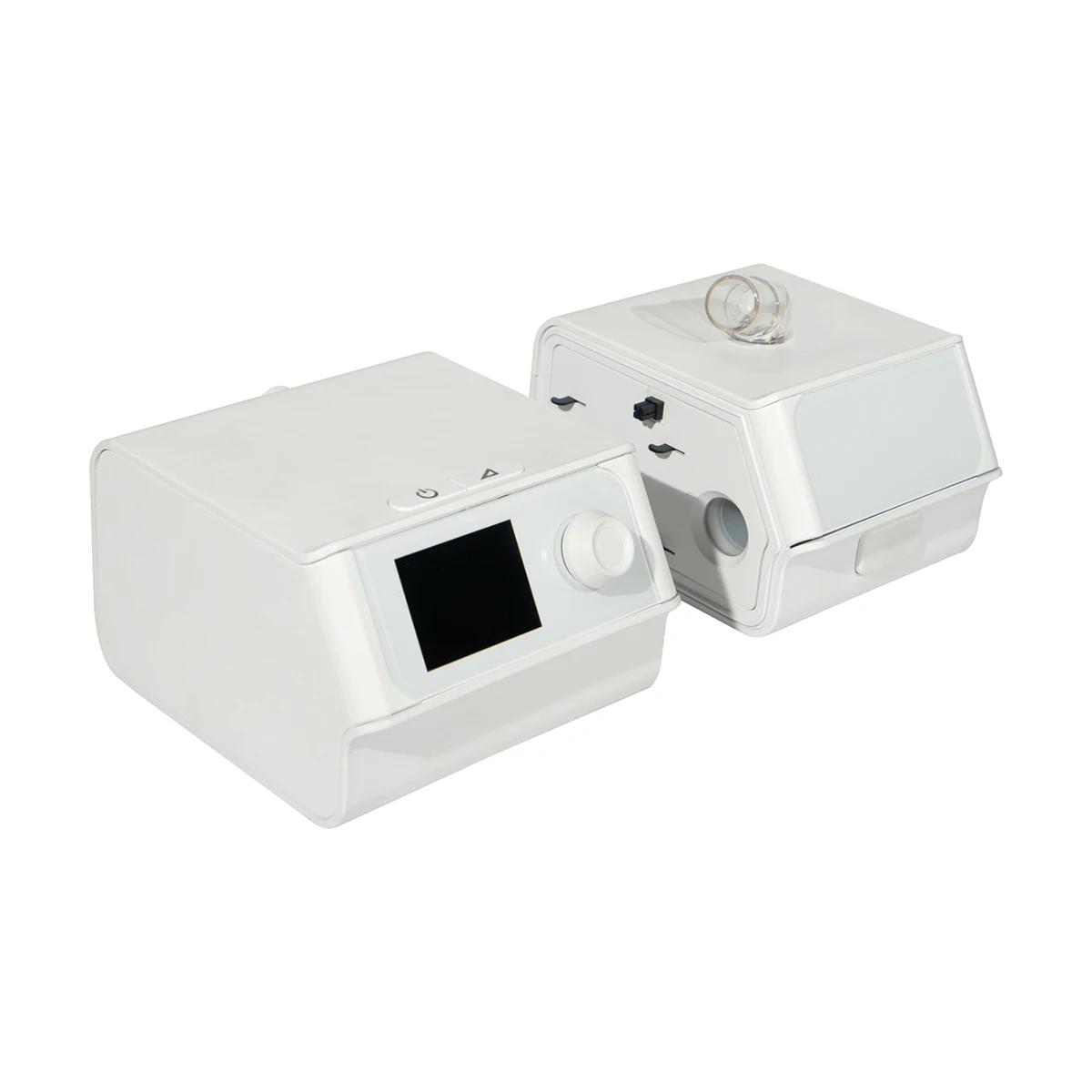
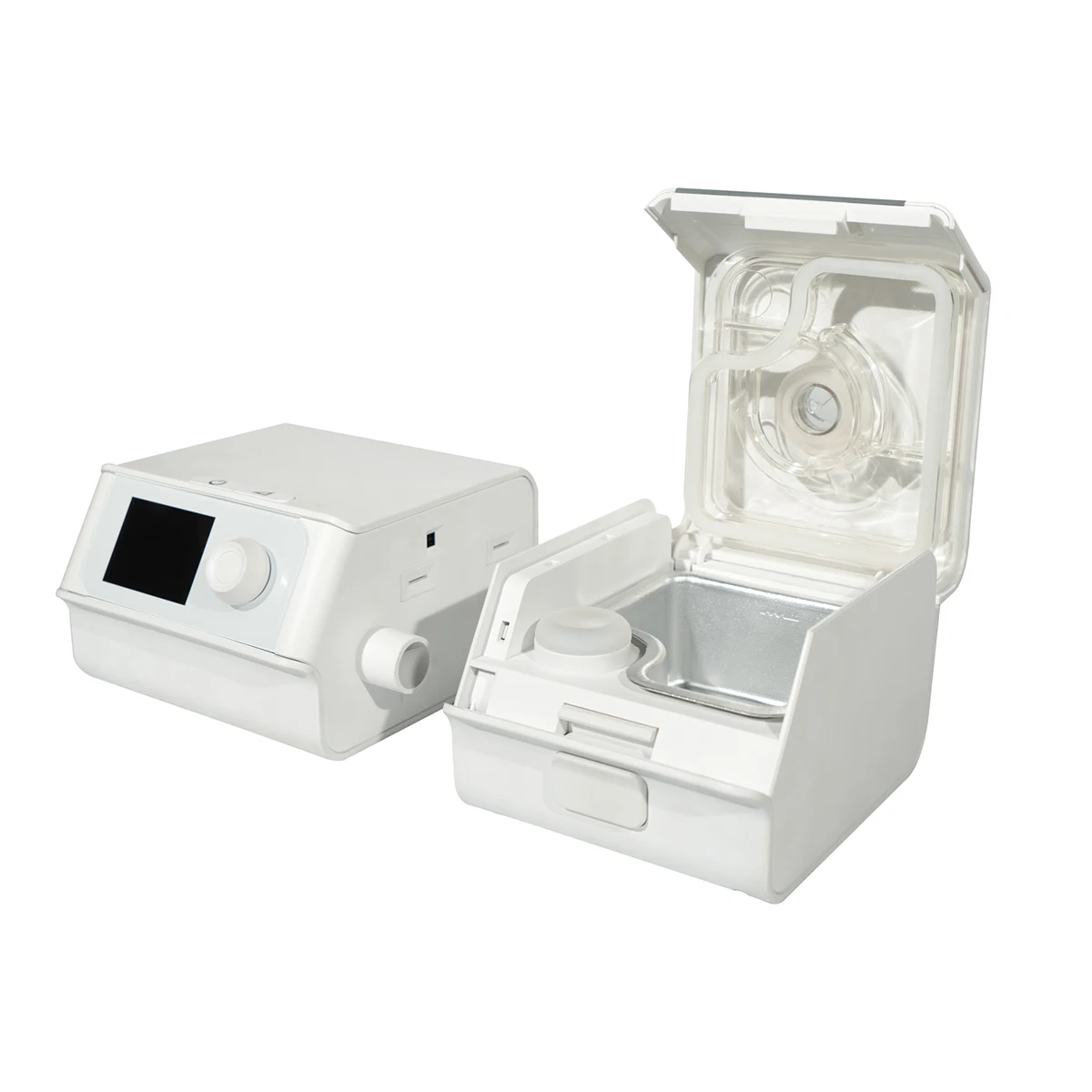
DM28 20C G medical sleep apnea treatment portable non invasive CPAP machine for hospital
- Category: >>>
- Supplier: Jiangsu Konsung Bio-Medical Science And Technology Co. Ltd.
Share on (1600978166170):
Product Overview
Description
Product Paramenters
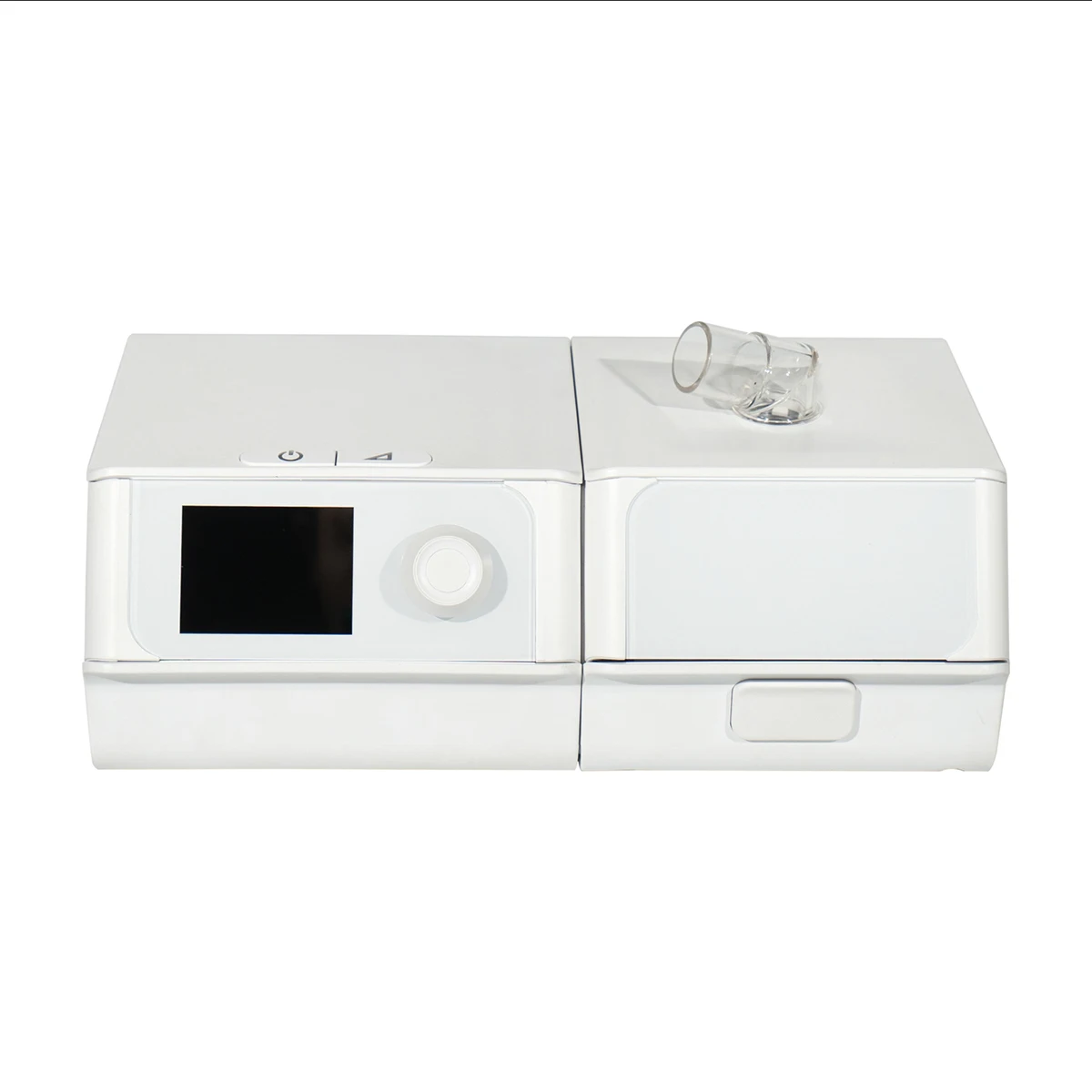
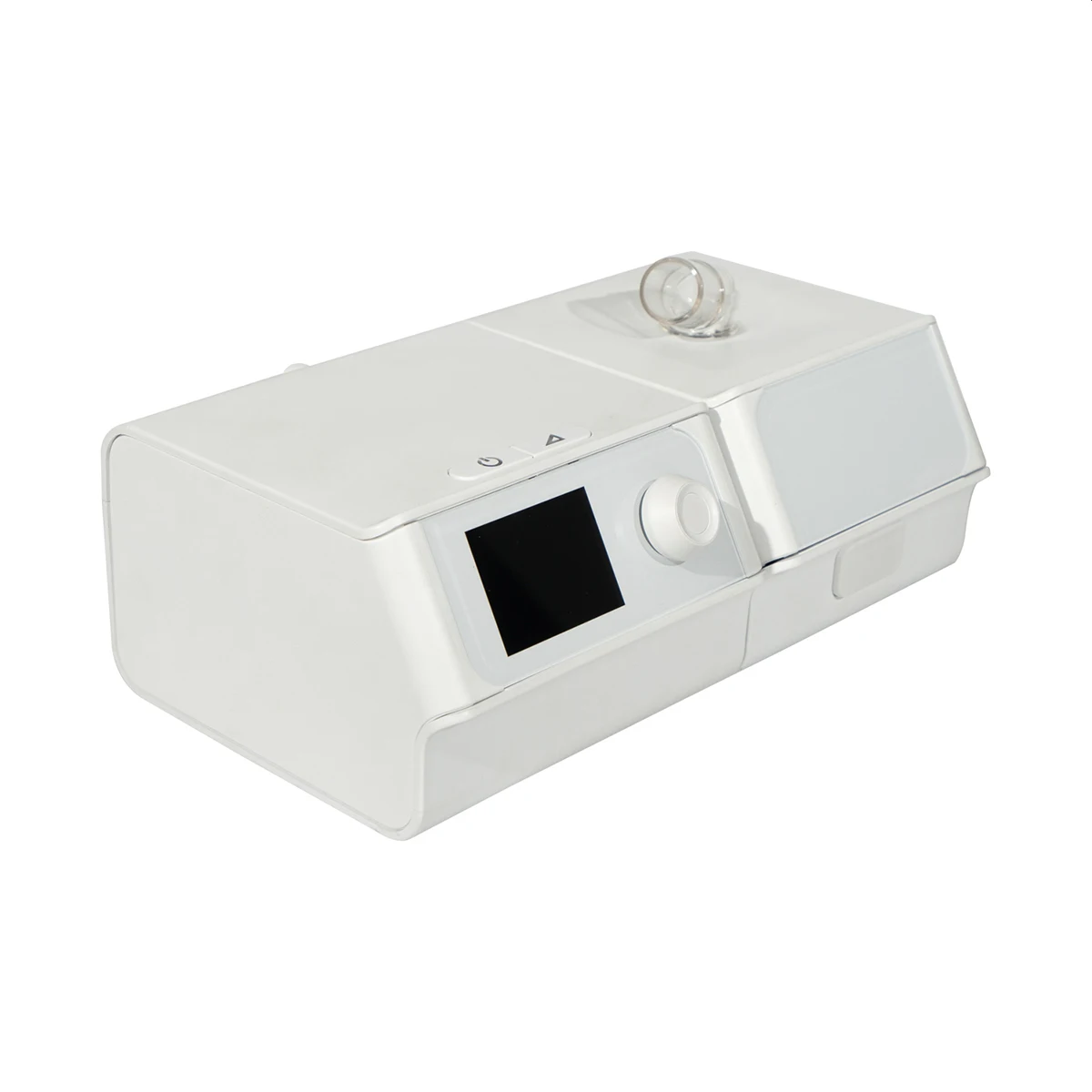
Product Name | CPAP machine |
Pressure Range | 4-20hpa |
Humidification | 0-5 |
Noise | less than 30dB |
Water Capacity | 230ml |
Dimensions | 14*15.6*9.4cm |
Packing Size | 36*31*15cm |
G.W./N.W. | 3.5/3.0kg |
Product Description
Core Technology
Low noise design
Using "dumbbell" air inlet duct, and multiple patent noise reduction technology, a good solution to this problem. When the ventilator works, only gentle and pure air flow can be heard, minimizing the impact of noise on patients. Working noise is less
than 28dB.
than 28dB.
Continuous running for 300h+
Using Core components imported from Japan, ensure 300 hours of continuous operation without shutdown, stable output, small attenuation, ensure adequate pressure output.
7 days historical data review
It can store the user's 7 days detailed usage data (airflow waveform and etc.), no need SD card for data reading, at any time view from cloud platform or via ventilator, avoiding the problem of user data loss due to SD card damage or loss.
Interactive touch screen solution
High-sense
High-sense CTP enables more effective operations. User can access to target interface with no more than three steps.
Multi-theme UI
Multi-theme UI provide different visual experience.
AHI & P95
AHI & P95 curves show data more visually.
More advanced humidification system

Larger heating area
A larger heating area whose humidifying rate up to 65%, in order to reduce max such failure, for users to save unnecessary
maintenance costs.
maintenance costs.

15-degree inclined anti-backflow pipe
15-degree anti-backflow pipe more effectively prevent water reversely flow the host, protecting the machine from damage.

Good design structure
Optimized structure with double injection molding material is easier to clean.
Advanced algorism and excellent experience
X life
X life (Pressure Release Function) will automatically and rapidly adjust expiratory pressure according to users breath (△=150 ms), which has no difference with natural breathing.
I-Breath solution
I-Breath Solution will automatically change the trig point and respiratory rate during breathing process by adjusting the I/E Sensitivity and I/E Rate to ensure more comfortable and more effective treatment.
More comprehensive data management

Comprehensive data management
Brand new and user-friendly air treat diagnostic analysis software and Air Treat Cloud, providing more comprehensive analysis
report and more straightforward configuration adjustment. Connect the intelligent terminal with APP to synchronize the treatment
data with the machine, providing timely report and accessibilities to enhance user experience and patient compliance. More comprehensive data management solutions: Wifi, Bluetooth, Cellular network, SD card, multiple data connections and storage schemes. Wifi, Bluetooth, cellular network are options solutions.
report and more straightforward configuration adjustment. Connect the intelligent terminal with APP to synchronize the treatment
data with the machine, providing timely report and accessibilities to enhance user experience and patient compliance. More comprehensive data management solutions: Wifi, Bluetooth, Cellular network, SD card, multiple data connections and storage schemes. Wifi, Bluetooth, cellular network are options solutions.
Packing & Delivery


To better ensure the safety of your goods, professional, environmentally friendly, convenient and efficient packaging services will be provided.
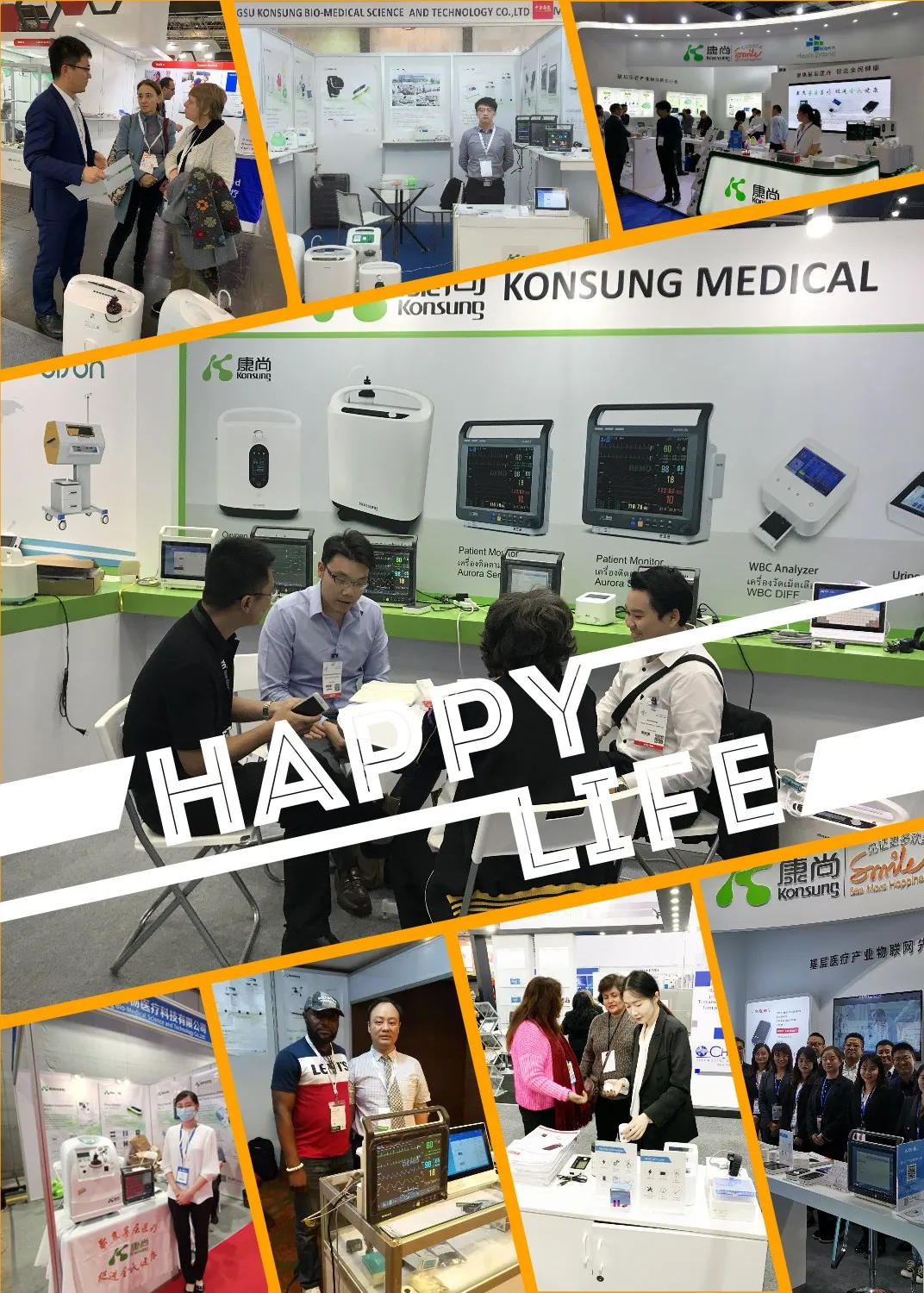
Exhibition
Why Choose Us
1. Wide Choice
Konsung's oxygen concentrator including 3L, 5L, 8L and 10L, suitable to different requirements from home use and medical.
2. Stable quality
Using Core components imported from Japan, ensure 300 hours of continuous operation without shutdown, stable output, small attenuation, ensure adequate pressure output.
3. High reputation
Konsung donated lots of oxygen concentrator to hospitals, and has been won unanimous praise by doctors and patient during this extraordinary period.
4. Prompt delivery
We have stock of finished products semi-finished products and raw material accessories of oxygen concentrator wtih 3L, 5L, 8L and 10L, so that we can ensure the flexible delivery time.
FAQ
1. Do CPAP machines weaken your lungs?
The CPAP is probably weakening the breathing. If the optimal breathing mechanical function were established, you probably would not need the CPAP. This may or may not be easy to attain.
2. Are there any side effects of using a CPAP machine?
Side effects of CPAP use are usually minor and may include: Feelings of confinement from the face mask. Sore or dry mouth. Nasal congestion, runny nose, sinusitis, or nosebleeds.
3. How many hours should you use a CPAP machine?
Each insurance provider has specific requirements, but most require the use of the CPAP machine for 4 hours a night on at least 70 percent of nights.
4. What does the CPAP machine record?
Most standard CPAP machines show a snapshot of a person's therapy sessions. The most basic includes average usage, hours used, pressure, leak information and AHI information.
5. Why am I still tired after using CPAP?
If you're still tired after using the CPAP machine, then you most certainly have CPAP resistant syndrome or True Residual
Sleepiness. The science explains that there is a residual sleepiness in some patients with sleep apnea, which takes time to
disappear.
Sleepiness. The science explains that there is a residual sleepiness in some patients with sleep apnea, which takes time to
disappear.
6. Should I use my CPAP when I have a cold?
Yes, absolutely. Not only do CPAPs help relieve cold and flu symptoms such as congestions, coughing, sore throat, and more, but they help you get the rest your body needs. Studies show that lack of sleep affects your immune system.
7. What happens if you use a CPAP and don't need it?
It is dangerous to use a CPAP machine if you do not have sleep apnea. If you use a CPAP machine without it being medically necessary or at the wrong pressure setting it can cause difficulty breathing which is in some cases life threatening.
8. Can you get too much oxygen from a CPAP machine?
The majority of the time, the symptoms of too much oxygen are minimal and can include headache, sleepiness or confusion after beginning supplemental oxygen. You may also experience increased coughing and shortness of breath as the airways and lungs become irritated.
9. Does CPAP help with shortness of breath?
CPAP effectively offloads the respiratory system in obese subjects, when awake, and reduced NRD by 30%. Breathlessness is not experienced when NRD is reduced.
10. What sleeping position is best for sleep apnea?
Sleeping on Your Right Side. Side sleeping is the preferred position for helping calm your sleep apnea. Sleeping on your right side reduces snoring and encourages blood flow.

We Recommend
New Arrivals
New products from manufacturers at wholesale prices