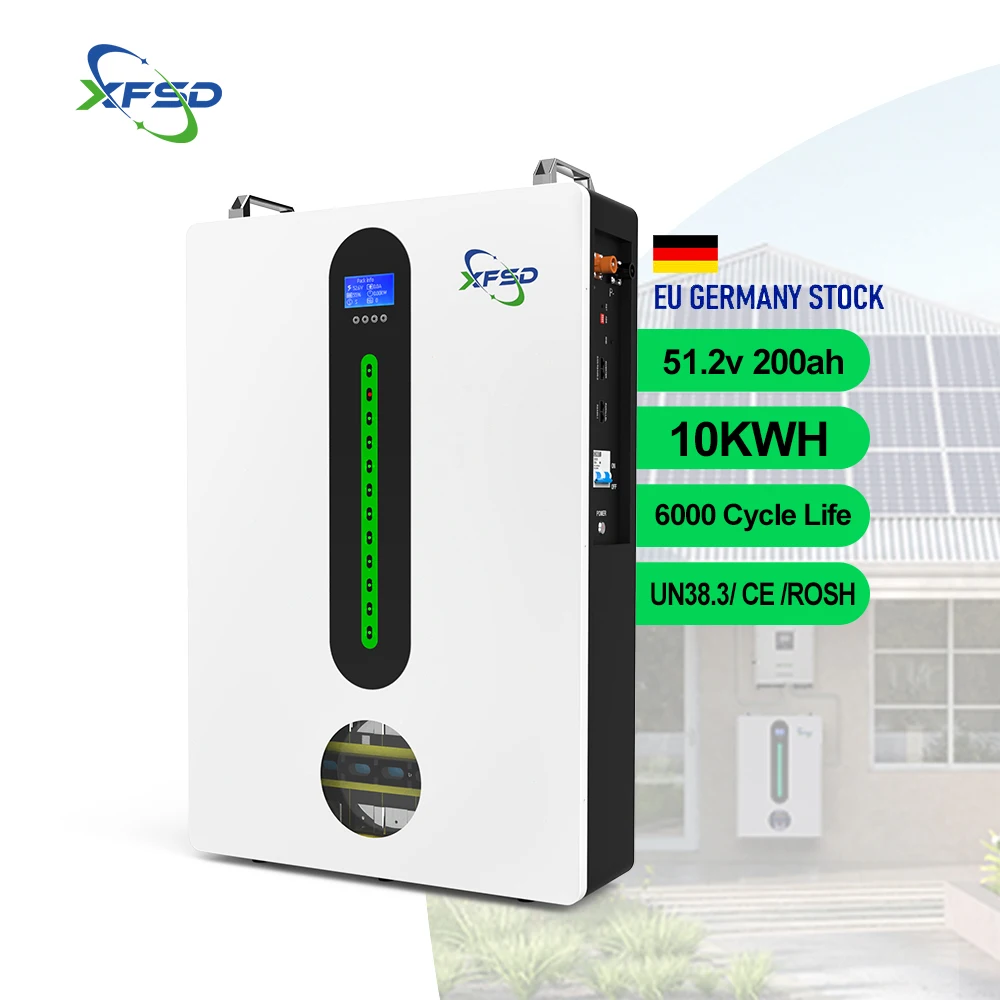
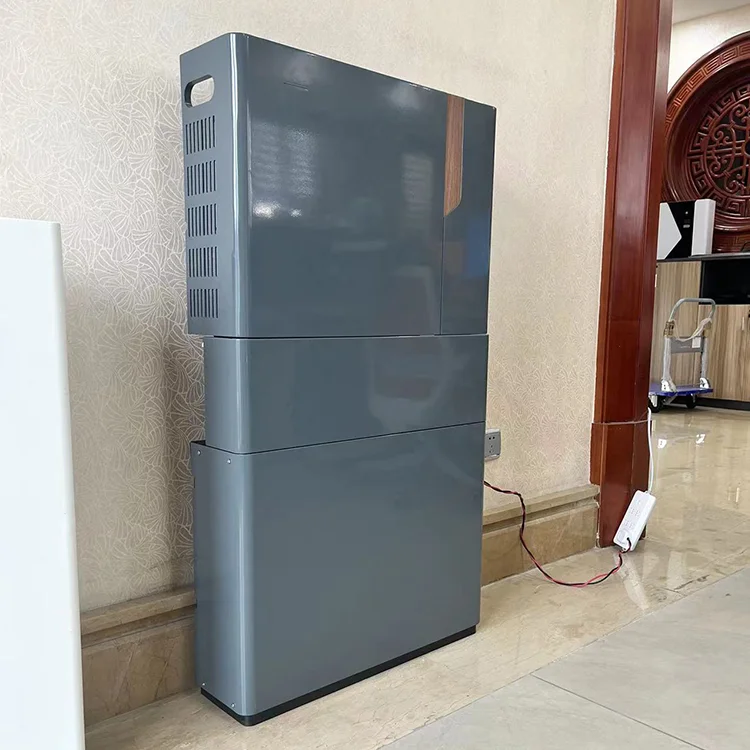
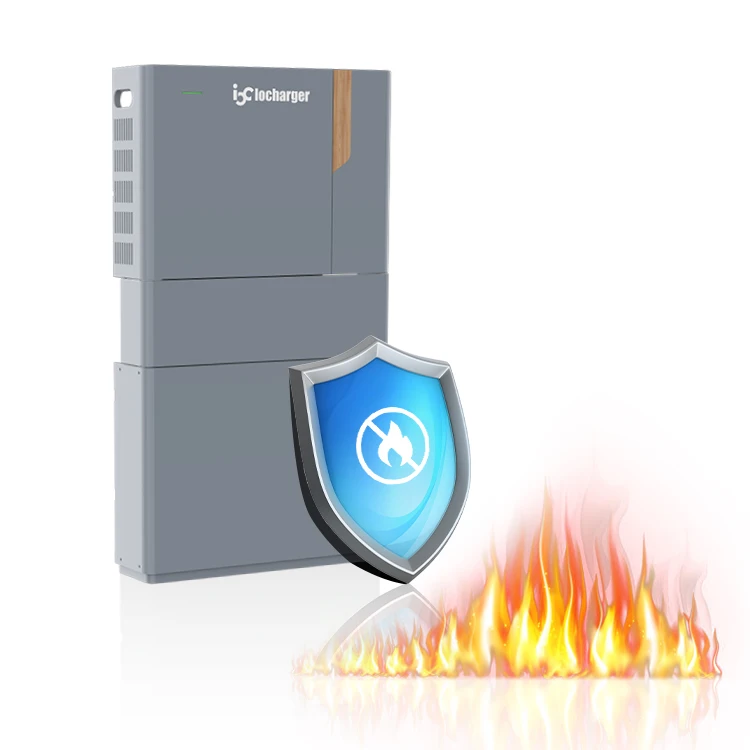
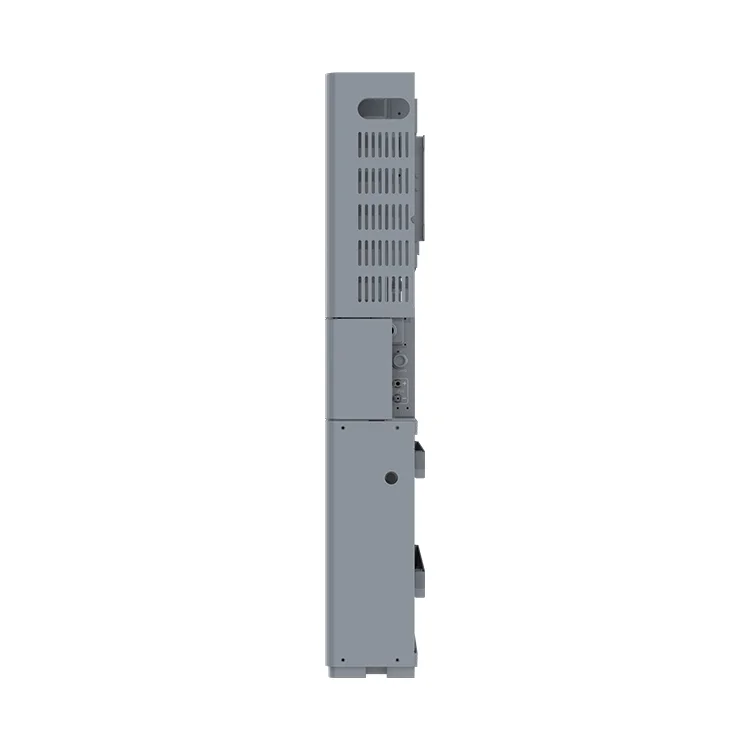
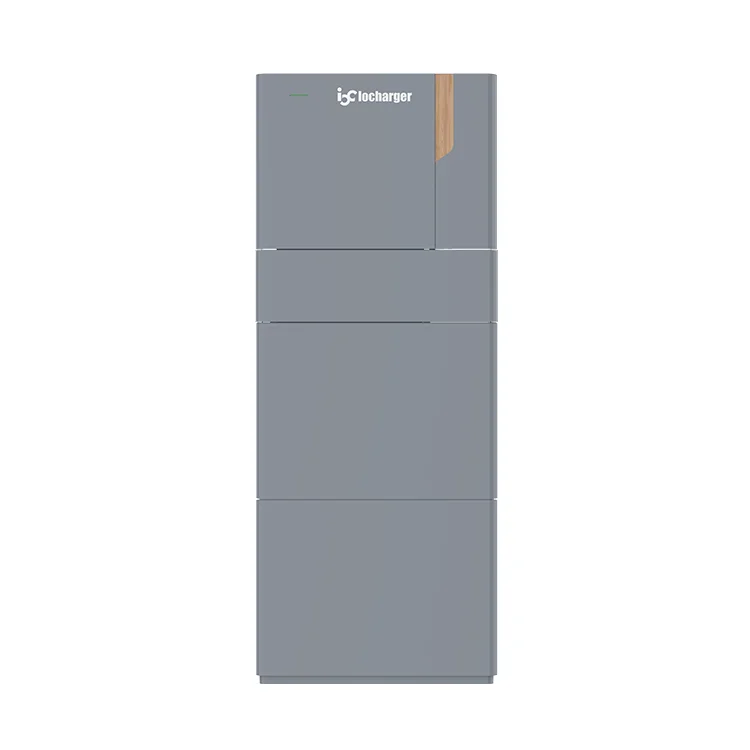
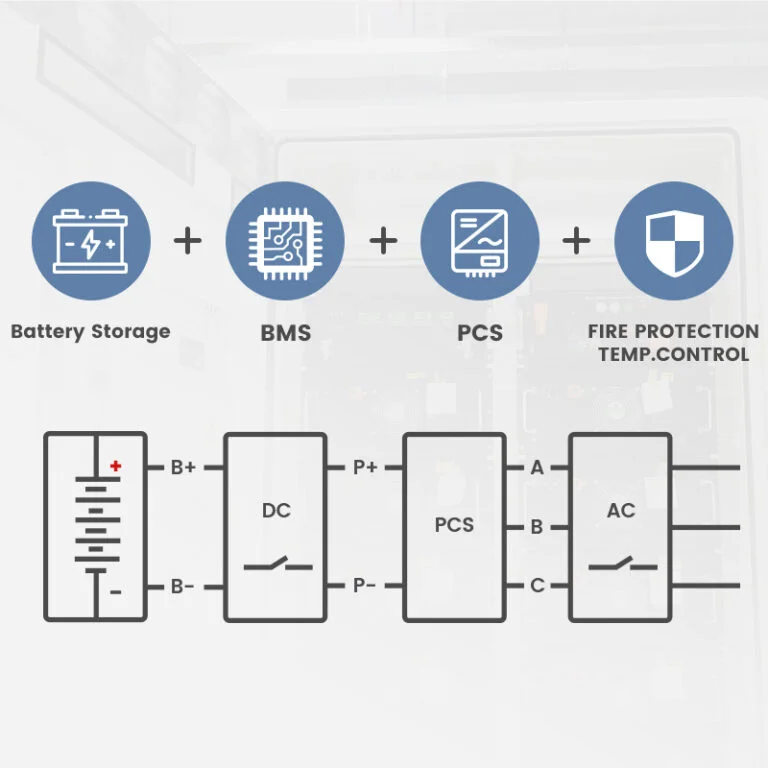
IP65 LFP ESS smart energy management integrated solar ev charger 5kWh 40kWh home battery storage
- Category: >>>
- Supplier: Xiamen Galaxy Camphol Technology Co. Ltd.
Share on (1600978952677):
Product Overview
Description


Specification
Inverter Side | ||||||||
Rated output power | 6000W | |||||||
Rated output voltage | 220V/230V/240V | |||||||
Rated output current | 27.2A | |||||||
Rated frequency | 50Hz/60Hz | |||||||
Grid-tie Side | ||||||||
Input maximum current | 27.5A | |||||||
Input voltage range | 184V~246V | |||||||
frequency range | 45Hz~65Hz | |||||||
Rated output power | 6000W | |||||||
Rated grid voltage | 230V | |||||||
Power grid output current | 27.2A | |||||||
PV Side | ||||||||
Photovoltaic input parameters | 9000Wp | |||||||
Starting voltage | 75V | |||||||
Maximum input voltage | 600V | |||||||
MPPT voltage operating range | 80V~550V | |||||||
Full load MPPT voltage operating range | 300V~500V | |||||||
Number of MPPT | 2 | |||||||
Rated voltage | 360V | |||||||
Maximum input current | 13A/13A | |||||||
Battery Side | ||||||||
Battery capacity | 5120Wh | |||||||
Available capacity | 4600Wh | |||||||
Discharge depth | 90% | |||||||
Rated voltage | 51.20 V | |||||||
Operating voltage range | 48V~57 V (90% DoD) | |||||||
Battery internal resistance | ≤ 30 mΩ (100 Ah) | |||||||
Cycle life | 6000 Cycles (80% DoD) | |||||||
Maximum charging current | 50 A (0.5 C) | |||||||
Maximum discharge current | 100 A (1 C) | |||||||
Short-circuit current | 300 A | |||||||
Efficiency | ||||||||
Maximum efficiency | 98% | |||||||
Maximum battery charging efficiency | 94.6% | |||||||
Maximum discharge efficiency of the battery | 94.6% | |||||||
General Data | ||||||||
Dimension | 1190H*660W*185D | |||||||
Weight | 65KG | |||||||
Working temperature | -10℃~50℃ | |||||||
Cooling method | Natural heat dissipation | |||||||
IP level | IP65 | |||||||
BMS communication method | RS485、CAN | |||||||
Electricity meter communication method | RS485 | |||||||
Monitoring communication | WiFi | |||||||
Human-computer interaction mode | H5/LED/APP | |||||||
Product Advantages


We have assisted many customers in solving project difficulties. Pls Contact Us>>
Company Profile


FAQ
Here are some customer’s common questions about our products :
Q1: What is the slogan of IoCharger?
A: Internet Of Charger and Sustainable Energy..
Q2:The main difference between AC Charger and DC Charger?
A:The difference between AC charging and DC charging is the location where the AC power gets converted; inside or outside the car.Unlike AC chargers, a DC charger has the converter inside the charger itself. That means it can feed power directly to the car's battery and doesn't need the on-board charger to convert it.
Q3: Charging Modes?
A:Mode 2: Slow AC charging using a standard 3 pin socket with an EV specific protection device in the cable.
Mode 3: Slow or fast AC charging using a dedicated and fixed circuit with specific EV multi-pin connection with control and protection functions.
Mode 4: Rapid or Ultra Rapid DC charging using direct current with a connection technology such as CHAdeMO or CCS.
Q4:The differences of global DC fast charging standards?
A: CCS-1: DC fast charging standard for North America.
CCS-2: DC fast charging standard for Europe.
CHAdeMO: DC fast charging standard for Japan.
GB/T: DC fast charging standard for China.
Q5: Does the higher the charging station output power mean the faster the charging speed?
A: No, it doesn't. Due to the limited power of the car battery at this stage, when the output power of the DC charger reaches a certain upper limit, the larger power does not bring a faster charging speed.
However, the significance of high-power DC charger is that it can support dual connectors and simultaneously output high power to charge two electric vehicles at the same time, and in the future, when the electric vehicle battery is improved to support higher power charging, it is not necessary to invest money again to upgrade the charging station.
Q6: How fast can a vehicle be charged?
A: The speed of loading depends on many different factors
1. Charger Type: The charging speed is expressed in 'kW' and depends, among other things, on the capacity of the type of charger and the available connection to the power grid.
2. Vehicle: The charging speed is also determined by the vehicle and depends on several factors. With regular charging, the capacity of the inverter or “on board charger” is of influence. In addition, the charging speed depends on how full the battery is. This is because a battery charges more slowly when it gets full. Fast charging often does not make much sense above 80 to 90% of the battery capacity because charging is progressively slower.
Q1: What is the slogan of IoCharger?
A: Internet Of Charger and Sustainable Energy..
Q2:The main difference between AC Charger and DC Charger?
A:The difference between AC charging and DC charging is the location where the AC power gets converted; inside or outside the car.Unlike AC chargers, a DC charger has the converter inside the charger itself. That means it can feed power directly to the car's battery and doesn't need the on-board charger to convert it.
Q3: Charging Modes?
A:Mode 2: Slow AC charging using a standard 3 pin socket with an EV specific protection device in the cable.
Mode 3: Slow or fast AC charging using a dedicated and fixed circuit with specific EV multi-pin connection with control and protection functions.
Mode 4: Rapid or Ultra Rapid DC charging using direct current with a connection technology such as CHAdeMO or CCS.
Q4:The differences of global DC fast charging standards?
A: CCS-1: DC fast charging standard for North America.
CCS-2: DC fast charging standard for Europe.
CHAdeMO: DC fast charging standard for Japan.
GB/T: DC fast charging standard for China.
Q5: Does the higher the charging station output power mean the faster the charging speed?
A: No, it doesn't. Due to the limited power of the car battery at this stage, when the output power of the DC charger reaches a certain upper limit, the larger power does not bring a faster charging speed.
However, the significance of high-power DC charger is that it can support dual connectors and simultaneously output high power to charge two electric vehicles at the same time, and in the future, when the electric vehicle battery is improved to support higher power charging, it is not necessary to invest money again to upgrade the charging station.
Q6: How fast can a vehicle be charged?
A: The speed of loading depends on many different factors
1. Charger Type: The charging speed is expressed in 'kW' and depends, among other things, on the capacity of the type of charger and the available connection to the power grid.
2. Vehicle: The charging speed is also determined by the vehicle and depends on several factors. With regular charging, the capacity of the inverter or “on board charger” is of influence. In addition, the charging speed depends on how full the battery is. This is because a battery charges more slowly when it gets full. Fast charging often does not make much sense above 80 to 90% of the battery capacity because charging is progressively slower.
3. Conditions: Other conditions, such as the temperature of the battery, can also affect the charging speed. A battery works optimally when the temperature is neither too high nor too low. In practice this is often between 20 and 30 degrees. In winter, a battery can get very cold. As a result, charging may slow down considerably. Conversely, a battery can become very hot on a summer day and charging can then also be slower.
Q7: Can we customize the CCMS & App?
A: Yes, our software is fully developed in-house, and we provide station hosts the opportunity to customize their network management features to meet the unique needs of different business models, parking characteristics or customer interaction objectives.Examples include fleet management, app development, custom integration, anti-loitering features, or specialized billing needs.
Q8: What is the warranty time?
A: Hardware warranty is two years. Lifetime software support depends on the terms.
Q7: Can we customize the CCMS & App?
A: Yes, our software is fully developed in-house, and we provide station hosts the opportunity to customize their network management features to meet the unique needs of different business models, parking characteristics or customer interaction objectives.Examples include fleet management, app development, custom integration, anti-loitering features, or specialized billing needs.
Q8: What is the warranty time?
A: Hardware warranty is two years. Lifetime software support depends on the terms.

We Recommend
New Arrivals
New products from manufacturers at wholesale prices