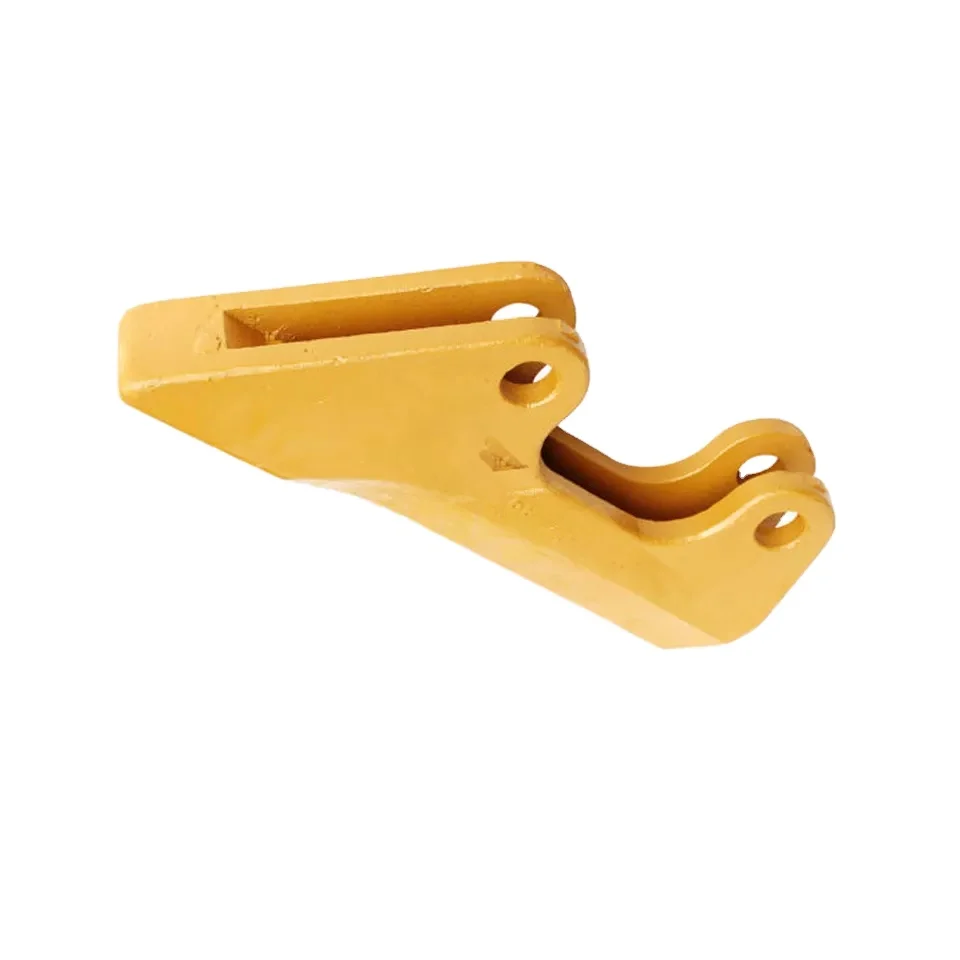
Steel tent stakes Double Head Tent Stake
US $12.50-$15.00
Share on (1601006743348):


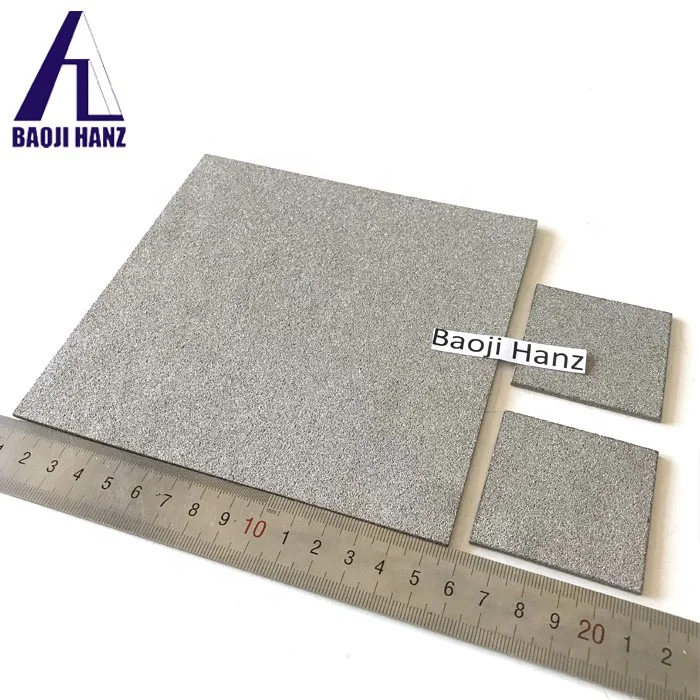
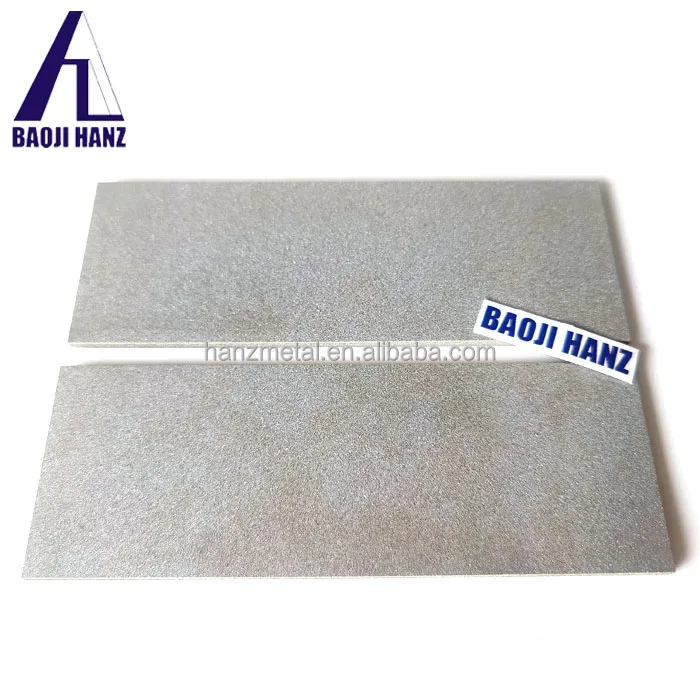
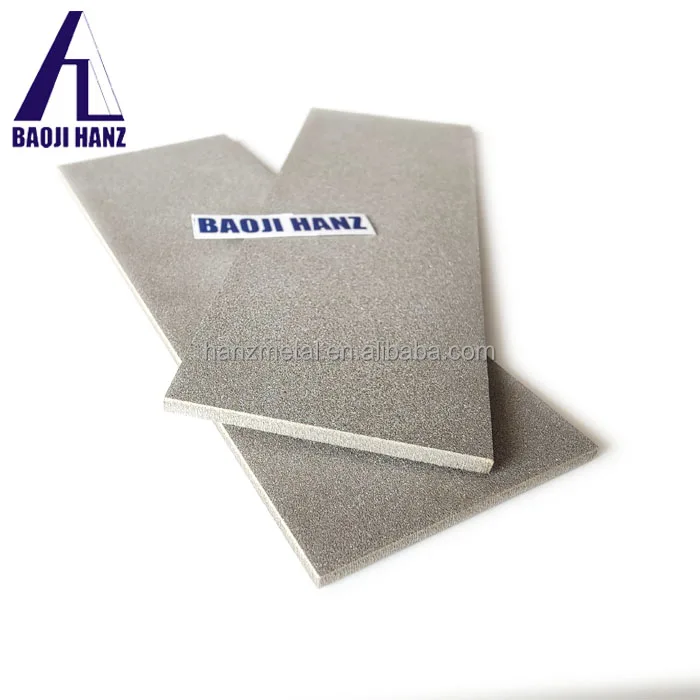
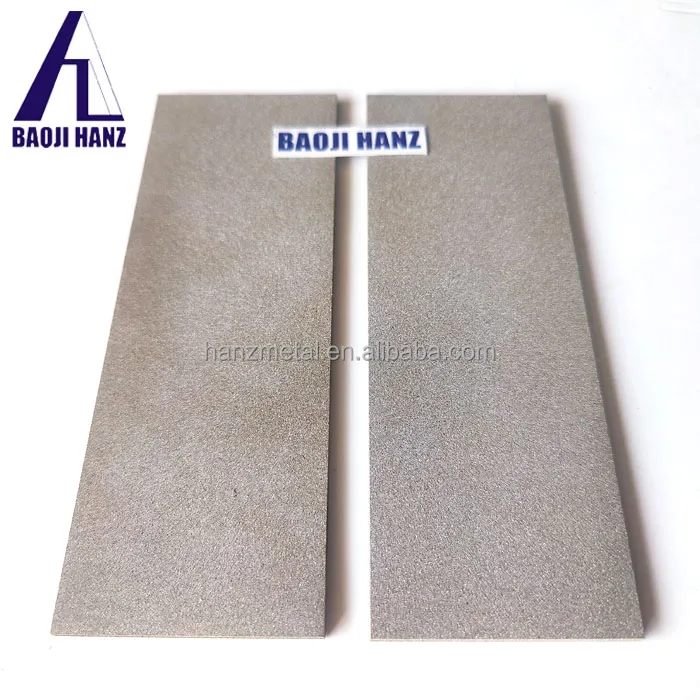
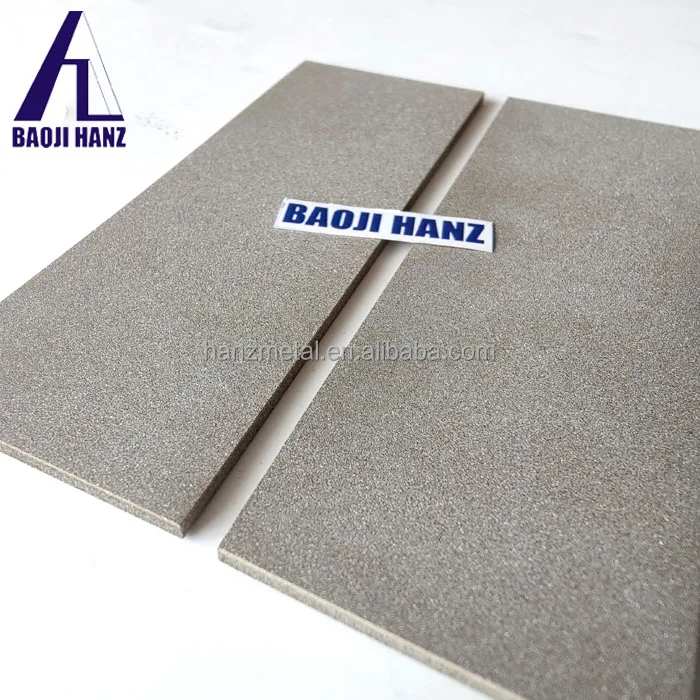
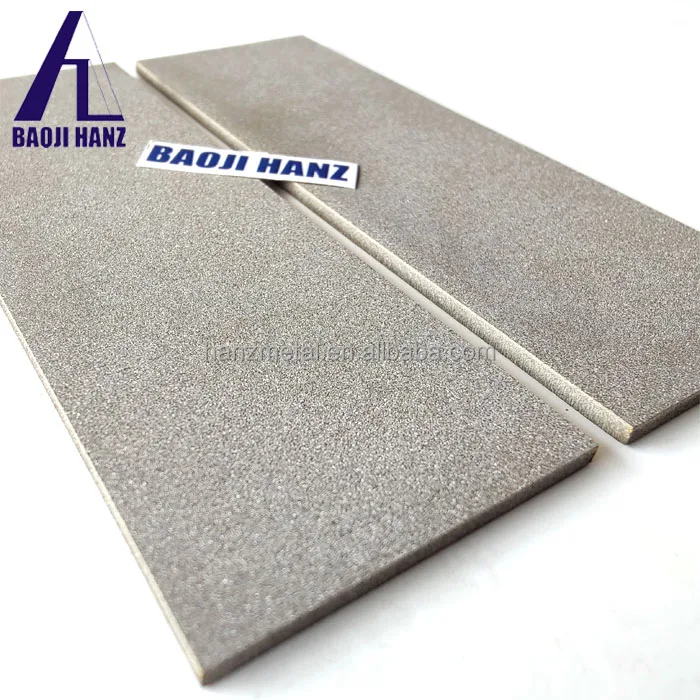
Technical parameters of porous titanium plate: | ||||||||||
Filtering accuracy | Porosity | Permeability | compressive strength | Temperature resistance | Maximum working pressure difference | |||||
0.5um-50um | 20-50% | 3-800m^3/m^2hkPa | 2-3Mpa | 250℃ | 0.6Mpa | |||||
Main performance: | ||||||||||
1. Uniform pore size, stable pore shape, and high separation efficiency. 2. High porosity, low filtration resistance, and high permeability. 3. High temperature resistance, can be used normally below 250 ℃. 4. Good chemical stability, resistance to acid and alkali corrosion (PH2-12), and antioxidant properties. 5. No particle shedding, no secondary contamination of the original solution, in compliance with food hygiene and pharmaceutical GMP requirements. 6. Good mechanical performance, low pressure difference, large flow rate, pressure filtration and suction filtration, imple operation. 7. Strong anti microbial ability, no interaction with microorganisms. 8. Can be regenerated online, easy to clean, and has a long service life (usually several times that of membrane filter elements) 9. The forming process is good, and the overall length without welding can reach 1000 millimeters. 10. It is non magnetic, non-toxic, and has good compatibility with human tissues and blood. It is widely used in the pharmaceutical industry and food industry Widely used in industry and water treatment industry. | ||||||||||
Precautions for use: | ||||||||||
1. The supply of porous sintered titanium plates is a consumable that is more durable than other filter elements. However, during the cleaning and disassembly process, attention should be paid to avoiding scratches, collisions, smashes, and falls to prevent human damage. It is strictly prohibited to apply force to the surface of the filter element with tools. 2. Generally, the filtrate is filtered from the outside to the inside of the filter element, and reverse filtration is not recommended. 3. When filtering, slowly increase the pressure to the required working pressure, and it is strictly prohibited to quickly increase the pressure by opening the valve. 4. The maximum working pressure is ≤ 2MPa. When the filtration efficiency is less than 50%, clean air or clean liquid should be used for online backflushing in a timely manner. 5. When performing backflushing and backflushing on titanium filter elements, pure gas is usually used first, with a backflushing pressure of 1.2-1.5 times the working pressure. Each backflushing takes 3-5 seconds, and is repeated 4-6 times before being backwashed with clean liquid for 3-5 minutes, 2-3 times. Cleaning method: Supply porous sintered titanium plates. Based on the pollution situation and the chemical properties of the pollutants, combined with the physicochemical properties of titanium metal, physical and chemical methods can be used for regeneration and cleaning, respectively. The physical methods mainly include clean liquid backwashing, clean gas backwashing, and ultrasonic cleaning. Chemical methods mainly use cleaning agents such as dilute acids, dilute alkalis, oxidants, surfactants, enzymes, etc. The above methods can also be used interchangeably. | ||||||||||
According to several common applications, the cleaning methods are as follows: | ||||||||||
1. In the fields of pharmaceuticals and chemicals, decarbonization and filtration often require the use of backflushing and backwashing methods combined with Ultrasonic cleaning to achieve the best results. 2. In the water industry, due to the fact that the surface of the filter element is mostly trapped with non water-soluble salts and oxides, it is generally soaked in 5% acid without the need for ultrasonic cleaning to achieve cleaning results. 3. The filtration of the original solution should be carried out by combining the chemical properties of the pollutants and using the following methods for cleaning: (1) Alkali cleaning: Soak in 3-5% sodium hydroxide analytical pure solution for 30-60 minutes at about 40 ℃, which is the best in Ultrasonic cleaning. After soaking, rinse inside and outside with filtered deionized water or injection water until neutral, and measure the conductivity. Dry with purified air at a pressure of ≥ 0.4MPa. (2) Pickling: Soak in 5% acid solution for more than 8 hours at a temperature of around 40 degrees Celsius. Best among Ultrasonic cleaning. After soaking, rinse both inside and outside with filtered deionized water or injection water until neutral and with high side conductivity. Dry with purified air at a pressure of ≥ 0.4MPa. (3) Organic pollution can be combined with surfactant cleaning, while cell debris pollution system combined with enzyme cleaning has a more ideal effect (food and beverages can be cleaned with high concentration citric acid). (4) The above methods can be used separately or alternatively in conjunction with each other. If possible, the combination of Ultrasonic cleaning is the best. Attention: It is necessary to frequently perform online backflushing (using pure compressed air, filtered liquid or clean water for backflushing) to reduce the number of times the above methods are used for cleaning. | ||||||||||


New products from manufacturers at wholesale prices