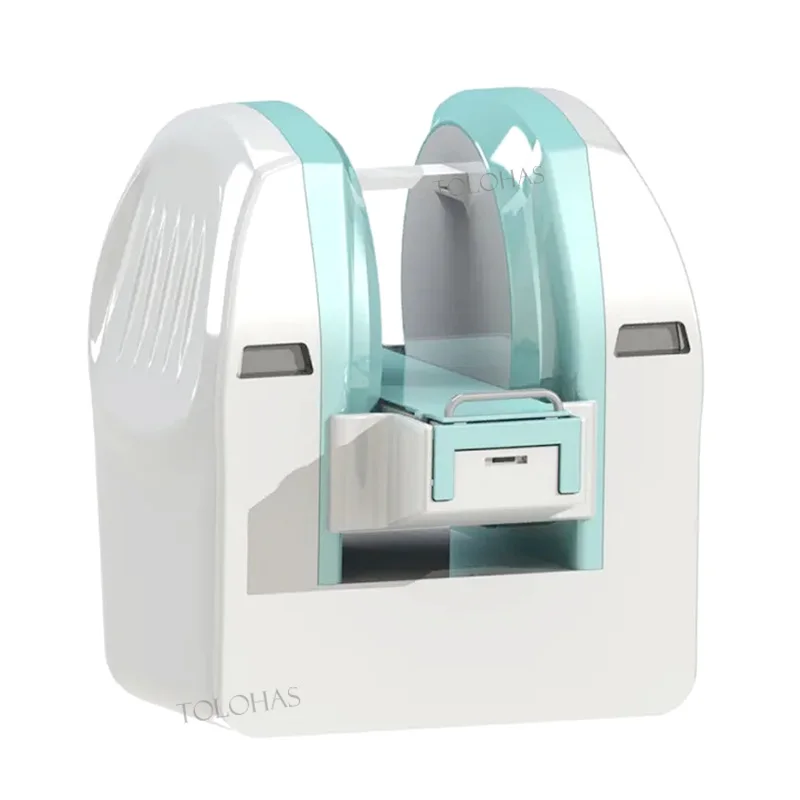
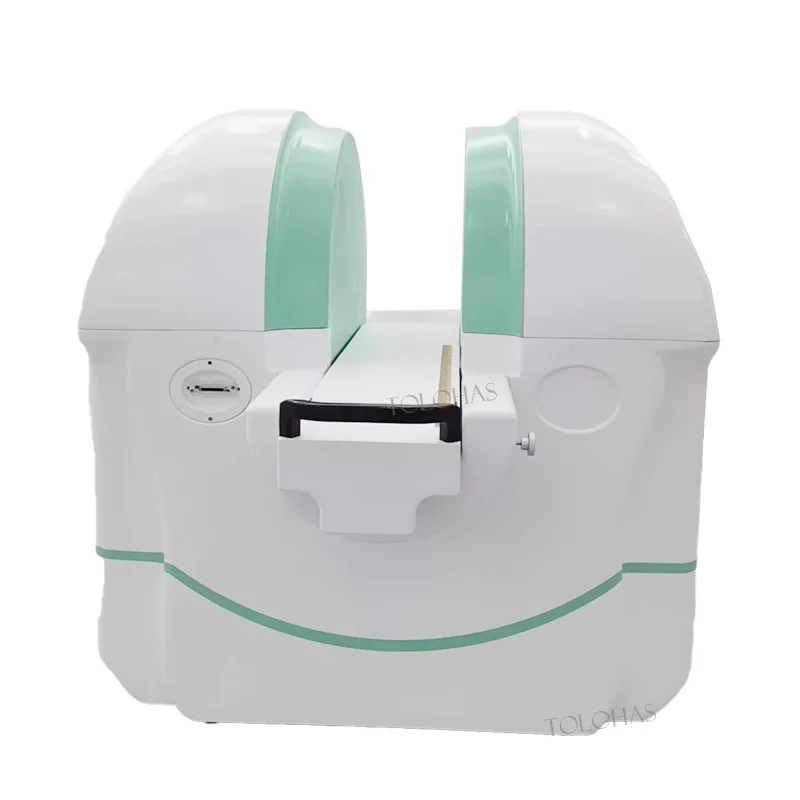
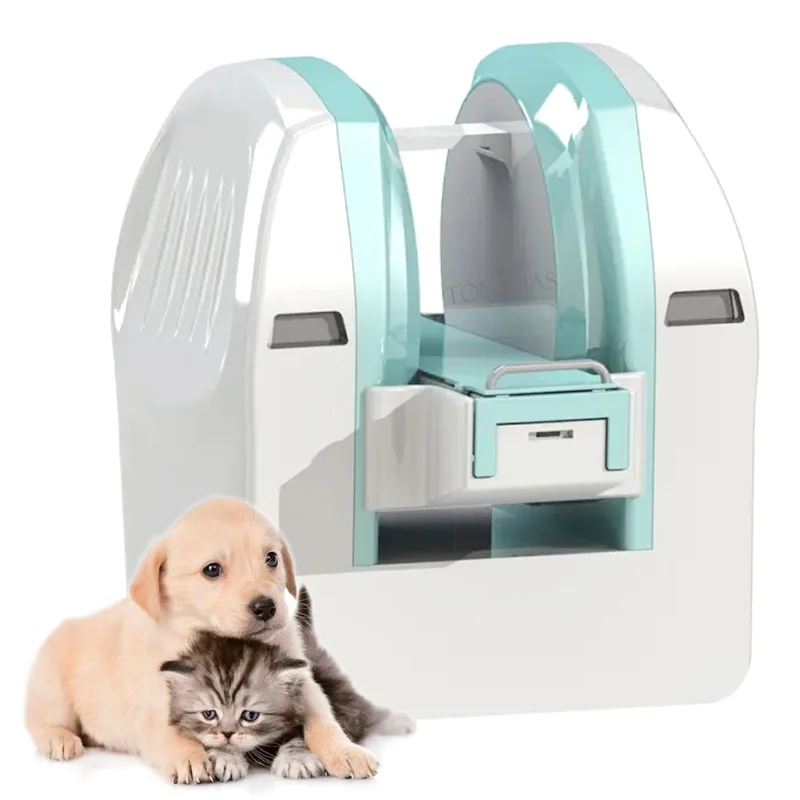
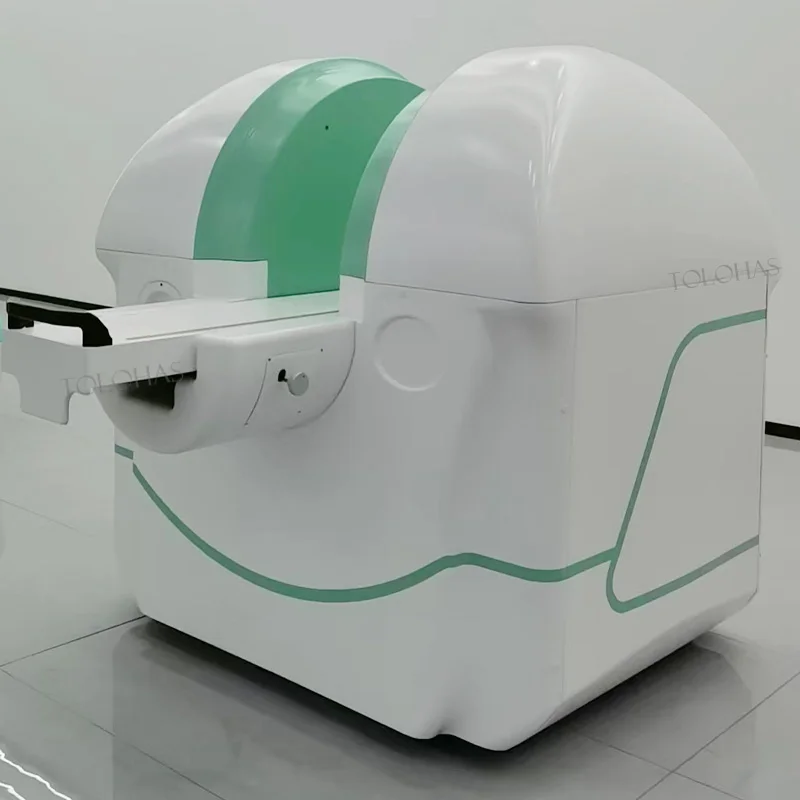
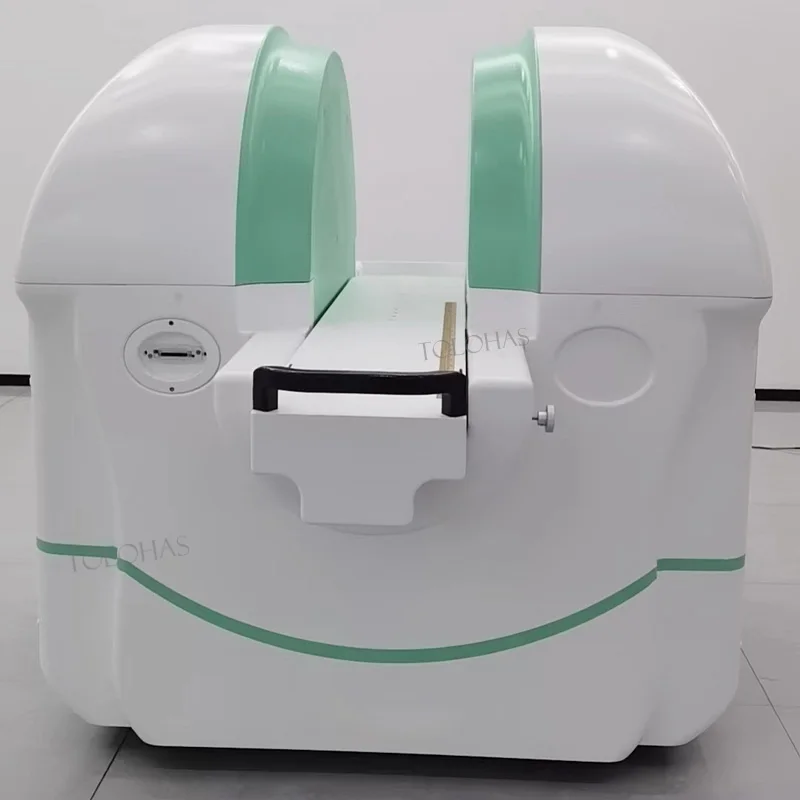
LHWMRI3 Medical 0.35T Vet Magnetic Resonance Imaging System Cat Dog MRI Scaning Machine
- Category: >>>
- Supplier: Shenzhen Lohas Medical Devices Co. Ltd.
Share on (1601027633398):
Product Overview
Description
LHWMRI3 Medical 0.35T Vet Magnetic Resonance Imaging System Cat Dog MRI Scaning Machine
Products Description

Product Paramenters
If you are interested in this product, contact us now
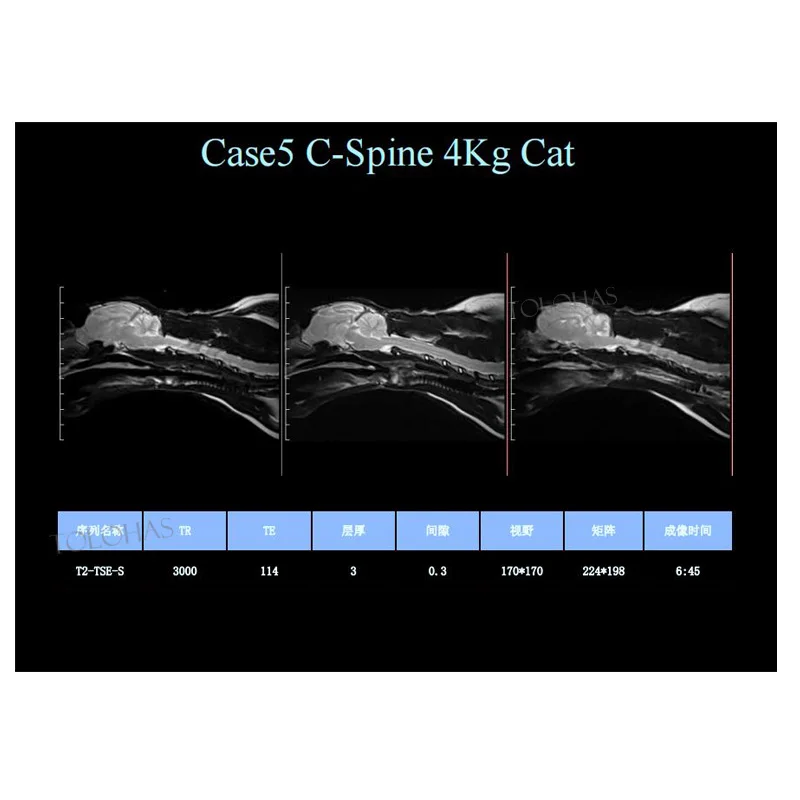
1. Magnetic Resonance Imaging (MR)is a noninvasive imaging technology that is known for its superior soft tissue contrast and ability to provide morphological, microstructural, functional, and metabolic information.
1. Magnetic Resonance Imaging (MR)is a noninvasive imaging technology that is known for its superior soft tissue contrast and ability to provide morphological, microstructural, functional, and metabolic information.
2. MRI does not involve X rays and the use of ionizing radiation, which distinguishes it from CT or CAT scans.
3. MRI is the investigative tool of choice for neurological cancers, as it has better resolution than CT and offers better visua lization of the posterior fossa. The contrast provided between grey and white matter makes MRI the best choice for many conditions of the central nervous system, including demyelinating diseases, dementia, cerebro-vascular disease, infectious diseases, and epilepsy. MRI's Cardiac aplicatins indude assessment of myocardial ischemia and viability, cardiomyopathies, myocarditis, iron overload, vascular diseases, and congenital heart disease.
4. MRI's aplications in the musculoskeletal systemindude spinal imaging. assessment of joint disease, and soft tissue tumors. Hepatobiliary MRI is used to detect and characterize lesions of the liver, pancreas, and bile ducts.
5. MRI is also used to evaluate the arteries of the neck and brain, the thoracic and abdominal aorta. the renal arteries, and the legs.
6. Since MRI does not use any ionizing radiation, itis use is generally favored in preference to CT when either modality could yield the same information In certain cases, MRI is not preferred as it may be more expensive, time- consuming, and claustrophobia exacerbating.
Our veterinary MRI system is your most cost-effective choice.
Details Images
Magnet | Field strength: 0.3T,0.35T,0.4T (customizable) Homogeneity: <2PPM @20cm DSV Gradient Type: High performance self-shielding water-cooled gradient coils Gradient Amplitude: 18-25mT/m Slew rate: 45-75mT/m/ms | Aerosol Chamber -Yellow | AerosolChamber -PRO |
Pulse sequences | Spin echo (SE) Turbo spin echo (TSE) Standard IR (IR) Short inversion time IR (STIR) Fluid Attenuation IR (FLAIR) 2D Gradient echo (GRE2D) 3D Gradient echo (GRE3D) 3D turbo spin echo (TSE3D) | For Cats and Dogs | For Horses and foals |
Imaging capabilties | field of view:≤100mm Acquire Matrix: 64x64-1024x1024 Space resolution: S1mm | Fits all cats snd dogs up to 20lbs | Fits all horses |
Three sizes masks | Three sizes masks | Three sizes masks | One size fits all |
Recommend Products


2.Our MRI Scaning Machine will sent with standard export packing.


1. Only do honest business! Quality first, Customer first, Reputation frist, Service first!
2. For all your inquires about us or our MRI Scaning Machine , we will reply you in detail within 24 hours.
3. We own professional team have professional attitude to recommend products and services, introducing the MRI Scaning Machine for you.
4. Our MRI Scaning Machine have various type and function , We will recommend to you that according to your requirements ;
5. We offer OEM services. Can print your own logo on the MRI Scaning Machine .
6. We have very experienced engineers, can help you better use our MRI Scaning Machine .
3. We own professional team have professional attitude to recommend products and services, introducing the MRI Scaning Machine for you.
4. Our MRI Scaning Machine have various type and function , We will recommend to you that according to your requirements ;
5. We offer OEM services. Can print your own logo on the MRI Scaning Machine .
6. We have very experienced engineers, can help you better use our MRI Scaning Machine .
7. We have more than 85% regular customers. More than 95% positive feedback rate.

1. We have 8%~30% competitive price than others.
2.Quick solution for item problems by professional engineer within 24 hours.
3. We treat clients as friend and aims at building long term business relatiionship.
3. We can do OEM service on your product.
4. 100% calibration before shipment.
5. Fast delivery-- Normally within 5 days after payment received.
3. We treat clients as friend and aims at building long term business relatiionship.
3. We can do OEM service on your product.
4. 100% calibration before shipment.
5. Fast delivery-- Normally within 5 days after payment received.


We Recommend
New Arrivals
New products from manufacturers at wholesale prices