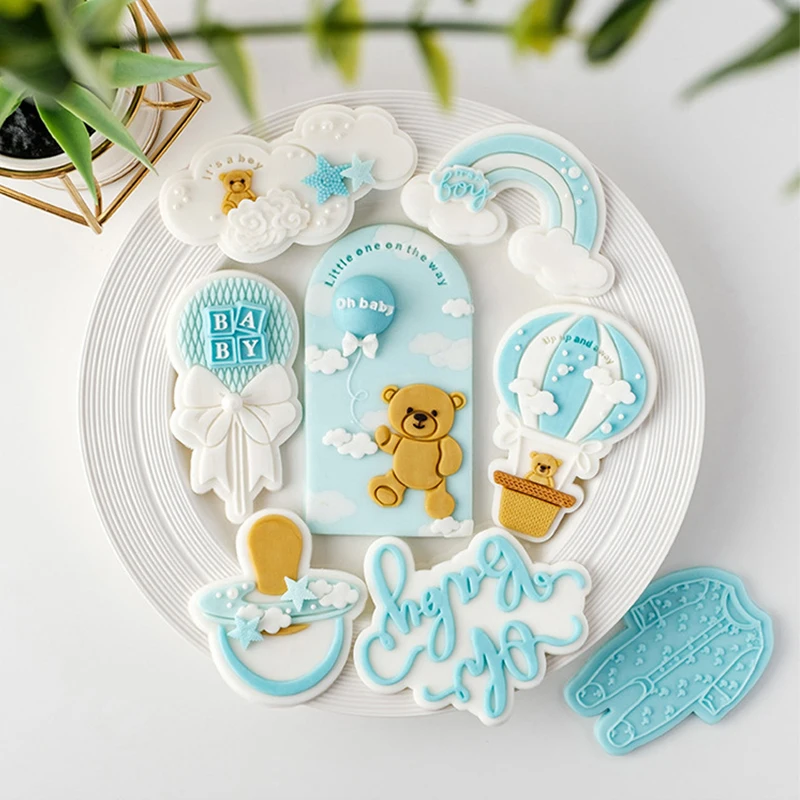
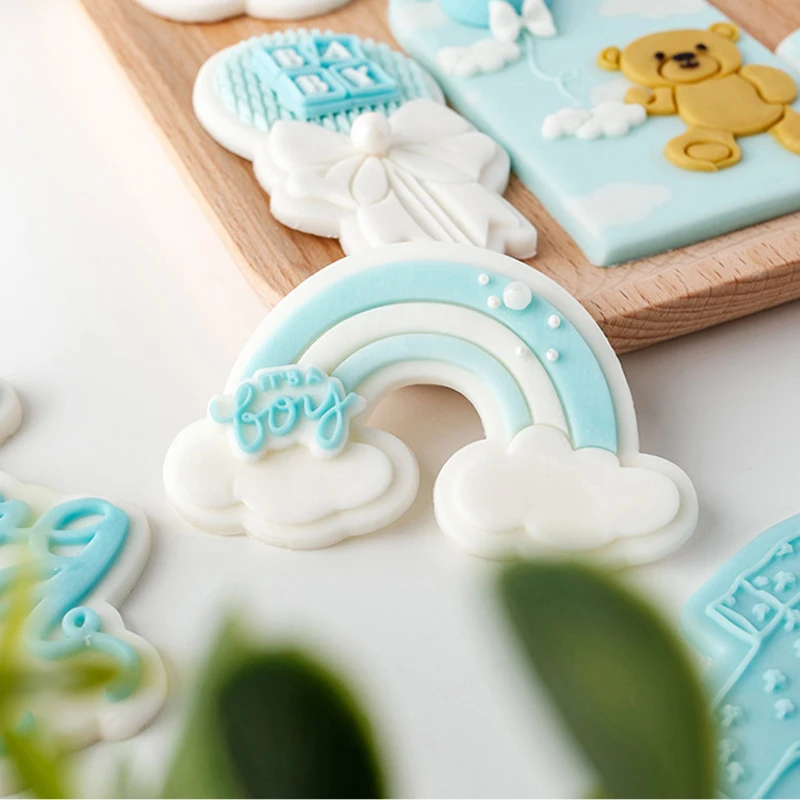
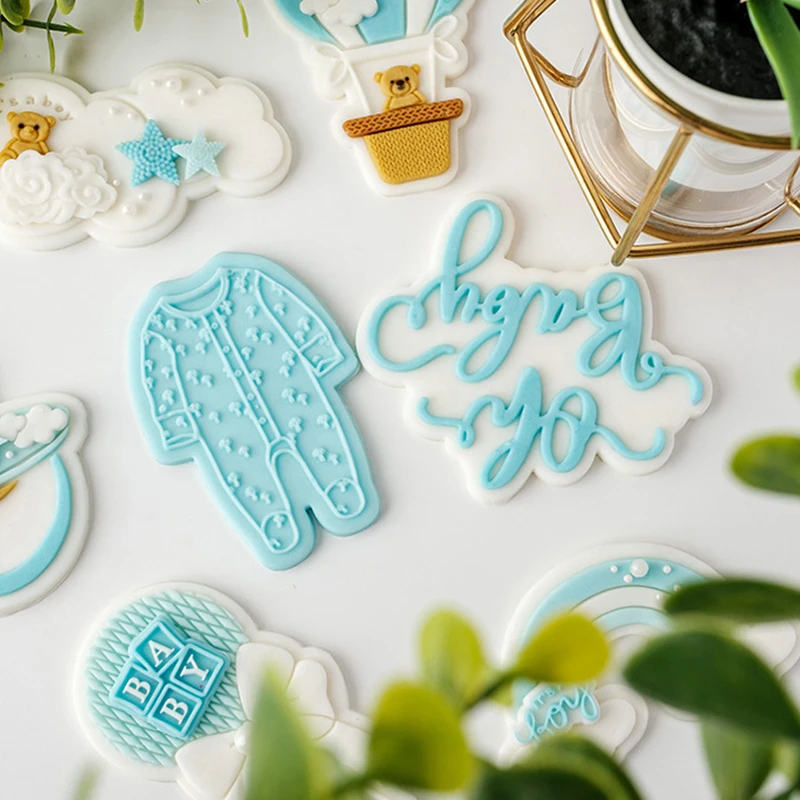
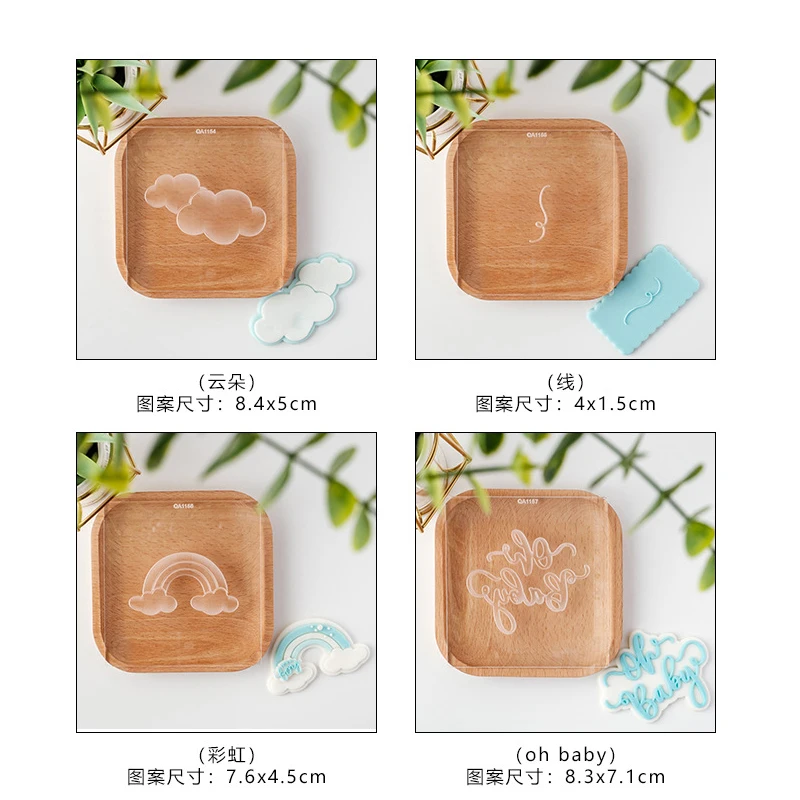
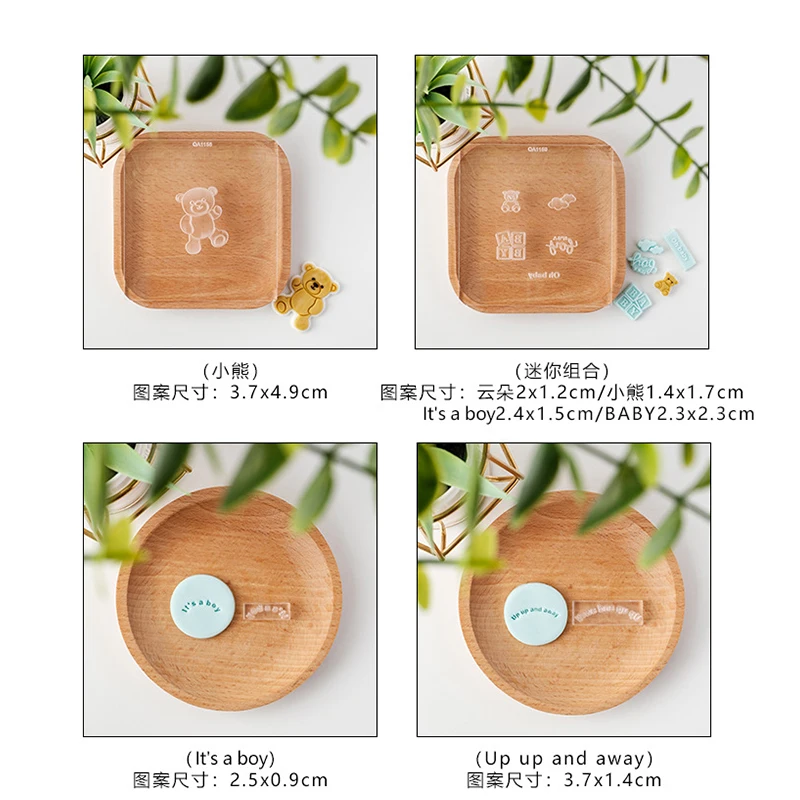
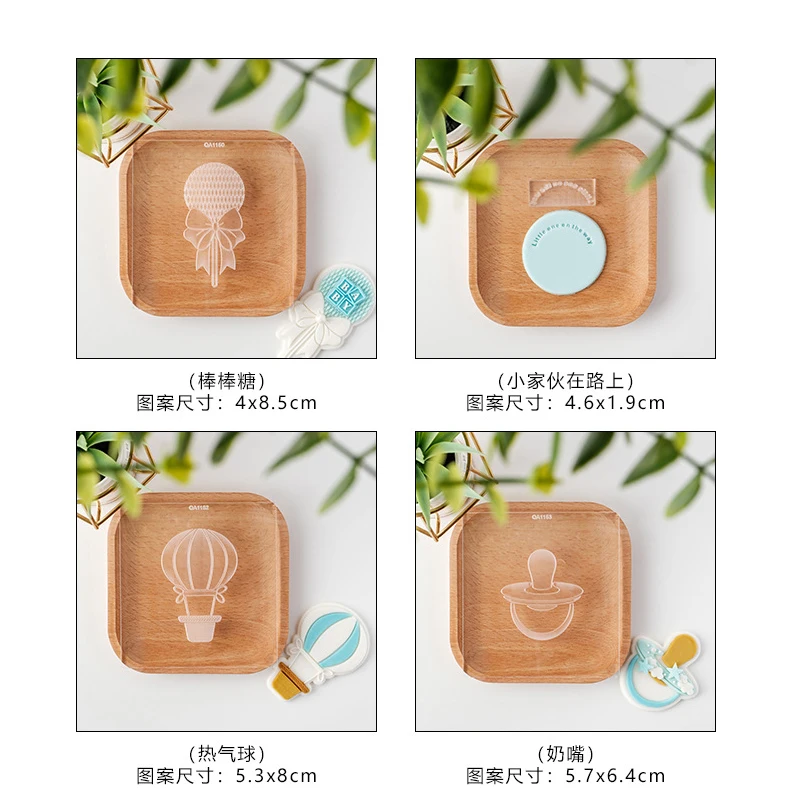
Life Event 3D Pattern Acrylic Cookie Cutter & Embosser Stamp And Biscuit Cookie Fondant Embosser Stamper
- Category: >>>
- Supplier: Ningbo Jiangbei Juhui Industrial Co. ltd
Share on (1601043663413):
Product Overview
Description
Specification
Product Name | Life Event 3D Pattern Acrylic Cookie Cutter & Embosser Stamp And Biscuit Cookie Fondant Embosser Stamper |
Product Description | Product are made exclusively from the highest quality eco-friendly, food-certified Acrylic and PLA |
Product Material | PLA + Acrylic |
Cookie Cutter Style | Life Event |
Set Includes | 1 Acrylic Embosser Mold + 1 Matched Cookie Cutter |
Acrylic Embosser Size | 11.8 X 11.2cm |
Individual Packaging | Each set in a polybag |
Color | White |
Test Standard | Food Grade With BPA Free |
Company Profile

Certifications

Exhibition

Packing & Delivery

FAQ
1. Can you give us a brief introduction about your company?
Sure, We are specialized in Manufacturing bakeware, kitchenware and plastic cookie cutters & stamps and so on.
2. What are your company's strength?We have our own design team and tooling workshop, which means we can convert any design, sketch, logo, portrait or picture to 3D drawing and 3D prototype sample for customers approval, and then make tooling with the most competitive tooling cost and the shortest tooling time.
3.Which companies have your ever cooperated with?
Our company has been working with a lot of foreign customers such as: American Crafts Sweet Sugarbelle, Tooth Fairy, Sweet Shop brands, Hobby Lobby and other vendors of baking tools in USA such as Designer Cookies and so on.
4.Are metal cookie cutters better than plastic?
In general, metal cookie cutters are sharper than plastic and will give you better results. Whichever type of cookie cutter
you choose, flour it and then set it on the rolled-out dough and press straight down. Try not to jiggle or twist the cookie cutter as you use.
5.How do I choose a cookie cutter?
When deciding between cookie cutters, keep in mind not all cookie cutters are made the same, and each has its own pros and cons. Cookie cutters made from high-quality materials like stainless steel or plastic have longevity and durability that make them stand out from other cutters.
6.Will plastic cookie cutters melt in pan?
Tips for Using Cookie Cutters
Don't put cookie cutters in the oven. Plastic ones will melt and metal ones will get very hot.
7.What are most cookie cutters made of?
Most commonly made of copper, tin, stainless steel, aluminum, or plastic. Cutouts are the simplest of the cookie cutters; the cutter is pressed into cookie dough that has been rolled flat to produce the shape of the cutter's outline. To keep the dough from sticking, they are often dipped in flour or sugar before use.
8.How thick should a cookie cutter be?
Like I mentioned above, I have found that a minimum of 3/8″ thickness is the best when using cookie cutters. This will not
only give the cookies nice stability as you're cutting and lifting them off the countertop, but it will also result in softer
baked cookies.
9.Is it better to store cookies in tins or plastic containers?
The experts at All recipes even suggest using plastic wrap or tortillas to keep them apart. However, for cookies that aren't
bein frozen, metal tins are preferred over plastic containers because they keep the cookies from becoming soft (via Martha Stewart).
10.What is the difference between cookie embosser and stamp?
Embossers will stamp your chosen design into your fondant and will leave a beautifully imprinted message or image, ready to be placed onto your cookie. Debossers will stamp the design onto your fondant however instead of it imprinting it will pop the message and image out of the fondant!
11. How do you use an embosser stamp for cookies?
They're simple to use! Just roll out Chocolate Paste or Fondant, emboss the pattern, cut out around it with whatever cookie cutter you used for the cookies, and attach with a tiny bit of corn syrup or glucose!
12.Can you cut cookies after baking?
Once the cookies come directly our of the oven (before you have moved them to the cooling rack) take a round cookie cutter or ring of a mason jar and place it directly next to the edge of the cookie. Gently and slowly move the cookie cutter around the edge of the cookie. Be sure not to cut off any of the cookie!
13.What is a good size for a cookie cutter?
In addition to choosing simple shapes, you'll want to choose cookie cutters with the right size and material. According to
Kitchn, cookie cutters between three and four inches wide will yield the best results, especially if you're planning to decorate them.
14.What makes a cookie cutter good?
“The best cookie cutters have a small rolled lip of metal or plastic around the top to protect my hands and give me an edge to grab onto to pull the cutter back up,” Bushman says. “I also look for a nice seam where the metal of the cookie cutter joins together so I don't have a weird shape on one edge of my cookie.”
15.How do bakeries keep their cookies soft?
Many bakeries use specialised packaging to protect their goods' quality, increasing their baked treats' shelf life, which
includes using airtight containers or bags that help trap moisture and preserve cookies for days or weeks.
16.Why do British call cookies biscuits?
This is because biscuits were originally cooked in a twofold process: first baked, and then dried out in a slow oven. This term was then adapted into English in the 14th century during the Middle Ages, in the Middle English word bisquite, to represent a hard, twice-baked product (see the German Zwieback).
17.What is cookies biscuit made of?
The main ingredients for biscuit making are flours, sugars and fats. To these ingredients, various small ingredients may be added for leavening, flavour and texture. The principle ingredient of biscuits is wheat flour. Wheat flour contains proteins including gliadin and glutenin.
18.What is the difference between a cookie and biscuit?
From the Latin meaning 'twice baked', a biscuit is much firmer than a cookie. A biscuit is usually smaller; it might contain
currents; two biscuits might be pressed together with a filling, or it could be topped with icing or chocolate.
19.Do you use cookie stamps before or after baking?
Place the Stamp Centered Over the Dough: Center the stamp as best you can on top of the cookie dough ball before pressing down. Flour Your Cookie Stamp: Cookie dough can stick to the stamp. Dip your cookie stamp in flour before stamping. If dipped lightly, the flour bakes right off the stamped cookies.
20.What is the difference between a cookie cutter and a stamp?
A cookie cutter is an outline (like the shield), and words are typically an imprint known as a stamp.
Sure, We are specialized in Manufacturing bakeware, kitchenware and plastic cookie cutters & stamps and so on.
2. What are your company's strength?We have our own design team and tooling workshop, which means we can convert any design, sketch, logo, portrait or picture to 3D drawing and 3D prototype sample for customers approval, and then make tooling with the most competitive tooling cost and the shortest tooling time.
3.Which companies have your ever cooperated with?
Our company has been working with a lot of foreign customers such as: American Crafts Sweet Sugarbelle, Tooth Fairy, Sweet Shop brands, Hobby Lobby and other vendors of baking tools in USA such as Designer Cookies and so on.
4.Are metal cookie cutters better than plastic?
In general, metal cookie cutters are sharper than plastic and will give you better results. Whichever type of cookie cutter
you choose, flour it and then set it on the rolled-out dough and press straight down. Try not to jiggle or twist the cookie cutter as you use.
5.How do I choose a cookie cutter?
When deciding between cookie cutters, keep in mind not all cookie cutters are made the same, and each has its own pros and cons. Cookie cutters made from high-quality materials like stainless steel or plastic have longevity and durability that make them stand out from other cutters.
6.Will plastic cookie cutters melt in pan?
Tips for Using Cookie Cutters
Don't put cookie cutters in the oven. Plastic ones will melt and metal ones will get very hot.
7.What are most cookie cutters made of?
Most commonly made of copper, tin, stainless steel, aluminum, or plastic. Cutouts are the simplest of the cookie cutters; the cutter is pressed into cookie dough that has been rolled flat to produce the shape of the cutter's outline. To keep the dough from sticking, they are often dipped in flour or sugar before use.
8.How thick should a cookie cutter be?
Like I mentioned above, I have found that a minimum of 3/8″ thickness is the best when using cookie cutters. This will not
only give the cookies nice stability as you're cutting and lifting them off the countertop, but it will also result in softer
baked cookies.
9.Is it better to store cookies in tins or plastic containers?
The experts at All recipes even suggest using plastic wrap or tortillas to keep them apart. However, for cookies that aren't
bein frozen, metal tins are preferred over plastic containers because they keep the cookies from becoming soft (via Martha Stewart).
10.What is the difference between cookie embosser and stamp?
Embossers will stamp your chosen design into your fondant and will leave a beautifully imprinted message or image, ready to be placed onto your cookie. Debossers will stamp the design onto your fondant however instead of it imprinting it will pop the message and image out of the fondant!
11. How do you use an embosser stamp for cookies?
They're simple to use! Just roll out Chocolate Paste or Fondant, emboss the pattern, cut out around it with whatever cookie cutter you used for the cookies, and attach with a tiny bit of corn syrup or glucose!
12.Can you cut cookies after baking?
Once the cookies come directly our of the oven (before you have moved them to the cooling rack) take a round cookie cutter or ring of a mason jar and place it directly next to the edge of the cookie. Gently and slowly move the cookie cutter around the edge of the cookie. Be sure not to cut off any of the cookie!
13.What is a good size for a cookie cutter?
In addition to choosing simple shapes, you'll want to choose cookie cutters with the right size and material. According to
Kitchn, cookie cutters between three and four inches wide will yield the best results, especially if you're planning to decorate them.
14.What makes a cookie cutter good?
“The best cookie cutters have a small rolled lip of metal or plastic around the top to protect my hands and give me an edge to grab onto to pull the cutter back up,” Bushman says. “I also look for a nice seam where the metal of the cookie cutter joins together so I don't have a weird shape on one edge of my cookie.”
15.How do bakeries keep their cookies soft?
Many bakeries use specialised packaging to protect their goods' quality, increasing their baked treats' shelf life, which
includes using airtight containers or bags that help trap moisture and preserve cookies for days or weeks.
16.Why do British call cookies biscuits?
This is because biscuits were originally cooked in a twofold process: first baked, and then dried out in a slow oven. This term was then adapted into English in the 14th century during the Middle Ages, in the Middle English word bisquite, to represent a hard, twice-baked product (see the German Zwieback).
17.What is cookies biscuit made of?
The main ingredients for biscuit making are flours, sugars and fats. To these ingredients, various small ingredients may be added for leavening, flavour and texture. The principle ingredient of biscuits is wheat flour. Wheat flour contains proteins including gliadin and glutenin.
18.What is the difference between a cookie and biscuit?
From the Latin meaning 'twice baked', a biscuit is much firmer than a cookie. A biscuit is usually smaller; it might contain
currents; two biscuits might be pressed together with a filling, or it could be topped with icing or chocolate.
19.Do you use cookie stamps before or after baking?
Place the Stamp Centered Over the Dough: Center the stamp as best you can on top of the cookie dough ball before pressing down. Flour Your Cookie Stamp: Cookie dough can stick to the stamp. Dip your cookie stamp in flour before stamping. If dipped lightly, the flour bakes right off the stamped cookies.
20.What is the difference between a cookie cutter and a stamp?
A cookie cutter is an outline (like the shield), and words are typically an imprint known as a stamp.
We Recommend
New Arrivals
New products from manufacturers at wholesale prices