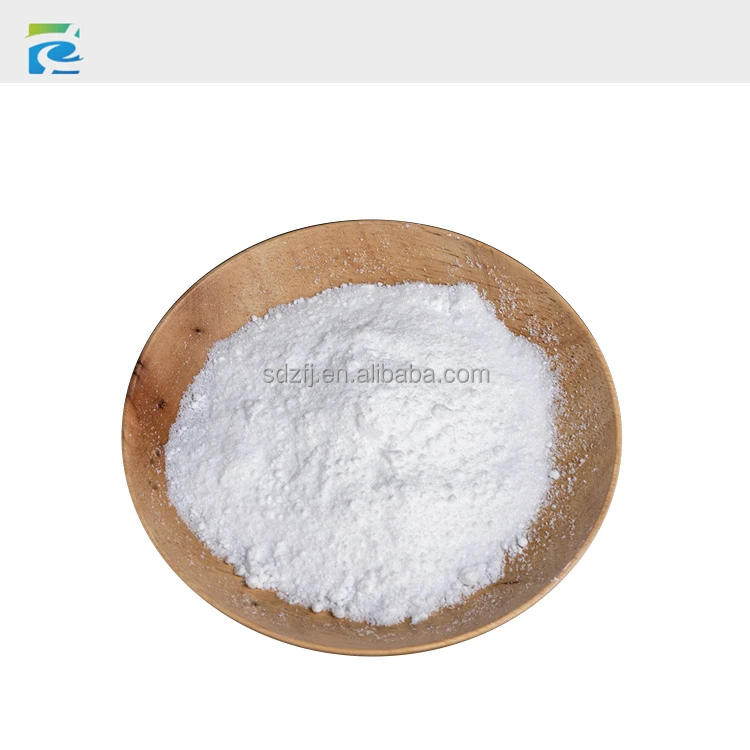
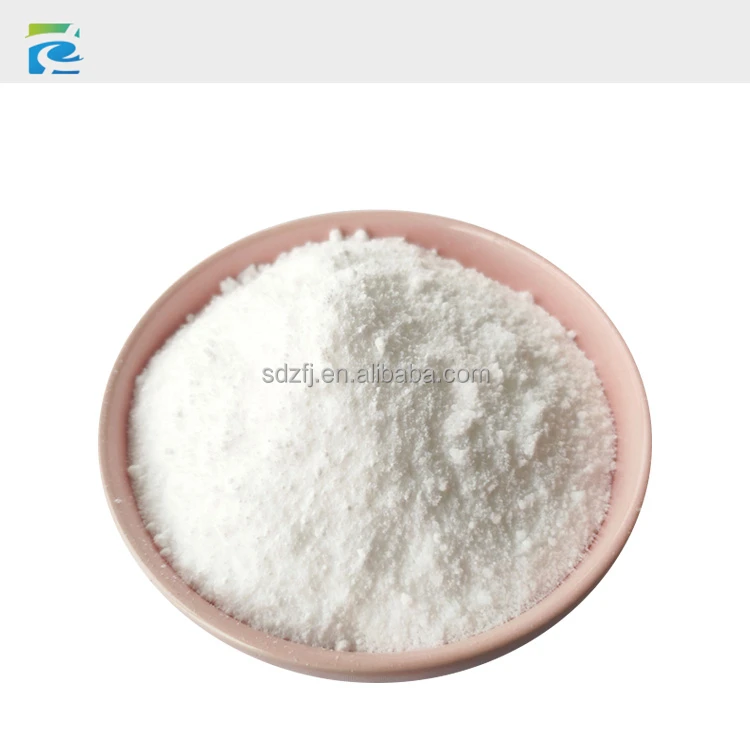
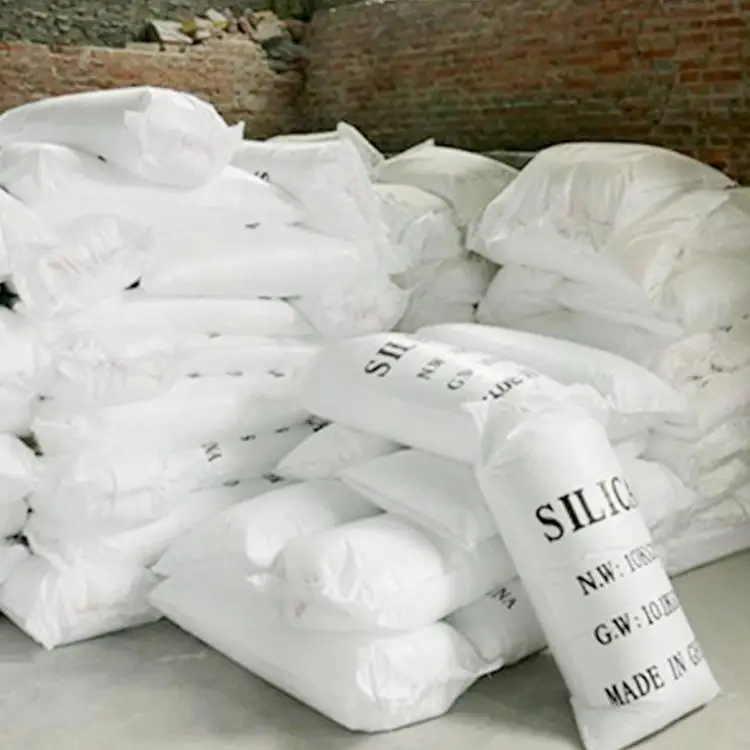
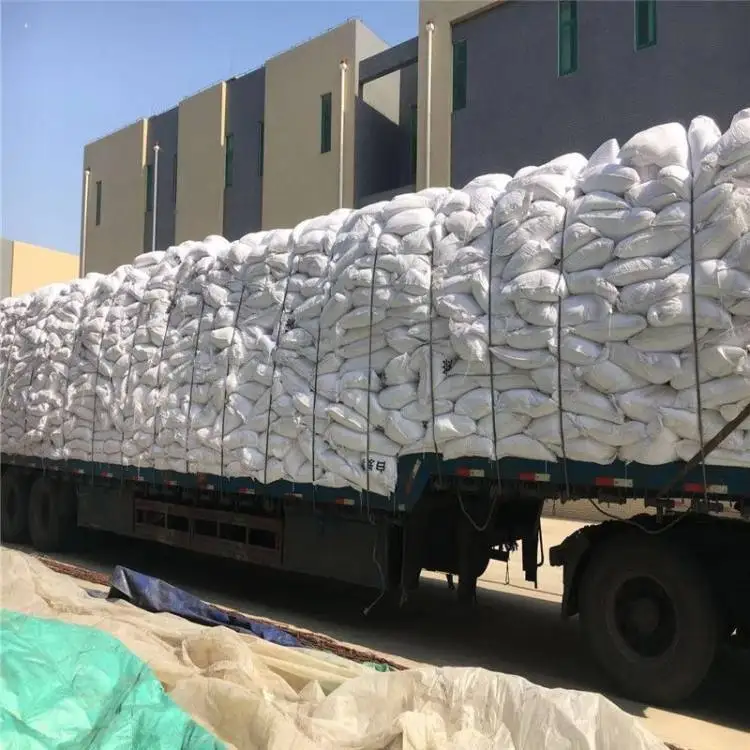
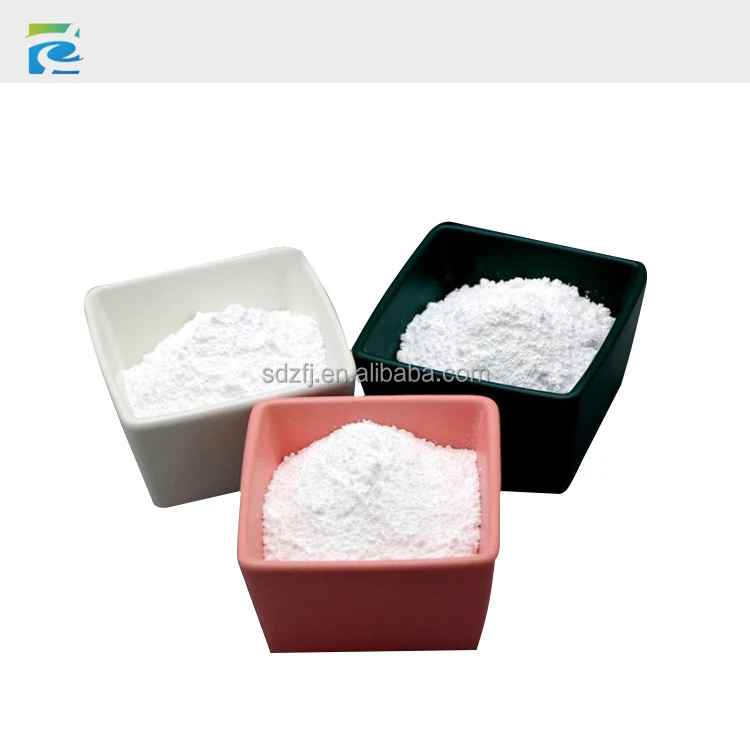
Sio2 Cas 14808 60 7 Silica Powder Silica Nanoparticles for Paint 99.8% Purity Respirable Silica
- Category: >>>
- Supplier: Shandong Zhongfuji New Material Co. Ltd.
Share on (1601045011734):
Product Overview
Description
Specification
Substance use
Silica is a raw material for manufacturing glass, quartz glass, water glass, optical fiber, important components of the electronic industry, optical instruments, handicrafts and refractory materials, and is an important material for scientific research.
When the silicon dioxide is crystallized, it becomes a crystal; when the silicon dioxide is dehydrated, it becomes agate; when the hydrous colloid of silicon dioxide is solidified, it becomes opal; when the silicon dioxide crystal grains are smaller than a few microns, it forms chalcedony, flint, and secondary quartz rock. It is a mineral resource with very stable physical and chemical properties. The crystal belongs to the oxide mineral of the trigonal crystal system, that is, low-temperature quartz (α-quartz), which is the most widely distributed mineral species in the quartz group minerals. The generalized quartz also includes high-temperature quartz (β-quartz). Quartz block, also known as silica, is mainly the raw material for the production of quartz sand (also known as silica sand), as well as the raw material for quartz refractory materials and firing ferrosilicon.
In addition, silicon dioxide can also be used as a lubricant, which is an excellent flow promoter, mainly as a lubricant, anti-sticking agent, and flow aid. It is especially suitable for the granulation of oils and extracts, and the granules produced have good fluidity and compressibility. It can also be used as a glidant in direct compression. As a disintegrant, it can greatly improve the fluidity of granules, increase the bulk density, increase the hardness of the prepared tablet, shorten the disintegration time limit, and increase the drug dissolution rate. In the manufacture of granules, it can be used as an internal desiccant to enhance the stability of the drug. It can also be used as a filter aid, clarifier, defoamer, and suspending agent and thickener for liquid preparations
When the silicon dioxide is crystallized, it becomes a crystal; when the silicon dioxide is dehydrated, it becomes agate; when the hydrous colloid of silicon dioxide is solidified, it becomes opal; when the silicon dioxide crystal grains are smaller than a few microns, it forms chalcedony, flint, and secondary quartz rock. It is a mineral resource with very stable physical and chemical properties. The crystal belongs to the oxide mineral of the trigonal crystal system, that is, low-temperature quartz (α-quartz), which is the most widely distributed mineral species in the quartz group minerals. The generalized quartz also includes high-temperature quartz (β-quartz). Quartz block, also known as silica, is mainly the raw material for the production of quartz sand (also known as silica sand), as well as the raw material for quartz refractory materials and firing ferrosilicon.
In addition, silicon dioxide can also be used as a lubricant, which is an excellent flow promoter, mainly as a lubricant, anti-sticking agent, and flow aid. It is especially suitable for the granulation of oils and extracts, and the granules produced have good fluidity and compressibility. It can also be used as a glidant in direct compression. As a disintegrant, it can greatly improve the fluidity of granules, increase the bulk density, increase the hardness of the prepared tablet, shorten the disintegration time limit, and increase the drug dissolution rate. In the manufacture of granules, it can be used as an internal desiccant to enhance the stability of the drug. It can also be used as a filter aid, clarifier, defoamer, and suspending agent and thickener for liquid preparations
item | value |
CAS No. | silicon dioxide |
MF | SiO2 |
EINECS No. | 236-675-5 |
Place of Origin | China |
Shandong | |
Grade Standard | Food Grade, Industrial Grade |
Purity | 98% |
Appearance | White Powder |
Application | coating,paint,printing,ink,paper,plastic |
Brand Name | zhongfuji |
Control or not | no |
Melting point | 1650(±50)℃ |
Boiling point | 2230 ℃ |
solubility | 0.012g/100ml(in water) |


Are you a factory or trading company?
Yes,we are factory, but not only factory, we also have sales team, own designers, own showroom, can help buyers to decide which
products are their suitable choice, and all your inquiry will be replyed within 24 hours.
products are their suitable choice, and all your inquiry will be replyed within 24 hours.
Could you send me all your catalogues and price list?
As we have more than thousands of items, even 1 item have different size and package, it is really hard to send you all our
catalogue and price list for you. Please inform me the items, size and packages you are interested in, so we can offer you the
price list you need for your reference .
catalogue and price list for you. Please inform me the items, size and packages you are interested in, so we can offer you the
price list you need for your reference .
Can I get some samples for testing?
we are honored to provide samples, the shipping cost should be paid by customers at first. And it will be returned to you in our
first time cooperation.
first time cooperation.
How does your factory do regarding quality control?
Our factory has passed ISO9001 2008, REACH, FAMIQS Certificate.
What's your Delivery Time?
In generally, the delivery time is 5 days-15 days after receiving payment. For large quantity it will be checked with production
dept. We will make the delivery as soon as possible with the guaranted quality.
dept. We will make the delivery as soon as possible with the guaranted quality.
What is payment terms?
L/C, T/T, Western Union are all accepted, and if you have better idea, please feel free to share with us.
Which documents can you supply?
We usually provide our customers with Commercial Invoice, Price List, Packing List, COA, Origin Certificate, Quality/Quantity
Certificate, Beneficary's Certificate, MSDS, B/L and others as your request.
Certificate, Beneficary's Certificate, MSDS, B/L and others as your request.

We Recommend


New Arrivals
New products from manufacturers at wholesale prices