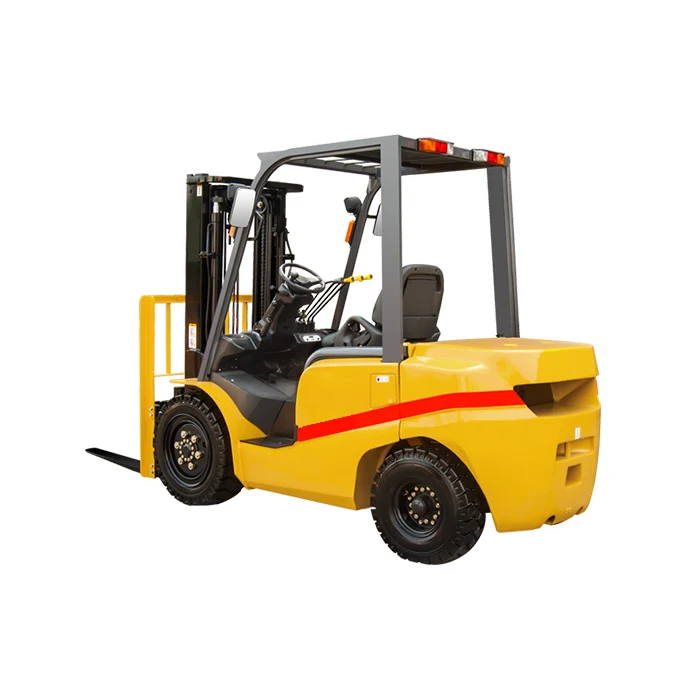
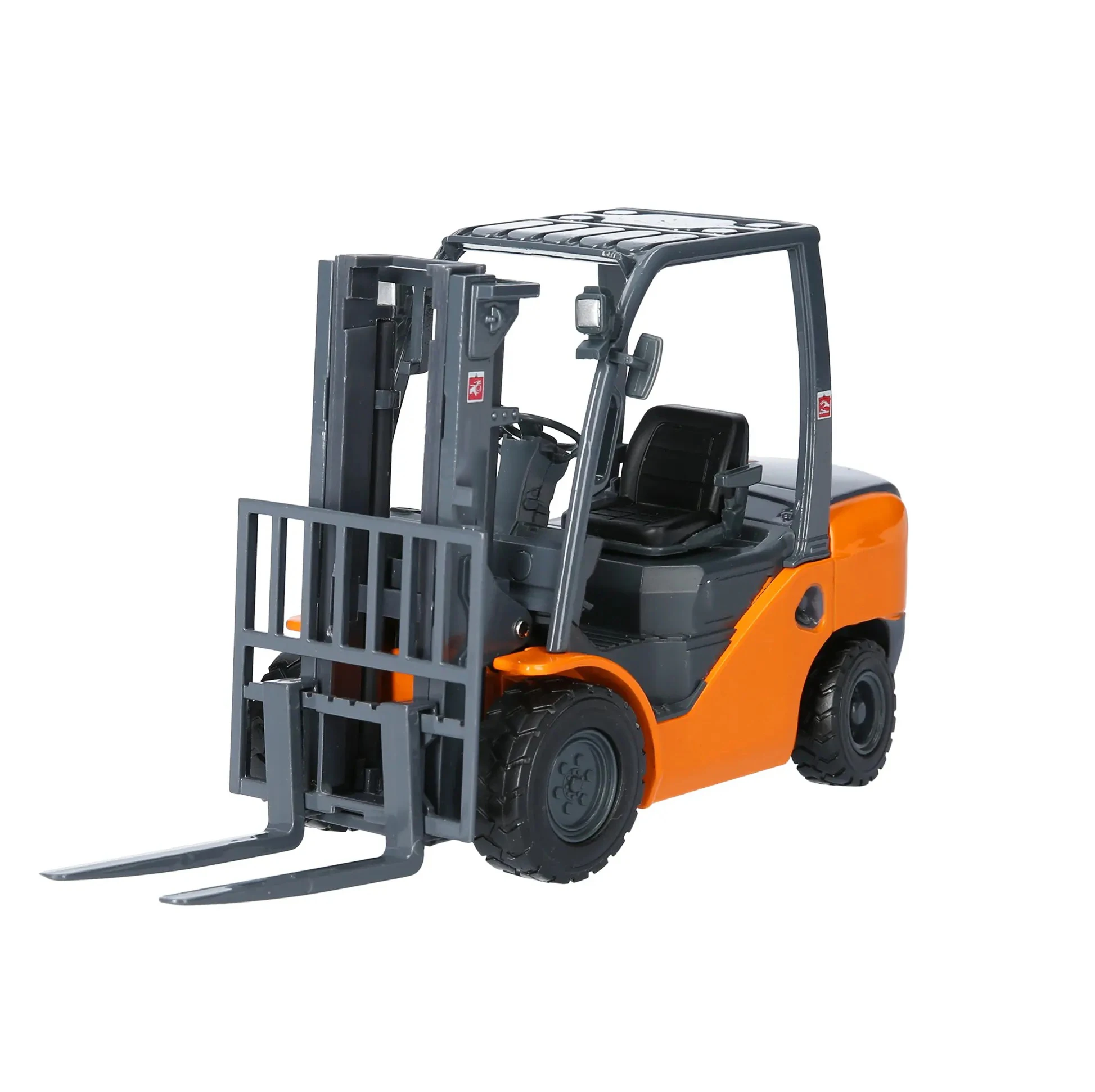
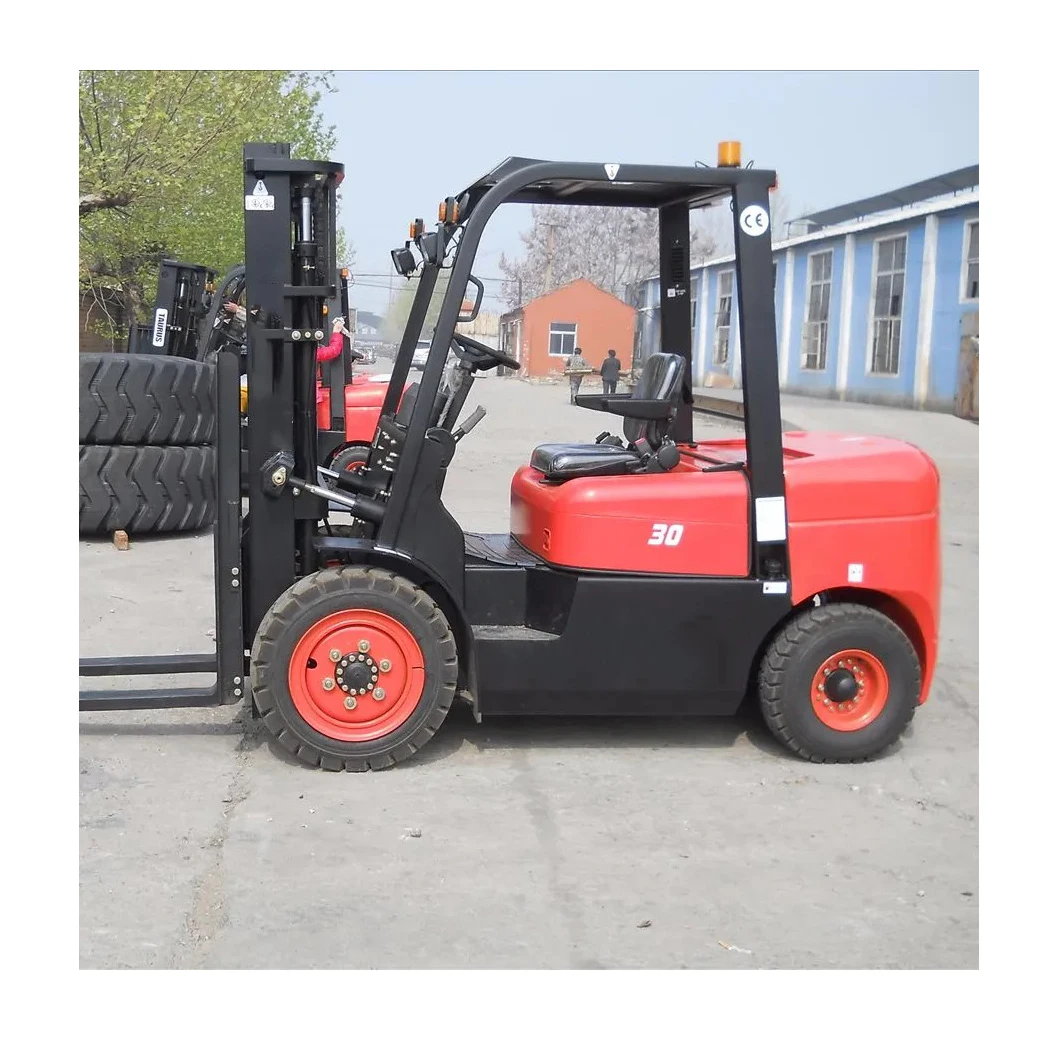
HECHA CPCD35 diesel forklift,3.5t diesel powered fork lift,diesel forklift truck 3500kg
- Category: >>>
- Supplier: A2M Trades LLC
Share on (1601045330143):
Product Overview
Description
Products Description
A forklift, also known as a lift truck, is a powerful industrial vehicle primarily used for lifting and transporting heavy
materials over short distances. It typically consists of a vehicle frame, a cabin or operator area, and two forks attached to the front that can be raised and lowered for lifting loads.
Here's a detailed description of the components and functionalities of a forklift:
1. Frame: The frame of a forklift serves as the base structure onto which all other components are mounted. It is designed tO provide stability and support for the vehicle during operations.
2. Operator Area: This is the compartment where the operator sits or stands to control the forklift. It includes a seat, steering wheel, pedals (accelerator, brake, and sometimes clutch), controls for lifting and tilting, and various gauges and indicators to monitor the vehicle's performance.
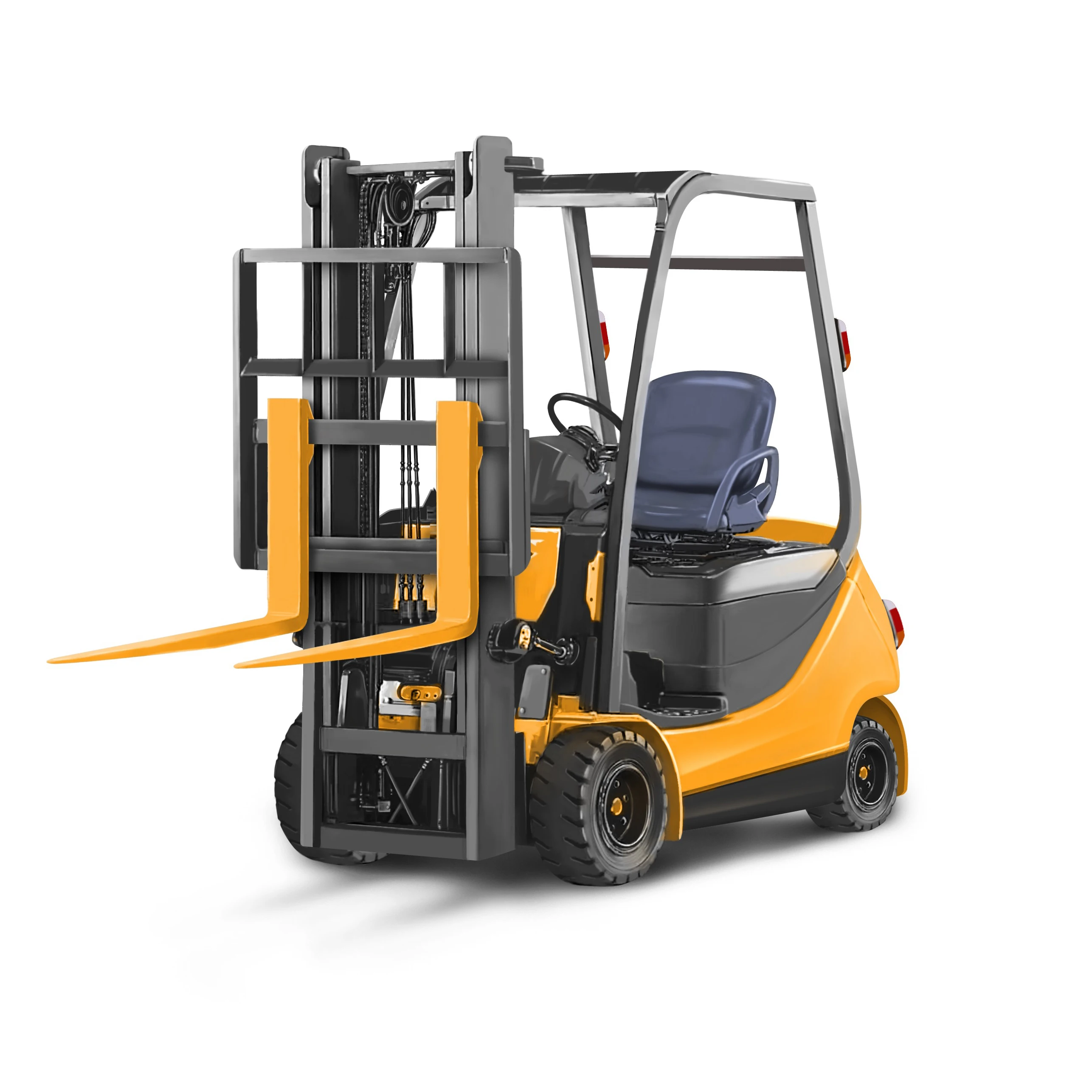
3. Mast: The mast is a vertical assembly located at the front of the forklift that houses the lifting mechanism. It consists of
upright rails, chains or hydraulic cylinders, and a carriage that supports the forks. The mast is responsible for raising and lowering the forks to lift and lower loads.
4. Forks: Forks are two long, steel arms extending from the front of the forklift that slide under a load to lift and transport
it. They are typically adjustable in width to accommodate different sizes of pallets or loads.
5. Hydraulic System: Forklifts are equipped with a hydraulic system that powers the lifting and tilting mechanisms. It uses
hydraulic fluid under pressure to raise and lower the forks and tilt the mast forward or backward for better load stability.
6. Counterweight: Located at the rear of the forklift, the counterweight helps balance the weight of the load being lifted at the front. It prevents the forklift from tipping forward when lifting heavy
Product Name: | Forklift | ||||||
Place Of Origin: | united states | ||||||
Grade: | A | ||||||
Why Choose Us? | High Quality Best Price Fast Delivery 24/7 Available | ||||||
Our Advantages
In modern day markets, quality has become a major economic factor. Customers not only require a fast and efficient delivery of data, but also 100% accuracy of the data provided. Moreover, professional services and an excellent customer support are the basis of any customer relationship. To verify our commitment to consistently meeting and exceeding customers' expectations, we submit ourselves to critical external audits for review and certification of our services.

Product packaging

Products Shipping

FAQ

We Recommend
New Arrivals
New products from manufacturers at wholesale prices