Sterile single package first aid supplies detect bleeding problems pre surgery examination Bleeding Time Test
- Category: >>>
- Supplier: Guangzhou Hearty Expresssion Medical Technology Co. Ltd.
Share on (1601048217167):
Product Overview
Description
Product Description

Description
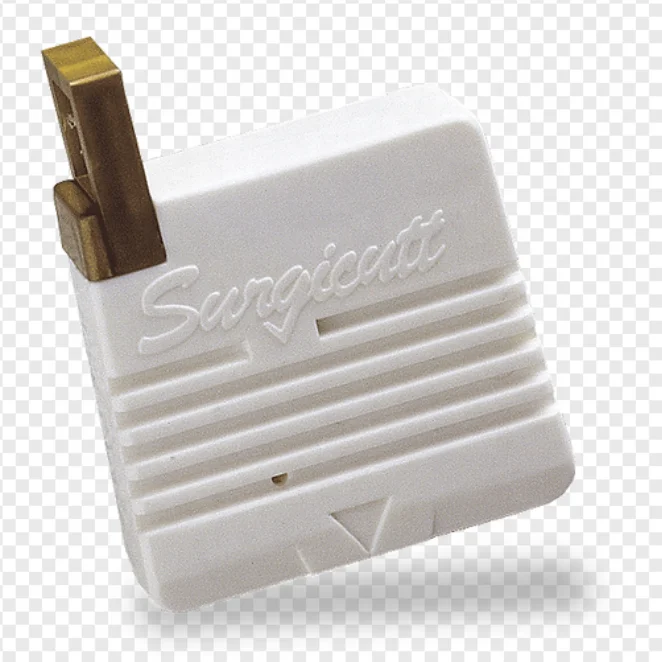
* Unique, Surgicutt technology provides a uniform incision, not a puncture, improving test standardization and reproducibility of
bleeding time test results
* Stainless-steel blade is a permanent retractable blade—safe and avoids disease transmission
* Controlled depth and length of incision every time: large blade slot surface reduces skin indentation
* Virtually painless—diminished bruising means less trauma and more comfort for patients
* Color coded, disposable, and easy to use
* Available in three sizes: adult, pediatric, and infant
bleeding time test results
* Stainless-steel blade is a permanent retractable blade—safe and avoids disease transmission
* Controlled depth and length of incision every time: large blade slot surface reduces skin indentation
* Virtually painless—diminished bruising means less trauma and more comfort for patients
* Color coded, disposable, and easy to use
* Available in three sizes: adult, pediatric, and infant
Instruction Manual of Bleeding Time Analyzer
1. Operating Principle
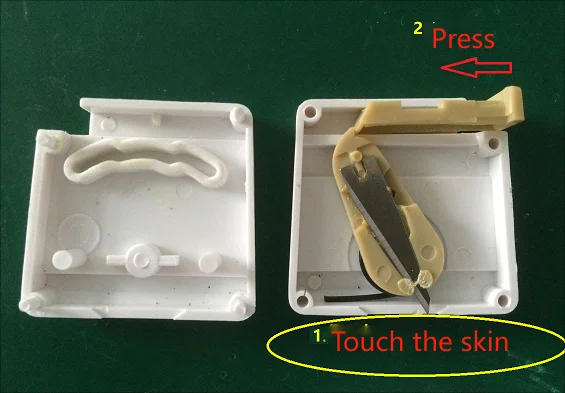
Bleeding time analyzer (abbreviated as analyzer) adopts the pattern plate fixed structure and the blade moves in motion along circular track. Its’ cutting depth and width are consistent and repeatability. Using the analyzer to make a “standard” wound on the skin of the forearm and record the bleeding time, which reflects the interaction between the capillary vessels and platelets, including the actions of platelets’ adhesiveness, activating, unbinding, and aggregation. When the blood vessels and platelets functions are abnormal, the bleeding time may changes.
2. Main Data and Marks
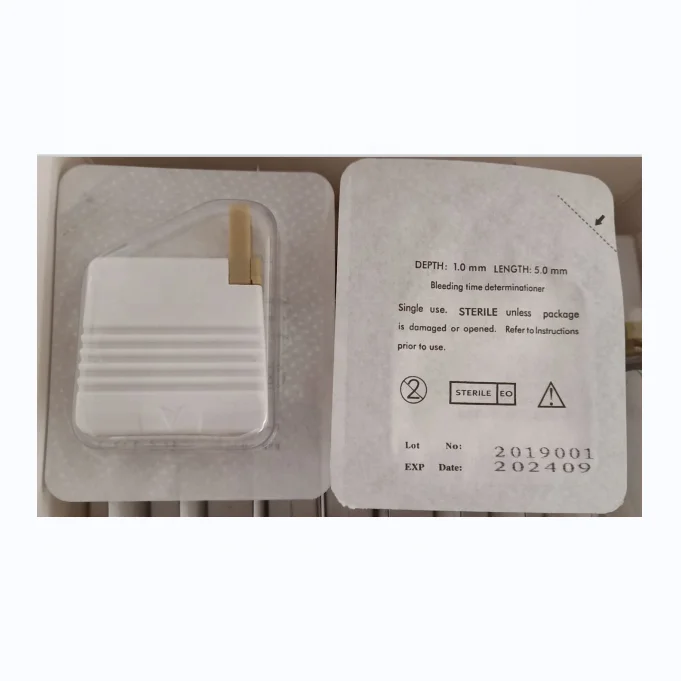
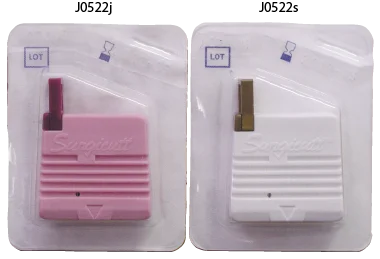
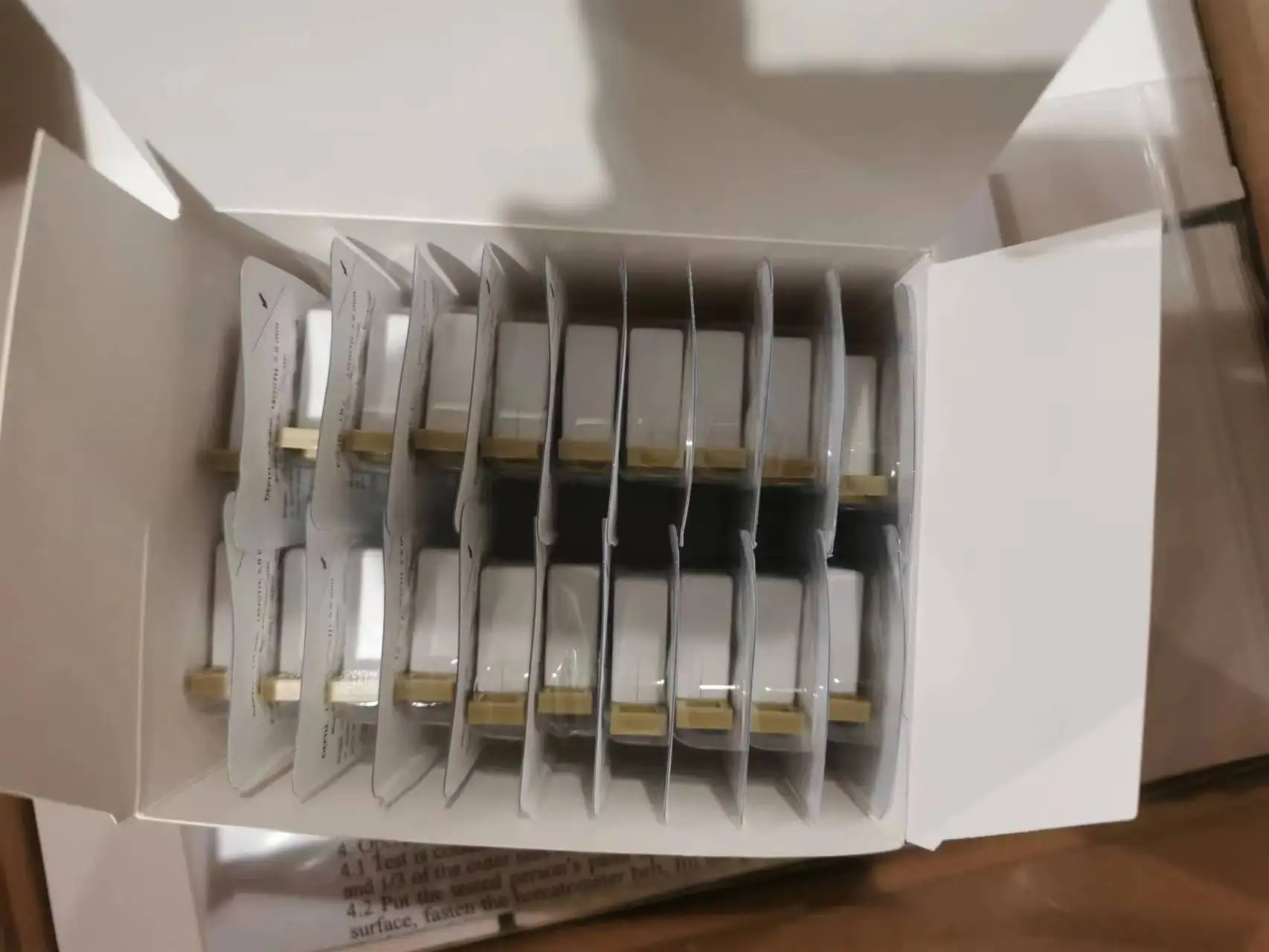
----adult’s cut width: 5mm, depth: 1mm
-----packed in white box and with golden pressing handle
-----normal reference value: 2-9s
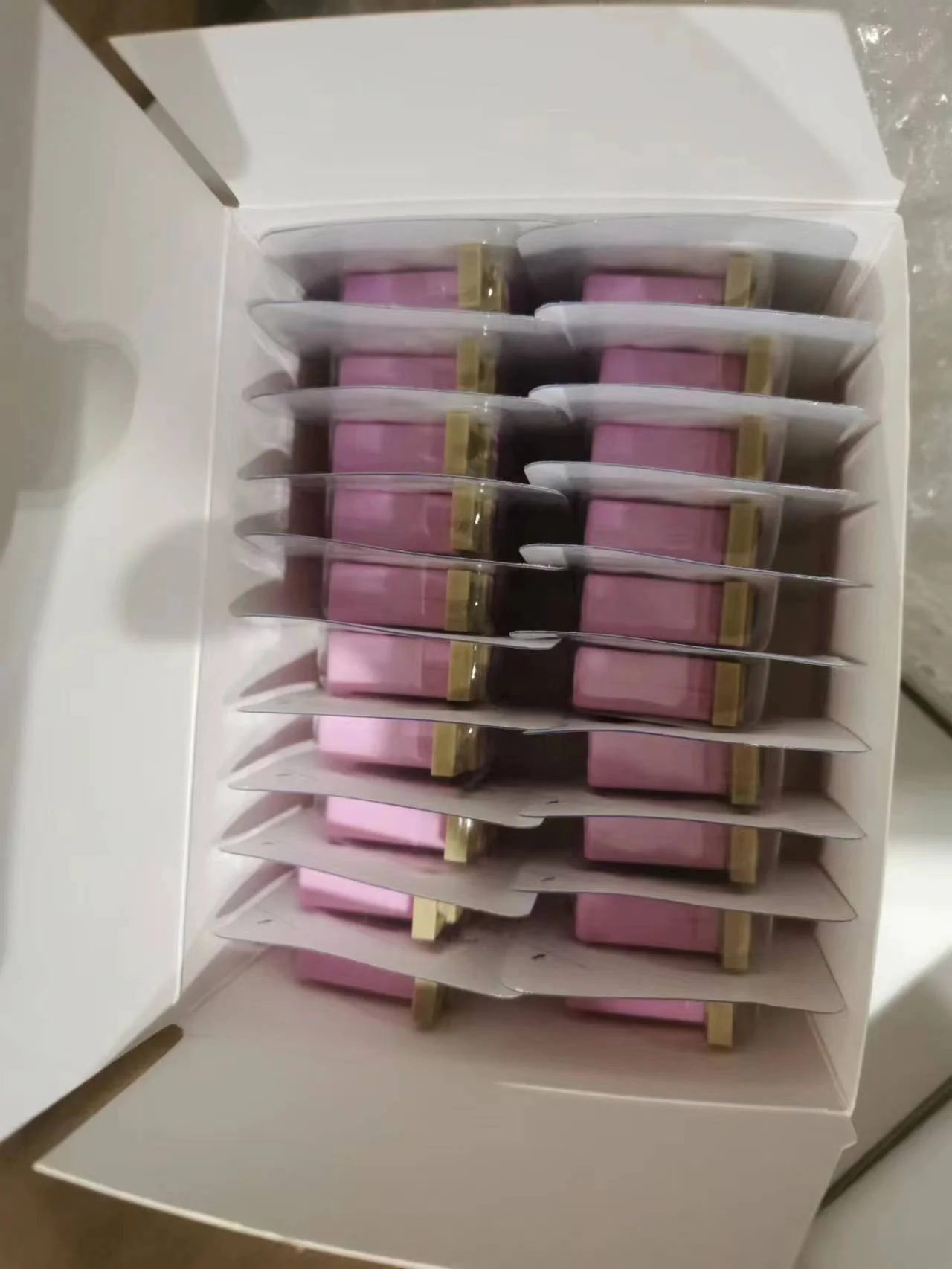
-----child’s cut width: 3mm depth: 1mm
------packed in purple box and with red handle
3. Apparatus for Bleeding Time Determination
3.1 Bleeding Time Analyzer
3.2 Hematometer
3.3 Alcohol tips
3.4 Razor (to remove the pelage on the skin surface when necessary)
3.5 Stopwatch
3.6 Sterilized Filter Paper
3.7 Butterfly Dressings, gauges and strip adhesive plaster.
4. Operation Steps
4.1 Test is conducted in the position of 3-5cm under the cubital fossa fold and 1/3 of the outer side of forearm.
4.2 Put the tested person’s palm upward and place the arm on the desk surface, fasten the hematometer belt, fill the gas and stabilize pressure at the level of 40mmHg, while child’s pressure should be kept at the level 20mmHg.
4.3 Clean the tested part with the alcohol tip, when its’ nature dry, the time should be not less than 30 seconds.
4.4 Take off the analyzer’s limitation plate( move it to left or right), place the analyzer horizontal or vertical to cubital fossa fold, fasten it to the selected part on the skin surface. Keep the pressure to the minimum, press the handle and start the stopwatch.
4.5 remove the analyzer, sulk the blood with the filter paper at every 30 seconds. Be careful to avoid the wound from being touched and squeezed. Until the blood not dipping on the filter paper, stop the stopwatch, record the time.
4.6 Use the butterfly dressing to process the wound, never put the adhesive plaster directly on the wound, and use the gauge and strip adhesive plaster to bind the wound. To avoid the contamination of the wound, keep the plaster 24 hours.
5. Cautions
The analyzer is a single use product which can’t be reused to avoid the cross infection. Put the analyzer to the container without biological pollution which is convenient for destroying.
The analyzer should be sterilized with epoxy ethane. Immediately use the analyzer when open the pack, care for the validity. Don’t use it when the small pack is broken or contaminated.
The analyzer should be put in the clean room and used by the special medical persons. The tested part should be without pelage, scar, tattoo, bruise, superficial blood vessels and skin infection.
The analyzer should be kept in the cool, dry and well air circulation room without eroding gas. Avoid the water, direct sun shine and high temperature and humidity.
Bleeding time analyzer (abbreviated as analyzer) adopts the pattern plate fixed structure and the blade moves in motion along circular track. Its’ cutting depth and width are consistent and repeatability. Using the analyzer to make a “standard” wound on the skin of the forearm and record the bleeding time, which reflects the interaction between the capillary vessels and platelets, including the actions of platelets’ adhesiveness, activating, unbinding, and aggregation. When the blood vessels and platelets functions are abnormal, the bleeding time may changes.
2. Main Data and Marks
----adult’s cut width: 5mm, depth: 1mm
-----packed in white box and with golden pressing handle
-----normal reference value: 2-9s
-----child’s cut width: 3mm depth: 1mm
------packed in purple box and with red handle
3. Apparatus for Bleeding Time Determination
3.1 Bleeding Time Analyzer
3.2 Hematometer
3.3 Alcohol tips
3.4 Razor (to remove the pelage on the skin surface when necessary)
3.5 Stopwatch
3.6 Sterilized Filter Paper
3.7 Butterfly Dressings, gauges and strip adhesive plaster.
4. Operation Steps
4.1 Test is conducted in the position of 3-5cm under the cubital fossa fold and 1/3 of the outer side of forearm.
4.2 Put the tested person’s palm upward and place the arm on the desk surface, fasten the hematometer belt, fill the gas and stabilize pressure at the level of 40mmHg, while child’s pressure should be kept at the level 20mmHg.
4.3 Clean the tested part with the alcohol tip, when its’ nature dry, the time should be not less than 30 seconds.
4.4 Take off the analyzer’s limitation plate( move it to left or right), place the analyzer horizontal or vertical to cubital fossa fold, fasten it to the selected part on the skin surface. Keep the pressure to the minimum, press the handle and start the stopwatch.
4.5 remove the analyzer, sulk the blood with the filter paper at every 30 seconds. Be careful to avoid the wound from being touched and squeezed. Until the blood not dipping on the filter paper, stop the stopwatch, record the time.
4.6 Use the butterfly dressing to process the wound, never put the adhesive plaster directly on the wound, and use the gauge and strip adhesive plaster to bind the wound. To avoid the contamination of the wound, keep the plaster 24 hours.
5. Cautions
The analyzer is a single use product which can’t be reused to avoid the cross infection. Put the analyzer to the container without biological pollution which is convenient for destroying.
The analyzer should be sterilized with epoxy ethane. Immediately use the analyzer when open the pack, care for the validity. Don’t use it when the small pack is broken or contaminated.
The analyzer should be put in the clean room and used by the special medical persons. The tested part should be without pelage, scar, tattoo, bruise, superficial blood vessels and skin infection.
The analyzer should be kept in the cool, dry and well air circulation room without eroding gas. Avoid the water, direct sun shine and high temperature and humidity.
Specification
item | value |
Type | First-Aid Devices |
Brand Name | Hearty Expression |
Model Number | HE-BTT01V1 |
Place of Origin | China |
Instrument classification | Class I |
Power Source | Manual |
Warranty | 1 Year |
After-sale Service | Return and Replacement |
Lancet Style | Retractable blade |
Size | Adult, pediatrics |
Application | screen for platelet function |
Disposable | Yes |
Blade Material | Stainless Steel |
Cutting size | 5mm*1mm or 3mm*1mm |
Type | Human use, pet use |
Pain | Literally painless |
Sterilized or not | Yes |
Package | Single package |
Why Choose Us

Related Products
Our Team

Certificates

Packing & Shipping

FAQ


We Recommend
New Arrivals
New products from manufacturers at wholesale prices