Product Description
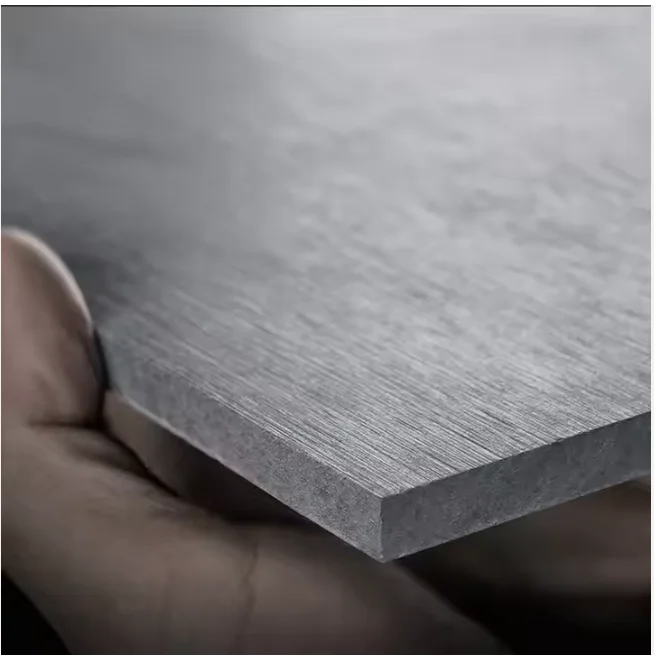
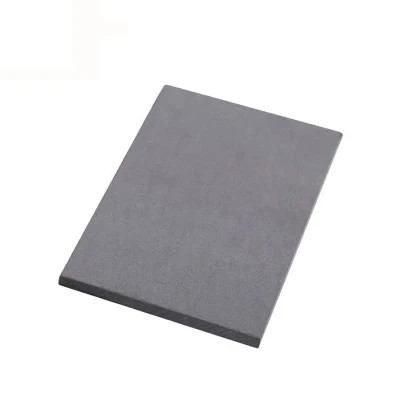
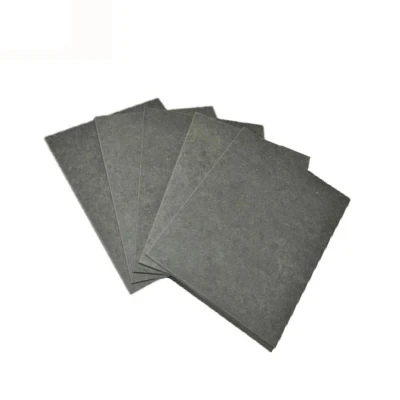
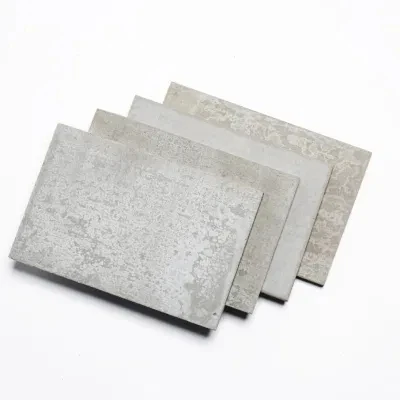
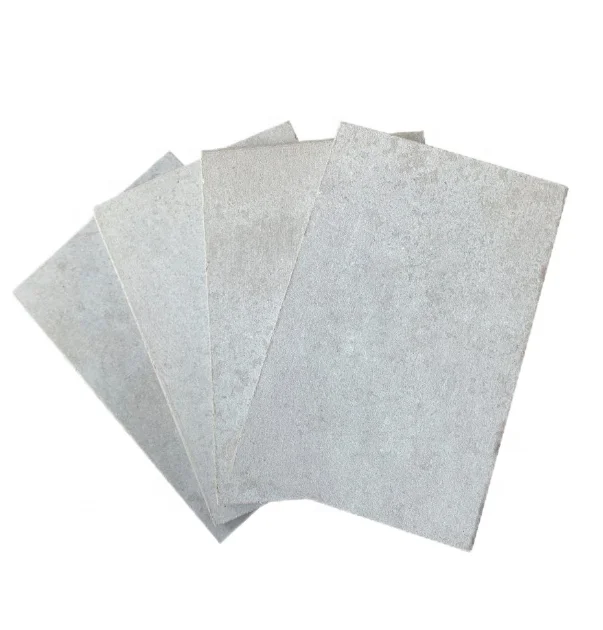
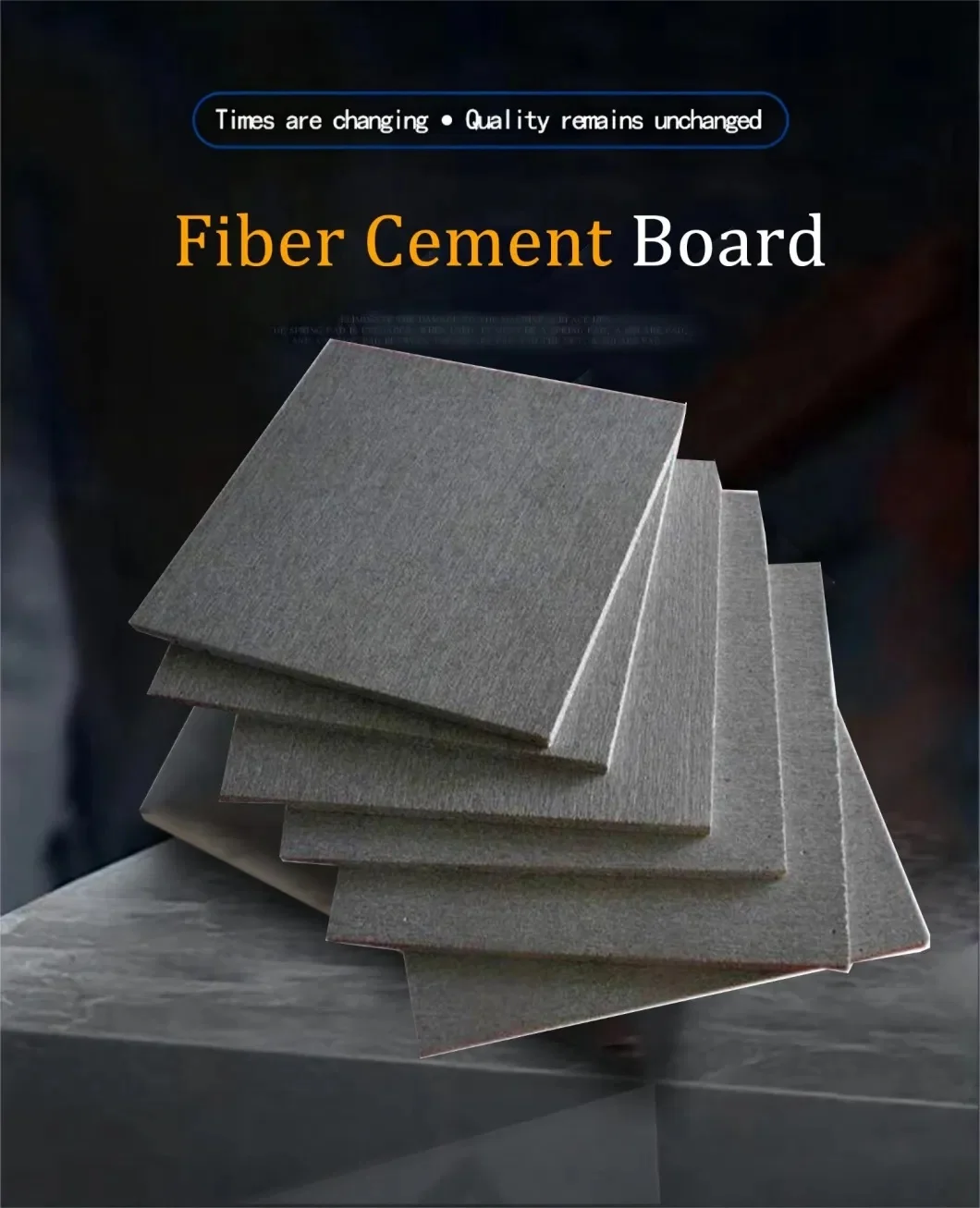
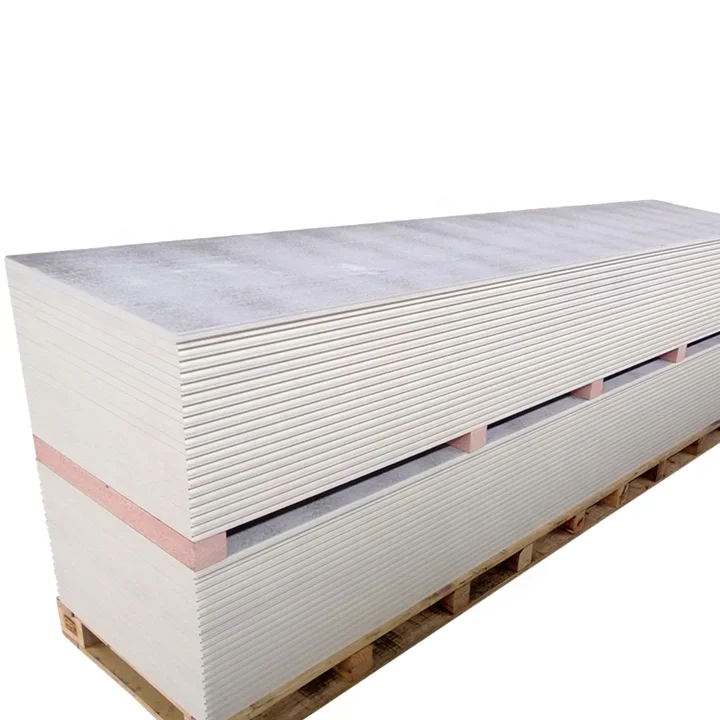
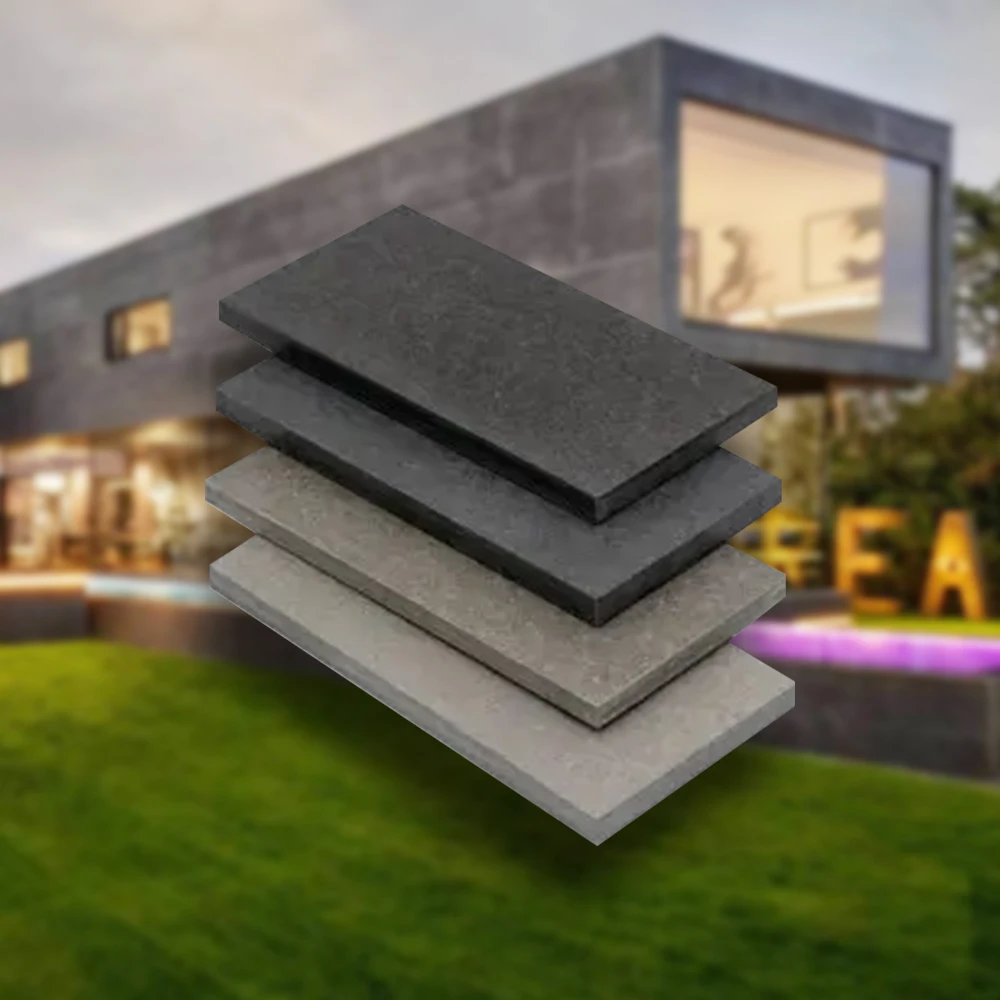
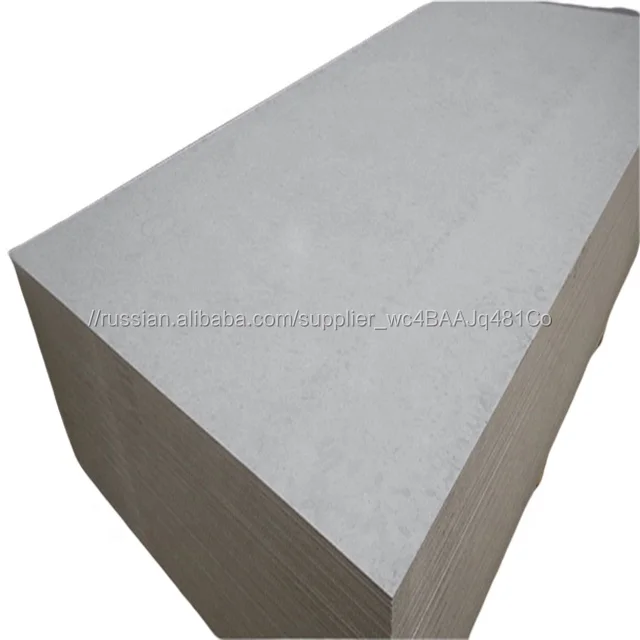
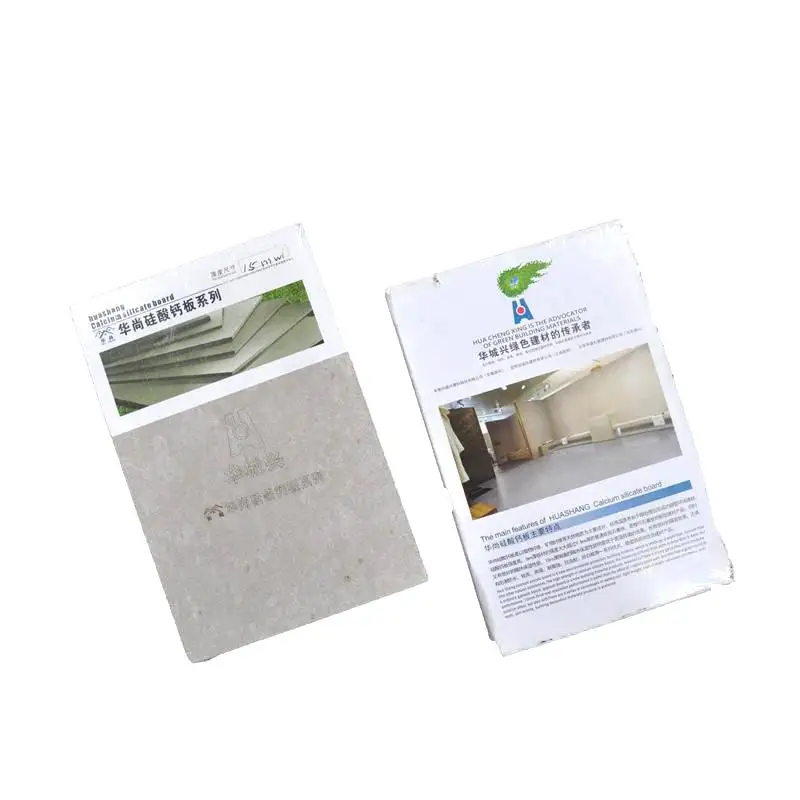
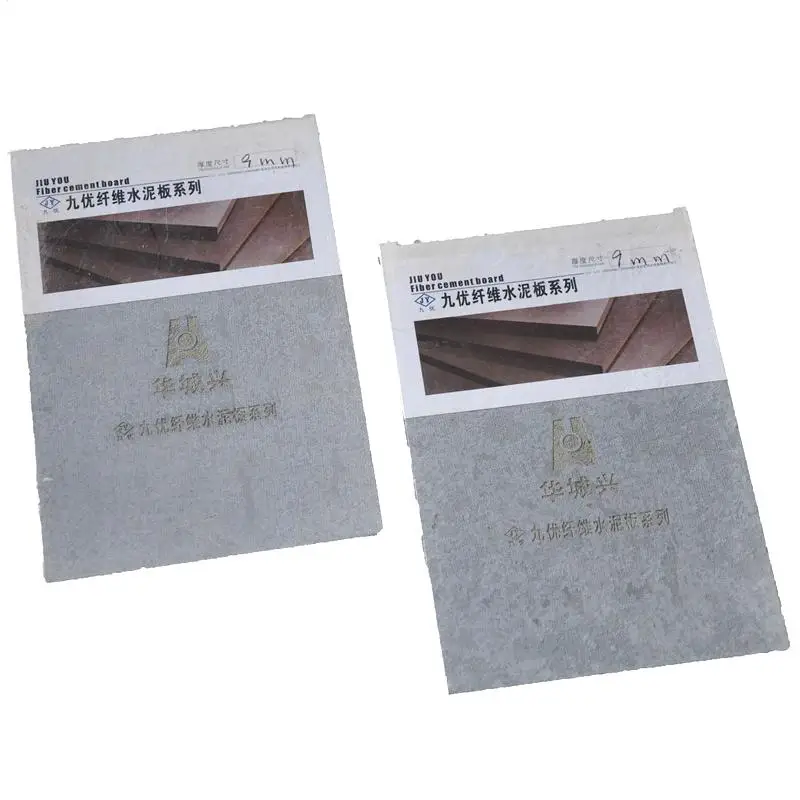
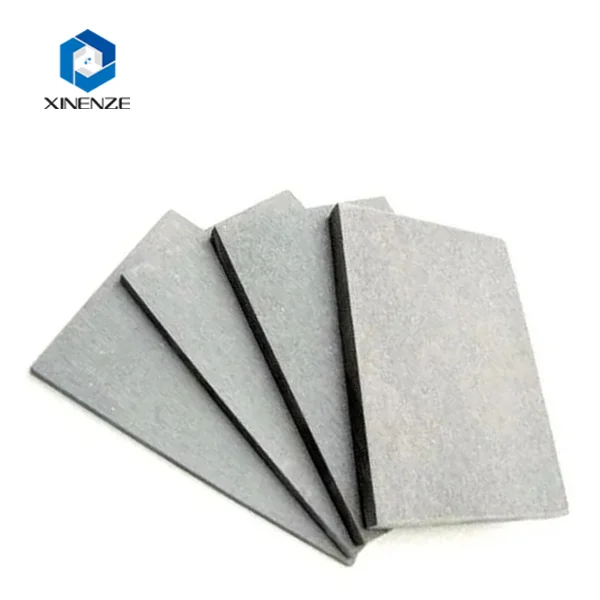
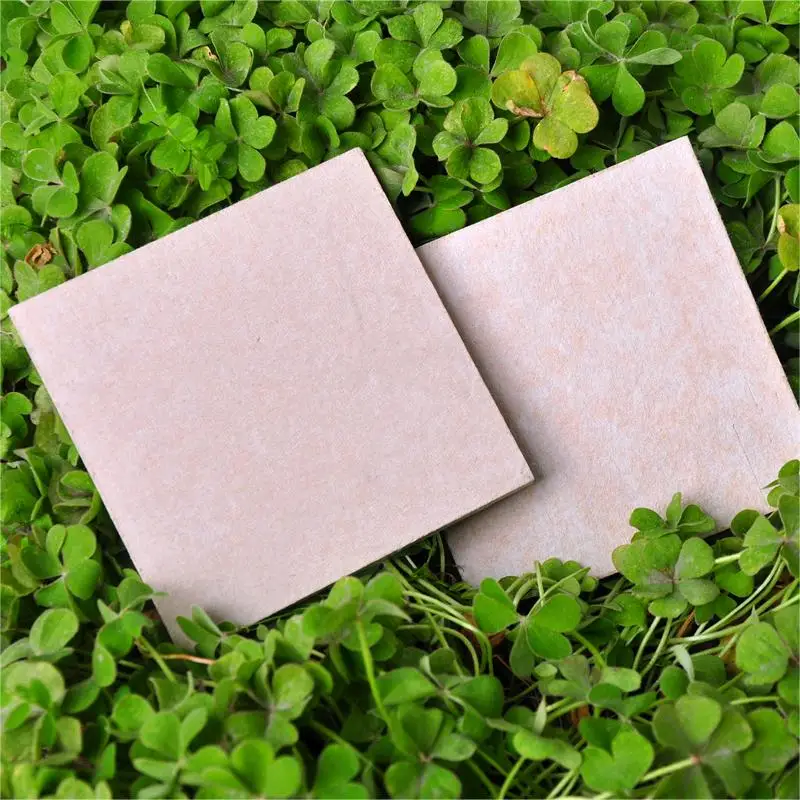
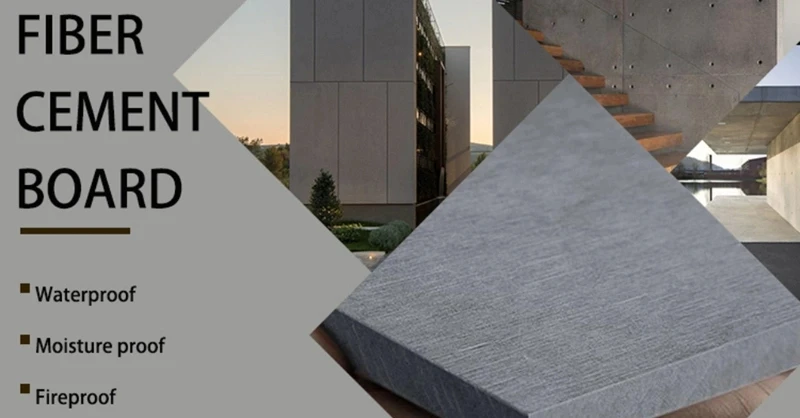
Fiber cement boards represent a pioneering, eco-friendly solution, demonstrating remarkable performance attributes such as fire resistance, moisture proofing, insect repulsion, ease of installation, insulation capabilities, low deformation, and durability. This innovative material has garnered widespread acclaim for its application in partition walls, exterior cladding, and flooring in a variety of settings, including offices, hospitals, factories, villas, theaters, and creative architectural projects.
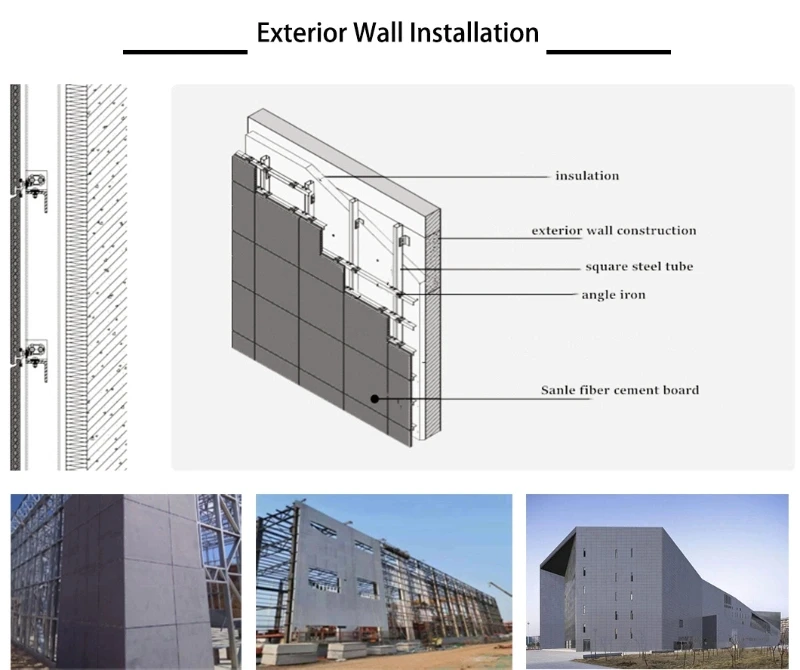
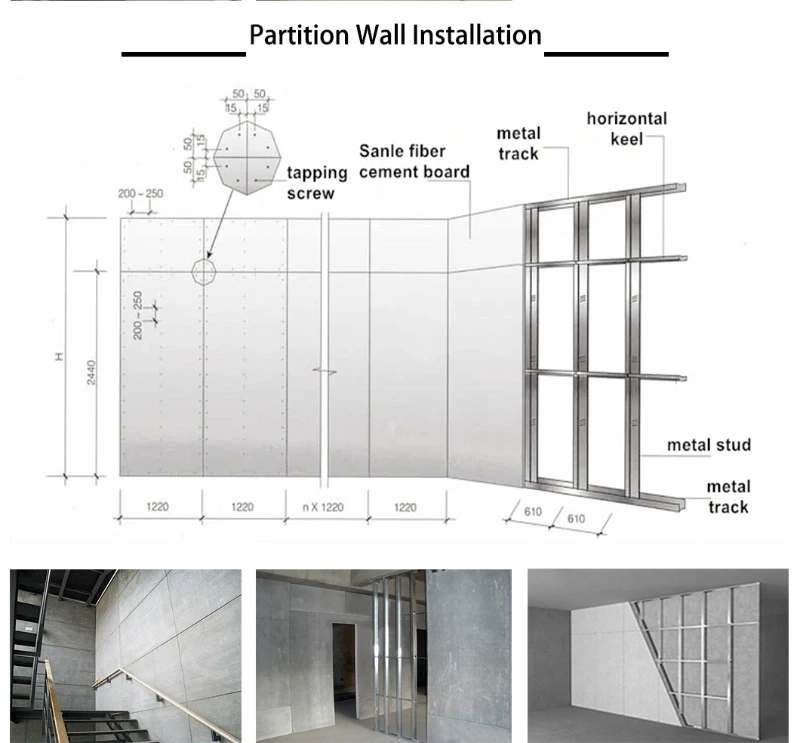
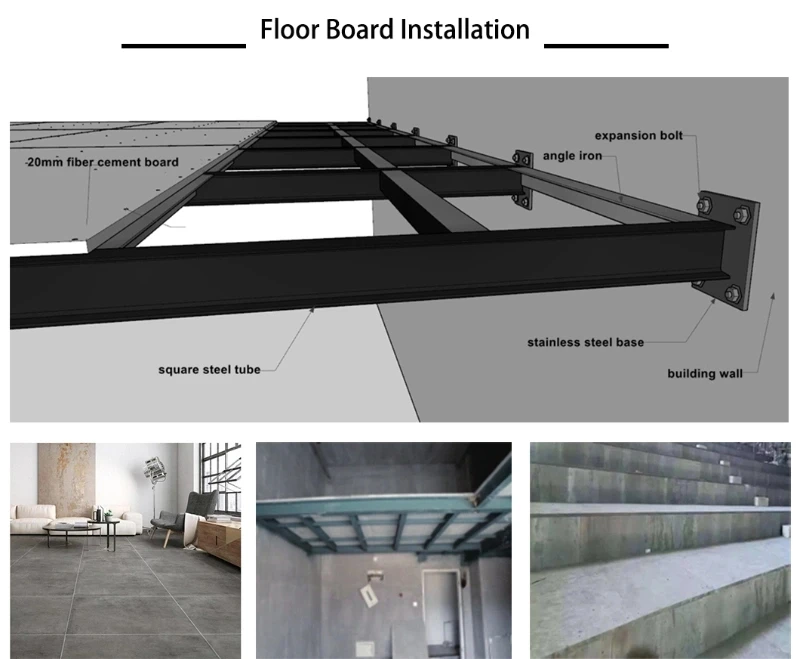
1. Fiber cement board preparation: according to the size and design requirements, installing the supporting aluminum accessories( six aluminium accessories per sheet) on the back of fiber cement board ( maximum cross section size is 2780 * 1220 mm). Making cross line according to the vertical distance ( 600 mm ) between the transverse keels and length of fiber cement board uniform size, then fixing supporting aluminum fasteners at the intersection,using 10 mm long and 4 mm thick stainless steel screws.
2. Construction wall preparation: cleaning up the wall surface, and then marking out the position lines and partition lines of the steels according to the design drawings and actual needs.
3. Wire hanging: vertical wire hanging should use the ID 1.0-1.2 size steel wire, with 8-10 kgs weight lower counterweight iron, and the upper end is hung on the special wire hanging Angle iron frame. The angle iron frames are fixed on the top corners of the wall with expansion bolts, and marking on the top and bottom of the control line.
4. Keel installation: first fixing 50×50×4 angle iron (with adjustable hole) on the structural surface with ID8 expansion bolt, that horizontal distance between the angle iron and the 50×50×3.5 vertical square steel tube on the angle steel is 800mm. When installing the vertical square steel tube, it must be checked by hanging steel wire from top to bottom to detect its Perpendicularity. After that, installing the fastening angle iron and the transverse aluminum keel (with 600mm spacing). The connection between angle iron, square steel tube and transverse keel is made with ID10 bolts. Last, using the infrared level meter to detect whether the horizontal aluminum keel is horizontal, and the steel line to detect whether it is vertical.
5. Fiber cement board installation: mounting the advance processing board on the keel according to the design drawings, and using aluminum accessories to connect the panel and keel. Hanging lightly the same level layer fiber cement boards on the keel, and then adjusting the horizontal and vertical degree of board through upper and lower steel wires. After that, checking the boards seam, whose width should be uniform according to the requirements of design. Last, tightening the stainless steel screws (20mm long and 6mm thick) on the complete set of aluminum accessories.
6. Board joint treatment: using the fiber cement board powder mixing glue to fill the seam, and then painting with special coating twice. When filling the gap, it is necessary to pay attention to the uniform and full filling.
FAQ
Q1: Are you a trading company or manufacturer?
A1: We are manufacturing company who is specialized in producing all kinds of Birch Plywood,Commercial Plywood,OSB,Film Faced Plywood,Marine Plywood.
Q2: What's your MOQ?
A2: Our MOQ is 20'GP, any small trial order is also welcomed and can be in a further discussion.
Q3: Do you provide samples?
A3: yes, we can. The sample will be cost 1.5 times of its original price but the extra cost will be refund you once you place the order.
Q4: what's your payment terms and trade terms?
A4: 30%T/T deposit before production, the balance 70% against the copy of B/L. FOB /CIF/CNF Price or other request.
Q5:how can we guarantee quality?
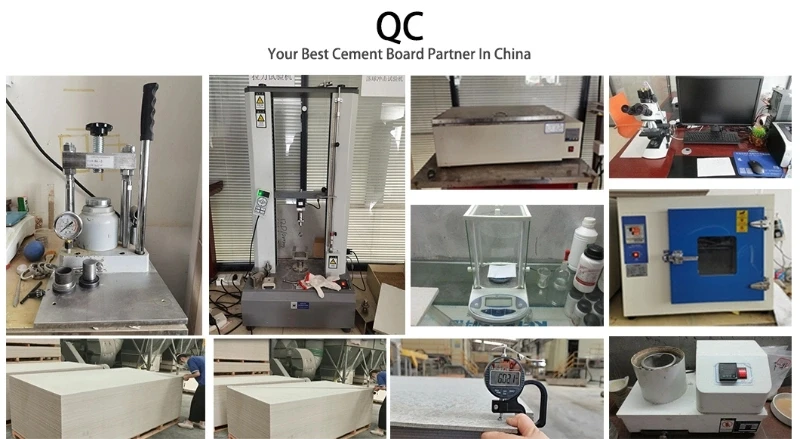
A5:Always a pre-production sample before mass production;Always final Inspection before shipment.