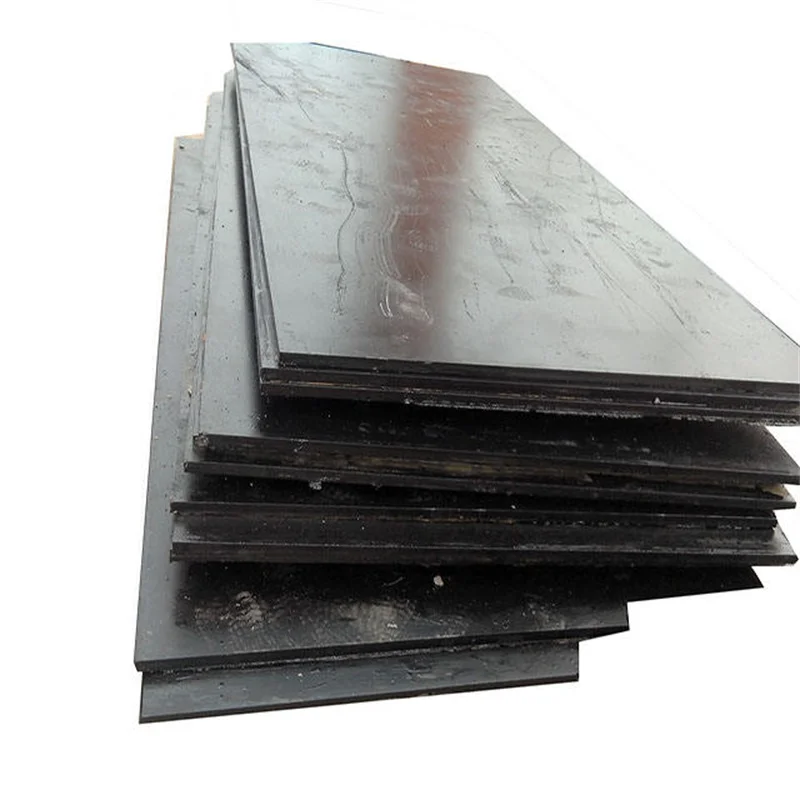
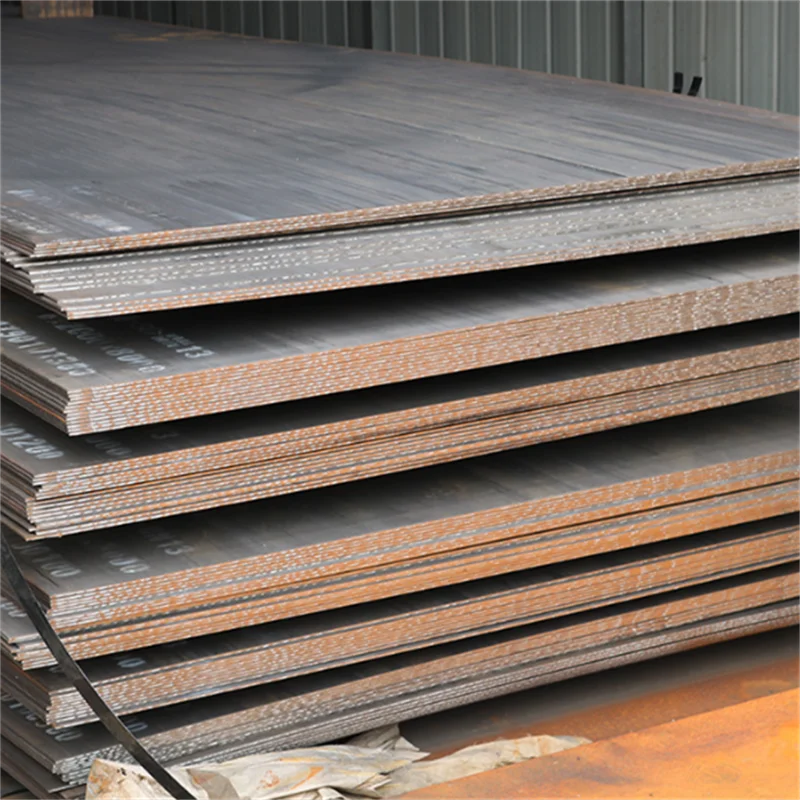
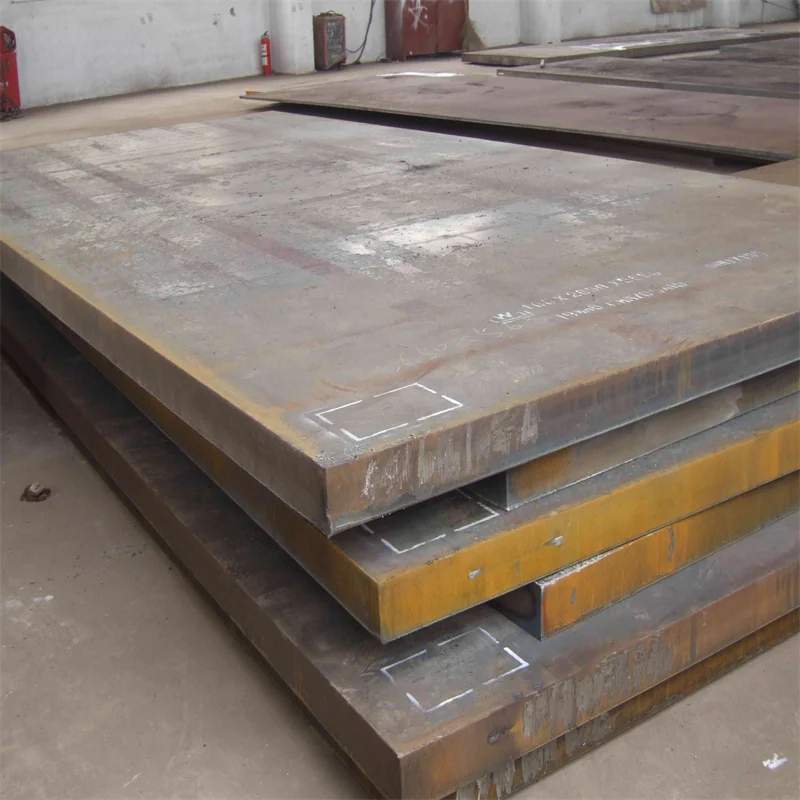
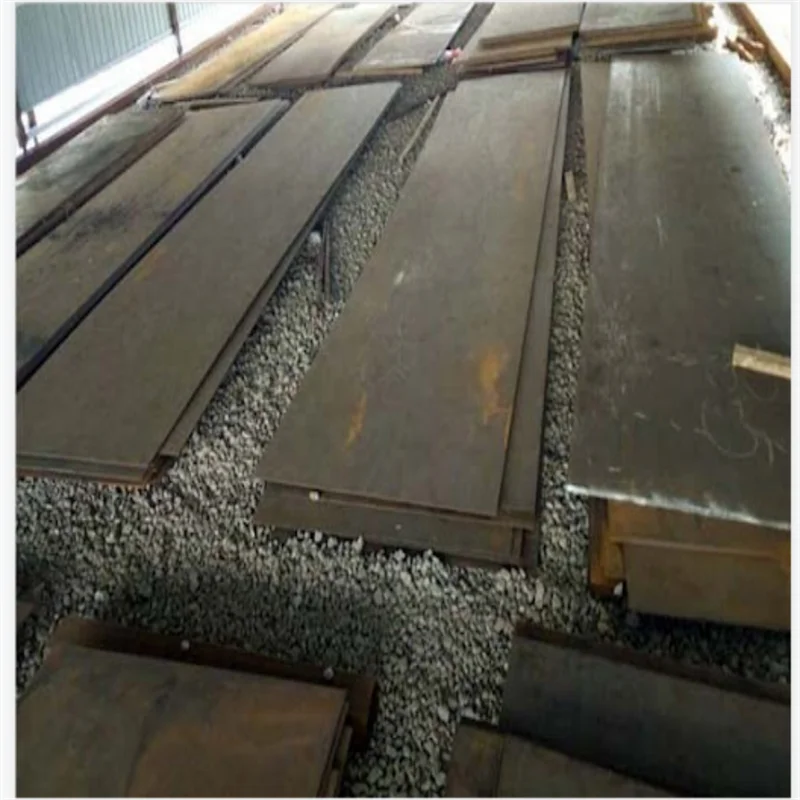
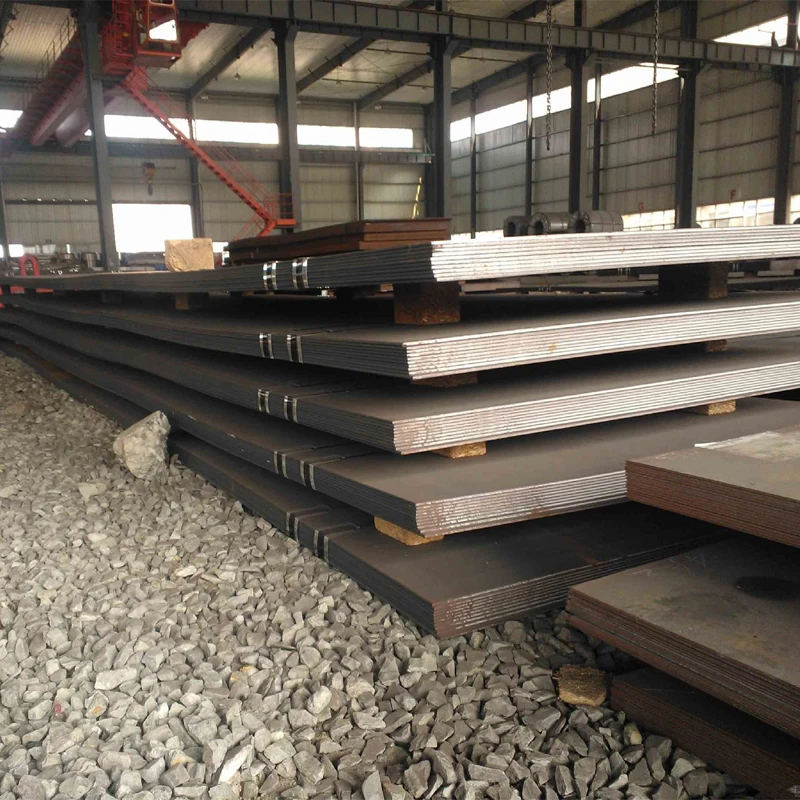
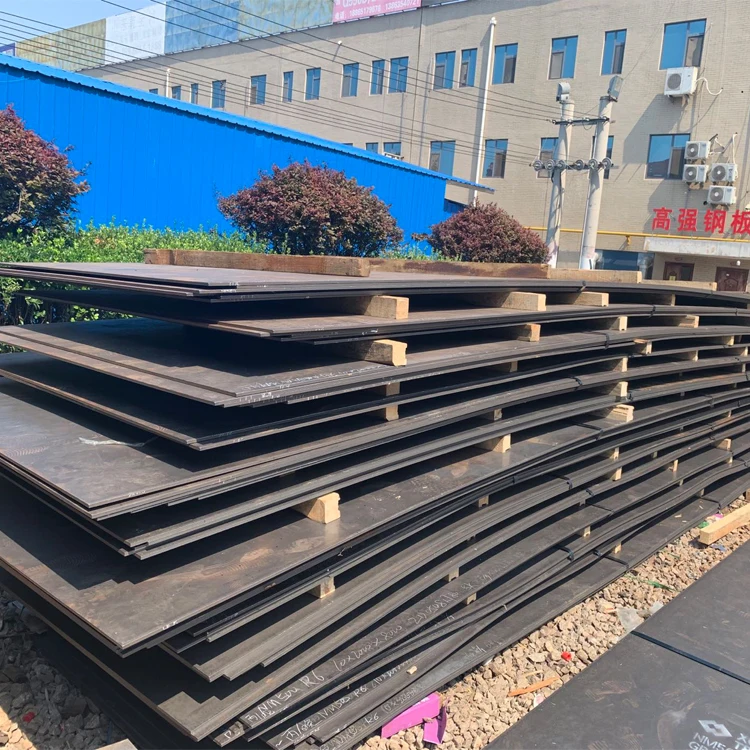
NM 500 wear resistant steel plate CNC laser cutting with complete cutting specifications of 6mm 8mm 10mm and 12mm
- Category: >>>
- Supplier: Shandong Kunda Steel Co. Ltd.
Share on (1601060504338):
Product Overview
Description

Contact Us

Product Description
Item | Material | Thickness (mm) | Width (mm) | Length (mm) |
MS Hot Rolled Steel Plate | Q235 SS400 A36 | 6-25 | 1500 - 2500 | 4000 - 12000 |
EN10025 HR Steel Plate | S275 / S275JR ,S355/S355 JR | 6-30 | 1500 - 2500 | 4000 - 12000 |
Boiler Steel Plate | Q245R , Q345RA516 Gr.60 , A516 Gr.70 | 6-40 | 1500-2200 | 4000 - 12000 |
Bridge Steel Plate | Q235, Q345, Q370, Q420 | 1.5-40 | 1500-2200 | 4000 - 12000 |
Ship-building Steel Plate | CCSA/B/C/D/E, AH36 | 2-60 | 1500-2200 | 4000 - 12000 |
Wear Resistant Steel Plate | NM360, NM400, NM450, NM500, NM550 | 6-70 | 1500-2200 | 4000 - 8000 |
Corten Steel Plate | SPA-H, 09CuPCrNiA, Corten A | 1.5-20 | 1100-2200 | 3000 - 10000 |
Product Display

Characteristics of wear-resistant steel plates :
1. Very high wear resistance
The thickness of the wear-resistant layer on the wear-resistant steel plate is 3-12mm, and the hardness of the wear-resistant layer can reach HRC58-62. The wear resistance is more than 15-20 times that of ordinary steel plates, 5-10 times that of low alloy steel plates, and 2-5 times that of high chromium cast iron. The wear resistance is much higher than that of methods such as spray welding and thermal spraying.
2. Good impact performance
Wear resistant steel plate is a double-layer metal structure, with a metallurgical bonding between the wear resistant layer and the substrate, which has high bonding strength and can absorb energy during the impact process. The wear resistant layer will not fall off and can be applied to working conditions with strong vibration and impact. This is something that casting wear resistant materials and ceramic materials cannot do.
3. Very good
Wear resistant steel plate alloy carbides have strong stability at high temperatures. Wear resistant steel plates can be used within 500 ℃, and other special temperature requirements can be customized for production to meet conditions up to 1200 ℃; Ceramic, polyurethane, polymer materials and other wear-resistant materials cannot meet such high temperature requirements through adhesive bonding.
4. Excellent connectivity performance
The wear-resistant steel plate substrate is ordinary Q235 steel plate, which ensures that the wear-resistant steel plate has toughness and plasticity, provides strength to resist external forces, and can be connected to other structures through various methods such as welding, plug welding, and bolt connection. The connection is firm and not easy to fall off, and there are more connection methods than other materials;
5. Excellent selection performance
Wear-resistant steel plates can be obtained by selecting substrates with different thicknesses and welding alloy wear-resistant layers with different layers and thicknesses. Steel plates with different thicknesses and purposes can be obtained, with a maximum thickness of over 30mm;
6. Excellent processing performance
Wear resistant steel plates can be processed into different specifications and sizes according to requirements, and can be processed, cold bent, welded, bent, etc. for convenient use; It can be welded and formed on site, making maintenance and replacement work time-saving and convenient, greatly reducing work intensity.
7. Good cost performance ratio
The price of wear-resistant steel plates has increased compared to ordinary materials, but considering the product's service life, maintenance costs, spare parts costs, and downtime losses, its performance price ratio is much higher than ordinary steel plates and other materials.
The thickness of the wear-resistant layer on the wear-resistant steel plate is 3-12mm, and the hardness of the wear-resistant layer can reach HRC58-62. The wear resistance is more than 15-20 times that of ordinary steel plates, 5-10 times that of low alloy steel plates, and 2-5 times that of high chromium cast iron. The wear resistance is much higher than that of methods such as spray welding and thermal spraying.
2. Good impact performance
Wear resistant steel plate is a double-layer metal structure, with a metallurgical bonding between the wear resistant layer and the substrate, which has high bonding strength and can absorb energy during the impact process. The wear resistant layer will not fall off and can be applied to working conditions with strong vibration and impact. This is something that casting wear resistant materials and ceramic materials cannot do.
3. Very good
Wear resistant steel plate alloy carbides have strong stability at high temperatures. Wear resistant steel plates can be used within 500 ℃, and other special temperature requirements can be customized for production to meet conditions up to 1200 ℃; Ceramic, polyurethane, polymer materials and other wear-resistant materials cannot meet such high temperature requirements through adhesive bonding.
4. Excellent connectivity performance
The wear-resistant steel plate substrate is ordinary Q235 steel plate, which ensures that the wear-resistant steel plate has toughness and plasticity, provides strength to resist external forces, and can be connected to other structures through various methods such as welding, plug welding, and bolt connection. The connection is firm and not easy to fall off, and there are more connection methods than other materials;
5. Excellent selection performance
Wear-resistant steel plates can be obtained by selecting substrates with different thicknesses and welding alloy wear-resistant layers with different layers and thicknesses. Steel plates with different thicknesses and purposes can be obtained, with a maximum thickness of over 30mm;
6. Excellent processing performance
Wear resistant steel plates can be processed into different specifications and sizes according to requirements, and can be processed, cold bent, welded, bent, etc. for convenient use; It can be welded and formed on site, making maintenance and replacement work time-saving and convenient, greatly reducing work intensity.
7. Good cost performance ratio
The price of wear-resistant steel plates has increased compared to ordinary materials, but considering the product's service life, maintenance costs, spare parts costs, and downtime losses, its performance price ratio is much higher than ordinary steel plates and other materials.
Product Application

Wear resistant plates are mainly used in industries such as thermal power plants, coal yards, cement plants, loading machinery, mining machinery, construction machinery, engineering machinery, metallurgical machinery, etc.
1. Thermal power plants: The materials used for mechanical steel such as ash ducts, burner nozzles, and separator guide blades are all wear-resistant steel plates.
2. Coal yard: The machinery used in the coal yard using wear-resistant steel plates mainly includes: fan blades, cyclone dust collectors, drill bit stabilizers, etc.
3. The components of wear-resistant steel plates used in cement plants mainly include cyclone dust collectors, fan blades, and linings, all of which require wear-resistant steel plates with good wear and corrosion resistance.
4. The machinery that uses wear-resistant plates for loading mainly includes: hopper lining plates, dump truck bodies, etc., which require wear-resistant steel plates with good wear and corrosion resistance.
5. The components of wear-resistant steel plates used in mining machinery mainly include baffles, blades, and other components.
6. The components of wear-resistant steel plates used in construction machinery mainly include concrete mixing furnaces, brick making machine grinding tool plates, and other components.
7. The components of wear-resistant steel plates used in construction machinery mainly include loaders, excavators, bucket bottoms, rotary drilling rig drill rods, and other components.
8. The components of metallurgical machinery using wear-resistant steel plates mainly include: scraper lining plates, conveyor elbows, etc., which also require wear-resistant steel plates with good wear and corrosion resistance.
2. Coal yard: The machinery used in the coal yard using wear-resistant steel plates mainly includes: fan blades, cyclone dust collectors, drill bit stabilizers, etc.
3. The components of wear-resistant steel plates used in cement plants mainly include cyclone dust collectors, fan blades, and linings, all of which require wear-resistant steel plates with good wear and corrosion resistance.
4. The machinery that uses wear-resistant plates for loading mainly includes: hopper lining plates, dump truck bodies, etc., which require wear-resistant steel plates with good wear and corrosion resistance.
5. The components of wear-resistant steel plates used in mining machinery mainly include baffles, blades, and other components.
6. The components of wear-resistant steel plates used in construction machinery mainly include concrete mixing furnaces, brick making machine grinding tool plates, and other components.
7. The components of wear-resistant steel plates used in construction machinery mainly include loaders, excavators, bucket bottoms, rotary drilling rig drill rods, and other components.
8. The components of metallurgical machinery using wear-resistant steel plates mainly include: scraper lining plates, conveyor elbows, etc., which also require wear-resistant steel plates with good wear and corrosion resistance.
Packing and shipping


As a major mode of international cargo transportation, sea freight has the following advantages:
Advantages. Relatively low cost, suitable for transporting large quantities of goods and conducting long-distance international logistics transportation; Has a large load-bearing capacity and can transport large and heavy goods; It has a relatively small impact on the environment and is a sustainable logistics choice; Wide global coverage, able to reach various parts of the world, providing vast markets and logistics channels
Company Profile


Why Choose Us


FAQ

Q1. What are your company's main products ?
A1: Our main products are steel products, such as stainless steel & carbon steel plates/sheets/coils, pipes/tubes, (flat/ angle/ round/ square/ hexagonal/…) bars, C channels, H/ I beams and so on.
Q2. How do you control quality ?
A2: Mill Test Certification is supplied with shipment, Third Party Inspection is available. and we also get ISO,SGS,Alibaba
Verified.
Q3: What is the terms of packing?
A3: generally, we pack our goods in bundles or coils with rods or belts, we could also pack the goods as the customers
requirement.
Q4:What is your delivery time?
A4: For stocks, we could transport the goods to loading port within 3 days after we received your deposit
For production period, it usually takes about 7-15 days after receiving the deposit.
Q5. What are the advantages of your company ?
A35: We have many professionals, technical personnel, more competitive prices and best after-dales service than other stainless steel companies.
Q6. Can you provide sample ?
A6: We can provide the small samples in stock for free, as long as you contact us.
Of course, you only need to pay the shipping fee
Q7.What is your terms of payment?
A7: 30% T/T as the upfront deposit, 70% before delivery. We will show you the photos of products and package before you pay the balance.
A1: Our main products are steel products, such as stainless steel & carbon steel plates/sheets/coils, pipes/tubes, (flat/ angle/ round/ square/ hexagonal/…) bars, C channels, H/ I beams and so on.
Q2. How do you control quality ?
A2: Mill Test Certification is supplied with shipment, Third Party Inspection is available. and we also get ISO,SGS,Alibaba
Verified.
Q3: What is the terms of packing?
A3: generally, we pack our goods in bundles or coils with rods or belts, we could also pack the goods as the customers
requirement.
Q4:What is your delivery time?
A4: For stocks, we could transport the goods to loading port within 3 days after we received your deposit
For production period, it usually takes about 7-15 days after receiving the deposit.
Q5. What are the advantages of your company ?
A35: We have many professionals, technical personnel, more competitive prices and best after-dales service than other stainless steel companies.
Q6. Can you provide sample ?
A6: We can provide the small samples in stock for free, as long as you contact us.
Of course, you only need to pay the shipping fee
Q7.What is your terms of payment?
A7: 30% T/T as the upfront deposit, 70% before delivery. We will show you the photos of products and package before you pay the balance.
We Recommend
New Arrivals
New products from manufacturers at wholesale prices