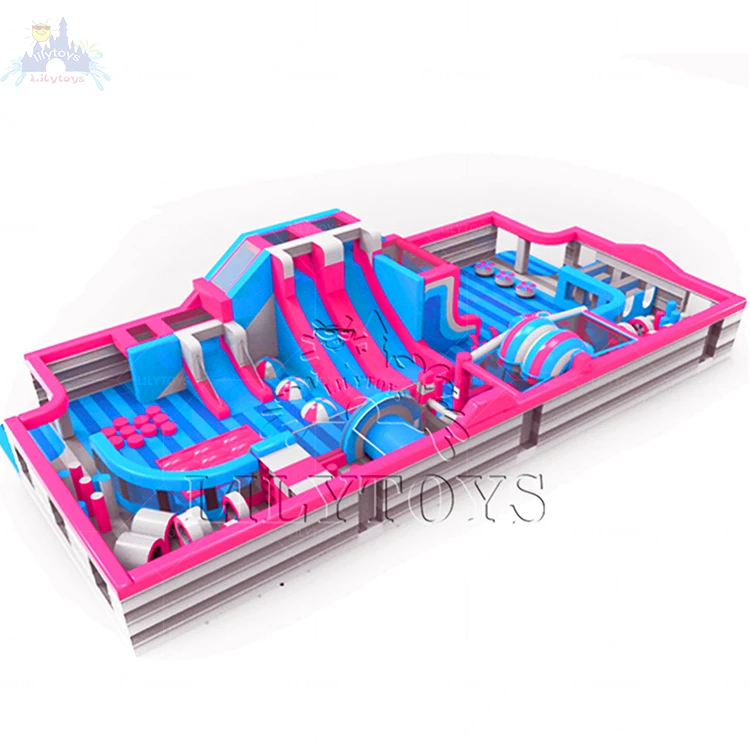
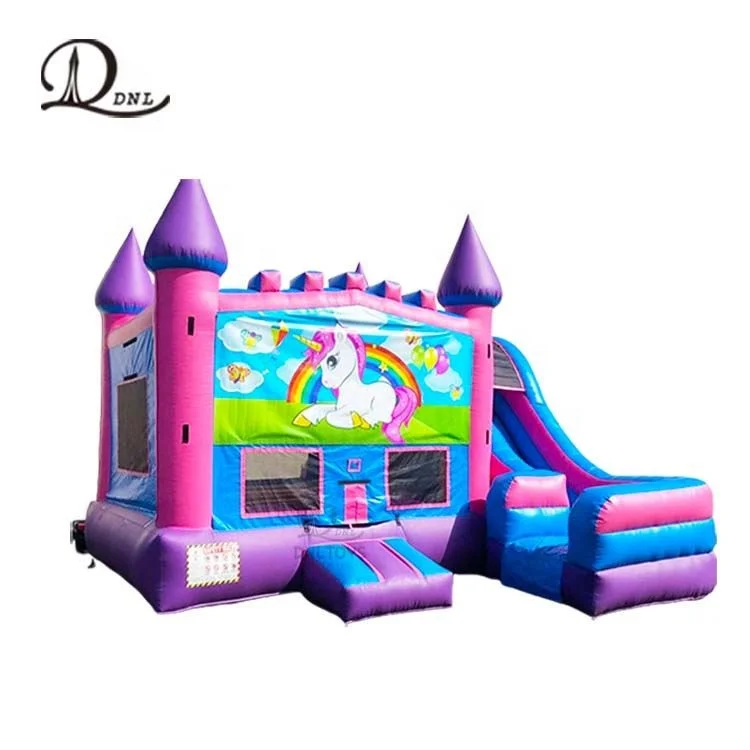
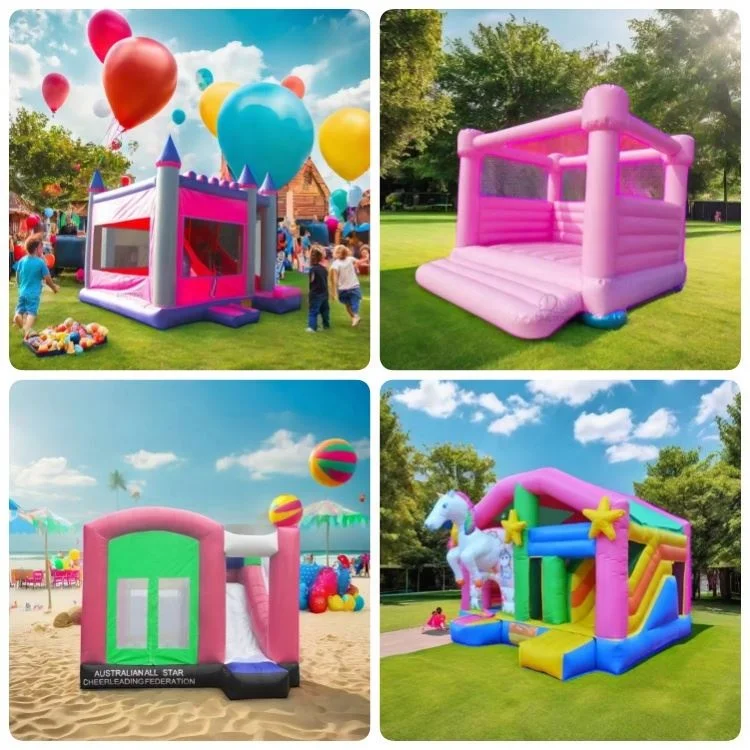
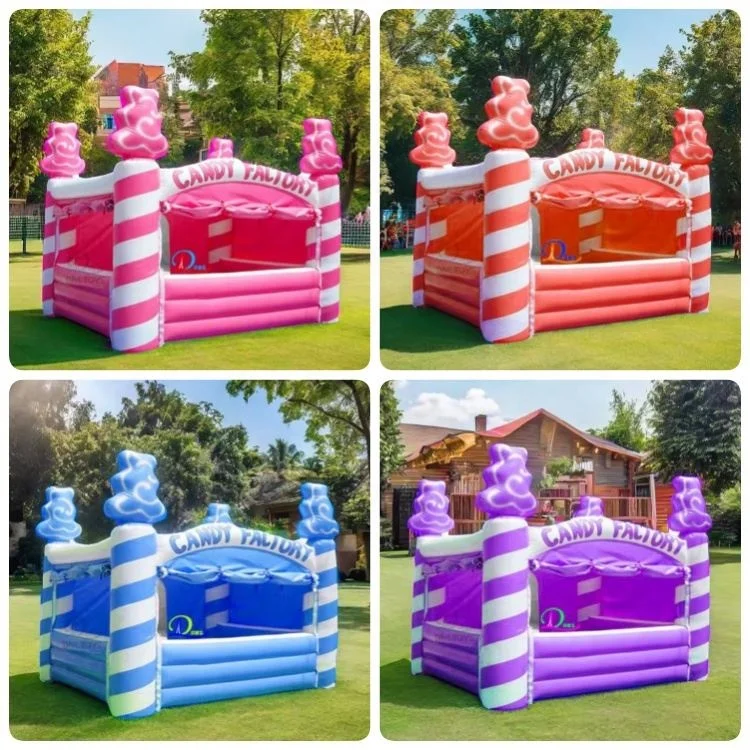
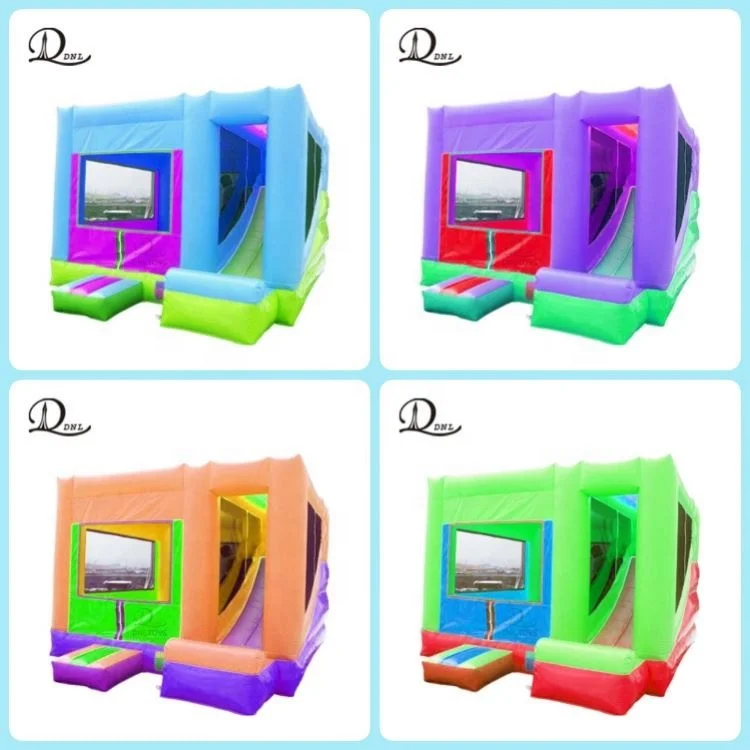
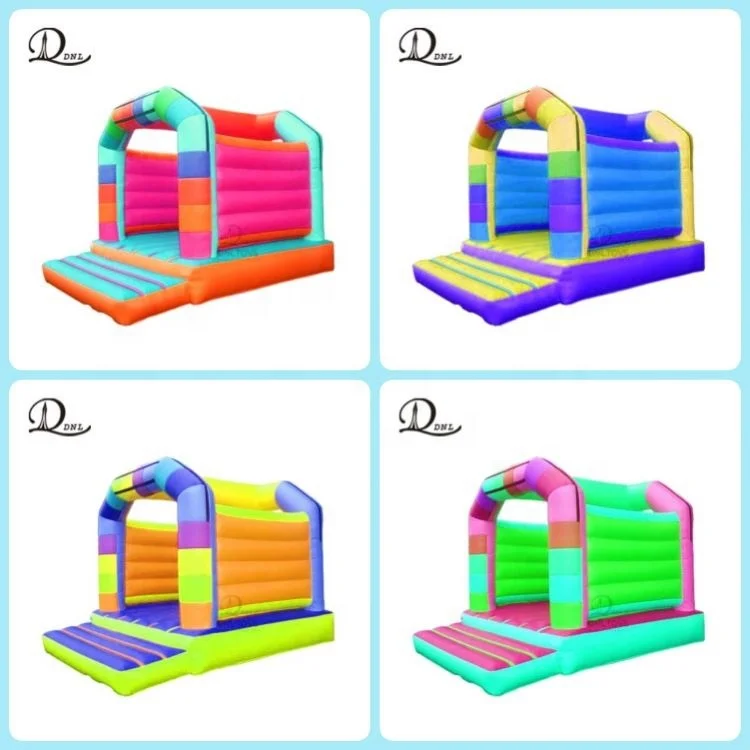
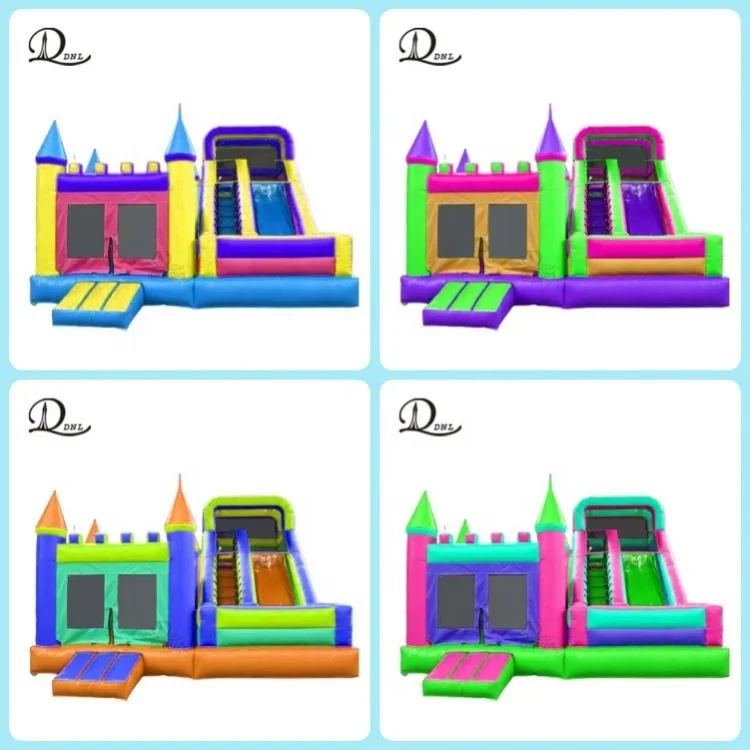
Funny unicorn inflatable Bouncer With Slide Bouncy House Combo Colorful Bouncing Castle Inflatable Kids Playground
- Category: >>>
- Supplier: Zhengzhou DNL Inc.
Share on (1601075185053):
Product Overview
Description

Custom Inflatable Bouncer
All of our inflatable games are commercial grade. It’s a perfect option for any event to have fun for both boys and girls of all ages.
All of our inflatable bouncer castle slide combo games are customized design, size, color and logo printed. With the high quality commercial grade 0.55 mm PVC for the bouncing mat and sliding surface, to make sure the inflatable game lifetime is long enough for your business. These inflatable can use for amusement parks, for birthday party, for rental business, also can be a surprising gift for your kids. There are various designs for your choice. Welcome to contact us to start your design on the inflatable games now.
All of our inflatable bouncer castle slide combo games are customized design, size, color and logo printed. With the high quality commercial grade 0.55 mm PVC for the bouncing mat and sliding surface, to make sure the inflatable game lifetime is long enough for your business. These inflatable can use for amusement parks, for birthday party, for rental business, also can be a surprising gift for your kids. There are various designs for your choice. Welcome to contact us to start your design on the inflatable games now.
Product Description
Specification
Name | Customized design Inflatable bouncer, inflatable castle , inflatable jumper ,inflatable combo, inflatable games |
Material | 0.55mm PVC tarpain+0.45mm PVC ,water-proof and fire retardant. environmental and safe for kids |
Color | As request( Red,yellow, green,blue,pink,orange,white,black,purple ) |
Size | 3x3m,4x4m, 5x4m or customized |
Blower | Powerful blower suitable for your country voltage and plugs |
Logo | Digital printing or slikcreen ,Customers' website ,contact information easy printing,easy for ads. |
Workmanship | Double stitching throughout the unit with triple stitching.Quadruple stitching in key areas inside the base of the unit,Extra webbing reinforced strip on all the stress points and interior panels |
Accessory | Repair kit ,Carrying bag,Glue for free |
Production time | About one or two weeks ,depends on order time and Oty |
Usage | Amusement parks , commercial center ,shopping mall ,plaza ,zoo,fairs, shows,theme parks ,playgrounds |
Product range | Inflatable bouncer, inflatable jumper,inflatable castle, inflatable combo, inflatable slide ,inflatable sport games |
Features | New cartoons theme parks attractive for kids ,Small package, easy carrying ,very portable |
Bouncy Castles: A Fun and Exciting Playground for All
Bouncy castles, also known as inflatable bounce houses or jumping castles, have become a popular addition to various occasions and settings. These colorful and inflatable structures bring joy and excitement to both children and adults alike.
One of the main attractions of bouncy castles is the fun and entertainment they offer. Children can jump, bounce, and play to their heart's content, releasing energy and enjoying the freedom of movement. The bouncy surface provides a safe and cushioned environment, allowing them to engage in active play without the fear of getting hurt.
For parents, bouncy castles offer a great opportunity for their children to stay physically active. Jumping and bouncing on the inflatable surface help develop coordination, balance, and gross motor skills. It's a fun way for kids to get some exercise and stay healthy while having a great time.
Bouncy castles are not only limited to children's parties. They can also be found at festivals, carnivals, and community events, providing a source of entertainment for people of all ages. Whether it's a company team-building activity or a family gathering, bouncy castles bring people together and create a lively and enjoyable atmosphere.
In addition to the fun factor, bouncy castles also offer some therapeutic benefits. Jumping on an inflatable surface can have a positive impact on mental well-being, helping to reduce stress and boost mood. It's a great way to let loose and have some light-hearted fun.
When it comes to safety, it's important to ensure that bouncy castles are properly maintained and inspected. Regular checks for any signs of damage or wear and tear are necessary to ensure the durability and safety of the equipment. Supervision by adults is also crucial to prevent any accidents or injuries.
Overall, bouncy castles continue to be a beloved staple in the world of play and entertainment. They bring smiles to faces, create memories, and offer a chance for everyone to embrace their inner child and enjoy the simple pleasures of bouncing around. So the next time you come across a bouncy castle, don't hesitate to take a leap and have a bouncing good time!
Bouncy castles, also known as inflatable bounce houses or jumping castles, have become a popular addition to various occasions and settings. These colorful and inflatable structures bring joy and excitement to both children and adults alike.
One of the main attractions of bouncy castles is the fun and entertainment they offer. Children can jump, bounce, and play to their heart's content, releasing energy and enjoying the freedom of movement. The bouncy surface provides a safe and cushioned environment, allowing them to engage in active play without the fear of getting hurt.
For parents, bouncy castles offer a great opportunity for their children to stay physically active. Jumping and bouncing on the inflatable surface help develop coordination, balance, and gross motor skills. It's a fun way for kids to get some exercise and stay healthy while having a great time.
Bouncy castles are not only limited to children's parties. They can also be found at festivals, carnivals, and community events, providing a source of entertainment for people of all ages. Whether it's a company team-building activity or a family gathering, bouncy castles bring people together and create a lively and enjoyable atmosphere.
In addition to the fun factor, bouncy castles also offer some therapeutic benefits. Jumping on an inflatable surface can have a positive impact on mental well-being, helping to reduce stress and boost mood. It's a great way to let loose and have some light-hearted fun.
When it comes to safety, it's important to ensure that bouncy castles are properly maintained and inspected. Regular checks for any signs of damage or wear and tear are necessary to ensure the durability and safety of the equipment. Supervision by adults is also crucial to prevent any accidents or injuries.
Overall, bouncy castles continue to be a beloved staple in the world of play and entertainment. They bring smiles to faces, create memories, and offer a chance for everyone to embrace their inner child and enjoy the simple pleasures of bouncing around. So the next time you come across a bouncy castle, don't hesitate to take a leap and have a bouncing good time!
1. Physical fitness: Jumping on a trampoline helps improve cardiovascular health, coordination, balance, and muscle strength. It provides a fun way for children to stay active and engaged in physical exercise.
2. Motor skills development: Trampoline jumping enhances motor skills such as jumping, landing, and spatial awareness. It helps develop body control and coordination, which are important for overall physical development.
3. Sensory integration: The proprioceptive input received while bouncing on a trampoline can aid in sensory integration, helping children better process and respond to sensory information.
4. Social skills: Playing on a trampoline with others encourages social interaction, cooperation, and turn-taking. It provides opportunities for children to build relationships and develop social skills.
5. Confidence and self-esteem: Mastering new skills and having fun on the trampoline can boost a child's confidence and self-esteem. It gives them a sense of achievement and positive body image.
6. Emotional release: Jumping and bouncing can be a form of stress relief and emotional expression for children. It allows them to release energy and have a good time.
7. Spatial awareness: Trampoline play helps children develop a better sense of space and distance, improving their body awareness and spatial orientation.
8. Brain development: Physical activity, including trampoline play, has been linked to cognitive development and improved brain function.
It's important to ensure that children are using the trampoline under proper supervision and following safety guidelines to minimize the risk of injuries. Trampoline activities should be age-appropriate and in a safe environment. Additionally, variety in physical activities and a balanced approach to overall development are also important for children's well-being.
When using an inflatable bounce house, here are some ways to ensure the safety of children:
1. Adult supervision: Always have a responsible adult present to monitor the children. They can keep an eye on their behavior, ensure safe play, and intervene if necessary.
2. Age suitability: Make sure the inflatable bounce house is appropriate for the age group of the children using it. Follow the manufacturer's recommendations.
3. Clear the area: Remove any obstacles or hazards from the surrounding area to prevent trips and falls.
4. Rules and instructions: Establish and communicate clear rules and instructions to the children before they start playing. Emphasize the importance of no roughhousing, running inside, or going over the maximum capacity.
5. One at a time: Encourage children to take turns and not jump on top of each other simultaneously to prevent collisions.
1. Adult supervision: Always have a responsible adult present to monitor the children. They can keep an eye on their behavior, ensure safe play, and intervene if necessary.
2. Age suitability: Make sure the inflatable bounce house is appropriate for the age group of the children using it. Follow the manufacturer's recommendations.
3. Clear the area: Remove any obstacles or hazards from the surrounding area to prevent trips and falls.
4. Rules and instructions: Establish and communicate clear rules and instructions to the children before they start playing. Emphasize the importance of no roughhousing, running inside, or going over the maximum capacity.
5. One at a time: Encourage children to take turns and not jump on top of each other simultaneously to prevent collisions.
6.Proper use of equipment: Teach children how to climb in and out of the bounce house safely. Instruct them to land on both feet when jumping.
7. No sharp objects: Keep sharp or pointed objects away from the bounce house to avoid potential punctures.
8. Weather conditions: Do not use the bounce house in inclement weather such as strong winds, rain, or thunderstorms.
9. Inspection before use: Thoroughly inspect the bounce house for any signs of damage or wear before each use. Address any issues promptly.
10. Emergency exit: Familiarize children with the location of the emergency exit and ensure it is unobstructed.
11.Supervision of younger children: For very young children or those with special needs, extra supervision may be required.
12. Time limits: Set reasonable time limits for each child's play session to avoid overexertion or fatigue.
By following these safety measures, you can create a fun and safe environment for children to enjoy the inflatable bounce house. It's important to remain vigilant and actively engaged in supervising the activity to ensure the well-being of the children.
Packing & Delivery


To better ensure the safety of your goods, professional, environmentally friendly, convenient and efficient packaging services will be provided.
Company Profile


FAQ
1. What’s the materials used for inflatable games?
We use the famous brand 0.45 and 0.55mm PVC tarpaulin for inflatable bouncer and slides
2. Can you change the size and color based on the original?
Yes, Inflatable products can be customized according to your requirements.
3. Can you print my logo on the inflatable products ?
Yes, we can print your logo for free.
4. How long will it take to make these inflatables?
The regular bounce houses usually take 7-10 days, Bulk orders take about 10-30 days, depending on the style, size and structure.
5. What’ s included in products ?
Blowers for ground inflatables or air pump for inflatable water games, storage bag, repair kits
We use the famous brand 0.45 and 0.55mm PVC tarpaulin for inflatable bouncer and slides
2. Can you change the size and color based on the original?
Yes, Inflatable products can be customized according to your requirements.
3. Can you print my logo on the inflatable products ?
Yes, we can print your logo for free.
4. How long will it take to make these inflatables?
The regular bounce houses usually take 7-10 days, Bulk orders take about 10-30 days, depending on the style, size and structure.
5. What’ s included in products ?
Blowers for ground inflatables or air pump for inflatable water games, storage bag, repair kits
6.Do you ship by Sea, Ground or Air?
We do it all. It just depends on your delivery time, budget.
7. What’ s the payment terms ?
You can make it by T/T, Western Union ,Credit Card.
We do it all. It just depends on your delivery time, budget.
7. What’ s the payment terms ?
You can make it by T/T, Western Union ,Credit Card.

Contact us
Please send us an inquiry to get more information
We Recommend
New Arrivals
New products from manufacturers at wholesale prices