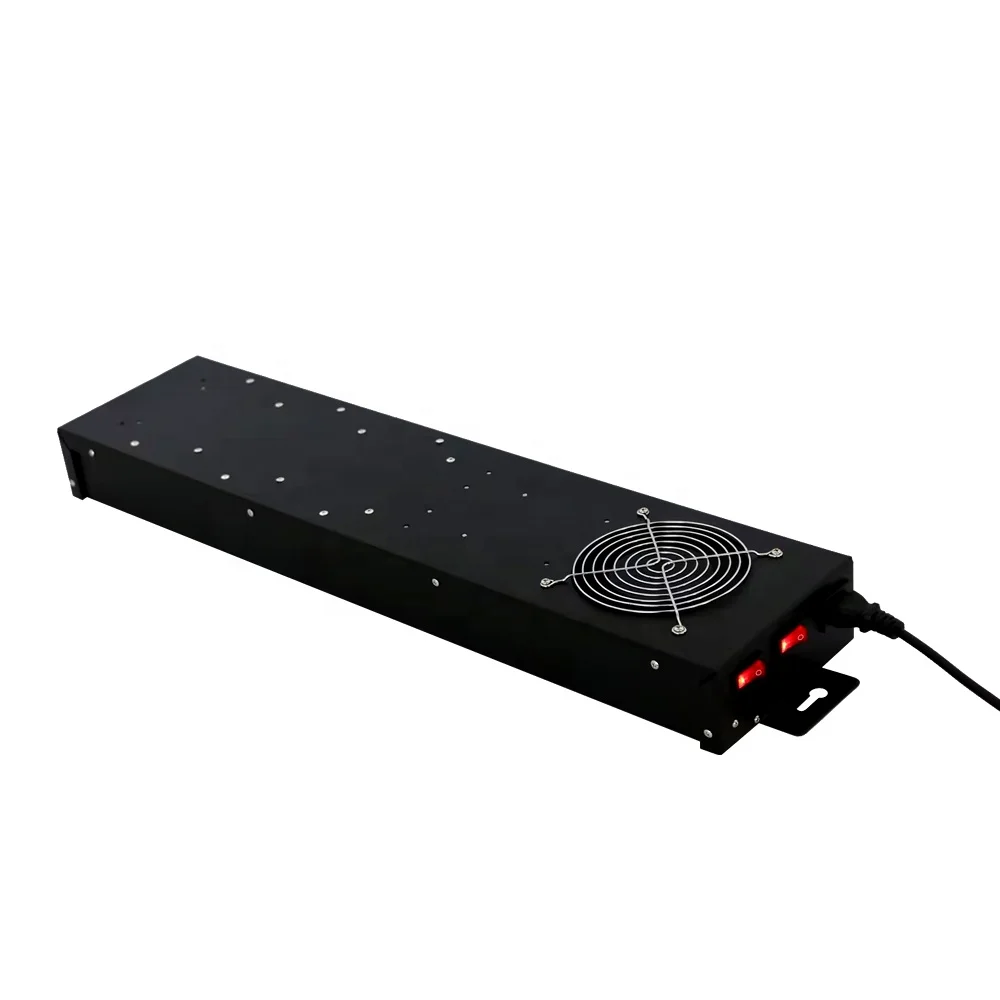
UV Air Purifier Photocatalyst Filter Nano Tio2 air cleaner
- Category: >>>
- Supplier: Ningbo Kehang Environmental Technology Co. Ltd.
Share on (1601081933368):
Product Overview
Description
Product Overview

High Efficiency Sterilization


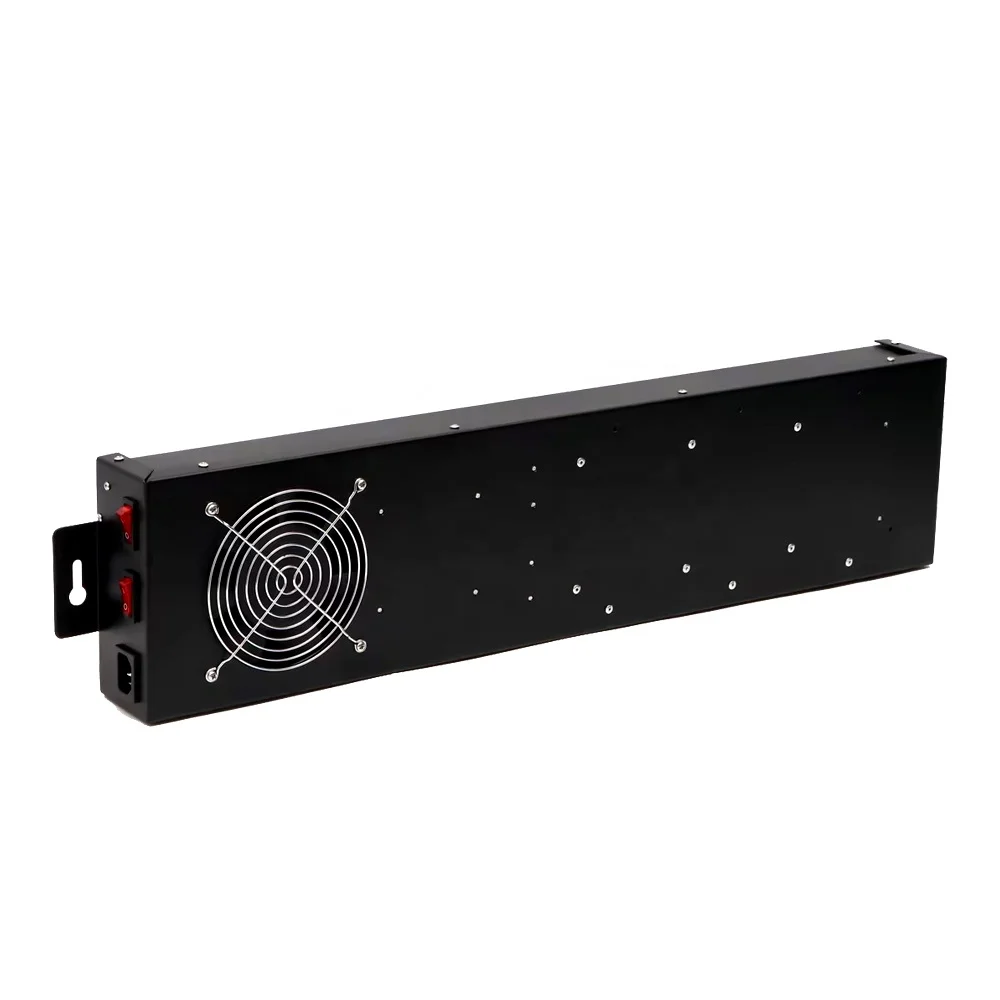
LIVEWELL UV Air Purifier is a professional UVC photocatalytic purifying device with several innovative features and ease of use.
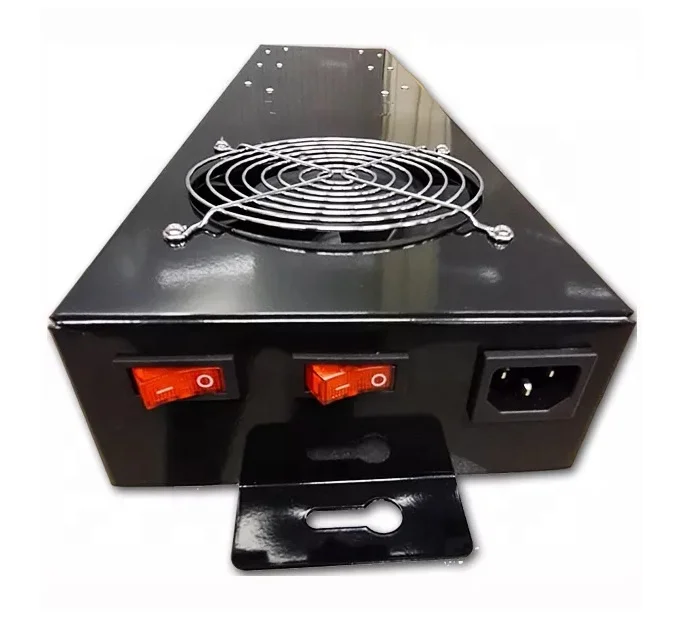
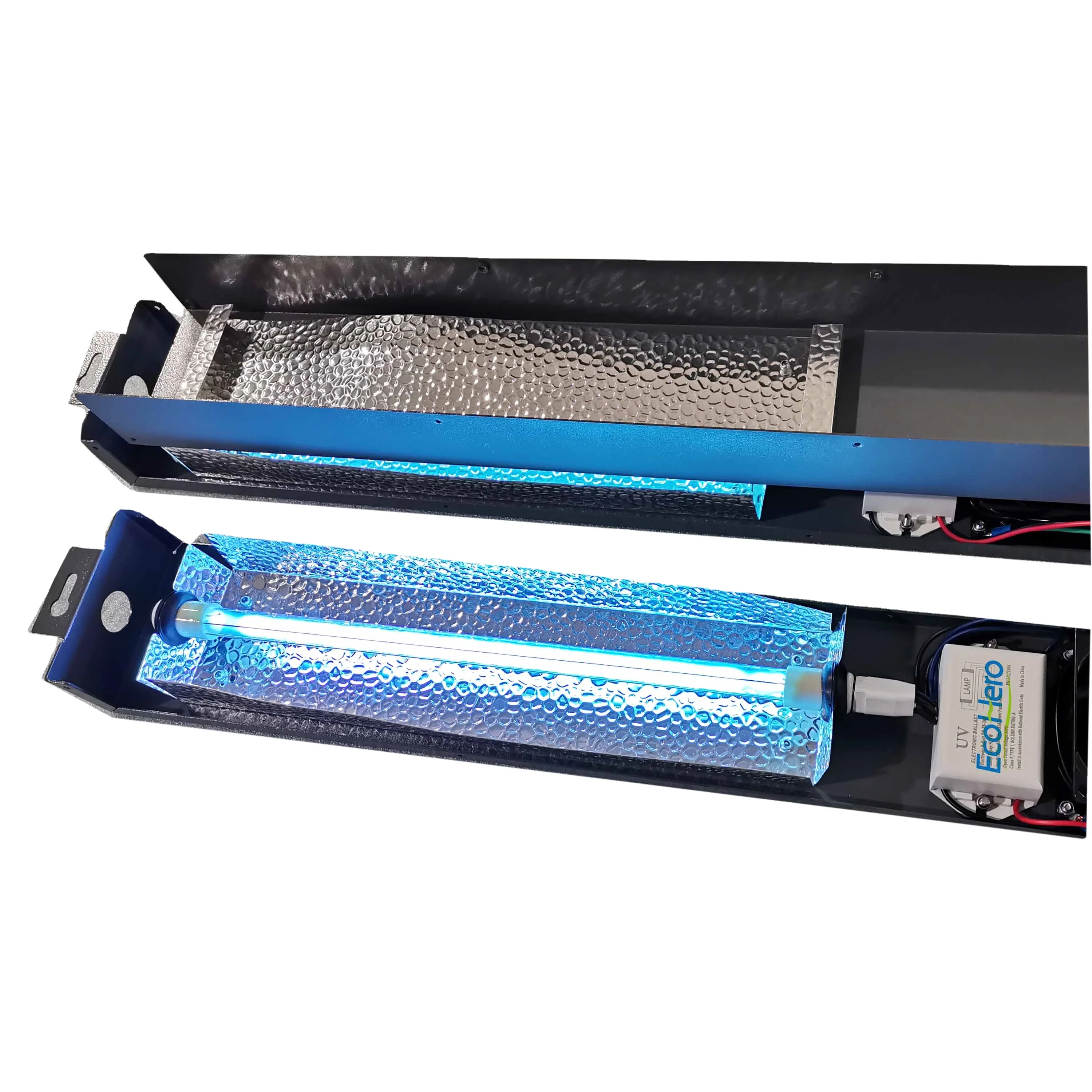
There are two UVC lights in the unit, one without ozone and one with it. With a separate switch, you can choose whether or not to emit ozone. This provides several advantages for purifying odors and other pollutants.
* Active Air Purify & Surface Hygiene
* Effective anti-bacterias and anti-molds.
* Chemical Free
* 24/7 Odor Reduction
* Quite Operate
* Easily fitted to a wall or ceiling
There are two UVC lights in the unit, one without ozone and one with it. With a separate switch, you can choose whether or not to emit ozone. This provides several advantages for purifying odors and other pollutants.
* Active Air Purify & Surface Hygiene
* Effective anti-bacterias and anti-molds.
* Chemical Free
* 24/7 Odor Reduction
* Quite Operate
* Easily fitted to a wall or ceiling

99.9% removed odor
UV light reacted with Nano Photocatalyst Filters in the cleaning chamber by using water particles and oxygen from the air tocreate highly reactive compounds, such as hydroxyl radical OH , hydrogen peroxide H2O2 , negative ions and pure oxygen Ozone toactively purify air and inactive molds, bacterias , etc.
HY490-UPI
1pcs UV lamp (Pure UV or UV ozone can be choosed ).
1pcs ON/OFF switch
Manual control
HY690-UPI
2pcs UV lamp (Pure UV or UV ozone can be choosed ).
2pcs ON/OFF switch
2pcs ON/OFF switch
Manual control
HY690-UPI-BR
2pcs UV lamp (Pure UV or UV ozone can be choosed ).
1pcs bipolar ionizer
1pcs ON/OFF switch
1pcs ON/OFF switch
Remote control
Air Purifying Technology
UV Light | UVC-Ultraviolet light has long been known as the common antibacterial effects. It’s able to neutralize mold and its metabolites . | ||||||
PhotoPlasma | When UVC hits the photocatalytic filter with TiO2 in the Air Purifier housing, it forms negative ions , hydroxyl radicals and ozone . | ||||||
Negative Ions | The negative ions also named as Superoxide ions, which bind themselves with many positively charged impurities when they are floating freely in the air. It will become heavier and settle down on the floor or the nearest wall surface. | ||||||
Hydrogen Peroxide | Hydrogen peroxide OH is formed when superoxide anions meet water particles. This happens both inside and outside the UVPCO Air Purifier. Hydrogen peroxide oxidizes many pollutants. | ||||||
Hydroxyl Radicals | Hydroxyl radicals are formed through a photocatalytic process,which can quickly capture air pollutants and oxidize them. Hydroxyl radicals have a very high oxidation rate and are therefore short-lived. They are capable of destroying or splitting molecules that make up mycotoxins and endotoxins produced by bacteria. They also can deal with highly toxic wood preservatives in some houses, such as pentachlorophenol and odorous chloroanisole . | ||||||
Pure Oxygen | Pure Oxygen (Ozone) is also formed during the photocatalytic process. Pure oxygen is also a good antibacterial agent and can also oxidize and neutralize certain air pollutants | ||||||
Safety Attention
If you activate a UV+Ozone lamp , Pure Oxygen will be produced which we called it as Ozone. Ozone is made up of three oxygen atoms, it is very effective oxidant,but it should be used properly. Ozone formed by UVC light
does not carry unwanted byproducts
Ozone works well when you are not in the space. However, when you are in the position, you can turn off the ozone lamp and still activate the pure UV lamp that does not emit ozone.After using ozone purification , if you directly intend of stay there, it is best to properly ventilate the space like opening the doors or windows.
We do not recommend that you initiate ozone emissions at your accommodation location.
does not carry unwanted byproducts
Ozone works well when you are not in the space. However, when you are in the position, you can turn off the ozone lamp and still activate the pure UV lamp that does not emit ozone.After using ozone purification , if you directly intend of stay there, it is best to properly ventilate the space like opening the doors or windows.
We do not recommend that you initiate ozone emissions at your accommodation location.
One-button switch and easy operation,
efficient sterilization can care for your health, enjoy fresh life
Product Details
Packing & Delivery

Company Profile

NINGBO KEHANG ENVIRONMENTAL TECHNOLOGY CO.,LTD. (Brand: EcoHero ), and ZHEJIANG LIVEWELL ENVIRONMENTAL TECHNOLOGY CO.,LTD. (Brand: LIVEWELL ) is the same company, which focus on designing and manufacturing mainly Commercial Air Purifiers since the year of 2017. Adopting with green purification technologies, we have developed various products to improve indoor air quality and reduce pollutants for outdoor air . We provide quality OEM and ODM service for both overseas and domestic customers. It's our honor and mission to looking for more efficient cooperation chances with the partners to create safe and healthy breathing environment.
We Recommend


New Arrivals
New products from manufacturers at wholesale prices