Best Price High Protein Single Cell Protein Mycoprotein 70% For Animal Feed
- Category: >>>
- Supplier: Zhengzhou Bridge Biochem Co. Ltd.
Share on (1601172004134):
Product Overview
Description
Recommend Products
Product Description


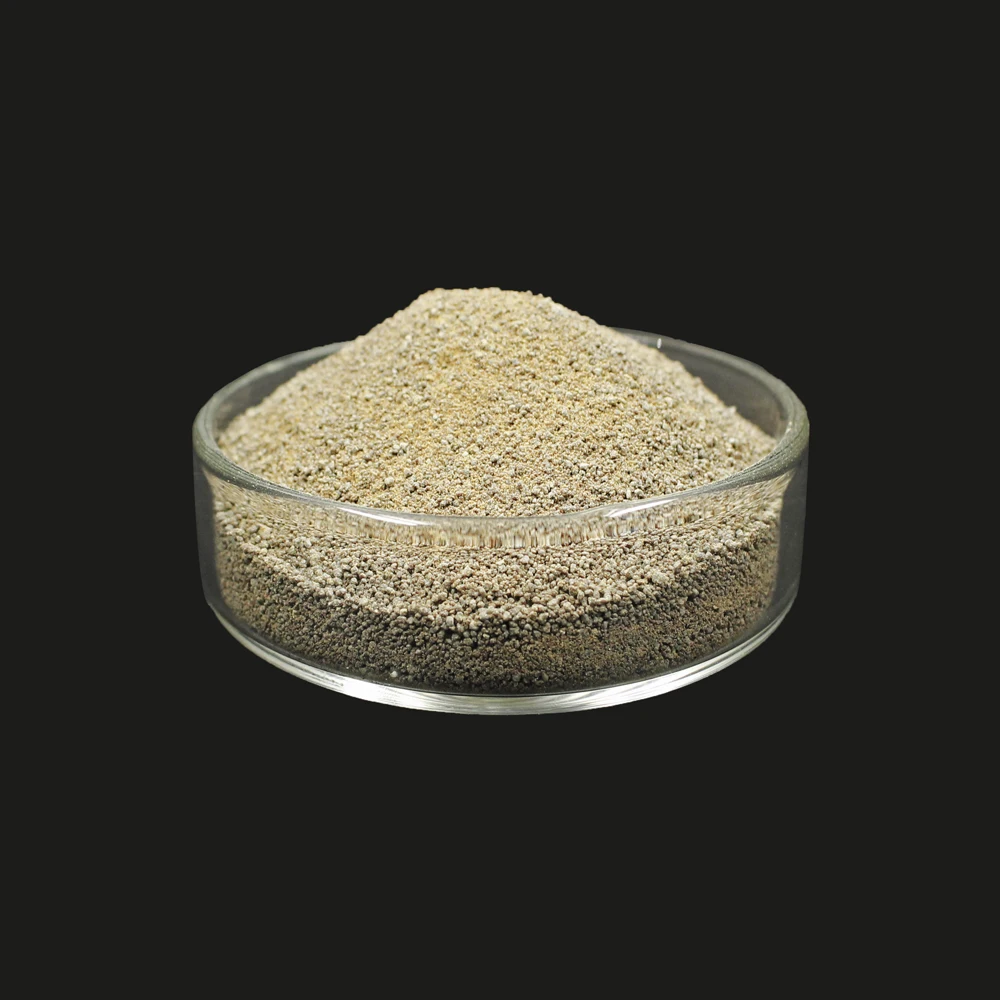
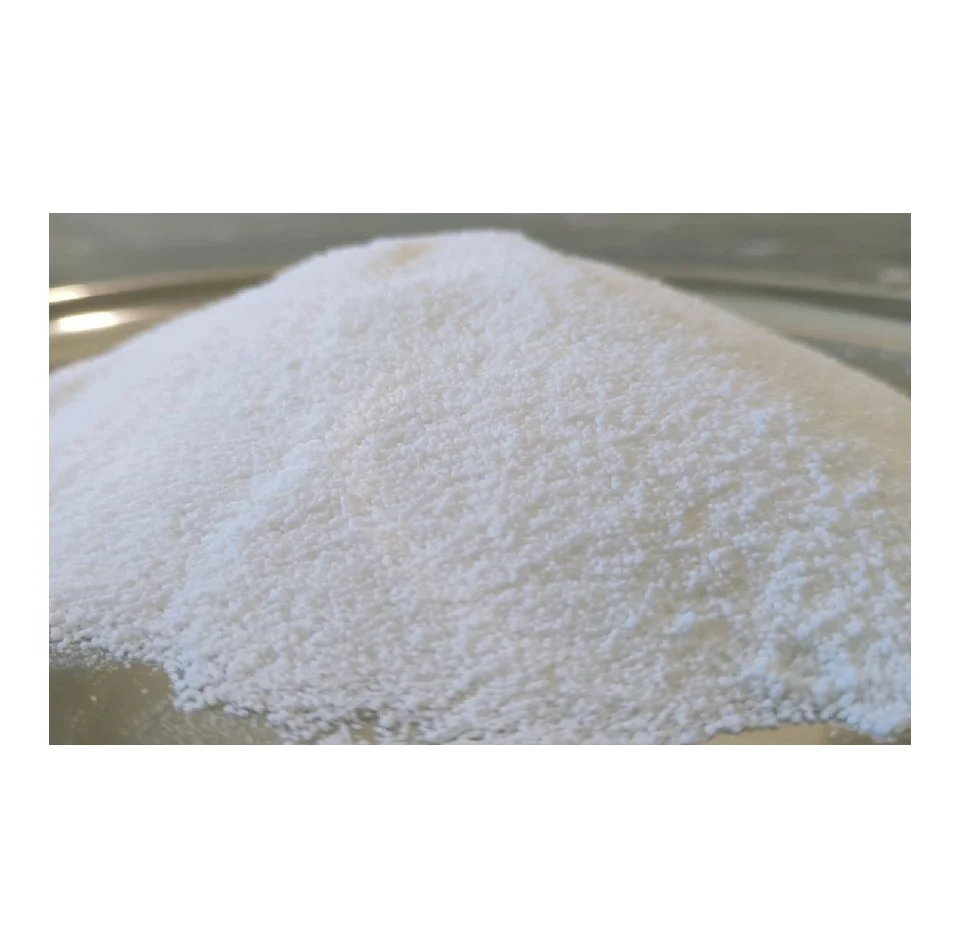
MSG residue is a single-cell protein obtained by
inoculating corn starch sugar with Corynebacterium
glutamicum, following a direct fermentation process to
obtain the dry matter of the glutamic acid supernatant,
and then purifying the latter. It is a microbial raw
material product that is intermediate between animal
and plant protein feeds. It is rich in a variety of amino
acids, trace elements, digestive enzymes and rich
growth factors, which is beneficial to the digestion and
absorption of animal bodies.
inoculating corn starch sugar with Corynebacterium
glutamicum, following a direct fermentation process to
obtain the dry matter of the glutamic acid supernatant,
and then purifying the latter. It is a microbial raw
material product that is intermediate between animal
and plant protein feeds. It is rich in a variety of amino
acids, trace elements, digestive enzymes and rich
growth factors, which is beneficial to the digestion and
absorption of animal bodies.


Detailed Images

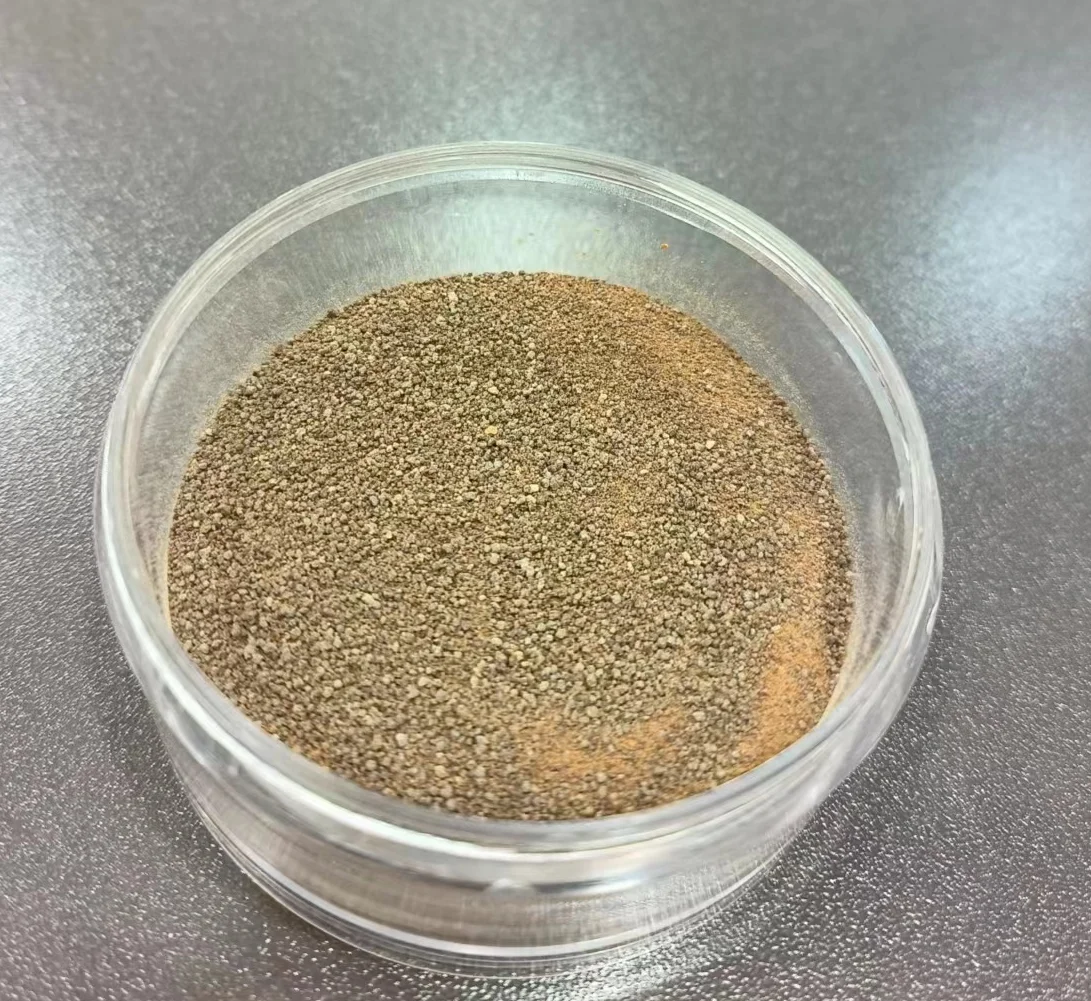
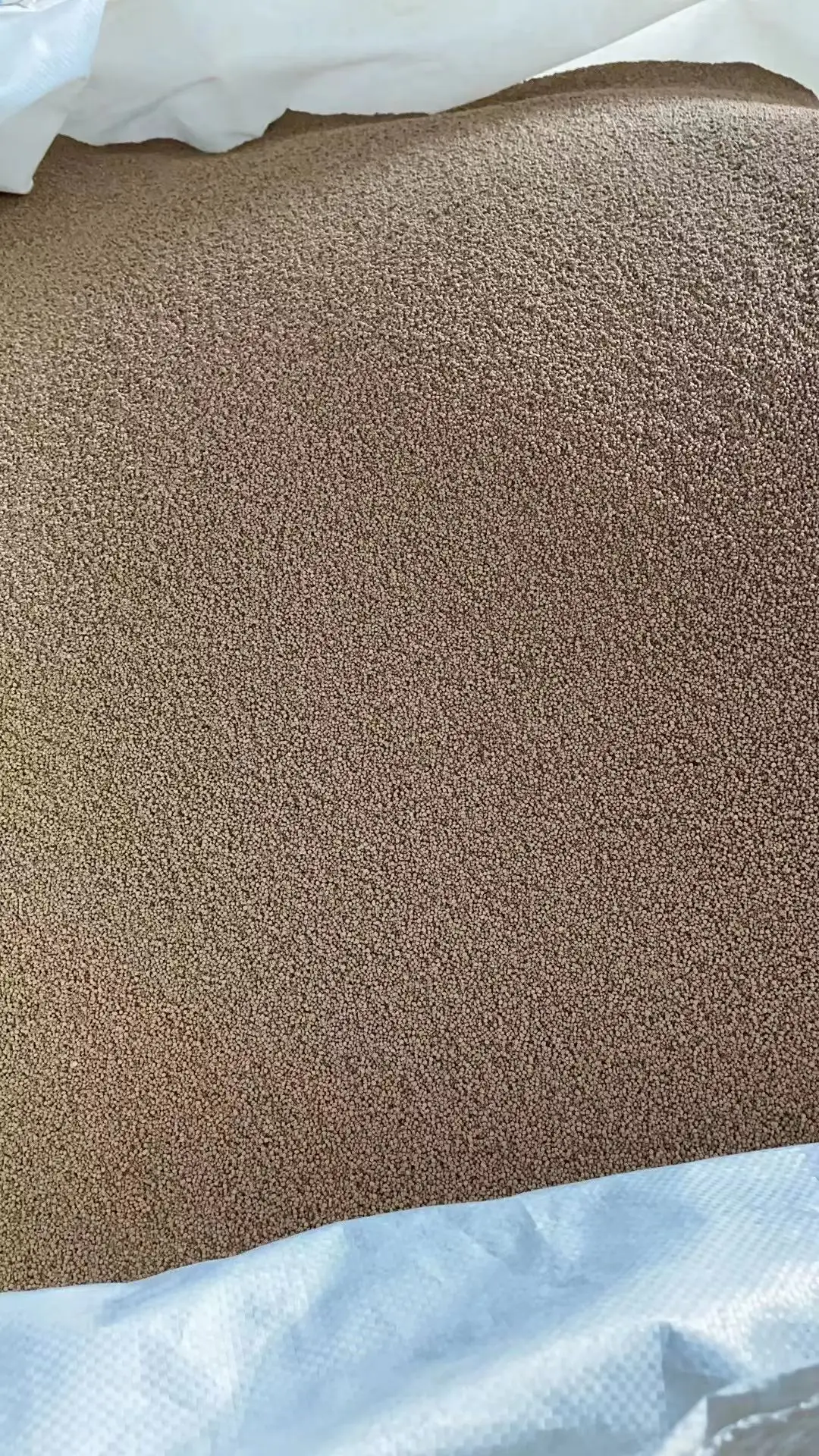
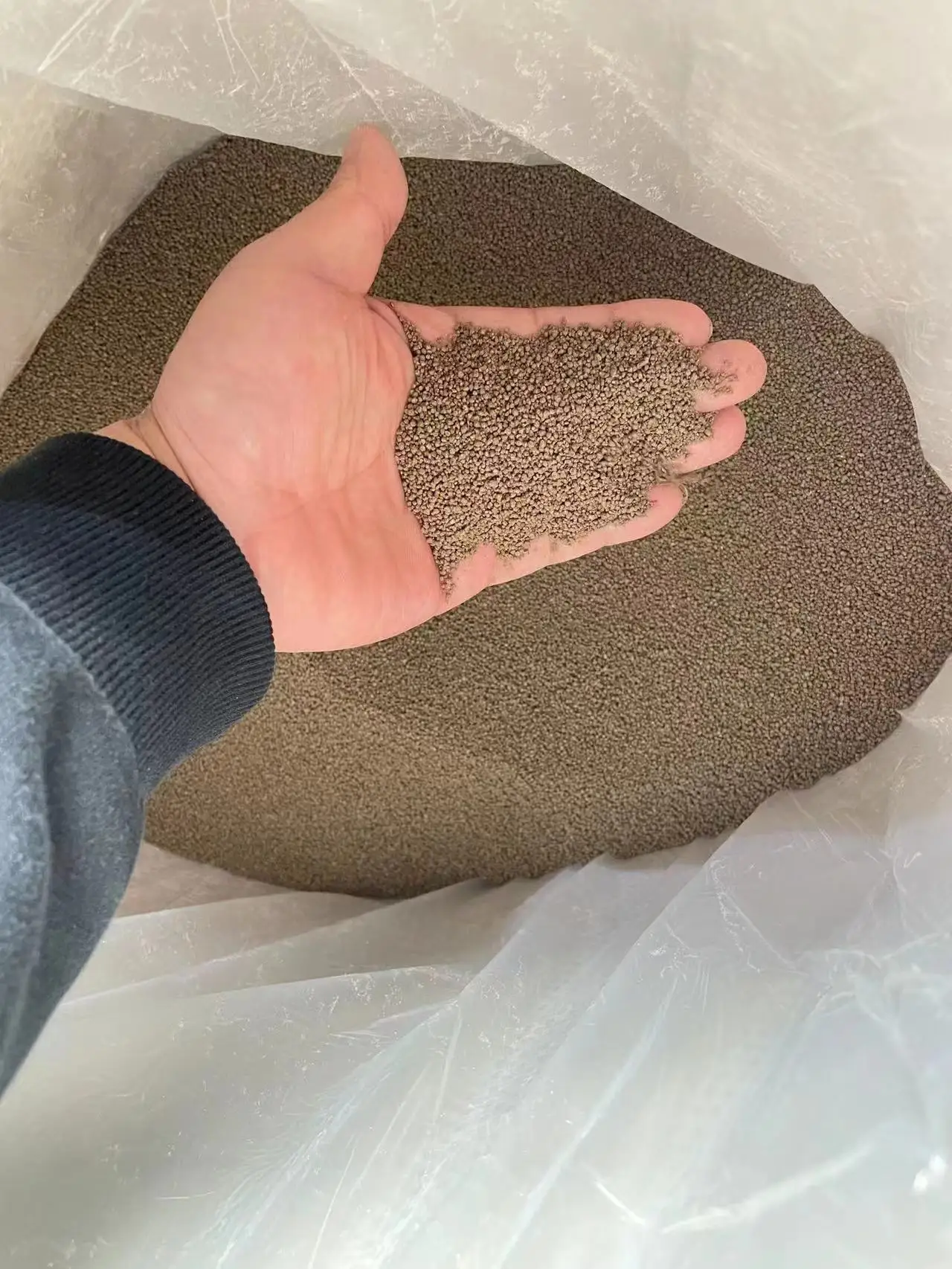
It is a single-cell protein with a crude protein content of up to 60-75%. The
protein molecules are small and mostly exist in the form of small peptides. The
digestibility of amino acids reaches more than 90%. They are easily decomposed
and absorbed in the animal body, and the nutritional effect is obviously better than
that of cakes and meals. Therefore, it can be used in feed instead of peeled
soybean meal, fish meal, and corn gluten meal to reduce feed costs.
Main Specification | ||
Protein | 70% Min | |
Ash | 4.0% Max | |
Ammonium salt content % | 15.5% Max | |
Moisture | 12%Max | |
The sum of the 18 amino acids % | 57.57 | |

The total amino acid content is 55-59%, and the quality is stable; at the same
time, the content of the necessary limiting amino acids - lysine, threonine, and
arginine is as high as 4%, and the methionine content is as high as 2%, which can
be guaranteed to the greatest extent. Growth needs of livestock and poultry.
time, the content of the necessary limiting amino acids - lysine, threonine, and
arginine is as high as 4%, and the methionine content is as high as 2%, which can
be guaranteed to the greatest extent. Growth needs of livestock and poultry.

The crude protein of MSG residue is 75%, of which amino acids are as high as
59%, and true protein is 63%, of which the protein that is not easily absorbed by
animals is low (12-15)%. Since the content of inorganic nitrogen is low, the
proportion of addition to feed can be increased..
59%, and true protein is 63%, of which the protein that is not easily absorbed by
animals is low (12-15)%. Since the content of inorganic nitrogen is low, the
proportion of addition to feed can be increased..
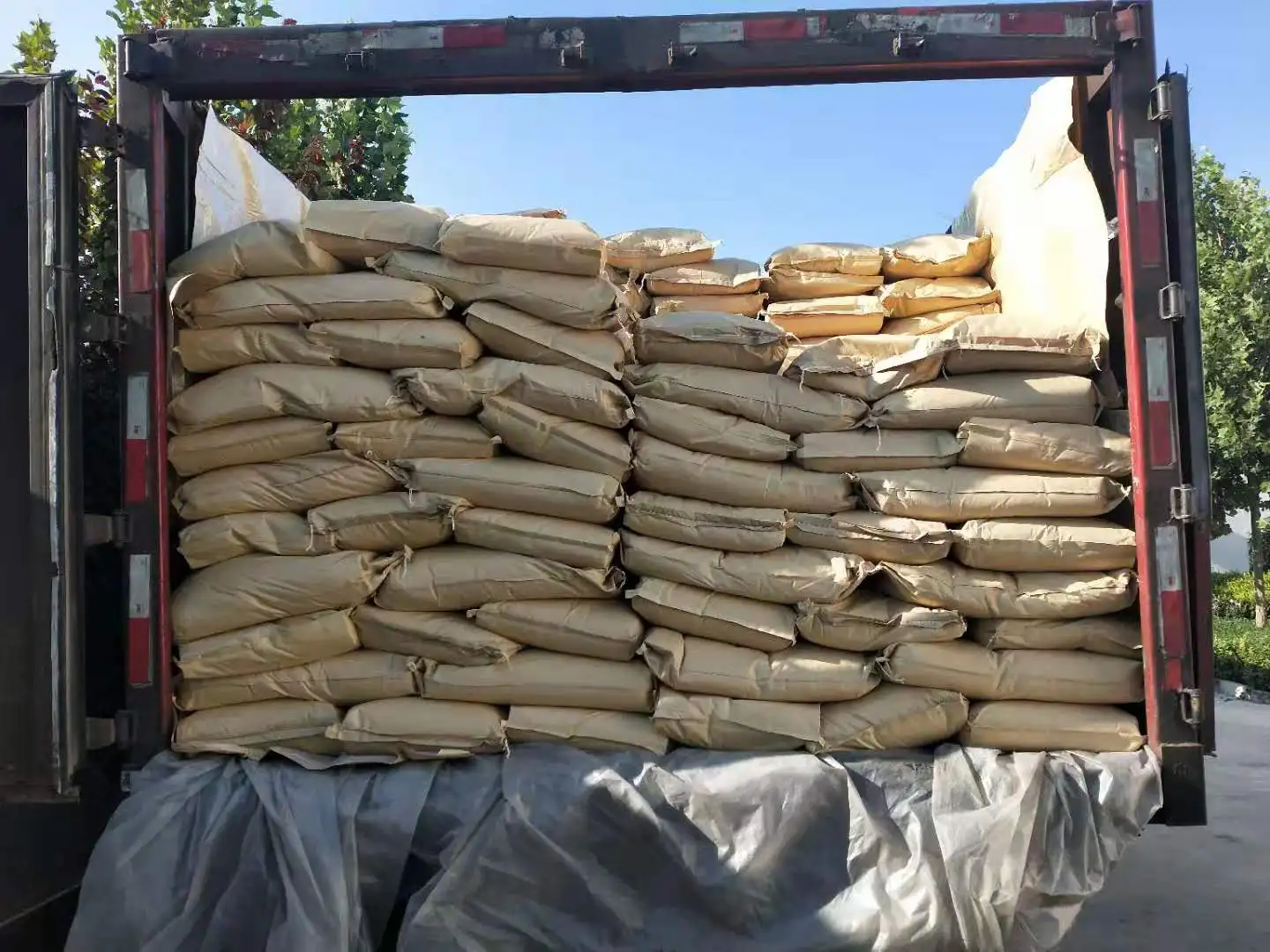
Packing&Shipping


Application of Mycoprotein 70% in feed:
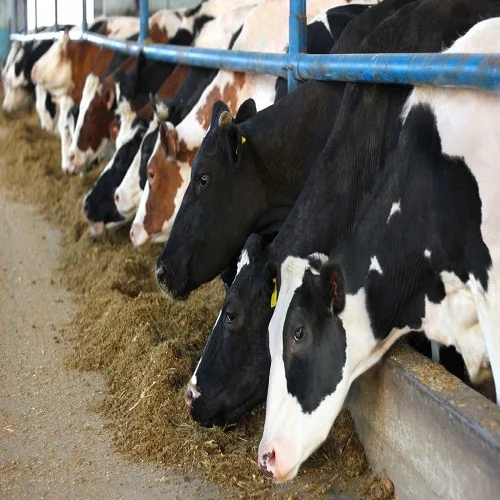
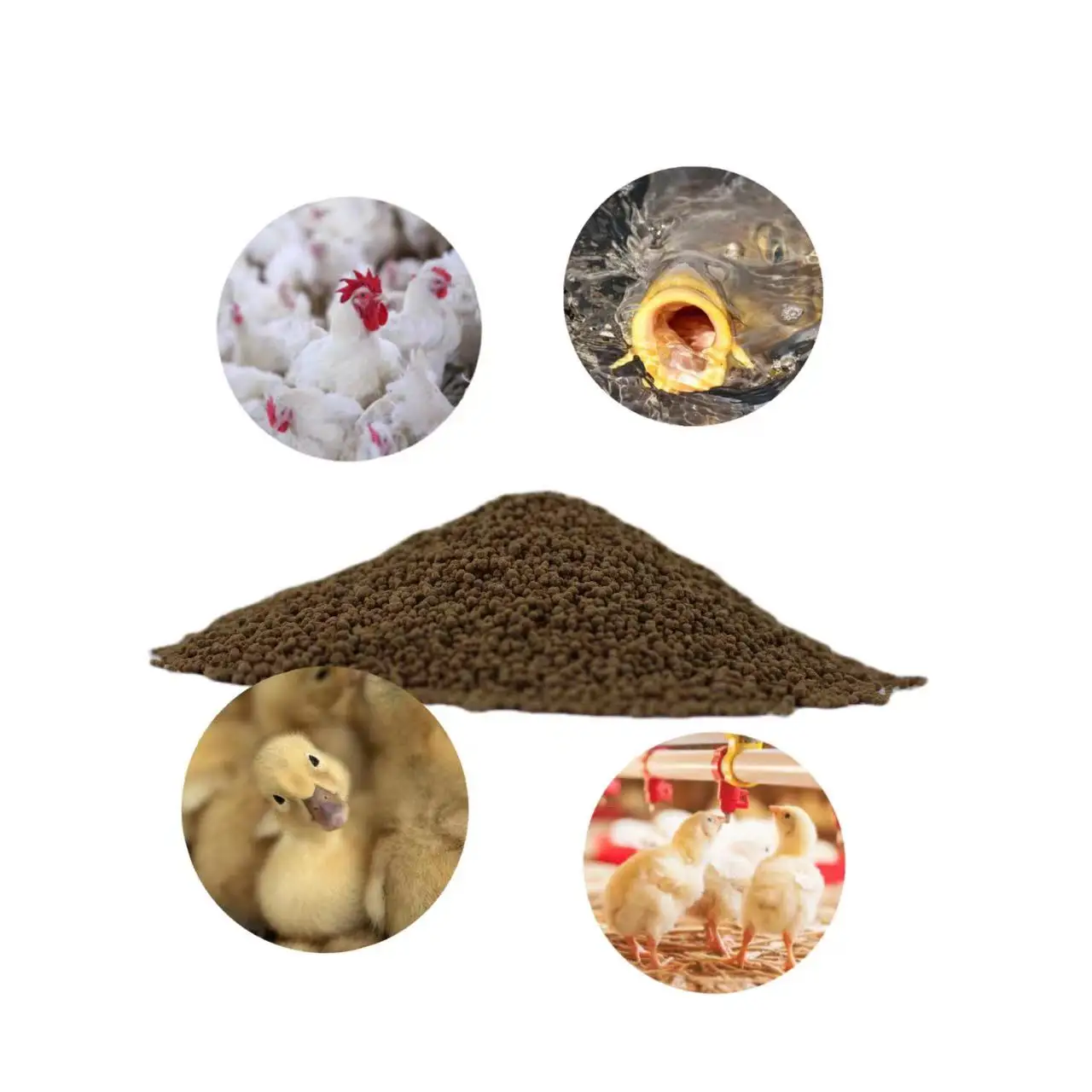
1. MSG 70% is mainly used as an additive in feed, which can increase the nutritional value of feed, improve feed taste, enhance digestion and absorption capacity, and promote appetite and immunity.
2. Improve the taste of feed.
3. Enhance digestion and absorption capabilities.
4. Promote appetite.
5. Enhance immunity.
6. Promoting the healthy growth of animals, and improving the market competitiveness of meat and poultry products.
2. Improve the taste of feed.
3. Enhance digestion and absorption capabilities.
4. Promote appetite.
5. Enhance immunity.
6. Promoting the healthy growth of animals, and improving the market competitiveness of meat and poultry products.


Company Introduction


We Recommend
New Arrivals
New products from manufacturers at wholesale prices