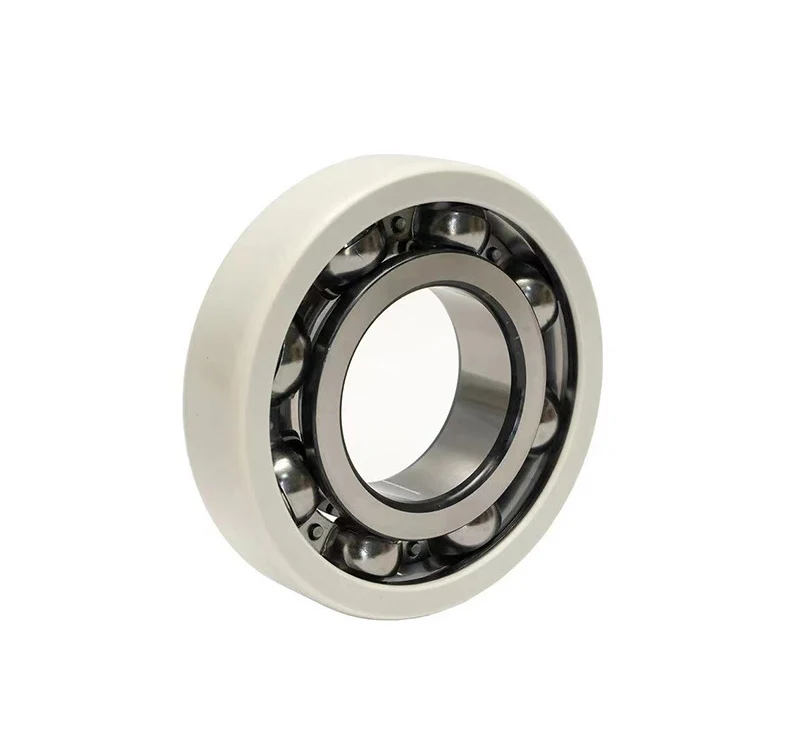
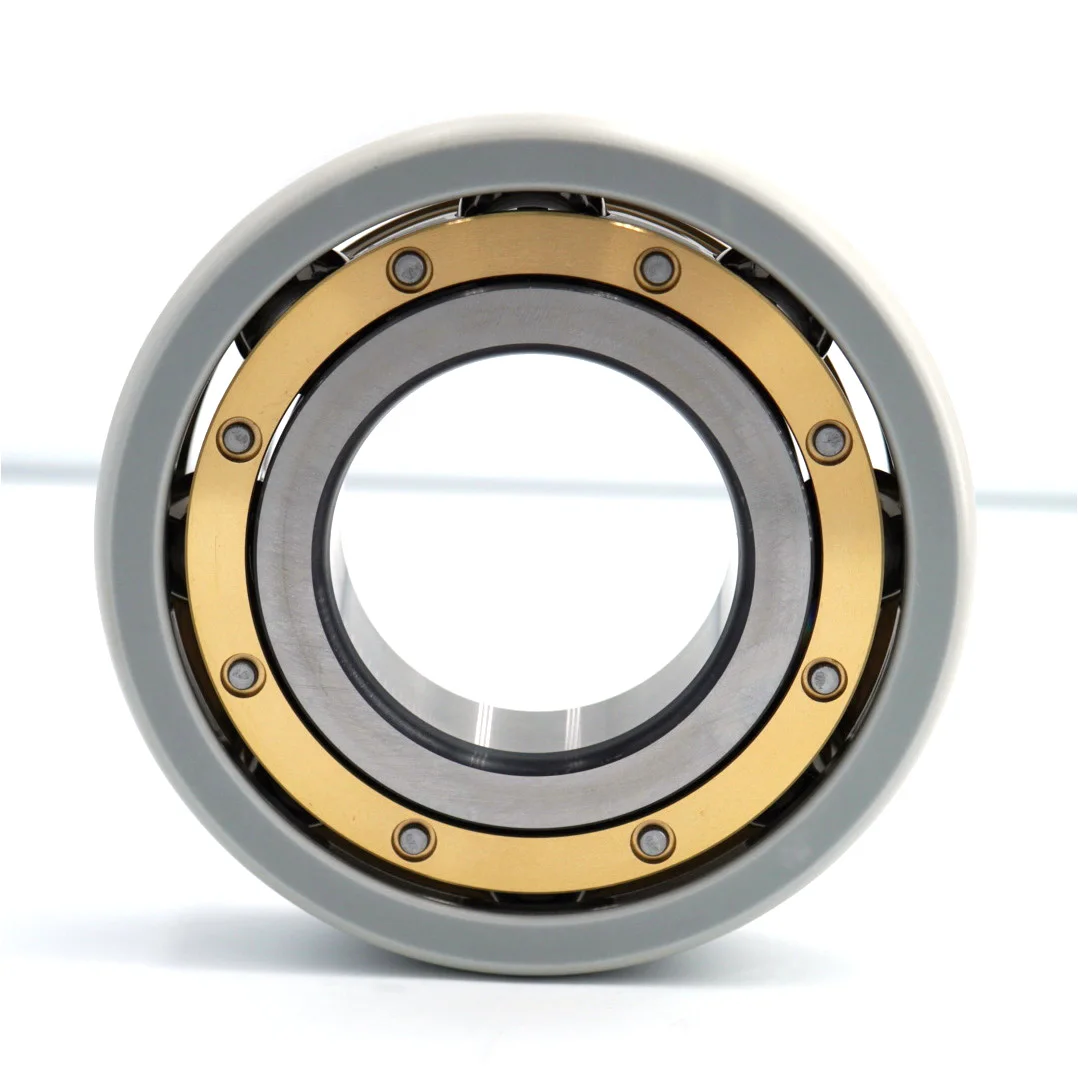
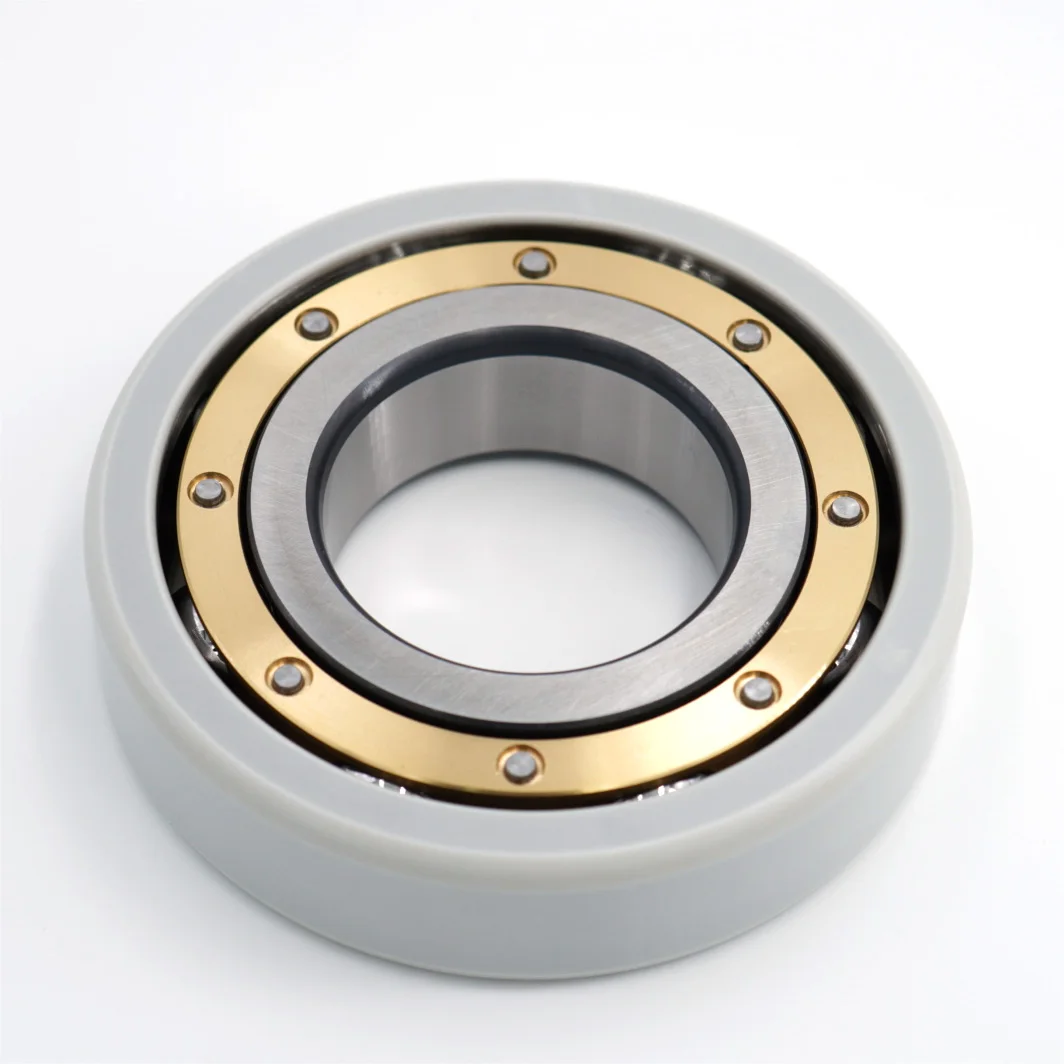
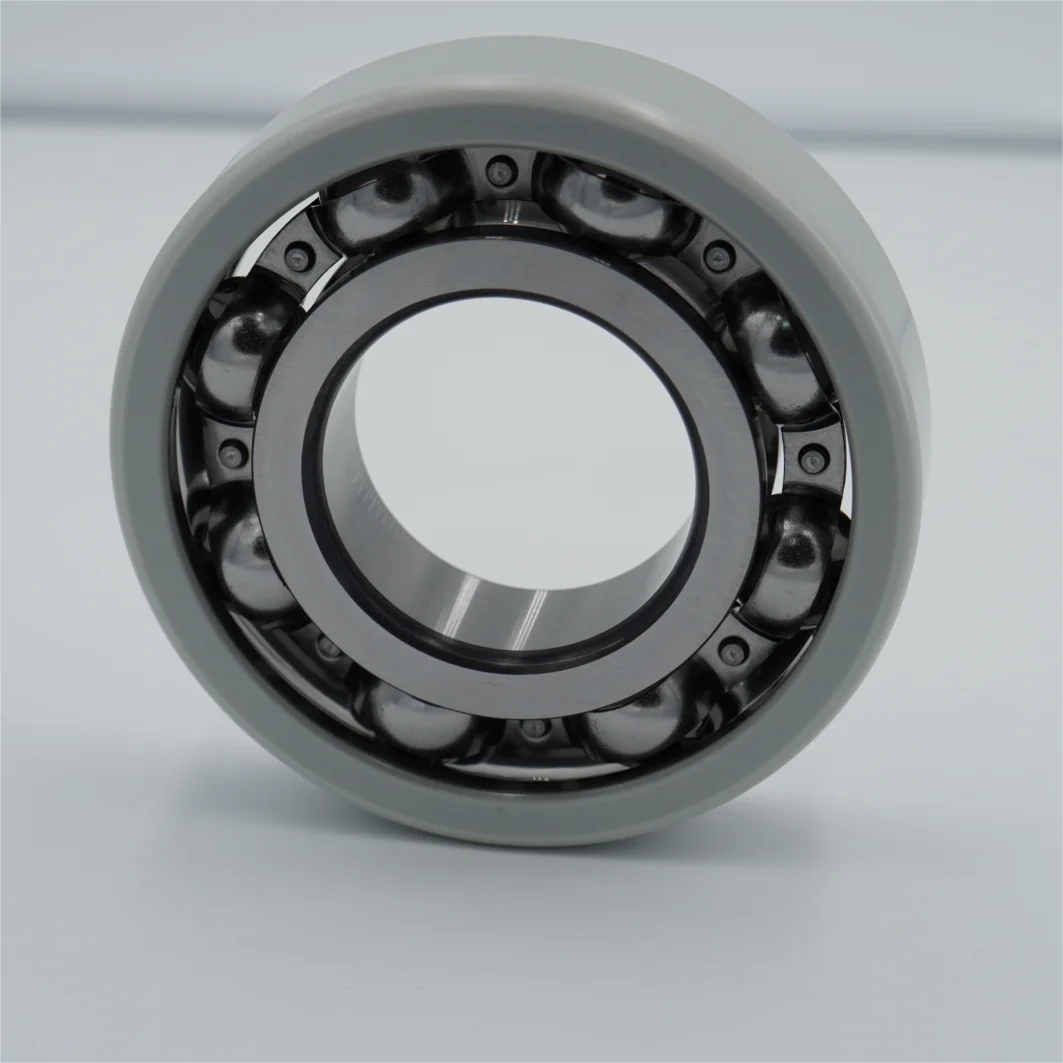
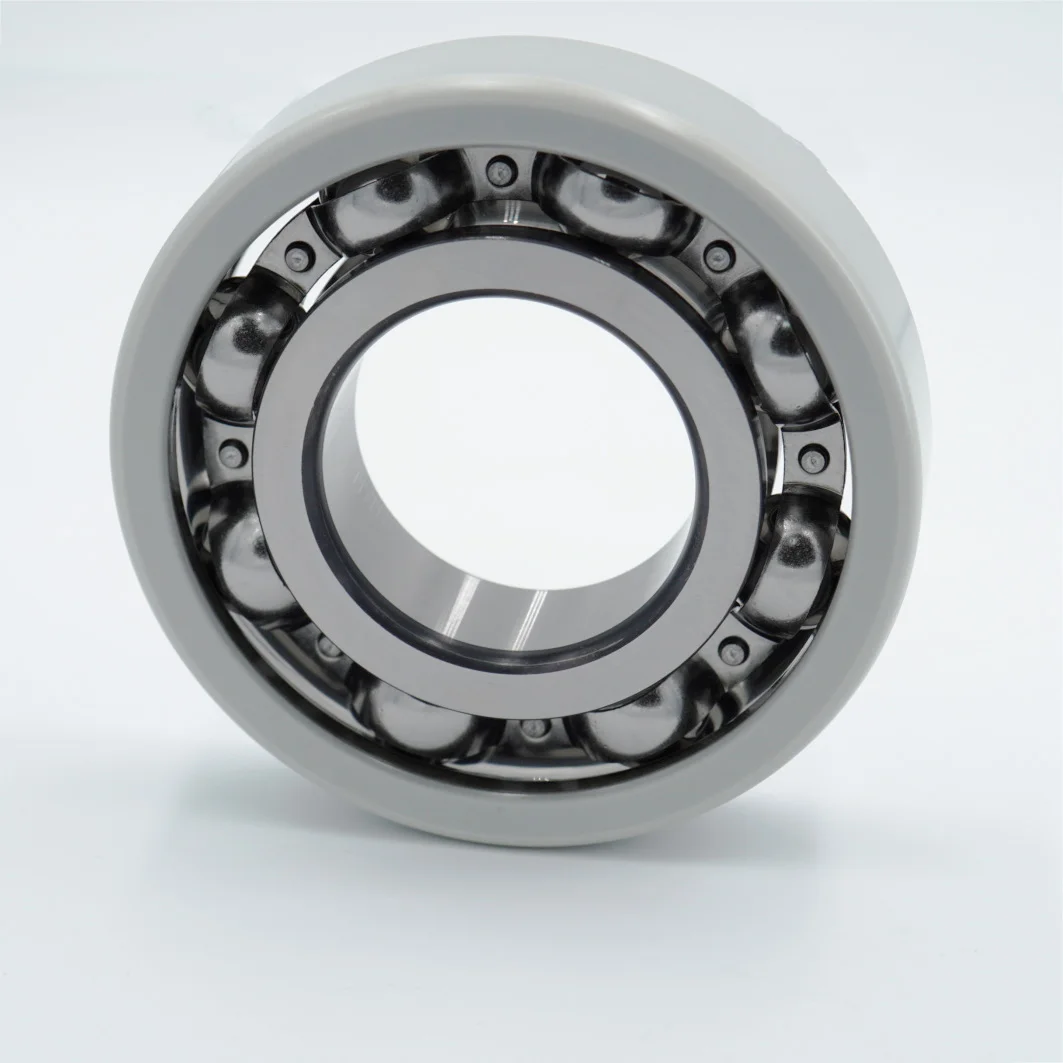
6028M/C3VL0241 6028M/C3J20AA 140x210x33mm outer ring electric insulated bearing for electricity generator
- Category: >>>
- Supplier: Shandong Tefule Bearing Co. Ltd.
Share on (1601201510514):
Product Overview
Description
Product Description
6028M/C3VL0241 6028M/C3J20AA 140x210x33mm outer ring electric insulated bearing for electricity generator
Insulated bearings are an important member of the bearing industry and are of interest because of their good insulating
properties. When selecting and using insulated bearings, several aspects need to be considered.
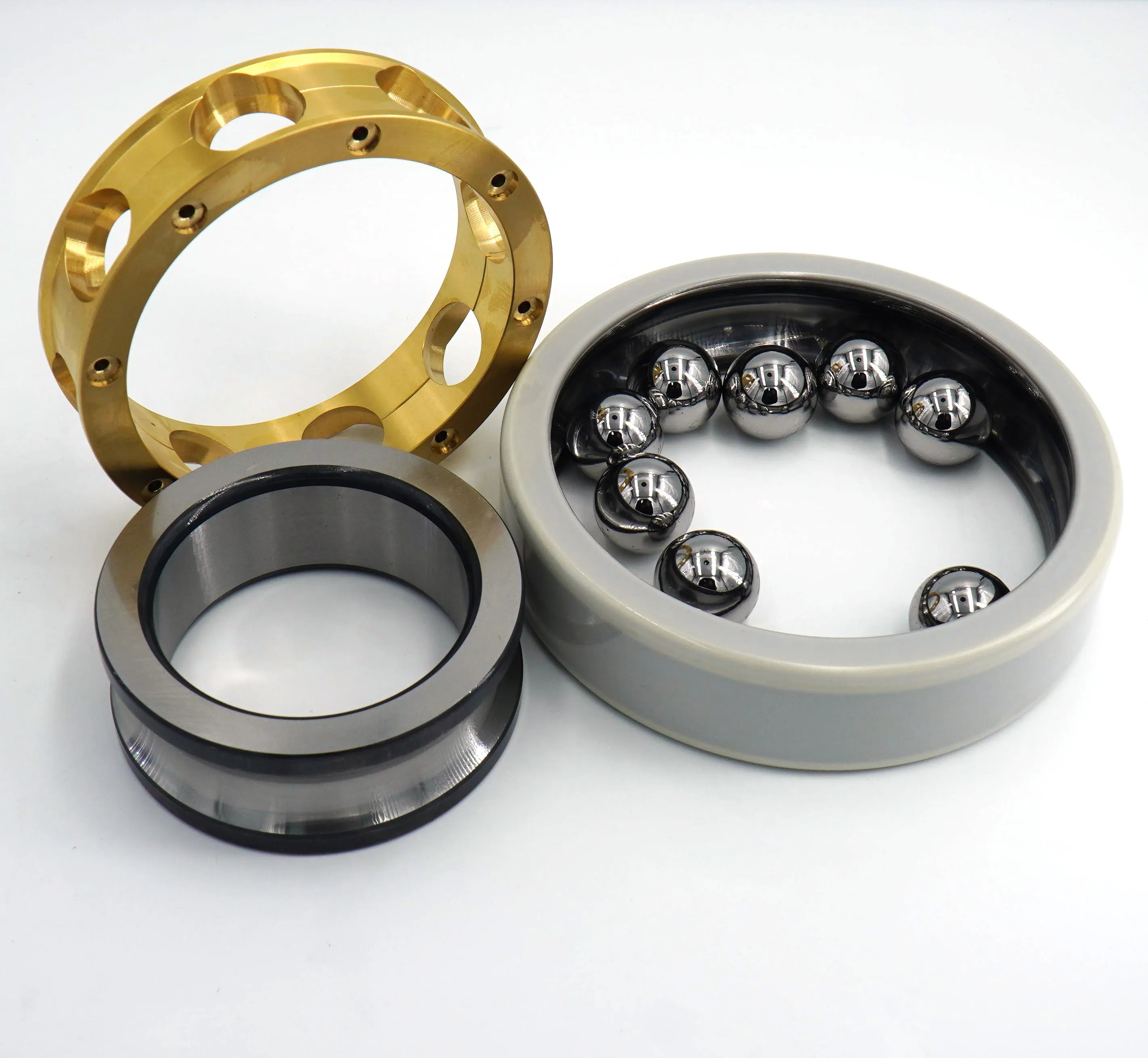
First of all, from the perspective of product structure, insulated bearings are generally composed of housing and bearing, and the housing is mostly made of engineering plastics with good insulating properties. The bearing is divided into two parts, the shaft and sleeve, the shaft is metal material, and the sleeve is made of insulating material. This structure allows sufficient friction between the shaft and sleeve while maintaining stability during relative motion.
When selecting insulated bearings, the following aspects need to be considered:
1. Insulation performance is one of the most important features of insulated bearings. When choosing, you need to pay attention
to its insulation resistance, voltage resistance and other parameters.
2. The size and precision of different application scenarios require different sizes and precision of insulated bearings.
Therefore, the selection needs to be made according to the actual needs.
3. The bearing capacity and life, which is also an important factor to consider when choosing insulated bearings.
Compared with other types of bearings, insulated bearings have the following advantages:
1. They have excellent insulating properties, which can ensure the normal operation of motors and other equipment.
2. They have a low coefficient of friction, smooth running and long bearing life.
3. They have good high-temperature resistance and can be used in harsh environments.
Insulated bearings are mainly used in various motors, electrical appliances, chemical equipment, medical equipment and other occasions. In these use scenarios, due to the excellent performance performance of the insulated bearings, the efficiency and stability of the equipment can be effectively improved and the service life of the equipment can be extended.
In short, when choosing and using insulated bearings, it is necessary to analyze them from multiple perspectives, such as product structure, product selection, product advantages, and usage scenarios. Only after a comprehensive understanding of the characteristics and application scope of the product can it better play its role.
properties. When selecting and using insulated bearings, several aspects need to be considered.
First of all, from the perspective of product structure, insulated bearings are generally composed of housing and bearing, and the housing is mostly made of engineering plastics with good insulating properties. The bearing is divided into two parts, the shaft and sleeve, the shaft is metal material, and the sleeve is made of insulating material. This structure allows sufficient friction between the shaft and sleeve while maintaining stability during relative motion.
When selecting insulated bearings, the following aspects need to be considered:
1. Insulation performance is one of the most important features of insulated bearings. When choosing, you need to pay attention
to its insulation resistance, voltage resistance and other parameters.
2. The size and precision of different application scenarios require different sizes and precision of insulated bearings.
Therefore, the selection needs to be made according to the actual needs.
3. The bearing capacity and life, which is also an important factor to consider when choosing insulated bearings.
Compared with other types of bearings, insulated bearings have the following advantages:
1. They have excellent insulating properties, which can ensure the normal operation of motors and other equipment.
2. They have a low coefficient of friction, smooth running and long bearing life.
3. They have good high-temperature resistance and can be used in harsh environments.
Insulated bearings are mainly used in various motors, electrical appliances, chemical equipment, medical equipment and other occasions. In these use scenarios, due to the excellent performance performance of the insulated bearings, the efficiency and stability of the equipment can be effectively improved and the service life of the equipment can be extended.
In short, when choosing and using insulated bearings, it is necessary to analyze them from multiple perspectives, such as product structure, product selection, product advantages, and usage scenarios. Only after a comprehensive understanding of the characteristics and application scope of the product can it better play its role.
Specification
Model | Cage | Cr(KN) | Cor (KN) | Grease lubrication speed | Oil lubricated speed | Weight (kg) | Insulation class | ||
6028/C3VL0241 | Steel | 111 | 108 | 6700 | 4000 | 3.4 | 2000V | 3000V | |
6028M/C3VL0241 | Brass | 111 | 108 | 6700 | 4000 | 3.4 | 2000V | 3000V | |
Packing & Delivery


To better ensure the safety of your goods, professional, environmentally friendly, convenient and efficient packaging services will be provided.
Certifications

FAQ
Q: Are you trading company or manufacturer?
A: We are factory. Shandong Tefule Bearing Co.,Ltd integrates production, trade, investment and sales.
Q: How long is your delivery time?
A: Generally it is 1-3 days if the goods are in stock. or it is 15-20 days if the goods out of stock, depends on order quantity.
Q: Do you provide samples ? is it free or extra?
A: Yes, we could provide free samples, but freight collect.
A: We are factory. Shandong Tefule Bearing Co.,Ltd integrates production, trade, investment and sales.
Q: How long is your delivery time?
A: Generally it is 1-3 days if the goods are in stock. or it is 15-20 days if the goods out of stock, depends on order quantity.
Q: Do you provide samples ? is it free or extra?
A: Yes, we could provide free samples, but freight collect.
We Recommend


New Arrivals
New products from manufacturers at wholesale prices