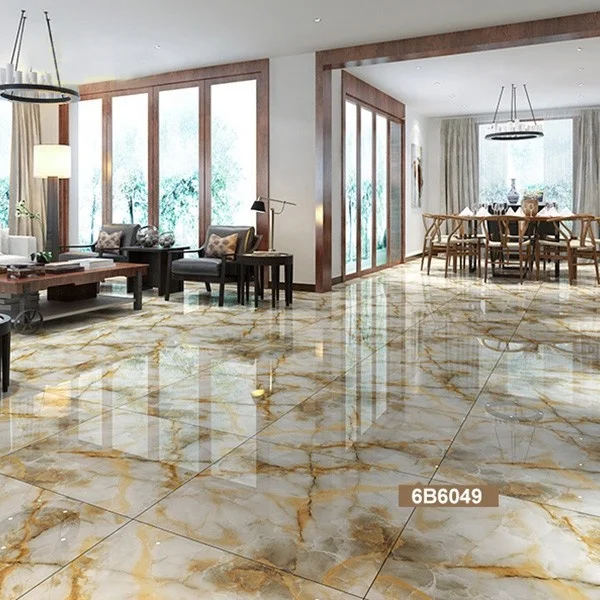
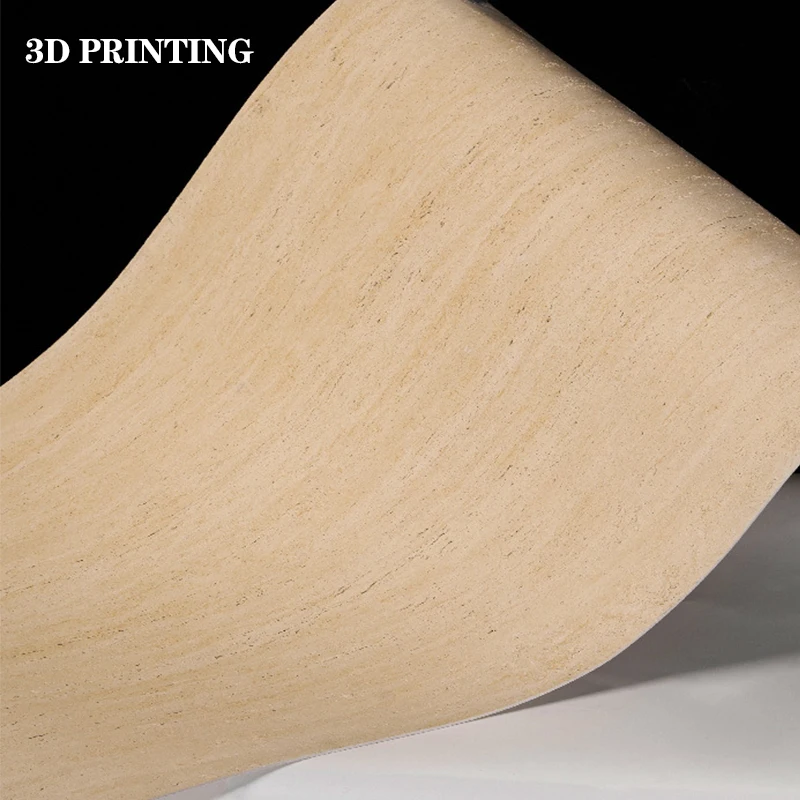
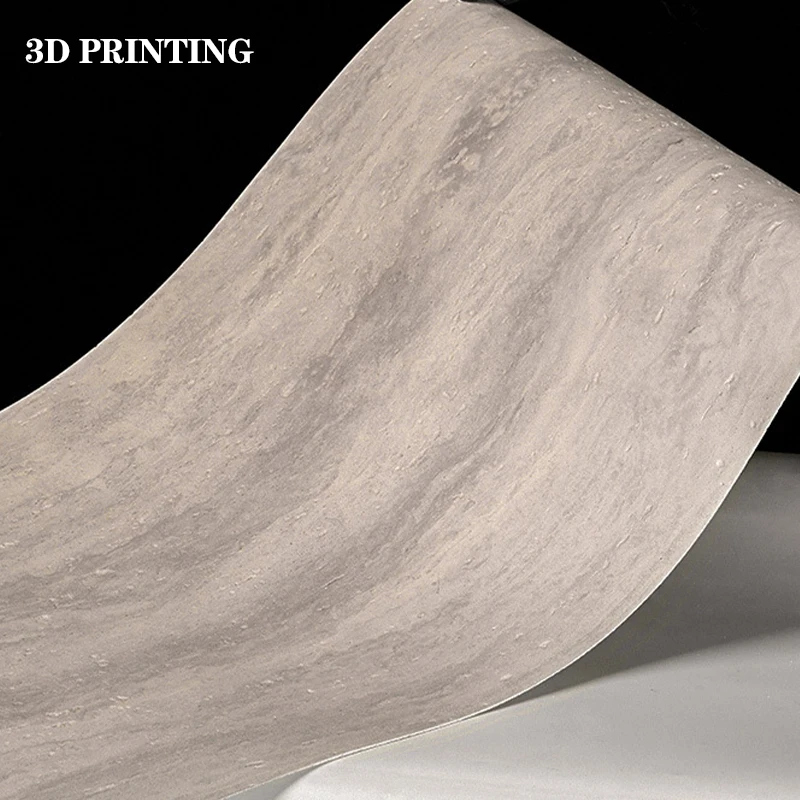
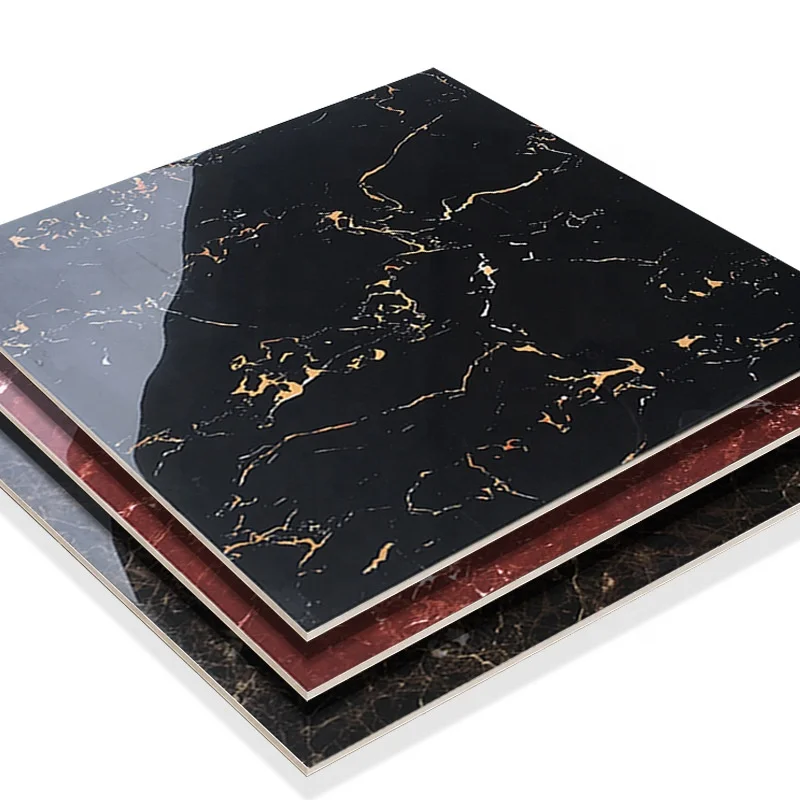
MCM Soft Porcelain Panel Soft stone Ceramic Tile Flexible Clay Panel 3D Travertine Stone exterior wall cladding
- Category: >>>
- Supplier: Shandong Bangtuo New Building Materials Co. Ltd.
Share on (1601225854541):
Product Overview
Description

Product Description
Produce Name | 3D Travertine Stone Soft Porcelain Panel |
Raw Material | Modified mineral powder + Green plant fiber |
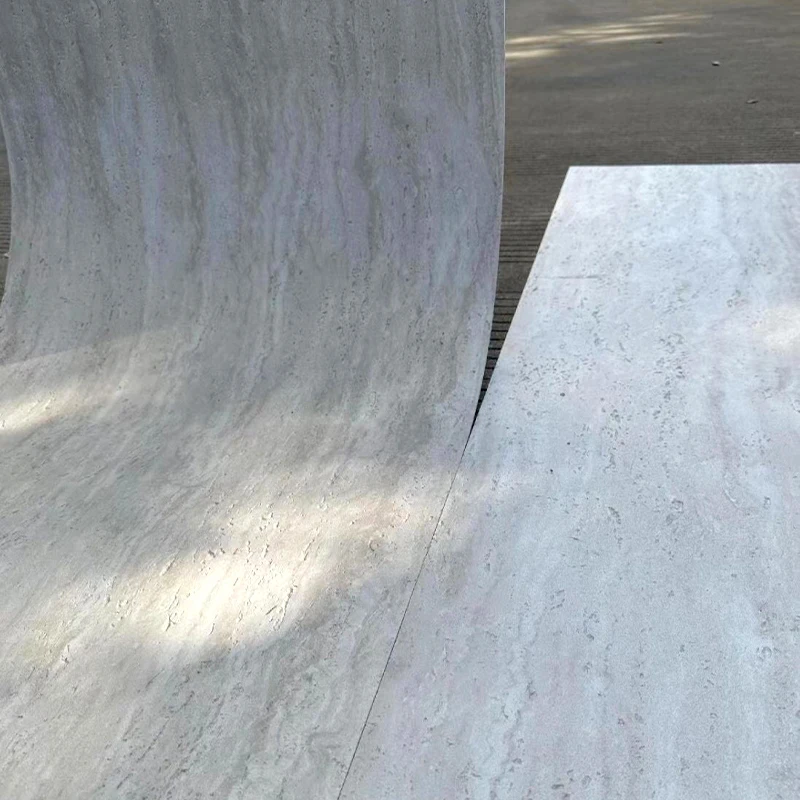
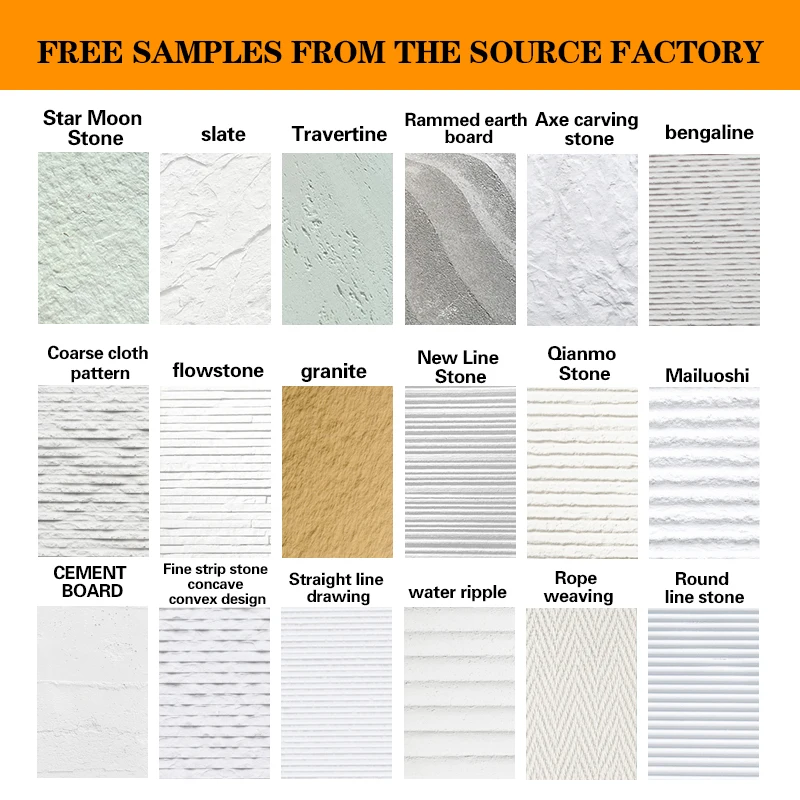
Color | White, Red, Yellow, Andean Gray, Andean Gold, Andean Curry and customized design |
Features | Thin, Flexible and Light weight, Breathability, Safe & healthy, Waterproof and fire resistant |
Packaging | Standard cartons and wooden pallet faux stone wall tile |
Application | Building engineering / Household interior and exterior wall decoration |
Service Life | More than 50years |
Size ( L*W*H ) | 1200*600*(2.5-3.5)mm, 1200*1200*(2.5-3.5)mm, 2400*1200*(2.5-3.5)mm and Customized |
Soft porcelain is a flexible architectural decorative surface material made of modified clay (MCM) as the main raw material and formed by using a special temperature-controlled modeling system, baking, and irradiation. Because it had the appearance of a ceramic tile at the beginning of its birth, it was commonly known as soft porcelain. Soft porcelain building decoration materials are extremely expressive. They can not only realistically express the color and texture of existing materials such as stone, ceramics, wood, leather, knitting, metal plate, weaving, and dryboard, but also create personalized forms of expression according to the design requirements of architects and designers.


Optional colors


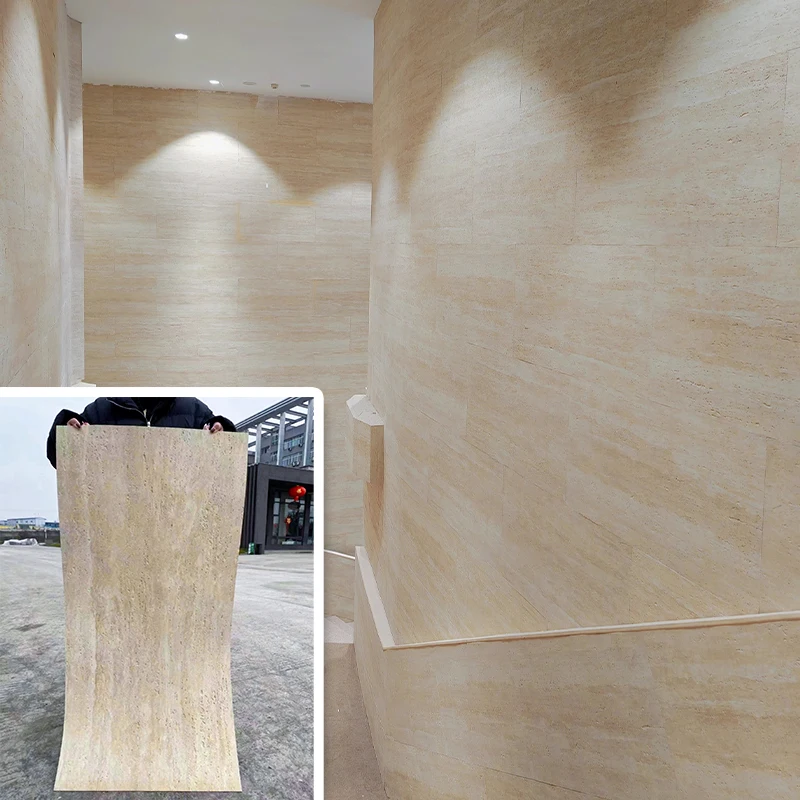
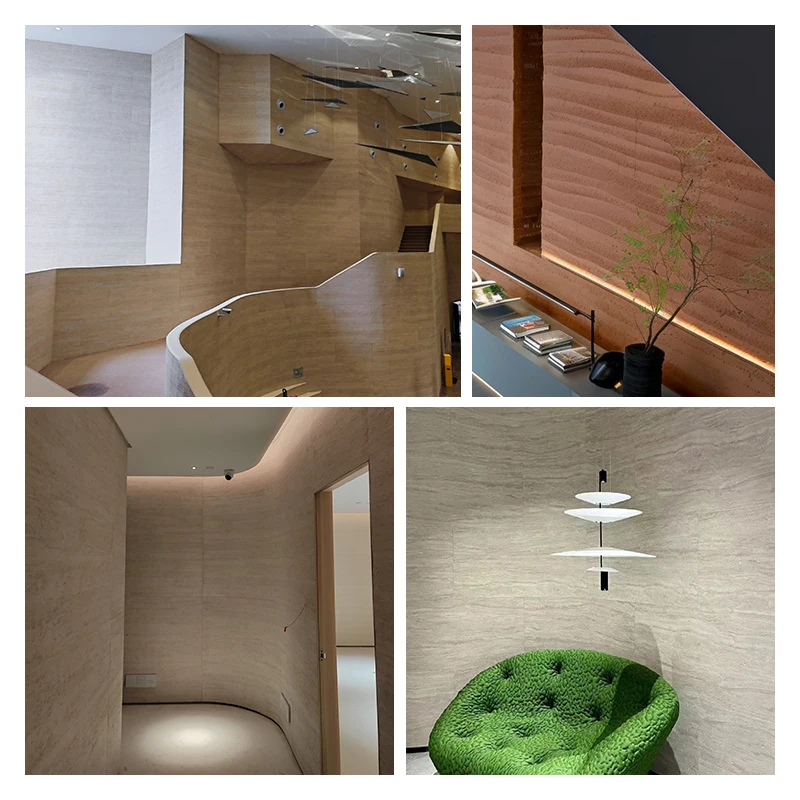
Installation effect
Why Choose Us

Soft porcelain (MCM material) is a new type of environmentally friendly ecological building material. It is especially suitable for exterior finishing projects of high-rise buildings, exterior facade decoration projects of buildings, exterior wall materials for urban old city reconstruction, finishing layers of exterior insulation systems, and finishing projects of exotic buildings such as curved walls and arched columns.

1. Performance advantages: Strong water-repellent and breathable properties, light self-weight, flexibility, acid and alkali resistance, freeze-thaw resistance, earthquake resistance, crack resistance, and good compatibility with the exterior wall external insulation system.
2. Safety advantages: Soft porcelain technology products completely overcome the safety hazards of ceramic tiles and mosaics that are easy to fall off and injure people, and are especially suitable as exterior wall finishing materials for high-rise buildings and exterior wall external insulation systems.
3. Expressive advantages: Soft porcelain materials can be shaped at will, breaking through the modeling limitations of traditional ceramic tiles. Soft porcelain technology products have the integration capabilities of all building materials at home and abroad, all kinds of natural stone materials, wood boards, building water, and soft porcelain technologies can be quickly cloned and the effect is realistic.
4. Construction advantages: Especially when renovating old walls or renovating spaces, MCM materials can be directly pasted on them without having to knock out the original old tiles and mosaics.
5. Advantages of energy conservation and emission reduction: The fuel for the production line of soft porcelain technology products abandons highly polluting raw materials such as coal and heavy oil, and uses electric energy and solar energy to strive to be clean and the source is guaranteed; there is no wastewater, waste gas, and dust emissions during the production process, and all waste can be recycled and reused.
6. Environmental protection advantages: Test results show that the radioactivity and soluble lead and cadmium content of MCM materials are far lower than the requirements of environmental label products ceramic tiles; they do not contain TVOC, and when MCM materials have been used for a certain number of years, or their styles and colors need to be updated, they can be completely recycle.
2. Safety advantages: Soft porcelain technology products completely overcome the safety hazards of ceramic tiles and mosaics that are easy to fall off and injure people, and are especially suitable as exterior wall finishing materials for high-rise buildings and exterior wall external insulation systems.
3. Expressive advantages: Soft porcelain materials can be shaped at will, breaking through the modeling limitations of traditional ceramic tiles. Soft porcelain technology products have the integration capabilities of all building materials at home and abroad, all kinds of natural stone materials, wood boards, building water, and soft porcelain technologies can be quickly cloned and the effect is realistic.
4. Construction advantages: Especially when renovating old walls or renovating spaces, MCM materials can be directly pasted on them without having to knock out the original old tiles and mosaics.
5. Advantages of energy conservation and emission reduction: The fuel for the production line of soft porcelain technology products abandons highly polluting raw materials such as coal and heavy oil, and uses electric energy and solar energy to strive to be clean and the source is guaranteed; there is no wastewater, waste gas, and dust emissions during the production process, and all waste can be recycled and reused.
6. Environmental protection advantages: Test results show that the radioactivity and soluble lead and cadmium content of MCM materials are far lower than the requirements of environmental label products ceramic tiles; they do not contain TVOC, and when MCM materials have been used for a certain number of years, or their styles and colors need to be updated, they can be completely recycle.
Installation method

1. After grassroots processing, locate the dropped line and bounce line.
2. Scrape the pulp behind the product to achieve a full pulp rate of more than 80%, and pull out the serrated lines.
3. Press the product with both hands, adjust the seam width, and tap with a rubber plate. It is strictly forbidden to press with your fingers.
4. Use plastic bag caulking paste to fill the gap, or use silicone glue to fill the gap.
5. When the caulking agent is semi-dry, use steel bars to draw concave joints.
6. Scrape off areas contaminated by adhesives and caulking agents with a batch knife.
7. Remove ash with a dry sponge.
8. Effect after construction is completed.
2. Scrape the pulp behind the product to achieve a full pulp rate of more than 80%, and pull out the serrated lines.
3. Press the product with both hands, adjust the seam width, and tap with a rubber plate. It is strictly forbidden to press with your fingers.
4. Use plastic bag caulking paste to fill the gap, or use silicone glue to fill the gap.
5. When the caulking agent is semi-dry, use steel bars to draw concave joints.
6. Scrape off areas contaminated by adhesives and caulking agents with a batch knife.
7. Remove ash with a dry sponge.
8. Effect after construction is completed.
Company Profile


We Recommend
New Arrivals
New products from manufacturers at wholesale prices