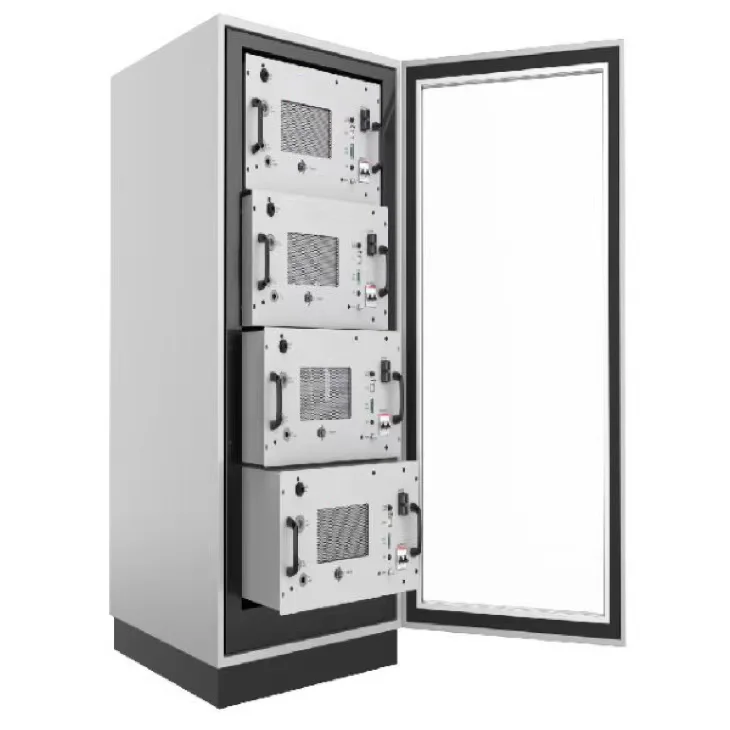
Small Fuel Cell Stack (Less than 10kW) for Boat and Car Applications
- Category: >>>
- Supplier: Electro Power Cell Energy Technology (shanghai) Co. Ltd.
Share on (1601255488674):
Product Overview
Description
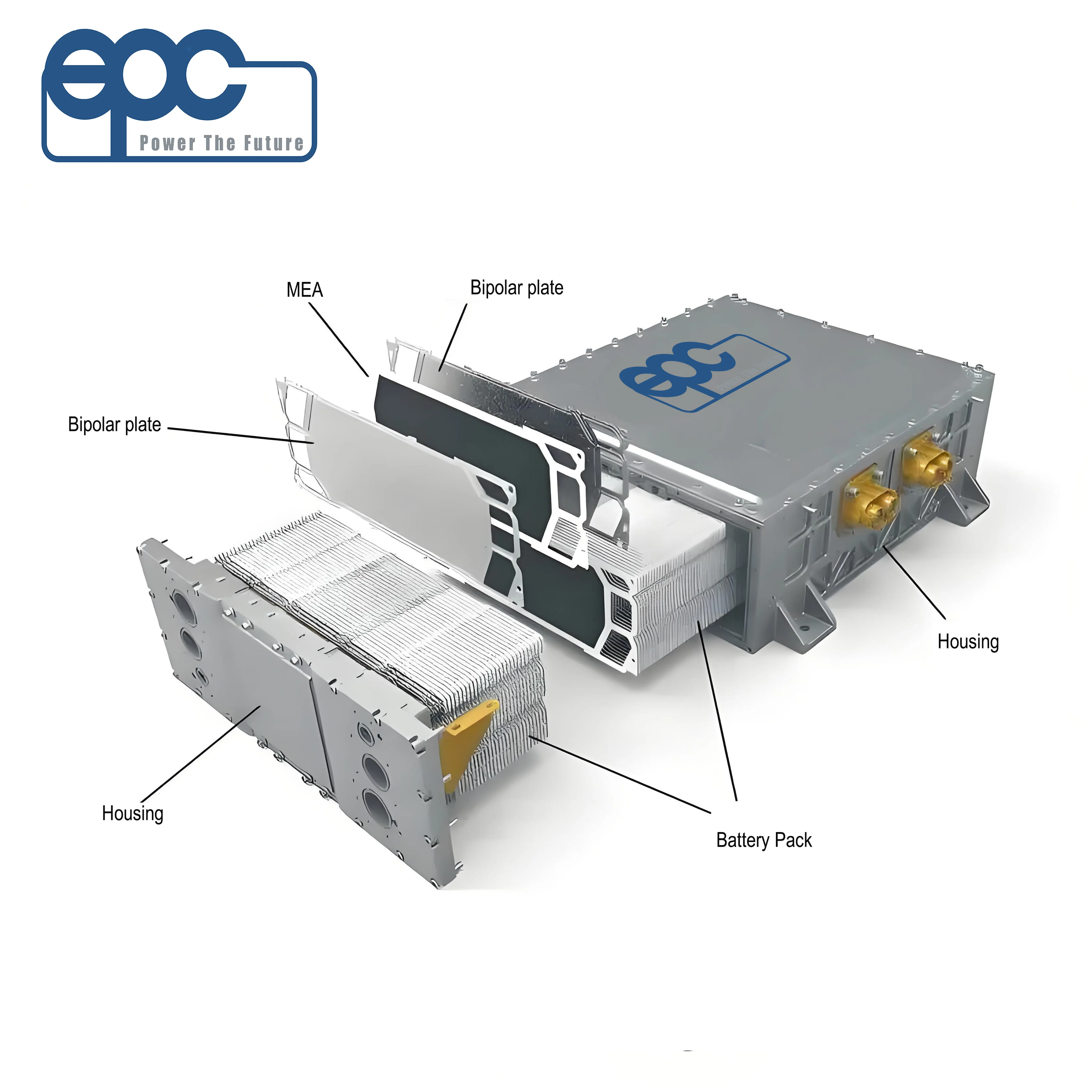
Hydrogen fuel cells work by feeding hydrogen and oxygen to the anode (positive) and cathode (negative), respectively, where hydrogen is oxidized into hydrogen ions (protons) and electrons, which flow through an external circuit to the cathode, while hydrogen ions reach the cathode through the electrolyte membrane. At the cathode, hydrogen ions combine with oxygen to form water, while releasing a large amount of heat energy. The potential difference generated in this process drives an external circuit, which generates electricity.
Technical characteristics
No pollution: Hydrogen fuel cells only produce water and heat during operation, which is pollution-free to the environment. If hydrogen is generated by renewable energy sources (such as photovoltaic panels, wind power generation, etc.), the entire cycle is a complete process without harmful emissions.
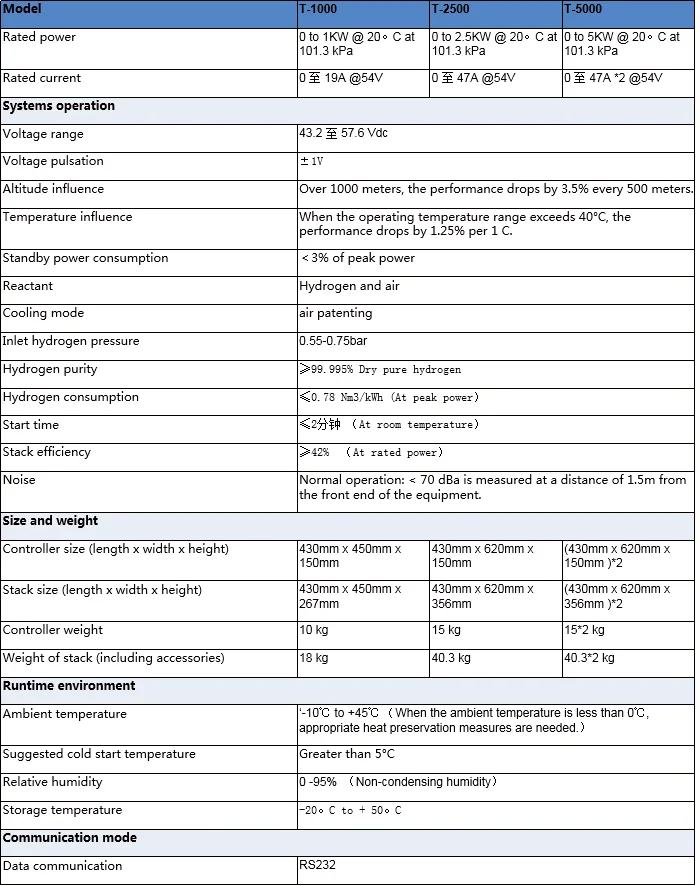
No noise: Hydrogen fuel cells operate quietly, with noise of only about 55dB, which is equivalent to the level of normal conversation between people, which makes it suitable for indoor installation or outdoor use where there is a limit to noise.
High efficiency: The power generation efficiency of hydrogen fuel cells can reach more than 50%, and the chemical energy is directly converted into electrical energy, without the intermediate transformation of thermal energy and mechanical energy (generator). This makes hydrogen fuel cells much more efficient than traditional internal combustion engines in terms of energy conversion.
Application field
Hydrogen fuel cells are widely used in many fields because of their environmental protection, high efficiency, quiet and other advantages:
Automotive energy: Hydrogen fuel cell vehicles are considered to be one of the important development directions of new energy vehicles in the future. Hydrogen fuel cell vehicles use hydrogen as energy and generate water through the chemical reaction of hydrogen and oxygen to achieve zero emissions and zero pollution. At the same time, the energy conversion efficiency of hydrogen fuel cell vehicles is as high as 60%80%, 23 times that of internal combustion engines.
Space field: As early as the 1960s, hydrogen fuel cells have been successfully applied to the space field. The Apollo spacecraft that flew between space and Earth were fitted with such small, high-capacity devices.
Power generation systems: Hydrogen fuel cells can also be used in power generation systems to convert the chemical energy of the fuel directly into electrical energy, providing a stable power supply to the grid. This power generation method has the advantages of less pollution, less noise, large or small device, and very flexible.
| Item Category |


We Recommend

New Arrivals
New products from manufacturers at wholesale prices